









![[명품 다큐멘터리] 한지](https://i.ytimg.com/vi_webp/APh9DMf04b8/maxresdefault.webp)




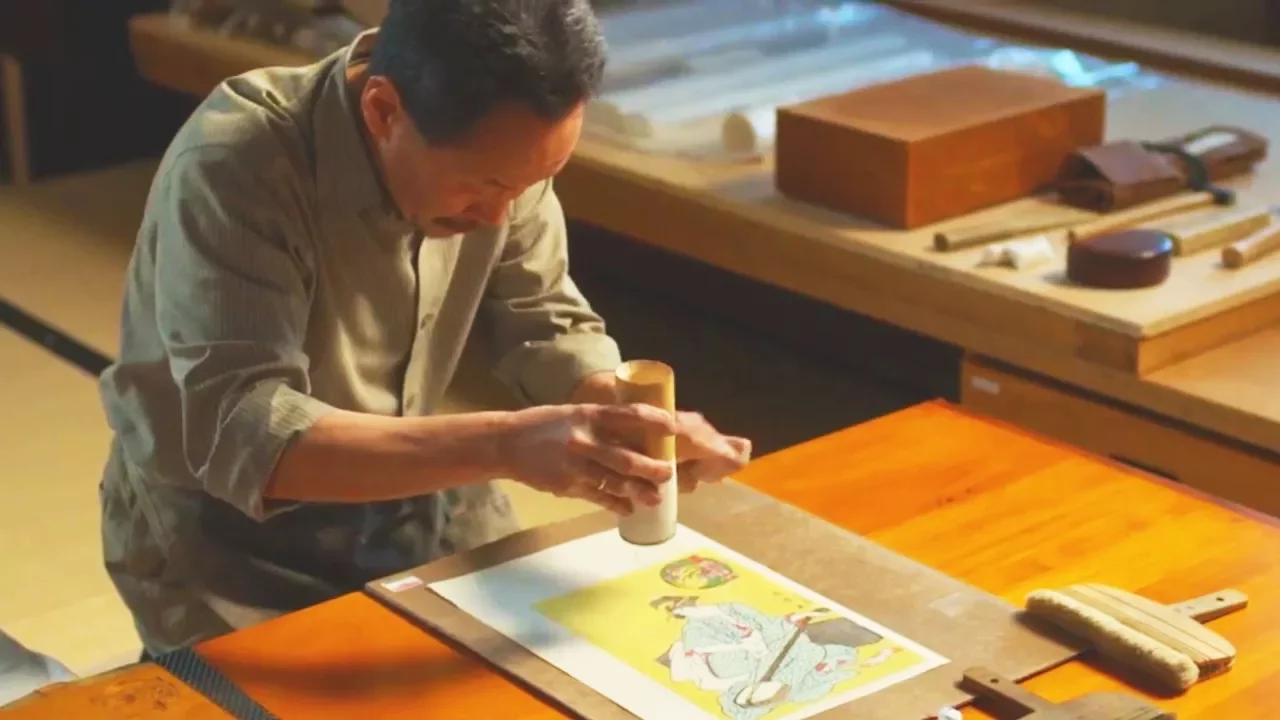
Japanese washi paper, historically used in woodblock printmaking, evolved from humble beginnings where early ukiyo-e prints used inexpensive paper (selling for the price of a bowl of noodles) to becoming a premium material essential for modern printmaking; this transformation occurred primarily during the Taisho period when Watanabe Shozaburo pioneered the shin hanga movement, elevating woodblock prints to fine art status and establishing hōsho paper as the standard, though today's practitioners face challenges including the decline of traditional paper-making families and the need for innovative solutions like collaborative projects with contemporary paper makers to preserve this cultural heritage.
Washi Paper in Japanese Printmaking: A Journey Through History & Craft
Added:The fundamental process of traditional Japanese woodblock printing (Moku Hanga), including the roles of carving, inking, and manual pressing.
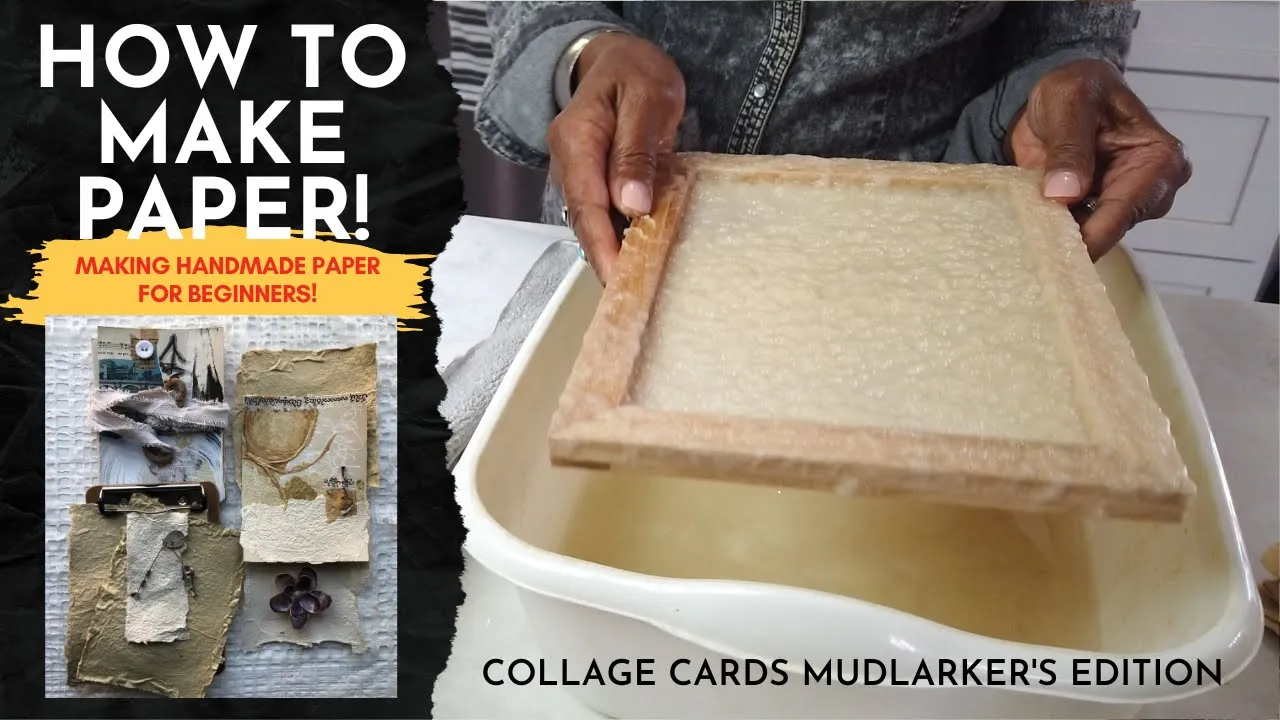
The basic botanical sources of traditional Asian papermaking, specifically the unique properties of bast fibers like Kozo (mulberry), Mitsumata, and Gampi.
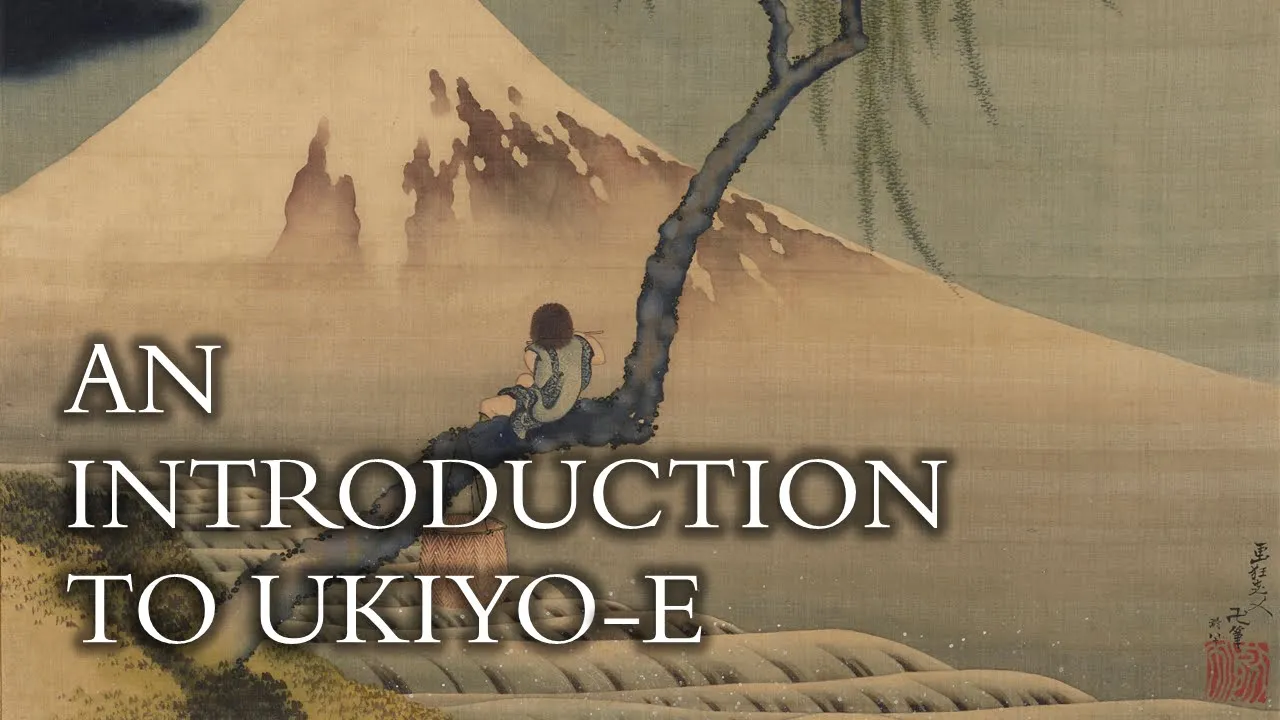
Historical context of the Edo Period (1603–1867) in Japan, during which Ukiyo-e printmaking and commercial publishing flourished.
The traditional division of labor in Japanese printmaking, particularly how the printer's interaction with the paper dictates the final aesthetic outcome.
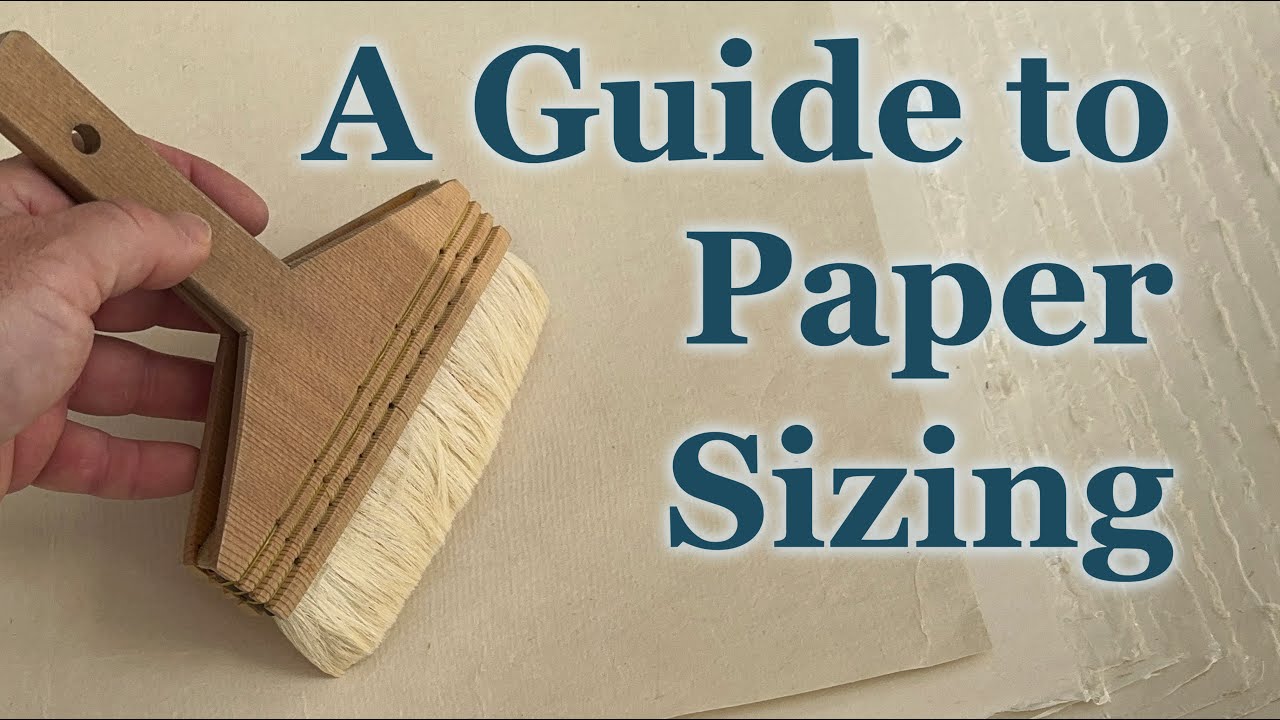
The chemistry and application of 'Dosa' (an alum and animal glue sizing) used to prepare Washi paper for water-based inks.
Advanced conservation and restoration techniques used by museums to preserve fragile historical Washi prints.
A comparative study of global handmade papermaking traditions, contrasting Japanese Washi with Korean Hanji and Chinese Xuan paper.
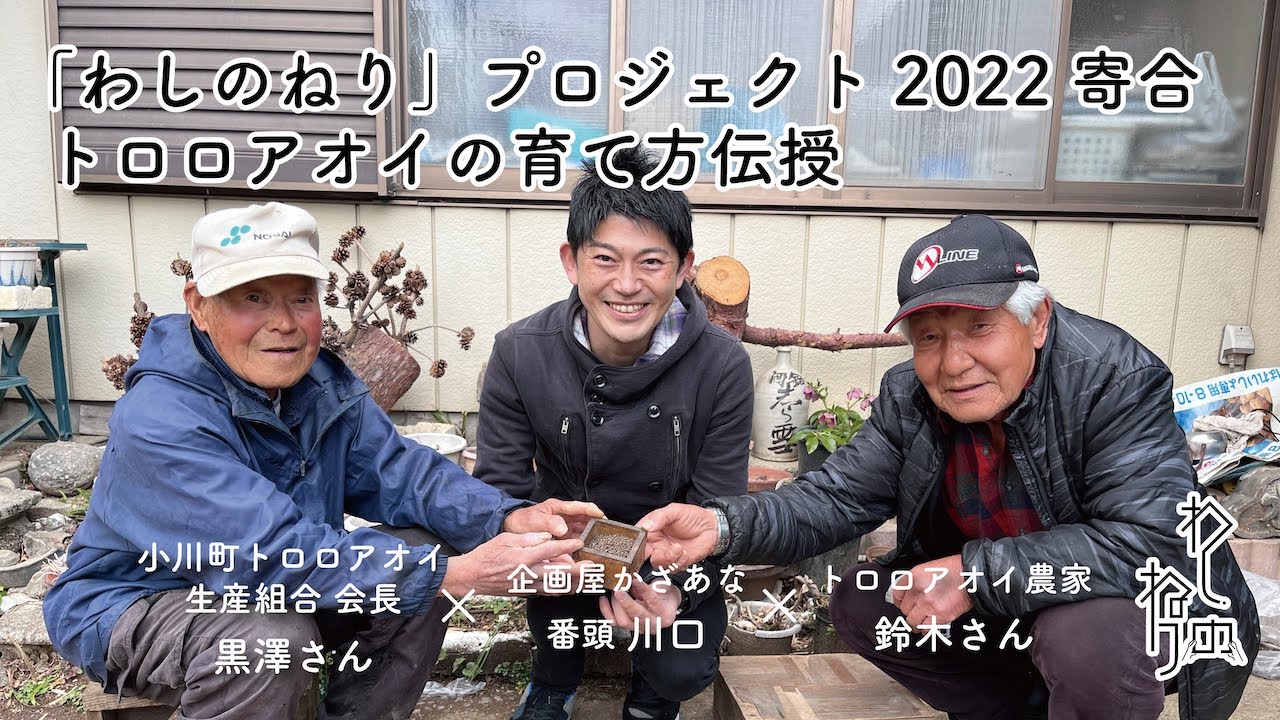
The socioeconomic challenges of modern heritage preservation, focusing on how contemporary artisans adapt ancient paper-making techniques to survive industrialization.
360.4K views10.3Klikes1:08:16Original Release: 2024-08-27
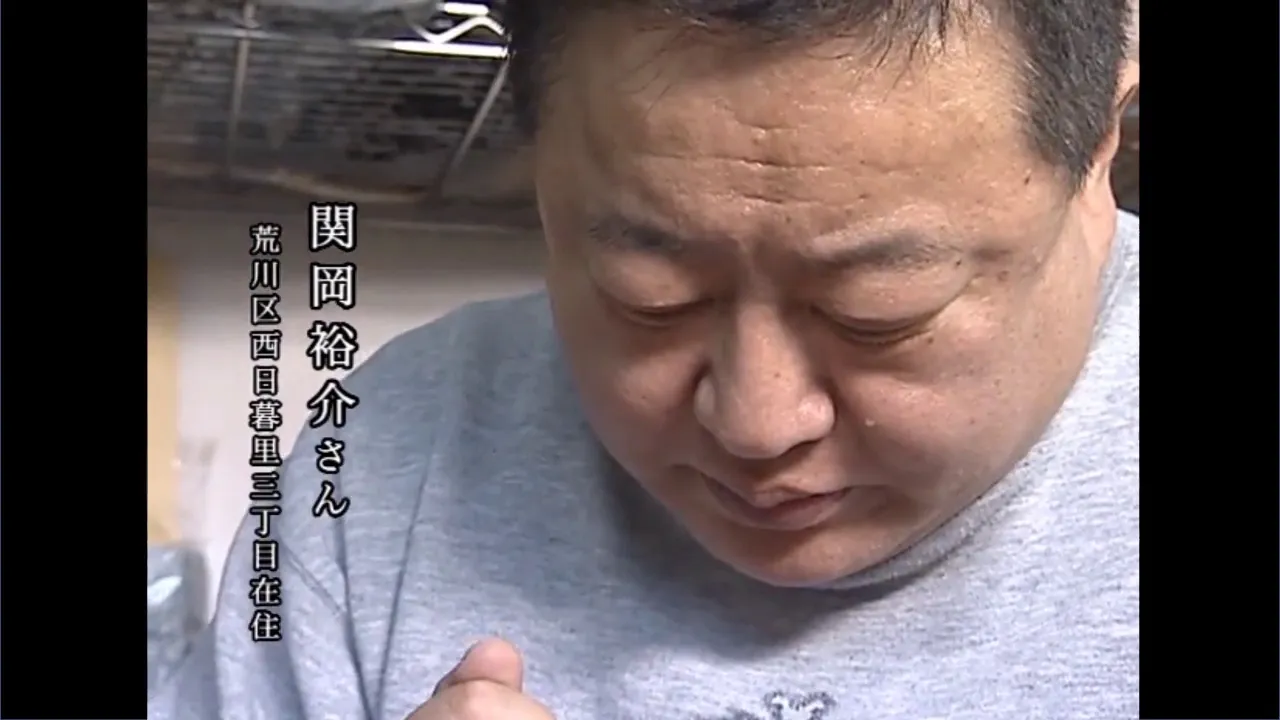
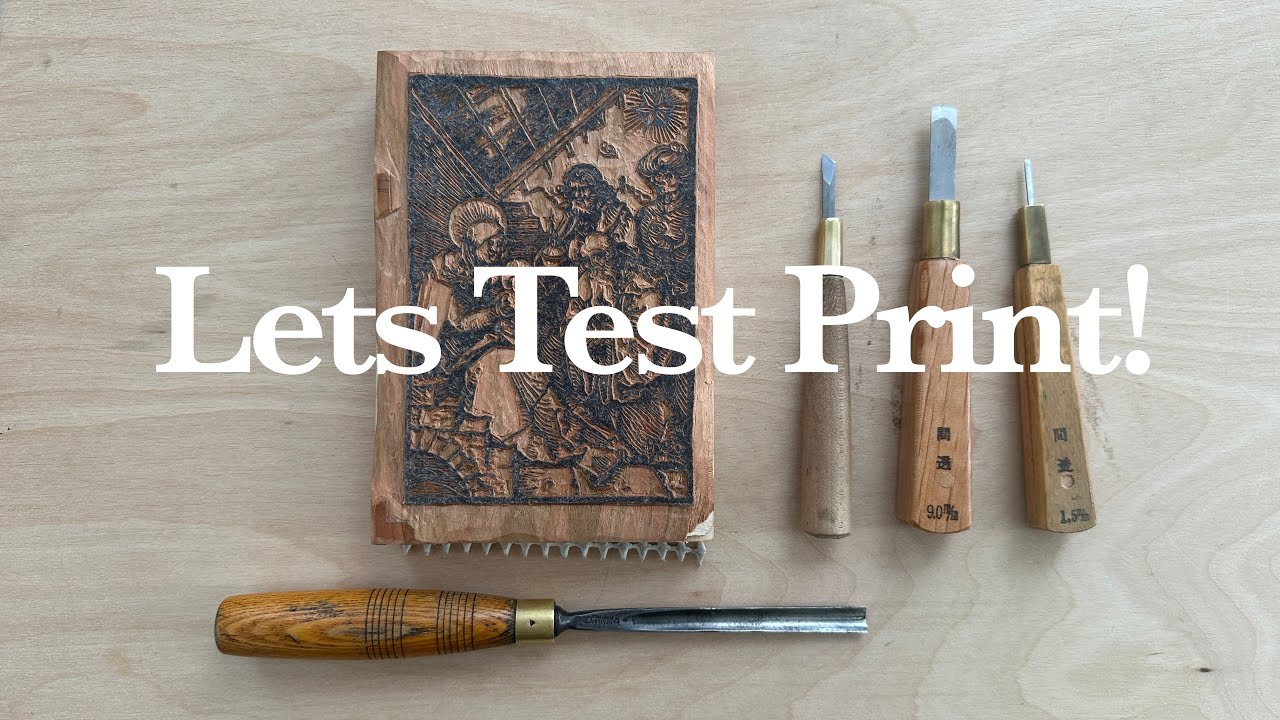
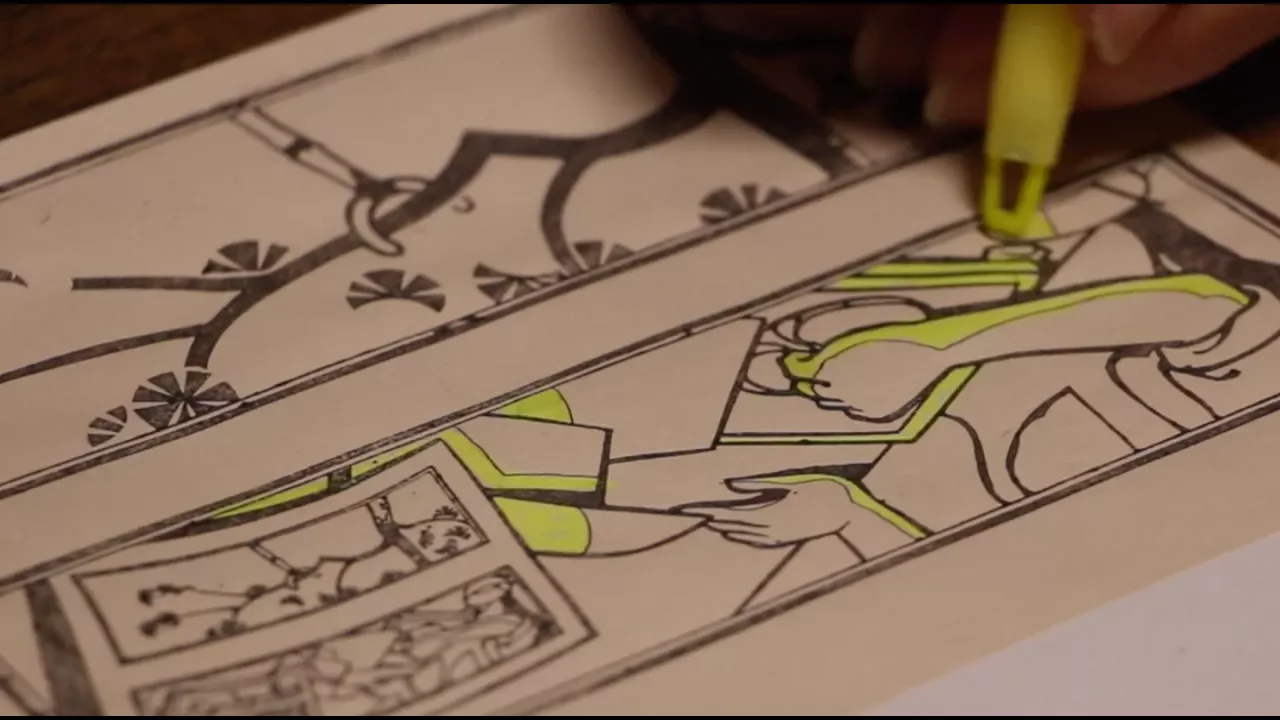
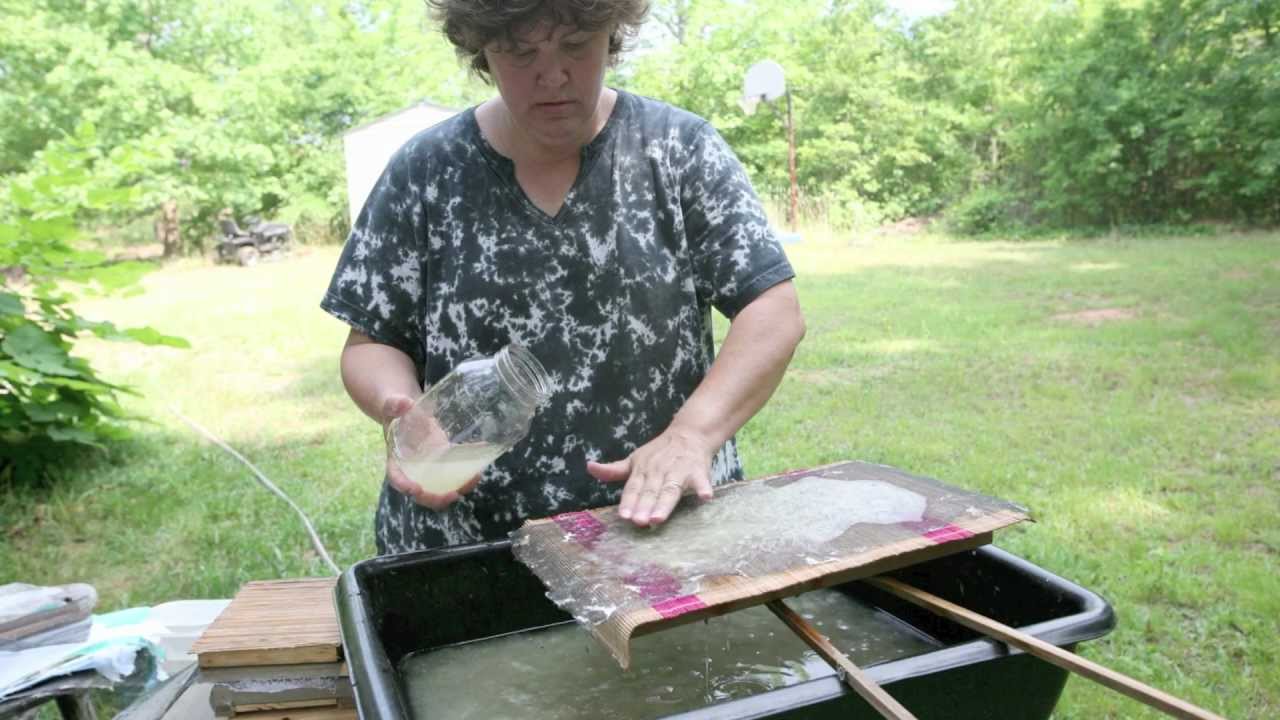
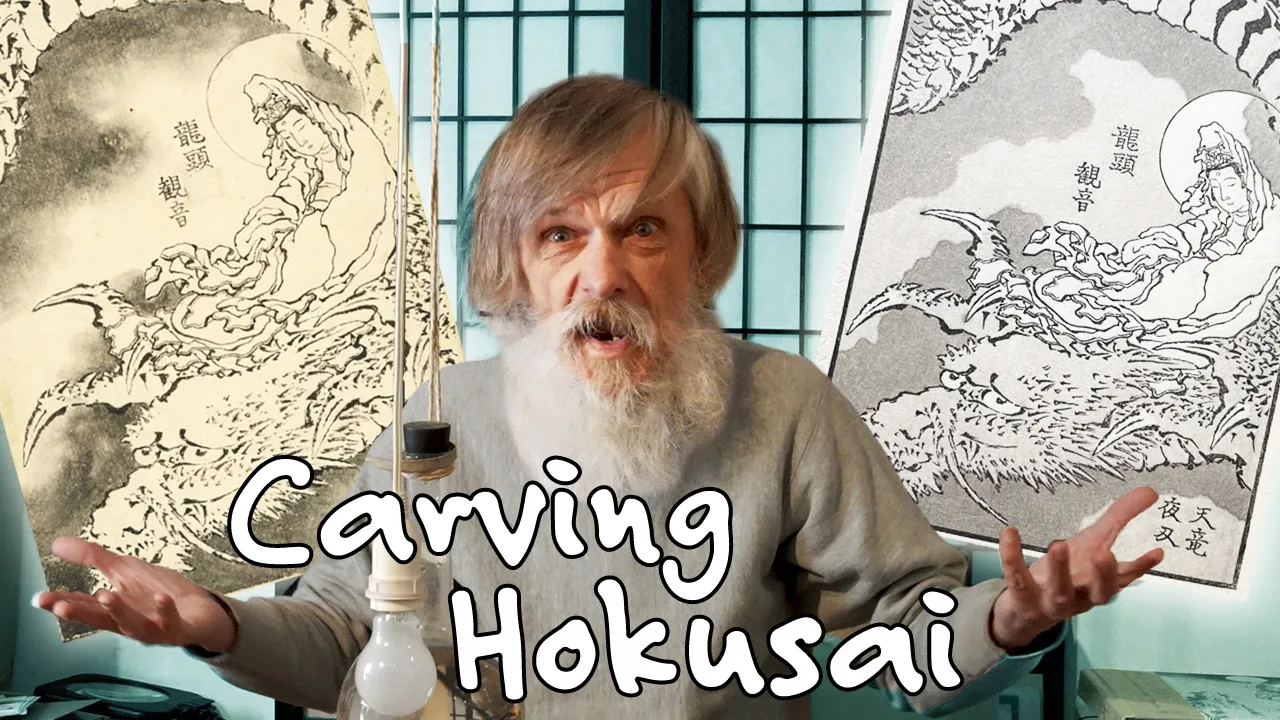
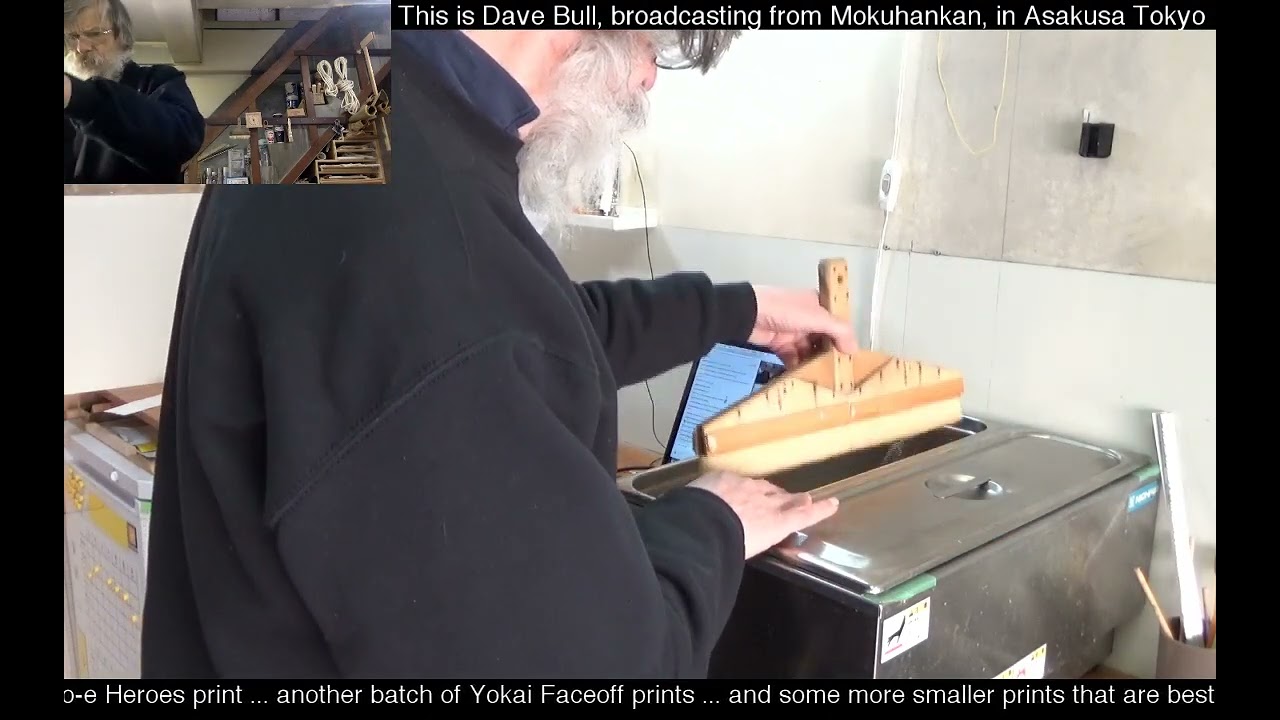
good evening this is wood block print maker Dave buul here at my bench on the ground floor of our Workshop in Asaka Tokyo we've been running a very well attended twitch stream from this bench three days a week but it has been far too long since the previous YouTube presentation for which I must apologize this being Japan you know how such a thing is supposed to be done I respectfully ask for your forgiveness now if we're now cleared for takeoff let's get to it my presentation today part of which is going to take us across to the other side of the country is about Washi the paper we use for our print making now many of you perhaps already know this next part but for the benefit of those who haven't learned this yet I want to mention that the word was is made up of two characters W referring to Japan itself or japaneseness and she the character meaning paper a pronounced Kami if it were by itself now when we speak English with Japanese words mixed in we sometimes end up with constructions like this is a piece of Washi paper using the word Washi as an adjective like that is actually the most clearly understandable way to commun communicate the concept so it's okay but now that that all of you know the inherent meaning of the word wasi Japanese paper for the rest of this presentation I'll be using it as a now this is a piece of Washi and a very nice piece it is too now of course nothing can be more fundamental to our work as print makers than the paper itself just as in the west where many different types of paper exist there's been a bewildering variety of Washi produced in Japan over the years I've been collecting books and samples of all kinds of Washi for quite a while and I've only scratched the surface it's a massive field and over the years a huge amount of research on Washi history and production has been done now my own interest is of course Washi for use in print making and when we start to look into this field we run straight away into some absolutely stunning facts I've got a bunch of uh props ready for the presentation today some of them are original prints and some of them are just copies you can guess which this first one is of course it's an etching a copy of a rembrand etching from about 1649 why am i showing you this because it's made on wasi which was being imported into Europe in his time via the Dutch Trading Post near Nagasaki now it turns out that rbr was a huge fan of Japanese paper and used it almost exclusively through the last Decades of his life now we've all heard the stories about how European artists were blown away when they first saw Japanese Prince and about the huge influence Japanese work had on European culture but we need to hit the pause button here because that's a different story a famous hiros design van go had an original one of these but this is more than 200 years in the future for rebr you know this one hook side Rembrandt knew nothing of this it's 180 years down the road let's try moving back in time through the Uka period here's an UT tomato Beauty more than 140 years after that Rim picture we saw let's go back honobu this is the beginning of full color printing it must be about the 1760s or so still 110 years in the future going back this is is Toshi noou this is before color printing was invented it's printed in black and the color is painted by hand 70 years in R Brand's future okay let's get right back to the beginning of UK this is modern Opa we can't get back much farther than this only black color printing hasn't even been invented it's still decades in the future from rembrand when he made prints like the one I showed you do you get this rembrand was using Japanese paper for his print making before the Japanese were even before Japanese UK even existed I think I need a drink can you imagine the Practical difficulties for him in this the trade agents at Nagasaki must have loaded randomish bales of paper among the other trade goods leaving the country in those days exports from Japan were mostly things like silver the metal which was mined here Marine products and craft Goods you know Lac aware and things like this paper then the insanely long journey to Europe probably many ships lost at sea and once it got there how would the paper have been distributed did rembrand stroll down to his local stationary shop to see what they had in stock this week and then once he had tried some particular piece I could see him running back to the supplier oh my God I need more like this one but to get that information all the way back up the supply chain around the world impossible of course he must simply have worked with whatever pieces he could get and I think I've got problems finding good paper I wonder too about one possibility here did rbrand ever take some of those Japanese sheets to local paper makers and like hey could you guys make me something like this but we're getting ahead of ourselves let's stick with our story Rembrandt clearly wanted to use the best paper possible for his prints now best in this case meaning producing an attractive result being strong enough to stand up to the physical process and being affordable I don't mean being cheap I mean Simply Having a cost that can be sensibly rolled into the overall production of your product so in the following years through the Ado period when the Japanese themselves started making bblock prints in quantity the same considerations must have been in play an attractive result of course the capabilities of the material and the cost and this is where we come to another one of those things that was quite a surprise to me when I first learned it during my entire time here in Japan and for a couple of generations before that most of the 20th century actually would block prints whether reproductions of ukio or Shin hunger designs by the likes of Hui or the Yoshida family or the modern Saku prints all these woodb prints have by and large mostly been produced using the type of paper known as HHO now HHO is one of Japan's premium types of Washi with a well documented history stretching back long before the printmaking era it was made in large quantities for use in official documents and of course for the higher classes it's a very Lux p paper typically made with high quality mberry fiber it's thick and Luscious and very strong how strong let me show you we sometimes have these thin off Cuts left at the edge of a sheet and if you take one of these and twist it a little bit and then try to break it no I'm not faking this there's no way you can do this now I'm not a very muscular guy but we sometimes play this game in the shop with two people even two people can't pull this apart a little 2 cm piece of washing now understandably good strong Washi like this is expensive but it's perfect for our kind of work it's all I've ever used and places like the adachi workshop that the wat Nai company none of us would even consider using anything else but something doesn't quite add up here ukio prints made on top qual the expensive paper but haven't we always been told that Back in the Day UK prints were cheap and disposable items we've all heard this story many many times repeated a typical UK print sold for the same price as a bowl of noodles so which of these stories is true well as you might expect it's a bit of both and a lot in the middle now I unfortunately don't have easy access to the collections in in the back room of the British museum to show you examples one by one but I do have bits and pieces in my own small collection that I can use to illustrate some of the points here now for the previous segments we used photocopies but for this next section because we're going to actually inspect the Washi itself I will be using actual real prints carefully in the early days of the Uka before it became the massive cultural presence that it did later the techniques were still relatively unsophisticated this designed by konoba dates from perhaps around the early 1700s now it's an era before color printing had been invented the black outlines youc were carved and printed but the coloring was applied by hand now because there was no repeated rubbing and related abuse happening to the sheet a wider variety of papers could be used this one is really quite thin and has quite a lot of bark scraps and clumps of fiber it has nowhere near the strength and depth of hore but for this type of work that didn't matter now as Uka developed printing with multiple colors came into being this is a harunobu design bit of a side quest here I think this one is a forgery probably from the late Magi era now I used the term forgery rather than reproduction because I believe there was an intent to deceive it's printed on paper that gives every appearance of being from haru's time D 1760s or thereabouts it's got deep horizontal chain lines at the narrow spacing common in his era it seems to have been distressed rolled up this way and then rolled up again the other way to give the paper a softer antique look but that level of Aging doesn't quite jive with the Fairly Rich indigo color which I think would have faded more than it has here if this really were from the 1760s it's fun that the met in New York also owns one of these and it is clear from studying the high resolution images they provide that our two prints were indeed made from the same Block Set they don't mention anything about being a for jury though whatever anyway to get back to our main theme the reason I'm including this one is to demonst that Hardo prints provide a clear example of Uka work done on high quality and expensive H paper they pretty much had to be the paper was moistened at the beginning of the process and maintained that way all through the printing of multiple colors the registration had to be perfectly tight hore paper is ready for this with manageable levels of expansion and contraction colors here overlap each other in places whole show has the depth and richness to allow undertones to show through prints like this must have been an absolute phenomenal in their day and they were referred to as Nish brocade pictures it was the first time that printing on paper had been able to approach the the rich pallette that had been possible when weaving fabrics and no way would they have sold for the price of a bowl of noodles so did this then set the standard now that Prince were being produced in full color did the use of expensive horal paper become the norm well no the uko genre exploded there's absolutely no other word that comes even close to describing what happened through the 1700s with the country at peace after centuries of conflict trade and commerce flourished the population expanded children were educated and the publishing of books and prints became one of the Main Stays of the economy some research estimates on the quantity of prints published at the height of adoc culture they put the number of something over a million sheets per year and the range was correspondingly wide beautifully crafted and expensive products at one end as we have just seen and read it and toss it products at the other our next little sample actor prints they were of course a perfect example of the latter prints like this would have been issued simultaneously with some particular stage appearance and would have been purchased both as souvenirs by people who actually saw the play and by people who didn't have a chance to actually get inside the theater and see the real person the paper it's thin and poorly made the end result is quite disposable the biggest name all through hirosh in terms of volume of prints published Far and Away the top selling Uka designer of any era to find a Hiro print from the old days made on a quality paper is next to Impossible the paper on this one it's an embarrassment for this kind of print making it was all about volume slap them on the blocks rub the color on and blow them out the door in contrast to that we have the suimono prints these are private Productions not intended for General sale they're always usually found in good condition well preserved and the paper type is clear this is HHO this particular one is by Toto and it dates from the 1830s the paper of course delicious Lux and tasty The Carving and printing is refined and delicate we have embossed patterns they've even used metallic pigments in places for extra effect bow of noodles give me a break not even close books book books books books uncountable quantities of books were published the pages were done with the thinnest flimsiest paper that would stand up to the pass of the printers Baron but no not every book was of that type there were more artistic books published this one designed by katsa asuno is on a much thicker highquality paper it's over a 100 Pages multicolored this would have been a very expensive production incidentally I guess this is perhaps the oldest book I own it's from 1774 which makes it 250 years old moving on into the Magi period actor prints again were a main stay of the print production massive massive numbers of these being published now much of the paper used for these was very thin look at it from the back it makes the printing process extremely quick it's not hores show paper but it is actually still quite strong in contrast to that in the same era the Binga now for things like this Beauties the paper was generally a bit richer as befits the theme a bit more luxurious in contrast to that we have the cier the famous cier prints they're the frest pieces for the magazine they were produced in vast vast quantities 10,000 20,000 on a weekly basis to go in front of the magazines they were produced on an extremely thin paper and those of us working in the field these days we're stunned by this how on Earth did they get everything all properly registered and lined up on such thin paper price of a bowl of noodles less these were freebies meant to help sell the magazines so let's recap up to this point all through the Ado and Magi periods we find a very wide range of Washi used to make a wide range of wood block prints the driving Factor was clearly the economics most prints were sold cheaply and the paper type was of no interest whatsoever to the consumer so where possible inexpensive paper was used the cheapest paper that would do the job for more expensive items the quality of paper became part of the product itself so for these more expens expensive wasi was used all very straightforward and understandable but it is here at the turn of this 20th century as we move into the TA show period that the plot thickens this man one of the most important people in the development of the Japanese print this is sh Zabo wanabi now the company he founded in 1906 is still in operation today in the Ginza District of Tokyo it's managed these days by his his grandson although the roots of the organization were in the production of uku reproductions the name watab will forever be associated with the origins of the shin hunga genre of woodlock Prince now I really really don't want to do history lessons in these videos but there's a hugely important Point here that I have to make sure you understand so let me Sidetrack from talking about Washi for a minute the Ado era print making that we have been looking at over the past few minutes was absolutely nothing to do with what people these days think of as art now there was of course art back in those days but it took different forms a scroll painting for display during a tea ceremony a bobu screen for the rooms of of a clan leader or a set of brush paintings across a a series of sliding doors in a temple somewhere such objects were recognized as what we call art these days wood block prints never like we think today of magazines or or ads for pizza delivery or something this was the printing business the products were considered low class and completely disposable the men who designed these prints weren't respected artists they were the same social level as the men who carved and printed and sold them just Craftsmen or shopkeeper Keepers an example to help us picture this situation is to think about the concept of exhibitions now back in the Ado period there was never any such thing as an art exhibition the idea of gathering pictures together and showing them to anybody this was inconceivable but as Japan gradually opened up to the rest of the world and all kinds of new ideas flooded in people here bit by bit became aware of the concept of Art as it was practiced in the west I think the first one was in 1870s the government sponsored some exhibitions painting at first as you might expect and the new genres of nihonga Japanese painting and so sakunga creative print making where one man does everything those genres came into being it was a Time Of Glorious creativity here in Japan with anything and everything getting mashed together and mixed together and tried and tested this was the world then that watab sh zaban was born into now I don't know what he personally thought of the new Saku Prince the one self-made by the designers but we do know what he thought of the traditional approach the idea that through the cooperation of a group of supremely skilled Artisans the designer the Carvers and the printers objects of incredible beauty could be produced now the past couple of hundred years of History had proved that Beyond any doubt but what he saw that world crumbling around him and the printing presses rolled into take over he took the idea the traditional concept of a group of people working together and he took his money and he planted his flag on that Hill that under the direction of a publisher with taste and vision a new genre of prints could come into being prints that from the very beginning were to be seen as art he called them shin which translates simply as new Prince and you know the rest of the story hu hirosi Yoshida all published by W in the beginning but there is something else here hugely interesting I have a few images here these are not prints these are photocopies I can't possibly afford the real thing have you seen these before this is 1916 watab prints these are by Charles Bartlet an Englishman who happened to be in Japan at the time and who collaborated with wanabi providing designs for some of wat naab's earliest experiments in the shin hunga genre this was years before yoshida's first chin hunger print with Wabi years before hu man I tell you these foreigners have got to stop meddling in this Japanese art business there absolutely no good will come of it but I have got to get this train back on the main track we are supposed to be focusing on the Washi now when it came time for wat naisan to decide on the Washi for his new Prince there really wasn't much to decide it had to be high quality thick and Rich hor the work demanded it the prints have endless layers of overprinting and they require deep and Rich Impressions there simply isn't any other type of Washi in this entire country that is suitable the high cost it was trivial for him the market for his shinar prints was for the most part westerners Japan at that time was still basically a third world country and with westerners thinking and paying with with dollars and one neis son's cost all being in very cheap Yen it simply wasn't an issue H was the obvious choice now in an interesting twist though in the middle of all this modernization and internationalization of Japanese Society the way that the old ukio was perceived remember I emphasize the junk status as Printed Matter the old ukio was also swept up in these changes you all know that part of the story We alluded it to earlier as the old Prince became familiar and understood by the rest of the world they also poly came to be seen as art hiros Hawai and their compatriots could never in a million years have foreseen such such a thing that their work would become a hugely respected and internationally recognized art form that their prince would hang in museums in world capitals inconceivable this man the picture here now step to the plate this is toyohisa adachi who in the 1920s began supervising and Publishing reproductions of uko Prince and he brought to his work the same ethic that W naisan across town was bringing to his an absolutely uncompromising Perfection was the world going to look at Japanese UA as fine art well then he and his team would show them just how fine it could be this is one of my most treasured possessions one of adachi son's earliest Productions A reproduction of an old utamaro Binga now I can show you the thing in this video I can tell you in words how well made it is but to hold this and to feel it the Indescribable quality of this print now just around a 100 years old the whole show paper softened and toned by the passage of those years this sheet is at its absolute prime me I passed my prime a couple of decades ago this print is just arriving and in it is here in this incredible object that we have the answer to that Paradox that I mentioned a while back the fact that all of us these days days are using hes show paper for our Uka reproductions when in the old days it was much more common for cheaper paper to be used there is simply no other way to go Japanese wood bot prints are no longer being made to be tossed aside they are being made with respect classic reproductions from get these organized here classic reproductions from the current adachi Takami zawa when they were still active M Hong Kong Shin hunga prints I have to be careful with these These are Originals Shin hunger prints from matab the DOI hunger company yuo when they were at their Peak back in the 1970s and then modern new interesting designs mohanka M it's hor show all the way down as it always will be okay that was the introduction to today's video presentation now let's get to the meet the here and the now what is the current situation with paper making and specifically the making of H show paper for print makers through the first half of the 20th century the golden years of shin hunga production there was no specific problem with paper Supply with many Publishers active making quality prints there was of course a strong supply chain behind them ready to provide what they needed holw was a specialty of the areas known as Eisen and kaga now fui and Southern Ishikawa prefectures it was made with mberry fiber grown locally and any number of workshops family operations for the most part were involved the War years changed everything overseas markets for wood buuck prints disappeared as did the market from inbound tourism and as the local economy gradually became more and more impacted the market for such things as woodlock prints just evaporated a great many of the Craftsmen in the field left for the war either as volunteers or conscripts E toan the Carver I mentioned some years back in my remembering a Carver video was one such he was sent to war and returned safely but to a scene of incredible personal tragedy story for another day the Craftsman making hosel paper were extraordinarily impacted by the war in a very unusual way in 1944 the Japanese military came up with the idea of sending Airborne bombs across the Pacific Ocean to North America they did this through the use of hydrogen balloon bons under which were suspended control units weights and the bomb mechanisms the connection with paper making well I've told you about the incredible toughness and durability of hosel paper and yes you guessed it those balloons more than 9,000 of them each 10 MERS in diameter were made from hundreds of sheets of Hol show paper made by Craftsmen and pasted together by teams of school girls working in school gymnasiums the balloon bomb story is incredible in its own right and I'll put some links into the video description to help you find more information on it our paper supplier iwano ichibe was part of this he was an elementary school student at the time and remembers being called to help the family with all the sudden activity none of them of course knew exactly what the paper was going to be used for only that they had to make a lot of it and as quickly as possible one thing I am curious about with respect to the balloon incident where the paper makers told to skip the chitty toy stage where they normally spend hour upon hour removing all the tiny specks of bar I presume so and I wonder if this might have given them some kind of hint about the use case for their paper we'll never know this one after the devastation of the war it took quite some time but traditional print making did come back the First Market to come to life was a demand from US military Personnel stationed in Japan the earliest example I have been able to find is a set of uku reproductions produced by toyohisa adachi dated 1946 the descriptive material is all in English now the carve blocks and possibly even the prints themselves could have been stock carefully stored from the pre-war years or perhaps they were new productions it's not clear hiros Yoshida having extensive prar experience with the US market developed a major Market in Japan among the officer class holding demonstrations and sales events the domestic Market also began to recover to some extent based on subscription sets of prints targeted at such people as school teachers doctors and businessmen it was common in this era for these people to create a western room in their home with chairs a coffee table a sofa bookcases and pictures on the wall in frames now none of those objects would appear in a tatami matted Japanese room so a cluster of Publishers busily work to feed this demanda takawa yo Ada of course un SoDo and then with the awarding of the Olympics to Tokyo in the mid 1960s the thing totally exploded the old guys I talked to over the years always come back to this one I have heard any number of times things like man you should have seen it it was incredible even osan's Widow brought this up for me telling me about how her husband he would get partway through a block then pass it to her for finishing with the clearing chisels because he had to get started on the next one it was a golden age that continued through grew into the 1980s the dollar was high making wood block prints incredibly cheap for tourists and the domestic economy was vigorous with many middleclass people purchasing sets of wood block prints as part of a desire to learn more about their own history those UK prints that the rest of the world wouldn't stop talking about now this demand made possible a production of what previously would have been considered outof reach projects massive heavy collections of prints by all the famous bigname designers of the past sets of large prints each one taking a hundred or so blocks to produce special projects of all different types it was truly a golden age and then almost in a blink it was suddenly over the plaza Accord in September of 1985 spurred a major realignment of the world's currencies the Yen soared and over the course of a year or so the price of things in Japan doubled from the perspective of the visitors that incidentally is just when I moved here in the summer of 86 our carefully prepared savings had shrunk to only half the value we had planned for Market shrank Publishers retrenched that list of Publishers I mentioned oan Gone takawa Gone t y Gone Gone yo they're still around but a shadow of what they were ucha and Uno still seem to exist but only as as names no longer doing print publishing adachi is still at it they've become the dominant force in the reproduction Market you find their prints in museum shops everywhere now with Publishers disappearing one after the other what became of the Craftsman well of course older ones retired and for the rest they switched to survival mode each carv printer or paper maker picking up what work they could but in this new environment it became basically impossible for anybody to consider hiring apprentices that had been one of my thoughts when I came here that perhaps I could work together with a senior Craftsman they brushed me off they did let me join the Craftsman's Association the Tokyo Mohan K Kumi but only with a clear understanding that they could not provide any work for me for that I would be on on my own so from the 1980s onward for over a quarter of a century now traditional print making here in Japan the Carvers printers paper makers and other members of the supply chain all existed in a kind of survival mentality each Man simply hoping to scrape together enough work to get through his own career everybody had the same Viewpoint Mo it's over let's just quietly ride to the end of the line call it a day and then this next part is actually a bit difficult for me to talk about because I am far from being able to see some of these events objectively let me just try to put down some of the things that happened and it'll have to be the work of some later explainer to see this more clearly than I can and then in the Summer and Autumn of 2012 a couple of things happened earlier that year I had received an email from a young illustrator in the US entitled a crazy idea he introduced himself and went on I had an idea to team up with you and sell a woodblock print here's my idea a print featuring a pitched battle between Samurai and demons kind of a Gothic thing like Koshi or Yoshi upon closer inspection the viewer would realize that each character Bears an uncanny resemblance to a classic japanese video game character now I have to admit that at first I wasn't overly excited about this proposal I agreed to help him this was Jed Henry of course I agreed to help him find a workshop where he might be able to get something made but I basically stood back it wasn't until a month or so later when he sent me a mockup of this design that I woke up and suggested that yes we do collaborate on making it taking a bunch of video as we did he and I worked at a plan and we set up a Kickstarter campaign that August August of 2012 the concept marrying popular culture with the traditional craft of vuko Prince will talk about being the right idea with the right people in the right place at the right time the campaign exploded passing its goal in just about an hour and by the time it was over a month later running up to a third of a million dollars I got on the phone and started hiring people now the success of that Uki Heroes print campaign did not pass without notice here in Japan over the next few years a number of people in Tokyo suddenly came up with the idea of making Uka designs based on popular culture anime heroes manga characters even rock stars all these suddenly became trendy and they still are printers and Carvers started to come back in demand now I mentioned that two things happened that Autumn but the effect of the second one only became apparent over time it turned out that this was the point where the Japanese Yen bottomed out at around 80 Yen to the dollar in the reverse of the scenario we talked about a minute ago the Yen began a slow and erratic progress back to a level where Japan would again become affordable for visitors during the days that I've been preparing this presentation here in the summer of 2024 it at one Point reached over 160 Yen to the dollar half of what it was during those dark days for producers in Japan and with the pandemic here right now behind us tourism and demand for Japanese Prince is not only back it is back with a thunderous bang and there is something about tourism in Japan that for me seems quite astonishing let's think back for a moment to the old days I mean the really old days the time when Japan was opening up to the West when westerners thought of Japan excuse me when westerners thought of Japan what did they think of we can kind of check off the top keywords Sakura CH blossoms Mount Fuji they called it fujiama back then Gea Samurai ukio these were of course on everybody's list now when we jump ahead to the present day what are the current keywords well Sakura it's still number one in everybody's list Mount Fuji is of course right up there gisha in Kyoto that's still a thing samurai samurai is perhaps been replaced by Ninja very very big these days and there are some huge new topics for the visitors to explore manga anime ji is now a global keyword but what do you know what about ukio thanks perhaps in large part to one genius designer Uki is still on many people checklist every printer and Carver in this country now has all the work he or she can possibly handle now it's easy enough for a Craftsman to pick up tools and pick up work again but after a quarter Century of neglect the supply chain has turned out to be not so resilient Cherry blocks the last traditional suppliers died decades ago with no successor paper you know I've been sitting here behind this desk trying to bring you the different threads of this complicated story but it's just been so much talk talk talk back at the beginning I said part of this presentation is going to take us across to the other side of the country I think it's time well past time now to get on the train we want to talk about paper making let's go to where they've been doing it for over a thousand years let's pack up and head over to chesen an easy trip last night on the train a pleasant stay in business hotel and here we are at the entrance to the paper making District I've stopped at this particular spot for a very specific reason I brought with me a woodlock print from our collection it was made by Toshi Yoshida now long passed away and as you can see it was made at exactly this same spot this District was very important to him as it is to me this print was made in 1951 which coincidentally is exactly the same year that I came into being but this being made on beautiful HSN H show paper from this same very Village will last about 200 years a lot longer than I will let's hop there and see who and what we can discover I first came to Japan in the late 1970s have traveled pretty extensively and I have seen a lot of shrines over the years but nothing like this one people here think that it is a very special Shrine of course but I haven't had anybody able to explain to me just why it was built in such a unique style it dates back well over a thousand years it's kind of the shrine of thesias of course as they all are here in the shade of this mountain side it's quite damp for much of the Year this region receives very heavy snowfall most Winters so of course major sections of this building have been renovated and replaced over the centuries the next renovation for the roof is already planned and expected to begin in a few years I'm told that the funding is already in place and it is only a shortage of traditional Shrine Carpenters that is causing the postponement need a shrine repair these days get in line this was a very prosperous Town back in the day these streets all very quiet now would have bustled with activity water from the mountains was channeled through the entire district and these buildings now just residences were all workshops for making paper boing the fiber beating it picking shitty and of course forming the sheets truckloads of Washi would have been created here on a daily basis most of the workshops shuttered years ago this one the building dating from the Tai show period closed more recently smack at the center Crossroads of town we find this building Rusty decrepit and completely abandoned the sign fui prefecture Washi industry Cooperative Association now the association still exists but only in the form of one desk in a room borrowed from another organization there is no longer any industry here I first came to this place over over 30 years ago with a TV crew here's a snippet of video we took at that time you can see the reservoir is completely full but these days a hole has been punched in the dam reducing its capacity to only a half of what it used to be and here smack in the middle of town where the freight yards and train station used to be before they became redundant we find the inevitable consequence of all these changes the tourist District up at one end there were two museums side by side where people can see the history and learn about the culture of paper making at the other end of the street is the papy rascan the Hands-On where tourists can dip and rock and make small pieces of paper to take home and behind me is the newest one of the structures in a building dating from the 1700s the city has replicated one of the old workshops so people can come and see and watch workers to get a taste of how it was done in the old days I need a quiet place to do this next part but I suspect I'm going to get eaten alive here in the shrine grounds so I'll start here but perhaps we'll end up moving to a breezier place in a few minutes let's just give this a try as I mentioned earlier in this presentation I have always used nothing but edgy and Hol for my print making activities at first I used paper from a couple of different workshops right here in this Village but as I gained more experience I settled on paper made by the iwano family their Washi is kind of unbelievable you can layer and layer put but color and color it just keeps taking it the final result in the print is Rich and deep you can see all the way down through the colors here is a photo taken outside the Iana Workshop in the early 1970s it comes from a book published by the ministry of culture on the occasion of the eth generation Ian Assan being named a living National Treasure back during those boom years of traditional print production two people at each end of the photo here and here here are the current ninth generation ich iano now 91 and his wife takaosan these days they worked together with their son junichiro who was about 15 years younger than me here he is in this photo many years ago with his grandfather getting primed for his upcoming paper making career and that's the team the entire team now responsible for producing the famous iano Eisen H Washington one strong man in his mid-50s together with his 80s something mother and his 90s something father all three of them working long hard hours eight days a week working to make and deliver thousands of sheets of beautiful Washi to their longtime customers every year now the family wouldn't be comfortable if I chat too much about their personal situation but I do have to be concerned about my paper Supply and I can report this much J un sance children the people who could have been the next generation are out of the picture they're often normal occupations I have not spoken to them personally and I have no idea whether or not they were pressured to work as paper makers I really don't think that was the case but the end result is that there will be no 11th generation of paper makers in this family every spring I come up here for a visit to them and to place my order for the coming year and when I was here a few months ago I heard something I had never heard before instead of thank you for the order we will now get busy making it as per your instructions I heard something like I'm sorry Dave but I don't think we will be able to make this much paper for you this year when I asked how much would you be able to make his answer was perhaps about 2/3 of what you need now none of this is a surprise the situation has been looming for some years now and I have on a number of occasions suggested what I thought was a perfect solution my own activities are receiving wonderful support from the community at patreon so for me it was an absolute no-brainer to let jonan know that I and the patreon community would support totally support the cost of one or perhaps two apprentices to help his family with the work salary accommodation You Name It We would pay it no strings attached there could be no possible better use of the funds we are receiving but each time I have made him this offer and I repeated it again this spring the answer has been the same Dave that's wonderful thank you for the gesture but I'm sorry no and when we think about the history in that Workshop just a few minutes up the road here I can understand jun's son is the 10th Generation of the family but with his own children understandably not being interested there is absolutely no benefit to him for starting the long and difficult process of training a successor probably just to have that person quit anyway I get it and I can't be upset with him for this it is absolutely not his responsibility he works so hard to make good paper and is hugely proud of this but it really does seem as though that particular family's paper making history will end with him okay then where do I go from here now at this point many of you are perhaps thinking exactly the same thing Dave there are paper makers still in business all over Japan just get paper from somebody else now I have tried believe me I have tried we have stacks of different test papers back at Mah Hong Kong seansi Mino paper kudani Washi we've got papers from COI prefecture just all over the place but nobody and I mean nobody makes Paper like the iano HHO and it isn't just me who thinks like this adachi watab the Craftsman's Association anybody making traditional Japanese prints we're all in the same boat part of the problem stemms from that time back in the 1970s when the eth generation Ian aan was nominated a living National Treasure the Publishers of the day and myself later were eager to add that dis Nation to their wood block prints made on paper from a living National Treasure so they and I directed the bulk of our business to the iano family other paper makers creating similar itches and hosho paper found their order book shrinking shrinking shrinking and here we are decades later with only one family still standing that's why junan wasn't able to accept my full order there is still so much demand for his paper desperate demand is this getting a bit paradoxical or what but surely it's right there in that word demand isn't it there that we should be able to find the way forward let's head back down into town there's somebody down there that I really really want you to meet this is one of the tourist attractions that I mentioned earlier the udatsu paper and craft Museum let's go inside they have the usual things you find in such a museum displays of old tools materials historical photos of the process if that were all they had it would be pretty dry but although this is not an actual papermaking Factory they do have a complete Workshop created here as a kind of demonstration corner where visitors can watch the most visibly interesting part of the process rocking the paper I remember standing here on this Platform One Day some years back I was in town to visit the iano family and Ichi Ban had brought me down from their workshop to a restaurant nearby here so we could have lunch before lunch he brought me through here into udatsu I think this place was fairly new at the time and he wanted to show it to me a young lady was down there demonstrating paper making now I don't have video from that day but what I saw then was just what you're going to see now let me move the camera I was transfixed I had seen paper being made before plenty of times I had watched Yano son himself for hours I know how this works but watching that lady and it was the same lady we see here today n Morata well I could just not tear myself away her movements were vigorous confident not a wasted motion she has obviously done this a million times but there's nothing mindlessly robotic about the work watch your eyes and you'll see her constantly scanning the sheet looking for imperfections checking the condition of the bath the Motions are wide and sweeping where necessary short and delicate where required this lady is in total control of the process I'm mixing up my tenses here I'm sorry I was telling you about one I saw her years ago but here she still is making paper for the tourists it's kind of like ballet I'm not joking I have think that if they prepared comfortable seating here people not just nutcases like me normal people would pay to sit and watch this let's see if we can arrange to talk to her for [Laughter] fore for [Laughter] [Music] m uh to for for [Music] h Japanese paper Western for for for for m for so work okay [Laughter] I'm okay thank you back in Saka at command Central from okah Hanan here I sit and think about all these things I hear from printmaking friends around the world that their largest frustration is Paper Supply they get a bit of paper here then a bit of paper here but when they find one that they like and try and get some more the next batch turns out to be something completely different then my own situation and we're okay just now with a wonderful iano paper still coming through but as you have heard that future has certainly become more cloudy than before I brought brought back some Washi made by maratas San during her demonstration sessions at the udatsu Museum and we put some into recent printing batches being done here it's 100% pure moary fiber domestically grown and formed in the same classical manner as other hes show paper it works well one of these is made on her paper and one is made on iano paper I doubt that you can tell the difference from where you sit it is different though hers doesn't have the rich body that the iano paper has but remember this wasn't specifically intended for a side by-side comparison she just passed some sheets to me from their General stock when we try the twist test to see how much inherent strength it has so I think you can perhaps see where this is heading before returning here to aaka I sat down with maratas San and her boss dud datsu Mr masau Shimizu and here is what we are going to do over the next couple of months working now into the Autumn working together with my feedback they are going to decide on the specifications for some high quality 100% mulbury paper specifically designed for our kind of print making now when I say our I don't just mean us here at mahanan but people overseas making prints that make use of the Japanese methods this project is not intended to close iano's paper and maratas San is not a living National Treasure but she is very highly skilled at this as well as being hugely motivated ladies and gentlemen fasten your seat belts our next journey is about to get underway I think that is indeed enough see you next time and bye for now foreign speech fore [Music] speech [Music] for e beautiful
Up Next

47:32
Go Programming Crash Course: Core Concepts for Beginners
@DonaldFeury
11.4K views•2020-06-21

12:54
Triumph of Orthodoxy Icon: Byzantine Art & History Explained
@BenCallan
2.1K views•2024-08-06

9:49
FastAPI vs Flask vs Django: Choosing the Right Python Web Framework
@TechWithTim
302.5K views•2024-05-26

1:42
Game of Thrones Opening Credits: A Cinematic Analysis
@gameofthrones
46.3M views•2011-04-18
Related Study Plans & Knowledge Roadmaps
Structured learning paths in General & Interdisciplinary Studies
general-studies
Elevator Engineering: History, Physics & Cities
01From Hoists to Safety Brakes: The Dawn of Vertical Lift
02Hydraulic vs. Traction: The Engineering Physics of Elevators
03Modern Speed, Safety, and Algorithms
+ 2 more learning modules
12h5 modules
Explore Roadmap
general-studies
Rubber: Material Science, History & Geopolitics
01Origins of Natural Rubber & Mesoamerican History
02The Chemistry of Natural Rubber & Vulcanization
03The Geopolitics of the Rubber Boom & Colonization
+ 2 more learning modules
12h5 modules
Explore Roadmap
general-studies
Containerization: Evolution, Logistics & Trade
01Ancient Trade & Bulk Cargo: Amphorae to Barrels
02The Industrial Revolution & Cardboard Packaging
03The Containerization Revolution: Malcom McLean
+ 2 more learning modules
12h5 modules
Explore Roadmap
general-studies
Textile Tech: Evolution, Labor & Global Impact
01Pre-Industrial Textiles: Handloom & Cottage Industry
02Mechanization: The Spinning Jenny to the Power Loom
03The Factory System & Global Labor Transformation
+ 2 more learning modules
10h5 modules
Explore Roadmap