


















Graffiti emerged in New York City's subway system during the 1970s-1980s as a form of urban expression for marginalized youth, evolving from simple tags to elaborate artworks called 'pieces' created by writers who used stolen spray paint and worked at night in subway yards; this subculture developed its own hierarchy (toys, writers, legends), clubs (Fabulous Five, CIA), and terminology, sparking ongoing debates about whether it constitutes vandalism or legitimate art, while imposing significant economic costs on the transit authority and dividing public opinion between those who see it as destructive vandalism and those who recognize its artistic merit.
1970s NYC Graffiti: Subway Art's Origins and Impact
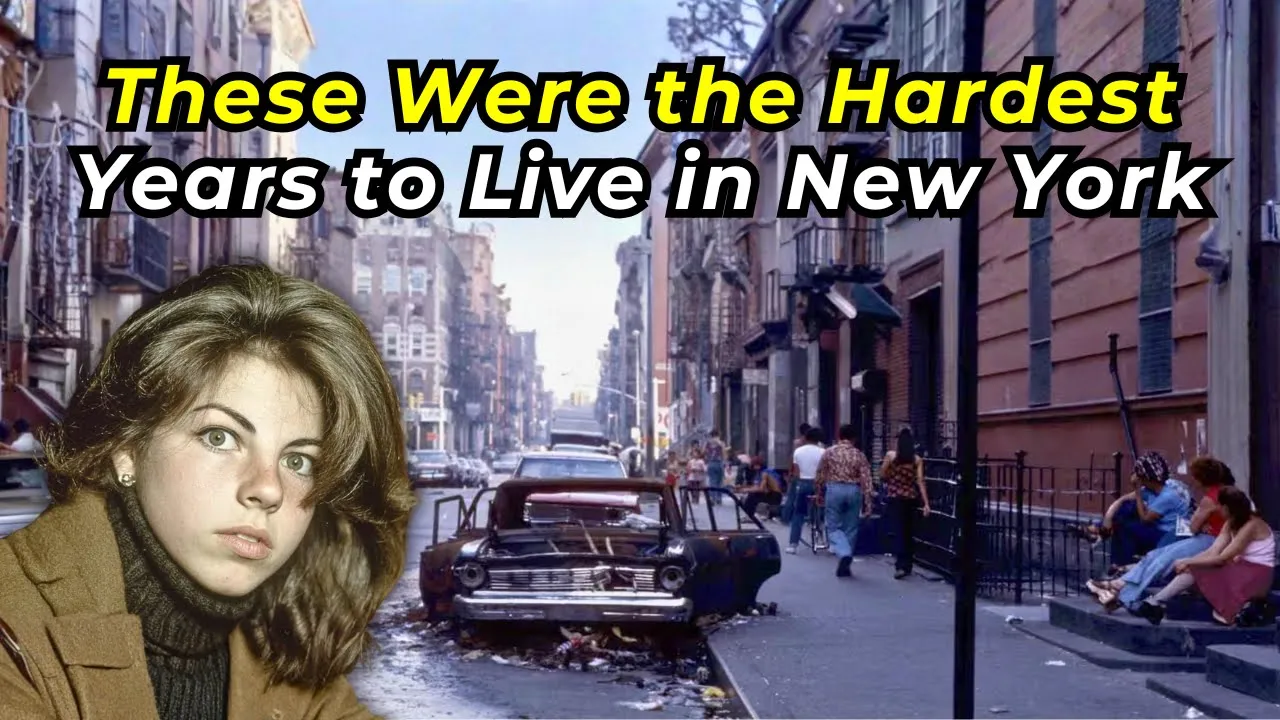
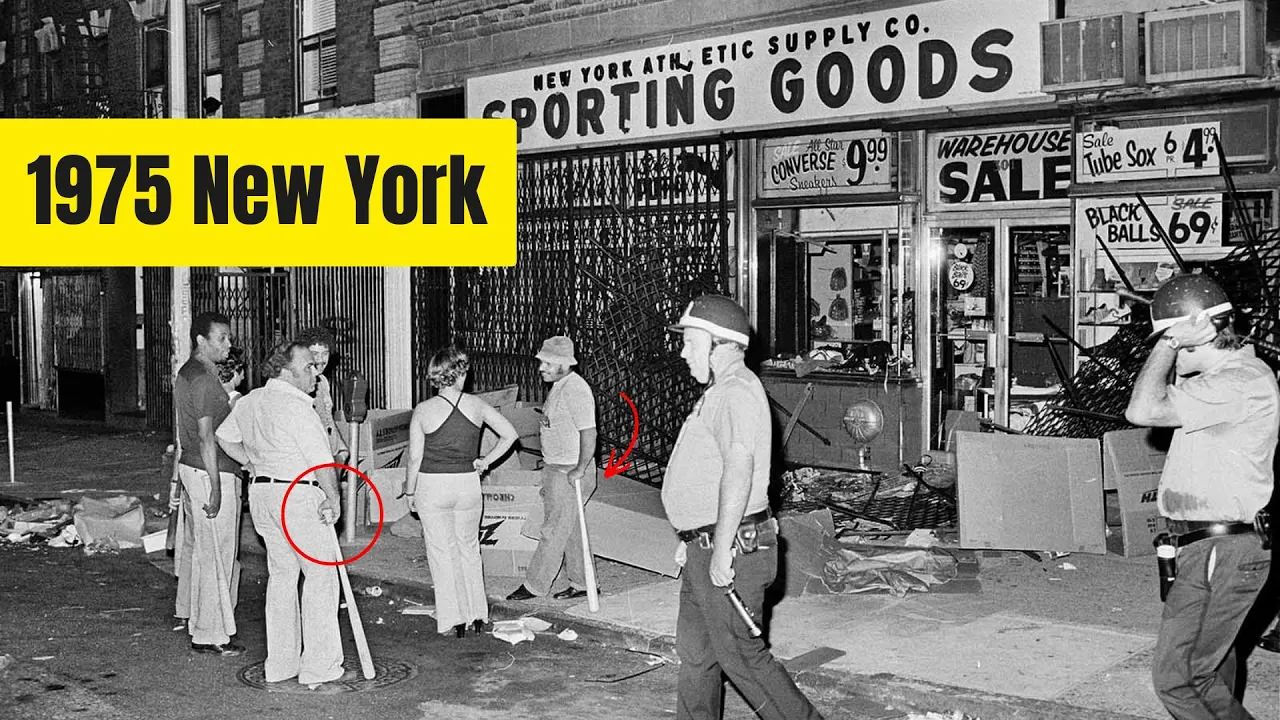
Added:The socio-economic landscape of New York City in the 1970s, including the fiscal crisis, urban decay, and demographic shifts.
The distinction between 'tagging' (stylized signatures) and larger, more complex pictorial graffiti or murals.
The foundational pillars of early Hip Hop culture and how visual art interconnected with music and dance in urban youth culture.
The legal and ethical definitions of public space, private property, and the traditional boundaries of vandalism versus public art.
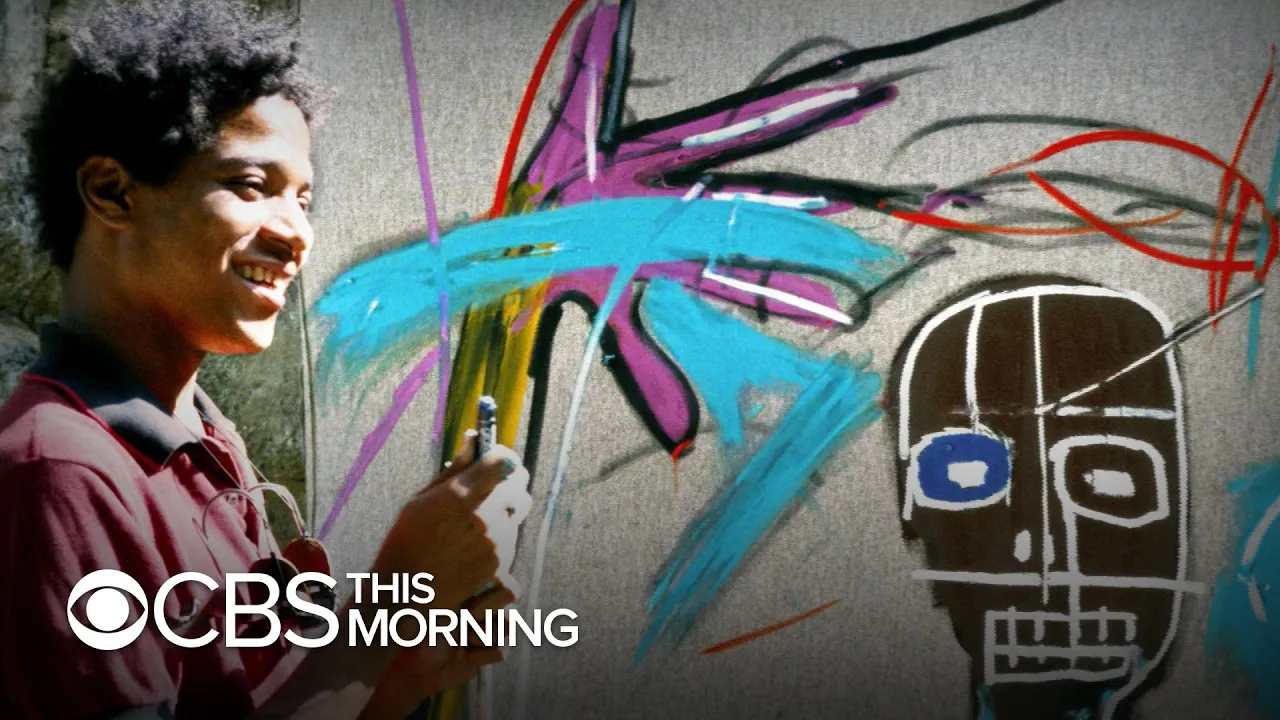
The commercialization of graffiti in the 1980s, analyzing its transition into high-art galleries through figures like Keith Haring and Jean-Michel Basquiat.
The evolution of graffiti into contemporary 'Street Art' and 'Post-Graffiti,' including techniques like stenciling, wheatpasting, and large-scale murals.
The public policy and criminological responses to graffiti, such as the 'Broken Windows' theory and the Clean Train Movement of the late 1980s.
The globalization of NYC graffiti style and how local cultures worldwide adapted these visual techniques to their own political and social contexts.
37K views1Klikes10:53Original Release: 2019-08-18
from cbs news this is 30 minutes with christopher glenn and betty ann bowser as long as anyone can remember people have been expressing themselves by writing or drawing on public laws there's a word for this it's called graffiti however there are times when graffiti can get out of hand right now new york subway system is in the grips of a graffiti epidemic and in the middle of all this sprawl a few of the young graffiti writers have perfected what some experts call some pretty good art new york city these days is in the grips of a graffiti epidemic the problem is acute on the city subway system where sometimes you can't read the maps or see out of the windows because they're covered with graffiti cleanup costs each year are in the millions still there are those who think graffiti is art his pop is in even the rock group blondie has glorified graffiti in music [Music] i know what i'm doing is illegal and i know that i i could face imprisonment for it but it doesn't really you know it doesn't bother me because i know what i'm doing in my heart is good meet futura 2000 he's what's known in the graffiti underground as a writer and among his peers he's a star i don't want to always be riding on subways i would i would personally like to flourish as a as a graphic artist graffiti is against the law that's why futura and the other graffiti riders we'll talk to won't reveal their identity but they will give us an insider's look at their underground world when a kid starts scribbling his name on the subways he's called a toy and the alias he chooses as his signature is called his tag everything that you see is a tag when someone writes their name on something this is a heavenly bomb line the number one line has always been known for like a lot of graffiti toys can be as young as nine or ten but most graffiti riders are teenagers toys often idolize the older writers like futura some collect the tags of their heroes in autograph like books unlike the more experienced writers toys scribble anywhere on windows maps signs the transit authority the public even the experienced riders themselves don't like what the toys do what do you think about choices i can't condone riding on the inside because it's just it's offensive you know because people don't want to look at it i think that like you know this is enough problems with the subway system in general that like they don't need to constantly be uh you know eyeballing all of this and yet it's okay for you to paint the outside of subway trains and make pretty pictures right okay both are equally illegal but they're equally as destructively different i personally can't justify them i believe in what i'm doing and that like by doing a large design on the outside of the terrain it's definitely adding to the beauty of the whole subway system as graffiti riders mature in age style and technique they graduate to the outside of the subway card and to more elaborate drawings known as pieces a writer will spend three to six hours on a piece working mainly at night when the cars are parked in the yard or in the tunnel there's an unwritten rule that the graffiti riders tools namely spray paint and felt tip markers must be stolen riders usually work with one or two friends and from these informal associations clubs grow like the fabulous five the cia and rolling thunder the results can be mind-boggling some people even call it art that's what you'll hear from futura and some of his fellow writers members of the soul artist a group of graffiti writers who are trying to go legit is graffiti art or is it vandalism hey it's creative vandalism it depends on who's doing it and where it's being done there's no question that a kid that takes a can of paint squirrels his name over the base of the statue is committing an act of vandalism but we think that the art we do on trains has a tremendous amount of artistic validity there's probably not another major city in the united states that has so much graffiti as new york why do you think it happens here there's a lot of expression that's really bottled up in the inner city in the poor neighborhoods the projects and tenements there really isn't a lot of opportunity for self-expression frustrated musicians never have enough money to buy musical equipment frustrated artists never have enough money for studio space or canvases all of us have in common a desire to paint and a desire to communicate and i think that's what the essence of graffiti is right now we've moved in the direction of commercial art graphics sign painting mural panic do you think the kids enjoy the danger of doing it oh for sure everybody that grows up in this society has a rebellious streak in them we think the city is not aware of the fact that all graffiti is not vandalism and is deliberately ignoring our efforts to improve things but at the point where society starts recognizing this tremendous drive and motivation among young kids to paint and to beautify their environment to personalize their environment that's the point at which things are going to start to move in a progressive way rhee stone is spokesman for the new york city transit authority this year long we will be spending in the neighborhood of six million dollars with graffiti removal and vandalism do you have any idea how much it costs to clean up just one train one train to clean that's interior and exterior is approximately twenty five hundred dollars if you were to multiply twenty five hundred dollars time the number of trains we have on our fleet which shows over six thousand it comes to a large sum of money and we do not have that kind of money to spend on graffiti removal there are other problems far more serious that we should be spending money on do you think passengers have stopped riding the trains to some extent because of graffiti absolutely there are many times when we cannot even bring a train out of the train yard for service in the morning because paint is applied over all the windows the motorman's cab and that's the compartment where the motorman the train uh is driven and they can't see out of the windows so that's a serious problem is graffiti art or vandalism vandalism these days it's war between the graffiti riders and the transit authority a special graffiti squad has been set up complete with undercover cops the two legends on the squad are kevin hickey and konrad lisnewski two graffiti riders ski and hickey are the starsky and hutch of the subway is this where they get in yeah here's one of the holes in the fence right here because you'll patch this up it will cut it right off next impossible to have enough placement cover the whole area are those two new trains over there how long will they stay clean they can last any phase from a day to uh a week possibly and that's it before they're repeated again when you can't see a train it's just been slowly clean they will follow that train so these uh young kids know the train schedule is just as good as the transit authority you know where they laid up at night time and where it's going to be what yard it's from how long the runners before they take out our service you say why don't you uh you know right do it on a canvas or something who will see my name on the canvas my friends uh five ten fifteen people this way i put my name on the side of the train and five million people they see my name is that why they do it for hickey and ski to make an arrest they have to catch a kid actually in the act of riding graffiti and that's tough for everyone they catch about 100 get away also the transit authority has started a program to make convicted graffiti writers and their parents pay for cleaning up the cars but graffiti isn't just a police problem the subways are dirty the service is slow the crime rate is high graffiti is an added insult to an already hassled passenger i despise graffiti i think it's a lot of junk it just depresses me to look at it very very very bad filth absolute filth destruction i personally dislike it intensely it's good it's very good it's fantastic ed bengat is a graphic artist art director and instructor at the school of visual arts in new york city do you think it's vandalism yep i certainly do i i think it's vandalism because it's not their property so i don't i'm not happy with the way they're doing it as far as going into the yards and hiding and working at night and so forth but i am happy that they did it i love it i think it's ghetto art and in some ways it is art terrorism stephen eins is an artist and owner of fashion moda an art gallery in new york he sponsored a showing of graffiti artists work done on canvas it's not exactly the metropolitan museum of art but it is legit art of course is your label um you can call it whatever you want i happen to love it and to you it's ours yes sure among the thousands of graffiti artists who do their numbers on new york subways futura 2000 is one of the few with talent perhaps even worthy of a legitimate art career but his acceptance by the art world still does not put the public's blessing on what is really vandalism [Music]
Up Next

14:53
Style Wars: Hip Hop Documentary Part 3 - Graffiti Art and Culture (1983)
@StyleWars1982
63.5K views•2011-03-13

12:54
Triumph of Orthodoxy Icon: Byzantine Art & History Explained
@BenCallan
2.1K views•2024-08-06

9:49
FastAPI vs Flask vs Django: Choosing the Right Python Web Framework
@TechWithTim
302.5K views•2024-05-26

1:42
Game of Thrones Opening Credits: A Cinematic Analysis
@gameofthrones
46.3M views•2011-04-18
Related Study Plans & Knowledge Roadmaps
Structured learning paths in General & Interdisciplinary Studies
general-studies
Elevator Engineering: History, Physics & Cities
01From Hoists to Safety Brakes: The Dawn of Vertical Lift
02Hydraulic vs. Traction: The Engineering Physics of Elevators
03Modern Speed, Safety, and Algorithms
+ 2 more learning modules
12h5 modules
Explore Roadmap
general-studies
Rubber: Material Science, History & Geopolitics
01Origins of Natural Rubber & Mesoamerican History
02The Chemistry of Natural Rubber & Vulcanization
03The Geopolitics of the Rubber Boom & Colonization
+ 2 more learning modules
12h5 modules
Explore Roadmap
general-studies
Containerization: Evolution, Logistics & Trade
01Ancient Trade & Bulk Cargo: Amphorae to Barrels
02The Industrial Revolution & Cardboard Packaging
03The Containerization Revolution: Malcom McLean
+ 2 more learning modules
12h5 modules
Explore Roadmap
general-studies
Textile Tech: Evolution, Labor & Global Impact
01Pre-Industrial Textiles: Handloom & Cottage Industry
02Mechanization: The Spinning Jenny to the Power Loom
03The Factory System & Global Labor Transformation
+ 2 more learning modules
10h5 modules
Explore Roadmap