


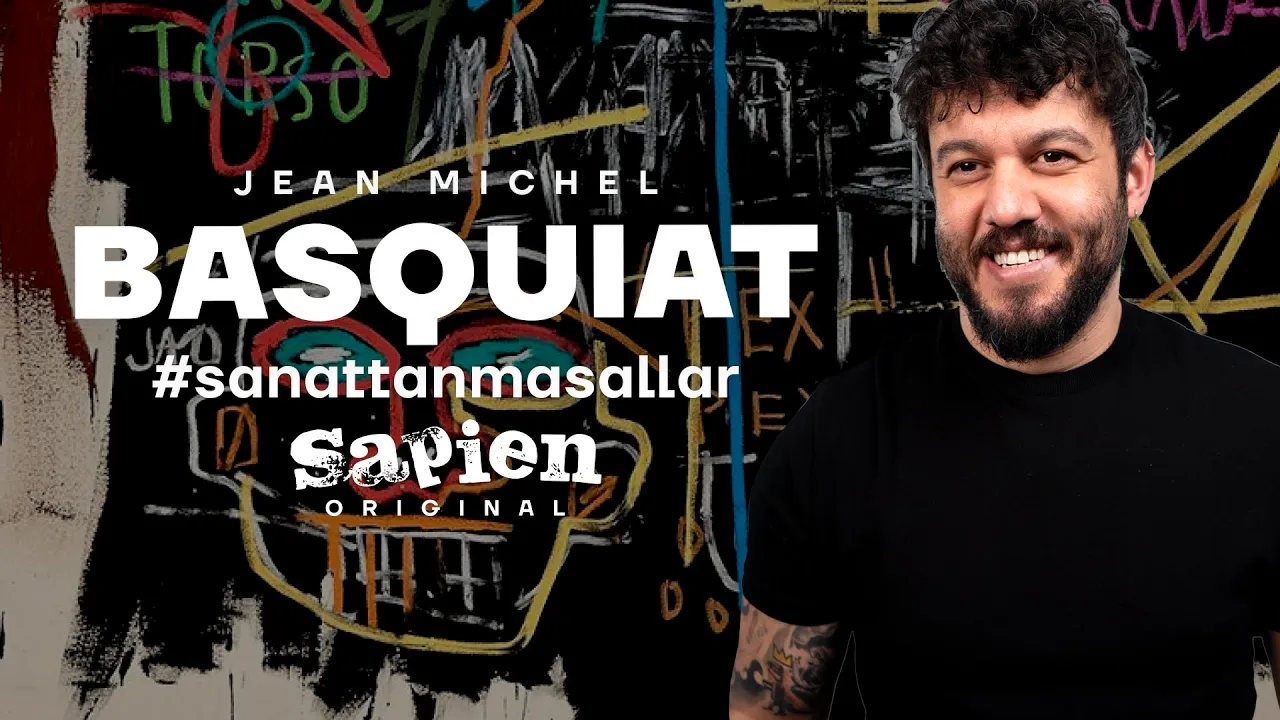





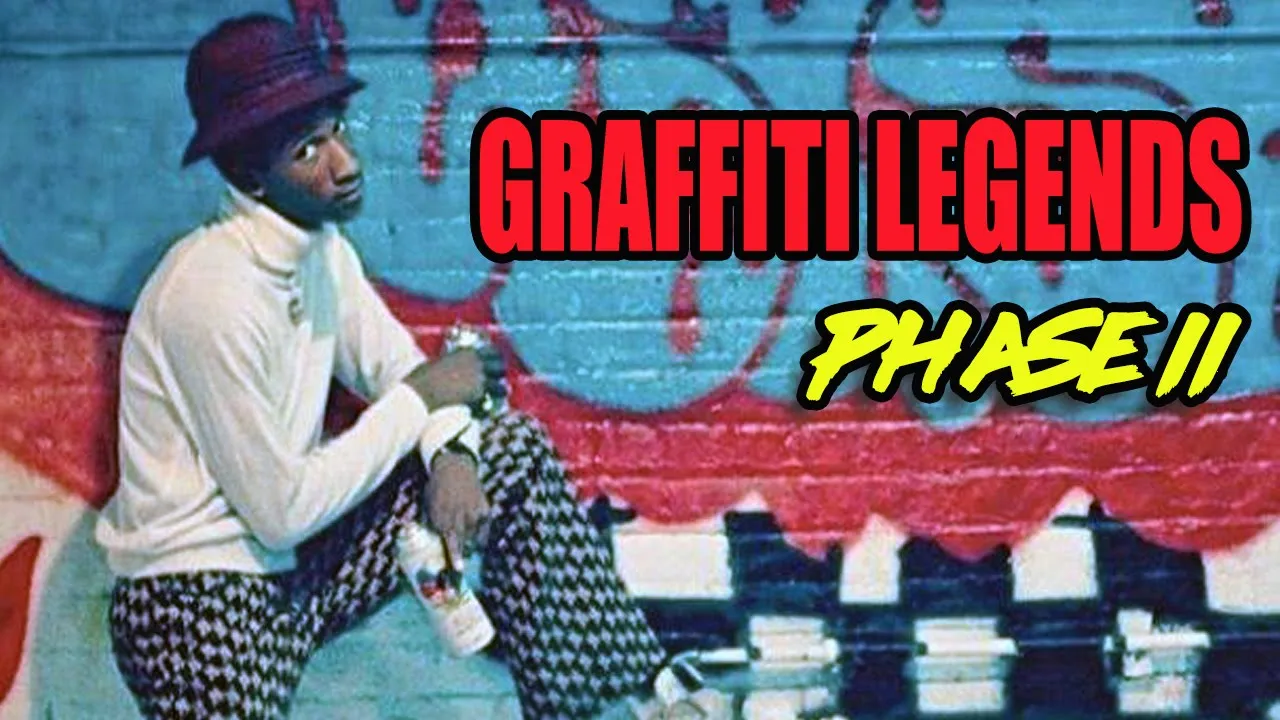









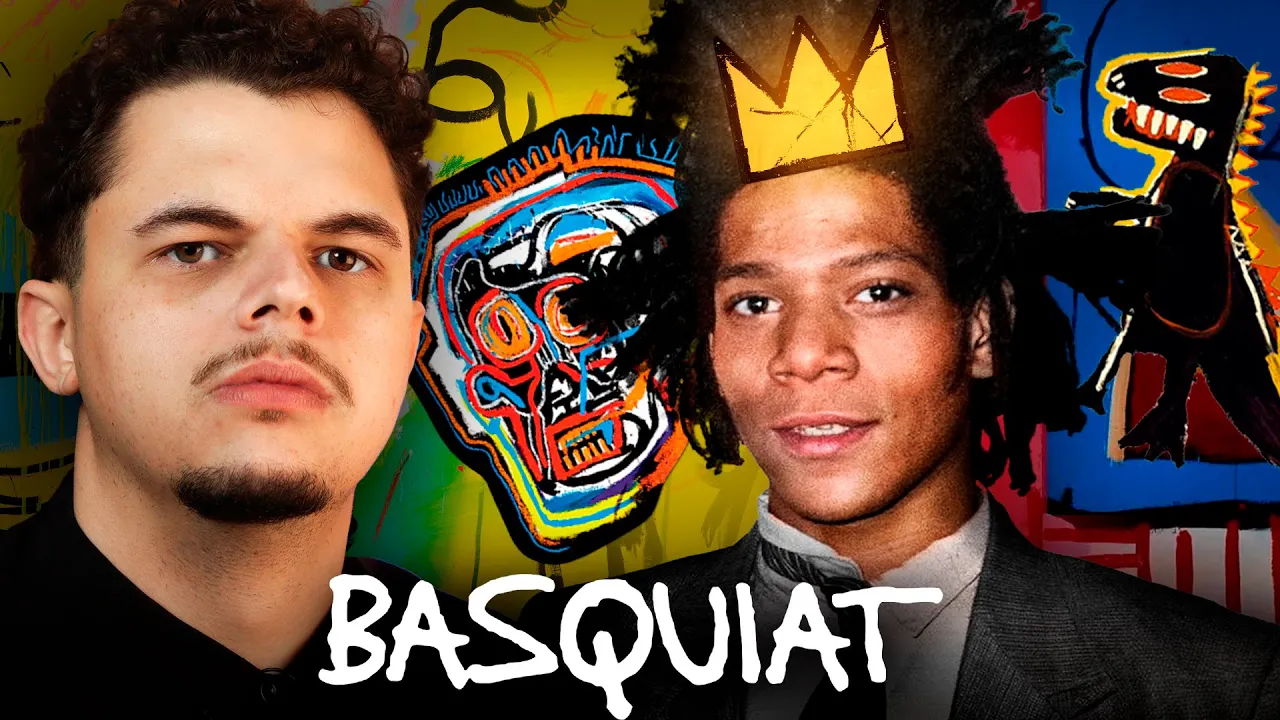
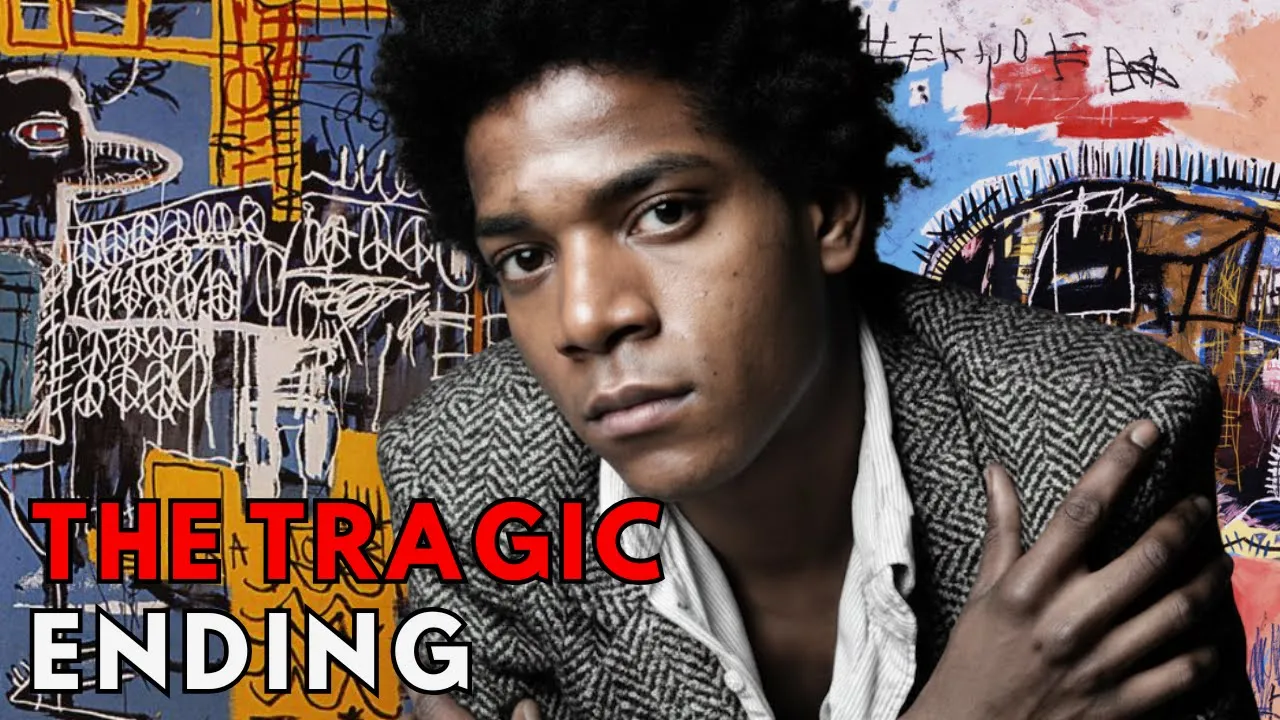

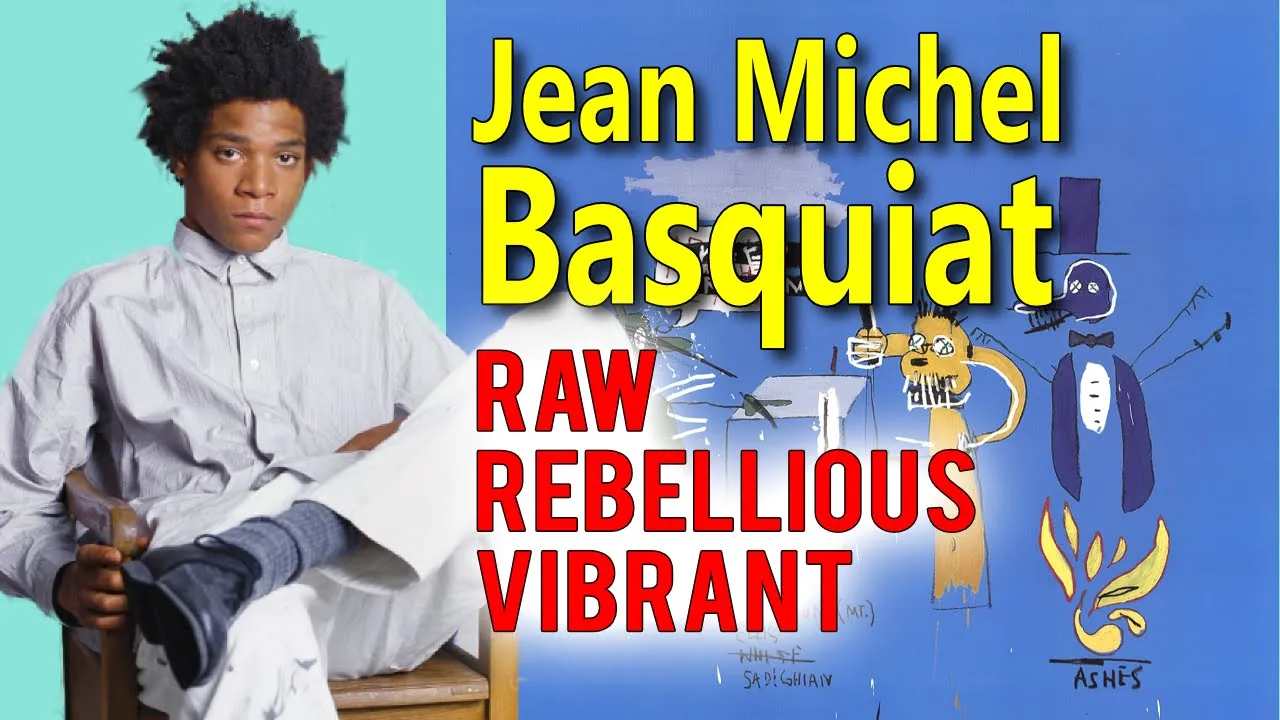
Al Diaz, co-creator of the iconic SAMO© graffiti project with Jean-Michel Basquiat in the late 1970s, explains how this collaborative art project emerged from his experiences as a Puerto Rican teenager growing up in the Lower East Side of Manhattan, where he witnessed the rise of New York City's graffiti culture and developed his distinctive style that would later influence global street art movements.
Al Diaz on SAMO, Basquiat, and NYC Graffiti History
Added:An introduction to Jean-Michel Basquiat's artistic career, his Neo-expressionist style, and his rise to prominence in the 1980s art market.
The socio-economic landscape of New York City in the late 1970s, which fostered the emergence of hip-hop, punk, and underground art scenes.
The basic history of early NYC graffiti culture, including the distinction between traditional 'tagging' and conceptual street art.
A foundational understanding of 'SAMO©' (Same Old Shit) as a collaborative, text-based poetic graffiti project.
The process of institutionalization and commercialization of street art, analyzing how counter-culture movements are integrated into the high-art market.
An exploration of the lives and works of contemporary peers of Basquiat and Diaz, such as Keith Haring, Futura 2000, and Lady Pink.
The ethics of art history canonization, specifically how co-creators (like Al Diaz) are often marginalized in favor of a single, marketable genius narrative.
The evolution of text-based public art, linking the legacy of SAMO© to modern street artists and activists like Banksy.
55.2K views1.1Klikes40:15Original Release: 2018-09-13
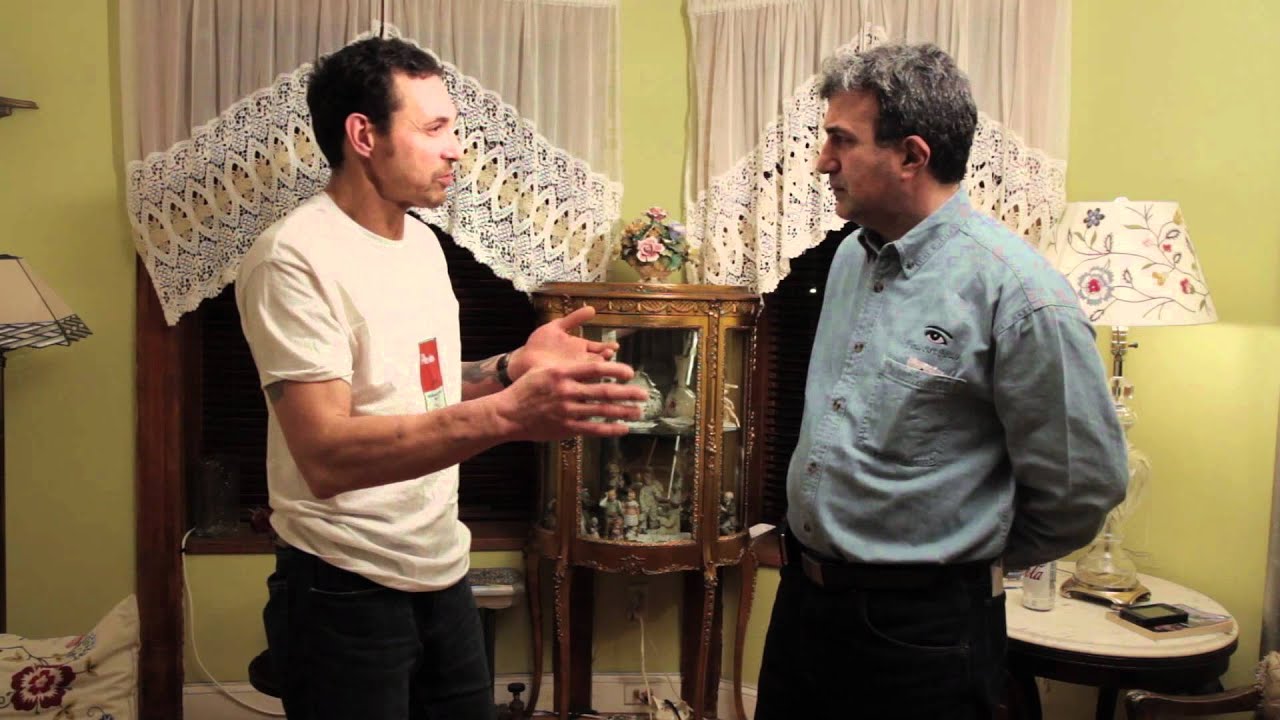
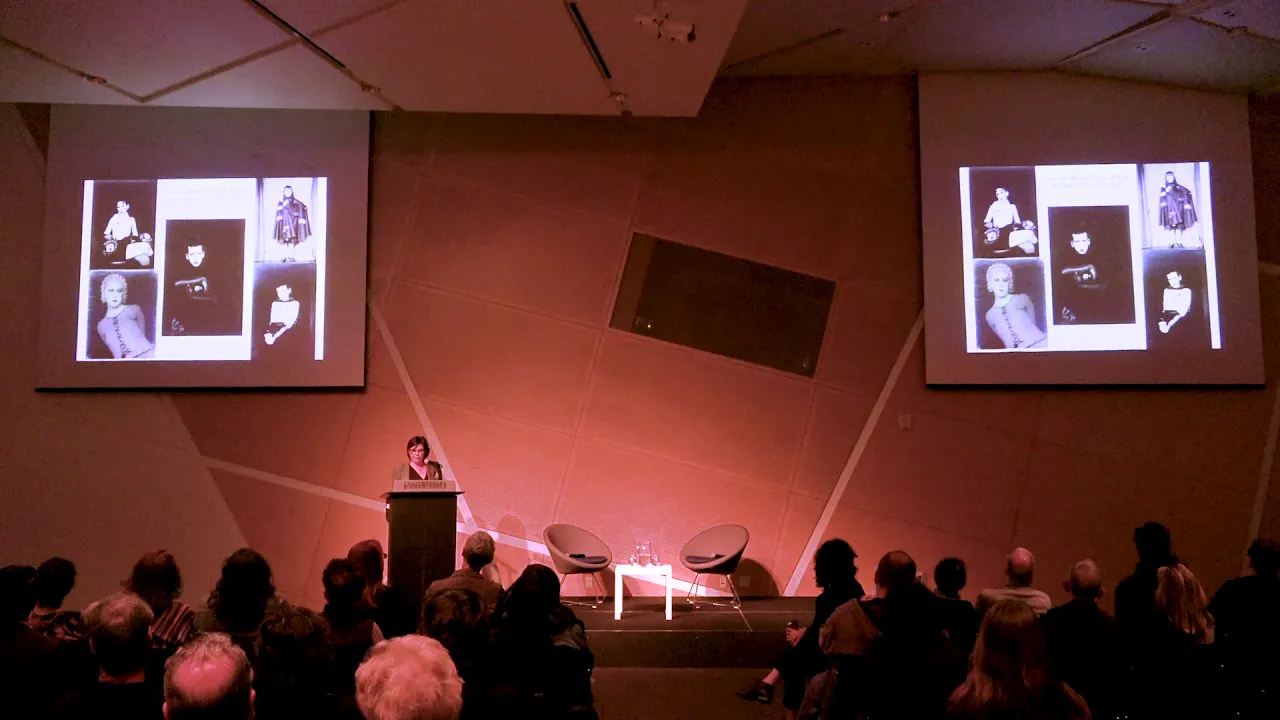
[Music] thanks to this artist talk here with ideas at Cherokee Street gallery and yeah we opened in June 29th so we're very young new gallery and my name is Benjamin louder I'm the founder of the gallery Lisa samani but there is the gallery manager so we work together to bring guys like Al Diaz the Saint Louis to share his perspective and experience with st. Louis I worked as an artist for a few years several years and commercial artist a little longer and I kept seeing stuff getting curated that I'm like hey that's not right or that story's got holes in it or it's incomplete and I finally thought well I think I should start to try to curate stuff myself so that's kind of a Cherokee Street gallery it's gonna be an outlet for that to try to fill in holes in narratives that keep getting repeated that aren't are any complete window and we got thankfully gots like Al Diaz to come in and fill those holes just to introduce al he's New York born and raised keeping that jean-michel when they were teenagers and they came up with the idea of say mom together and I went on to create this whole lexicon iconographic bits of the iconic New York subway alphabet and their wayfinding system deconstructed it and reconstructed it and so that's where this current body of work is but I'm kind of I think it'd be fun to go back to the what 12 13 year old 12 12 we go to club ok 1971 yeah so I'm 59 years old so it's at in 1971 I was 12 and I had a cousin who lived I grew up in the Lower East Side of Manhattan which is which back then was it's not the not your most affluent name of it it was pretty kind of rundown kind of the slums if you will that I grew up in a housing project my folks were hard-working Puerto Rican immigrants they did the best they could you know eventually we move out into Brooklyn to or and they would buy a home and everything but they were still very young and struggling so I grew up in the housing project I had a cousin who grew up in Washington Heights that was a little more of a slightly you know more blue collar neighborhood and I used to like to go visit he was he was my closest cousin and I really enjoyed visiting him he was Washington Heights Washington Heights is known to be one of the spawning grounds for New York City graffiti culture the name and number of culture that if any of you were over at the cat cam-cam early I say men Genet it was the phenomena of writing your nickname with a number attached to it that had some sort of significance whether it was okay the famous taki 183 was from 180 third street there's your 183 that's the significant number many of us chose one because we were the first one to whatever if there was an order of your new it's based on your nickname and a significant number so there was none of that was visible where I grew up in the in the Lower East Side and I was impressed with this when I you know upon going to visit my cousin in this neighborhood Washington Heights so I want and something about the the the fellows up there they had a certain style I'm at the age where I'm looking for an identity I'm 12 I wanted you know I'm not much of an athlete I'm not this I'm not that so I wanna I'm like yeah I would like to kind of write on walls you know I think that's kind of cool and these guys had a flair they had style there was a certain and there was this is a burgeoning subculture we're developing the style so I want it's always came in on in the beginning yes it wasn't so it wasn't this kind of like you know artistic expression per se maybe there was some of that in there but we weren't really aware of that because the early the first generation of graffiti writers were primarily though the age group was from nine to fourteen that was the age and I was right in the center that I was into the age of twelve but it was a very young culture extremely young culture which when you think about like the the fact that it's a global phenomenon is that that's something to behold I mean a group of not kids from nine to fourteen created this and it's become you know I mean advertising companies use the the graffiti format for to spread their word so you know and no one was like oh we're doing some the revolutionary I mean we were in it we're too busy in it to be objective about it yeah so so it was very male oriented it was it was a kind of a big pissing contest it's like my name is gonna be around more than your name it wasn't like I'm gonna be really creative today [ __ ] there was no it was it wasn't about that it was a it was a sport it was dude it was a sport so you started out as one that was a nickname that I got prior to the graffiti thing it's like because I I was known to kind of like explode or panic or whatever and I once I've knocked my friend over who he ended up I accidentally knocked him into a bush it was like or something like that and that the name stuck so that's where I came from but it was it was I already had this nickname so I used it for for graffiti and I stuck with it because one nickname for over a long period of time is more efficient than say five nicknames that because it doesn't it what it does is it dilute each each and if it's not that significant you know but this way people knew me as oh that's balm and consistency I mean it's branding yeah you can you can definitely see I mean do you think when you look back where it's like some of those techniques are what account for the global reach that its history or have you given that a lot of thought like why or how you mean it's sticking with one thing or certainly well if the graffiti writing culture was emulating or appropriating some of the concepts that work inside of marketing and branding did is that but do you think that's part of what meant blow up or well maybe I mean we were imitating like comic book letters and cereal boxes and stuff like that right I mean and then it would it evolved from that I mean just kind of but we that was the first templates that we were using yeah to try to you know make something look slicker and then when you you transition from BOM one to same well that was much later that by the time I did that I had already established a name for myself in the graffiti in New York City graffiti culture and graffiti community people knew me people know me for all over the city I mean I wasn't a state highway 39 but I was pretty well known you know it's like bomb one and I had a good style etc such I had influence other writers which is kind of important and it's in terms of establishing your your presence or your importance as a reminder remind you that I mean as it's crazy silly as it sounds this is a teenage culture so you know this is the teenage ego thinking you know I'm home from all the bomb want right or whatever well by then that's when I met Basquiat who which and this is one of the things I have a problem is because you read in a lot of accounts that Basquiat they described him as a graffiti artist now that's just that's like that's like me calling myself a skateboarder he's I got you know I've drawn a few planks but I've never skated so he never was part of that graffiti culture he was and what we did was completely completely apart from the subway graffiti culture had nothing the same old Murphy T was it was almost a reaction to that it was like no we're gonna do something smart because we're smart guys and we want adults to read this generally the graffiti that we were doing I in in in the subway culture was for each other yeah it's like you know I'm not doing this for something like lawyer to read it I want like like comment one to read it yeah so that good you know but what we were doing here was we were breaking away from that we were saying [ __ ] those graffiti guys what we want to do is and it was but I was the active participant in that culture like I said he wasn't he wasn't he didn't talk like a graffiti artist he didn't dress like a graffiti we understand we had a way of being you know even still if you go to a grafite like an old graffiti guy event everybody's wearing camos you know but that's it we had a style we had a way of talking we were developing a slang which has stuck people as a tag that didn't come from it from a vacuum you know we were talking like we were making these things up yeah went and I and I will always remind you that these with which we're talking about teenagers you know coming up with this whole entire subculture well what what flourishes did you as bomb one contribute to the well first of all that people often ask me what are those three things that you do that that way that's an a stylized ellipsis that's all it is and it came from Flint who was the first block print writer who would often finish his his tag with with some sort of a comment or a message not but not quite as as ambitious as our messages his were like he would you know write something from like like you know friend Flint for ladies only the Flint for those who dare or sometimes he would use a line from like like a couple like a couple of times you do like Jimi Hendrix out like Flint both of boulders love ya like that but so it was these one-line kind of catchy phrases that that were but I and I've never denied the Fagin I've actually celebrated the fact because for Flint is a friend of mine went to high school with him that it was in completely influenced by Flint that you know the the FB ellipsis and in the block print yeah which was also to establish that it was not supposed to be a stylized subway graffiti low road yeah kinda looks like a drag it was kinda it was almost like we wanted to play here like like like government-issue letters you know right yeah yeah so yeah so there was that and it was very I mean we were both both of us I guess were pretty clever kids and you know we we had ideas and we wanted to be noticed for that we wanted to we like look at us we got we're smart guys we want to be yeah so it was about that so you guys got thrown together though because you were missing school out writing graffiti right and being truant and then you both got lumped together and City as a school we ended up we we both try after the 11th grade I was I was I I simply wasn't attending school much anymore I was just spray-painting strange and I was asked to transfer to another school because you know but yeah but the the Dean actually suggested this alternative experimental school because he was kind like that it wasn't it wasn't just like go fend for yourself kid here why don't you try this school so I ended up there me and a few other people from High School of Art and Design ended up there including Spike Lee's younger brother Chris there's no longer with us but he was a graffiti graffiti kid and so a group of us migrated there and jean-michel had come from another from Edward r murrow which was a you know another smart kid school but he couldn't but he I he could I don't I don't know I mean I mean go to school with him until then so he was just a problem kid he had he had it we all had issues you know yeah so the name says city of school so that's what it was you guys see if you were gonna for example we had a class for art credit at the Museum of Modern Art and that's so you would actually go to so it was whatever you were supposed to be getting credit for was actually was that kind of a hands-on learning experience yeah describe that story you were telling me about where you guys were checking out Picasso okay this is yeah in a sense we also we're interesting the kids and and and in a sense privileged because not a lot of kids get to like go and you're gonna have an art class we're like discussing Guernica in front of Guernica we're like here and we had this woman Sylvia Milgram she was her she was probably at all an Upper East Side lady who you know she of means who in her spare time did these art talks so she's that she was our tolerance for tour god yeah so jean-michel being himself was like lady well how do you know all this stuff like what gives you the the right to comment on what mr. Picasso was thinking you know say he was very disruptive so that I mean yeah it was always like that yeah the classroom that would always be he was the the guy who's gonna interrupt the class and and ask why is it that you you know what gives you license what's your authority yeah what is your authority yeah to interpret but yeah but but but that's I mean that's the kind of a learning experience that we had well that must have appealed to you well it certainly was a Garrigan you know talk about like breathing room you know were able to to have space and and to get and to learn stuff at the same time we really were learning stuff and that connection would have that was the jumping-off point for this so so yeah so so so at six we also had the freedom to put together a school newspaper and Jean was a brilliant writer and he was a very good writer and we did a lot of drawings and III I contributed a lot of essays to or short stories whatever to this this paper well around the same time we had we had met up with some girl named Elizabeth I'm not gonna exclude her last name would she or her folks they like to smoke weed right with her parents and they lived it right but we're like young kids and we're like we thought we found that to be novel you know okay let's go to her and they lived in an loft and tried back that when when it was like tumbleweed said nobody lived down nobody lived down there so we go over and smoke we with Elizabeth's folks her father was a vidi videographer it was like a Fluxus artist they were interesting people but he got really tired the whole scene was like like kind of like Groundhog Day it was always the same thing now he's gonna say this and she's gonna do that so we thought it was funny yeah and we came up with this thing we'd say okay we're going to go over the same Holmes house [Laughter] that's where that same old thing came from yeah but even more if they didn't by the time I became it became something it was it was just a word at that yeah by the time it became same as a graffiti thing so what happened was writing for the school newspaper oh we did a one edition that was about like vehicle religions or just spiritual stuff so Jean writes this short story about a guy who sells religions he's gay he's like on top of the papaya King on 42nd Street a little office selling religions it's got like the two-for-one Buddhist sale yeah he was a great writer so so so he the the religion of the day or that the special for the day was same oh you know that was like a special religion it was like something you'd do anything you want and then when you when you go to the pearly gates you see I didn't know that was the premise of the religion anyway so we thought it was hilarious along with that story we wrote and I just found a copy of it which is this treasure was a pamphlet and we drew all these testimonials like six McCarthy was six or eight people drawn that are like talking about their experience with same on how it's changed their life testing so we take that and it stays me and me and a couple of friends take these these pamphlets and we start giving them out on the street and within within like two or three days I I say dude we got to do a graffiti campaign because that yeah I was like I said came from the graffiti culture but I had at some point taking a sabbatical or a hiatus from because it became it became almost pedestrian it was like everybody was right uh-huh and then we were doing different things we were having a good time so I stopped you know it wasn't an active participant in to that to that extent anymore but this was like oh now we got to start writing again because this is this is so so and then the rest is history then we just kept elaborating on what the same I was it morphed it developed and what it eventually became was like if you read the same O's in this room you'll see that it's like this this product that offers all kinds of stuff but it's a product it is not a tag of a person yeah it would never had a face that came later right oh but yeah so we developed and and that's that's but that's where it was hatched from so the moment that jean-michel became synonymous with say mo was a Village Voice article that came out it was post The Village Voice it was it was probably around the same time that he was getting shows in in an in lower Manhattan early early on in his career with the whole Glenn O'Brien thing although John never denied the fact that it was two people or he did use it as a launching because because there was some some notoriety notoriety attached to it he was I guess I'm sable so it was and he was very diligent in his his climb to to popularity and fame he was it was part of his master plan I was very very deliberate about it so it became at that same time I was doing I was becoming more and more involved in music and I just it wasn't I wasn't that an attached to it anymore basically what I felt was you know in once again in retrospect what I what we were doing was we were experimenting with height we were learning about height we were we could have been Madison Avenue you know Mad Men yeah we learned how to do that from from scratch with nothing so at this time I just really wasn't wasn't chasing it so it just kind of got phased out of out of the but it didn't mean that I wasn't the author anymore right well that the co-author yeah cuz it's very important that that it be understood that it was a collaboration and it was never one person it's a conversation and one can exist without the other because it's a and B you know yeah so how surreal is it that it was a critique on kind of consumerism in a fake product and then now you see there's a state licensing it well that's the irony is it what happens is that people it's like okay you see it but you obviously don't read it or comprehend it because you're doing exactly what is making fun of ya so it's like you know it it becomes empty it becomes not that it is empty but it's to the person with it's like you're blind it's like you you know so in a sense it it proves itself those comments provement like how relevant they really are will always be relevant yeah yeah it's it's so you know you coming out of a pure more pure graffiti art culture and your peers and a lot of the people that John was kind of seeking out because at that time wasn't he trying he was kind of fascinated with that culture he wanted to you know a lion himself with that culture talk about fear that like Ram LZ was it was a cat that he sought out and they and the rest of the guys from the Mitchell the Mitchell crew yeah well I think you know and that's just me second-guessing because because I I mean I hung out with all of them we all hung out together at Crosby Street it quite often it seemed like Jean was tolerating especially right now cuz my mouth was very he was always butting heads with Jean I was like kind of doubting him and kind of being in a devil's advocate about everything he did so it's it's like he he wanted to he want it he was very generous was very generous and I think he wanted to share some of this with some of those guys I don't know if he really wanted to be part of that culture per se but he wanted to to have that with him he wanted to bring some of these guys into the picture because like top people like stalks you know these guys have minds you know I'm just like like you know dusted out graffiti I mean even though a lot of us work with dust it out sure they were they you know they had something on that you know they were because of the floss yeah they were thinking of stuff and doing stuff and you know ramela was you know yeah I like this describe him as the Sun raw of graffiti culture that's a great description you know do you guys know who Ram LZ is yeah yeah yeah he's definitely worth at Google if you don't know who he is and another filling in on when you said that he went on TV party that was a public-access TV show hosted by Glenn O'Brien who passed away in the last couple of years right who is the subject of that painting that hangs in the MoMA there's a big head it's called dueño Brian yeah yeah he played he was a played a very important role as Jean Michels life there were friends too you know until the end that show was a real intersecting point of life a lot of different aspects of culture I mean well yeah but not from a very serious point you know I mean he's kind of a goofy kind of thing going on but there was a lot a lot of interaction I was on there one time we pulse along from pulse Alama yeah and Jean was the camp and I was pissed at him he's like the cameraman he's come I thought was the cameraman yeah he was on the camera and I'm sitting there with like is like these ladies that were we were all friends from club 57 so there was all these overlaps of the scene of what what was going on yeah but it wasn't I mean it's not like it was at you know they were documenting seriously you know oh right yeah what you know the store like any particular story of was there anything sir if the you know the writings of goof in the shows it was just having fun it was having fun yeah actually literally a party what is it like when that teenage scene where you're just having fun and kicking it with your friends and whatever turns into something that's being discussed academically but a certain you know with Peter certain absurdity that goes with that like what but it's it's also it is a certain exhilaration and pry that one has to take as like oh [ __ ] I guess I guess we did we're doing something a little different that had some longevity some pertinence some cultural you know we were doing stuff that you know it was it was a very rich time into I mean we were it nobody had I had a job or you know much to to in terms of material wealth but we had a lot of other riches you know I'm and it was a stressful time I mean yeah we mentioned earlier today that the Lower East I was a dangerous place it wasn't the type of place you wanted to move to you know yeah unless you I mean you're seeking you know some wild I had a bayonet put to my neck more than once you know yeah yeah I mean a bayonet you know it was like that was the weapon of choice why are they yeah they give me sir c'mon start the bullets I think the bullets were the bayonetta jeepers alright yeah that makes sense no but it's yes I mean it was crazy yeah I mean so you know this Cherokee Street here in the little amount of time I've I've spent you find that a lot of the problems that come up from the street are around the drug abuse and drug use and particularly opioid addiction and obviously you know John would probably still be alive today had he not kind of you know gone that path well it was a big problem I mean since I was a kid in my name I I was a heroin addict for 19 years luckily I survived that but it was yeah I mean a great deal of the crime was was uh was due to the fact that people were strung out and you know yeah it just follows the environment you know violence and crime and drugs it's all one package and yeah it's definitely it's the quality of life thing is there I mean it seems like with the city being kind of up for grabs and being you know in that early 70s late 60s you know there was a lot of danger a lot of pitfalls but it seems like simultaneously it was like that crucible that had so many great you know creative innovation popped out of that I mean would you have you ever thought about like why necessarily like what why it's I mean it was the time it was the the history in that neighborhood like there's so many factors it was you know it was the the political climate you know the fact that the city was was fairly bankrupt there was buildings were you know the place was falling apart around us and and then these young people that are still celebrating life and it just there's some hope you know and there's people being creative and and it's easy to survive there I mean financially anyway I mean it's a challenge to survive but but it didn't cost much here in st. Louis you know geographically it's kind of where east meets west and north meets south and it's so many different things have innovated here too along the lines of the fight Scott Joplin Chuck Berry rock and roll Miles Davis yeah and a major players yeah when things intersect and something new can pop out do you attribute any of the multicultural aspect of who was brought together there absolutely I mean it's hard for me to articulate that but I mean I was one of those people who actually grew up there and you know so there was a slight different view of the surrounding but it was home but I would at the same time I was hanging out with the people that work that you know I wasn't really hanging out with the people I grew up with I was hanging out with this new generation of people yeah you know and that right there in itself is a is an overlap or the immersion of sorts and there were I wasn't the only one but you know there was so that way like like I think Carlos said it that there were two you know that more than one community there there's like the the people who've been there and there's people that the history behind me because they it was you know always had been a melting pot at one time it was the most populated place in the either the world or in the United States the Lower East Side like in the 8th to the late 18-hundreds it was the most densely populated like five points and all that yeah so in listening to people academically speak about what you guys were doing do you recall any particularly funny interpretations of something that was a goof between well no but there's a there's a painter and I in the radiant child but a documentary a well done documentary done by Tamara Davis who by the way happens to be married to Mike D of the Beastie Boys she did a wonderful job on that film but at the time that I was interviewed I was still using heroin and I kind of got the the I described a painting that was that jean-michel made specifically for me he made it for me it was it said to to and from Walla Walla was ours kind of a secret like way of calling each other it was a kind of an you know voila what's up baby and it's and and I saw in the Navara catalog which is not I think it's not accepted as the catalog resume but it's a a very expensive collection of of Basquiat works that has been put together by by him and some other rich guy dieter book heart who was instrumental in putting together the the Brooklyn Museum show of notebooks another rich guy who and you know it's funny because I mean had nothing against rich people but this guy's is like some Austrian dude who I guess because he has access can I probably can afford some Basquiat stuff becomes an expert just for that that's his resume I saw in the catalogue the painting that jean-michel sold that getting sold it gave to me he made it specifically for me Albert Diaz I turn around I sold it and I that's one of the few things I've regretted in my life is selling up that painting not because of the money not at all because it's what it's worth but because jean-michele made it specifically for me and it was in our language so in that catalog dieter book art to answer your question describes the pain oh this is this is a painting that Basquiat did on a road trip from Washington to LA voila because he has no because he has no clue no clue what that's what the story about I sold that painting to Michel Rosenfeld and and I don't even know what happened after after that I didn't use the money for drugs I bought recording equipment that's the story behind that painting and I'm leading this okay and this is like well here we go this here's a guy whose I'm not gonna reintroduce him but he gets to tell the story like history is told by the victors there you go living proof I'm reading this and I'm like no this is not true meanwhile everybody else on the planet is reading it and that's the gospel truth because it's this guy that said it so that is that's what happens yeah that's what happens and all I can do is like oh my god it's just like my jaws you know hit table it's like wow wow we're grateful of you have you here to clear it up so that's kind of the idea that's the point it's just unreal but stuff like that all the time you know and it's just like that didn't happen imagine Caesar or like Napoleon came back and read some of the [ __ ] they write then we're talking about three decades yeah they're talking about like not that long ago let it go it passes right through as the you know gospel history yeah and I'm like I'm right here guys you could have like called me as anyway yeah but that's the sort of thing that just like is just really crazy with your new stuff where you're using the iconic symbols of the New York subway system to you know well yeah for the look like it about 2009 I I started collecting I always liked those wet paint signs I think I have a sample anyway but it's a whip the red the red letters come from the wet paint sign it's just a sign that's used throughout the New York transit system the constantly painting stuff so I started collecting them I wanted to do something with them because I like the front I think it's a very strong letter and you could see it from far away etc etc so I collected multiple signs and started cutting them up and making anagrams from them and I did that for a couple of years I started reposting them on today I make long anagrams post them back on the train station and I hope that they stayed up there for more than a few days and it's that one case one time I put it out on some beams I had to walk across some beans that you kind of have to be a little bit out of your mind to walk on and it stayed there for 21 days because like them no so that was cool and then and then I met it another Street uh or subway artist street artist who was doing some stuff that I really like my name is Julie ballistic she's out of Brooklyn she was using these images of gas mask people wearing gas masks from all walks of life during World War one and World War two just stock footage you know I mean stock photographs yeah and I really like what she was dishes cutting them up and doing different things with them so we met through a mutual friend and she she basically our collaboration what it led to was me doing captions for her images and I found at this point that my nine characters seven seven characters plus I turned me there's no D here oh yeah yeah I turned the P around and make this a lowercase D and the W becomes an M because it's flip the W around to M so I got nine characters at a seven so it wasn't enough to say what I had to say I mean to come up with a caption for her images so I started incorporating these guys which are the subway train letters and then and then eventually I would add I there's a you right there capture that's not a you it's a u-turn symbol it's like turn around you're past your destination so I end up with like 23 characters there's no oh there's no y there's no H K X so so what it is a constraint is a one legged race so you get to express yourself without a complete alphabet which is really challenging and I love a challenge over here so so you become a concern this time it really stimulates us - yeah that's part of the creative for my creative process is getting that those juices flowing and getting your brain thinking too in like you know Scrabble tiles yeah with with only certain letters so that's that's what that's about and then I just you know it's just like everything it grows and grows and grows and then you start playing with it and like I start cutting them up and then doing a little like more it's more about the letter and not so much about the message although it's problem what I do is primarily about the message but I still still have fun with just the letters you grow and evolve and don't just get so stuck in the past and just keep it fresh so well it's my important not to yeah it's easy for somebody who's who's you know who's known to be like somebody who work with Basquiat to get stuck in the past oh yeah because this is very easy and that is to me is like humiliating you know that would be like really tragic good yeah it's clever - that should constrained your alphabet it's almost like haiku or some sort of I am the Queen Tamara that forces a new kind of creative yeah it's totally you have to you have to work within certain yeah and it makes you stretch as a result yeah well we're a jam-packed full and I see people in the sidewalk so I think it's time to say thanks all right you did a great job thank you will hanging out so I mean any further questions and stuff you know questions yeah all night [Applause]
Up Next

4:11
Cornbread: The Untold History of Graffiti's Founding Father
@RobertMoran215
58.9K views•2007-09-17

12:54
Triumph of Orthodoxy Icon: Byzantine Art & History Explained
@BenCallan
2.1K views•2024-08-06

9:49
FastAPI vs Flask vs Django: Choosing the Right Python Web Framework
@TechWithTim
302.5K views•2024-05-26

1:42
Game of Thrones Opening Credits: A Cinematic Analysis
@gameofthrones
46.3M views•2011-04-18
Related Study Plans & Knowledge Roadmaps
Structured learning paths in General & Interdisciplinary Studies
general-studies
Elevator Engineering: History, Physics & Cities
01From Hoists to Safety Brakes: The Dawn of Vertical Lift
02Hydraulic vs. Traction: The Engineering Physics of Elevators
03Modern Speed, Safety, and Algorithms
+ 2 more learning modules
12h5 modules
Explore Roadmap
general-studies
Rubber: Material Science, History & Geopolitics
01Origins of Natural Rubber & Mesoamerican History
02The Chemistry of Natural Rubber & Vulcanization
03The Geopolitics of the Rubber Boom & Colonization
+ 2 more learning modules
12h5 modules
Explore Roadmap
general-studies
Containerization: Evolution, Logistics & Trade
01Ancient Trade & Bulk Cargo: Amphorae to Barrels
02The Industrial Revolution & Cardboard Packaging
03The Containerization Revolution: Malcom McLean
+ 2 more learning modules
12h5 modules
Explore Roadmap
general-studies
Textile Tech: Evolution, Labor & Global Impact
01Pre-Industrial Textiles: Handloom & Cottage Industry
02Mechanization: The Spinning Jenny to the Power Loom
03The Factory System & Global Labor Transformation
+ 2 more learning modules
10h5 modules
Explore Roadmap