Cornbread (Darryl McCray), who began writing 'Cornbread loves Cynthia' on Philadelphia school walls in 1967, is recognized as the originator of modern graffiti, having pioneered the evolution from simple wall markings to bombing, pieces, and murals; his work not only established Philadelphia as the mural capital of the world but also served as the visual backdrop to the rise of Hip Hop culture, though he remained largely unrecognized until returning to prominence around 2001.
Cornbread: The Untold History of Graffiti's Founding Father
Added:Deep Dive
The historical and socio-economic context of American inner cities in the late 1960s, particularly racial and economic shifts in Philadelphia.

31st vs 27th: The Deadly Gang War Of Greys Ferry
166.7K
This segment provides historical context for the racial tensions in Philadelphia, particularly in Grays Ferry. Before the 1950s and 1960s, the surrounding community was largely Irish Catholic. The 27th and Reed and 29th and Ellsworth Street became hard borders, with crossing them often resulting in immediate physical violence between Black and white teenagers. This became the so-called South Philly race wars of the 80s and 90s. The video explains that both whites and blacks in Grays Ferry had seen their oil refinery, factory, and steel jobs disappear over the decades, and watched home prices rise in other areas while their home prices continued to fall. The segment argues that white America has never accepted the concept of a multiracial society and has always looked upon America as being white.
Click to watch →

Them Folks Wanted Us To Prove To Them We Can Live In Their Neighborhood
5.8K
This segment examines how white residents in 1960s Philadelphia systematically excluded Black residents through explicit requirements to 'prove' they could live like white people, organized block captain systems to 'freeze out' Black families, and economic fears about property depreciation. White residents believed Black residents would 'bust the neighborhood down' and convert areas into 'negro integrated developments.' The segment reveals how racial segregation was maintained through both explicit discrimination and economic strategies, with white residents wanting Black people's money but preventing integration to maintain neighborhood value and white residency.
Click to watch →

Roger Wilkins Lynch lecture 1993
232
The 1960s held genuine optimism that American cities could be transformed into places of justice and democracy, based on the belief that America had experienced a profound change of heart and that economic growth could purchase social justice. However, this vision failed because the humane trajectory of the early 1960s could not be sustained in inner cities plagued by poverty, animosity, and insufficient resources. Cities have become progressively blacker and poorer over 25 years, with virtually every American city known in 1968 being worse to live in today. The historical timeline reveals 346 years of slavery or constitutionalized racial subordination out of 374 years of African-American presence in North America, creating deep-seated structural inequalities that economic growth alone could not overcome.
Click to watch →
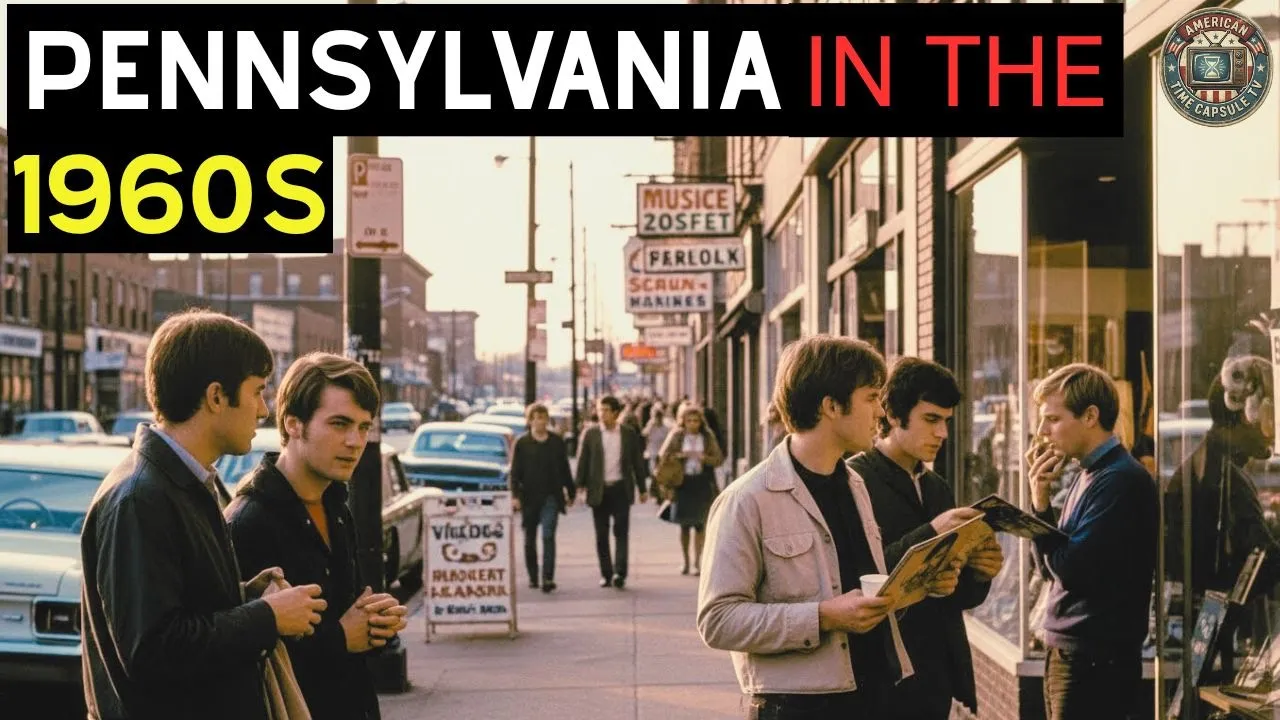
What it Was Like to Live in PENNSYLVANIA in the 1960s
168
The economic transition was not peaceful or equitable. The flight of industry and mill decline hit urban centers, especially minority neighborhoods, particularly hard. Beneath the suburban ideal's brightly colored countertops, real anger and inequality mounted. This tension exploded in August 1964 with the Columbia Avenue riot in North Philadelphia—a 3-day outbreak of civil unrest that forced Pennsylvania to confront the uncomfortable reality that industrial wealth had left behind significant communities.
Click to watch →
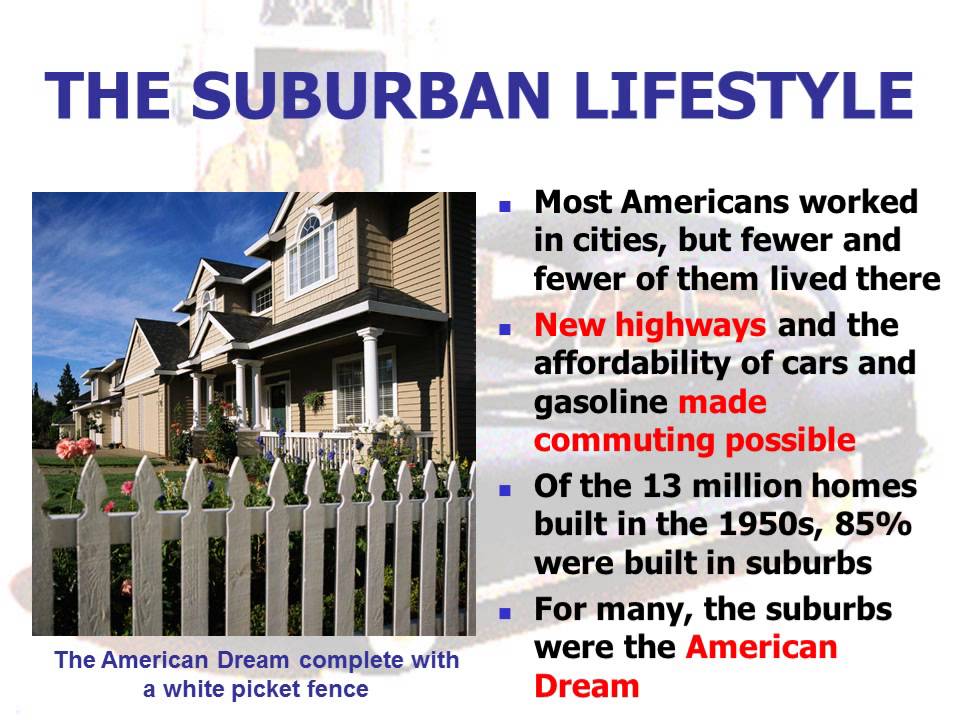
Chapter 19 Lecture
361
In 1962, nearly one out of every four Americans was living below the poverty line. Most of these poor were the elderly, single women, and their children, and were minorities. In the 1950s, millions of middle-class white Americans left the cities for the suburbs, while millions of African-American rural poor migrated into the cities. This 'white flight' drained cities of valuable resources, money, and taxes. As the 1960s fought with the Civil Rights Movement, it was very much a city versus country, black versus white, rich versus poor social upheaval.
Click to watch →
Deep Dive
The distinction between ancient graffiti (historical wall carvings) and modern graffiti (individualized, stylized signature tagging).

Ancient Pompeii’s Hidden Messages, Preserved in Graffiti | Jacqueline DiBiasie-Sammons | TED
51.4K
Ancient Roman graffiti fundamentally differs from modern graffiti in methods, materials, and cultural acceptance. Unlike today's illegal urban graffiti, ancient graffiti was welcomed in nearly every public and private space including temples, tombs, bars, and homes. Romans scratched messages into wall plaster using styluses or nails, while modern graffiti uses spray paint. The English word 'graffiti' derives from Italian 'scratched.' Ancient graffiti included both inscribed messages and those written with perishable materials like charcoal and chalk, which were often more flourishing and elegant. These writings represent some of our best evidence for marginalized groups like women and enslaved people who lacked access to traditional writing materials.
Click to watch →
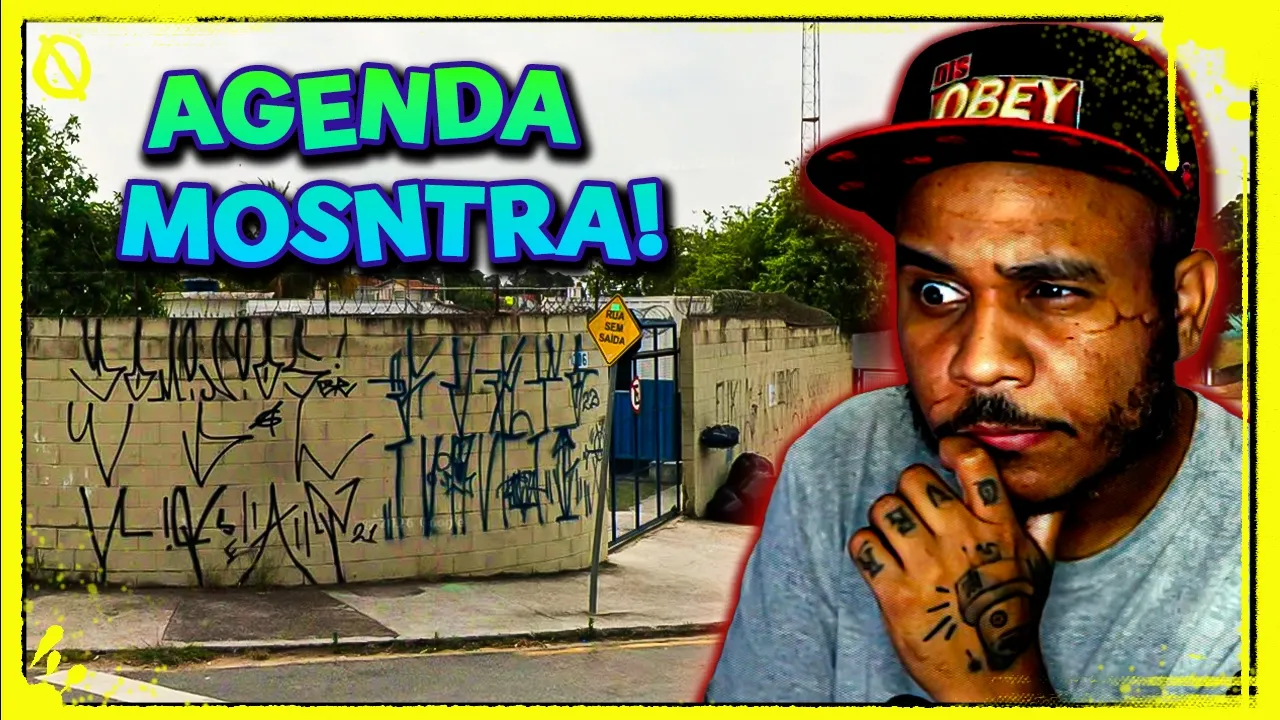
EXPLICANDO Pixações: O Que Está Escrito Nessas Paredes?
10.6K
Graffiti includes both full 'rolê' (pieces) and simpler 'tags' (short signatures). Tags are typically shorter, simpler markings that artists use to quickly sign their work, often using different techniques like brush pens instead of spray paint. Tags may be created by artists who are just beginning their graffiti journey. Graffiti walls often contain historical records of artistic activity, with some pieces dating back many years. For example, a wall might contain graffiti from 2009, 2011, 2019, and 2021, showing continuous artistic activity over time. These historical records demonstrate that certain locations have been significant to graffiti culture for extended periods, with artists returning to paint and sign their work repeatedly.
Click to watch →

A walk around ancient Pompeii | Jacqueline DiBiasie-Sammons | TEDxUniversityofMississippi
32.9K
A birth announcement graffito for 'You Vanilla' discovered in Pompeii, written nearly 2,000 years ago, was preserved by the 79 A.D. eruption of Mount Vesuvius. This graffito, along with thousands of others, reveals that ancient Romans used walls to send messages, record observations, and express themselves—similar to modern social media. The English word 'graffiti' comes from the Italian word meaning 'scratched,' coined when 19th-century archaeologists first encountered Pompeii's scratched wall inscriptions. Unlike modern graffiti, which is typically illegal, ancient graffiti were welcome in nearly every space including temples, tombs, bars, and homes. Ancient graffiti were scratched into wall plaster using styluses or nails, while modern graffiti use spray paint. This contrast reveals how communication practices evolve while the fundamental human urge to leave marks on surfaces remains constant.
Click to watch →

Everything You Need To Know About Graffiti…
69.2K
Graffiti has existed since ancient times, with examples from Egypt, Greece, and Rome. The term originated from Arabic inscriptions in desert regions. Ancient graffiti included love declarations, political statements, and simple thoughts, unlike today's social messages. Pompeii graffiti reveals Roman street life through curses, magic spells, and political slogans. Modern graffiti emerged from hip-hop culture and international styles from Philadelphia and New York City subway graffiti, with the oldest modern examples being monikers on train cars from the late 1800s. Graffiti serves as political expression, from 1968 Paris protests to punk rock movements. It functions as a tool of social emancipation for divided communities, as seen on the Berlin Wall. Graffiti writers use pseudonyms to protect identities, with spray paint being the primary medium. It has been used for both legal and illegal advertising campaigns.
Click to watch →
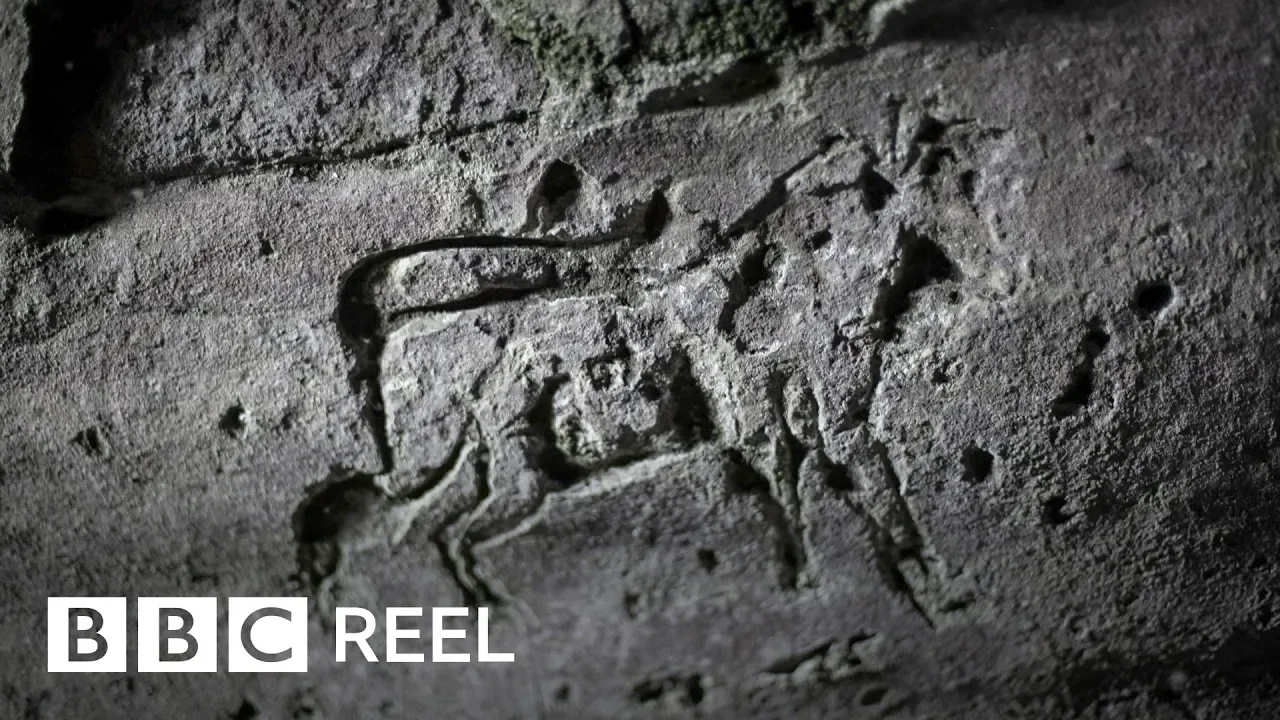
The ancient symbols hidden in a cave - BBC REEL
35.5K
Modern graffiti (names and messages) differs fundamentally from ancient Pictish carvings. While both involve marking walls, graffiti represents an act of recording presence without damaging intent, whereas deliberately gouging out ancient carvings constitutes vandalism. Educating visitors about the distinction helps protect archaeological heritage.
Click to watch →
Deep Dive
An introductory understanding of the four core pillars of hip-hop culture: MCing, DJing, breaking, and graffiti art.

CULTURA AL AIRE #36 - 2° TEMPORADA- TATO MORENO- FESTIVAL HIT THA BEAT- LUIS ROSI ALFARERO
136
Hip hop culture is built upon four foundational pillars: bboying (dance), graffiti (painting), DJing (music), and freestyle (improvised poetry over rhythmic bases). These four elements complement each other and typically explode simultaneously in authentic hip hop practice. To be considered a true hip hop practitioner, one must have at least some knowledge of all four elements. This comprehensive understanding represents the authentic formation within hip hop culture.
Click to watch →

NIHAL ARTHANAYAKE (RADIO & TV PRESENTER/AUTHOR/HIP HOP SPECIALIST) // KILLA KELA PODCAST #615
445
Hip-hop culture is built upon four foundational pillars: DJing (turntablism), MCing (rapping), breakdancing, and graffiti art. These elements emerged in the 1970s and 1980s in the Bronx, New York, and together form the complete cultural expression of hip-hop. Understanding these pillars is essential for comprehending hip-hop's historical development and its continued influence on contemporary music and culture.
Click to watch →
Elephant In Da Room - Mike Iena, Disastro, Manfredi (Senza Nome Come il Dolce) #radiocittàpescara
271
Hip-hop culture is traditionally understood to consist of four pillars: DJing, MCing (rapping), graffiti art, and breakdancing. These elements emerged together in the 1970s and 1980s, representing the complete cultural package of hip-hop. Each pillar represents a different aspect of hip-hop expression - DJing provides the musical foundation, MCing provides the lyrical expression, graffiti art provides visual expression, and breakdancing provides physical expression. The integration of these elements created a comprehensive cultural movement that continues to evolve today.
Click to watch →

GrandMaster caz Opens a Hip-Hop School(Surprise Guest)
933
Hip-hop culture consists of four foundational elements: DJ (music cornerstone), MC (spoken word host), B-boys/B-girls (breakdancing), and graffiti (art). Hip-hop was born in the Bronx on August 11, 1973, at 1520 Sedgwick Avenue. Graffiti, as the art element, dates back to ancient cave paintings. The DJ creates the musical foundation, while the MC serves as host and announcer. Breakdancing represents the passionate dance element. These four pillars form the complete cultural framework of hip-hop.
Click to watch →

HIP HOP HISTORY!! | Rapper Reacts to Nas & DJ Premier - Light-Years (ALBUM REACTION)
15.4K
Hip-hop is built upon four foundational pillars: DJing/turntablism, MCing/rapping, breakdancing/b-boying, and graffiti writing. These elements together constitute the complete hip-hop experience. Understanding hip-hop requires recognizing all four components as equally important rather than focusing solely on one aspect. This holistic view of hip-hop as an integrated cultural movement distinguishes knowledgeable enthusiasts from casual listeners.
Click to watch →
Deep Dive
The basic sociological concepts of youth subcultures and their use of public space for self-expression and identity.

la rosa de guadalupe no soy emo parte 2
1.2M
This segment examines how different generations express themselves differently and how parents often view youth subcultures with suspicion. The father compares his son's current expression to the hippie movement of the past, while the son argues that each generation has its own way of expressing itself. The son mentions various youth groups like emos and other tribes that exist at his school, which the father dismisses as inappropriate. The son pleads with his parents to understand that 'la juventud avanza por Caminos Diferentes' (youth advances through different paths), emphasizing that each generation develops new forms of identity expression that may seem strange to previous generations but are natural to their own time.
Click to watch →

Все типы девушек за 12 минут
342.8K
This segment explores how young people form identity through subcultures. Pixie represents dreamy, spontaneous individuals who inspire others. Vinishka (2010s CIS) combines wine culture with Japanese aesthetics, featuring colorful hair, round glasses, and oversized fashion. Girlie combines femininity with professional success, challenging 1990s post-feminist assumptions. Altushka (alternative) seeks non-conformity through dark aesthetics, punk/emo elements, and opposition to mass culture. These subcultures provide frameworks for self-expression, identity search, and community belonging, though they face criticism for superficiality.
Click to watch →

Punks, Goths & Mods on Irish TV, 1983
2.1M
Youth subcultures like punks, mods, and rockers serve as mechanisms for young people to express individuality and find belonging, representing a complex interplay between personal identity formation and group affiliation; while these subcultures often face societal misunderstanding and marginalization, they provide meaningful social connections and a sense of purpose for young people who feel alienated from mainstream culture.
Click to watch →
Zapping nel 2000! (TRUZZI, EMO, pubblicità e The Club) | Reaction con Dario Moccia
421.8K
Youth subcultures like emo and punk serve as spaces for adolescents to express identity and process difficult life experiences. These groups provide belonging and allow young people to channel emotions through fashion, music, and community. Generational differences in values are often exaggerated—adults frequently criticize young people for lacking values, but this overlooks individual variation. Some adults lack values while some adolescents possess strong moral principles. Different generations express themselves differently, but this does not make one generation more stupid; they simply think differently.
Click to watch →

САФАРОВ vs БЕРЕЖКО | NABARI #9
76.1K
The video discusses youth subcultures and social identity, specifically addressing how young people express themselves through various cultural movements. The host explains that youth subcultures provide young people with ways to express their identity and connect with peers who share similar values. The content highlights that these subcultures can be important for young people's social development and identity formation.
Click to watch →
Prerequisite Knowledge
- Concept 01The historical and socio-economic context of American inner cities in the late 1960s, particularly racial and economic shifts in Philadelphia.
- Concept 02The distinction between ancient graffiti (historical wall carvings) and modern graffiti (individualized, stylized signature tagging).
- Concept 03An introductory understanding of the four core pillars of hip-hop culture: MCing, DJing, breaking, and graffiti art.
- Concept 04The basic sociological concepts of youth subcultures and their use of public space for self-expression and identity.
Subsequent Learning
- Step 01The transition of graffiti from Philadelphia to New York City's subway system and the subsequent 'style wars' of the 1970s and 1980s.
- Step 02The criminological and legal debates surrounding graffiti, including the 'Broken Windows Theory' and municipal anti-graffiti campaigns.
- Step 03The commercialization of graffiti and its evolution into fine art, analyzing figures like Jean-Michel Basquiat, Keith Haring, and Banksy.
- Step 04An analysis of regional graffiti aesthetics, specifically comparing Philadelphia 'wickeds' to NYC-style wildstyle lettering.
Graffiti Origins
Global Reach
Graffiti Origins
0:19Playing Section
- 1
Philadelphia, not New York, is the true birthplace of graffiti in 1967.
- 2
Cornbread is recognized as the foundational 'Godfather' of the movement.
- 3
The city is now considered the global capital for murals.
The Polycentric Origins and New York Dominance of Graffiti History
While Darryl "Cornbread" McCray is celebrated as a pioneer of modern tagging in Philadelphia, many graffiti historians and artists challenge the narrative of a single "founding father." They argue that modern graffiti emerged polycentrically, with similar movements developing independently in several urban centers during the late 1960s and early 1970s. Most notably, New York City's scene—propelled by writers like TAKI 183 and Julio 204—is widely credited with catalyzing the global graffiti explosion. The unique infrastructure of the NYC subway system served as a mobile canvas that broadcasted the art form across the city and eventually the world, a feat localized Philadelphia tagging could not replicate. Furthermore, the explicit integration of graffiti into the four pillars of hip-hop culture is historically rooted in the Bronx, NYC. Critics argue that attributing the birth of this global movement to one individual in Philadelphia oversimplifies a complex, decentralized cultural phenomenon.
Deep Dive
The transition of graffiti from Philadelphia to New York City's subway system and the subsequent 'style wars' of the 1970s and 1980s.

1970s NYC Graffiti: Subway Art's Origins and Impact
37K
Graffiti emerged in New York City's subway system during the 1970s-1980s as a form of urban expression for marginalized youth, evolving from simple tags to elaborate artworks called 'pieces' created by writers who used stolen spray paint and worked at night in subway yards; this subculture developed its own hierarchy (toys, writers, legends), clubs (Fabulous Five, CIA), and terminology, sparking ongoing debates about whether it constitutes vandalism or legitimate art, while imposing significant economic costs on the transit authority and dividing public opinion between those who see it as destructive vandalism and those who recognize its artistic merit.
Click to watch →
Graffiti That Haunted A City
2.2K
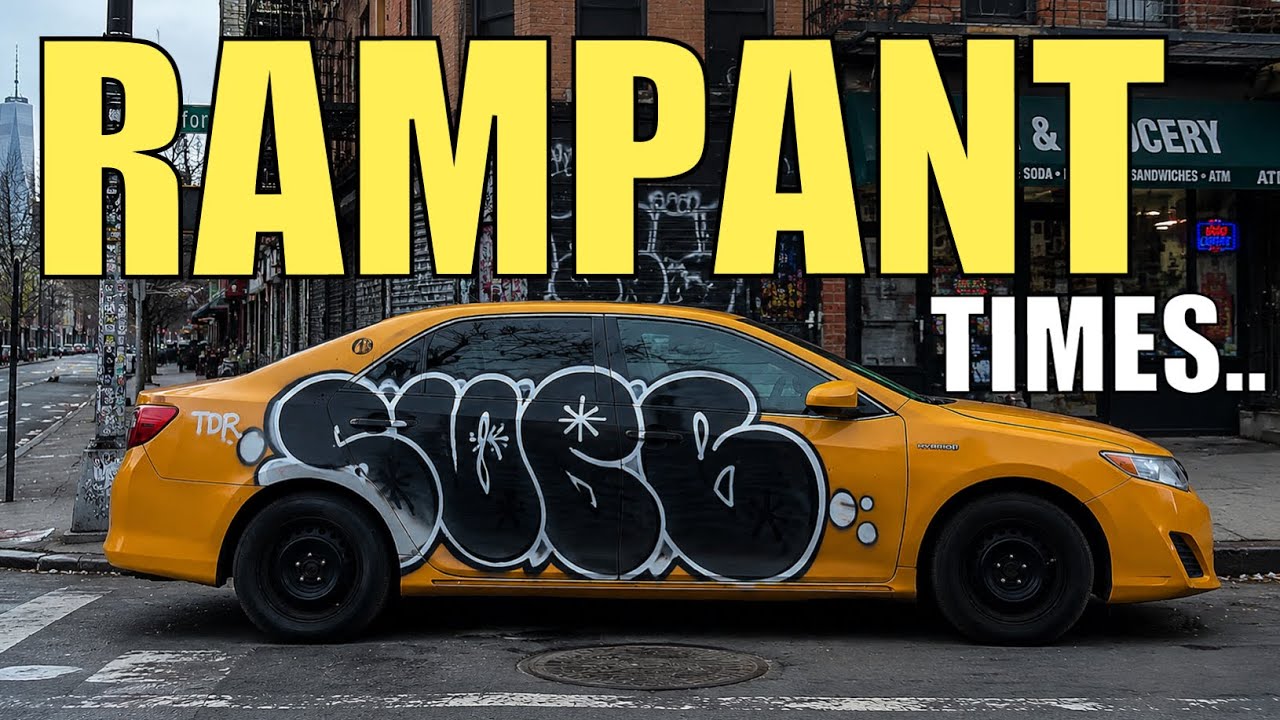
By the late 1970s and 1980s, the New York subway system had become completely covered in graffiti, with entire trains, windows, doors, and roofs painted over. While some saw this as youth culture explosion, city officials viewed it as visual chaos and a symbol of urban decline. Graffiti evolved from simple tags to throw-ups to full pieces, with writers competing to paint entire train cars. The subway system became the perfect canvas because one painted train could travel across the entire city, seen by thousands daily. In 1985, New York launched the clean train movement, removing graffiti-covered trains from service. By 1989, the last graffiti-covered subway train was removed, ending the era. This aggressive campaign permanently changed graffiti culture worldwide.
Click to watch →
Graffiti Limbo | Art In The Street
754
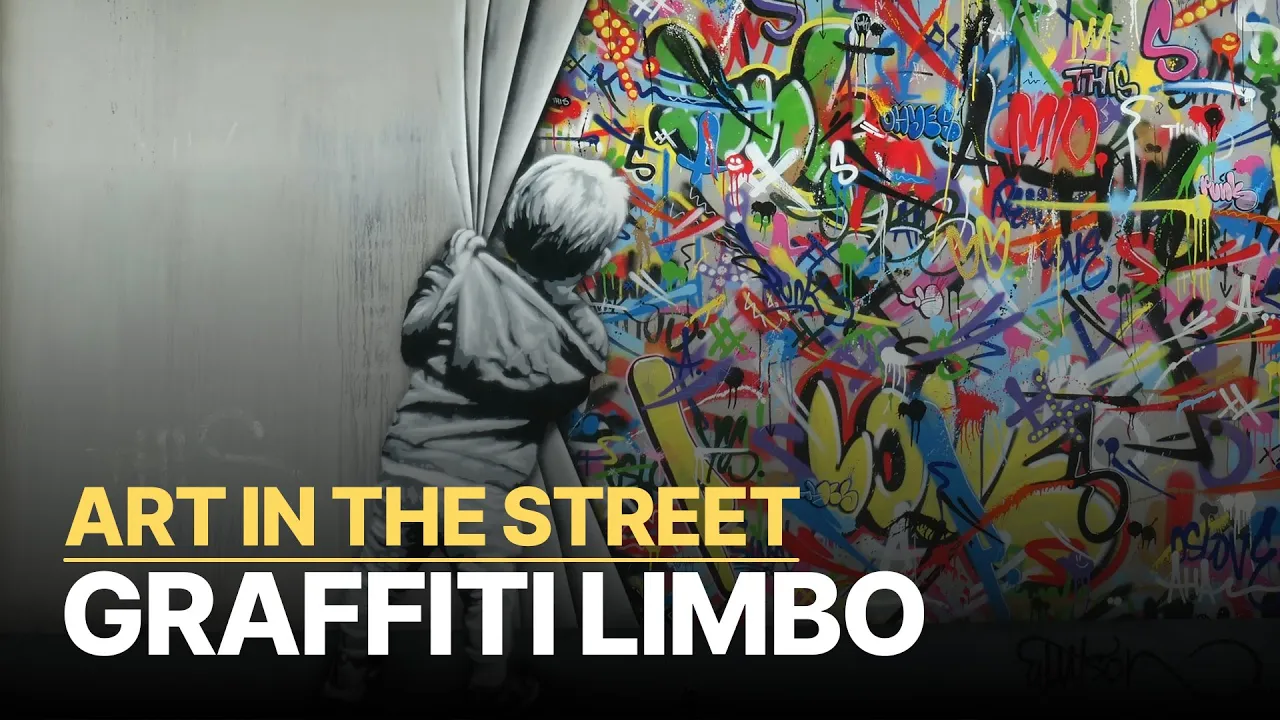
Graffiti emerged in Philadelphia around 1970 and spread to New York City, where it gained national prominence through subway graffiti in the late 1970s and early 1980s. The New York City Transit Authority recognized that removing graffiti eliminated artists' motivation, leading to aggressive removal policies including cleaning trains and implementing razor-wire security fences. Despite these measures, artists adapted by focusing on freight trains. The ego-driven nature of graffiti writers—compelled to return and see their work—explains persistent tagging behavior. Freight trains offer ideal surfaces with flat, smooth metal, though artists face dangers from high speeds and slippery conditions.
Click to watch →
The Decade Crime Nearly Killed New York
14.2K
Every subway car and building surface seemed covered in spray paint in 1980s New York. Graffiti artists turned the entire city into their canvas, with what started as simple tags evolving into elaborate murals covering entire train cars. Writers competed for recognition, bombing trains that would carry their names across all five boroughs. The graffiti wars reached their peak in the early 1980s when virtually every subway car displayed paint. Central Park transformed into a different world once the sun went down, with muggers, drug dealers, and worse lurking among the trees. The 1989 Central Park jogger case shocked the nation and confirmed everyone's worst fears.
Click to watch →
The Banksy Interviews: Creating A Street Art Revolution | The Rise Of Outlaw Art
2.7M
Graffiti emerged in Philadelphia and New York in the late 1960s and early 1970s during a period of urban crisis characterized by economic hardship, crime, drugs, and poverty. Young kids began writing their names with street numbers on walls around town as a form of self-expression and recognition, similar to a game of tag where individuals put their names on places to be seen. The movement exploded when children decided to leave their neighborhoods and spread to other streets and neighborhoods, eventually painting larger and more elaborate pieces on subway trains and buildings throughout the city.
Click to watch →
Deep Dive
The criminological and legal debates surrounding graffiti, including the 'Broken Windows Theory' and municipal anti-graffiti campaigns.
BOMB IT | Documental Graffiti | Subtitulado Al Español
2.9K
The broken windows theory suggests that disorderly behavior and conditions left untended are signs that nobody cares, which leads to fear of crime, more serious crime, and urban decay. Graffiti is often cited as a gateway crime that can lead children into a life of crime, as the first crime they commit. Once they get away with it, they may progress to bigger crimes. However, critics argue that graffiti is just vandalism and that people would commit more severe crimes regardless of graffiti.
Click to watch →
can street art survive modern capitalism?
154.2K
In the 1980s and 1990s, policing became heavily influenced by the broken windows theory proposed by James Q Wilson and George Kelling in 1982. This theory claimed that visible signs of disorder would lead to serious acts of crime—seeing a broken window makes people more inclined to commit violent robberies themselves. Under broken windows policing, police were encouraged to treat minor property crimes like petty vandalism as a gateway to violent crime. This meant there wasn't a huge difference between street art and graffiti at the time because both were seen as signs of disorder that needed to be cleaned up. New York City had particularly tough crackdowns on graffiti, establishing the anti-graffiti task force in 1995 and launching 'graffiti free NYC' in 1999, which allowed property owners to report illegal street art via hotline or form.
Click to watch →

Crime theories 2024 Functionalism
242
Building off of social disorganization theory, criminologists and psychologists like James Q. Wilson, George Kelling, and Philips Ardo began advocating for something they called broken windows theory. They argue that social disorder in the form of vandalism (like broken windows and graffiti) and in the form of petty crimes (like drinking or gambling on the street) had a norm-setting influence on vulnerable neighborhoods. It signaled that people in the neighborhood didn't care, that police didn't care, and that crime was generally tolerated. In neighborhoods with broken windows and graffitied walls, law-abiding people move away or become afraid, old folks withdraw behind locked doors, and social control breaks down. Proponents argued that criminal subcultures were allowed to flourish, taxpaying law-abiding people continued to flee, and the severity of crimes escalated in a snowball effect.
Click to watch →

Roy DeMeo& Murder Machine 8: Tyrants Of Brooklyn
36.6K
Broken windows theory is a policing initiative based on the idea that obvious signs of crime like vandalism, prostitution, graffiti, and drug use invite larger acts of crime by sending the message that people can do whatever they want. This theory was later implemented under Mayor Breton and Giuliani to fight crime and clean up New York City.
Click to watch →

The Dark Story of New York 1970s Subway Crime Era That Turned Trains Into No Go Zones
1.3K
By the late 1970s, entire cars were covered in graffiti called 'masterpieces.' Mayor John Lindsay declared war on graffiti in 1972, but it intensified. By 1975, it was difficult to find a car not covered inside and out. Criminologists later called this the broken windows theory—visible signs of disorder create environments where serious crime becomes more likely. Over 250 felonies occurred weekly—more than 35 felonies daily including robbery, assault, rape, and murder. The subway had become a zone of disorder where the social contract had fractured. The system was not collapsing—it was operating, but had transformed into something it was never meant to be.
Click to watch →
Deep Dive
The commercialization of graffiti and its evolution into fine art, analyzing figures like Jean-Michel Basquiat, Keith Haring, and Banksy.

예술이냐, 범죄냐? 그래피티 이해하기
147K
Graffiti has evolved from ancient cave paintings and Egyptian wall inscriptions to a complex modern cultural phenomenon. The term originates from Italian and Greek, meaning 'scratched' or 'carved.' Modern graffiti emerged in 1960s Philadelphia, where marginalized communities used spray paint to assert their presence and express frustration. Initially viewed as vandalism, it evolved into a legitimate art form with works selling for hundreds of millions. Three artists—Basquiat, Haring, and Banksy—elevated graffiti to fine art status. Graffiti has served as political protest during the Arab Spring and Berlin Wall era, and now functions as urban regeneration and one of hip-hop's four elements. Countries vary in legal approaches, from harsh penalties to recognition as public art. This evolution demonstrates how cultural attitudes toward urban art have transformed from criminalization toward recognition of its artistic, cultural, and social value.
Click to watch →
ARTE URBANO: La Historia del Graffiti (Pioneros, Banksy, Haring, Basquiat) || Te Explico Un Cuadro
30.2K
Graffiti has existed for over 1,000 years, originating in the Roman Empire where people expressed discontent on walls using paint and chisels. The term 'graffiti' comes from Greek, meaning 'carving on the wall,' coined by archaeologist Guy Ritchie. Early graffiti served as personal branding and territorial marking. In the late 1960s Philadelphia, graffiti emerged as a criminal communication tool used by gangs. This evolved into the New York City graffiti boom of the 1970s, where impoverished youth used markers to tag walls and subway cars. Artists like TAKI 183 achieved fame, while Hugo Martinez founded the United Graffiti Artists, the first formal crew. Jean-Michel Basquiat transitioned from graffiti to becoming a renowned artist, discovering controversial phrases in Soho's art galleries. Andy Warhol became his mentor, introducing him to the art world. Basquiat's expressionistic paintings, adorned with graffiti elements like crowns, achieved millions in sales despite his heroin addiction. Keith Haring used chalk on subway advertisements to spread social messages, creating vibrant symbolic imagery. Haring evolved into an activist, creating AIDS awareness murals and anti-racism works. Banksy revolutionized graffiti using stencils for faster creation and reduced police risk. His work features strong anti-capitalist messages. Banksy expanded beyond graffiti to create religious and social commentary pieces. He commercialized his work through serigraphy, creating limited-edition prints marked with production numbers. His 'Girl with Balloon' exemplified his subversive approach: after auctioning a copy for $1.18 million, he activated a hidden shredder, destroying it and transforming its value to $2.2 million. This act challenged the art market and capitalist systems. Contemporary artists like Witness, Rain, and OSGEMEOS continue to push boundaries, demonstrating how graffiti has transcended its origins as vandalism to become a recognized international art form with artists in virtually every country contributing to its ongoing development.
Click to watch →
Dregs One On Vandalism, Graffiti & Fine Art At SFMOMA
436
The 1990s marked graffiti's entry into commercial spaces as corporate America took notice. Converse featured graffiti artists painting at unauthorized locations in advertisements. Mike Dream, arguably the most influential Bay Area writer, was killed in 2000. Barry McGee became one of the first West Coast writers to transition to fine art museums. KR pioneered mass manufacturing of graffiti supplies. Mike Giant became a renowned tattoo artist and designer. Wave Twisters received film festival recognition. This commercialization raises questions about ownership, authenticity, and whether graffiti loses its essence when it achieves mainstream acceptance.
Click to watch →
![[ 바스키아 ] 클럽 인싸에서 슈퍼스타가 된 뒷 이야기 [ ART C ] EP. 03 바스키아와 그래피티 Basquiat & Graffiti](https://i.ytimg.com/vi/KsWCkVi8aWI/maxresdefault.jpg)
[ 바스키아 ] 클럽 인싸에서 슈퍼스타가 된 뒷 이야기 [ ART C ] EP. 03 바스키아와 그래피티 Basquiat & Graffiti
7.5K
Jean-Michel Basquiat, who began as a graffiti artist in 1970s New York, transformed into a celebrated contemporary artist through the 1980s New York art scene's embrace of street art, exemplified by the 1980 Times Square Project and 1981 PS1 New York New Wave exhibition, which legitimized graffiti as fine art and paved the way for artists like Keith Haring.
Click to watch →

Hip-hop at 50: A history of graffiti in NYC
18.7K
Graffiti, initially viewed as criminal vandalism by teenagers in 1980s New York City, evolved into a universally admired art form through cultural acceptance, commercial success, and artistic recognition, with pioneering artists like Lee Quinones and CLAW Money transforming from subway painters to successful commercial artists whose work sells for hundreds of thousands of dollars and collaborates with major brands.
Click to watch →
Deep Dive
An analysis of regional graffiti aesthetics, specifically comparing Philadelphia 'wickeds' to NYC-style wildstyle lettering.

Hip hop
1.7K
Graffiti in America around the late 1960s was used as a form of expression by political activists and also by gangs such as the Savage Skulls, La Familia, and Savage Nomads to mark territory. Towards the end of the 1960s, the signatures and tags of Philadelphia graffiti writers Top Cat, Cool Al, and Cornbread started to appear. Around 1970-71, the center of graffiti innovation moved to New York City, where writers following in the wake of Taki 183 and Tracy 168 would add their street number to their nickname, bombing a train with their work and letting the subway take it and their fame if it was impressive or simply pervasive enough. All-city bubble lettering held sway initially among writers from the Bronx, though the elaborate Brooklyn style, dubbed 'wild style' by Tracy 168, would come to define the art. The early trend settlers were joined in the 1970s by artists like Dondi, Future, 2000 Days, Blade, Lee, Fab, Freddy, Zephyr, Ramy, Crash, Kell, Nooc, 167, and Lady Pink.
Click to watch →

PHILI STYLE MASTER ENEM TDK & THE A-Z OF THE PHILADELPHIA GRAFFITI WORLD,FROM WICKEDS TO WILDSTYLES!
1.3K
Philadelphia graffiti, known for its distinctive tagging style characterized by elongated letters called 'wickets' and precise, controlled execution, represents a unique regional variation within the broader graffiti culture; this style emerged from the city's robust tagging tradition that predates internet mainstreaming and has been passed down generationaly, with key terms including 'one-liners' (continuous non-stop tags), 'stamps' (precisely duplicated signature tags), and 'combos' (collaborative partnerships between writers), all contributing to Philadelphia's reputation as a foundational city in the global graffiti movement.
Click to watch →

Infamy Subtitulada en Español | ESTOY68.COM
11.6K
The video explains that Philadelphia graffiti is characterized by a hybrid style where tagging is considered the most important element. The writer describes 'handstyles' as the script style that everyone does when they come to Philly, noting that there are eight or nine different varieties of tagging styles that everyone must learn. The writer describes how Philadelphia graffiti writers can evolve their tagging even further, with letters that stand up and letters that lay down. The writer describes a specific technique where letters are so complicated they mirror a heart, with the center being tight while the top and bottom fade. The writer also describes adding elements like smiley faces, little weeds, and their name to their tags. The writer describes how they grew up in a diverse area where they could 'buy crack' but also had access to positive influences. The writer explains that they didn't necessarily need a father figure because they found identity through their experiences and art.
Click to watch →
Rencontres Urbaines de Nancy 2022 - #2 : Genius Loci: Graffiti
343
This section analyzes three major graffiti phenomena. Los Angeles graffiti is territorial and suburban, anchored in Spanish calligraphy transmitted through Mexican immigrants, adapting Gothic models with contemporary tools. The famous 'E' of gangsters represents territorial control, tracing to late 15th/early 16th century European Gothic. This identity spread from Chicano gangs to the Velvet Underground, punk, heavy metal, and brands like DC Shoes and Nike. New York graffiti represents globalization's epicenter, using subway wagons as communication supports. The 'flop' is the great formal invention - letters drawn quickly with contours, optimized for subway flanks. Styles stabilize over time, with verticality allowing taggers to occupy spaces not yet covered by advertising. Philadelphia has a culture of 'one lines' - extremely rapid continuous loop styles that remain hermetic with little global diffusion, representing transmission of sign knowledge from generation to generation since the early 1970s.
Click to watch →
Thorough debunking Colons attack on CornBread Philly Graff Culture #hiphophistory
8.3K
This segment presents a detailed timeline comparing Philadelphia and New York graffiti development. Key dates include: 1965 - Cornbread starts writing in juvenile detention center; 1967 - Cornbread released and starts tagging in North Philadelphia, same year Julio 204 starts in Inwood; 1969 - Delta Five Soul Club and Club Odigma Experience form; 1970 - Taki 183 starts bombing around New York city; 1971 - Pennsylvania proposes spray paint ban, Philadelphia Inquirer article published; 1972 - Press considers Philadelphia the graffiti capital of the world. The timeline demonstrates that Philadelphia graffiti was establishing itself earlier than New York.
Click to watch →
Graffiti Origins
Global Reach
Graffiti Origins
0:19- 1
Philadelphia, not New York, is the true birthplace of graffiti in 1967.
- 2
Cornbread is recognized as the foundational 'Godfather' of the movement.
- 3
The city is now considered the global capital for murals.
The Polycentric Origins and New York Dominance of Graffiti History
While Darryl "Cornbread" McCray is celebrated as a pioneer of modern tagging in Philadelphia, many graffiti historians and artists challenge the narrative of a single "founding father." They argue that modern graffiti emerged polycentrically, with similar movements developing independently in several urban centers during the late 1960s and early 1970s. Most notably, New York City's scene—propelled by writers like TAKI 183 and Julio 204—is widely credited with catalyzing the global graffiti explosion. The unique infrastructure of the NYC subway system served as a mobile canvas that broadcasted the art form across the city and eventually the world, a feat localized Philadelphia tagging could not replicate. Furthermore, the explicit integration of graffiti into the four pillars of hip-hop culture is historically rooted in the Bronx, NYC. Critics argue that attributing the birth of this global movement to one individual in Philadelphia oversimplifies a complex, decentralized cultural phenomenon.
The historical and socio-economic context of American inner cities in the late 1960s, particularly racial and economic shifts in Philadelphia.
The distinction between ancient graffiti (historical wall carvings) and modern graffiti (individualized, stylized signature tagging).
An introductory understanding of the four core pillars of hip-hop culture: MCing, DJing, breaking, and graffiti art.
The basic sociological concepts of youth subcultures and their use of public space for self-expression and identity.
The transition of graffiti from Philadelphia to New York City's subway system and the subsequent 'style wars' of the 1970s and 1980s.
The criminological and legal debates surrounding graffiti, including the 'Broken Windows Theory' and municipal anti-graffiti campaigns.
The commercialization of graffiti and its evolution into fine art, analyzing figures like Jean-Michel Basquiat, Keith Haring, and Banksy.
An analysis of regional graffiti aesthetics, specifically comparing Philadelphia 'wickeds' to NYC-style wildstyle lettering.
58.9K views190likes4:11@RobertMoran215Original Release: 2007-09-17
I know s [Music] the there he is hey Mommy how [Music] are it the movie is a good thing because for many years it was a misconception that uh that New York had uh started graffiti you know and actually it started here back in 1967 but the world didn't start discovering this till like about I say about 2001 when cornbread started coming back on the scene starting to go into different functions and stuff like that and um you know it's now he's still spreading the word you know that it started here he's a progenitor graffiti you know I mean he's a Godfather Godfather graph well it started with me as just a mark on the wall and it went from different styles to to to to bombing from bombing to um piece to pieces from pieces to merals and as a result of what I started in the' 60s um Philadelphia today is the is the meral capital of the world well you got you got a um underground writers who have a god-given talent to do art um that type of art um is not really accepted in American mainstream um but there's no doubt in my mind that America have another choice but to accept graffi art um like for example my signature i s my signature to um AR collectors um and Paris France I was paid a 12 $1,280 to have my name put on a on the canvas and I was concerned about it being sold for more but I was told that it would be placed in Paris France Brazil and that's all right with we've had a number of screenings in Philadelphia now but now we're starting to get into other places like film festivals in different uh areas uh not just in in in the US we have several in the US that are interested that are kind of looking at us right now but then we're also reaching Europe so we've got we were accepted into one in Germany another one in Spain uh there's one in Scandinavia that's interested in us and uh uh yeah so we're starting to get around to uh to different and there's also a distributor in England that was interested in us too so we're starting to hit hit different areas now I spent two weeks uh the end of December 1972 to January 1973 shot 100 rolls of Koda uh in the Bronx and Harlem and um all around New York especially on the Subways and uh so uh that was my kind of gut reaction to a phenomenon that that in a way has spread a and is now global and what I didn't realize at that point that it started here in Philadelphia and that cornbread was the originator he did not get credit at that time uh and even today I'm not sure he is as fully recognized as he should be because it's not only graffiti that he he influence uh but hip hop and that whole kind of movement uh very important I think uh as a uh historical statement
Up Next

64:43
The Cultural Impact of New York Graffiti Subcultures
@LivingProofNewYork
16.4K views•2024-12-12

12:54
Triumph of Orthodoxy Icon: Byzantine Art & History Explained
@BenCallan
2.1K views•2024-08-06

9:49
FastAPI vs Flask vs Django: Choosing the Right Python Web Framework
@TechWithTim
302.5K views•2024-05-26

1:42
Game of Thrones Opening Credits: A Cinematic Analysis
@gameofthrones
46.3M views•2011-04-18
Related Study Plans & Knowledge Roadmaps
Structured learning paths in General & Interdisciplinary Studies
general-studies
Elevator Engineering: History, Physics & Cities
01From Hoists to Safety Brakes: The Dawn of Vertical Lift
02Hydraulic vs. Traction: The Engineering Physics of Elevators
03Modern Speed, Safety, and Algorithms
+ 2 more learning modules
12h5 modules
Explore Roadmap
general-studies
Rubber: Material Science, History & Geopolitics
01Origins of Natural Rubber & Mesoamerican History
02The Chemistry of Natural Rubber & Vulcanization
03The Geopolitics of the Rubber Boom & Colonization
+ 2 more learning modules
12h5 modules
Explore Roadmap
general-studies
Containerization: Evolution, Logistics & Trade
01Ancient Trade & Bulk Cargo: Amphorae to Barrels
02The Industrial Revolution & Cardboard Packaging
03The Containerization Revolution: Malcom McLean
+ 2 more learning modules
12h5 modules
Explore Roadmap
general-studies
Textile Tech: Evolution, Labor & Global Impact
01Pre-Industrial Textiles: Handloom & Cottage Industry
02Mechanization: The Spinning Jenny to the Power Loom
03The Factory System & Global Labor Transformation
+ 2 more learning modules
10h5 modules
Explore Roadmap