
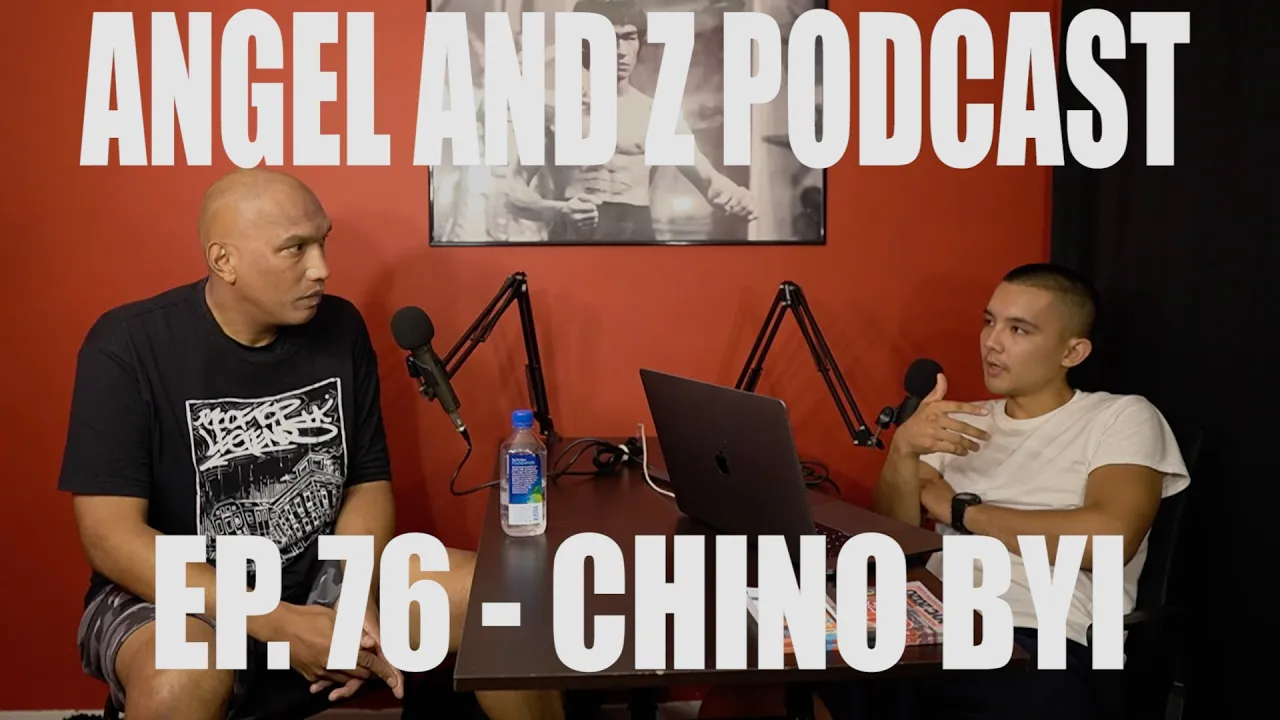










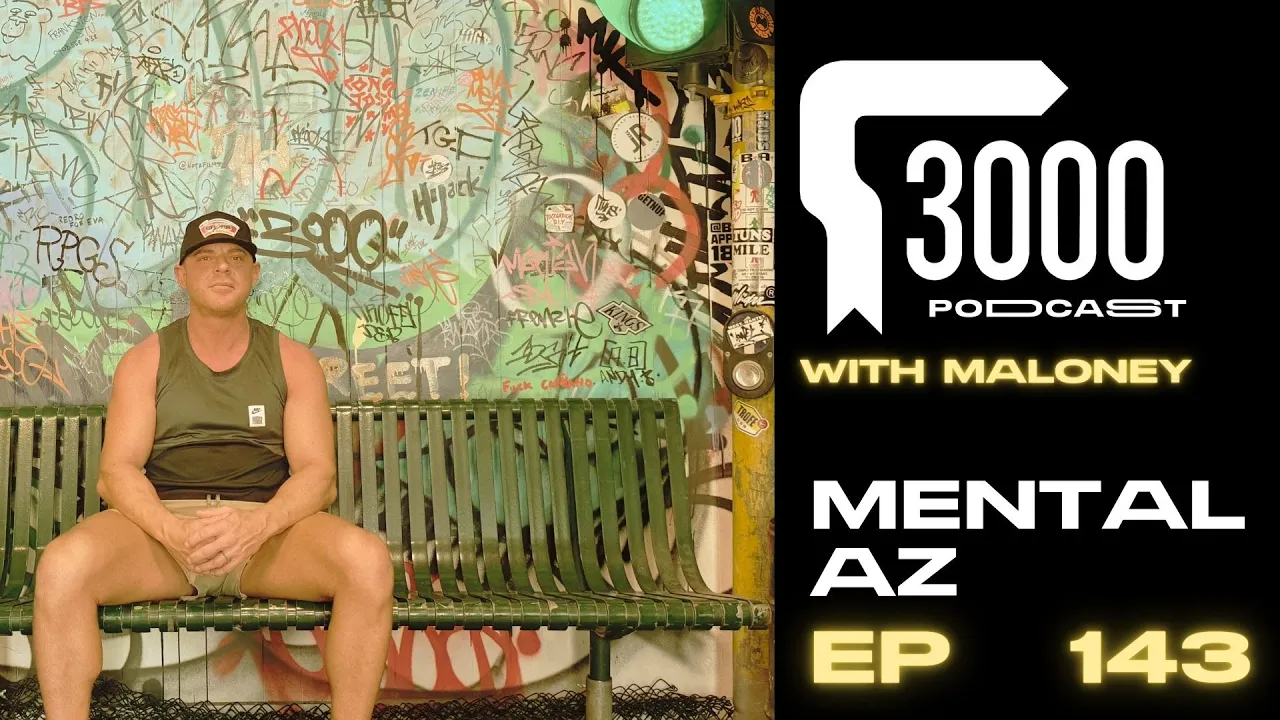





Personal transformation can occur through intuitive self-reflection and recovery, even without catastrophic external events. The speaker describes how he recognized his negative lifestyle patterns (excessive drinking, hustling, violence) through intuition and spiritual awakening, leading to sobriety and a complete life change. This transformation affected his creative practice, making him more conscious of his actions and community impact. The journey demonstrates that meaningful personal growth requires honest self-assessment and commitment to change, which can then positively influence one's creative expression and community relationships.
The Cultural Impact of New York Graffiti Subcultures
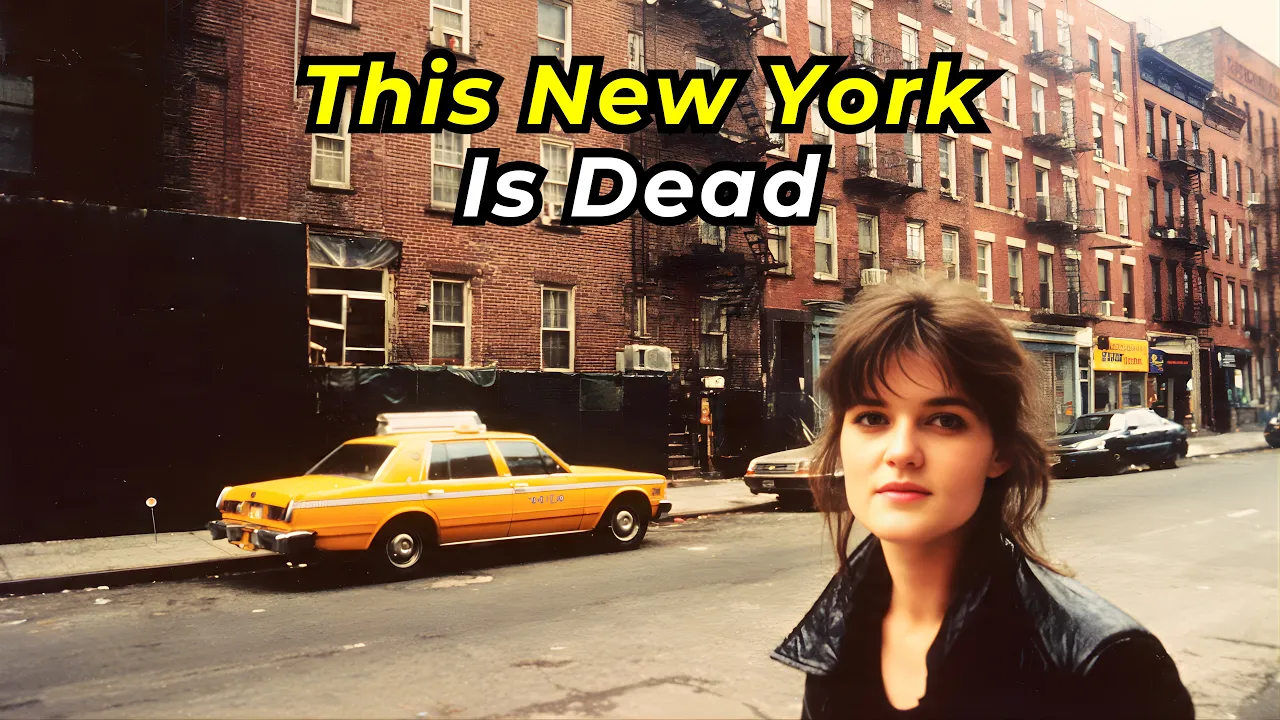
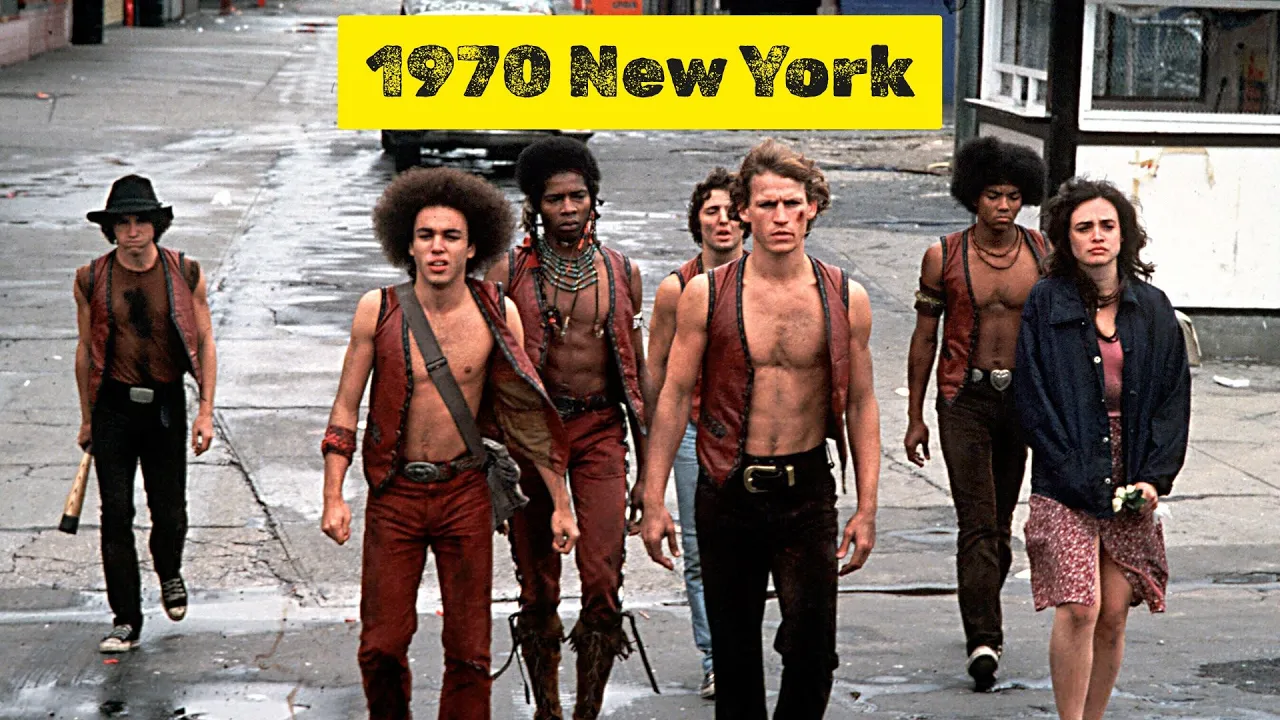
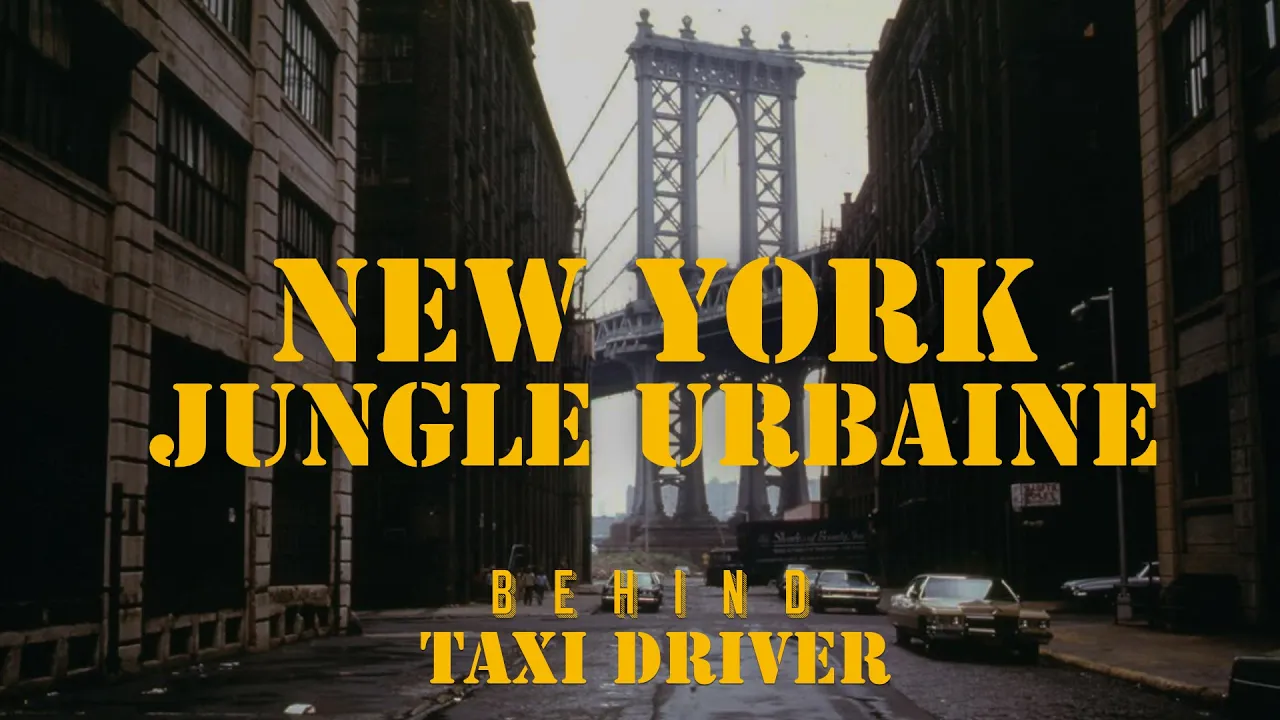
Added:The history of 1970s and 1980s New York City, particularly the socio-economic crises, the birth of hip-hop culture, and the rise of subway transit graffiti.
The terminological distinctions within the subculture, including the definitions of 'tagging', 'throw-ups', 'pieces', and the overall progression from vandalism to street art.
Sociological theories of subcultures and deviance, focusing on how marginalized urban youth use public space for self-expression and community building.
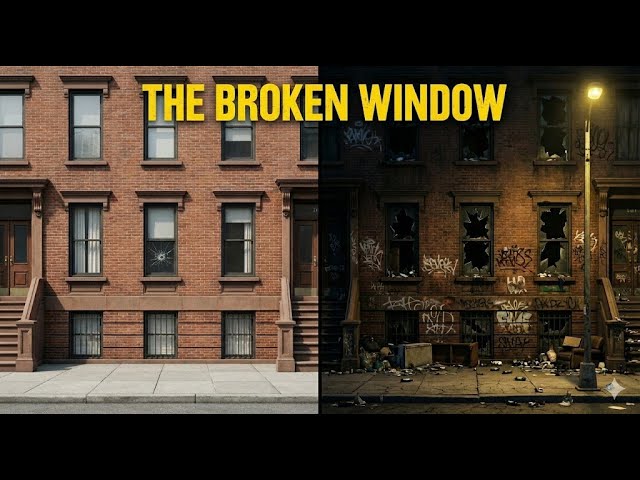
The 'Broken Windows Theory' and the history of urban policing policies that targeted graffiti as a primary symbol of urban decay.
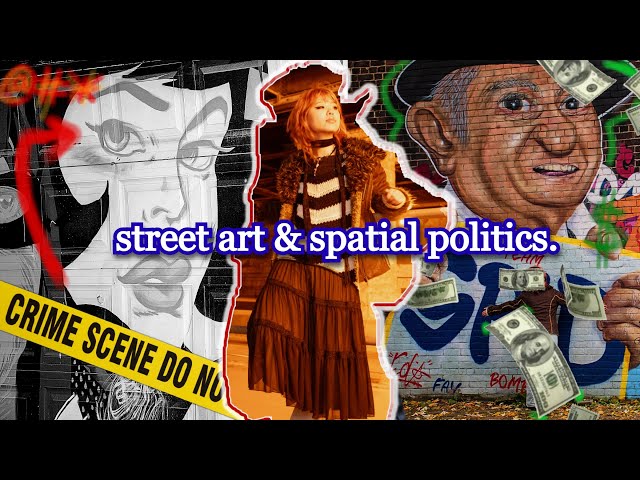
The process of gentrification and 'artwashing', analyzing how corporate entities and developers co-opt graffiti and street art to raise property values.
The intersection of high-risk subcultures and addiction, examining the psychological aspects of recovery and sobriety within the artistic community.
The ethics and economics of the contemporary art market, specifically how transient public art is preserved, monetized, and legally protected (e.g., VARA copyright laws).
A comparative study of international graffiti movements, exploring how local politics and geography shaped styles in cities like São Paulo, Berlin, and Bristol.
16.4K views319likes1:04:43Original Release: 2024-12-12
resum service to all destinations with delay again the long has resume service to all destinations [Music] so yeah I was pushing envelope in many areas you know selling [ __ ] you know drinking and an excess party doing other things riding graffiti it was just like I was just like pushing on you know pushing the envelope in in like multiple areas of my life like something was going to give and I felt something real bad was going to happen soon uh it wasn't I wasn't worried about getting in trouble for graffiti it was for the things I was doing on the side uh people were starting to go away you know that I knew and that I talked to you know on the phone and people I was like associated with you know people were going away like two degrees of separation you know they were going to the feds you know and like you know back then Rico conspiracy law I'm not a lawyer I forgot but like if you say one wrong thing to somebody on the phone you know like you could be swept in like an investigation and like no questions asked you know you're gone and I just just felt like people were dying you know like around me a couple people passed away like weird [ __ ] was happening I just felt I don't know if it was like Intuition or spidey sense or something but I knew like I needed a change in my life this was not working I didn't like the guy I became I know you ever look in the mirror well you're young but you might go through it one day but uh long as you don't drink in excess and becoming that lifestyle of addiction or whatever uh I just didn't like the guy who I became like I had everything you know I had the condo I had like a cl600 V12 Coupe like crazy Super Rocket bz like for that time like I had a lot of money I had safety deposit boxes I had you know things and stuff but I didn't have myself so somewhere you know a year before 2008 like 2007 I started having little like little signs and Awakenings or whatever like you know I knew something had to change and uh in 2008 I wound up like you know change of my life and uh you know I wound up you know I wound up getting sober and it was like the best thing I ever did in my life and this is a graffiti podcast but whatever it is what it is I mean it's the story of it's the story of a graffiti writer bro um you know what's interesting to me is that you're going through all of this you're hustling you have a lot of money you got you have this whip you got a nice crib you got a lot of [ __ ] in theory like a lot of people who are doing that type of stuff they don't change unless something catastrophic happens they don't change unless something bad happens mhm but it seems like nothing bad happened necessarily like catastrophic like you didn't get killed or almost killed you didn't go to jail for this for like 10 15 20 years you kind of just started realizing ing yourself oh this isn't who I want to be and that's what's interesting to me like you changed your whole life just off of some sort of intuitive feeling yeah I think I had like a spiritual like I was suffering from spiritual bankruptcy in other words I feel like a shell of a person and then from there I had a spiritual awakening and I ran with it and you know I'm not going to get into that but uh you know I've been sober for almost 17 years and uh you know when I say sober that means like not a cigarette not a sip of alcohol not a drug not a mind altering substance and like if I could [ __ ] everything else up in life you know but that's one thing I have been doing one day at a time since and you know I can't tell you what I'm going to do tomorrow but for today I'm going to live right and and that's what I try to do and because of that like it even affects my graffiti like I'm not going to write on like a brand new Brownstone like [ __ ] on somebody's building you know I don't know if it's because of coming of age I wouldn't want it done to me I just don't do that like if something's dogged you know bombed I'll write on it but I'm not going to be writing on like private property city property whatever public property commercial property it's all it's all game but you know like I'm a graffiti writer when I see people write on people's Brownstones or whatever you know clean bills the residential [ __ ] I'm like what the [ __ ] but anyway that's my own [ __ ] I don't know if it's coming of age or whatever but but yeah but you know I'm like a big kid I love it and you know and I love the the energy of the of the new school you know so with this uh with this sobriety and all that stuff and you decided to change your life you stopped writing graffiti for a number of years yeah so I changed my life in you know early 08 January 08 and uh yeah I was just like really working on myself you know serious you know kind of like rebuilding under construction I reconstructed myself you know mentally spiritually physically and uh and along the way I've helped like many people you know and trust me I'm not the only graffiti Rider in recovery probably I'm sure there's more out there but I don't really uh you know I don't get into it I'm not you know it's been uh it's a journey that's all I could say and so somewhere around 2008 then somewhere around 2014 my same childhood friend I went on I went out uh we went to Puerto Rico on a vacation together someone put actually ribs put me in touch with somebody on the island Puerto Rico and uh I think he wrote flavor and I didn't touch like spray cans for such a long time and something happened like I got reenergized in 2014 and uh like my friend was like what are you doing we're like we're chilling like let's do this so let's go do that I was like oh I'm going to go hang out it's been a day over here in some airplane hanger in Aguadilla got to feel that that energy like with the spray paint I came back to you know when we came back to New York and I started delving a little bit tipping my toes like doing like those hor you know uh like Freights you know whatever these Hoppers it's not my thing but whatever it's fun you know like I wasn't ready for like full action yet I did that and I started there's an abandoned building on 39th Street in 1 Avenue it was like a clubhouse and uh I forgot who took me there I don't know if Hojo took me there or somebody anyway I went there one day and Hojo he was friends with uh he made friends with Hur and FSE somehow he brought them and then like we all met there for the first time and like I didn't even know that people even cared about the graffiti from the yester years and you know you know these two like I just met them they were young kids and they were like they were like gasing me up they're like yo you need to like come out whatever and I was like this is so weird so started writing graffiti a little bit a little more and uh then I got the bug and I've been on a run since 14 and I love it I you know uh I've had so many experiences you know and I you know I try to do all the the facets of graffiti you know streets MTA not going to be specific but MTA you know and uh highways whatever you know I just you know I do whatever I never plan oh I'm going to go and do this Mission or that mission it's like I get in the mood I have stuff on me and you know I just seize the moment when it's right and uh I've had a good run you know I've had I've had a great time and uh so somehow someone uh these guys were making this movie called star they were from Paris so it's actually uh GT the Grim team which is a mirror image like they're just like a bunch of brooklynites but they're parisians you know in the same age range like 40 to like 40 to 50 years old range or whatever and they were like right up my alley and I met them they did a Premiere in Brooklyn they showed that movie and then after that they had a Q&A and one of them emailed me and gave me a told me to come to it and I wound up speaking to uh chase after that after that film and he's like yeah come to p and then next thing I know you know I fly to Paris and and that was it like the gate the gates open like I had so much I did so much like fillings and Paris like graffiti like streets and it was just I had so much fun with these guys and uh yeah I just want to sh say a shout out to all of them to the Grim team Chase oral cre um Rex Druid s sorry everybody i k this to the whole Grim team very cool like that's my family I don't have to like speak to them every day but they family and uh and that opened me up and then I started going to other countries like while I was staying in Paris I'd go to Naples Rome Sicily uh Greece Berlin Portugal you know and I just went crazy in Europe I had so much fun and at that time there wasn't I only seen a few New Yorkers up in in Europe like at that time and uh now the floodgates are open like it's just it's like a it's like a like a pilgrimage people go from New York to Paris or to London or or whatever and uh and that really opened me up like I really enjoyed it and I had the stories that I had in Paris like forgot I had so much fun and then uh yeah you were telling me that you didn't know that people paid attention to Graffiti that you did back back in like the 90s early 2000s all that you were telling me you were telling me that you had no idea anyone paid attention to that [ __ ] when really people did pay attention to it and they you had a lot of influence on a lot of writers I was watching the video that um might be out by now and if not it's coming out soon that you were showing me yesterday and post was talking about how like cing you hit motion cing you hit the elevated platforms that influenced not only him but a lot of people from that generation and then even when I started writing graffiti me and my friends you know I was I was very aware of you as a graffiti writer even just through watching state your name you know you hopping over that thing in the snow over the fence and then hitting the truck and like just seeing all that I was like there's a lot of people on that video but for some reason that tag stood out to me and I was like okay uh Ze like me learning things I'm like this is this is a significant writer who's made contributions to the New York scene he's important to New York City and Etc Etc how did you when you were doing all that did you realize well I know the answer you didn't realize you were making it I had no idea that people even like even heard of me or like or whatever but you know there's a whole subculture you know like over over the pond in Europe like like I was surprised to know like people in Paris people in London like they know about '90s graffiti I was like how the [ __ ] you know it's like I don't know it's like comic book collectors you know like the graffiti you know graffi R is nerd out and like like they know about like stuff like I had no idea you know it was cool to know like it's nice to be part of a New York tradition or a staple of graffiti in New York you know I love it you know I'm so like New York City prideful and uh you know and I love you know that's why like I get like over the years when I see New Yorkers going over New Yorkers you know it [ __ ] makes me so upset you know like I get so angry over that I'm like why the [ __ ] are we feuding with each other like you know take your city back like [ __ ] you got all these Out of Towners coming here like killing [ __ ] and you guys are going over each other like what the [ __ ] man you know and I guess it's just what it is it's you know I think graffi R have like super egos with low self-esteem you know I'm not taking myself out of that picture either I just think it's a common little Factor but I keep mine in check you know and like I don't go over nobody you could been a toy that started yesterday I just don't go over you like that's just the way I am that's my like the way I walk and navigate you know I'm no better than the next person you know what I mean but anyway you know not everybody has that mentality you know but um so yeah I had no idea you know like me and all the kids I grew up but I had influence you know and it was kind of like you know it's it feels good to know that you know it's kind of like almost feel like in the graffiti world like us like late 80s early 90s guys are like the same way like I'm obsessed with 80s late 80s early 90s hip-hop you know it's nice like I'm sure like they intertwine you know you know it's like for me like I I associate graffiti with like I'm still listening to the same same albums from back then like I don't like very little new music do I [ __ ] with you know I mean the thing is is that like you know the 90s is a period That's just it's like one of the golden eras of graffiti so much energy like so much energy between the music graffiti New York City was so alive like you know and I've seen you know I've seen a lot of crazy [ __ ] you know and uh but yeah so I went to John Dey High School which is like it's not in corne island but it's not in graveson it's by the maror projects and uh you know I went there there was a whole bunch of Graffiti Writers there uh Dom's K that's where I met him Hojo before Hojo wrote Hojo he wrote Merc M RC he was there and you know we became friends and he introduced me to rush and that's how that you know how we all got started uh Kell was there Kell 5 Mage Dart um all you guys went to the same school yeah this guy Alexi had a like a crazy like handstyle tag um this kid fool fo o l i don't think I I oh I mean most importantly Dro ACC so like we were in class together we would like play hookie like Joe really like you know got me like to go out of the neighborhood too you know between like I went on my I had my my missions with with Raj Deco and map and this kid that wrote re roke r k and um you know I had though you know I had that and then I you know then like these guys just took me and like I was like 100 pound soak and wet and uh yeah drug just took me around to like Sunset Park we started going to tell the neighbors really like showed me how to rack and then introduced me to the rest to the the crew and those guys uh you know I had a nice early start with them and we had a lot of fun we did a lot of crazy [ __ ] and let me tell you those kids were the craziest kids like in the 90s those kids were like they were solid like they were about it you know they would They Carried Cleavers [ __ ] swords machetes you know all the things like they were wild you know and they were about it and uh and they they did a lot of graffiti you know they killed a lot of [ __ ] they hit a lot of neighborhoods and uh you know they did a lot and it was only a you know they're mostly that was mostly a Latin crew there was very few you know white boys that were down with it but uh so yeah like the first tra to ACC was you know Dro Netta Ms uh ribs myself uh date iie nick uh curse you know there was a lot of like there was a lot of Heavy Hitters TZ there was a lot of Heavy Hitters in that crew and then uh you know time goes on people move on but those kid you know those kids killed [ __ ] and then when Dro came back out like in in the 2000s he went on a crazy run and uh and now look at Netta n is going crazy he's everywhere and uh yeah it's like that crew's been around a while but uh tell me about the the violence in the scene back then not just within graffiti but within New York the stickup kids boosting Crews having to you know be careful with what you wear and who you're with when you're going around cuz if you're wearing something that's too fresh on the train you might get you might get jumped you oh my God forget it yeah like back in the day you had like the low lives on the dline and the Franklin Avenue shuttle like they would just Vic you like you know like like I wasn't a pol head but you know I had a few nice pieces that I didn't pay for and I would go to Macy's you know racket or whatever but I wasn't really like a polo head but I had a few nice pieces and uh you know if you got caught on the train you were done you know and there there must have been at least 20 times like I was 100 pounds skinny white boy you know you know how many times like I got the pass you know like like they would just give me the pass for some reason I don't know maybe whatever like I would get the pass but there was a few times I didn't and uh you know you never knew like taking the train in the 90s like doesn't matter what train it was F train D train Q train B train N Train you know taking it from South Brooklyn and going into the city like you were risking your life like at any point you know you could get jumped for no reason if somebody just don't like you know they don't like your face uh it was crazy between that between the graffiti element and the street kid element then in my own neighborhood you had like all Mob Wars going on you know I grew up in grz and like like you could walk down the street like a block underneath McDonald Avenue on the F train like they'll find them bodies every other day you know underneath the underneath the train or in like down side blocks they was stolen Car Central Graves and you could actually you want a car you could just you you know that that block has cars you know with cracked columns you just get a screwdriver and you have your own vehicle for the day like it was normal we were teenagers we would just know all right go on E second going East First Street and right off McDonald Avenue by Kings Highway Avenue you like you know like that's the block where they Park all the the uh stolen cars all you need is a screwdriver and you're in business like we like 14 years old like putting phone books on underneath stacking phone books so we look tall and just cruising just that was crazy that's what I miss like that those times will never come back cuz everything's electric computer like like things were wild but anyway there was so much violence going on between Bon Her as Graves and and B Aven you like all these crazy like legit Mob Wars and like people that were trying to get into the mob was like they always found people like pieces of people or just people just done shot you know back of trunks like it was crazy so you had all that craziness going on neighborhood crazy then when you're on the train you're in the you know the New York City culture crazy like it was just nuts and uh yeah I mean but people that were normal that came from like normal families went to school went to college went on to be professions you know to whatever profession it is and you know but a lot of kids that I grew up with you know like people dead there's like jails institutions or death like that's what or suffering you know or just in some kind of like Purgatory State you know I'm so happy that like graffiti saved me because I might have went into a different world you know I don't know so like graffiti saved me because I always like it was more important to me than getting high you know or or other things but you know I got involved in other things that could have got me you know locked up for a long time or killed you know like if you made money people knew in the neighborhood so like not only cops you have to worry about you have to worry about you know people pushing down your door masks on and taking your [ __ ] or killing you you know if you're holding like a few hundred thousand people a few hundred thousand whatever like 50,000 100 two three 400,000 if you're holding a lot of work people will push down your door and kill you like they don't give a [ __ ] so there was a lot going on but anyway I don't know I'm going on a tangent how do you think that all that [ __ ] going on affected your mind and made you who you are I don't know I just I felt like that was like my old self I sh you know we're always shedding skins of like old self old behaviors and patterns and uh like I never want to go back there like I experienced it it's you know I've had you know I'm on my second life now my second lifetime I've had a whole other life and uh I love this life you know I would never go backwards you know with that stuff and you know for me I want experience like for me my highs now is like breaking down having a meal with somebody talking about some real life conversations I don't want to know like what boat you're getting What car what Rolex like I want to know like where you traveling to you know are you you know what's like how you working on yourself how' you get over this thing or that thing I like I like substance like I don't like shallow [ __ ] you know except sneakers I like sneakers a little bit how different would you say the person you are today is compared to who you were when you first started writing when you were hustling and when you were drinking and driving when you were partying when you were doing all this stuff how different are those two people oh I'm light years this is not even like like when I run into people I haven't seen in a while they don't even recognize me like they're like I'm light years away from from the old self and uh you know and people still tell me when I run into people I haven't seen in a while they tell me oh you remember the time you did this crazy thing or this like I'm still getting after shocks you know of stories of things I forgot that I did ridiculous things you know while under the influence of alcohol and other [ __ ] and you know I'm not even embarrassed because it's not me anymore you know I can't change the past I can't control the future you know I try to live in the present you know I know it sounds cliche but it's so true and uh you know being in the moment and being present is the biggest gift you know and it's like it's a shame because society's never there you know and that's why you know like couldn't imagine not being sober or in recovery you know like missing out on on life you know like just being in the wheel like the being a victim of next what's next what do I got to do like you know what I'm saying like like I'm never happy like I'll be happy when I'm over there when I get this and then when I get that you're not even happy like always needing something outside yourself to make you full and then when you get it you don't even want it but graffiti does it for me you know I enjoy it I don't need to like go out all night on ad missions till the sun comes up you know you know I bust a few tags out nice Chrome you know I just like to whip it you know do my thing like get in get out get my rocks off you know it's fun but uh you know I would love to bomb till till the sun comes up but I think that only happens in Europe for me you know I run out of energy here but when I'm over there it's different and uh yeah one of my biggest moments like like blessings was like I went to Rome I was with Chase uh he found a spot where you leave fumino airport it's when you take the train from fumino kind of like you know taking the not a local train but what do you call those you know whatever yeah I know you're saying like out when you go from the airport to the city when you go from the airport to the city yeah he saw like a a spot there like when we uh that he wanted to do so like you know we en rolling we were doing we did a lot of streets on that trip like crazy amounts of like all over the place and he wanted to do the spot so we rented a scooter a freaking uh a vesa from Rome driving all the way like so in between between the airport and uh Rome is like all Farmland like flat land you know like Country [ __ ] somehow we like Google dropped when we were passing the spot in the train we went back from Rome on a scooter with him on the back it was insane you know on a scooter like in the night and actually found like the location like driving on dirt roads like we were like I don't even know how we found it anyway we did that spot we were there for like a couple hours we did a big big block letter and I remember driving back the sun was coming up I was on a Coliseum block you know the Coliseum cobblestone streets going around the the roundabout and the sun was just peeking over the Coliseum through and I was like this is like so surreal like you know to have done what we just did and then like you know we were all youing it was like [ __ ] annoying you know have somebody on your bike for an hour straight riding on a scooter you know freezing and then uh but when that sun came up I was like God this is what it's about like to me that's like that's a spiritual moment like taking in like holy [ __ ] like yo and we just like this is amazing you know we just looked to each other like this is crazy and uh I know just so many I got so many of those like moments you know in graffiti traveling and doing stuff and all little things here and there let's talk about the uh the video so so on the little like my little comeback thing uh I W up moving into a different neighborhood in South Brooklyn and uh from gravesen and somebody told me to link up with this this guy he makes Beats or whatever so I didn't really know him he was a friend of a friend uh lucky lupiano and uh awesome guy like we hit it off right away we knew similar people he was like nasty with making beats excellent beat producer and uh and he was good with the camera and he had a video camera and he started like yo you want me to I'll go with you and for like I don't know many years on and off he would just bring the camera and we like I'd go and do something and he would just like come with me and film and like we didn't we just had like all this footage from over the years and we were sitting on it you know we supposed to do something with it a couple years ago and it's just like all funny Antics like a day in the life of a of a Brooklyn Knight or whatever just it's all over the map so he had all this footage and then uh you know he was just like having a brain fought he wasn't ready to start editing he had some problems with his uh computer or something so uh he mentions it to gouch and then gouch uh was willing to edit and said let me let me get a crack at this so you know long long and behold you know you know the between lucky lupiano and gouch you know we're able to like put together this video I think it's [ __ ] hilarious you know I you know it's up to to the viewers what they like but it's a mixed bag of nuts it's a big bag of mashed potatoes you know it's like makes no sense but it makes perfect sense so you know to each their own but uh yeah it's just all crazy [ __ ] going on in there you know how long was it that you filmed filmed it for I think the video oh over the years yeah it's like footage from 1516 to like 21 22 Yeah and uh yeah finally like just want to put it out there it's just is what it is but the beats are ridiculous on it like his Beats are so good so good yeah and uh yeah so these two made it happen so you know yeah I saw I saw it yesterday was really good the beats and the footage go along perfectly together it looks super original it just looks like a a video that y'all made with not too many external influences just doing what you want to do the way that you want to do it and the thing that I like about it too is like a lot of it it's just it's just you like it's meaning that it's your friends and people that maybe a ton of people don't even know but you know them and you [ __ ] with them so they're in it it's more like if you know you know it's like if you if you're in the know then you know you know and uh yeah and I also was like a little ODed to like videograph and forbidden art uh people probably never heard of forbid and art but that's the video where I'm that's where post was that's what post was talking about yeah me and Raj uh we I don't know who met ID first but uh or how it happened but we met ID ug he's from Queens and uh he was working on a video and he asked us to be in it we had no idea like you know I'm so happy that that we did that like it's captures the moment it's it's around the same time as videograph 1 and two and uh yeah and we're like hitting stations and I'm jumping down on the tracks doing motions you know really wild like [ __ ] in your prime years type of [ __ ] which I still do yeah but um that's another story and uh yeah so what was it like hitting trains back then when when did you hurt your first train so the trains got buffed in the 88 and then there was like a clean train movement that was going on along with videograph and uh you know all RIS [Music] uh then AOK R crew all these guys ghost they were just they were on like clean train missions and those videos were out and we were young then and that's what we saw like us as teenagers you know that got us amped up seeing all that clean train stuff and then I got addicted to like you know doing clean trains back then and uh also uh rest in peace to uh you know like I started doing motions you know first and I got addicted like motions were just an everyday thing for me like every day we did Motions like on the F we do what we'd start on the F line on Avenue Kings Highway we'd move down to the end line on Avenue and Kings Highway back and forth so if like vanal Squad come we'd be already out of there onto the next line like in one day we'd go to like three train lines until we would do motions until we seen them coming back from with you know from one full stop and then we would stop once we saw the original ones that we did so we did motions there was a lot of layups in the area you know the fine they were just there was outdoor layups in between stations from like kings highway all the way to uh Avenue XX then you had uh Cherry H layup was still there which is the old D line you know between sheep said and and Brighton Beach and there's many others I'm just not going to like mention stuff and uh yeah I love you know I loved clean trains you know and then everybody you know like I was nuts you know I love doing elevated track Motions like hopping off like actually literally jumping off the platform onto the elevated tracks and then boom just bouncing like a like a deer boom and just heading to you know and then coming up like like a cat boom right back onto the platform like I just love it's like it's like kamakazi time like once you commit like doing a motion hiding behind a tunnel you know in the underground coming out of the wall and then hitting the train is totally different than jumping off a platform kamakazi style I'm just hitting it's like the energy is like you're committed there's no going back and uh I love that that rush and uh there's a lot of kids in my neighborhood that would come with me there was a time I would get like local kids at R graffiti like they would just come like we'd be like 5 10 of us all jumping down on the tracks in the middle of the day people are going to work we're just like on the opposite side it was crazy you know uh yeah and then like during that time too like 1991 then I I started getting into the tunnels a little bit with uh mer map uh Ari Rog uh um Spees was was killing the tunnels uh of course Rush Deco yeah I don't know we had fun but San and Smith they had a lot of the tunnels on lock Phantom 13 of course uh old old English as2 oh web one had a lot of he was hitting tunnels you know before many and then you know we had our little thing and uh it was fun and uh oh now it's making me think like and the first writers that we met like I call it the BQE connection Brooklyn Queens connection was uh me and rush and Deco and map we uh linked up with uh they were on the opposite side of the endline uh jrc and TKA I don't know you ever heard of these guys yeah so just like 9091 so we met these kids from Queens and that was all like our connection we'd go you know we'd host them down on our end of the end line they would take us like on the seven line show us around and uh you know me and Raj we linked up with them and it was great you know that was our first inter you know exchange you know as a young kid going to other places how many motions you think you've done how many clean trains I don't know I don't know a lot a lot a lot you ever had any uh chases from doing them everybody knows that those are the things that you do that gets Vandal Squad pissed so what's the deal with that I mean back then yeah I just you know I just always stayed away from like graffiti Hangouts back then till this day I don't go to Graffiti shows you know I don't need to like you know it's just not my thing I'm not going to like talk [ __ ] about it but it's just not for me I don't like you know I like to stay in in the background but uh yeah back in the day they were crazy van Squad knocking on doors they used to harass date uh they harassed Dro like it was crazy they were like Relentless back in the day like it's different now but uh one time I was doing motions on uh Avenue on the F line I was with Dr and I know we were just there for a minute I know we were H in the station doing motions I don't know we were just fling around and then uh Val Squad was on the other side they were running down coming and we got on the train going towards cornal and bound like in time actually the train was pulling away we grabbed on the back you know with the chains and we got away and I remember giving them the finger like ah you jerk offs meanwhile they got us you know they wound up getting us at still La Avenue but you know we didn't admit to anything and uh but we had to go through the system and uh that sucked but anyway what is it about the trains that that get you more hyped in streets I just love the breake dust the sound of the engine the I don't know something about it I don't know it's like metal Giants they're like literally steel horses and I don't know I just love it like the way to the way it takes way you could apply paint to it is just I don't know it's almost like magic it's like you got I don't know I love it like I can't even explain it it gives you a different feel I almost feel like a autistic in a way describing it yeah but um I just love it and I love taking big ass Chrome tags like it's fun going up and down like full body the full body it's like full body contact yeah the full body it's almost like yeah I love it those stand out a lot I don't know how people write stiff like I cannot take a tag just moving my arm like I have to move everything it's like I'm doing squats you know with no weights it's like calisthetics which is which is another topic that I love yeah how'd you get into how'd you get into calenic uh I don't know after to I was like you know I went to the gym you know over years but that wasn't like just pushing weights ain't enough you know and I started getting T Aesthetics doing pull-ups push-ups like insane amounts and then uh our buddy there I linked up with him actually through lucky lupiano and we know who he is I'm not going to mention just for whatever reason and uh yeah we started doing things together in the park and I mean he's look it to another level and uh you know that's how I got it so I do that a little bit of mix of both it's just very important for me like as you get older you know your body is your temple you know why wouldn't you take care of it you only get one you only get this we only get this trip once so you know I want to make the best of it and I like the fact that I could I feel like a teenager you know I feel Nimble and uh you know I want to be able to you know take care of myself in any situation longevity yeah it's very important that's the key in everything so yeah you see like your age that you look at some of your peers you're like they're train wrecks and they're like half the age yeah you know it's important you know for me and you don't lose that when you do calisthetics it stays with you yeah you also take [ __ ] like ginger certain cinnamon extracts right a a little I'm a little into Health uh you know I'm not vegan and I have nothing you know I think it's great but you know I'm not vegan but I'm I'm definitely health conscience and uh you know I try to eat right and you know I take a little I'm not like too much over the top with it but you know have you always been like that I'd say about for like 10 years now okay you know when you make changes in your life little by little things progress and then you hit other areas of your life like you know all the poison we put in our bodies without drugs and alcohol is a whole another story but you know we're not going to talk about that but fill in the blanks yeah you know tell me about uh tell me about acid crew how did that come about so yeah so uh Hojo introduced me when he was Merc M RC to rush uh we cut out of school one day John de we high school and there was a backyard that faced the uh the train line the B the aka the old be line you know was a nice wall so when the train passes boom you know it's a dope spot for anyone that's going to cor Island so it was in the middle of the day it was the afternoon we met in this backyard I never met rush you know yet uh so I meet the kid and he's off his [ __ ] rock is right off the bat I knew this kid was like special ed he was off and uh you know I met him and at that you know like WWF was still like the aftermath of like you know like Jimmy Superfly snooker all these like old school wrestlers like I met him and he started wrestling with me and he was doing like Superfly Snookers on me like I just met him and he's laughing like he's doing suplexes pile drivers like he's play we're playf finding I'm like this guy's out of his mind like and he like and he was laughing I never I'll never forget I knew he was off and right from there you know I was like I like this CU he's crazy and then uh yeah we started like all hanging and he lived in Bensonhurst I lived in gravesen you know he grew up single mom I grew up single mom so we had a lot of similarities you know it was like miror image of my life and uh you know rush like people thought he was Spanish and Rush was he was Russian hence maybe that's how we got rush but uh he was like I call him the black Russian cuz he was dark skinned and uh yeah he was great man he had lot we had a lot of fun like you know we used to all drink 40s on the train on the way to clubs on the way to bombing and uh you know and then I guess then we yeah so then deck me him Deco we linked up and uh but Rush had a partner that wrote a A&G and uh and Merk you know which is Hojo and you know that was his original crew and then we you know we all linked up and had acid crew and uh yeah man we just had we had so much fun I remember he used to trip like I wasn't really into tripping but I remember that's when everybody dropped was dropping assd in the early 90s and uh that wasn't my thing I did it a couple times and for me I not being in control and being up for for hours like that was like a nightmare so like that was that wasn't my thing but yeah we started hanging and like I mean not just graffiti like we just did you know we just got into a lot of weird [ __ ] we used to like rack Comics like somewhere in the early 90s like there was a big Market in the comic book thing like we would rack comics and we would use that money to get like spray paint and just food or whatever and we'd go to all the local comic stores and Bens and her Sheeps at Bay and just rack comics and just like flipped them it was like a great hustle and then you know we were just trying to figure it out you know you know we were not aspiring to be lawyers or doctors or dentists you know we would just enjoying the moment and trying to have fun wellow do you look back on those times and reminisce do you long for the past at all or are you more so just living in the now uh no I don't live in the past but I appreciate the past you know I don't like I'm not ashamed of you know anything that I did before you know the good and the bad you know I don't have regrets I can't change it you know but I can change today and what I do going forward um yeah and there's a lot of people that passed away way before that time you know in the same year you know Rush passed away and then like like date came to his funeral and then date passed away and date loved graffiti like like that kid was graffiti and then he started hanging out into the party scene and he became more of a partyer than the graffiti but you know he loved that kid practic so much you know I even got some influence too you know from him as a kid and we had the same taste of music me him and Nick we used to like go to padium Limelight [ __ ] dance for hours have fun do the pregame before the club you know drink 40s practice throwups and all that [ __ ] but um yo it's sad you know you know tomorrow is never promised you know but um yeah who else I can't even think because of course I'm speaking on off the top of my head I I can't remember but you know we lost a lot of people oh rest in peace Ms you know he went he was one of the youngest to go out of everybody and uh and my old buddy from my neighborhood not the Cod that's up everywhere uh not Co from the Bronx there was a local co uh in my that you know he didn't really go out you know like all city or nothing that he's local but you know he he was like one of the first people that passed away and he used to do a lot of insides with Griffin Shai like he killed insides with that and uh yeah he was one of the first people that we lost and everybody loved this kid and uh who else I can't think but anyway how do you deal with the loss that comes with one time and to being involved within a scene like graffiti that has drugs death hustling violence stealing all these things are kind of in the peripheral of graffiti but also very much so a part of it how do you deal with that loss you personally what the loss of people or the time the loss of people and um just like maybe the sadness that comes with that yeah I just keep them well I have a lot of pitches you know I always held on to pitches not just graffiti just in the moment hanging out pitches so you know I hold them maybe one day I'll do a show where like every you know just hangout pictures of everybody like from from like 88 to like 96 whatever pictures I could come up with whether it's clubs or just hanging out in schoolyards Parks train stations or whatever but uh you know for me the pitches is like I'm very nostalgic I love old school pitches and like for me like that's good like when I want to like think about somebody whatever I I heal just from a photograph it's good enough for me or I just keep him in my uh you know maybe they still with us you know what I mean yeah you know throwing you know or just keep their names alive you know I mean you walk around the city after rush passed away I mean look how many Rush stickers are all over like Hojo has kept his name all over the city like on trains everywhere and uh you know that's what you do you said earlier that you were at one point in your life Addicted to Money what do you mean by that oh I was just like growing up and not having much and seeing you know seeing your family struggle seeing my mother struggle and uh you know with limited like always struggling to make ends meet and like when I saw that I never wanted to deal with that never like I I was like so like I was always right off you know as a young kid like I sold I was 14 years old 13 years old selling dimes and Tin foils in Sheeps at Bay at a c on East 14th Street off Avenue Z like when weed was called Tai weed you know like in aluminum foil wasn't even in bags and you would sell Like Dimes or 20s and I would be there from like six to like 9:00 like 14 years old like I was like I was not there's no way I was going to like there's no way I was going to struggle so like right away at 14 years old I was already like that was the blueprint of what I was going to do later in life with like weed and uh like I just never wanted to ever have to ask anybody for anything and that's what I did and you know from 14 till like 32 33 you know I just went bananas you know started out like on a street corner selling dimes to like taking it to Crazy levels you know other levels and uh I was almost going to like fly to Mexico like to meet some Mexican dudes you know like and like buy like in a crazy amount of bulk and just figure it out but I was like all right I I'm happy with where I'm at I might have never came back I might have been chopped up missing but um yeah it was just that not having enough and as I got older you know once I stay my once I got sober I realized I didn't need all this [ __ ] you know I don't need a lot I got a roof hole in my head I'm blessed you know I never skipped the meal I don't need [ __ ] you know I just need my I got myself back and that's more than enough you can't buy that you know you could throw I know kids kids I call everybody a kid I know dudes that are millionaires and they're so unhappy they're soulless they don't they're still seeking they don't you know it's right here you know so and I think you could do graffiti like people like how can you do graffiti and you know be respon like you know if you if your house is in order you could like play a little bit that's what I tell people like be like how do you like how you able to do that how do you find time like if if my [ __ ] is not correct like my bills like my life you know my emotional standard is not intact like I I don't have time for it but when everything's good then you know that's how I do it like I can't do graffiti every day you know what I mean I have other other interests other Hobbies but you know when everything's okay you know then I find time for it there's always a space for it and it's always there for me and that's why I love it it's my Escape what do you equate success to what is success to what is success I don't know success is just you know being content is success for me being with myself being comfortable in my own skin never having to wear like masks to well you know for graffiti maybe I'll wear a mask but but like what you see is what you get like I'm the same way no matter who I'm in front of like I don't put on a show like and I'm not an actor you know what you see is what you get like being I'm so comfortable in my own skin like I don't try to be this guy that guy like I love the person I've become you know and same thing in the graffiti world like it is what it is you know but um you're very uh you're very prideful of Brooklyn watching your video and even the Beats like the Beats were just shouting out Brooklyn every [ __ ] two seconds you know the neighborhoods the people in the neighborhoods that might not have nothing to do with graffiti that you interview because they're local people um can you talk to me be talk to me a little bit about that just your love from your love for where you're from and your pride of being from New York and being from Brooklyn specifically South Brooklyn venson Hurst Graves end and all that oh well the South Brooklyn personality is totally different from North Brooklyn and from from other places like it's there's so many characters you know like from every background you know Italian Irish Arabic Turkish Russian you know hidic Jew you know Puerto Rican Dominican Mexican like it's such a Melting Pot and there so many characters and but I love the old school like New York is like like the old-timers I love them and there's hardly any left but um I don't know I just like I like to goof around and I just feel like I feel like South Brooklyn people that so what authentic they don't [ __ ] they don't care about what hype [ __ ] is out or what's that like the you know what you see is what you get and you know I vibe to that I love like crazy just like s reminds me of crazy old like Woody Allen like American Jews like everybody's eccentric in their own way very Larry David is you know I know I just love the I love the mix and I like how every every neighborhood in like every section in every neighborhood has its own micro little ethnic you know thing going on you know I remember when Brighton Beach and uh sheeps of bay like when there weren't even Russians there it was Italian and Irish and and America you know and Jewish and and a little Latin and now forget it that's like you know they they call Little adessa it really is like it and um yeah there's some jokes in there in that video what do you uh what do you got going forward what are you looking forward to just traveling like that's what I like to do I like to travel like to sit in coffee shops and people watch you know that's the best I love doing that I don't do it too much in New York though oh there's a lot to do in like this past summer New York I did a lot of people watching this is the first summer I didn't go to uh I didn't go to Europe I I stayed behind and I had such a great summer I just got lost in my own City taking those Water Taxis you know the water feries whatever yeah like just to nowhere and just walking around the Village East Village West Village Soho Uptown this that uh what do you call that the cloysters up in Manhattan I just got lost and so many I would just yeah walking through parks and I would just sit at cafes whether I was on York Avenue or Hudson Street or whatever like I had a great New York City summer and uh there's so much as as much as I'm bitter about what New York's become you know with all the people from other states pouring in here all the Out of Towners the non- New Yorkers like [ __ ] gentrifying everything you know ripping apart everything I still love New York and there's still like you ain't getting rid of like there's a certain amount of us native New Yorkers like we ain't going nowhere you know and uh you know but you know sometimes I get it makes me sad how like it's hard you know to live in New York like for native New Yorkers it's a struggle you know and then people from the Midwest or wherever they come from they come here and they're just like changing everything what really gets me mad is like we were doing fine before all these people came here and I think like somewhere around 2006 or 08 is when people started coming here from other places and started like you know going through changing neighborhoods you know changing uh residential neighborhoods the face of everything and uh you know with that they brought in their ideas and and all this like like native New Yorkers like we got to like in the 80s and 90s you got to have thick skin like there was no [ __ ] politically correct [ __ ] you know people are so sensitive and soft and they're trying to be the social police like that is what I despise about New York and I never change who I am you know I'm not going to change the way I say anything you know like now people dance around they're scared to talk about anything but what makes me sick is like all these out of town is like telling people how to name appropriate things and I'm like these [ __ ] never even broke bread with a [ __ ] black person or a Latin person or an Arab like like who the [ __ ] are they to tell us like how to be like we're doing we were doing fine before they came here we all know like it's a term of endearment certain slurs like that's just how we did it and that's how we like we love each other here but I don't know ever since like 20 20 until now all this this mentality it's like it's not for me you know I ain't getting political on this thing but I just you know it upsets me like just [ __ ] be cool man stop fighting for everything that you know nothing about you know yeah you know what makes me sick walking down town Brooklyn whether it be Park slow Prospect Heights bed sty and these like Rich [ __ ] people that came from wherever the West Coast or the Midwest and they have like BLM stickers in their Windows they don't even they now don't even have one black friend like it's it baffles me you know the sense of like rah rah rah and they have no experience hanging out with anyone other than their own wherever there from you know it's just it makes me laugh you know I don't know I'm ranting right now but it's definitely a phenomen we might have to take that out I don't know we'll see no worries we should leave it in you know what I'm saying [ __ ] it it's fine uh I don't want to sound like a bit of no no I mean it's a it's definitely like it's definitely a phenomena and it's crazy to think that it was a city there's still parts of it that are like that but like I go to even like you know yesterday in your area it's just like you know everybody you know what I mean that's what it seemed like to me and we're kind of missing that now that's yeah like in this in this neighborhood that we're in right now like it's hard to know people are moving in and out the rent's changing people are moving in and out every [ __ ] yo I've been here for like uh in this neighborhood for like two years bro I've seen like maybe like the next door or upstairs people move maybe like maybe [ __ ] four times it feels like four times four people in and out in like two years I'm like what the [ __ ] is going on so how do you get to know someone long term and know people's families and know the know the village you know what I'm saying like have a community when it's not like and even if they were here for longer like people are so you got to work so so much you don't have time to [ __ ] worry about what the next person's doing or hey how you doing like you need help with this or yo just so you know I'm your neighbor like I'm here for you if you need something blah blah blah blah like maybe they take care of your [ __ ] you take care of my [ __ ] Etc you have a community it's hard to have that because of uh the way the shit's gone down you know yeah and like there's no people don't have Community anymore because like people don't how to react when you just say hey hello like they're like [ __ ] in their phones or they're [ __ ] paranoid there's no community in there's lack of community that's that's why I love like sheep head Bay boners Bay Ridge uh she Manhattan Beach Garrison Beach Marine Park there's still Community neighbor like you know who like everybody's chill and it like you know and they there's all different then it's a mix of people and they're chill like everybody's your brother and your sister like it doesn't matter if you're a Jew Muslim or a Christian or whatever the shade of color you are people in South Brooklyn they're chill like it's and once you go like in North Brooklyn it's like oh it's all about people are looking at you know they're judging you on the way they talk to you like whether it's being fake too nice you know you know what I'm saying this pre yeah whatever and but there's some neighborhoods and queens that are very mom and pop still you know but uh yeah I love Brooklyn man I wonder if the city will ever go back to how it was I doubt it I think after 911 that was the beginning of the you know change in New York City
Up Next

105:18
Florida Road Trip: Miami, Keys and Everglades Travel Guide
@ThroughMyLens
2.9M views•2022-02-27

12:54
Triumph of Orthodoxy Icon: Byzantine Art & History Explained
@BenCallan
2.1K views•2024-08-06

9:49
FastAPI vs Flask vs Django: Choosing the Right Python Web Framework
@TechWithTim
302.5K views•2024-05-26

1:42
Game of Thrones Opening Credits: A Cinematic Analysis
@gameofthrones
46.3M views•2011-04-18
Related Study Plans & Knowledge Roadmaps
Structured learning paths in General & Interdisciplinary Studies
general-studies
Elevator Engineering: History, Physics & Cities
01From Hoists to Safety Brakes: The Dawn of Vertical Lift
02Hydraulic vs. Traction: The Engineering Physics of Elevators
03Modern Speed, Safety, and Algorithms
+ 2 more learning modules
12h5 modules
Explore Roadmap
general-studies
Rubber: Material Science, History & Geopolitics
01Origins of Natural Rubber & Mesoamerican History
02The Chemistry of Natural Rubber & Vulcanization
03The Geopolitics of the Rubber Boom & Colonization
+ 2 more learning modules
12h5 modules
Explore Roadmap
general-studies
Containerization: Evolution, Logistics & Trade
01Ancient Trade & Bulk Cargo: Amphorae to Barrels
02The Industrial Revolution & Cardboard Packaging
03The Containerization Revolution: Malcom McLean
+ 2 more learning modules
12h5 modules
Explore Roadmap
general-studies
Textile Tech: Evolution, Labor & Global Impact
01Pre-Industrial Textiles: Handloom & Cottage Industry
02Mechanization: The Spinning Jenny to the Power Loom
03The Factory System & Global Labor Transformation
+ 2 more learning modules
10h5 modules
Explore Roadmap