



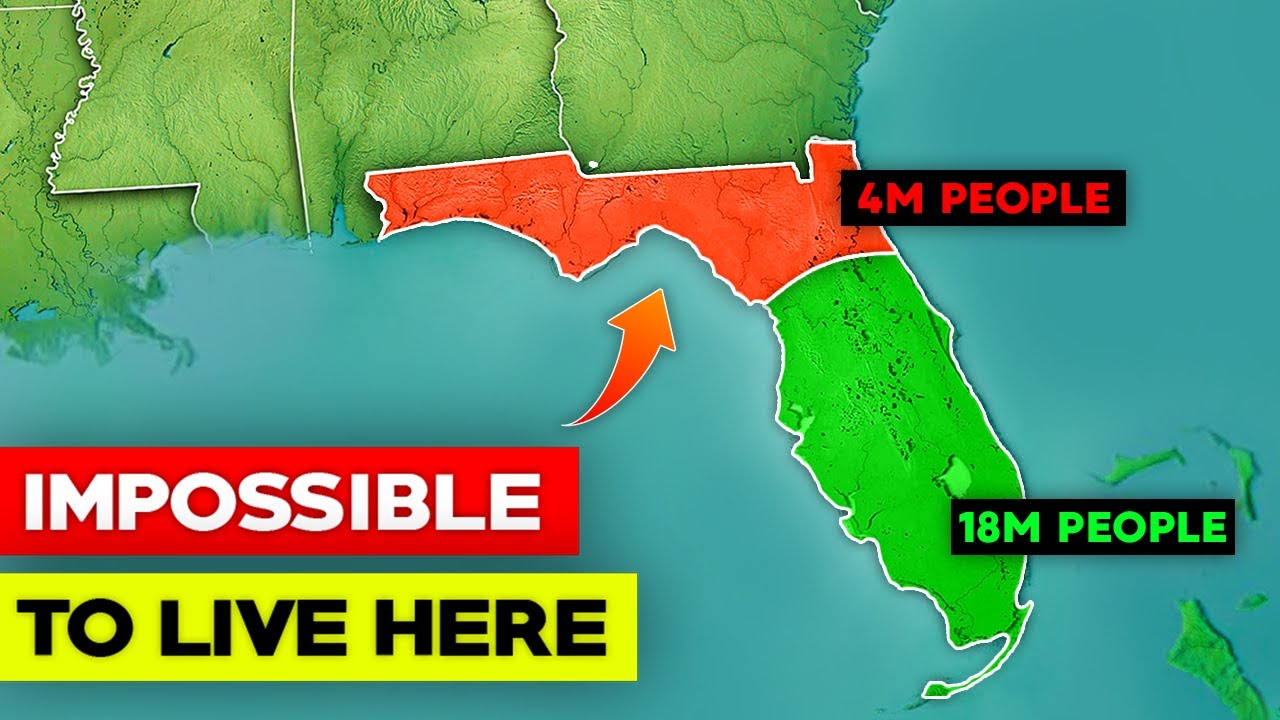













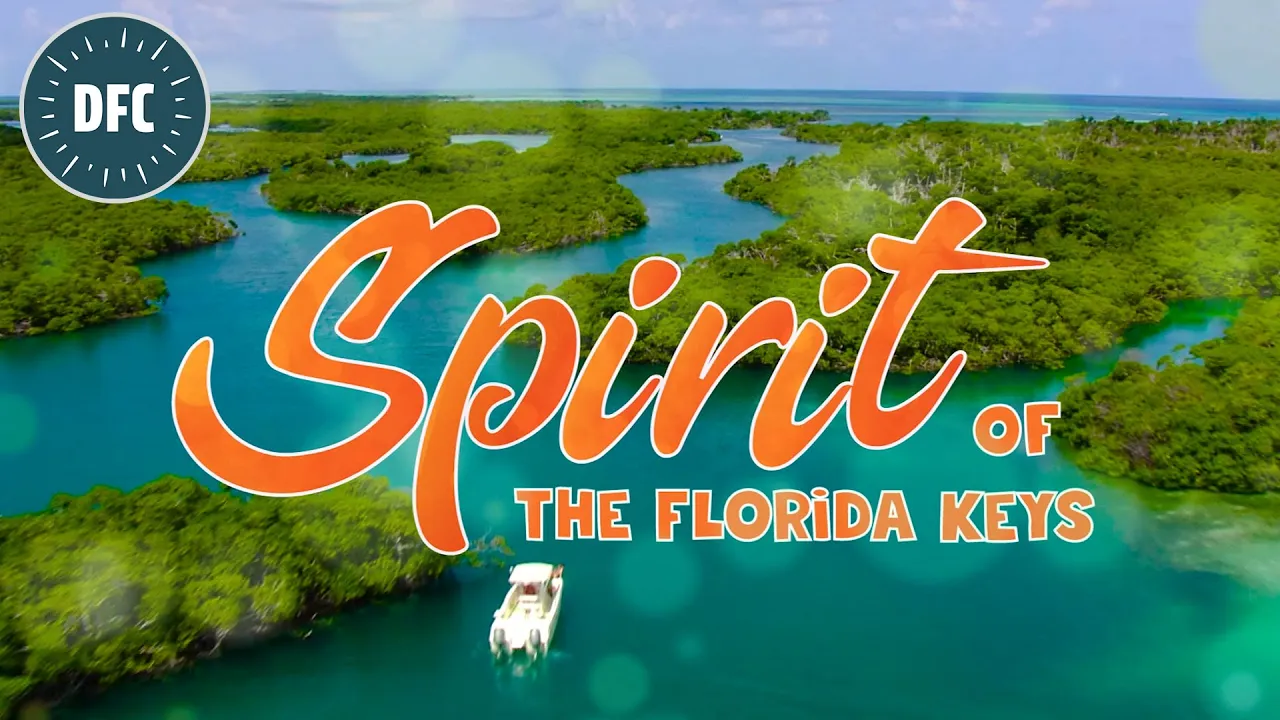





Florida's southern region showcases remarkable diversity through its unique ecosystems, including the Everglades' intricate wetland systems where elevation changes of just inches dramatically alter habitats, supporting distinct wildlife communities; the Florida Keys' tropical marine environments with coral reefs and endangered species like the Key deer; and the Dry Tortugas' remote island chain featuring Fort Jefferson, an unfinished 19th-century military fortress that remains one of the largest masonry structures in the Western Hemisphere. This ecological and historical richness, combined with vibrant cultural elements such as Wynwood Walls' street art scene and Key West's historic neighborhoods, creates a comprehensive travel experience that illustrates how geographic and climatic factors shape both natural environments and human settlement patterns.
Florida Road Trip: Miami, Keys and Everglades Travel Guide
Added:when you think of the united states and the country's most popular tourist destinations florida's one that's always at the top of the list the state is full of great cities like miami and orlando as well as three national parks and hundreds of islands located off the coast of the state my dad and i spent eight days exploring the southern portion of florida including miami everglades the florida keys and even dry tortugas you can watch individual videos on many of these spots on my channel or here's the full 8 day road trip showing our entire time in the state of florida quick note nothing in this video is sponsored i picked and paid for everything myself let's jump into our most recent road trip our eight days in florida began with an early morning flight out of lax we wanted the first flight out so we could get to miami and have a half day exploring with a three-hour time change our plan had poker where you could play the seat next to you and it made our trip go a lot faster after a relatively uneventful flight and taking pop's poker money multiple times we landed made it to miami here we are ready to start the miami airport's massive and it takes a while to walk through it but luckily they have a people mover to the rental car area all right pops is picking our car i better pick something good pop selected us a nissan ultima was easy getting in the higher roof we arrived in miami at around 2 p.m so we had a few hours left of daylight to explore before the sun went down we headed first to the south beach area to check out the art deco buildings i'm sure you guys remember pops we're here in miami and we're about to do seven days road tripping the southern portion of the state our goal for the first half of this trip was just to explore as much of the miami area as humanly possible in the three days we had south beach area of miami is one of the top tourist destinations known for the architecture on the historic buildings that line the street and the beautiful beach that's right across from it there's a great walking and biking path here that runs right through the middle of both of them and you can either pop over to the beach or walk over to the buildings miami beach is known for its colorful lifeguard towers that line the beach and there's 36 of them along the sand [Music] they began to appear in the 1990s and since then they've become a popular landmark in the area it wasn't that nice of a day for the beach so we just took in the views and then walked back over to the art deco area this area is only one square mile but it was added to the national historic register in 1979 and it includes over 800 significant structures many of the buildings were built between the 1920s and the 1930s and they're amazing to see both during the day and at night time when the nightlife really lights up the city the south beach area was a great introduction to miami as it was fun to see tourists and locals both out enjoying the area you can even see muscle beach as you're strolling down the walking path we headed south along the beach as our goal was to get to south point to watch the sunset before heading to dinner after walking past a bunch more of the lifeguard towers we made it to the most iconic which is the red and white one near the jetty at south point here you have massive condos on one side and the atlantic ocean on the other when we got there it started raining on us for about five minutes and then when it cleared there was a double rainbow out in the ocean pops is up looking at the view from a different angle but check it out it's an entire rainbow i don't think i've ever seen a full rainbow before but with the rainbow comes rain the rain moved in again for another five minutes but it scared all the tourists off and it was just my dad and i that went out to south point after it was over this pier sits at the south point of miami beach and it's feet long it's popular for photography as it provides a great view of the south beach area and for fishermen as well so there was a hundred people out here hanging out at this spot but then it rained and now it's just pops an eye also i don't really like the floating billboards blocking the beach view pops is all excited to show you that he got a video of the sailboat going under the rainbow so i'll play that right here for you after soaking in all the views by ourself and watching the sunset over miami we decided to head on towards our dinner spot parking was pretty expensive here so we paid for parking near the art deco district and then just walked everywhere including back to our car after dinner [Music] after watching this sunset we are heading on to joe's stone crab hopefully we'll be able to get a spot we didn't get reservations but it's supposed to be one of the best places to eat miami south point park is a great place to hang out with the family as well as there's a large open grass area and there's a children's playground [Music] there's also some outdoor public art at the end as well and that's where i hung out for a little bit to watch the end of the sunset before heading on to dinner joe stonecrab is one of the most famous restaurants in miami and one of the highest grossing independent restaurants in the country it opened in 1920 and has been selling amazing seafood since then even becoming one of the top buyers of stone crab in the entire united states we went with a large to share which has the crab claws served with a mustard sauce and two sides look at the meat on that crab leg unbelievable i guess it's a crab claw not a crab leg amazing while it is a pricey place for dinner both my dad and i agreed that it easily lived up to the cost and it's definitely an experience you're going to want to have when you're in miami plus the key lime pie here is pretty good as well just finished a crazy crab meal at joe's now we're at southeast checking out the lights to end our first day in miami we took advantage of our walk back to the car to stroll along ocean drive and see all the historic buildings lit up at night it was only a weekday but the nightlife here is still pretty crazy and even if you're not a fan of nightlife and bars this is still a place you have to experience in miami the neon lights on these historic buildings is just iconic to see and i guarantee you'll have some fun [Music] just like that our first half day in miami is done see you tomorrow today we are heading south to the everglades but we're getting a bagel first [Music] begin the day we drove about an hour south of miami past the city of homestead to the southern portion of everglades national park [Music] we have made it to everglades national park what is this pops like uh national park seven or something we've done now i have no idea but we've seen the star seeing a bunch of them we definitely have if you can hear it but it's kind of cool that there's all these birds greeting us after driving past the everglades sign our first stop was at the ernest f coe visitor center [Music] so we are here right now and we're going to make our way all the way down to flamingo and then drive all the way back out and go to the shark valley area later today the ernest f coe visitor center is a great introduction to the park it has exhibits on everything from water to the park's history to the difference between alligators and crocodiles i definitely recommend trying to understand the landscape of the everglades as crazy as just a few inches of elevation can make a huge difference in the landscape once you leave the visitor center you'll make it to the entrance for the park which is where you pay your fee and you can get a map from the entrance to the end of the road at flamingo it's about 38 miles i abbreviated this everglades video a little bit since it was so long but you can see the full everglades video on my channel if you want to see more of the trails we did these people obviously know something that we don't know the vultures are attacking these cars so hopefully our car is uh okay over there after researching it these were black vultures and they love tearing up rubber components on the cars this is the craziest thing i've ever seen they're vultures literally everywhere here on the cars on the buildings never seen anything like that before pops is taking one for the team and going back to protect the car from the vultures while we do this uh less than one mile trail there are two trails in this area and the first that we headed out on was the anhinga trail so there is a basket where they put tarps where you can actually take them for your car but there weren't any there so we couldn't cover our car which is why pops is watching for vultures they look like they're pretty damaging i have no idea but let me know in the comments if you do because definitely look like they can mess a car up the anhinga trail is a beautiful and short wheelchair accessible trail that's great for seeing wildlife along the trail you'll often see birds like the anhinga bird and you may even see some alligators if you're lucky as well first alligator or crocodile siding right there after about a tenth of a mile the trail connects with an elevated boardwalk that lets you walk through the sawgrass marsh this is the most popular trail in the park outside of the shark valley area as it's one of your best places to see wildlife [Music] this is definitely a trailer you're going to want to take your time on as there's some great places to just sit and look for wildlife if you're into birds there's definitely a lot of birds to see and they said the winter months are some of the best times to see birds in the park pop sent me this photo of another person's car so apparently it was a good idea that we had somebody watching for vultures the trail continues on the elevated boardwalk before it connects back up with the road that takes you back to your car on the way back i was looking down on my phone texting pops and someone was like hey look up and there's an alligator right next to the trail so thank you kind stranger [Music] that ended up being a pretty awesome trail beautiful views and two alligators or crocodiles i can figure out which ones they were and i'll update that right here but overall great easy trail for the whole family right in the park [Music] pops covered up our car for us and then he got to see the alligator crocodile i'm not sure which it's pretty sweet though right it was cool right there by the road i mean you can reach out and touch them i don't know why you'd want to don't touch the crocodiles there's no signs that they don't this area also had a second trail called the gumbo limbo trail which is less than a half mile so we did that one before heading back to the car forests like this only exist in southern florida because of the tropical conditions found here [Music] it's crazy that these little areas of water says that it's the decaying matter that kind of creates a hole that the water stays in and it gives the wildlife a place to get a drink when it's dry this is the fig [Music] this tree right here is the gumbo limbo that the trail is named for there's a lot of gumbo limbos at the end of the trail i'm sure this probably goes without saying but there are mosquitoes everywhere there was one i just knocked off of my camera hand so bring mosquito bug spray just like that we ended the gumbo limbo trail and now we're heading back to our car to make sure the vultures didn't destroy it but we're heading on [Music] so the vultures must have found something to eat they have basically left the parking lot and now they're up in the sky this rv right here was covered in tarps when we left and looks like the vultures have peeled them all off [Music] so i guess the vultures like these rubber pieces so you could see them all over the ground i guess they pull them off at the cars pops protected our car though vulture free nice work these things up and put them back for the next person yeah there's a little box over there where you can get the stuff for the covering your car here's the area where they have tarps that you can put on your car [Music] we made it to our second stop at the pine lands parking area and look it's vulture free this is another less than half mile trail in the park according to the park website this trail was also technically wheelchair accessible but there was definitely some parts where the roots had pushed up the road this is another unique short trail in the area that takes you through a pine forest i'm just going to go on a limb and say you don't want to be here in the summertime we are here in november and it is muggy and sweaty and warm it was like a way hotter i don't think this would be very fun it would be tougher so pops actually grew up in new jersey and he has a comment on humidity what's your comment yeah when you're in a humid climate once you're wet you're wet there's no drying right that's one thing's beautiful about southern california you dry real quick because of the dryness of it you're in humidity you're wet you stay wet so we're going to be sweaty all day all day pop's pointed out this little shell snail that's like seven feet off of the ground now here we go tree snails they sleep half of their lives and they hold on to the trees so that's what we've been seeing we saw dozens of the tree snails along this trail and it was pretty fun to see something like that [Music] all right we made it back to the start of the trail so now we're heading onto the next one this park is so flat that when we left this area we actually went over a pass that was three feet after going over the pass we saw an unmarked area with an elevated boardwalk so we pulled off [Music] it ended up being a short three minute walk to an area called the skeleton forest in here there was these trees that were white and sparse and i think skeleton was a really good name for them five minutes drive later we were at the second most popular trail in this section of the park this is trail number three or four of the day so far it's the pahaokee trail all these trails in this park are super short so this one's less than a quarter of a mile the sign says pajaoki is a seminal phrase meaning grassy waters it's a good way to describe this area this trail is also wheelchair accessible as it has a slight grade that takes you up to an observation area it's beautiful to see the water and the grass stretching out in front of you yeah you can see we're only about six eight feet off of the ground but it is technically an overlook in this area since it's so flat [Music] we have made it to the overlook there you go grassy waters nothing but grassy waters out there wow this sign is crazy so this shows the original everglades so it used to run off of the lake and come all the way down to here but this shows what it looks like now with the cities and agriculture and everything that kind of stops the runoff [Music] this part of the trail is probably another great area to see birds but we didn't see any wildlife when we were there after another quick drive we made it to the next short hike in the park up next we have the mahogany hammock trail which is less than a half mile and what's cool is that they call these area hammocks because it's kind of like a tree island out in the middle of the everglades these hammock areas are fascinating as they're technically contrasting ecosystems that grow just a few inches elevated above the wetlands [Music] so there's a little tree island in front of us and this is the quote-unquote river that we're crossing to get into it this half mile trail is wheelchair accessible as well as you're on another elevated platform [Music] this trail was one of my favorites as the hammock area was really dense and there was a ton of different plant life to see so what's interesting about this park is that even though it seems visually similar at a lot of the different trails there's a ton of different intricacies that you understand when you read about them especially because this park is basically only a few feet of elevation like across the entire thing so even changes of six inches or a foot can make a big difference [Music] as you walked around you could see those little pockets of water we showed on previous trails that collected water for the dry months and that animals could come drink from it's basically the last of the trails we're doing this morning a few viewing areas to the flamingo visitor center [Music] this is nine mile pond i've seen some pictures of crocodiles being on the beach area kind of right here but none today still a pretty area though it also looks like there's some canoes i don't know if those are rentals or what they are but there's one person out on the water as we left nine mile pond we arrived at the end of the southern portion which was the flamingo visitor center we've made it to the end of the road the visitor center at flamingo i don't know what that building is they're working on right there but it looks pretty cool if you could walk across that top part the ranger told us that that building is the future home of the flamingo visitor center right now it's just a small one room area with a couple things to purchase but not much to see so the guy at the visitor center told us to drive down here to florida bay which is where one third of all of the everglades is in that florida bay area so it's an overlook and then there's two marinas up here one you can often see manatee at and one you can see crocodiles at and basically everything else we've seen in the park so far has been an alligator not a crocodile there's also a campground out here and some kayaking trails so it'd probably be a pretty cool place to explore all right we've made it to the end of the drivable portion of everglades there's the florida bay this small overlook was beautiful even though there wasn't a lot to see other than a few keys out in the bay [Music] what's cool about where we're at is that we basically made it to the southern tip of florida outside of the florida keys so you can see that that's where we're at right there southern tip of florida after leaving the florida bay area we headed back to the marina to get some snacks and to look for wildlife [Music] general store is a great place to get food or snacks or coffee and then you can also rank kayaks here and there's often manatees in the harbor over there amenities you basically just look around and see some bubbles and then they pop up for a second we got lucky when we were there and there was a manatee that was hanging out about 15 feet off the dock so we got to see it come up a couple of times [Music] there was also some sort of hawk there sitting on the sign and a crocodile out in the distance that ends our time in the southern part of everglades national park now we're gonna go get some lunch and then it's about a two and a half hour drive to shark valley which is the northern part of the park we actually didn't head to the north section till the next day as that's when i could get the shark valley tram tickets we made it to our lunch spot the everglades gator grill and we were greeted by a nice skater pop says that he's had gator before we're just gonna go in here and see what the top things are and just get those when people visit florida they often want to try eating gators so we decided that we would try and let you know how it is gator grill is the most recommended and it's right outside of the national park [Music] so we got the gator bites with the sauce that comes with it and then we got the gator tacos figured that we're from california had to try gator tacos cheers it's good tender has a good flavor i like it all right so pops is just going stink straight straight gator bite kind of like a chewy steak chewy steak is that a good thing not as flavorful sausage makes it a little better but it doesn't have like that really nice flavor that you get like from beef [Music] after leaving the gator grill it's only a five minute drive to robert's here which is a fruit stand and roadside attraction you definitely do not want to miss this is the southernmost purple martin house in the united states whatever that means robert is here is a fruit stand that specializes in rare and exotic fruits many of which are actually grown on the property they're most known for their milkshakes which come in a range of flavors including key lime and even dragon fruit [Music] place is so well known it even has its own book after ordering your milkshake be sure to head outside and check out all the animals they have in the back area so out in the back they have emus and turtles there's goats all sorts of animals this area is definitely popular there was tons of families here feeding the animals and walking along the back area you'll also find some antique tractors and other things to see back here as well wouldn't be a good trip if pops didn't stick his head in the cutout very nice i hope my milkshake looks that good [Music] guanabana milkshake they say and fried that this fruit is the best tasting fruit in the world it works good it goes good with the ice cream very creamy very smooth mildly sweet yeah worth trying yeah i give it a try this is the guanabana which is what my dad got his milkshake out of tastes like cotton candy and pineapple after leaving robert is here we headed back into miami fairchild tropical botanical garden is an 83-acre garden south of miami and coral gables it opened to the public in 1938 and it's known for its many rare tropical plants that you can explore liddy told me that sometimes you'll see crocodiles in this area don't see me right now though [Music] look at how big those lily pads are i have never seen anything like that i don't even know if those are real the lilly pads here had to be a couple feet in diameter and it was pretty crazy to see them in the pond my dad and i just wandered around the garden ultimately trying to find the butterfly area it's like a legit rainforest in this portion of the gardens [Music] we are entering the butterfly garden [Applause] oh wow oh my gosh the butterfly garden supposedly has over 40 species of butterflies that rotate through the exhibit the volunteer told me that they're the most active on sunny days and it was a little bit overcast but we were still able to see dozens of butterflies flying around of course it's the butterflies that make this exhibit awesome but even walking around and seeing how they created the tropical climate here is pretty unique after exiting the exhibit we explored the garden for another 30 minutes before starting our way back to miami when we got back to miami we headed to another one of the city's most popular restaurants cafe versailles starting in 1971 this restaurant has been here for 50 years and claims to be the most famous cuban restaurant in the world it's definitely well loved as we arrived at 3 p.m on a tuesday and it was 30 minutes before we got seated luckily there's lots to explore while you ate like baked goods and cigars or you can try one of the cuban coffee drinks that they make at the bar right next to where you're waiting we're waiting for cafe versailles and we got the cuban espresso with evaporated condensed milk it's a good thing to do while you're waiting nice after getting seeded the service was fast and they had all sorts of mixed drinks as well as some of the best cuban food i've ever had i definitely recommend the marquitas which are plantain chips for an appetizer and then for the main course get one of the samplers which has many different cuban dishes for you to try or of course you could always go with a cuban sandwich as well heading back to the hotel that's it for day two of our trip to florida starting a rainy day three visiting coffee shop we're gonna go see the miami circle and then we're gonna head out and see a lighthouse the miami circle is a national historic landmark believed to have been created by the tequesta people over 2000 years ago it's a 38 38-foot diameter circle with holes cut into the bedrock and it's one of the only evidence on the east coast that we have of a prehistoric permanent structure that was cut into the bedrock it's crazy to see this historic site surrounded by massive buildings and yachts you can't even see the site itself as it's covered to protect it but it's still pretty cool to learn more about the history of the miami area [Music] from there we drove about 30 minutes south all the way out to the southern tip of kievis cane in order to visit the cape florida lighthouse [Music] we made it out to the cape florida state park gonna explore a little bit go to the lighthouse it's not a great day though it's a little dreary and rainy [Music] check out all these fish that are down in the water looks like it could be kind of cool for snorkeling so those houses way out there are the stilts we're gonna see those tomorrow but i'll put my zoom lens on to show them to you guys when i was researching the trip to florida i got really interested in the stiltsville area these buildings started to be built out on the water in the late 1930s and over the years they became restaurants and clubs and all sorts of crazy things look up stiltsville on google if you're interested in reading more about them [Music] we were basically the only people in this state park in the early morning it was a weekday and it had been raining so apparently it wasn't too desirable it ended up being great as we got to walk around see some wildlife and just soak it all in [Music] eventually we made our way around to the lighthouse which was built in 1825 and is one of the oldest buildings in the miami area when we went they were giving tours five days a week at 10 and at 1.
unfortunately we weren't there when the tour was happening so we just walked around the exterior but we weren't able to climb to the top this is the old cottage for the lighthouse keeper and then there's the lighthouse right there even without being able to walk up in the lighthouse it was still fun to explore this area the old lighthouse keepers house and then walking down the main walkway towards the lighthouse were both beautiful [Music] so they're planning on actually turning this into a luxury development but through the work of build bags he was able to convince them to sell this area to the state and keep it as a park so that's what it looks like now all that development behind it there's also a cafe here and a beach if you want to spend more time at this state park it's not a very nice day today so that's why there's nobody out here taking advantage of the beach but pretty cool beach with the lighthouse in the background and lots of sand [Music] be sure to let us know how this beach is in the summertime since it's not great today but for us we're heading back to downtown miami [Music] next up on our tour of miami is viscaya museum and gardens when researching some of the best things to do in miami viscaya comes up time and time again this amazing mansion was built between 1914 and 1922 for a cost of over 15 million dollars the mansion has an italian renaissance mediterranean revival style and it's absolutely incredible to tour this house was supposedly the first to have a telephone in the entire county it's like that's a little telephone area right there you can walk all throughout the property go in the many different bedrooms and living quarters and explore the 10 acre garden that sits outside this is the deering bedroom so basically the main bedroom in the house there's actually an elevator as well after exploring the interior we headed out to the back to see the barge this area got damaged in a hurricane so that's why you can't go out there but pretty cool to see off the back of the house i was told the barge used to be a pretty popular spot for parties i have to say it'd probably be pretty hard to beat in the miami area in its heyday [Music] that's where we were at this morning the lighthouse is way out there on the end all that was left for us if it's kyo was exploring the 10-acre gardens just like the rest of the house this was immaculate as well and you could easily spend a few hours exploring here [Music] if you're into history and those lavish kind of european mansions you'll probably like that spot on to whatever's next from the immaculate italian historic estate we followed it up with some modern graffiti art at the city's other incredibly well loved spot called wynwood walls we've made it to the wynwood walls area of miami which is one of the most popular areas for tourists and it's a popular spot because of all of the street art that you can see all around our server at joe stonecrab told us about how the wynwood area is a place he wouldn't have even stepped foot in 10 years ago i don't know much about that myself but he said that the artist's revival here over the last five years has been pretty crazy and that the wynwood area is a love tourist spot now in the city of miami after purchasing a ticket you can enter the wynwood walls outdoor museum this is a collection of graffiti and street heart that revolves every three to five years [Music] most of the pieces are outside but there's different interior areas where you can walk in and see other pieces that are on display wynwood walls began in 2009 and since then according to their website they've covered over 80 000 square feet of wall the area has brought some of the best graffiti artists in the world to come and contribute i loved this type of thing so i really enjoyed walking around the wind with walls [Music] after leaving wynwood walls be sure to just walk up and down the surrounding streets there are so many different art pieces painted on the surrounding walls that you definitely want to take the time to walk around and see them we continued exploring the wynwood area and made our way about a quarter mile over to the salty which was a donut spot that came highly recommended if you've been watching these videos for a while then you know that i love donuts more than basically any other food item i go out of my way anytime i hear that there's an amazing donut shop in a place that i'm visiting the salty easily gets my recommendation and we went with the brown butter salt cake and the corn flake milk and honey donut both were pretty incredible from there we said goodbye to wynwood and headed over to little havana named after the largest city in cuba little havana is a cultural center right in the heart of miami i recommend just grabbing a parking spot and exploring kaye ocho here you can walk up and down the streets see all the colorful shops grab yourself a cigar get some food and just explore as you walk up and down the street be sure to check out all the roosters they have on display outside of the restaurants plus there's a walk of fame you can see and domino park where many games and dominoes are being played i had never seen a mcdonald's as colorful as the one i saw in kaeocho if you're looking for another sweet treat be sure to go to azuka and get some of the ice cream they have there i recommend the abuela maria which has guava chunks cream cheese and cookies in it it was so good and i wouldn't leave little havana without trying it [Music] on your way out if you want lunch go to sangwich to get a cuban sandwich [Music] i was told by a guy in line these are the best sandwiches in miami how they are you've had them all that's really good all right my turn best sandwich in miami i'm not upset about that that was a good sandwich we grabbed our sandwiches to go and headed out to the northern part of everglades national park we made it to gator park and we're gonna do an airboat tour it was a rainy weekday in florida so it wasn't too busy and we grabbed tickets for the next tour we are on the two o'clock tour in 15 minutes the tour was about 45 minutes with 25 minutes on the airboat and then 20 minutes in a wildlife show after we loaded into the airboat with about 25 of our closest friends and set out for the tour the first 10 minutes went slow as our guide told us about the area and about the wildlife that we could see and we kept our eyes peeled to see if we found any gators eventually we hit the open water and our guide hit the gas and we started flying through the marshland [Music] it was such a cool experience being able to glide over the grass and the water and to fly back and forth on the airboat after racing around for quite a while we slowed down again to look for alligators almost immediately we came upon an alligator which was incredible to see it didn't seem to care at all that we were there and i hung around for about five minutes just following our boat here are some shots from my zoom lens i wasn't that close but it looks like it with the zoom eventually we said goodbye and headed back to where we boarded the boat after getting back we headed into the small exhibit area they had to see the wildlife show what'd you think of the air bow tour i thought it was great yeah it was kind of fun very tame but it was fun got to see an alligator too yeah the 10-minute show was a nice addition as we got to see a bunch of different animals and they told us a lot about each one i'm sure if you had a family this would be a especially fun add-on [Music] finished our airboat tour and the alligator show a little cheesy but overall pretty fun on to our last spot in everglades for the day from gator park it was a 15 minute drive to the shark valley visitor center which is one of the most popular areas in the park entering everglades national park again all right we made it to our last stop in everglades shark valley and we are going to do a shark valley tram tour you can either rent a bicycle or take the tram but it's 15 miles and we had a long day so we're just doing the tram we arrived about 30 minutes before our tour so we took the time to explore the small visitor center before it started alligator and crocodile skulls what are alligators up to swimming waiting walking not eating you apparently you can look inside nothing there's nothing inside an elevator stay alert active alligator nests getting ready for a tram tour yeah this is gonna be great the tram tour from shark valley takes about two hours to complete and it's honestly an amazing way to see this part of the park i imagine if you take a bike you might miss a lot of things as there's no one to point anything out for you along the entire tour we had a guide who was telling us about all the different things that we were seeing and stopping for any animals that we saw we saw dozens of birds and quite a few alligators during our time on the tram [Music] also i should note that you definitely want to book your tram in advance during popular times in the park it easily sells out and you don't want to miss this incredible experience in everglades to our guide this is basically the central area of the freshwater marsh part of everglades national park it's basically a field of sawgrass and often floods in the winter months which is why it's called the river of grass here are just a few of the animals that we saw during the first half of our tour [Music] [Music] at the halfway point of the tour you'll arrive at the shark valley observation tower our guide gave us about 30 minutes to explore this area including walking up to the top of the tower the tower was built in 1964 and it was part of a project that was designed to modernize the national parks before their 50th anniversary this is the sister tower of the one in great smoky mountains national park on top of clingmans dome check it out there's an alligator right below us the tower is technically the highest point in everglades national park sitting at a whopping 45 feet above the ground it's said that you can see up to 20 miles away from this vantage point since it's so flat [Music] we think pops this is a beautiful spot here the panoramic view seeing the rain coming down alligators alligators water down below it's a really nice spot worth coming here unfortunately the observation tower deck top part is not open anymore but you can still get some great views walking out here and then looking at that alligator down below us now we're heading back to our tram for 45 minutes back finishing our time in everglades national park i spent about as much time as i possibly could up here just soaking in the views of this amazing national park one of the benefits of taking the bike is definitely being able to spend as much time here as you would like here's the alligator we were looking at from above pretty cool what's cool about this tower is it's the sister observation tower to clingmans dome which was in great smoky mountains national park if you want to see that one check it out right here the 45 minute ride back was a relaxing way to spend our last few minutes in everglades national park even though it was cloudy along the way we got to see a little bit of a sunset as well here are a few of the animals that we saw on the way back back in the car that was a really fun tram tour lots of animals definitely do it if you're in the park we're heading back to the hotel and that is the end of day three i think it's three starting the morning in wynwood again with coffee at panther coffee and then we're heading on to explore biscayne national park we started the day at panther coffee which was next to our hotel and then we headed on to el brazo fuerte bakery this bakery came highly recommended and we decided to grab some food to take out on our bizcane bay national park tour our tour left from the deering estate which is a beautiful historic home about 45 minutes drive from miami it was a really nice drive and you could actually go in the estate after the tour as well so 95 of this park is underwater this is one of the only ways to see it and they only offer this tour one day per month so we got lucky and that happened to be the day that we're here it's about four hours gonna see a new national park run pops are gonna leave without us just walking to the boat was beautiful and you can often see manatees in the small cove as well our tour was relatively small with only about 15 people on it so we're starting right here and we're gonna go up to here and then we're gonna go down to here and back that's the tour for today leaving the estate the water was incredibly smooth as we went past the mangroves and the palm trees on our way out to the open water this channel is really shallow and if you're lucky you can see animals below you as you head out i was blown away by how stunning this boat ride started and was excited for an entire day exploring the national park [Music] we had a docent that came with us that told us information the entire time we were on the boat it was fantastic and there was a lot of history on miami the lighthouses and the surrounding area plus any questions you had he was more than willing to answer [Music] as we made our way out to the lighthouse we got to see the miami skyline and we learned that biscayne national park is over 170 000 acres with four distinct ecosystems we also got to see stiltsville from afar which is a collection of houses restaurants and clubs that were built in the 1930s to the 1950s this is a pretty crazy part of miami's history as people used to come out here and party and hang out unfortunately we didn't get to get too close on this tour but i'd love to come back and just hear about stiltsville from there we arrived at our first of three lighthouses the cape florida lighthouse this historic lighthouse was built in 1825 and was operated until 1878.
this was a much sunnier day than when we tried to visit it earlier so it was cool to see the lighthouse like this be sure to visit the park if you want to climb the 90-foot tall lighthouse as there's tours that go multiple times throughout the week from there we headed into the open water for about a 20 minute ride to the fowie rocks lighthouse this lighthouse sits about seven miles away from the cape florida lighthouse and it actually replaced that lighthouse in 1878 it's a popular place for fishing and for marine life so there was tons of other boats sitting around the lighthouse when we arrived the lighthouse is made of cast iron and has what they call a skeletal tower it's still in operation today and it sits about 110 feet above the water this lighthouse looks really crazy and is pretty incredible to see definitely a highlight of our time in the national park [Music] from there it was another 20 minute ride to boca cheetah key which is our main stop on the tour boko chita key is a 32 acre island that was once privately owned it's the most visited island in the national park and private boats come here daily in order to explore the island we docked here and we got about 45 minutes to explore which included going to the lighthouse or taking a half-mile hiking trail our group headed first to the lighthouse where the guide supposedly had keys in order to open the structure what's crazy about the lighthouse is it's just ornamental it was built in the 1930s when the island was privately owned and guests were entertained here the lighthouse is 65 feet tall and since it's easily accessible it's very popular spot in the park this island is actually pretty popular there's a whole bunch of people here just for the day hanging out i thought it was interesting to see as many people and like picnic benches and everything must be a fun place to hang out in florida if you have a boat they're trying to unlock the lighthouse for us but someone actually owned this island so this cannon was used for ceremonial like shoot in the canyon when people came and then this lighthouse is actually ceremonial as well it was never an actual lighthouse but it'd be cool to go up in it the lighthouse is made of a coral rock and it was built in the 1930s the story goes that it was actually lit for a few hours before it became a navigational hazard and it was never lit again so unfortunately they locked the lighthouse in a weird direction so they can't get the key in so we don't get to go up to the top of the lighthouse which is at least for the moment maybe it'll maybe they'll figure it out yeah maybe on the way back but we're gonna go do a little loop around the island [Music] there's a whole bunch of campgrounds on the island as well and a bathroom so it's a nice place to stay do note that there's no running water and you have to pack out what you pack in [Music] pretty bummed i didn't bring my swimsuit because this water looks perfect in the background get all those fish right there it's the only beach i've ever been on where you get stung by mosquitoes after exploring the beach we decided to head out on the half mile trail that goes around the small island [Music] so the way my dad feels about going in the caves is basically the same way he feels about mosquitoes so i'm going on the trail by myself because there's a lot of mosquitoes the trail began right where our boat docked and it made its way right along the coast of the island mosquitoes weren't too bad in the beginning but they get worse later [Music] there's a whole bunch of fish swimming down there i think these are the mangroves and then a whole bunch down there as well look i don't know if you can see but like right here there's just a huge clump of fish [Music] it's crazy is how far we are away from miami you can see it right out there way out in the distance the trail continued around the back side of the island with beautiful views out towards the open ocean [Music] little crab there was even a couple little beaches you could hang out at back here but i was trying to escape the mosquito gauntlet i'd found myself in all right i finished the trail my dad was right it's like mosquito death alley basically ran through there because there were so many mosquitoes so uh probably not worth it unless you want to see the whole island so yeah bummer we couldn't go up in the lighthouse trail didn't really have any views there was like a little bit of a beach some places where you could see some fish but overall cool time on the island even though we got eaten alive by mosquitoes and this is definitely a pretty fun trip by the time i finished the hiking trail we had to get back on the boat for a ride back to the mainland it was only a 30 minute ride back and it was a beautiful and relaxing way to end our trip in biscayne national park [Music] we're back on dry land had a good time exploring this cane national park definitely check it out if you're down in the area when they're giving that tour now we're going to explore the grounds a little bit do a few more things in miami before ending our last night in the city and our road trip starts tomorrow the deering estate was built in 1922 by charles deering charles was the half brother of james deering who was the one who built vizcaya which we saw yesterday this stone mansion is beautiful to explore and it's much smaller and less flashy than viscaya is charles was especially a fan of collecting art and antiques and at one point in time he had one of the most valuable collections in all of florida when we bought our ticket to go to biscayne national park the ticket to explore deering estate was included with that there's also a pretty incredible wine cellar you can see in the house too by far my favorite part was the property that surrounded it though and the view of the biscayne bay and the massive mangrove trees [Music] from the deering estate we headed back into downtown miami to go to the philip and patricia frost science museum this came recommended as one of the best science museums in the united states so we had to stop by i have to say it's a pretty incredible place with tons to see including an aquarium and a planetarium among other things one of the highlights from me was being able to go all the way to the top of the museum to the open air roof observation area they have from here you get incredible views of the skyscrapers of downtown miami and out into the atlantic ocean it was worth the price of admission for me just to be able to take some photos up on this deck also i recommend just going to the deck first and then making your way down the museum as that's one of the best ways to experience it as you make your way down you'll be entering the aquarium part of the museum and will be surrounded by many different fish tanks featuring fish from the local area and beyond as you continue you'll make it to the highlight of the museum which is the massive aquarium window that you get to see from down below with sharks swimming above you [Music] i had seen photos of this previously but nothing prepared me for how cool it is when you're actually there from here there are dozens more exhibits you can see many of which are interactive honestly this is a great museum to explore it's a little bit expensive for an entire family but there's hours worth of things to do here after exiting the museum we made our way over to bayside market another favorite location for tourists visiting miami this marketplace was our last major thing we were visiting in the city of miami and it was nestled in the shadow of the massive skyscrapers that surrounded it at the market you can shop you can grab a boat tour to some of the celebrity houses you could ride the ferris wheel or you can just grab some food and hang out underneath the banyan trees pops is a really big shopper so we're making sure to get some shopping going while we're on this trip it's my jam right here this is pop's other favorite thing shopping and ferris wheels he loves going in ferris wheels if you're keeping track you can add ferris wheels to the things my dad hates along with caves and mosquitoes we didn't go up in this one so let us know how it is in the comments 10 minutes in the marketplace was about good enough for us so our last dinner before leaving miami when we travel to new cities we try to take in the best food that the city has to offer as we never know if we'll ever make it back to the city again in miami this ended up being three relatively expensive dinners that being said every one of them was amazing and our last dinner in the city was at ceviche105 according to their website this is miami's best peruvian restaurant and they've won many awards for the food they create here we went with the recommended dishes which was a chicken dish and the three most popular ceviches in a sampler it's hard to hear what he says here but it was delicious and we loved having a ceviche focused meal from there we walked back over to the bayside market to get our car and to see some of the christmas displays they had there saying goodbye to the bayside marketplace and miami that's the end of day four tomorrow we go to key west we're saying goodbye to our hotel in miami and we're heading to key west with a few stops along the way we started our drive with a stop at makondo coffee roasters for some great colombian coffee we got our coffee and now we're headed out on the road trip 45 minutes south of miami we were arriving at our first stop on the journey coral castle unfortunately they didn't allow video here only photos but this is a really fun and historic spot along the drive the work was all done by one man ed lead scotland in the early 1920s he moved the castle from its original location about 10 miles north in the 1930s which is what you can still see to this day the tour takes about 45 minutes and it starts with a video about ed and then walks you through the grounds and tells you a lot of its history it's pretty fascinating it's definitely worth stopping out on your road trip as we headed south an accident closed the bridge on highway 1 so we had to take county road 905a into the northern part of key largo and then head south from there welcome to the florida keys this is a nice drive as well with some good views of the water but unfortunately it took a lot longer because of the traffic trying to turn back on highway 1.
if you have the option highway 1 is definitely the better way to take the traffic ended up being that there's a stop sign in order to turn left onto highway 1 so that's what took so long but eventually we were back on the road heading to our next stop if you're hungry when you get to key largo head to mrs mack's kitchen this spot has been here for decades and it's famous for its key lime freeze which is like a key lime milkshake they also have great fresh fish crab cakes and key lime pie we didn't go on the way down but we did go on the way back up i should note that people often think this route is just along the ocean the entire time but a lot of it actually feels more inland as you're driving through towns and there's trees that block the view of the water we finally made it to our first stop in the keys this massive lobster outside of the rain barrel store it's called betsy the lobster and it's made of fiberglass it was completed in 1985 and is 30 feet high and 40 feet long just in case you wanted to know how big it is six seven pops and betsy the lobster it's pretty big there's also a fun tourist shop here if you want to pick up something from the florida keys after we said goodbye to betsy it was only a five minute drive to the next stop in the town of isle of murata stop number two is the history of diving museum the history of diving museum was a huge highlight on the trip for me i was honestly shocked by how much this small museum had the museum opened in 2005 and supposedly the collection has diving gear from over 30 different countries the exhibits in the museum are well laid out and have some interactive components like how long you can hold your breath not very long it's fascinating to see how much the diving equipment has grown over the last century and some of the innovations they used to dive in the early days check out this room that has all of the different helmets from different nations it's pretty incredible to see it's worth the price of admission just to see this room i think [Music] also have a show you can watch back here as well i spent another 20 minutes exploring the rest of the museum which included a cool aquarium and exhibits on some of the deep sea suits they use plus there was even some information on diving in the movies that was fun to see this type of regular is how they created darth vader's iconic breathing sounds it's crazy that museum is really cool definitely stop here so much to see and lots of stuff you wouldn't see in a normal museum now we're heading on to uh brewing company i think only three minutes drive from the history of diving museum brought us to the florida keys brewing company florida keys brewing company has been there since 2005 and has a great relaxed vibe and it's definitely a place you'll see people congregating on the weekends is the florida keys brewing company this is the iguana bay which is their most popular beer we tried the ipas and the iguana bay but i actually really like this unique flavor place is a cool spot to hang out so definitely check it out [Music] while you're at the brewing company you can actually walk down to the hurricane memorial if you're interested this memorial is dedicated to the 408 people that lost their lives in the hurricane in 1935.
it was a category 5 hurricane and was one of the most intense to ever hit the united states the memorial here is beautiful and worth seeing and it's made out of a coral limestone on the walk back to the brewing company you can see historic houses that were built in the wake of the hurricane and that were designed to survive future hurricanes that may hit the area [Music] our next stop was basically across the street from the florida keys brewing company depending on what you're planning to do in the keys this is a great place to stop for fishing and all that kind of stuff [Music] since 1967 this sporting goods store has become a popular spot in isle of murata in the early 1990s it was sold to bass pro shop though so it looks a lot more like what you'd come to expect from bass pro shops around the united states it's a pretty awesome spot with a historic boat right in the middle the boat was built in the 1930s and is supposedly the sister boat to ernest hemingway's they allow you to climb up into the boat and have lots of information on its history while you're there [Music] heading seven minutes south we made it to everybody's favorite stop on the drive from miami to key west we made it to robbie's where you can feed the tarpon this is easily one of the most popular stops in the entire drive [Music] robbie's has a market restaurant and different water activities that you can do but the most famous thing to do here is to feed the tarpons it costs a couple bucks for admission and a couple bucks for a bucket of fish but it's definitely worth it do be sure to put your sunglasses in your pocket as lots of people lose them how's this picking out our bucket it's a winner right here baby after getting your fish you proceed to the dock where there's literally hundreds of tarpon below you watch out for the pelicans though is they'll steal your fish if they get the opportunity [Laughter] the best way to experience the feeding is to use the slow-mo option on your phone [Music] we had all these crazy massive fish right here [Music] it's so crazy oh that guy was massive the tarpon basically put your hand in their mouth as they're getting the fish all right pop's got the last fish here we go [Music] you got to stop here that's a lot of fun that's really fun my whole hand was in his mouth didn't bother me at all i think it's safe to say that's probably the best six dollars you'll spend on your drive to to key west from robbie's it was a 35 minute drive to our next stop along the way we got to see ocean views cross a few bridges and go through a few small towns it wasn't the clearest day but it's still an incredible drive with lots of beautiful views all around you eventually we made it to the town of marathon which was our next stop and we are finally gonna have something to eat when you research places to eat on this drive keys fishery comes up time and time again for their lobster reuben we ended up ordering the amazing smoked fish dip and a lobster reuben to share all right pop is going to try the famous lobster reuben best sandwich in the state of florida very good the lobster is overpowered a bit by the other stuff yeah it's very good yes or no my turn with the lobster ribbon [Music] pretty good i don't know if it's 30 dollars good that's pretty good i would say that's worth trying at least once it was big enough that my dad and i could share plus the smoked fish dip and the key lime pie were both excellent so definitely don't miss this spot on the way down you can decide for yourself let me know in the comments another great spot in marathon is the turtle hospital which opened in 1986 they work to rehab sea turtles and return them to their natural habitat you can take a tour here to see the sea turtles but we weren't able to do that on this trip [Music] as we're leaving marathon we saw manatee and a shark how could you not stop plus you never miss an opportunity to have pop stick his head in something as cool as this pops is getting by the great white this is uh this is commitment to the pose right here well worth the stop there's a woman manatee back here that's falling over as well leaving marathon brings you the drive's most well-known landmark 7-mile bridge there's a pull-out on the right right before you get on the bridge if you want to get out and look at it from below we're now driving over seven mile bridge which is a popular landmark on the way to key west that over there is a pedestrian bridge but it was currently closed so we are just heading over the original seven mile bridge was created in 1912 as a railroad bridge after it was damaged by storms in 1935 is recreated for automobile use the current bridge was built in the 1980s and has become a popular tourist attraction and has been featured in many movies the old bridge was turned into a pedestrian bridge which can be used for fishing and even walking on today as you cross the bridge keep your eyes peeled on the right for fred the tree the australian pine is a local favorite and basically defies nature by growing right out of the old bridge [Music] right after you cross seven mile bridge there's a big parking lot this place wasn't closed so if you want to walk out on the pedestrian bridge you can do that from here this is a great stop as it's a fun way to experience the bridge and to truly understand the sheer size of this engineering marvel the old man in the sea so yeah you can walk out on the bridge do some fishing whatever you want to do [Music] as we said goodbye to seven mile bridge a five minute drive brought us to our next stop at bahia honda state park [Music] so when you get to this state park there's a trail to the old bridge that you can actually hike up to that's what we're doing now it's only about a tenth of a mile walk to the old bahia honda bridge and you can walk on it if you want to [Music] after about five minutes of walking we made it to the old bridge look at that water out there it is incredible even though it's not sunny it's amazing when you make it up to the bridge you can only walk on a small portion but you can get some great views of highway 1 running alongside you and it's cool to stand on this historic bridge after seeing the bridge from the top i think the best view is actually from the bottom on the side so you can actually see the old bridge so there's the bridge we were standing on you can see the people up there but as you can see it's much cooler from down below this is the original railroad bridge that was converted to an automobile bridge in the 30s [Music] now we're finishing the drive and we're heading down to key west just in time for sunset which doesn't look like we're gonna get much tonight from the state park to key west it's about 35 miles and it takes about 45 minutes this section of the drive is picturesque as there's more bridges and the views are not often blocked by trees if you have the time on the drive down go to big pine key and go to the national key deer refuge you can head to the blue hole where you may be able to see key deer and other wildlife or you often just see them as you're driving on the side of the road these deer are the smallest subspecies of the white-tailed deer and are only found in the florida keys eventually we made it to the outskirts of key west and started the slow drive into the city to park near duval street duval street is the nightlife capital of key west we thought it'd be a fun place to end our road trip so we made it to key west but in order to end our trip officially we're going to the mile marker zero sign mile marker zero the beginning of the florida keys scenic highway or the end for us we did it we made it mile marker zero is a fun endpoint in key west with a couple little shops there and a great place for an ending photo [Music] after ending the road trip at the mile marker zero sign we walk back to duval street to get a drink to end the day what better way is there to celebrate than at the original margaritaville this spot started in key west in 1985 and as you probably know they're all over the world now even if you're not a jimmy buffet fan and i don't know how you can not like the song margaritaville it's still a pretty fun spot for a drink in key west you can get a margarita frozen or on the rocks that officially ended day number five on our trip [Music] only two days left in our trip we weren't able to stay in key west last night so we're on sugarloaf key but nice view to wake up to heading into key west to explore all day though starting our day in key west by grabbing some scooters all day so we can explore the island without having to worry about parking scooters are a great way to get around key west is parking for regular cars is expensive and difficult to find this is the famous sign that everybody takes pictures in front of it's at the cuban coffee queen just in case you're looking for it every time i go to key west i go to cuban coffee queen multiple times they have great coffee good sandwiches and it's just a fun spot for breakfast especially to be able to see the qs mural coffee is excellent sandwich is good it's also next to max sea garden which is a fun tourist shop to walk around while you're waiting for your drink also you'll see a lot of conch republic stuff here and definitely read about that online as the history is pretty unique [Music] from cuban coffee queen we headed over to mallory square next mallory square is home to the sunset celebration every night and it's a plaza located at the end of duval street that has many museums and other attractions be sure to check out the memorial sculpture garden which has 39 bronze sculptures of different people who are influential to key west a couple of the most well-known are ernest hemingway and tennessee williams little baby chicks after exploring the sculpture garden be sure to head over to the shipwreck museum i've been a couple times and this is still my favorite museum in key west [Music] this museum tells the story of key west connection to shipwrecks and how the industry grew the city there's over centuries of history here including a lot of information on the wreckers if you're interested in the records my dad has a recommendation for a book he read that he loved learning all about their history also one of the highlights is being able to see an authentic silver bar that was taken from one of the wrecks they even let you try to pick it up if you want [Music] here's an original view of mallory square in key west in 1838 when you're at the museum be sure to go up to the lookout tower which is where we're heading next [Music] getting our early morning workout headed up the lookout tower the lookout tower is 65 feet above the museum and provides an amazing view of downtown key west i think it's worth the price of a mission just to go to the top my dad wasn't so excited about it going back down i'm back he doesn't like heights 90 miles to out there somewhere [Music] after heading down from the tower we left the museum and walked around mallory square a little bit more there's lots of historic buildings and points of interest to see here plus there's an aquarium here as well that i've never been to but let me know if you've been in the comments and what you think about it [Music] if you're taking scooters like us there's scooter parking all around duval street it's relatively easy to find and there was always a spot for us but i do imagine on a busy weekend it could be hard to find parking [Music] we made our way to the western outskirts of key west to go to fort taylor park so we're going to explore the fort right now fort zachary taylor was a civil war era fort that began construction in 1845 [Music] look at the cannons around the top of this fort 198 that is crazy the fort is open for you to explore as a state park and it's pretty awesome to see this historic structure up close that was used in world war 1 and 2 and the cuban missile crisis up on this overlook this must have been where all the cannons were on the outside before [Music] one side of the fort is completely made of brick and it reminded me a lot of dry tortugas here there's many different windows that the cannons could look out through and there's a moat out in front of you you'll see tomorrow when we go to dry tortugas how much these look the same [Music] while we were hanging out at the top of the fort we got to see this massive iguana sitting in the tree right in front of us [Music] after exploring the fort be sure to head over to the beach that's also in the state park here you can walk along a short coastal trail with some beautiful views out into the water or you can just hang out on the sand if you have the time to kill at a nice beach [Music] pops has the right idea relaxing with that view [Music] after leaving the fort it was on to our next stop and probably the most popular area for a tourist photo the southernmost point marker [Music] if you want a photo with the southernmost point marker be ready to wait when we were there there was probably 45 people in line and it was just a random weekday in december we made it to the southernmost point in key west so in case you don't want to wait in line you can just get a picture with the back of the southernmost point this is still the southern point but this is the back of it we decided not to wait so we just grabbed a quick photo also pops got recognized here and it was his first time ever being recognized from youtube also if you don't want to wait you can get a picture with the southernmost point bar which is just a mini miniature version no line [Music] next to the point there's also the southernmost house in the continental united states it is pretty funny that it seems like there's a lot of areas that are actually more southern than the point but i get it it is a cool tourist photo and definitely a fun spot in the city from there our next stop was ernest hemingway's home and museum be sure to note that it's 17 and no credit cards are accepted we didn't know this and so we spent a good 20 minutes trying to find a place to get cash once you pay to enter you're free to walk around the property and inside of the buildings however they do have tours that start pretty often and it's definitely a great way to experience the house and to understand a lot more about ernest hemingway we took the tour and i highly recommend you do it if you're there as well this house was built in the 1850s and hemingway lived here with his wife from 1931 to 1939 while he lived here he was into boxing had a few cats and frequented the bar's sloppy joes anyway in 1924 1927 1928 1961.
you can still see many of the descendants of his original six-toed cat roaming the property there's the lighthouse that we're going to next right there don't leave without going up into hemingway's writer's room here he wrote the snows of kilimanjaro and other stories while he lived in key west here's the cat cottages for all the cats that live at hemingway's house that's a pretty fun little tour especially if you like cats there's lots of cats all around now we're heading on to the lighthouse the key west lighthouse and light keepers museum is directly across the street from eris hemingway's house let's see if we can get pops to the top of the lighthouse are you not going up in the lighthouse i don't know that's a long way check this out it is a spiral staircase all the way to the top after looking at the spiral staircase pops decided he did not want to go up to the top of the lighthouse this lighthouse was built in 1848 with 20 additional feet added to it in 1894.
the spiral staircase is a little crazy as it kind of moves as you're walking up mid to top and there is the light right there [Music] hi pops it's cool they have these little things that guide you there's the southernmost point out there southernmost point house there's that zachary taylor area that we were at earlier there's hemingway's house right there which we were just at so it's right across the street to get to the lighthouse at the top you can walk around the narrow path and take in views from every different angle you do have to get pretty small if there's other people you're trying to walk around them though [Music] this is probably not great for those that are afraid of heights it's a little bit rickety as you're going up the circular staircase and then it's definitely a good drop right here but if you're not worried about that it's pretty cool so if you're keeping track you can now add climbing to the top of lighthouses that's another thing that my dad doesn't like doing once you get back down on solid ground you can also check out the lighthouse keepers museum here you'll find information on florida's lighthouses and what it was like to be a lighthouse keeper during this time period we went to the cape florida lighthouse when we were in miami all right it's like three o'clock and we haven't eaten anything since our half sandwich for breakfast so we're gonna go find something to eat for lunch dinner whatever it is for lunch we headed over to garbo's grill which is right off duval street this little airstream serves up some killer hot dogs fish tacos or even korean burritos we got a burrito and a hot dog split it down the middle and we both really enjoyed the food here from garbo's grill it was a short five-minute walk to truman's little white house we didn't have time to take the tour here but we wanted to go see the grounds and just explore a little bit this was the winter house for president truman and he came here many times while serving as the president united states you're free to walk around the exterior and there is a small two-room museum that you can see without taking the tour as well from truman's white house we grabbed a parking spot near duval street and decided to walk around a little bit and try some key lime pie on the way we went to captain tony's saloon which is the oldest bar in florida and which was where hemingway used to drink at when he lived here it used to be called sloppy joes when hemingway drank there but sloppy joe's is now located down the street [Music] to get our key lime pie fix and do a very unofficial review we selected three places to go to and got a slice of each one pops and i decided we couldn't leave key west without trying key lime pie from many different places this is the first one and this one claims to be the most legit of all of them made here at the store oh that's outstanding this is the extra part one that's really nice so we're gonna do all three and then we'll give you our favorite at the end this is a key lime pie company not too sweet good tart graham cracker press is nice it's a good start all right here we are at place number two the key lime pie bakery outside they do say they're the birthplace of key lime pie but who knows who made the first key lime pie is hotly debated so basically every place said that they started it [Music] key lime pie number two has roosters that are very interested in our review and we just met the chef who made this you have to wait one day before you can eat it because it has to get cold so here we go that is really good very different than the one we just have much more limey limey and not it's not like creamy like creamy like milky creamy it's more of a different kind of creaminess but this is really good round two it's really good the tartness the lime oh man it's gonna be hard that is yummy the rooster would like to be a part of our lime pie test [Music] so we learned that the first place was a no-bake method the second place was a bake method pops is saying he likes the bake method better is that correct that's correct and it seems like it's an easy recipe to make yourself you got some some lime juice to take home with you to make your own pie so we're going to place number three the final verdict key lime pie number three kermit's kitchen here we go you can watch how they make the pie right here outside the store [Music] pops is trying round three from kermit's key west key lime shop and this is baked like the second one we tried very good yeah i think the second one might be better but this is a close second to that one in terms of the bait kind it's hard to compare them when it's too big to the others key lime pie round three it's good it's nice and creamy has a good graham cracker crust it's not as tart as the second one though i think that for me the tartness is the best and just in case you want to try key lime pie in a little bit of a different way they all sell their pie like this which is dipped in chocolate so if you don't want the traditional and you want to get something interesting how do you beat a slice of pie let's dip your chocolate [Music] alright final verdict we both decided that we liked key lime pie company the best it was just an incredible baked key lime pie um the no bake one was also really interesting so definitely try that one as well different and you can't go wrong with permits i mean hermits was great as well all the key lime pies were stellar but if we had to pick one the second place we went to that's what we would go with let us know what you think in the comments parked our scooters for the last time today and we are heading to a key west tradition just watching sunset in mallory square the key west sunset celebration at mallory square is a bucket list item for many people it's a pretty incredible experience just watching the sunset with hundreds of other people and seeing all the street performers and acts that they have walking around [Music] about 45 minutes before the sunset people start lining up and grabbing their spots along the pier my dad and i just walked up and down taking it in from all the different angles and watching the street performers it was an incredible sunset and we got really lucky as it had been dreary the last few days of our trip overall this is an experience you definitely have to have if you're in key west you could even take it up a notch and go out on one of the boats we saw passing by us as i have to imagine that'd be a pretty epic way to do the sunset as well we just had our first sunset celebration in key west it was incredible just to watch the sunset with like hundreds and hundreds of people really cool experience if you're down here you gotta do it that is the end of day seven this is the last morning of our trip and we're walking over to the harbor to get on the ferry to go to dry tortugas national park we stayed in a hotel that was only about a 15-minute walk away but if you need to park you can park in one of these structures down here it is around 32 for the day though if you have to park in them and then that's where we're going key west ferry terminal we are going out on the yankee freedom they recommend that you get there at least 30 minutes before boarding so that's what we did and we got checked in and then just waited for our time to get on the boat the boat wasn't running at full capacity and there was a lot of indoor and outdoor seating while you waited pups made a cuban coffee queen run it's good stuff prepare for the bumpy ride sandwich there were four parties on the standby list trying to get on the boat and unfortunately none of them got on so definitely book a ticket in advance if you're able to you wouldn't want to come all the way out to qs and not be able to get on the boat the normal boat that they used for this was in the shop so this was a similar bow but if you go it might be a little bit different when you board they give you breakfast and then they actually give you lunch when you get to the island as well there was a lot of seating both inside and outside but we opted to sit outside also there's a cafe if you want to buy additional drinks or snacks while on the boat and they gave us some papers to read about the history of dry tortugas if you're interested the boat left promptly at eight and we slowly made our way out of the harbor it was pretty cool to get a view of mallory square and some of the other popular spots at key west from here as well [Music] as the ship hits the open ocean you'll begin the two and a half hour ride to dry tortugas honestly it's relatively uneventful i was hoping that we'd be able to see more stuff but it's basically just open ocean for most of the trip every once in a while you'll see a small island but that's about it there was coffee available inside and some books you could read plus things you could purchase if you wanted a souvenir from the park the last 45 minutes to the island was pretty bumpy and people who were prone to getting seasick were having a rough time that being said the crew was amazing and they were ready to help out if needed eventually the island came into view and it was crazy as it just came out of nowhere we basically had nothing on the horizon for the entire trip and then the island suddenly popped into view [Music] our approach took us around the back side of the island first before docking on the south side [Music] as we were docking two seaplanes landed behind us this would honestly be an amazing way to get to the island as it only took about 45 minutes instead of two and a half hours but it was also double the price which is why we did the ferry we arrived at the fort at around 10 30 and we had until three o'clock to explore there was a tour that you could go on or you could just explore everything on your own we opted to just explore on our own and we headed into the fort first we made it to dry tortugas national park and pops is wearing five finger shoes [Music] we just got to the park it's 10 30. we have until 2 45 here so there's tours you can take or you can just explore on your own and then go snorkel which i think is what we're gonna do when you originally board the boat they give you a link to a pdf that gives you tons of history on the island you can take this and the map with you when you're exploring which help you to understand what you're looking at [Music] so all these little rooms right here are known as casemates and this is where they put the cannons they were going to shoot out there's all along the entire downstairs and i think some of the other floors they have these a lot of the history talks about how horrible this place was for the prisoners and for the guards as well as there was not a lot of food and it could get really lonely out on the island this is dr mud cell he was the most famous prisoner that they had when this was a prison dr mudd was part of the group that assassinated lincoln and he was the one who set john wilkes booth's leg this was his cell that he lived in while he was a prisoner here and there's lots of information known about the island because he wrote many letters back home while he was here he was eventually pardoned because of his help with the yellow fever epidemic that happened in the fort i said this is interesting too i'm assuming this is just salt from the salt water that seat didn't drive salt everywhere [Music] so the rangers still live on the island so this is the rangers house after exploring the cell we went up the spiral staircase to the top of the fort [Music] wow this view is epic oh man that's incredible there's an example of one of the massive cannons they have at the port how often do you ever see this in a national park look at this trail nothing protecting you from the edge pretty awesome and it keeps saying that your safety is your responsibility as it should be [Music] as we got to the upper part of the fort we were blown away by the amazing views that we had it was super windy so we didn't get too close to the edge but the views were incredible from up here [Music] this is one of the coolest views looking down over the entrance and the moat see the lighthouse out there and there's the boat we came in on [Music] there's a piece of coral right there they said the coral was actually used to make the mortar crazy coral up here i have to say this is easily one of the most unique national parks i've ever been to incredible fort jefferson is actually an unfinished fort that was made with over 16 million bricks it's the largest masonry structure in the western hemisphere the iron lighthouse you see here isn't the original one it was built in 1877 as they thought it would survive a blast better [Music] on the site where the fort now stands there originally was a lighthouse and a house for the lighthouse keeper this was built in 1826 and it helped boats to navigate the surrounding reefs the area was picked for a fort because it was close to both cuba and key west florida and it was a central area that ships would go through in the gulf this place is incredible the man-made moat that surrounds the fort is one of the coolest things i've taken photos of in the last few years it was so unique to see the way it split the two different colors of water a track where they can roll the cannons right here oh look how pops and how massive this cannon is these cannons are known as 15-inch rodmans and they could shoot a 432 pound projectile over three miles they were left behind because of their immense size all right we're making our way back down to the second level as we explored the inner part of the fort it's a lot more of the same with the big brick arches that lead to these amazing window views you can see that because of the drips it's actually forming like a cave formation it's like a little still lag tight and the start of a stalagmite right here after i left this area there was actually a plaque about cave formations that said that the rain water dissolves the lime and creates these formations we were seeing [Music] so that building right there they'd load the cannonball on the top and then there'd be a fire on the bottom it would heat the cannonball up as it was going down and they would take it out that end to use in the cannon [Music] one of the major buildings still standing was the powder magazine storage area [Music] this is the area where they'd store the gun powder to keep it dry and keep it from exploding so we are right here and that's what it would have looked like but right now it's just empty and cool from here we decided to walk through the center area before making our way out of the fort there's the remains of the barracks that was never completed that you can see here [Music] so we're standing right here and look at this building the barracks that would be right in front of us and it's never completed nothing is here it was actually taller than the fort's walls but a fire damaged it and it was never finished same with the lighthouse it got damaged as well [Music] there's also a visitor center on the island for a stamp and a few little trinkets the visitor center had a small museum a docent and a few things to purchase but there wasn't too much there [Music] we're leaving fort jefferson and now we're going to snorkel [Music] so the boat provides lunch turkey or ham sandwich got some chips got some cookies condiments sodas for a buck sodas for a buck not bad all right so we got a dog on turkey sandwich and this guy puts mustard you don't put mustard on a turkey sandwich what's up with you what spicy brown mustard mushroom turkey sandwich that's the comments comments yeah comments are gonna be for me turkey sandwich it's nice to have the lunch included and the snorkel gear is also included as well you just pick it up when you want to use it [Music] all right we got our snorkel gear and we're setting out for a could be cold snorkel adventure there's camping on this island if you're interested i bet it'll be pretty awesome and pretty remote here's the reef we're going off of the south shore we're gonna go over there and check that out and then go along the motor [Music] got the snorkel gear ready to find some fish i've heard from quite a few people that dry tortugas national park was one of the best snorkeling experiences they ever had unfortunately for us it was so windy that the water was really choppy and came really murky that being said we still snorkeled for the better part of an hour and we saw a ton of fish especially along the moat here's some clips of the fish that we saw and i have to imagine that if you go on a clear day this is a pretty epic experience [Music] after finishing our time snorkeling we turned in our gear and headed out to explore the moat which was the last part of the park that we hadn't seen yet the moat itself was built between 1849 and 1851 however the interior portion was dug by prisoners and it wasn't done until 1873.
[Music] unfortunately the moats actually had some storm damage there are complete sections that you can't cross if you want to see the entire moat you have to walk to it from both sides of the fort with about 45 minutes left before we had to get back on the ferry this is what we did we walked past the snorkeling beach saw a bunch of birds and continued around the fort to see the other section of the moat on the way over to the other section of the moat we saw a whole bunch of hermit crabs and a beach that was full of bricks [Music] it was crazy to have a full five hours on the island and to feel like i still wanted more all right pops what do you think of dry tortugas this place is freaking amazing oh my gosh it's so just beautiful but then that they have this fort in the middle of here and the history behind it with dr mudd and everything it's just a fascinating place it takes a bit to get here but once you get here you'll be happy that you came it's it's amazing two thumbs up absolutely two thumbs up after walking on this section of the moat we went back to the ferry for the two and a half hour ride back to key west [Music] just got back at five o'clock for a full day and dry tortugas we're finishing our trip with the oldest restaurant in the florida keys this is pepe's it has been here since 1909 [Music] pepe's is a great spot with the relaxed vibe in key west and awesome food there was all sorts of different seafood dishes you could try plus oysters and pie [Music] pops is going big for our last meal in key west he ordered the entire happy hour menu and now is ordering two slices of pie key lime and coconut cream all right another key lime tasting wow that's really good really tart wow did we just decide that we just like heli pie because everywhere as well that's like puffs recommend it's a good key lime pie here [Music] pepe's is pop's new favorite place in the u.s two thumbs up from pops for the last day of our florida trip we got up early in the morning grabbed some donuts at glazed donuts in downtown key west and then began the drive back to miami [Music] we had an early plane to catch and we had already had a pretty crazy week so we didn't two too much on the way back so we pulled off on drive back to miami to say thank you for watching this road trip with us we always appreciate it so much fun to see all the comments and everything so let us know what you guys think of florida we will see you on the next video thanks for watching this road trip video be sure to subscribe so you can see the next one where we visit all the national parks in utah
Up Next

E. coli Cell-Free Protein Synthesis Protocol Overview
@JoVEJournal
996 views•2022-05-30

Walking in the City: Urban Rituals and the Flâneur in Contemporary India
@PSBTIndia
1.9K views•2016-08-02

FastAPI vs Flask vs Django: Choosing the Right Python Web Framework
@TechWithTim
302.5K views•2024-05-26

Game of Thrones Opening Credits: A Cinematic Analysis
@gameofthrones
46.3M views•2011-04-18
Related Study Plans & Knowledge Roadmaps
Structured learning paths in General & Interdisciplinary Studies