

























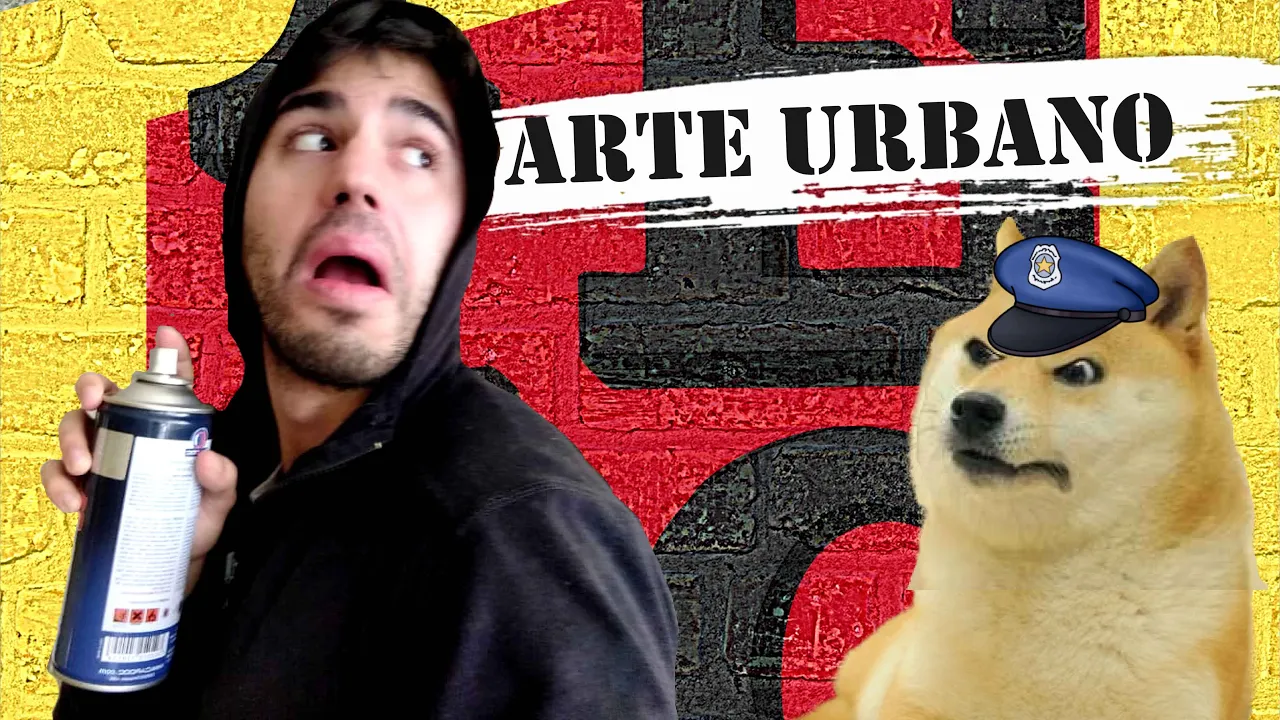

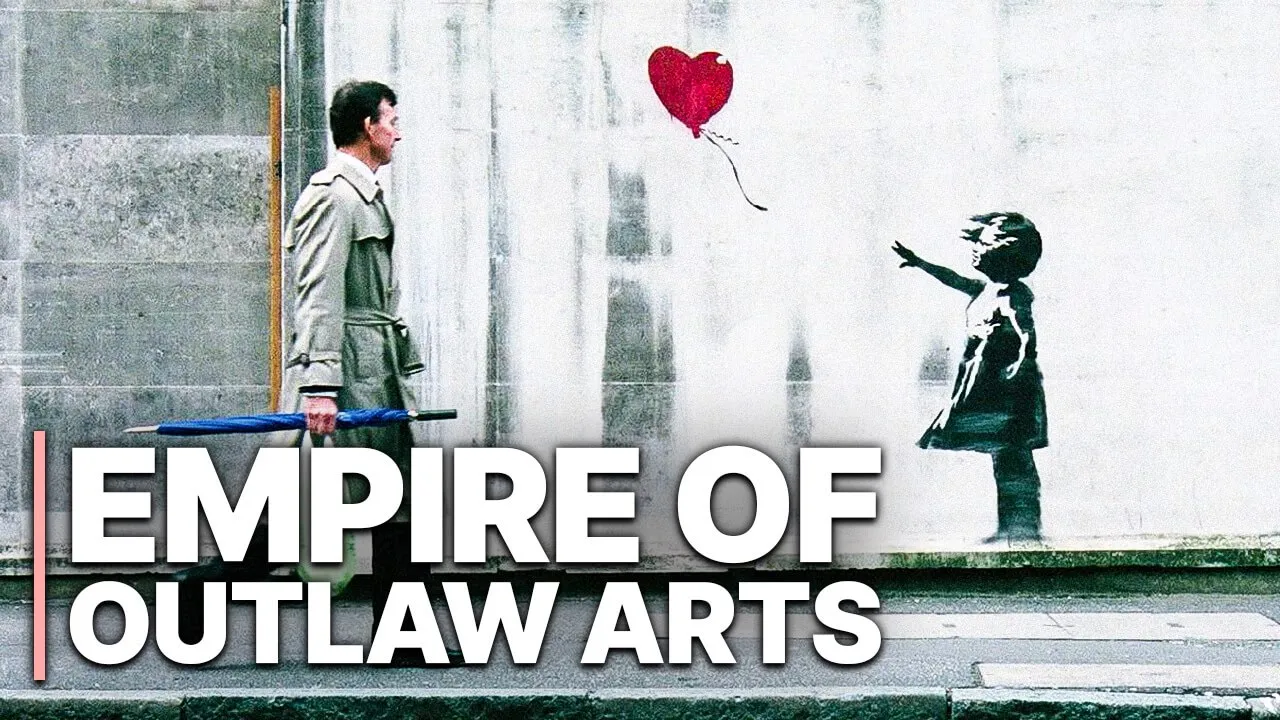


Street art is a broad general category describing any artwork created in public spaces, while graffiti is a specific letter-based art form with defined fundamentals including letter structure, spacing management, letter name weight, positioning, and flow; therefore, all graffiti technically falls under the umbrella of street art, but not all street art qualifies as graffiti.
Street Art vs Graffiti: Defining the Artistic Divide
Added:The historical distinction between public art and traditional gallery-based art.
Basic concepts of typography and letterform design, particularly how text can serve as an abstract visual medium.
The social and historical context of late 20th-century urban environments where modern graffiti culture emerged.
The fundamental legal and ethical definitions regarding public property, vandalism, and community space.
The evolution of graffiti subgenres and specialized terminology, such as tagging, throw-ups, and wildstyle.
The socio-economic impacts of street art, including its role in gentrification, municipal marketing, and urban renewal.
Intellectual property and copyright laws as they apply to unsanctioned art in public spaces.
The commercialization of street art and its integration into the high-art market, exemplified by artists like Banksy and Keith Haring.
4.5K views171likes5:30Original Release: 2024-01-06
in the graffiti Community there's a topic that gets commonly brought up every so often the topic of street art versus graffiti often times when this happens the two are pitted against one another what if I told you street art isn't a category of Art in the way that you might think it is you see in the graffiti Community when people say the term street art often times what they mean is any art in the streets that isn't letters this is normally what people mean when they're having casual conversations and this works out just fine because everyone who is having the conversation can get an image in their head when you refer to street art in this way it allows people to follow the conversation a little bit easier however when the conversations get a slight bit more technical anything beyond just the surface level it becomes clear that that definition no longer works and the issue is simple graffiti defines a specific art form as to where street art doesn't after having a talk with Webster dictionary we came to the conclusion that modern graffiti tags throes and pieces are improperly defined by the current definitions as not all graffiti is illegal on walls or scratched into surfaces for example when you go ahead and do some graffiti in your book you see like many words out there the term graffti can mean different things based on the context of the conversation and we agreed that modern graffti is best defined as a letter-based artart form similar to typography script calligraphy so on and so forth now let me be clear that doesn't mean the other definitions of graffiti are wrong but when we're talking about the context of graffiti as an art form those definitions don't accurately describe what Graffiti's become so now when we look at street art we quickly realize that the term doesn't describe what was painted the term itself doesn't tell us the art it's fundamentals or how it looks for that matter we only know where it is the issue here is technique or how you go about your creative process and how you use the tools that your disposal doesn't Define an art form so for all we know it could be a cartoon character on a wall or it could be a realistic portrait it could be a landscape it can just be something abstract and as a result of this the term street art is more similar to the term Renaissance where these terms describe points in time places or general art movements just like street art the term Renaissance doesn't really tell us what was painted it doesn't describe or Define the the first or second pillars we only know it was painted between the 15th and 16th century or the 14th to 17th century now here's where things get a little bit confusing because graffiti is also an art movement so what's the difference between graffiti being an art movement and something like Renaissance or street art being an art movement over the whole lifespan of Art in general many art forms have come into existence and they begun as art movements art forms such as cubism serialism impressionism graffiti these are all forms of art but they're also art movements however unlike Renaissance and street art we can map out an actual fundamental set for each of those previously mentioned art forms and that's the key difference right there the fact that these specific art movements have a fundamental set associated with them that defines the actual form of Art and on top of that and this is a really important point is that we can actually map out how the elements of art function within the constraints of the art form specific fundamentals for each one of those art forms it's important that you're able to do both it's important that the term describes not only a fundamental set but also describes how the elements of art function within that fundamental set and that's not possible to do with terms like street art and Renaissance where Renaissance you can kind of get a vague idea as to how the elements of art might be performing and how they're utilized but you're not really getting an idea of the art form specific fundamentals and as a result you can't describe what was painted as the term Renaissance is more so describing a period of time in which art was being created and very similarly with street art where with street art you can kind of get a general idea as to what the elements of art might be doing but you still don't have a fundamental set to describe exactly what was painted so now that we got that out of the way and clear it up this puts us in an interesting position because now we understand that street art is a more General art term and that means that any graffiti in the streets technically falls under the umbrella category of street art but not all street art is graffiti so if graffiti out in the streets is technically street art then why do graffiti artists and Street artists alike make the distinction between the two with terms like street art versus graffiti and the answer is simple because the term graffiti defines a specific set of fundamentals letter structure next Space Management letter name weight letter name positioning and flow the term graffiti becomes a little bit more descriptive and as a result when you're speaking casually between people the term graffi is able to be used in order to kind of put an image in people's heads so you can kind of extract graffiti out of the umbrella of street art when having this conversation and just have all of the other artart forms that would fit under street art still contained within street art making it easy to talk about the two it also helps that graffiti largely takes place in the streets and is associated with that as whether other art forms that fall under street art like cartoons portraits so on and so forth they're not really associated with being in the streets as much as they are being just defined art forms and that only makes the separation of graffiti from the rest of those things a lot easier to do so that's pretty much the differences between street art and graffiti street art is a more General art movement art category and graffiti fits within that and describes something a little bit more specific that's the basic breakdown behind this either way they're both awesome so let me know which one you enjoy doing in the comments down below now check it out if you're loaring graffiti and you're kind of struggling with the process a little lost and confused we just came out with the ultimate graffiti guide book it's a comprehensive guide to Graffiti teaches you all Graffiti's fundamentals and I think it'll really help you out especially if you're picking up graffiti you can find a link to it in the description down below and if you want to check out the best how do graffiti playlist anywhere online we got that right up here for you with more graffiti content right down here but with that said I've been John Grim subscribed if you learned something I'll catch you guys back here next week
Up Next
14:42
Basquiat, Fab 5 Freddy & Patti Astor: Graffiti Art History | MOCA
@MOCA
577.6K views•2012-12-27
60:59
The Mathematics of Perspective in Renaissance Art and Modern Applications with Sarah Hart
@GreshamCollege
29.8K views•2021-10-25
7:48
Ukiyo-e Art: History, Woodblock Printing & Influence
@japanathand
6.3K views•2023-06-08

16:34
Earliest Depictions of Jesus in Art: 10 Ancient Images Explained
@UsefulCharts
5.9M views•2022-06-03
Related Study Plans & Knowledge Roadmaps
Structured learning paths in Art History
art-history
Vienna Secession: Rebellion, Klimt & Schiele
01Fin-de-Siècle Vienna & Academic Historicism
02The Secession Movement & Klimt's Decorative Symbolism
03Gesamtkunstwerk & the Wiener Werkstätte
+ 2 more learning modules
9h5 modules
Explore Roadmap
art-history
Gothic Cathedrals: Engineering, Light & Society
01The Birth of the Gothic: Romanesque to Suger's Vision
02The Structural Triad: Pointed Arches, Ribbed Vaults, and Flying Buttresses
03Theology of Light: Lux Nova and Sacred Geometry
+ 2 more learning modules
14h5 modules
Explore Roadmap
art-history
Pre-Raphaelites: Realism, Symbolism & Critique
01The Victorian Art Establishment and Academic Formula
02The Founding of the PRB and Radical Realism
03Medieval Revivalism and Literary Symbolism
+ 1 more learning modules
8h4 modules
Explore Roadmap
art-history
Street Art: From Subways to Art Market
01Subcultural Origins in Philadelphia and New York (1970s)
02The Subway Era and Style Wars (Late 1970s - 1980s)
03The East Village Scene and Early Gallery Crossover
+ 2 more learning modules
10h5 modules
Explore Roadmap