


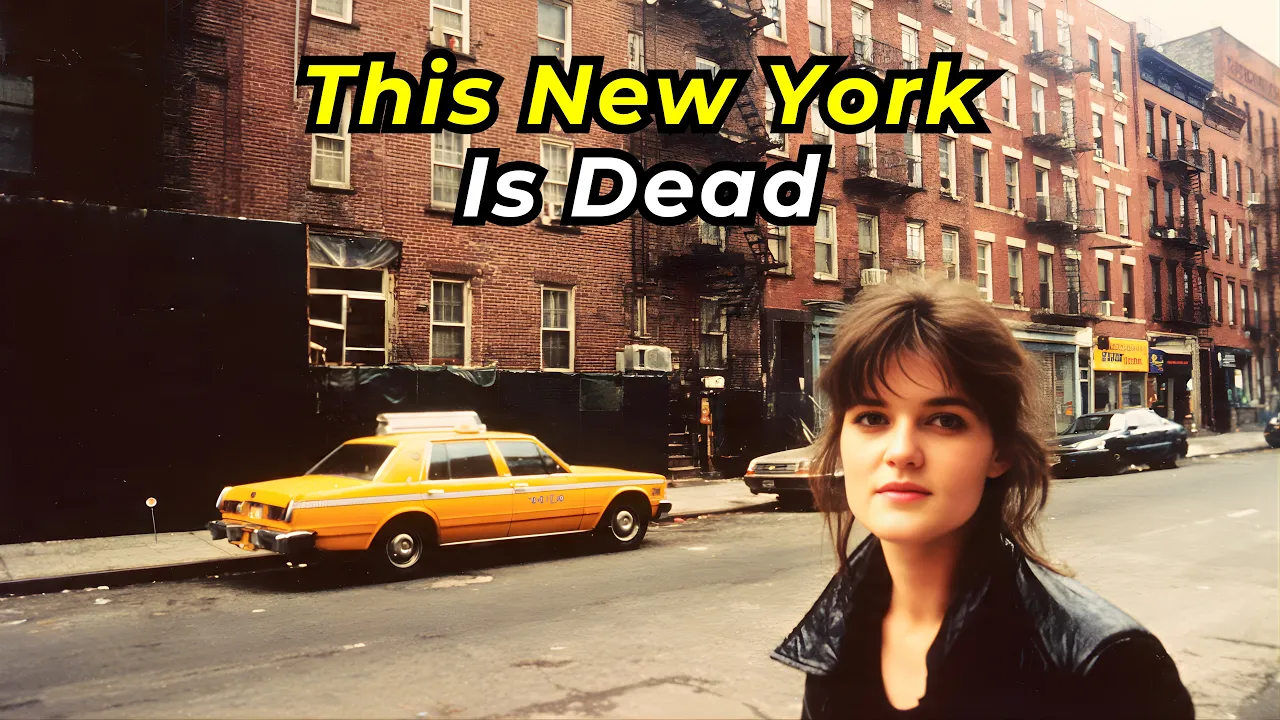


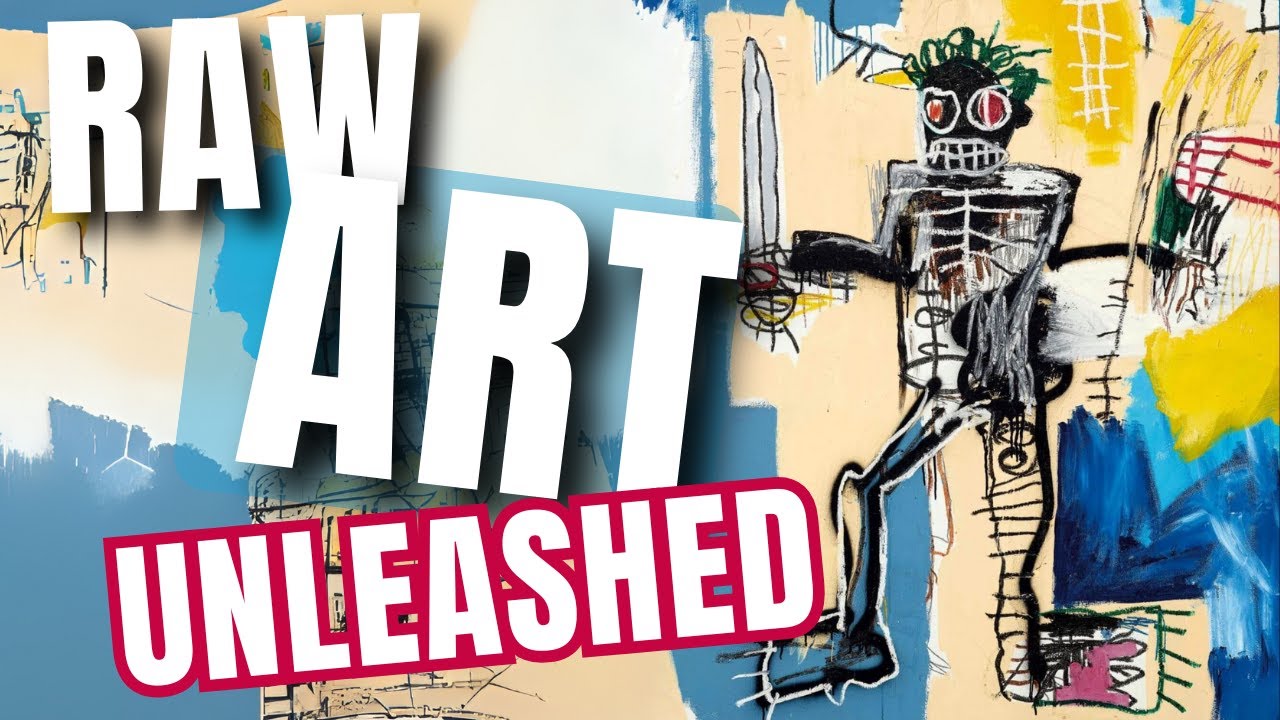

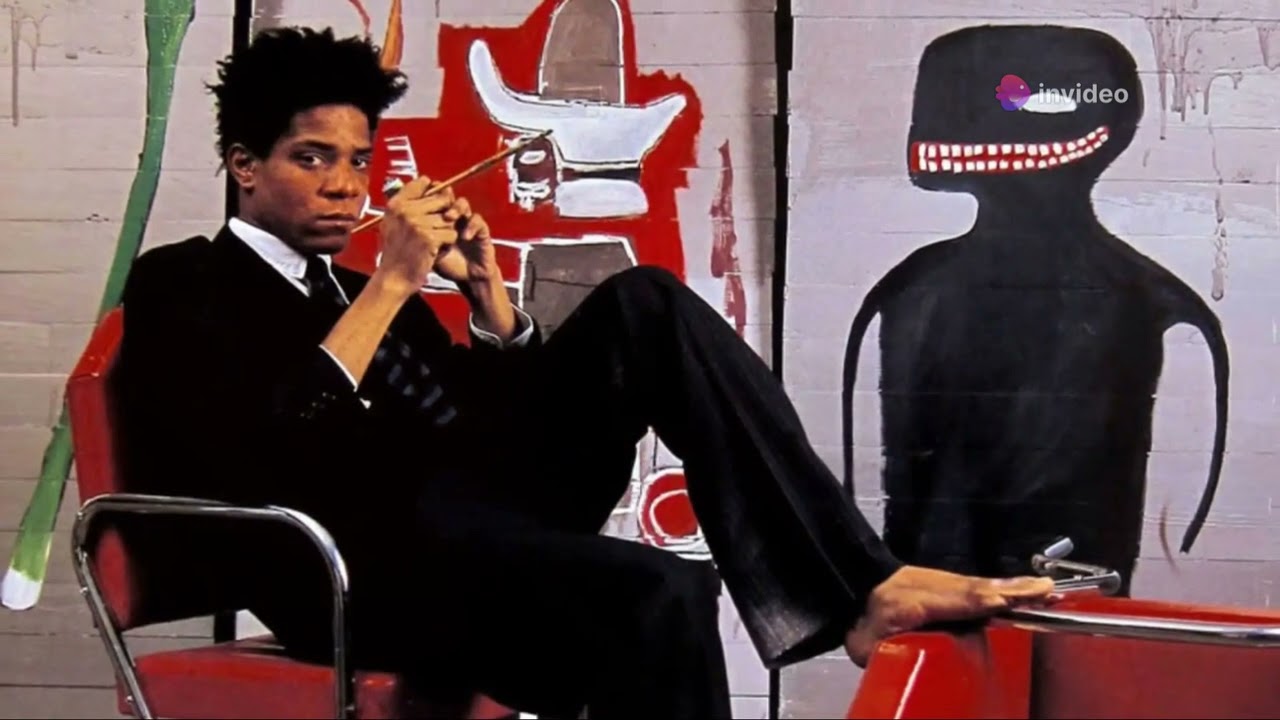














The Fun Gallery, founded in 1981 by Bill and Patti Astor in New York's East Village, played a pivotal role in legitimizing graffiti as mainstream contemporary art by showcasing individual graffiti artists like Fab 5 Freddy and Jean Michel Basquiat in solo exhibitions, thereby bridging the gap between street culture and the art world and demonstrating that graffiti could be appreciated as serious artistic expression rather than mere vandalism.
Basquiat, Fab 5 Freddy & Patti Astor: Graffiti Art History | MOCA
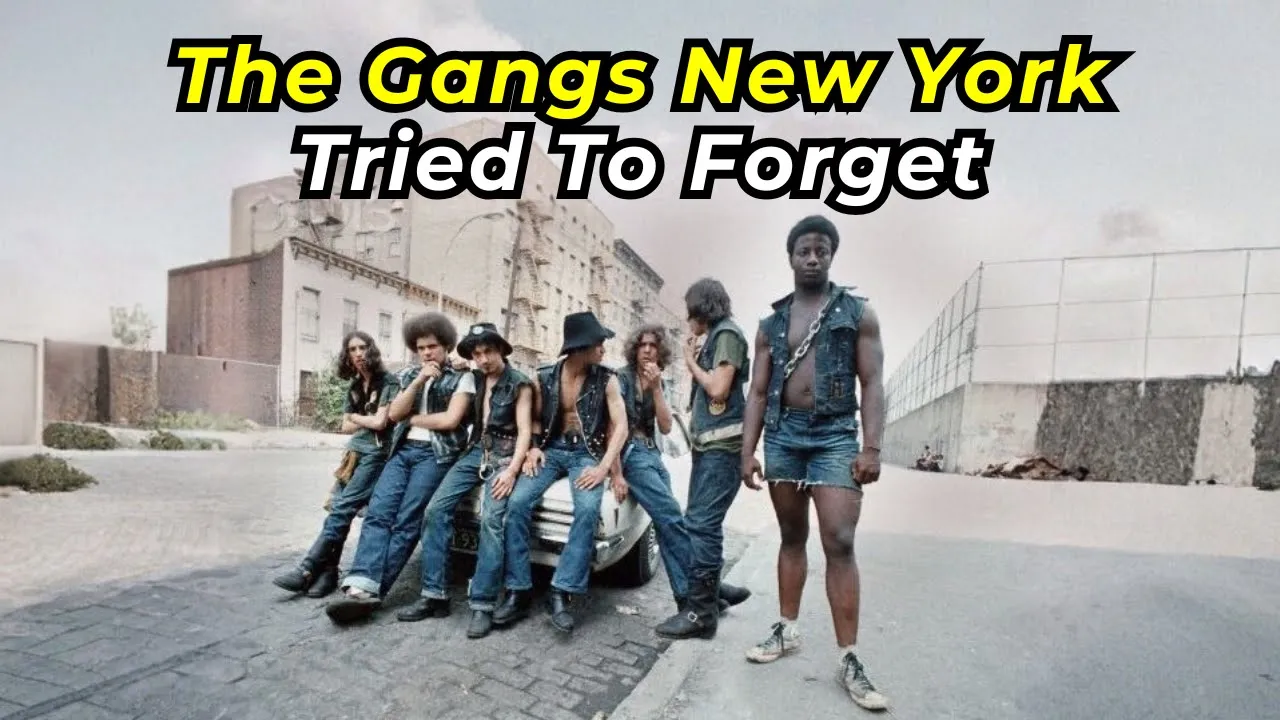
Added:The origins of modern graffiti and subway art in 1970s New York City, including its roots in early hip-hop culture.
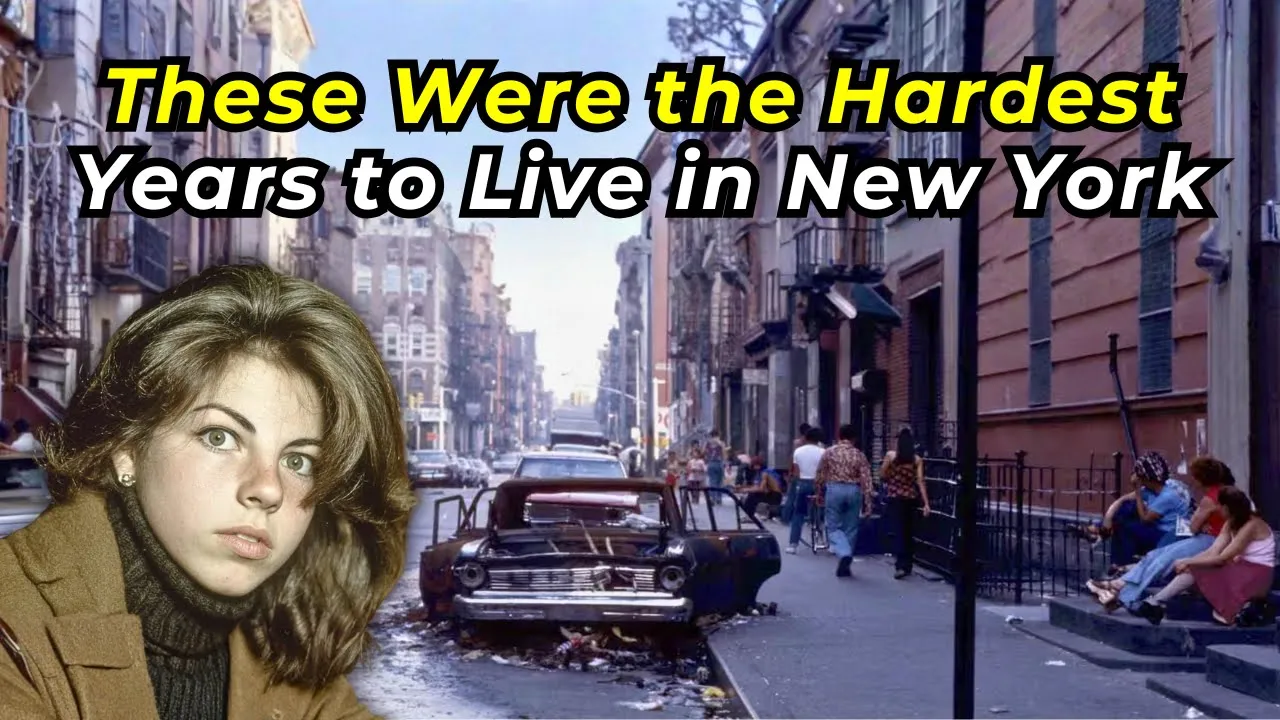
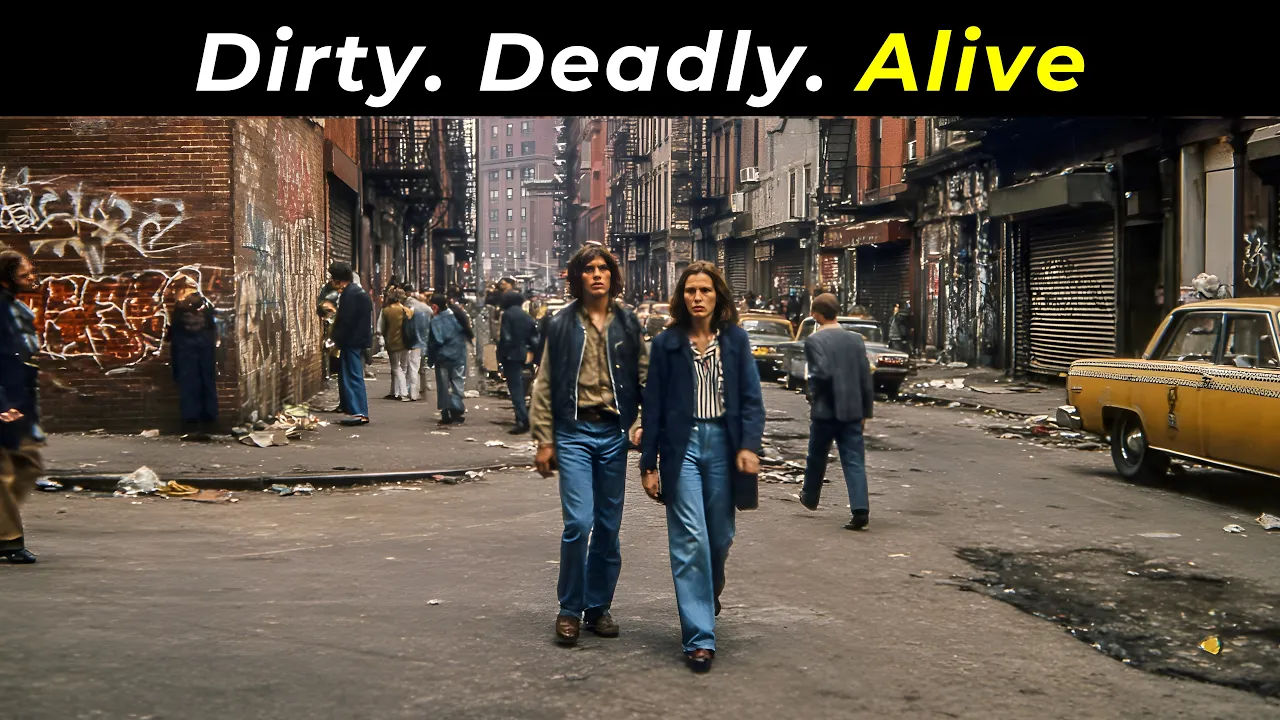
The socio-economic landscape of New York City in the late 1970s and early 1980s, particularly the contrast between the decay of the South Bronx and the rising art scene of Soho and the East Village.
The core concepts of Neo-Expressionism, a style of late-modernist painting that re-introduced intense subjectivity and rough, raw brushwork.
The traditional structure and function of the fine art market, including the roles of galleries, curators, and collectors in validating artistic movements.
The subsequent evolution of graffiti into global 'Street Art' and the careers of later artists like Keith Haring, Banksy, and Shepard Fairey.
The ethical, legal, and artistic debates surrounding the relocation of public, unsanctioned art into private, commercial galleries.
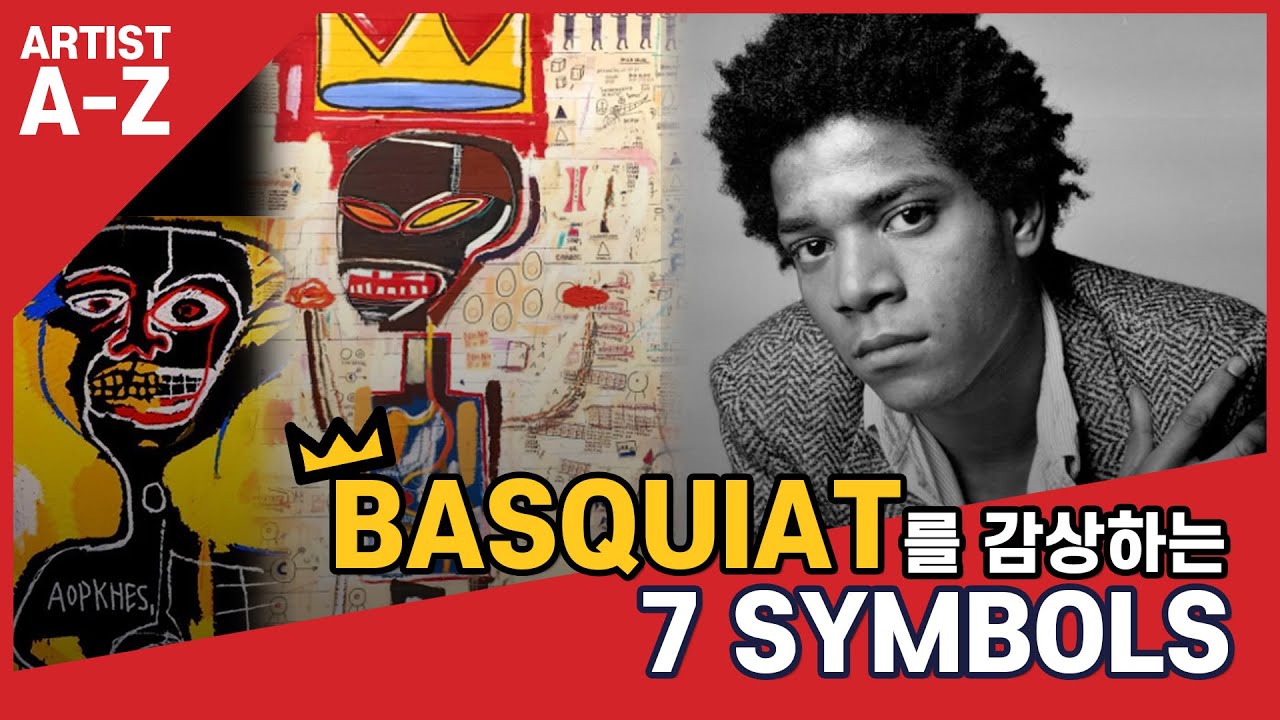
A deep-dive critical study of Jean-Michel Basquiat's specific artistic motifs, such as his use of crowns, anatomy, historical figures, and social critique.
The role of pioneer gallerist Patti Astor and her landmark Fun Gallery in establishing the cultural bridge between uptown graffiti writers and downtown art society.
The impact of the commodification of urban subcultures on local communities, gentrification, and the preservation of ephemeral public art.
577.6K views10.5Klikes14:42Original Release: 2012-12-27
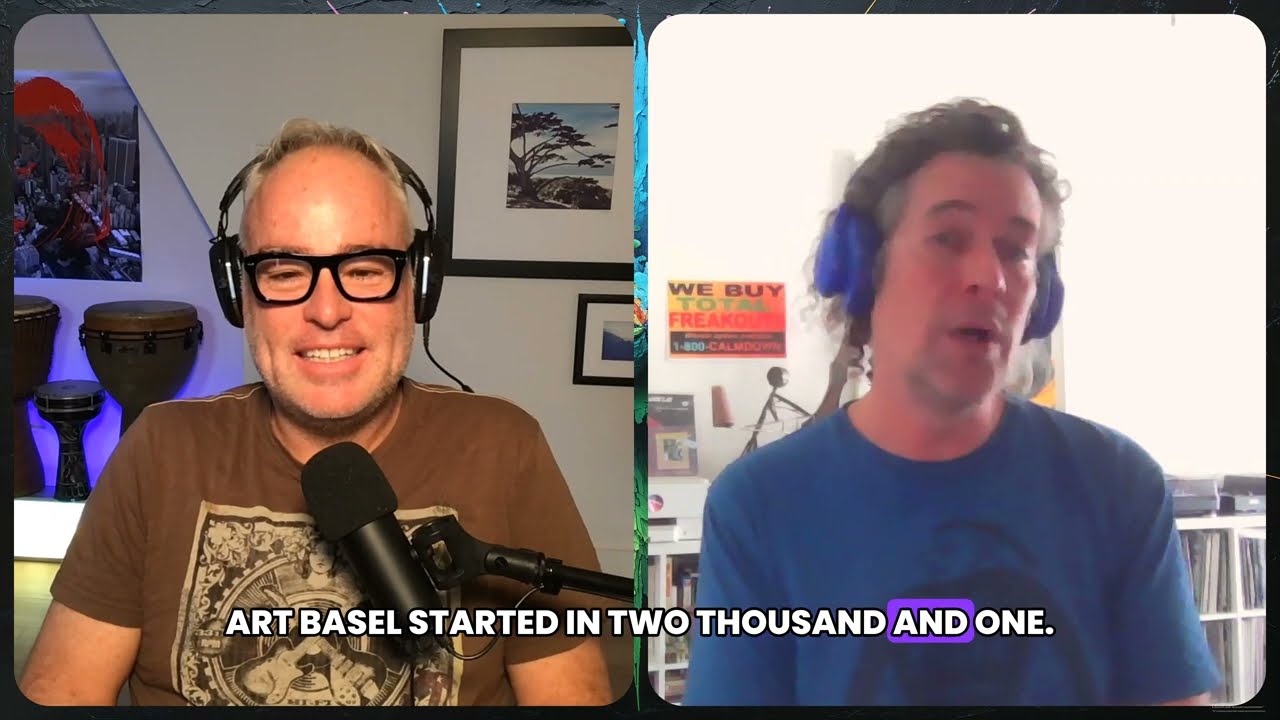
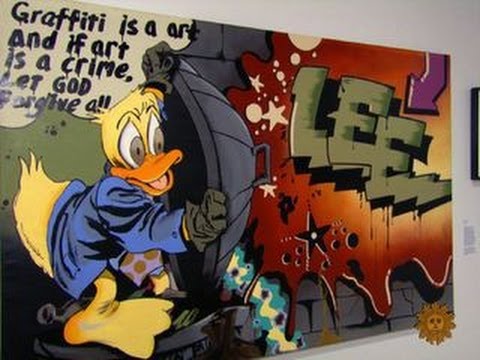
the fun Gallery was begun in 1981 by Bill in and the Underground movie actress Patty Aster while acting in the movie Wild Style Patty met Graffiti Writers like Fab Five Freddy and the fun Gallery soon became a top showcase for the best in graffiti from Manhattan and Brooklyn how how did you get uh involved with graffiti coming down to the East Village and I was looking at the stuff on the trains and I just I met them at parties and what you thought it was the most interesting art going or the art that had the greatest potential um well no I just thought they were good artists I know a lot of good artists and I thought they were good artists too I never really distinguished between graffiti and art really would would you consider graffiti a mainstream art or mainstream culture well I don't understand what's the difference between mainstream I mean just like the gallery I never wanted to be considered an alternative space I don't understand really the meaning of that word I think that it could be it can be appreciated by just about anybody we've had shows all over the world and um a lot of very I mean some of these paintings in this show here have already been sold to Banks to put in their corporate headquarters like this one um and I think that a lot of people see a lot of people when they are known a lot as a graffiti Gallery although I think as our other artists are starting to get more well known that's changing um because I never really s to be a graffiti gallery or marketed as graffiti at all it's just art and I think that a lot of people when they come down we finally get them down to the gallery and do a little education um they're very surprised by what they see when they get here because they're just expecting a big bunch of throwups or something like what you see on the train I think if you have something worthwhile to offer you're going to outlast any Trend and that's one reason why I've always tried to as I said again um just present this just as art because I want I think that um it's a big responsibility to tell someone that you think they can be an artist and support them and I'm not don't have no intention of having these guys um you know left in the Lurch after 2 years I think that there's a lot of people around that have every intention of doing that they don't care and um just as I said there's good artists and there's bad artists the good ones will last and Prevail um we were the first gallery to um show individual artists from graffiti in individual shows to different that it's not just like graffiti there's individual people who are artists who have very individual styles that are doing that and we were the first gallery to give them oneman show so that people could see um their individual Styles my name is actually Fred brawe but all my friends call me Fab Five Freddy that that referred to five graffiti artist well mainly the Lexington Avenue number five train which the Fab Five mainly lead doc mono and slave and slug made famous for doing elaborate um you know trains so whole cars I haven't done any graffiti since um early 1980 basically what I do now is just uh produce and produce and produce you know paintings um stuff like that what what's the difference of doing it on trains and doing it on canvas um you can't do graffiti on canvas unless you're doing it in an illegal context graffiti is is illegal it's a crime and um it's like it's like it's like a teenage Street activity in New York which is really wholesome it's like baseball stickball punch tag you know ring Olivia it's a street game particularly what I see myself and my fellow artists that show had the fun Gallery mainly dandi Zephyr and Futura 2000 what we do is uh really a lot different from what we've done or what we basically people just like to throw the word graffiti around because of course it's it sounds like you know illegal Robin Hood or whatever but it's not about that for us you know well basically what I'm doing with this show is uh it's uh what I call still life's in space you know basically paintings that I wanted to make for a long time but didn't have time to make them because I just was you know I did a movie Wild Style and I make I made a couple of Records but um it just came out in about two weeks of painting this is John Michelle bosia a Brooklyn Born 23 year-old of Haitian Puerto Rican descent whose rapid rise from Street graffiti artists to International art figure has been one of the cultural wonders of the 1980s in 1982 the prolific bosia seemed to be an every group show on expressionism had solo exhibitions at Major galleries in SoHo Zurich and Los Angeles and still had the energy to produce this large show at the Fun Gallery in New York's East Village the fun gallery specializes in graffiti art and basia's exhibition was a special event that demonstrates that he still identifies with his unique artistic Roots graffiti artists expressed themselves by quickly drawing words and pictures on public walls and although he has moved to paint on canvas bosia has maintained a similar spontaneous approach with little inhibition the self-taught artist splashes paint draws crosses out and raws again this work is called Jawbone of an ass and it has basia's familiar mix of words pictures and Abstract brush work his crude images like this carnivorous bird may seem naive but they reveal basic truths and are filled with knowing humor on the upper left bosia has crossed out the words rodan's thinker and has painted a contemplative black youth in a ghetto hat in the center is a list of names mostly from ancient history in simple block letters bosia has written Alexandria Hector and Aristophanes names which not only connote glories of the past but also remind us of school and our own inculturation some names have been crossed out or deliberately misspelled and when we read the names we can almost hear their sound bosia creates concrete poetry and his art has been reproduced in literary Publications like the Paris review we asked bosia about the words in his paintings where did the the words come from I um real life books television yeah and you you just skim them and uh start including no when I'm working I hear them you know and I just throw them down oh yeah well I mean things like Punic Wars I remember that was in one of your oh that was from uh a a guide book on Roman history and uh you you had been uh reading it and uh well it was not it wasn't that long that Natural History part of it it's like you know history of Roman five pages you know yeah and and and so you snatched a few words from it yeah I snatched them you know they they caught your they caught my eye you know and I took them this painting is another mix of loosely connected notations with words and pictures bosia plays with the basic theme of anatomy and the human body showing his street smarts he has named this painting Da Vinci's greatest hits an illusion to Leonardo's famous Anatomy studies at the Royal Library at Windsor Castle one body part that bosia seems especially fond of is the foot and this painting is filled with disarming fresh drawings of feet seen from every direction bosia learns about Anatomy by studying traditional art and in the upper right corner there is a reference to the return of the product son and a drawing of the son's leg as he kneels to beg his father's forgiveness on the left side of the canvas is some abstract brush work and below that is a huge leg the red blue and black lines remind us of diagrams on medical charts the distortions of the foot are especially gross and seem influenced by another childlike artist Picasso below the foot a man works on a railroad hammering spikes is hard work and it is no wonder this man has a muscular torso a torso has shoulder blades ribs and a spine as we can see in this carefully labeled anatomical drawing by focusing on Anatomy bosia resurrects a basic mode of art that anyone can relate to this painting is filled with cleverly drawn pictorial references and it is funny smart expressionistic satire about his interest in anatomy I wanted to do some anatom stuff uh and then I went out and bought some books that were about anatomy and then you started imitating well not really imitating cuz you know but I I I used them as a as a source material yeah so why' you want to do Anatomy stuffff cuz I felt like it un CU you felt like it or just uh becoming conscious of your own body no no just U just just for for more more academic references to just suppose them with what I do normally yeah and what do you what do you say you do normally that you're the I guess I guess my first instinct would be to do a head here on quilted bedding material painted a bright yellow and tied to a wooden frame is the expressive face of a black man bosia knows black culture and this unstretched canvas depicts the black middleweight boxing champion Sugar Ray Robinson complete with a crown like those used in graffiti signature tags graffiti artists draw their images on any surface and for bosia this has resulted in an event of attitude towards the traditional stretch canvas this canvas has become a hotel with 200 rooms and it is named after two flea bag hotels and a fancy one on Fifth Avenue this three-part painting is all about food and we can again see the playful way bosia expresses a basic theme with deceptively simple drawings and words to the left he has written swine and poultry slightly atypical Words which seem to imply a double un Tandra since a chicken lays eggs it's worth dollars so it is not surprising that this crudely drawn chicken looks frightened off to the right is some pork dressed in a top hat and monacle bosia probably copied this picture from a comic book or animated cartoon the pig may look sophisticated but he better not forget that he's 100% pure meat and that means he's worth money when we visited bosa's downtown Studio we talked about the content of one of his recent canvases and gain new insight into the way this amazing young artist fuses far-flung imagery into striking humorous expressive paintings let's just uh go go through what's what's this it's Pluto that's B based on a a drawing that was the first drawing of the Moon by Galileo oh and so this is actually an image of of the Moon there actually it's an image actually actually an image of the moon no it's based on a drawing of the moon but it's image of Pluto yeah this looks like an eye yeah yeah that's that's the that's the evil eye the volio oh and uh and Below there what what what's this down way that's a Roman belt buckle this this says parasites parasites yeah and uh what why' you what parasites meaning people no meaning meaning meaning parasites meaning parasites so so when you're when you're working on on this how this Roman bu bu Buckle how how did you decide to oh that's from a drawing of I did at the Metropolitan of Roman Bel Buckle that was bronze well and so you just decided you wanted to put a Roman belt buckle there and went to your drawing no I wanted to put a Roman Bel buckle on this panting right I had the idea to do it and then I went over way to metop museum and I just did the drawing of the Buckle and I came back with it and I put it right there oh well that's that's kind of a slow process I'm a slow person for
Up Next
11:41
Shepard Fairey: The Evolution of Street Art and Democratic Populism
@BrettNovakFilm
357.5K views•2014-05-31

114:18
Christian Iconography: History, Theology, and Meaning | Fr. Panayiotis Papageorgiou
@Trisagionfilms
58.8K views•2020-02-21
7:48
Ukiyo-e Art: History, Woodblock Printing & Influence
@japanathand
6.3K views•2023-06-08

16:34
Earliest Depictions of Jesus in Art: 10 Ancient Images Explained
@UsefulCharts
5.9M views•2022-06-03
Related Study Plans & Knowledge Roadmaps
Structured learning paths in Art History
art-history
Gothic Cathedrals: Engineering, Light & Society
01The Birth of the Gothic: Romanesque to Suger's Vision
02The Structural Triad: Pointed Arches, Ribbed Vaults, and Flying Buttresses
03Theology of Light: Lux Nova and Sacred Geometry
+ 2 more learning modules
14h5 modules
Explore Roadmap
art-history
Pre-Raphaelites: Realism, Symbolism & Critique
01The Victorian Art Establishment and Academic Formula
02The Founding of the PRB and Radical Realism
03Medieval Revivalism and Literary Symbolism
+ 1 more learning modules
8h4 modules
Explore Roadmap
art-history
Street Art: From Subways to Art Market
01Subcultural Origins in Philadelphia and New York (1970s)
02The Subway Era and Style Wars (Late 1970s - 1980s)
03The East Village Scene and Early Gallery Crossover
+ 2 more learning modules
10h5 modules
Explore Roadmap
art-history
Classic Maya Art: Iconography, Glyphs & Ritual
01Foundations of Classic Maya Visual Culture
02Deciphering Maya Hieroglyphs & Text-Image Integration
03Sacred Geography and Cosmological Architecture
+ 2 more learning modules
14h5 modules
Explore Roadmap