
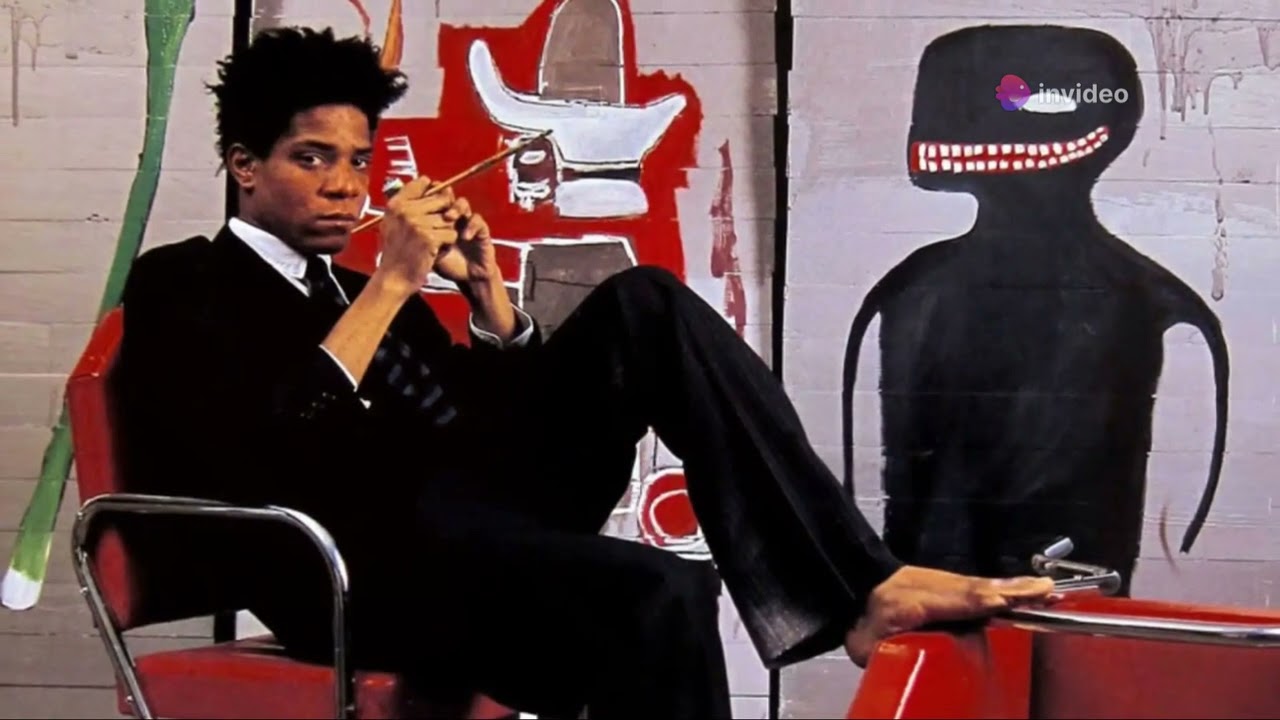
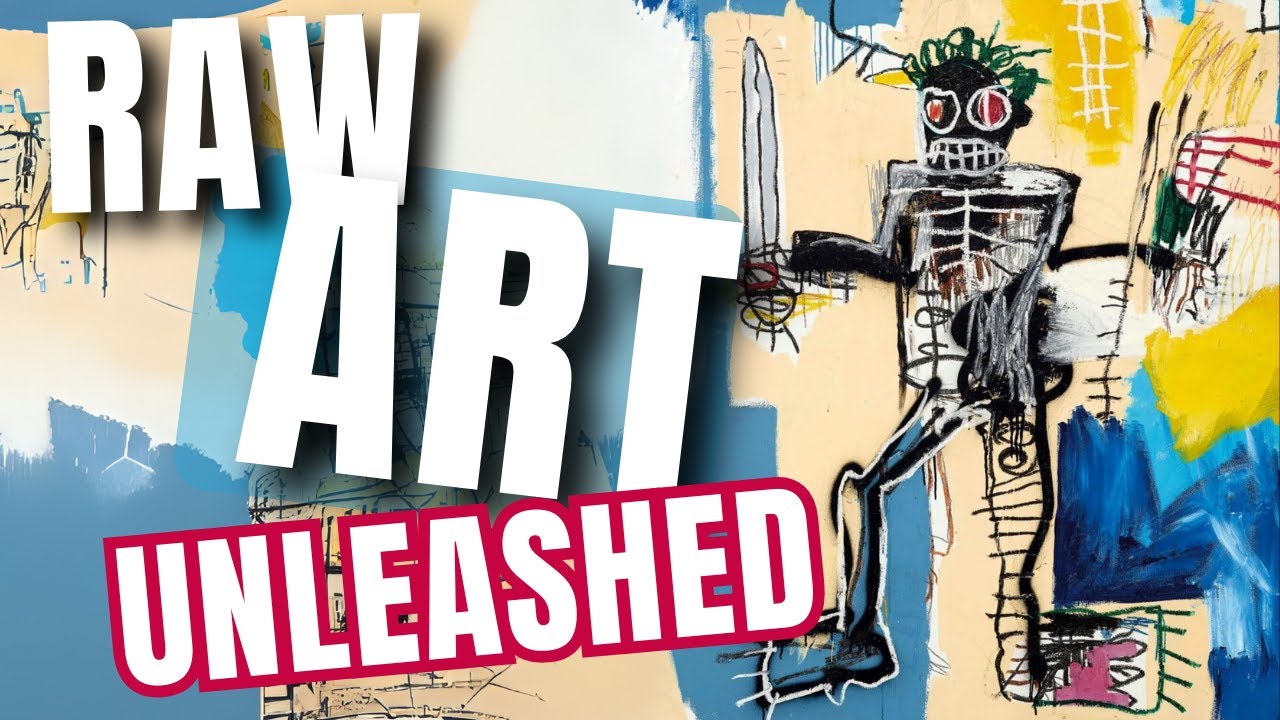











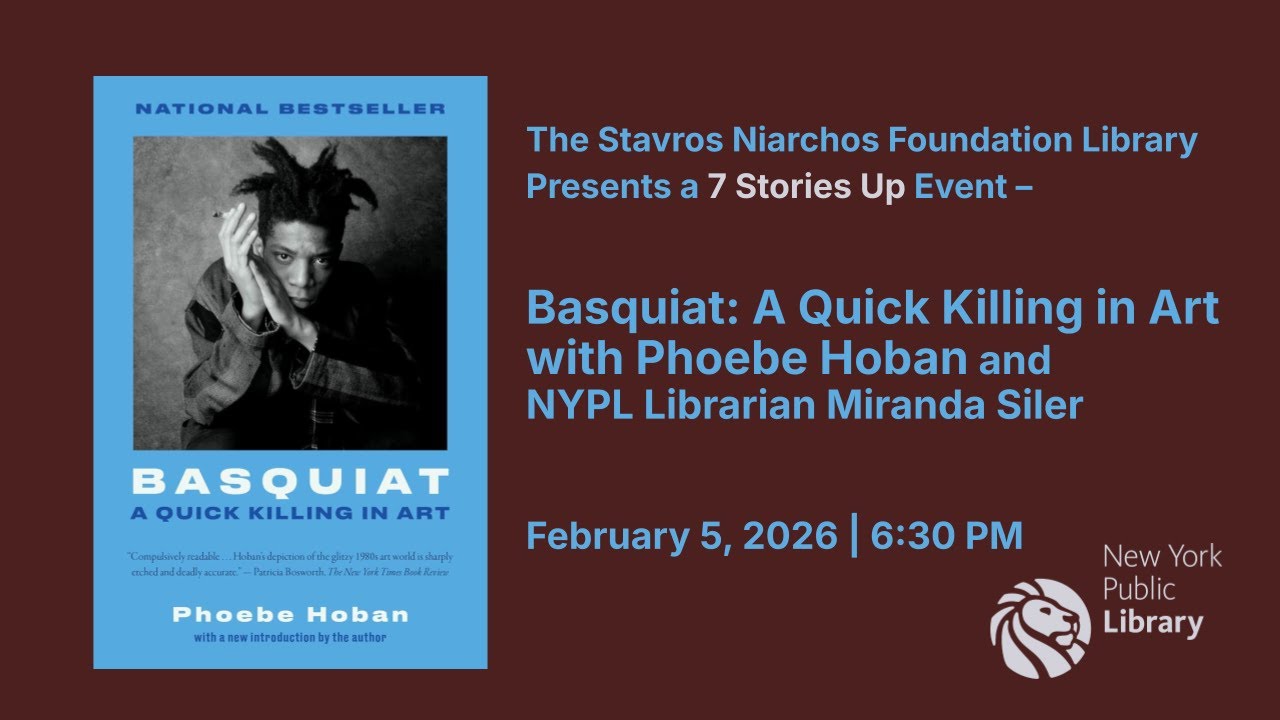
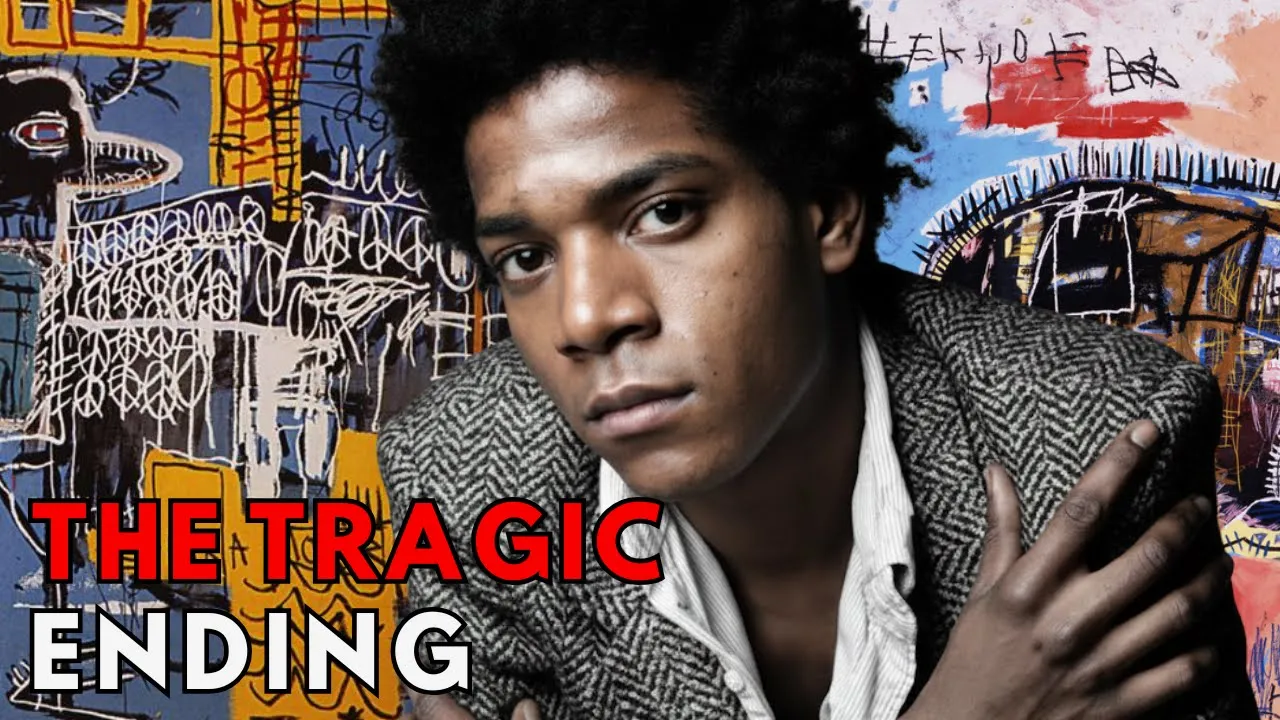


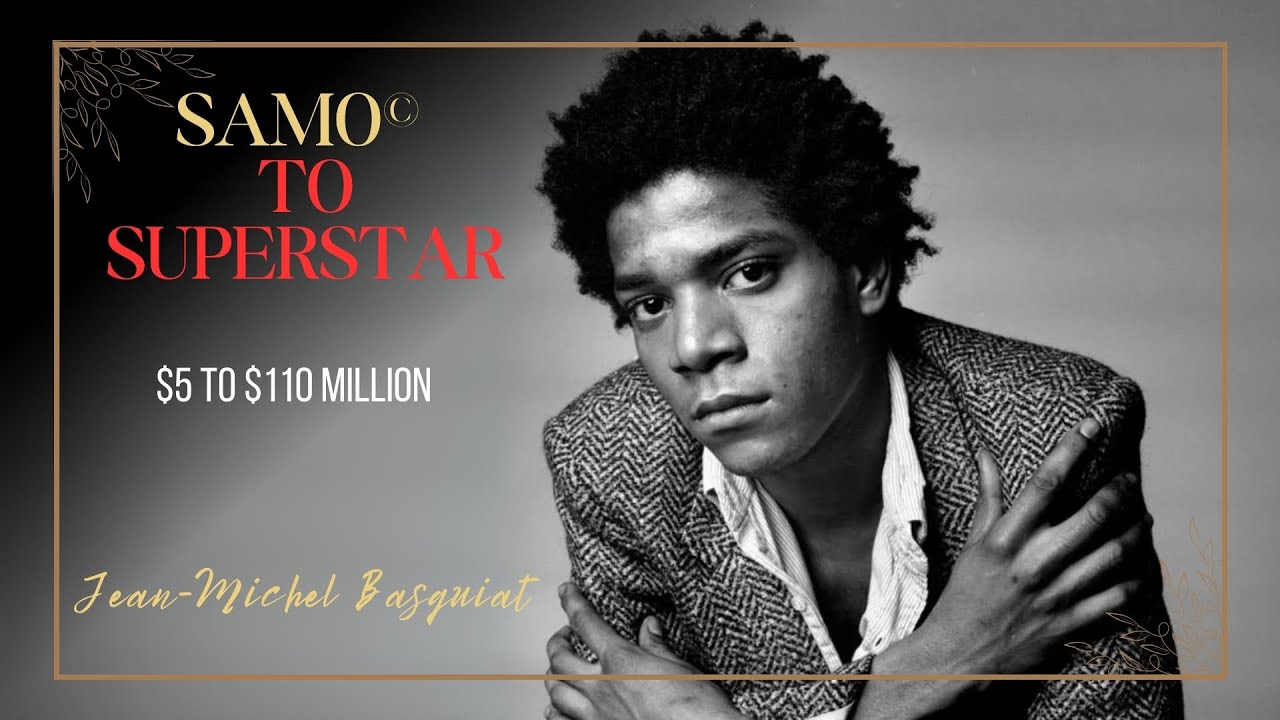





Jean-Michel Basquiat (1960-1988) was a revolutionary artist who transformed from a middle-class Brooklyn boy to an international superstar, despite dying at age 27 from a heroin overdose. Born to Puerto Rican and Haitian parents, he grew up cultured and multilingual but struggled with his mentally ill mother, leading his father to raise him strictly. After being expelled from school at 17, he adopted a homeless lifestyle and created the SAMO graffiti tag with Al Diaz in 1976, challenging the art world's exclusivity. His art, filled with skulls, anatomy, and political messages, was heavily influenced by Gray's Anatomy (which he read during a childhood car accident recovery) and brought street culture and rap-like remixing to fine art. Despite being criticized for inauthenticity and his heroin addiction, Basquiat's work sparked important conversations about race, history, and representation, making him one of the most influential artists of his generation.
Basquiat: The Polarizing Life and Art of an Icon
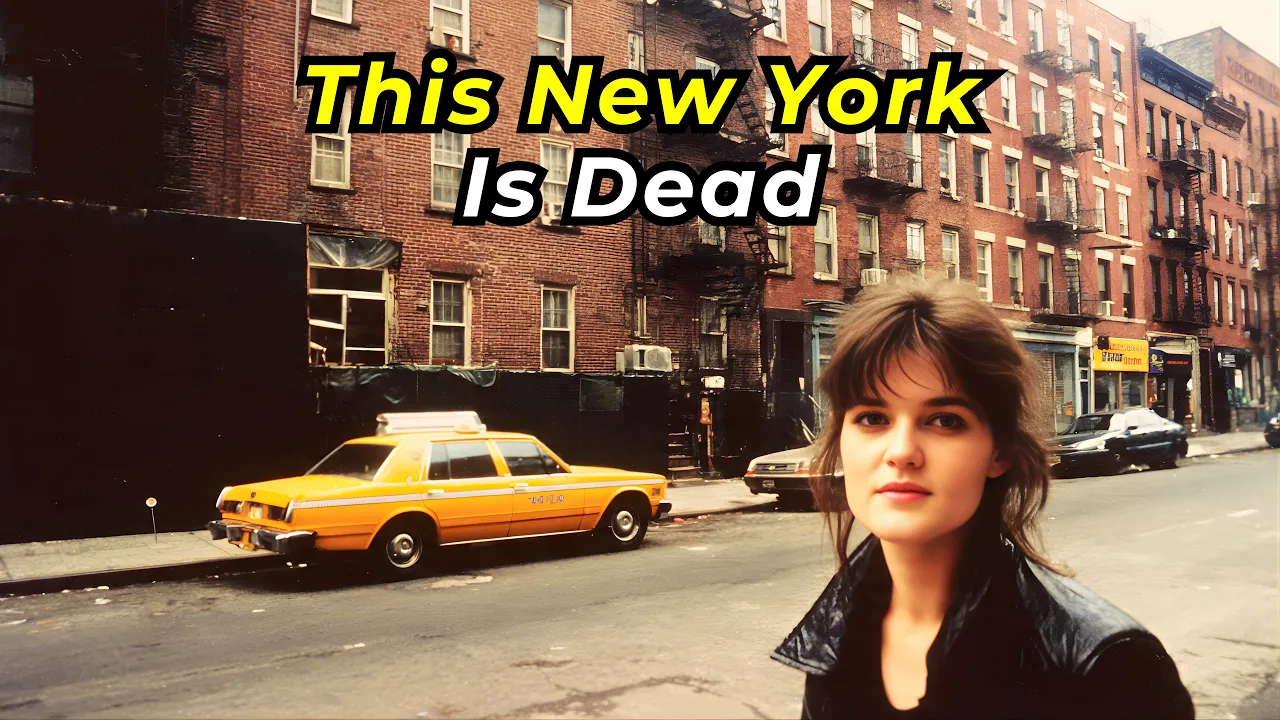
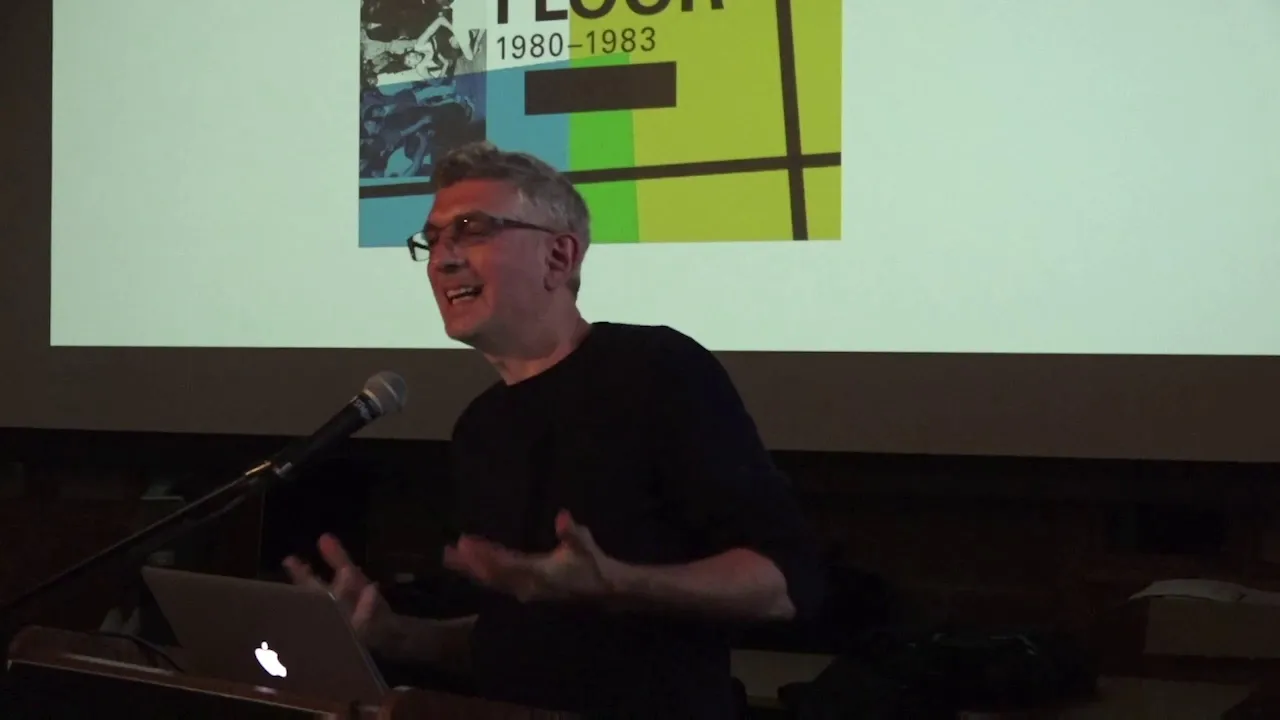
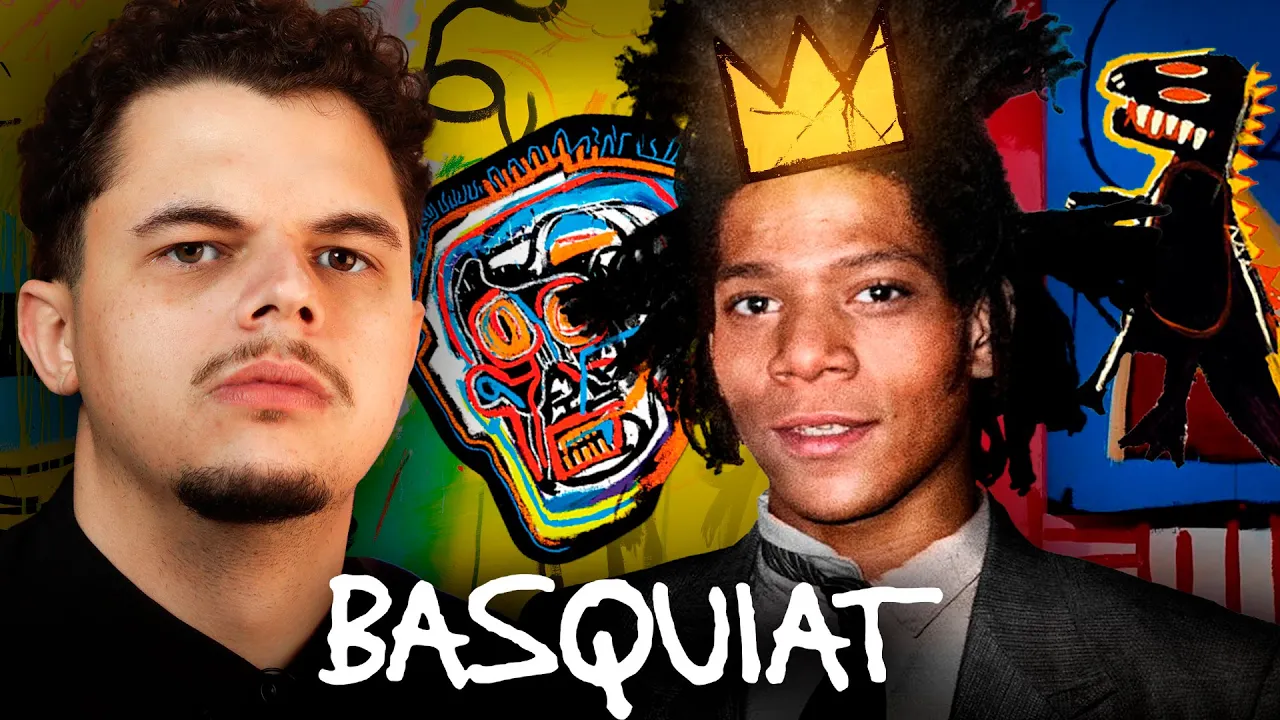
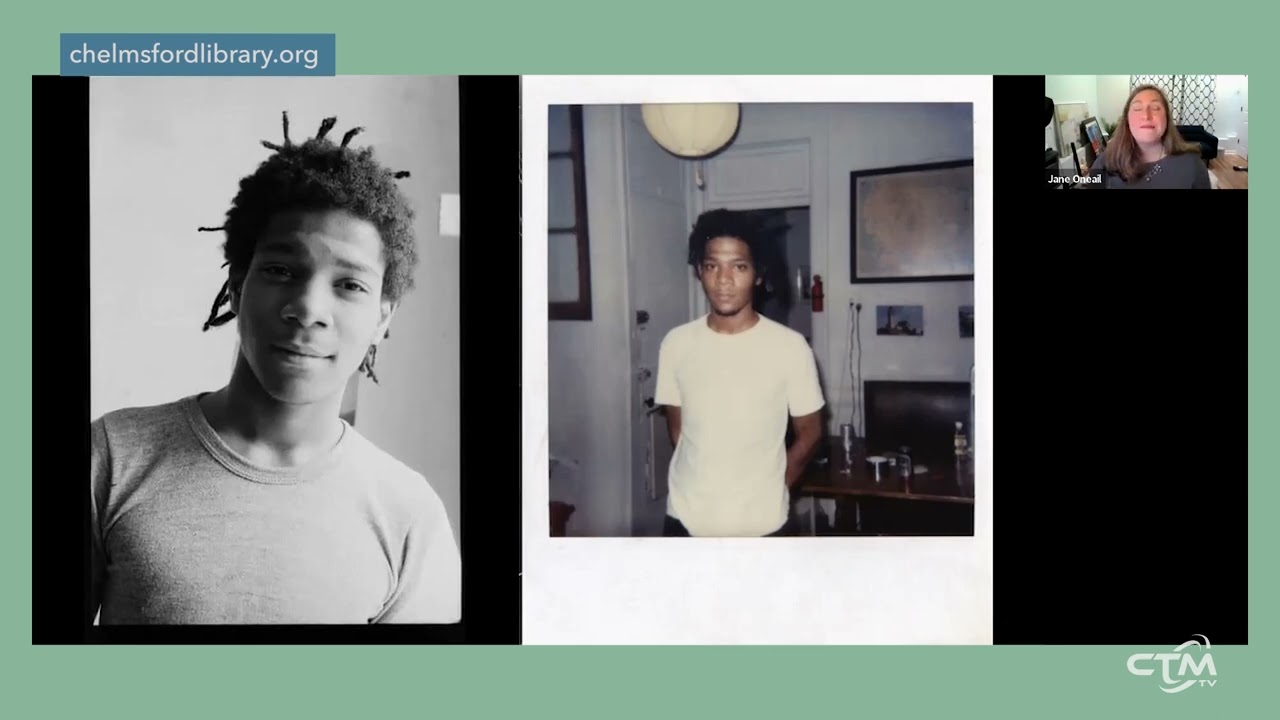
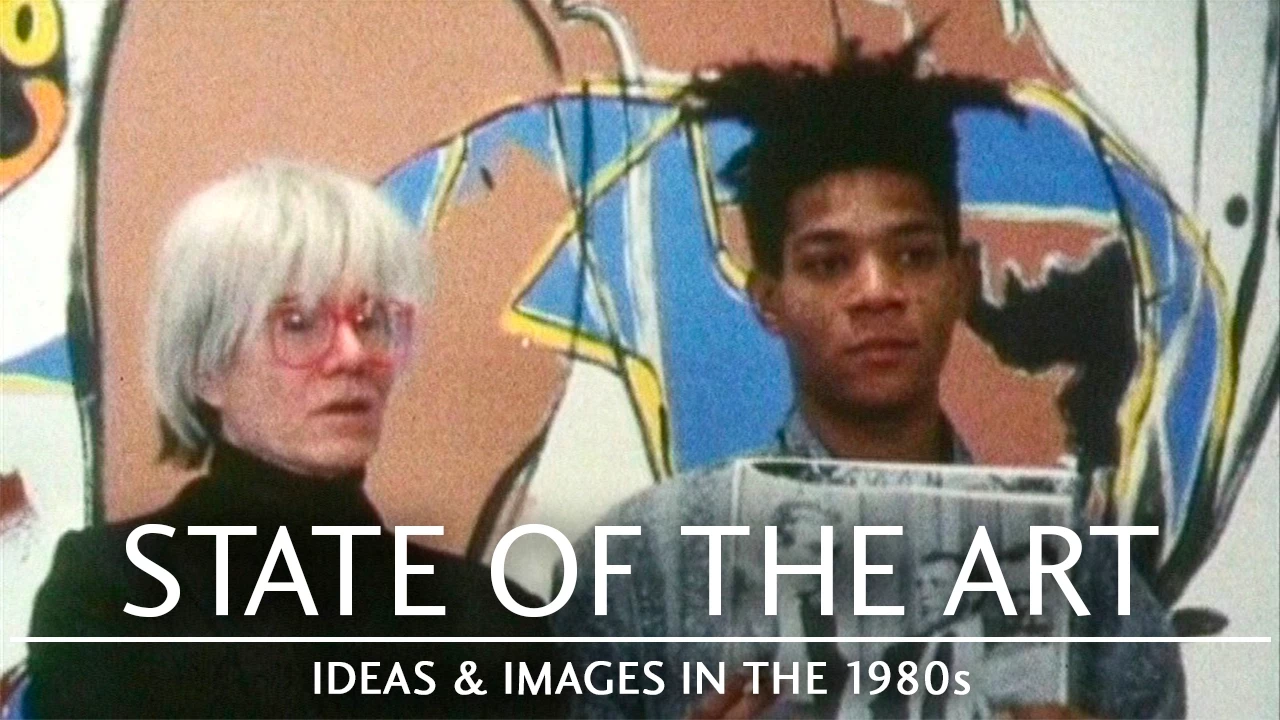
Added:Jean Michelle Basia God damn I love saying that name that's a beautiful name Jean Michelle Bas that's hot Miss Basia was one of the most famous artists to ever live and another taken at age 27 courtesy of heroin now I'm not an Art Expert nor an art critic so I want to talk about the man Basia more than the artist because I have to tell you when it comes to Jean Melle Basia and all on Hy pissed off man every video I see about him uses these fancy big words like precocious talking about his life was a cocktail of freedom and pain and him having a name that conjures up frenetic Scrolls him being a man who paints with enigmatic flurry what what the hell is even that why do people always do that when they talk about art did Chad GPD write this I probably did I think I solved the problem anyway it's so annoying wasn't basia's whole thing that he was disruptive that he channeled the streets that he made the art World less closed off and more accessible yeah yeah that that was his thing but then there's the fact that Jean M Basia himself he was not from the streets you merely adopted the dark Basia grew up with good education and was smart enough to know the street image would help him and he kind of was one of those phonies who thought it was cool to play runaway and be homeless and do drugs except uh the man he wasn't just addicted ain't addicted I'm committed he really dedicated himself to that life to that personality he imagined for himself and with the help of drugs lots of drugs he completely reinvented himself so let's talk about [Music] thatan Michelle Bia was born on December 22nd 1960 in Brooklyn his parents were mati Andre Basia and J Basia and if the names were in the de giveaway already they were not born in the USA mati was from Puerto Rico and gerar was from hati now since we're talking about America in the 60s remember that that's the same decade that this happened I have a dream fight the power fight America was a nightmare for a black woman from Puerto Rico and a black guy from hati at this time but still better than the troubled American colony Puerto Rico and hati was undergoing a bloody Revolution at the time so the parents they brought a lot of politics from other countries and an awareness of the struggle they had experienced to America into their son's life when Jean Michelle Basia was just young despite that Papa gerar BAS made it work in New York in hati he was born into a lawyer family and he used that education to work his way up as an accountant in the big racist Apple to build a middle class home for his wife and their three kids so Jean Melle Basia he grew up cultured ambitious middle class not the type of money where you get to attend the fanciest art school but the type of money where you get to attend a fancy Art Museum you get me bro so no attending fancy classical music jazz concerts but listening to a lot of classical music and Jazz at home cultured ambitious middle class and because of his parents background Jean Michelle also spoke and brot in English French and Spanish by the age of four so Basia was a sophisticated revolutionary artist in the making that's the good side of his family home the bad side was that his mom was majorly mentally ill and the Mental Hospitals more more than out of them and the only way his father knew to raise his children alone was to be super strict so son Jean Michelle drawing comic strips and superheroes on napkins floors walls whatever that wasn't exactly the life his father had envisioned for him and the only one who had encouraged young Jean Michelle to be this creative self was a severely mentally ill mom which further helped his dad proed that this creative way of life it leads to disaster I mean look at her she's a mental institution the creative mind is an ill one so you see it the the picture of the childhood that forged the man Bia the picture that I'm trying to paint for you here yeah good because now here's the big Kardashian sized butt looking around the corner but this childhood so often gets painted as super traumatic and all the people talking about Bas like Co so M Bas had a rough childhood and he was torn between his mother and his father and it left deep scars and N man that's not a rough childhood that's a complex childhood big difference and I Know I Know Drama builds trauma in people in different ways for one the death of a family member is the end of the world and for another it's the beginning of a new one but we have to stay objective here folks Melle Basia did not have some traumatizing abusive childhood that left him so deeply SC art that he could never recover and his only way to access his true self was heroin and art no subjectively to him maybe that's true yes but let's not choke on his pity meat here je Mia was not the first guy who wanted to be an artist while his dad wanted him to be a doctor or something and not the first guy whose mom struggled with mental health but I mean he did then become the first heroin addicted black artist who would go on to sell America's most expensive painting for1 $10 million so there's that fair enough there's also one thing from his childhood that definitely affected the future artist deeply Jean Michelle was hit by a car and was severely injured and hospitalized when he was 7 years young a bit like a superhero origin T which is fitting because Basia loved Comics but while he was recovering from the car accident recovering from a broken arm and severe several severe internal injuries he wasn't reading comic books while he was recovering he wasn't reading about Invincible superheroes nah his mom figured that this 7-year-old boy should at least know what he almost died of and bought him a book called Grace Anatomy I love you no not that Grace Anatomy not the grace Anatomy with an E I don't know all cheesy romance things think they're clever by replacing the A and gray with an E nah Basia was reading Gray's Anatomy with an a it was a book on the human shape Anatomy you know the insides the senu and the Brain how Works how it's framed and ultimately it was Jean Michelle segue to becoming the greatest artist of his day and the human body became the signature of his Fame you smoked that because I Spit hot fire but seriously if you don't know any of basia's art it's filled with skulls and flesh and guts to showcase the power and the vulnerability of the human body graay anatomy truly shaped Basia eventually young Jean Michelle recovered from his injuries and like any true artist school wasn't for him well actually it was less school that was the problem and more The Authority running it so he played a prank on his principle got expelled and decided to just drop out of school entirely at age 17 so then his Dad decided to drop him out of the house which was cool because Jean Michelle decided to drop by Washington Park and give this whole homeless lifestyle a try from a middle class home to a park bench great success if that sounds like a stupid rebellious teenager well he was a rebellious teenager just not stupid joh Michelle really was not stupid but still I feel like there was probably some Middle Ground between I'm not going to school dad to I'm going to live on the streets now and do heroin I don't know and it personally always it it pisses me off when people with choices and options choose to live at the street life that they don't have to like it's it's kind of arrogant it's ungrateful but hey it also kind of worked out for Basia well until he joined Club 27 10 years later but we'll get to that about 10 minutes later in this video with the park bench and Washington Park came freedom and While others reinvented themselves in their 30s by quitting their job and starting a YouTube channel Jean Michelle Basia reinvented himself then and there at age 17 Jean Michelle a boy from a middle class home became the system rebelling graffiti artist SEO now New York at that time and that time is the late '70s by the way it was raw really raw specifically Lower Manhattan was low rent high crime High drugs AKA perfect for artists who ran away from home and can't afford rent and want to get high and channel the streets to get inspired and live life the way they consider real life to be so that's where and when Basia started to make his Mark he teamed up with another high school dropout of Puerto Rican descent who went by the name of Al Diaz and in 1976 they started tagging L Manhattan's walls with cryptic poetic deep messages like actually not like a let you read the actual messages let me show you back when was achet and was and master was I was Mi yeah and as you just saw they signed it all as same which I let adult alas explain what SEO exactly means SEO was started out as a private joke it came from from the expression same SEO like like you hear two older black guys you know talking and say hey what's up one guy will say same old same old you know same same old [ __ ] sort of thing it was a lot of anti-establishment stuff and while all of this might be played out a little bit nowadays and all of Instagram captions when SE did it this was something new this was original every Trend plays out eventually right but it also has to start somewhere and this one started right here with SE and I have to stress how cool and original and fresh their way of tagging these anti-establishment messages was at the time and so before long all of lower Manhattan knew about SEO but no one knew who the hell SEO actually was all the while Basia and alaz were living their best life in lower Manhattan well best life is highly subjective but in this case it was doing a lot of hard drugs parting it up with lower Manhattan's artist scene doing more hard drugs hanging out and sleeping in with the rich Rebel kids looking to piss off their parents then doing some more hard drugs alongside the down andout addicts who wish their actually had parents that cared enough to be pissed off and needed those drugs and of course they hung out with other artists who also did hard drugs for inspiration and Johan Michelle he was in the middle of it all literally like literally he was the center of it all because he was just so damn cool and I'm not being sarcastic everything about him his style the way he carried himself the way he was some mysterious somehow Highly Educated Street poet people were drawn to him him and there's a lot of accounts from the time that testify that how just how cool he was and don't just take my word for it [Music] look it ain't hard to tell I'm the new je Michelle surrounded by Wars my whole team B so here we are Basia popular as hell in lower Manhattan artist scene creating and living the street artist image he always wanted for himself injecting h on the regular while couch surfing the homes of his friends or staying at the apartments of his Rich girlfriends who wanted to hook up with the black street artist it was a very inauthentic approach to seeking an authentic life of hardship and inspiration but it worked for Basia SEO was challenging societal Norms all over lman head and then getting bigger and bigger same was going viral before for viral was a thing and then at the peak of its mystery and heat Basia revealed I am Iron Man well him and Al Diaz were same old but Batman Robin you know you know how it goes and make no mistake about this Basia really enjoyed the spotlight and the attention even though of course he pretended he didn't care about it I could care less what anyone thinks of me you know that's what you want people to think of you so with the same same reveal having everyone all excited and all on basas meet it was the perfect time for then 19-year-old Jean Michelle to cash in on that hype and it's not like Bas had just been tagging and getting high no no this young man had been painting and creating incredible art all this time music poetry sculptures most of all paintings he just couldn't afford a canvas or Studio or anything really but he was smooth and so he could afford a bunch of girlfriends who then could afford their walls and their floors being used by basa there their walls their floors or their sofas their doors Bia used people's homes to create art pieces and if he didn't have other people's homes he used discarded homes like he literally looked for wood on the streets broken doors tires whatever he could find on the streets of New York he dragged it back to his girlfriend's apartment and used it as a canvas and he got really really good at that so at this point basa is 19 and he's on his way to mastering this art style but still not making any money off of his art just yet but he did have the perfect platform and this SEO reveal and I mean all of l Manhattan was ready for this now revealed creative genius for Basia so Jean Michelle he cashed in on his momentum by selling postcards on the street streets for $1 a dollar I've never seen a dollar nobody's got a dollar let us see the dollar yeah pasc was selling these cheap post cards that are worth a fortune now which had his trademark art on them and again at this time no one did Art like Baska you have to understand that this was original but many things that are original are often just weird until they become famous and popular and right now at this point in time with the postcards it was leaning more towards the weird the acquired taste that hadn't been acquired yet but Basia was persistent in selling these postcards and convinced he would make it as an artist one day and you know how it goes you hang around the barber shop long enough sooner or later you're going to get a haircut and in 1979 Basia was hanging around the Serendipity Restaurant in lower Manhattan when he saw Andy wall eating there and if you don't know who Andy warhall is Andy wall was the hottest artist of his time and also someone who had challenged art convention and changed the game in his time he was one of Ban's role model and so basal rolled up into that restaurant and sold Andy warhall one of his postcards this one to be exact and from that moment on nothing happened it's it's just cool that he sold a postcard to Andy wall in 1980 but nothing happened but something else did happen though unrelated to the postcard Basia was featured in his first exhibition the Time Square show in June of that year and there his art finally got the attention it deserved a press article was written about basa and while I I don't have the article I do have the guy who wrote the article and who also had this to say about BAS yeah I I believe I I first saw his work in his apartment with with Diego Cortez Diego had met him and said you know that guy s he's doing these great little paintings now and drawings and I said sure I was very interested in what he was doing as a graffiti artist and so we went to visit John Michelle in this little apartment he shared with suzan maluk at around 1 Avenue in First Street tiny little place and I I'll never forget walking in there every surface of of this apartment was covered uh there little drawings screwn all over the floor uh writing all over the walls the ability that Jean Michelle had to go direct from what was going on deep in the recesses of his brain and just pour it out right onto the piece of paper right onto the canvas that directness uh that was unconstrained by what one should do to make it look good to make it look neat he he it was Pure Energy pouring out there and from then on things did take off once's art was out there at exhibitions people saw how original it was how unique it was and that's exactly what I don't want to talk about here because there are a million videos about B's art but also I can't completely skip over that in a video about an artist so here goes I guess my analysis Basia art brought the street and rap to the art world you know how rap uses samples from older music chops up samples and mixes them together you know how when you write rap you sometimes just have a bar I got a bar about a bar it's not a joke it's just a bar walk to a bar bits and pieces but not an entire song rap can be it can be one fluid motion but it can also be choppy and so it is often literally chopped up and remixed that is what Basia did with art he used influences from all over from Africa to DaVinci to Picasso he had comic books and historical textbooks and restaurant menus everything open and all around him while he was painting he had the TV on with the news with cartoons with movies he had music blasting everything from whatever was Modern at the time to the classics he heard at home and all of that all of it found its way into basia's genius and of an heroin expanded mind where he formulated the incredibly unique art he then put onto the canvas and that's why his art looks so disjointed it's remixed and it was so goddamn original at the time nobody else did that it didn't exist that art did not exist so that's why once you had that first exhibition in 1980 things started falling into place rather quickly in February 1981 he had a show in New York that also featured Keith Herring and Andy warhall and later that year he got his first representation in anina noai who got him his own studio and gallery in SoHo to put his art onto a large canvas and soon after that Basia sold those large canvas paintings at his first own show sold out everything and became a household name over night and then just 5 months later he left anina because she sold paintings of his that he said weren't done yet but don't forget ultimately it was basia's art that had made him a star however crucial anina was at the end of the day she was just the representation that knew how to Market and finance everything at this point though it wasn't hard for basa to find new representation and that came in the form of Bruno bishofberger who got Jean Michelle his first International show in T and so Bia went from a runaway that was tagging the walls of lower Manhattan as same to an international superstar that brought that same energy and attitude he had tagged with to the word of Fine Arts I mean it was incredible and you know what you all saying you can take the man out of the spray can but you can't take the spray can out of the man M that doesn't work but it does sound exactly like something that might happen on a dope out night in New York in the 70s and ' 80s this was a white man's world through and through and now this black street kid comes in with his raw art style and these political messages and all these portrayals of black people of Forgotten African history I cannot overstate how different this was at the time I can't tell you how many doors Bia opened and how many important conversations he started but I urge you you that if you're interested watch other videos that explain basia's art and the messages within better it's super interesting and ranges from slavery to makavelli to ancient history to everything in between the message he brought to the art world was one that had to be hurt I'm just not sure if people actually heard it or just thought it was cool and to be honest I'm also not sure if Basia really understood his own message fully where do the the words come from I um real life books television yeah and you you just skim them and start including no mean when I'm working I hear them you know I just throw them down oh yeah well I mean things like Punic Wars I remember that was in one of your oh that was from a a guide book on Roman history and uh you you had been uh reading it and uh well it was not it wasn't that long that Natural History part of it it's like you know history of Roman five pages you know but I do know that he grew into a man that was aware of his impact and while his absolutely self-constructed image as Street might have started off as him wanting to be cool adult famous Basia definitely saw it as more than that I think there's a lot of people that that are neglected in in in art I don't know if because if it's who made the paintings or what but um I don't know it see I know black people never really portrayed realistically in not not or not even portray I mean not even portrayed in modern art enough it was ironic because Masia so badly wanted to be Street and now it bothered him that people saw him as this token Black Street guy in the art World they used his image to fetishize him so the ambiguity of a middle class kid Mas ating a street stayed with him it just shifted gears to a mask man now wandering the Mas Great Balls of the fancy odd World Michael was not from the ghetto and he was not a criminal or a tough guy he didn't even know how to fight you know he wasn't from the street um he was just doing graffiti because it was so popular in the art world and and he really had Ambitions to make it as an artist but the thing is baskia loved the perks that came with that fancy word and it got him the attention he craved the problem was just that he wasn't necessarily in control of the narrative anymore and if you remember jeam Michelle dropped out of high school because he hated Authority being in control mattered to Basia which is tricky if you're also a serious heroin addict amongst other drugs because those things don't exactly help you take back control of anything much less your own narrative Basia had fully morphed into the controversial trans descendant street artist and the public eyy and that public couldn't get enough of him he even rubbed shoulders with mega stars like David Bowie and he rubbed more intimate body parts with Madonna Basia was the superstar in the art World meanwhile basia's Idol Andy wall was on a decline and the most upto-date contribution that Andy wal made to Modern Art was buying a postcard from Basia for a dollar a couple years ago wallall was considered wash and unable to keep up with the new generation he needed a lifeline and basar was happy to do lines with him the two connected wal understood Fame better than anyone else in the art world and he became a mentor and genuine friend to Bia who was skyrocketing in his own Fame the two got very close started creating art together and the whole Basia wo relationship really it could feel its own video for now just know that why their friendship was growing their art the art that they did together Free Fall critics hated the Bia warhall collaboration when it got its own exhibition in New York in 1985 all critics saw was washed up Andy warhall using Basia as some kind of gimmick as a mascot and by now you know how Basia feels about being used and you know how much he cared for his reputation so this wasn't working for him the man who art is filled with messages about oppression and Independence and race this black man was not okay with being considered a mascot to White Andy warhall and so he cut ties Bia left one of his genuine friends behind and waral was not the only friend that basad turned his back on as his Fame increased so did basia's artistic output and as his artistic output increased so did his use of heroin his addiction was out of control and he wasn't able to maintain friendships anymore and when a girlfri of his tried to intervene and checked basa into rehab in 1986 Jean Michelle he was back out and back on heroin just 3 weeks later heroin was his escape and his prison the drugs allowed his artistic fire to burn so bright that Basia created over 1,000 paintings and 2,000 drawings in just 10 years but it also burned so bright that it killed him on August 1st 1988 Jean Michelle Basia died of a heroin overdose now if it feels like I rushed the later bits of this video I rushed the ending of his life there a little bit it's it's because I did the later parts of basia's life were more defined by his art while the actual person Jean Michelle became less and less the artist was now just an object fueled by drugs working in overdrive and in isolation so there isn't really much information on who the lonely person Jean Michelle the artist Basia was in the Years leading up to his death in fact the person he was is probably only found in this art which was the only only way he expressed himself anymore in the end and again for those messages found in his art I urge you to do a deep dive Elsewhere for analysis as for my two scents writing this video I did notice how I was really annoyed at how basad just ran away from home turned his back on All His blessings even even if they weren't perfect but to turn his back on a a solid middle class life to pursue a life in the streets streets aren't a joke people want to escape the streets it's it's a situation you want to get out of not into so I was surprised at how much that annoyed me actually and then there's the fact that the guy was writing about so many profound political and cultural issues he maybe never even researched never care to actually know anything about or to actually educate people on other than the headline only approach the shock value approach that was certainly prevalent in a lot of his messages or many of the causes he echoed in his art I don't like when people think controversy is creative so that also annoyed me a little bit but then I was thinking it doesn't matter what you think do you even have to actually live the life you want to represent to have to be a model citizen of the better the world you want to create I don't think so so at the end of the day just putting a conversation on the table has great value and Basia was the table and the conversation his work resonated it still does sparking conversations that might not have happened otherwise there's detailed critique and Academia and then there is what Basia went for gut punches and while the former might be important the latter still leaves you breathless God damn it now I sound like one of those wordy wannabe poetic annoying YouTubers loving his own words in an art video that's the very thing I complained about in the beginning I have become do a video long enough to see yourself become the villain um anyway Bas is pretty damn polarizing so I hope you like this video and I'll see you in the next [Music] one is there any anger in you any anger in your of course there is yeah of course there is talk about that tell me what the anger is what what do you angry about H I don't remember you know
Up Next
Banksy and the Rise of Outlaw Art | Street Art Documentary
@Moconomy
42.2K views•2023-04-23

The Mathematics of Perspective in Renaissance Art and Modern Applications with Sarah Hart
@GreshamCollege
29.8K views•2021-10-25
Ukiyo-e Art: History, Woodblock Printing & Influence
@japanathand
6.3K views•2023-06-08

Earliest Depictions of Jesus in Art: 10 Ancient Images Explained
@UsefulCharts
5.9M views•2022-06-03
Related Study Plans & Knowledge Roadmaps
Structured learning paths in Art History