















KAWS (Brian Donnelly) demonstrates how strategic art branding can transform street art into a multi-million dollar commercial empire by creating accessible entry points (vinyl toys at $100) that build collector communities, which then drive demand for higher-value works (paintings selling for $14.8 million), effectively bridging the gap between underground art and mainstream art markets.
KAWS: From Street Art to a $14.8 Million Toy Empire in Art History
Added:The history and evolution of graffiti and street art, particularly the works of pioneering artists like Keith Haring and Jean-Michel Basquiat.
The foundations of Pop Art and the concept of merging high art with consumer culture, pioneered by artists like Andy Warhol and Takashi Murakami.
The practice of 'subvertising' or culture jamming, where street artists modify corporate advertisements in public spaces to subvert their original meaning.
Basic dynamics of the contemporary art market, including how art galleries, auction houses, and artificial scarcity influence the financial valuation of art.
The emergence and history of the 'Designer Toy' movement and urban vinyl culture, exploring key players like Medicom Toy and Kidrobot.
The business of luxury fashion and streetwear collaborations, analyzing how contemporary artists leverage brand partnerships (e.g., Dior, Uniqlo) for global reach.
The academic and critical debate surrounding hyper-commercialization, asking whether mass-production compromises or enhances artistic integrity.
The transition of physical collectible art into the digital landscape, including augmented reality (AR) art installations and the evolution of digital art ownership.
99.9K views1.9Klikes10:27Original Release: 2024-11-26
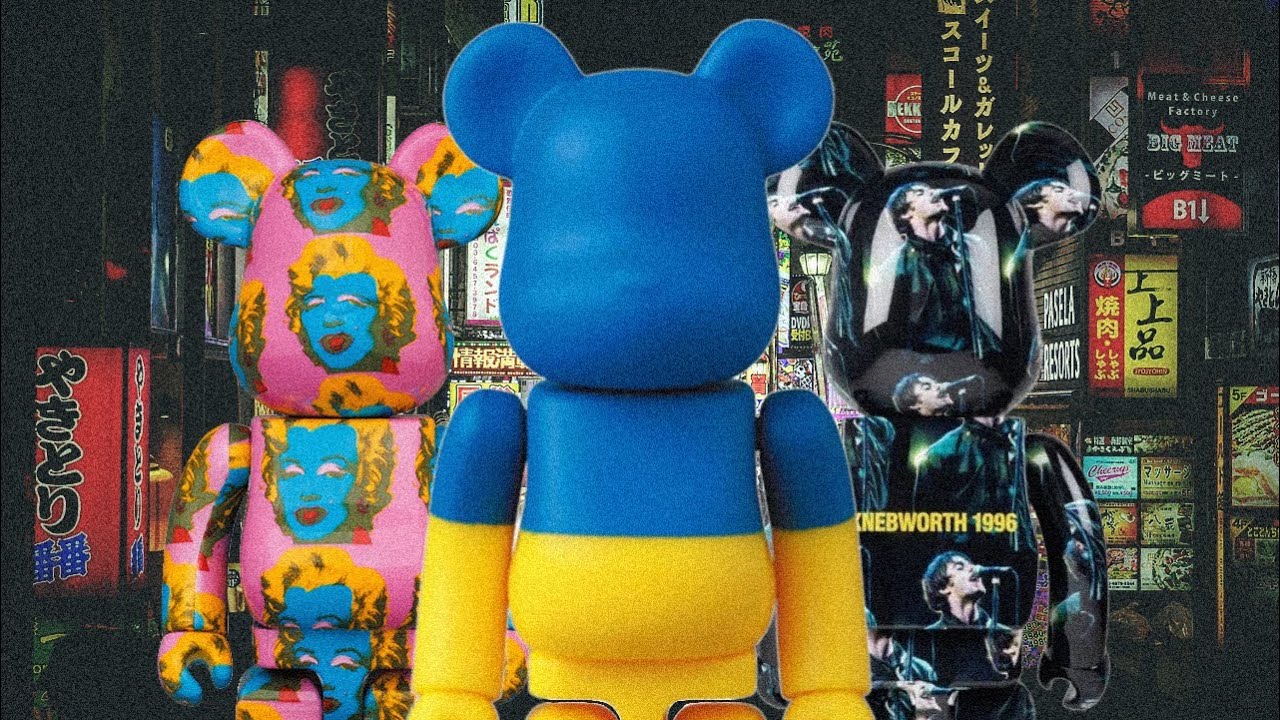
hey you want to buy a toy not exactly the phrase you expect to hear from a millionaire artist right we've all heard the stories musicians dropping merch influencers launching clothing lines everyone in their mother trying to sell you something but a graffiti artist making millions from Toys yet in 2019 a single painting by this quote unquote toy maker sold for $148 million not bad for someone who started out illegally painting over bus stop Adat ements in train stations While most artists were desperately trying to get their work into fancy galleries this guy was doing something different he wasn't interested in impressing art critics or climbing the traditional ladder he was too busy building an empire one vinyl figure at a time this story doesn't start in some fancy art gallery or prestigious art school it starts in Jersey City 1974 with a kid named Brian Donnell while other kids are playing with boys he's watching graffiti artist transform great City walls into colorful masterpieces but Young Brian isn't just watching he's studying learning plotting fast forward to high school while his classmates are doodling in their notebooks Brian is already making his Mark literally he creates a tag cause why cause simply because he liked how the letters look together but here's the thing about teenage Bryant he wasn't content with just any wall he wanted his tag where he could see it from his classroom window so he did what any aspiring artist would do he climbed up and painted it on a roof nearby every day in class he could look out and see his work that's cuse for you always thinking about visibility always playing the long game then the 1990s hit and cuse moved to New York City but this isn't your typical struggling artist in the big city Story by day he's living every animation Fan's dream drawing backgrounds for shows like 101 Dalmations Daria and Doug steady paycheck creative work most people would be content right but at night that's when things got a little interesting Co had a secret weapon a skeleton key not just any key but one gifted to him by fellow graffiti artist Barry McGee this wasn't just a piece of metal it was a key to the city itself bus shelters foone boots Billboards suddenly every advertisement in New York became a potential canvas but he wasn't interested and just covering up ads with tags like other graffiti artists he had a different Vision he started what he called subvertising he' carefully open these ass displays and well let's just say Calvin kown models never look quite like the same after Co got to them nothing was safe but here's where it gets a little interesting instead of covering these ads with tags he did something that would become a signature move he transformed them imagine walking to work seeing a familiar fashioned adver is M but wait something's different the model's eyes are now ex's there's a strange cartoon like quality to their face and yet it's somehow better than the original you like to do it here in the so yeah I think there definitely a lot more attractive people yeah kiding I mean yeah so it was fun it's a good change up for my neighborhood so I mean as you can see it's a lot more crowded a lot more people see it every day and I feel like a lot of the people that come down here are here to see art anyway that was C's genius some people would say that he was destroying these ads but the truth is he was transforming them making them his own creating art that stopped people in their tracks turning them into his own art gallery on the streets word started spreading people began looking forward to seeing which advertisement Co would hit next his work wasn't hidden away in some alley it was right there on Main Street in your face impossible to ignore Paris he hit it London tagged it Berlin done Tokyo you better believe it each city became another chapter in the co Story Each modified advertisements another piece in his growing puzzle but Co wasn't just about making noise in the street art scene he started noticing something about the art world it was too exclusive too wrapped up in its own importance the average person couldn't afford to own real art that's when he had his million dooll idea or should we say his $20 idea that will lead to Millions he was was tired of the underground side of the art world he was thinking bigger way bigger and it all started with a toy 1999 Tokyo while Western artists were still trying to figure out how to sell paintings CS was sitting in a meeting with a bounty hunter a Japanese clothing brand that was about to change everything but what made it different was he wasn't there to design t-shirts he was there to talk about toys and not just any toys though vinyl figures see PA understood something about Japan that most western artists missed in Japan toys weren't just for kids they were art fashion culture his pitch take Mickey Mouse arguably the most recognized character in the world and give him the co treatment grade out add those signature ex eyes throwing in some crossbones make it look like Mickey had seen things that changed him forever they called it companion the first run was modest just a limited edition of vinyl figures but here's where call street art Psych ology kicked in remember those bust shter ads he used to hit he applied the same principle take something familiar twist it just enough to make people look twice and put it where they can't ignore it the price point $100 expensive enough to feel special cheap enough that a teenager could save up for it this wasn't just a product launch it was Art Monopoly and action the toy sold out instantly but that wasn't the interesting part the interesting part was what happened next those $100 toys is they started showing up on eBay for $200 then 500 then 1,000 Poes had accidentally or maybe not so accident created something new accessible art that could become an investment so while the art world was busy being exclusive H was making art you could hold in your hands art you could own without being a millionaire art that spoke to kids who grew up watching cartoons he was building an army of collectors but cause wasn't done not even close the first companion was just the beginning The Simpsons became the kimson SpongeBob got the exi treatment as well even the Smurfs weren't safe next came collaborations with Japanese Street wheel Legend Neo for a bathing a then Medicom toy then santastic each release more limited than the last each one selling out faster than the one before each character H's touch became part of his Universe a universe where Familiar Faces got Twisted just enough to make you look twice it was like he was speaking a language everyone somehow understood part Nostalgia part street art part high-end design in 2006 he opened original fake a store in Tokyo think about that for a second a graffiti artist from Jersey City now had his own Boutique in one of Tokyo's most expensive neighborhoods by that time Paul wasn't just a street artist anymore he was collaborating with everyone uniclo Nike theor Major Brands were just lining up but here's the genius part whether it was a $20 shirt or a $2 million sculpture everything felt connected and that's the key I want you guys to get here everything felt like cause let's talk numbers for a second that companion toy that started at all original versions now sell for thousands his sculptures they've gone for millions in 2019 the CO's album a painting that reimagined The Simpsons parodying The Beatles Sergeant Peppa album cover sold for a wild 14.7 millions in Hong Kong that's about 147,000 of his original companion toys if you're keeping account and the hits kept coming Untitled kimson number one 7.4 million the walk home featuring a terrified SpongeBob 6 million in the woods his swissed take on Snow White 3.9 million oned the way where Tom and Jerry get the cor streaming 3 million yeah get the picture so while these toys were flying off shelves something else was happening the art world started paying attention Coors was not just selling toys the man was building a brand each collaboration each limited edition release was like a breadcrumb leading back to his other work galleries that wouldn't have given him the time of day were now colon collectors who bought his toys started looking at his paintings the average value of Cole's prints has been growing steadily about 3% year overy year we're talking about an average price of around $113,000 per print the toy that started as a $100 experiment had spawned an Empire but more importantly it had done something unprecedented it had built a bridge between street art and high Ard between toys and fine art galleries between $100 Collectibles and million dooll paintings H had pulled off the impossible he made art collecting accessible to everyone while simultaneously making his art more valuable than ever think about it in what Universe does a street artists who make toys end up having his work displayed next to Picasso in what world there's a guy who started by Def facing advertisements get commission my MTV to redesign their moonman trophy call universe that's where he had essentially created his own Art Market ladder at the Bottom Rung you had the toys and the merchandise accessible to almost anyone then came the prints then the smaller original pieces and at the top of course those million dollar paintings and sculptures today C is more than an artist again he's a brand a movement a blueprint for how art can evolve in the 21st century his work hangs in major museums and S on teenagers desk he's collaborated with everyone Under the Sun even his character that he even created a float through the Macy's Thanksgiving Day Parade and it all started with a kid from Jersey City who looked at an advertisement and thought I can make this better this is what happens when street art meets smart business when a toy becomes much more than just a toy when underground goes mainstream and quote unquote sells out by the way YouTube says if you enjoyed this video then you might want to check this one out next this is Lee from North Studios next time yeah I'm out here
Up Next

65:45
DePIN Economics: Token Incentives and Sustainable Business Models
@empirepod
4.9K views•2024-01-23
66:41
Web3 Social Decentralization: Farcaster Co-Founder on Crypto Social Networks
@levychain
1.5K views•2022-10-18

15:23
Decoy Effect: How Pricing Psychology Influences Consumer Spending
@bobinvestsUS
90K views•2026-01-05

17:30
The Planned Obsolescence of Light Bulbs and Tech
@veritasium
25.3M views•2021-03-26
Related Study Plans & Knowledge Roadmaps
Structured learning paths in Business
business
CPG Retail Strategy: Pitching & Trade Spend
01Foundations of the CPG and Grocery Ecosystem
02Retail Math and Designing the Pitch
03Securing Shelf Space & Category Reviews
+ 2 more learning modules
12h5 modules
Explore Roadmap
business
Pop-Up Retail: Strategy, Design & Execution
01Introduction to Pop-Up Retail & Strategic Goal Setting
02Budgeting, Site Selection, and Legal Essentials
03Experiential Retail Design & Visual Merchandising
+ 2 more learning modules
15h5 modules
Explore Roadmap
business
Reg CF: Startup Funding, Marketing & Launch
01Introduction to Equity Crowdfunding & Reg CF
02Platform Selection & Legal Preparation
03Crafting High-Converting Campaign Assets
+ 2 more learning modules
14h5 modules
Explore Roadmap
business
Productized Services: Scaling Solo Freelance
01Foundations of Productized Services
02Packaging and Scope Definition
03Pricing and Subscription Models
+ 2 more learning modules
15h5 modules
Explore Roadmap