Pop-Up Retail: Strategy, Design & Execution
Learning Goal: Plan, design, and execute a temporary physical pop-up retail experience to test brick-and-mortar viability and drive local brand awareness for established e-commerce brands.
- Prerequisites: Basic understanding of e-commerce business models (DTC), brand strategy, and elementary financial budgeting.
- Estimated Total Study Time: 15 Hours
Module 1: Introduction to Pop-Up Retail & Strategic Goal Setting
Module Overview
This module introduces the strategic transition of Direct-to-Consumer (DTC) brands from pure e-commerce to temporary physical retail. You will analyze why leading digital brands adopt physical storefronts, understand the structural limitations of digital advertising (such as rising Customer Acquisition Costs), and learn to define clear, measurable goals for your temporary pop-up experience.
Recommended Videos
1. The Rise & Fall Of Ecommerce: Why Online Brands Are Opening Stores

Why this video
This video is essential for understanding the systemic shifts in retail economics. It highlights why pure e-commerce is no longer a low-cost paradise due to rising online customer acquisition costs (CAC) and high return rates. It establishes why physical spaces are necessary to resolve touch-and-feel barriers, making it the perfect strategic starting point for your pop-up planning.
Knowledge Checkpoint
- Understand the primary operational limitations of pure-play e-commerce (such as high return rates and lack of sensory interaction).
- Identify how physical stores act as a customer acquisition channel that can be more cost-effective than digital ad bidding.
- Define the concept of "the halo effect"—how physical store presence drives online sales in the surrounding zip codes.
2. How Warby Parker Disrupted Then Adopted Brick-And-Mortar Retail | WSJ The Economics Of
Why this video
This case study of Warby Parker highlights the transition from a digital disruptor to an omnichannel powerhouse. It demonstrates how physical retail can scale a business and provides a benchmark for store performance metric targets, such as sales per square foot.
Knowledge Checkpoint
- Analyze Warby Parker's motivation to expand from an online-only model into over 140 physical storefronts.
- Understand how physical stores can serve as a diagnostic and service touchpoint to elevate trust.
- Identify key commercial real estate productivity metrics (e.g., target sales per square foot).
3. The Pop Up Paradigm by Melissa Gonzalez TEL 110

Why this video
This video details the foundational industry text The Pop Up Paradigm. It outlines the evolution of pop-ups from simple clearance events to highly immersive brand-building platforms. It covers strategic relationship building, consumer psychology, and how to create a sense of urgency.
Knowledge Checkpoint
- Explain the shift from traditional transactional retail to experiential "human connection" spaces.
- List the four key pillars of the Pop-Up Paradigm (Retail Evolution, Engagement, Experience, and Execution).
- Describe how to cultivate a sense of scarcity and exclusive opportunity through temporary spaces.
4. Building Disruptive Direct-to-Consumer Brands | #BoFWest 2019
Why this video
Featuring industry executives from leading brands like Allbirds and Good American, this panel highlights the practical realities of omnichannel design. It explains why customers need to "touch and feel" complex physical products and how temporary storefronts mitigate the risk of entering long-term leases.
Knowledge Checkpoint
- Explain how physical contact with a product lowers consumer friction and enhances overall brand conversion.
- Contrast the strategic objectives of long-term retail leases with short-term, low-risk physical test pilots.
- Understand how a physical presence strengthens digital marketing performance in a targeted geographic region.
Module 2: Budgeting, Site Selection, and Legal Essentials
Module Overview
This module guides you through the logistics of launching a pop-up: building an operational budget, selecting the right site, and navigating short-term commercial leases, local permits, and liability insurance.
⚠️ Curriculum Gap Warning: While the selected videos cover pop-up finances and mall leasing, they lean slightly toward smaller merchant setups. To master commercial lease negotiations and municipal permits for large-scale e-commerce brand pop-ups, independently search for: "Negotiating commercial pop-up retail leases" and "Municipal retail zoning permits and liability insurance checklist."
Recommended Videos
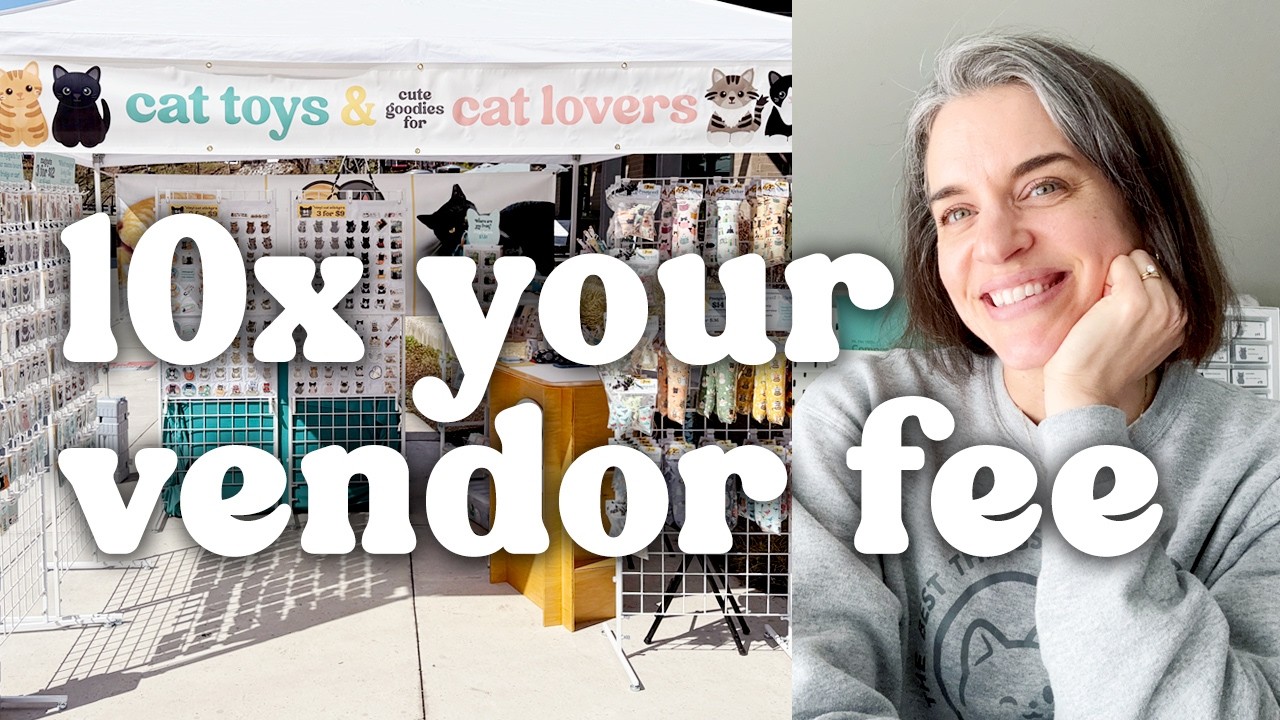
1. $1,000 OR 10 TIMES THE VENDOR FEE? Pop-Up Market Sales Goals
Why this video
This video explains how to build a realistic financial goal-setting model for temporary retail. While tailored to smaller businesses, the underlying math—calculating return on capital spent, factoring in cost of goods sold (COGS), labor, and real estate fees—is highly applicable to larger corporate pop-ups trying to prove financial viability.
Knowledge Checkpoint
- Calculate a target ROI multiplier based on your initial space leasing and build-out costs.
- Define the difference between vanity sales targets and actual net profitability after accounting for COGS, travel, and site fees.
- List the operational expenses (hidden fees, signage, packaging) that must be accounted for in a pop-up budget sheet.
2. POP UP SHOP SET UP ($1)

Why this video
This video walks through the operational realities of working with commercial spaces, specifically leasing space in shopping malls or established venues. It outlines the compliance documents, insurance coverages, and general administrative regulations you must manage when leasing a professional physical footprint.
Knowledge Checkpoint
- Understand the process of leasing a temporary commercial retail footprint inside structured spaces like malls.
- Identify key administrative requirements, including submitting design mockups and proof of business registry to property managers.
- Detail the importance of commercial general liability insurance for temporary storefront operations.
3. 5 Tips to Set Up A Pop-Up Shop or Event | Plus Mistakes To Avoid
Why this video
This guide focuses on strategic site selection. It explains how to identify host venues with pre-existing target audiences, balance lease costs against traffic volume, and organize your operational timeline leading up to launch day.
Knowledge Checkpoint
- Select a location based on demographic alignment and existing baseline foot traffic rather than real estate cost alone.
- Define a "host collaboration model"—leveraging existing boutique spaces to host your brand's pop-up.
- Formulate a backward-planned timeline checklist starting 6–8 weeks before the physical pop-up launch.
Module 3: Experiential Retail Design & Visual Merchandising
Module Overview
This module explores spatial design, sensory branding, and high-end visual merchandising. You will learn to design store layouts that control customer flow, construct engaging three-dimensional product displays, and use sensory triggers (lighting, custom scent, acoustics) to craft immersive brand narratives.
⚠️ Curriculum Gap Warning: Some of the available pool videos focus on basic craft markets and table booths. For high-end commercial spaces, you must design holistic, brand-aligned environments rather than simple product tables. For further study, search: "Professional retail store layout planogram design" and "Sensory retail branding and immersive space lighting."
Recommended Videos
1. 50th International Design Awards
Why this video
This video provides a deep dive into award-winning retail spaces worldwide. It demonstrates how physical materials, structural architecture, lighting, and spatial layouts are combined to tell cohesive stories for premium consumer brands.
Knowledge Checkpoint
- Identify key design trends in modern, award-winning global experiential retail environments.
- Define how custom materials and lighting fixtures can convey premium brand messaging.
- Understand the integration of architectural design with thematic storytelling to build deeper consumer relationships.
2. The Future of Design in Retail? Revolutionary Retail Brands Have Soul

Why this video
Using Sonos’s innovative showrooms as an example, this video details sensory and contextual design. You will learn how to design spaces where customers can experience products in realistic, simulated settings, which is a key technique for increasing conversions in physical retail.
Knowledge Checkpoint
- Describe "contextual design"—allowing consumers to trial products in environments that mirror real-life usage.
- Identify sensory design elements (e.g., soundproofing, specific material acoustics) that elevate the shopper's experience.
- Understand why creating an emotional brand touchpoint is more valuable in physical retail than simple self-serve transactions.
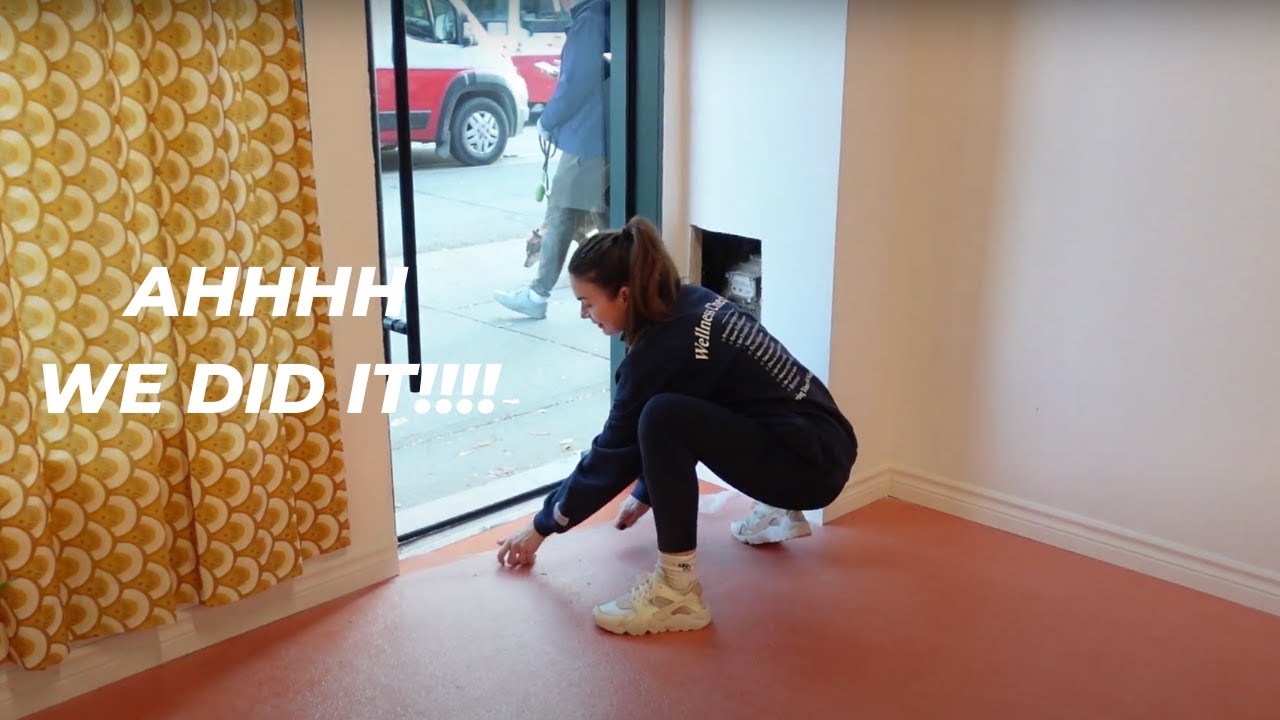
3. BUILT A POP UP IN 4 DAYS | weekend vlog
Why this video
This vlog shows how to quickly transform a blank space into an experiential pop-up. It highlights the importance of choosing a distinct, cohesive theme (such as a "70s living room") and using custom flooring, vintage furniture, and greenery to design an immersive space on a tight timeline.
Knowledge Checkpoint
- Detail how color palettes, custom rugs, and unique furniture pieces establish a cohesive in-store atmosphere.
- Manage the logistics of sourcing, transporting, and arranging heavy decor and fixtures under a compressed setup schedule.
- Identify key zones in a temporary storefront, including entryways, focal displays, and checkout counters.
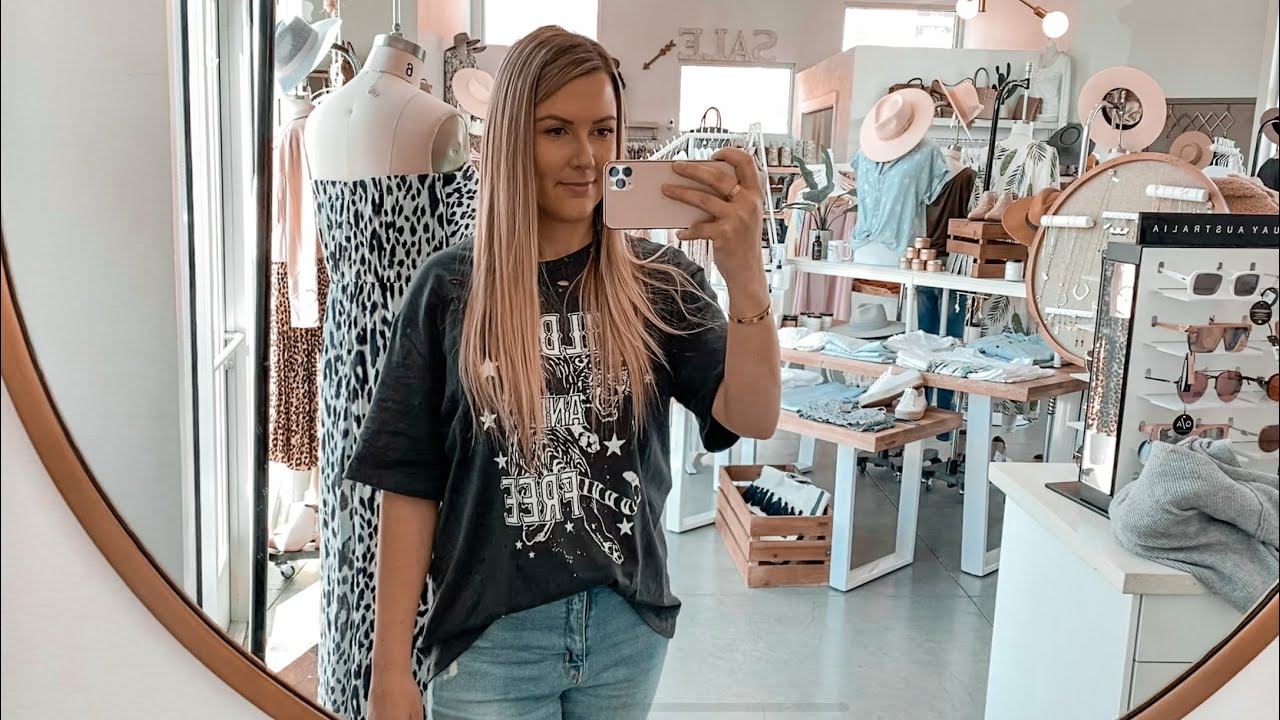
4. New Retail Boutique Fixture Tour!
Why this video
This video explains the mechanics of retail fixtures. It covers how to use varying display heights, place high-margin products near entrances, and organize shelving layouts to guide customer flow and increase browse time.
Knowledge Checkpoint
- Explain how to use multi-dimensional product displays (incorporating varying heights, lighting, and textures).
- Identify where to place high-margin merchandise in relation to customer sightlines and major high-traffic lanes.
- Differentiate between functional retail fixtures (racks, tables) and decorative fixtures that build a premium brand image.
Module 4: Operations, Tech Stack, and Inventory Management
Module Overview
This module covers day-to-day operations: deploying mobile Point of Sale (POS) hardware, syncing physical store inventory with e-commerce systems, and training temporary staff to represent your brand and deliver high-quality customer service.
⚠️ Curriculum Gap Warning: While the recommended videos provide a solid foundation for Shopify POS and general inventory systems, complex omnichannel configurations can present edge cases. For further study, search: "Shopify POS multi-location inventory syncing" and "In-person retail customer service scenarios and training guidelines."
Recommended Videos
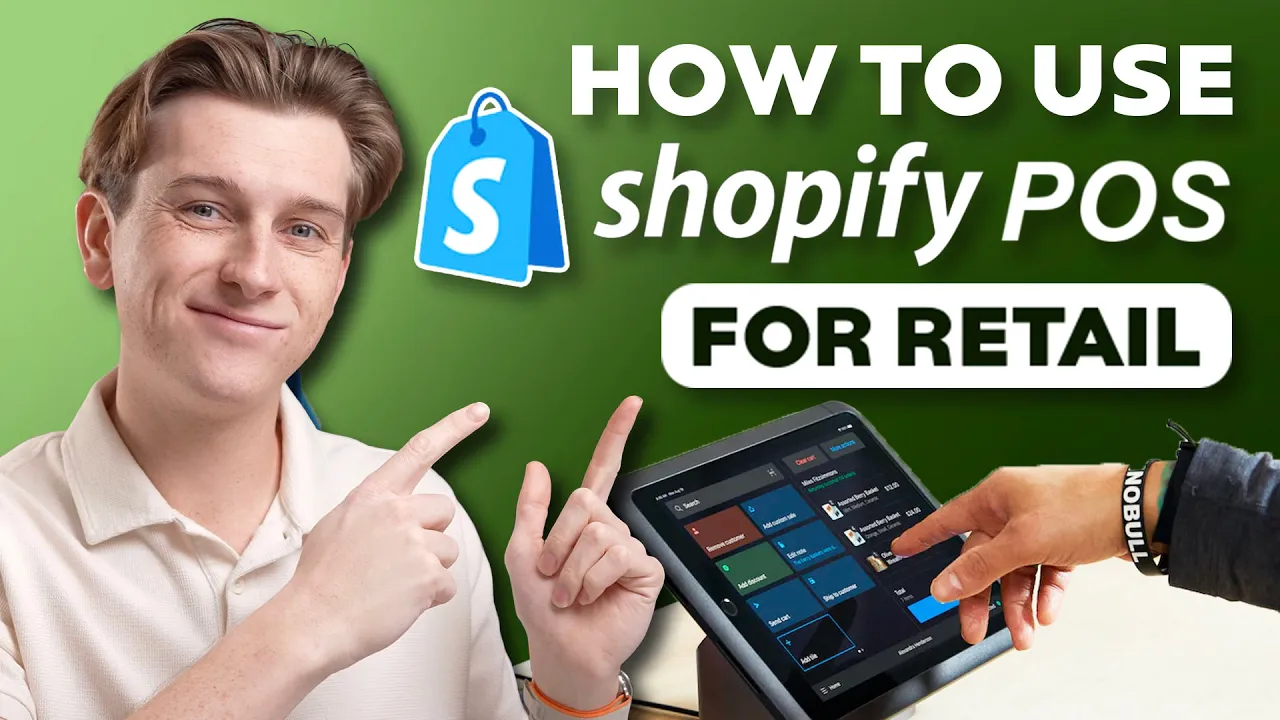
1. How to Set Up Shopify POS for Retail Stores (Step-by-Step Tutorial)
Why this video
A step-by-step technical guide to setting up the retail industry standard for DTC brands: Shopify POS. It covers how to configure tax settings by location, pair payment hardware, and manage inventory to keep your brick-and-mortar sales synced with your online store.
Knowledge Checkpoint
- Set up a dedicated physical "Location" within your Shopify administrative dashboard.
- Connect and pair a mobile card reader and receipt printer with your active tablet or smartphone.
- Adjust state and local tax configurations to reflect the physical location of your pop-up shop.
2. Shopify POS Setup and Walkthrough
Why this video
This video explains the differences between Shopify POS Lite and Shopify POS Pro. It details how to customize checkout layouts, add retail-specific staff accounts, and manage omni-channel orders (e.g., "buy online, pickup in-store").
Knowledge Checkpoint
- Compare the features of POS Lite and POS Pro for temporary brick-and-mortar storefronts.
- Create specialized, permission-restricted staff PIN codes to track staff sales attribution.
- Design and organize the POS smart-grid layout for fast checkout speeds during peak hours.
3. Getting started with POS hardware || Shopify Help Center

Why this video
This video covers the hardware side of physical sales operations. It explains how to select the right device setups, barcode scanners, cash drawers, and backup connectivity tools to ensure smooth transactions, even if your local Wi-Fi goes down.
Knowledge Checkpoint
- List the hardware components needed for a professional retail checkout desk.
- Understand the process of printing physical barcode labels that map directly to online SKU data.
- Prepare an operational backup plan for transaction processing in the event of local network outages.
4. Retail Sales Training: Explode Profits In Your Store
Why this video
This guide teaches you how to train your temporary staff. It emphasizes that standard service expectations may differ from your brand's specific values, showing how to align your team on customer engagement, active listening, and upselling techniques.
Knowledge Checkpoint
- Define what "exceptional customer service" looks like according to your brand values.
- Design a simple onboarding script for temporary staff that covers product storytelling and handling objections.
- Teach staff to use open-ended discovery questions to increase Average Order Value (AOV).
Module 5: Marketing, Launching, and Measuring Success
Module Overview
This final module covers marketing your pop-up, executing launch events, and using quantitative analysis to measure success. You will learn how to run targeted local marketing campaigns, collect zero-party customer data, calculate your Return on Investment (ROI), and track how physical pop-ups drive long-term online retention and lower Customer Acquisition Costs.
⚠️ Curriculum Gap Warning: While the selected videos cover retention and overall marketing concepts, tracking physical-to-digital attribution can be technically challenging. To master omnichannel measurement, independently search: "How to track offline-to-online customer journeys using QR codes" and "Calculating LTV and digital lift from physical retail pop-up activations."
Recommended Videos
1. Go-To-Market Strategy: How 9-Figure Brands Plan, Execute, and Post-Mortem Product Launches

Why this video
This video outlines the strategic Go-To-Market (GTM) frameworks used by high-growth DTC brands. It details how to coordinate creative campaigns, run post-mortems, and analyze customer acquisition data after major brand events.
Knowledge Checkpoint
- Adapt a comprehensive corporate launch timeline to plan your pop-up's pre-launch buzz, opening weekend, and closing phases.
- Structure an operational "post-mortem" evaluation meeting to assess team performance and document key execution takeaways.
- Coordinate cross-functional marketing channels (email, SMS, social media) to run local promotional campaigns.
2. How To ACTUALLY Market A Movie... (The Power of Scarcity Pop-Ups)

Why this video
This case study highlights how experiential activations build cultural relevance and demand. It demonstrates how limited-time pop-ups can generate organic media coverage and buzz that outlasts the physical event itself.
Knowledge Checkpoint
- Utilize extreme temporal scarcity (limited hours, exclusive products) to encourage immediate customer action.
- Understand how to design highly shareable, photogenic physical spaces that generate organic user-generated content (UGC).
- Design exclusive, location-specific product offerings to drive longer waitlines and stronger social proof.
3. the most fun Sol de Janeiro pop up!! launch engagement

Why this video
This video is a visual walkthrough of a successful modern beauty brand pop-up. It illustrates how to keep visitors engaged using interactive games, prize wheels, customized photobooths, and product sampling stations.
Knowledge Checkpoint
- Integrate interactive gamification elements (e.g., spin-to-win, mystery sampling) to keep foot traffic engaged.
- Balance high-energy lifestyle experiences with clear, accessible paths to product education and final purchase.
- Design natural "photo moments" that encourage visitors to share their experience on social media.
4. Top 6 Retention habits of 8 and 9 figure DTC ecommerce brands
Why this video
To determine the true ROI of a pop-up, you must look beyond initial launch weekend sales and track long-term customer retention. This video teaches you how top-tier DTC brands set post-event retention goals, measure cohort repeat purchase rates, and calculate lifetime value (LTV). This is key to evaluating whether your physical retail pilot succeeded over the long term.
Knowledge Checkpoint
- Define post-pop-up retention metrics, including first-to-second purchase conversion rates for offline acquisitions.
- Design post-purchase customer journeys (via SMS/Email automation) specifically tailored for customers acquired at your pop-up.
- Compare the long-term Customer Lifetime Value (LTV) of customers acquired physically versus digitally.
Course Map
Key People Index
- Melissa Gonzalez: CEO of The Lionesque Group and author of The Pop Up Paradigm. She is a leading retail design strategist who helped pioneer the modern experiential pop-up business model for transitioning DTC brands.
- Ben Francis: Founder of Gymshark. He is a pioneer in using high-energy physical pop-up events and localized community activations to drive digital brand growth and scale-up customer acquisition.
- Dave Gilboa & Neil Blumenthal: Co-Founders of Warby Parker. They disrupted the eyewear industry by using physical showrooms to lower purchase friction, establishing the playbook for successful DTC-to-omnichannel brand transitions.
Final Self-Assessment
Complete this comprehensive self-assessment before launching your physical retail pilot:
- Strategic Alignment: Have you defined your primary goal (e.g., testing brick-and-mortar viability vs. driving local brand awareness) and set a target Customer Acquisition Cost (CAC) benchmark?
- Financial Budgeting: Have you built a detailed budget spreadsheet that factors in commercial site rental, custom build-out costs, local payroll, marketing costs, and a buffer for unexpected expenses?
- Location & Compliance: Have you secured a high-traffic location that aligns with your target demographic, and obtained commercial general liability insurance and necessary municipal permits?
- Spatial Flow Optimization: Does your store layout design naturally guide visitors through a specific path: from the entry-zone to key product displays, interactive experiential zones, and the final checkout area?
- Sensory Branding Integration: Have you incorporated sensory details (such as specialized lighting, custom background audio, and physical textures) that align with your online brand identity?
- Omnichannel POS Readiness: Is your Shopify POS configured with accurate physical retail locations, localized tax rules, and synced inventory levels matching your primary e-commerce system?
- Omnichannel Inventory Management: Have you established a reliable process for tracking inventory levels, processing real-time restocks, and managing physically damaged or returned goods?
- Onboarding & Training: Have you trained your temporary store staff on your brand's story, product features, and discovery-based upselling techniques?
- Marketing & Buzz Generation: Do you have local marketing campaigns ready to deploy (including targeted digital ads, email marketing, and SMS invites) to drive foot traffic on opening weekend?
- Interactive Launch Mechanics: Does your launch event design include interactive features (such as custom photo stations or product sampling) to encourage organic social media shares?
- Attribution and ROI Tracking: Have you set up offline-to-online tracking tools (such as trackable QR codes, exclusive landing pages, or POS customer profiles) to measure post-event customer retention and lifetime value (LTV)?