








![Precision Targeting: Digital Campaigns That Deliver [Webinar]](https://i.ytimg.com/vi/Gl6-vcEtjpQ/maxresdefault.jpg)









Successful DTC brands at scale implement six key retention strategies: (1) Set retention-specific goals like email/SMS revenue targets, repurchase rates, and churn reduction targets; (2) Understand layer two metrics beyond opens and clicks, focusing on specific customer behaviors like month-three churn; (3) Look beyond email and SMS to leverage loyalty programs, mobile apps, physical mailers, and customer support as retention channels; (4) Use retention data to inform acquisition strategy through feedback loops between teams; (5) Create internal feedback loops to honestly communicate product and offer issues; (6) Rapidly test technology including AI as a tool to accelerate human-driven decisions, not replace them.
Retention Habits of Top DTC Ecommerce Brands Revealed
Added:Understanding of core e-commerce metrics, specifically Customer Lifetime Value (CLV), Customer Acquisition Cost (CAC), and Churn Rate.
Basic knowledge of the Direct-to-Consumer (DTC) business model and how it differs from traditional retail distribution.
Familiarity with foundational email and SMS marketing concepts, such as list segmentation, automated flows, and campaign-based broadcasting.
A conceptual understanding of the customer lifecycle stages, particularly the transition from first-time buyer to repeat customer.
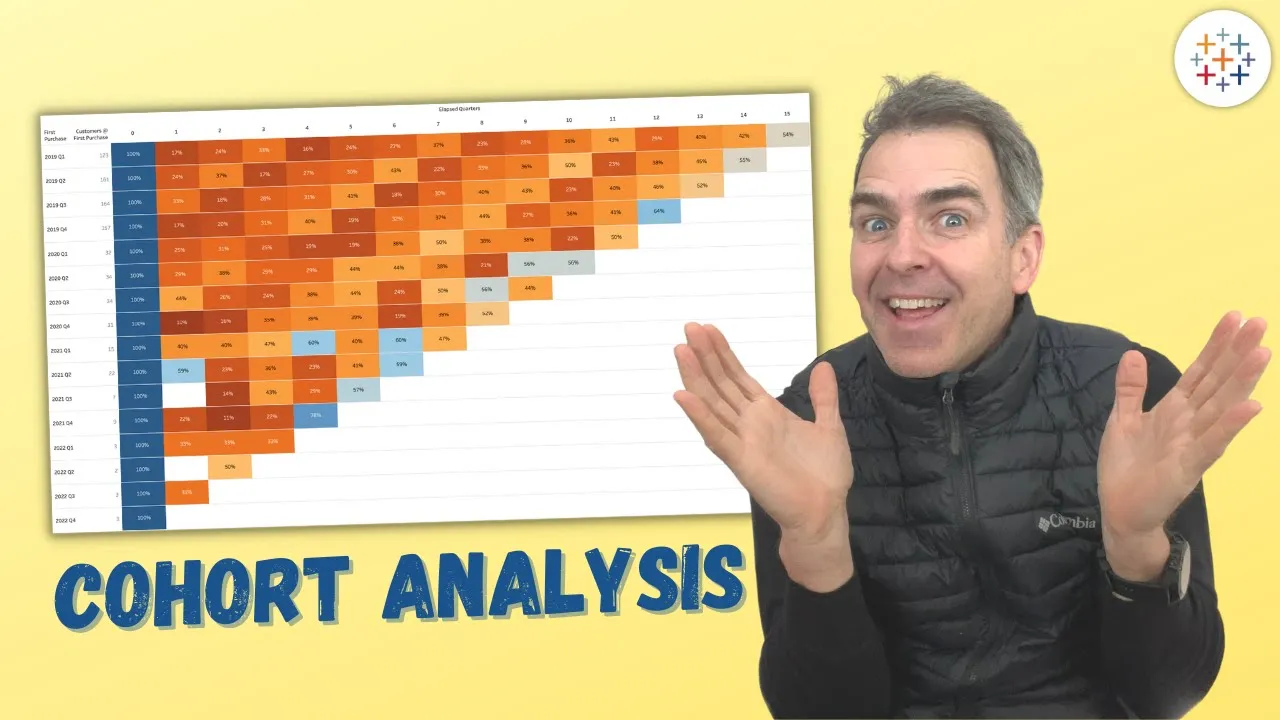
Conducting Cohort Analysis to track, measure, and visualize retention rates and purchase intervals over time.
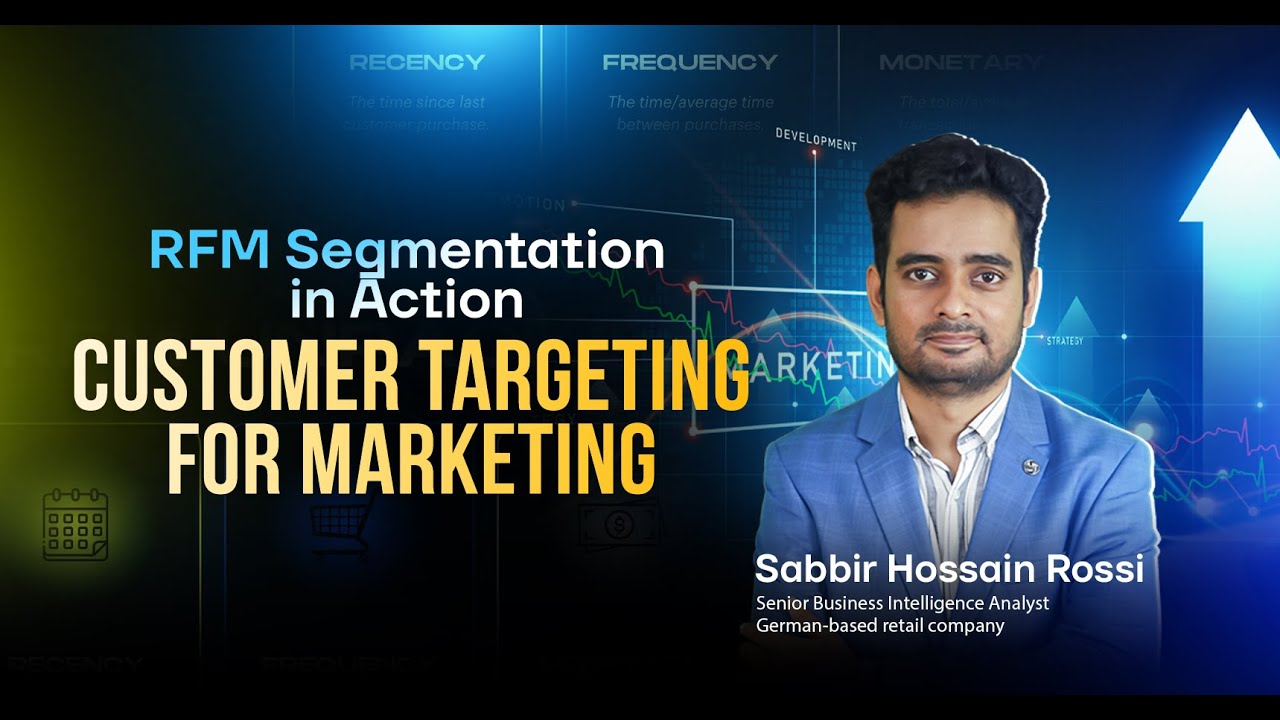
Mastering RFM (Recency, Frequency, Monetary) segmentation to design highly personalized and targeted marketing campaigns.
Developing and scaling zero-party and first-party data collection strategies to enrich customer profiles for better personalization.
Designing and optimizing subscription-based business models and VIP loyalty programs to increase recurring revenue streams.
44K views13likes46:36Original Release: 2026-03-03
measuring CLV of people who are getting emails and getting SMS and on push and getting physical mailers like these things need to be measured and you need to double down on what's working just like you do in paid. Is Meta working? Is Instagram working? Is Snapchat working?
Whatever. It's the same thing. These are all different means of communications with customers.
>> Yeah. And you have to be where the customer is these days and how the customer prefers. And your job as a retention marketer is to be in front of them at the place that they prefer. So it makes a lot of sense why you guys are tapping in the channels, but understanding that is the key and realizing like each channel acts differently. Each channel works differently, but they all ultimately will tap into the customer in many different angles. All right, what's going on guys? Today we're talking about six common things that 8 figure direct to consumer brands do. We've got a special guest here. So let's do this in three, two, one.
>> From the open to [music] the click, they're the masters of the flow. Just watch your list grow and your leads turn to go. Did we retain you [music] so far or do we have to extend it? If you want results, you know you got to send it.
Yeah, you know you got to send it. Yeah, you know you got to send it. Yeah, you know you got [music and singing] to send it. What is up everyone? Welcome back to Send It, where we discuss everything and anything retention marketing, specifically in email and SMS marketing and e-commerce. My name is Jimmy Kim and I'm here with a very special guest.
Dude, welcome to the show for us.
>> I appreciate it. Jimmy, you are the goat. I'm happy to be here. Thank you for the invite.
>> Yeah. Well, cool, dude. Well, before we even get started and talk about these six common things that 8igure brands are doing, I would love if we can start with a little bit of background because you have a very interesting background because you've not just been an email marketer or an agency owner, but you've also been on the brand side. I think you still own a brand here today, right?
Yeah, I have a pretty unique perspective and um I actually never set out to start an agency. I never even set out to learn retention. Um I actually have an engineering background, started a jewelry brand after that and uh scaled it to eight figures in sales in three years. Kind of rode that like that COVID wave. Uh and then when things started to slow down a little bit, I was like, [ __ ] our retention sucks. So I had to learn retent. It's hard to get guys to buy jewelry once and it's hard to get guys to buy jewelry again. So I was like, "Okay, I really got to figure out this retention thing." And so I was the one at the time handling email, SMS, and then just the the general cohort analysis for the brand. And I kind of learned that and then parlayed that into the agency with Eric.
>> So are you still running the uh men's jewelry brand today?
>> I'm still part of the brand. Uh very little involvement. Um we're hoping to sell it here pretty soon. And then I'm I'm like 98% focused on the agency. So we're looking to get the extra 2% back.
>> And you and you know it's it's an interesting story that we see in this world and you know people listening to this will probably know this but going from agency to brand or brand to agency or brand to SAS to SAS to brand to agency like it. I know that like there's like three different like giant ecosystems of things that are happening but the reality is like everybody kind of transfers around.
>> Yeah. Absolutely. And it's it's so interesting too like I again I you know I went from brand to agency. So when I speak to brand owners we resonate very deeply like I understand not only retention but I understand the business.
I understand fulfillment. I understand hiring. I understand finances. All of this stuff right but it's it's super cool actually to see like when we hire people who come from agency versus people who come from brand it's a very different ramp up for them. You know it's like the the brand the people that we hire from the brand. It's really cool because they understand again holistically a little bit more sometimes an agency owner than people who come from agency, but they have a hard time taking on a lot of clients at first because they're not used to being I think that efficient with their time and understanding like you don't have to do everything for everyone every day. You got to do enough to blow it out of the water, crush the KPIs, and then there's another week after that and another week after that. So, it's an interesting uh dichotomy there.
>> Cool. Well, so when I brought when I decided to go out and reach out to Frost about this thing and ask him, "Hey, let's bring him out." I asked him to put a list together because you know what's interesting and I before we even get into that list, I I want to kind of set the stage a little bit because I think this is really important for people to understand. Look, I know you guys work at the agency with eight, nine figure brands. You guys probably also work with some small uh bigger seven figure brands is my guess is my thought process. But the people who are listen No. Okay. No seven figure brands. Yeah, on purpose.
Only eight, nine, 10. Yeah, >> I can already see this. Oh, well, this is only for eight figure brand. I can see like two, three objectives here that people will say, oh, this is only for eight, nine big big brands that can afford this. Uh there's people that will say, oh, you know what happens on an eight or nine figure brand doesn't apply to us. My smaller brand that might happen or I can even see the opposite argument that I've seen before where people will say like, oh, eight figure, nine, those are easy compared to me, my smaller brand. What are your thoughts when people say this kind of stuff?
>> Yeah, even though we don't directly work with seven figure brands, like I I ran a sevenfigure brand. We audit a ton of seven figure brands. We work with brands who just crossed the seven to eight figure mark. So, we see this all all the time. Here's the reality.
The the approach is the same for 7, 8, 9, and 10, right? There's there's certainly some nuances there. Uh there's certainly some differences as you start to expand the different channels that you sell through and all these different things, but in reality, the general strategy is the same. And you could still go just as deep at seven figures as you do at at eight and nine and 10.
It might not move as fast, right? You set up a test, you might not get results, statistically significant results in a freaking week, but it's the same kind of thing. It just moves a little bit slower and there's probably less uh deliverables, frankly.
>> Yeah. So it's actually less work but uh less work almost it sounds like.
>> Yeah. Yeah. It's less work. I mean things are moving at a at a much slower pace and you you got to wait a little bit more to get the data. But again like when we talk about you know the the layer 2 metrics and the forecasting and looking at other things outside of just email and SMS because retention is bigger than that. All of that applies to seven figures.
>> Yeah. Very cool. Well tell tell the audience real quick before we get into this some of the brands that you guys manage here today. um you know, drop some names here that you're allowed to.
>> Yeah, absolutely. I mean, Built Basics we've had for three years. Uh on our third year, AG1 on our third year, Caraway on our second year. Ruggable on our second year. Uh Magic Mind, um New Era Caps, that's a billion-dollar brand.
True Classic, we've managed for a year.
I mean, there's there's a lot of them, right? So, it's we've been super f fortunate to work with some of the top brands in the DDC space. And I want to go on record thanking you, Jimmy. You know, when we first started, we didn't didn't really have much of a name in the space and uh you you helped open some doors for us. So, thank you.
>> No, absolutely, man. I I'm glad. And you know, the biggest proof to all of this is that you just said something really interesting while you're introducing your brand. You're like, "Hey, this is our third year. This is our second year." Dude, I know a lot of agencies and they're t they're talking three months, four months of retention when they're keeping their customers. And uh obviously having years behind it is a pretty big testament.
>> Definitely. Yeah. You know, our our team is incredible. U we only hire senior. We only hire people that understand ecom and retention, not just email and SMS.
And we we don't even consider ourselves an email and SMS agency. It's obviously a big part of what we do. But dude, we're looking at physical mailers and mobile applications and subscription metrics and cohort analysis and all of these different things outside of just email and SMS.
>> Yeah. you're doing retention marketing, which is uh something that I think the world is starting to learn is starting to realize that retention marketing is not just email and SMS. There's a lot more. And we talk about that quite often on this, which is why even on this pod, we're like, "Hey, we're retention marketers. We're not email and SMS marketers."
>> Yeah. Because the reality is it keeps shifting, man. It really, really keeps shifting. And there's always going to be new ways to retain customers. And I think just now over the last maybe like two three years as customer acquisition costs continue to rise and brands are are customers are less loyal and there's more brands advertising um and the barrier to entry to create a product is below the floor at this point. Now the focus is like okay I'm not making as much money on that first purchase. How do I keep customers? Like that is where you make all of the profit.
>> Yeah that is. And the second sale is everything. I mean, again, another thing we talk about in the pod is like the number one goal of a retention marketer is to make a second sale and beyond because that's where the profit and the dollars start rolling in for the brand or the company on the other end. So, okay, cool. Well, let let's talk about this thing. So, six common things that eight figureure brands do in email marketing. So, I wanted to get really focused on this. Hopefully, people can understand that these are probably a lot of the things you're doing, but probably a different elevated thought process around it. And, uh, I have a list here.
here. So, we're going to go through each one and I want to talk about each one, but the first one that you put on the list here is set retention specific goals. I love this one because I love that you thought about goals first.
Let's talk about it, man. What are your thoughts behind that one?
>> Yeah, you know, it's it's shocking.
Again, I think this maybe was a product of me coming from the brand side and my partner Eric coming from the brand side and most of our team too. When we work with these eight, nine, ten figure brands uh and seven figure brands, it's shocking when you see how rigorous they are with putting together acquisition goals. They know their target spend.
They know their target CAC, their target rorowaz, they adjust their spend based on that. They launch ads. They do this.
They do release products. They they'll run a sale, whatever. They're so focused on that, rightfully so. It's the tip of the spear. It's where you spend a very large chunk of money. uh but they don't ever put the time and effort into figure out figuring out what their retention goals are going to be. You know, not and I'm not just talking about what is your email attributed revenue. It's how much money do you expect emails to make? How much money do you expect SMS to make?
What is your target repurchase rate?
What is your goal for decreasing your average days between orders? What is your churn right now? How do you plan on attacking your churn rate? what are you doing to stop the month one churn because your discounts are so heavy, right? And people just sign up for the subscription and then cancel immediately. So all of these things, it's it's a system and so many times there's brands that are just focused on acquisition metrics and they're just like, "Yeah, send more emails, send more emails. We, you know, we'll figure out like retention will be the the cl the the crutch." And of course sending emails like yes, it's going to drive revenue. I'm not saying don't send more emails, but what are you trying to do?
No, that's right. And you you kind of nailed it on the head. I mean, you know, so many people that I talk to because I probably talk to about a hundred brands a year, 150 brands a year, like really personal consulting with them. And when I talk to them, they're always like, "Well, my open rate is this, and I make this much money to percentage." And I'm like, "Oh my god, we are so lost here, fella. Like, let's talk about this." And you start asking them questions like, "Hey, what's your repeat purchase rate?
What's a date to order?" They just start falling apart right away because they have no idea. So when you guys are working with a new brand especially it sounds like retention goals and being able to line and I think this is not just a good lesson for just as an agency but as a marketer or as a ret like anything you do in life regardless if you're not even in retention marketing you're listening to this thing right now you should be setting those goals up front. Not only is it good for you but it's also good for the client or the end person or your boss or you know or your business you know whatever it might be.
>> Dude you're you're spot on. So before we even kick off with a new client, we have an onboarding doc and there's a lot of questions in there about you know goals and blah blah blah blah blah. But the and then we create a deck from that and then we have like a kickoff presentation and all this stuff. The number one most important thing the the output of that presentation very simple what is your goal and where are we measuring it and what is the immediate next steps to get there like we hyper align on that. it is. Is it just first purchase conversions? Is it the reduction of churn? Is it month one repurchase rates?
Is it list growth? Is it what? And then we prioritize these things, right? And of course, like here's the reality, Jimmy, and you know this. It all boils up into revenue at some point. Reducing churn is revenue. Repurchase rates is revenue, right? But it's it's focusing on the customer behavior that we're intentionally trying to drive to get to that revenue. Because you could send you could have two brands, both with 35% email attributed revenue in a period of time. One could be doing it in a sustainable way where they're not draining their list and the other one could be sending out promos every other day, cooking their list and un getting a ton of unsubscribes, right? So, there's better ways to get to your goals.
>> Yep. There you go. And that actually leads to point number two you meant, which I I love too as well. It says, "Understand our layer 2 metrics." Tell me about what you mean by that.
>> Hey, it's Chase. got 30 quick seconds.
We built something specifically for you.
Jimmy and I together have over 20 years of combined experience in email marketing and we finally put everything together in one place and it's called ecom email certified. I know it's fancy but it's going to be great. Whether you're brand new or running campaigns for 7, 8, nine figure brands, it covers it all. Deliverability, AI, copywriting, design, strategy, SMS, literally everything. has over 175 total modules totaling 25 plus hours of content. It even has quizzes, a community, and you're going to get a real certification. It's way better than college, right? Don't tell your professor that, but it is. And we've designed it to take you from beginner to certified expert. We're talking about the kind of marketer who actually moves the needle and drives real revenue.
Check it out at ecomcertified.com.
And now back to the pod.
Yeah, that's that's our fancy word of saying what you just said a few minutes ago, which is like, okay, cool. Do we monitor opens and clicks and place order rate? Yes. But again, what are you trying to do to get to that point? Are you trying to cross-ell? Are you trying to push a different hero product? Are you trying to reduce churn because your your churn uh spikes at month three or whatever? Like just taking that particular thing. A lot of subscription brands, they're like, "Our our our month three churn is terrible." And they're like, "Let's start by figuring out that at month three." And I'm like, "No, that's not why they're turnurning.
They're turnurning because your ads are saying one thing, your website's saying another thing, your pop-up is saying another thing. You're not your your welcome flow is saying another thing.
You're not building habitual use. You're not telling what they're telling them what they're going to feel at 30 or 60 or 90 days. You're not showing them any science facts." Like we deal with this with a lot of subscription brands whether it's AG1 or you know whatever a magic mind and needed and and array which is like if I can't I call it the mom test. I've done this so many times.
I've said mom I just signed AG. This is when we first started you know whatever two and a half three years ago. Mom I just signed AG1. She goes oh what is it?
And I'm like [ __ ] I don't really know how to explain what it is. It's so complicated. So distilling the message down and focusing on all of those layer 2 metrics and really driving that behavior is so key.
>> Yeah, that makes a lot of sense. So you know um what I when I think about what you said there when you started mentioning layer two, I I I kind of went towards that direction too as well on my side and I think you're thinking about it like keeping it basic is important and actually having the basic knowledge and then being able to go deeper into it. Here's a question that kind of sparks from this. Have you ever had to tell a client the product, it's the product problem, >> dude? Yeah, I think that's actually one of the other uh one of the other points there. But yes, all the time. It's like there there no amount of emails is going to fix a shitty product or a shitty customer experience or sometimes the product is just not a heavy repurchase product. Like if you only sell mattresses and nothing else, no pillows, no warranty, no nothing. How many mattresses is one person going to buy in a 12-month period? Probably one, maybe another one from, you know, maybe, but like probably one. So, it's like, okay, how do you combat that? That's not a retention issue. That is a you don't have anything else for them to buy issues.
>> Yeah, that that definitely has come up between one product category companies that I've met and then like furniture companies. I think that's the probably the right answer, dude. Those probably have the hardest things. And you know, I'm I'm pretty honest with a lot of them. I'm say like there probably isn't a lot of revenue to unlock here. I don't want you to like sit here and think that this is the unlock that you might have in your business. You've got to think about other things and expansions. And uh yeah, I see that now in number five.
So, we'll talk about that in a little bit. But let's go to the number number three, which I think is a great one because it's something that we've been talking about a lot in the pod. like we're talking about look email and SMS is important but there's obviously other channels which I think this is what you mean by look beyond email and SMS for retention what channels are you guys operating you mentioned it a little bit in the beginning of the show but let's let's walk a little deeper into that >> yeah there's email there's SMS of course there's loyalty programs there's mobile applications there's physical mailers there's uh subs I call it subscription metrics right so within the subscription ecosphere there's a lot of things that you could do there's the offer offer testing, there's surprise and delights, there's all kinds of stuff within the subscription, there's product inserts, right? So, there's it just goes so far beyond email and SMS. And that's kind of what I was talking about, which is like customer support. What is your customer support like with with the 8, nine, 10 figure brands we work with? We constantly get feedback from customer support. Hey guys, they're confused on this discount code. Hey guys, you know, their shipping notification was inaccurate, whatever. They always pass that information back. So like again looking at retention as not just email and SMS but as all these different levers that you can pull and some of them you can pull as the agency which is all the ones I just talked about. But sometimes you got to push the brand to pull that one. Like if you're constantly getting feedback about terrible customer support or slow shipping or unclear fulfillment or whatever that's they got to keep their side of the street clean too.
>> Yeah. No, I I I actually wrote a social post about this around AI a little bit, but it was really driven towards retention. But I was basically like if you go and pull your last like 200 refund requests and then like your last 200 negative reviews and then you know maybe your last 200 negative email responses or SMS responses and you go ingest it into AI and you can kind of find the pattern basically the pattern of what you're not saying right or you're saying wrong which is causing this negative effect. to your point, maybe I'm overselling them at the front and I'm giving them too much to expect or I'm doing a poor job educating them through the entire scenario. You don't know. And I think what's really important is like realizing that. And then that second part comes into like the channel, right? Like you'll quickly also learn how they like to communicate, what they want to learn about and stuff like that. I mean, dude, in this world today, if you think about WhatsApp and, you know, push notifications, these are like obvious like yes, there's obviously people on the other end, but like nobody really knows how to really run those things. Are you guys tapping into either push or WhatsApp right now?
>> Yeah. Yeah, we do. We have multiple international clients. We do push notifications for several clients. So, it's all part like we it's all an ecosystem, right? Like if you're if you're seeing the push notification, if you're seeing CLV via push be great, well then you should be sending emails and SMSs to incentivize people to sign up for push, right? Push is interesting because it's a piece of real estate that's on your phone that's in your face and it's another way to talk to people.
So like measuring CLV of people who are getting emails and getting SMS and on push and getting physical mailers like these things need to be measured and you need to double down on what's working just like you do in paid. Is meta working? Is you know is Instagram working? Is Snapchat working? Whatever.
It's just it's the same thing. These are all different means of communications with customers.
>> Yeah. And you have to be where the customer is these days and how the customer prefers. And your job as a retention marketer is to be in front of them at the place that they prefer. So it makes a lot of sense why you guys are tapping into the channels, but understanding that is the key. And realizing like each channel acts differently, each channel works differently, but they all ultimately will tap into the customer in many different angles. And I'm sure you're like me. Like I, you know, my phone is not just one thing. It's not just my email device, right? It's not my just my text messaging device. I'm also on social media. I'm on five different messengers. I'm on this and that. I'm also checking my mail. Like all of those are touch points. And sometimes it's all situational. A lot of the things that direct to consumer or e-commerce brands are selling are not impulse buys. A lot of them are consumer product goods, right? They're things that people need, want, and consume. And oftent times it's a need and necessity. I might be taking out the trash. I look at the mail and suddenly there's a mail about, I don't know, new trash cans. And my trash can's been, you know, something that hasn't worked for me. Let's just I'm just using an example. and I look at that thing and that's the moment that it clicks for me even though I've gotten 400 emails from them and 30 texts from them. None of that really resonated because the problem wasn't apparent when it was going. So the consumer behavior and mindset is why expanding and I think this doesn't stop. It gets worse and worse and I know ESPs are trying to work on that and trying to uh go into different markets and different channels but the reality is is like marketers have to start by adapting and understanding how to use those channels correctly. Um, with that, let's let's talk about number four because I love this one because I think this is something that I talk about a lot of times. Number four was use retention for acquisition. Now, look, when and we talk about this again on the pod, when a popup occurs, right, and someone puts their email address in and then people take credit for that as the as retention, it is retention, but it's not retention the same way as taking a customer and making them make a second repeat buy. Talk to me about why you think retention for acquisition is so important. Hey, it's Jimmy and I've got 30 seconds to tell you something that will change how you get inspired on your very next marketing campaign. You know, when you're screenshotting those emails in your inbox and Slack and pasting them in here, you saw it on Twitter trying to remember what brand did that killer Black Friday sequence? Well, guess what?
Inbox.ai just solved that. It's an AI powered database with over a million real emails from the best DDC brands.
Ridge, Fenty Skin, Casper, they're all in there. You can search by promotional type, journey stages, whatever you need.
Get AI breakdowns of what worked and why. Track your competitors, and even request brands that are not in there. No more hunting through screenshots or save folders. Inbox.ai turns your inspiration into revenue. Check it out in inbox.ai.
Link in the show description.
>> Yeah, you you hit it on the head. So, I look at this as like two things. One is more tactical and one is more strategic slash passing learnings collaboration.
So like the on the tactical side, here's the reality. When people think of retention, they think of email and SMS.
Again, it's a big part, right? But sure, we'll we'll focus on email and SMS. The popup is acquisition. Like you are directly affecting acquisition. You could potentially lower conversion rate.
You could potentially increase conversion rate, right? like it's you're directly affecting the traffic that's being sent from whatever you're sending traffic from meta etc. So that's an act u uh an acquisition thing. So people spend so much money getting people to the website you have to make sure that you're capturing them as efficiently as humanly possible. That's acquisition.
The next thing your welcome flow. I've seen this time and time again with all of our brands es like it doesn't matter what brand offer testing within the popup and the welcome flow and split testing your first one to two emails in your in your welcome flow has a drastic uh impact on acquisition and your P&L like True Classic was a classic we don't work with them anymore but we worked with them for like almost a year still good relationship with those guys it's like they're they're very discount heavy and the the the offer and they send a [ __ ] ton of traffic to their website.
Obviously, that offer and that conversion drastically changes their P&L whether it's 10% off or 15% offer, cash back or whatever. So, and and your abandonments, you know, could go kind of both ways for people who've already purchased or a lot of times it's people who haven't purchased. You could do like buyer, non- buyer splits, whatever. But that's partly a acquisition flow, too.
So, like that's again what people don't understand is it drastically affects.
And then on the other side of that, you're still sending campaigns to people who've never purchased before. What's resonating with them? What are you saying to your to the non- buyers over 15, 30, 45, 60, 90 days that's converting them? And are you passing that information back to the acquisition team? And are they using that to acquire more customers? So, there's learnings to go around in this feedback loop that people are just not taking advantage of.
Yeah, email and SMS supports acquisition but it doesn't support I mean it doesn't support the repeat retention metric that you might be going after. However, it is very important of how you are affecting the other side of it. And to your point here, a lot of companies again care about the acquisition side. They don't think about the email and SMS side being so important to that part. It's almost like the bottom of the funnel. It's the closer, right? It's like your it's your digital salesman that is basically telling people to make that purchase and reminding people. Yeah. Yeah. So, it is.
It is. And, you know, I think they need to focus more on how it can help actually convert customers, too.
>> There you go. That's a good one, too.
That's a good one. That's a golden nugget there. Hopefully, the listeners are thinking about. Um, let's talk about the number five, which is create an internal feedback loop. You kind of mentioned it like a product sucks, you got to tell them. But what other kind of feedback loops are you guys creating and what are you telling your clients?
Because I think this is a struggle that a marketer, an executive, an agency owner, whoever might be on the other side listening to this, this is a real struggle that people have. They are scared to death to tell a brand that their product sucks or this is wrong or that's wrong. Even their offer sucks. I know that you are hired to do their email and SMS, but to your point, you're really hired to do their retention and you're hired to actually have a conversation and tell them what's wrong.
And sometimes because retention is again at the bottom of the funnel, you need somebody to help you get back up to the top and that's where it comes in. So tell me about internal feedback. Give me an example if you've got one of good feedback that you gave somebody recently.
>> Yeah, I mean dude, we we have uh we have good loops set up with a lot of our brands where the retention team, us talks to the acquisition team, talks to the customer support team, talks to the product team, right? So like there's constant communication going on there where it's like okay customer support will pass feedback to product or us right and we'll pass feedback to acquisition they'll pass feedback to product. So it's it's just so important that you uh critically uh are just open and honest about what you're seeing right and it all starts with the customer for the most part. So, like for example, one of one recent feedback that we gave, I'm not going to name the brand because it was kind of harsh feedback, but they came back to us and they're like, you know, this this offer is not converting. You know, our emails suck.
And I'm like, guys, you have ran the same offer for during a promo period for 60 days. And on top of that, you've decreased your ad spend because you're trying to increase your profitability.
So, you're getting less people into your retention channels. You're hitting them with the same offer for 60 days, which is the same offer that you got them into the retention channel with, and you're concerned that you're not selling as much. You can't do that. Like, you can't just always hit the same thing over and over and over and over again to the same people over and over and over again on four different channels. Eventually, they're going to be like, "I'm not buying this shit." They're either going to buy or they're not, right? And and then you're going to flatline. So, I mean, there's things like that. And there's also things about the product which is which is more difficult that brands really don't want to hear. I mean going back to to like the golden equation, right? Traffic times conversion rate times AOV or CLV equals sales. You take the money from sales, put it into getting cheap qualified traffic. But like a lot of brands their their business models haven't kept up with rising customer acquisition costs.
You have like a a matrix, right? Which is like you have low AOV, hopefully high repurchase rate, subscription brands, CPG brands, right? High AOV, typically low repurchase rates. Where you get into trouble is low AOV, low repurchase rates, right? So some brands haven't adjusted for that. And it's like if you're not first purchase profitable and your product inherently doesn't need to be purchased more than once, that's you're screwed. You got to figure that out as a business. So, that's another piece of feedback that we gave a a previous client of ours.
>> Interesting. That's a that's that's a good one there. I like that one. Um, it brings me to one question that I have as I'm thinking about this. Let me ask you this as someone who's looking and working with brands. Okay. I get this a lot and I have arguments with people but it's always a little bit of a challenge to explain this to people. Brand comes to me and says one year ago we did this so we ran the same exact sale or the same exact campaign and this time the metrics are lower, the open rates are lower, the click rates are lower. It obviously is an ESP problem or it's obviously this problem or that problem.
But then I turned to him and say, "Guys, like your customers, your audience, something has changed. Plus, you're running an offer where your best, most loyal customers who have been with you already saw that offer. So, it's not even special anymore." Like, that is a conversation that I have to drive with people quite often. And um and so my question to you is, how do you guys look at your metrics? Are you guys looking year-over-year? Are you guys looking last 90 days? Are you guys looking last 30 days? like how do you guys temper that like metric within this business so you can have that real feedback?
>> That's a yeah, that's a great question.
So the we look at it in multiple different ways. So we definitely look year-over-year, right? That's one data point. That's not the source of truth.
Year-over-year, period over period, right? And then you look at the other and that that could just be like comping revenue, right?
List growth, revenue, etc. Revenue per delivery. So you see your efficiencies and all of that. That's basic stuff. But then you also want to look at like what are the what are the last 12, last six, last three month trends of repurchase rates and average days between orders and all the layer 2 metrics that we've already talked about. So just looking at trends over time, it could be again revenue, open clicks, list growth, uh the the layer 2 metrics. You really have to look at all of it to see the entire story because at some point you'll figure it out. Is are you getting a bunch more people in but we're converting less? Okay, that could be offer, that could be segmentation, that could be whatever. Are we getting less people in and converting less? Your list could be fatigued. Are we getting a [ __ ] ton of people in and converting way more? Okay, cool. Something is working.
So, you really have to look at like the whole the holistic picture before you just go back to the brand and say like your offer sucks. You know what I mean?
You got to have all the pieces which I know you were alluding to.
>> Yeah. You know what's funny is one of the brands that I was talking to about this thing just like your story you were just kind of sharing like talking to all these things and like having that feedback and you know being hired as consultant the good thing is like I already have an end date so I can't get fired any faster. So like the good news is I can tell people things. So, a lot of the the most common thing I've heard recently, and I'm sure you've heard this is like we'll be like, "All right, you know, this this this tell me all these reasons and give me all these metrics."
And I say one thing. I say, "How's your top of the funnel? What are you doing over there to support this? Like, why are you doing this? Did you guys make a major change?" And they're like, "Well, we cut off ads 90 days ago because we, you know, we we wanted to maximize our retention on our email channel to make our revenue." And I'm like, well, if nobody new is coming through your list and you've got your loyal customer base and other, you know, you know, the typical people you have and you've got a very small pool, why would you expect to do to do better when you're spending a 100red grand or 200 grand on acquisition a year ago when you were seeing a different number? You know, it's something that's really interesting is that people don't holistically look at the entire picture retention. They look at the small little window of retention and then they look at data to try to support that. But the reality is is the data doesn't ever support that.
>> Yeah, dude. You're you're spot on. So, one of the things that we do is we'll actually flag to brands if there if if our email attributed revenue is too high. Like if you're above like 40% email attributed revenue or like it's creeping up from 35 to 40 to 42. I'm like, guys, because it's it's a system.
If you turn off all your ads tomorrow, your email attributed revenue is going to [ __ ] skyrocket and your profitability is going to skyrocket and then it's going to tank. It's all going to go away slowly, right? So, it's like you have to you have to spend in order to to keep the funnel full. Again, it's a system. So, you're you're spot on.
There's been many times where we'll go to brands and we'll be like, "Listen, we're at 42% email attributed revenue.
Pat ourselves on the back. you guys need to spend more money or we got to send less emails or something and if you don't expect to spend more because this is not going to be sustainable for a long period of time.
>> No, that's absolute gold, man. And we say similar things, but that was well explained and I hopefully the listeners out there who he heard that yeah like you know I hear it all the time people 60% attributed revenue. I'm like there's a big problem in this brand. They go what do you mean there's a big problem?
We're killing it. I'm like no you're not killing it because the business is going to die over time. that 60 is going to drop over time if you guys aren't filling the top of the funnel in the bucket there where something is wrong up there. Even if you're spending the same amount of money and you got to go look at that and I usually point at that scenario. So that leads me to number six here and I love this one because I want to talk a little bit about it is rapidly test technology. Look, we can talk about all the technology in the world. We all know what the technology is, but there's only one technology that really matters right now which is AI. Tell me about AI, dude. like what are how are you guys rapidly testing how AI is working with your business? And then I've got a little bit of a hot question for you after that. Hey, quick 60c break to shout out our title sponsor, Omniscent.
If you don't know them, Omniscent is an all-in-one email and SMS platform built specifically for e-commerce. They've trusted by over 155,000 merchants with a 4.8 rating star on Shopify's marketplace with over 2800 plus reviews. People love using them. Their support is incredible.
responsive team, great help docs, they actually show up when you need them.
Thor, look, everyone loves saving a buck. They've got a great features and great pricing. Listen, I've heard this inside the community that someone actually dropped their bill by almost 50% and it included their SMS cost, which is absolutely wild. Another agency that we talked to shifted all his clients over when he discovered that he can save them 30 to 60% off of their actual monthly bill. and they're taking that money now reinvesting into ads and that real money is going to come back into your pocket too because you're helping them out or you know whatever it might be. You know, with all this, I literally just helped Chase migrate his personal list to Omnisend not too long ago. It was super easy. They got team.
They have an automated solution. It's really great. So, if you're looking to scale your email and SMS game, check out omnisend.com/sendit.
Tell them Chase and Jimmy sent you. Now, back to your pod.
>> Yeah. Yeah. I mean, this this one. So, I'll get to the AI in one sec, but like this one in general is is I should have just said rapidly test everything. Like they want to test everything. They want to test the popup, the first one or two emails and all their critical flows.
They want to test their segmentation.
They they just test everything every time. They're one of the benefits of working with an agency or a consultant like yourself is that you see under the hood of a lot of different brands. You talk to a lot of different people. you know that this software is working for this subscription brand and this one is working for this OTP brand, whatever, and you bring that to the table. When it comes to the AI stuff, I mean, I'd be lying to you if I said that I had it all figured out, but we're we're testing everything. I mean, we're trying to test like building a comprehensive brain for each one of our clients. So, like where everything is dumped into a specific chat. I'm talking Slack chat, uh, Slack channels, AI notes, brand bibles, everything. And then how do we disseminate that information to the specific teams? We're testing copy.
We're testing reporting. We're testing automating reporting. We're we're we're just like dipping our toe in every single little thing. And we kind of look at it as as phases. It's like, okay, there's there's so much convoluted stuff out there about how AI is going to do everything for you. And of course, I want all of this stuff, right? But like the reality is there's there's layers to it. So like in my mind, layer one is like how do you just because I don't want to adopt AI just to adopt AI. I want to solve a problem, right? What I don't want to just say we're adopting AI. I want to be like no. Okay, knowing that there's AI, what is the thing that I'm trying to fix? So for me, it's like all right, how do we just get a little bit faster, more efficient, and automate certain things?
So we literally have this whole dock of things listed out, and we call it like this. We're going to we're going to knock this out in phase one. We're going to knock this out in phase two. we're going to knock this out in phase three and the and everything gets gets progressively more complicated going from like automating for example phase one would be something basic like the AI notes go into Slack or go into a a GPT and then spits out the notes and then you can do your recaps based off that.
That's relatively basic stuff. Phase two would be something a little bit more difficult like highlevel reporting put in a deck, right? Phase three is going to be something more difficult like actually building things like workflows.
So that's kind of the way that we're thinking about it. It's it's hard to weed. Dude, it changes literally every day. I mean, you know.
>> No, no. And you know, my hot take around this and I'd love to hear your thoughts around this is this is the recent thing that I've been hearing from some brands.
They're like, you know, I took all my information. I ingest it into AI and I I told it what I was doing and then I had it do this, that, and this and it's not working out for me. And I said, "Well, let me ask you a question. If you feed AI old stuff of things that weren't working well already, and it's going to take that and scale it, which to most direct to consumer brands or e-commerce people is just basically heavily discounting the living crap out of everything and giving clearance sales everywhere. What do you think AI is going to do for you that's going to fix that problem?" This is where the human still is the most important thing and why you need people because a shift is what's required, not the use of the same thing that you've been doing for the last four years that you've been failing at and you're adding more to it. That's like the wrong way of thinking about it.
What you should be thinking about is how do I change something dramatically and then use AI to help you propel that forward. And this is where people get lost in this is because they'll load, you know, a hundred emails into their the last 100 emails and say, "Make me my next email." Well, your next 100 emails are going to look like your last 100 emails which haven't been working already. Have you seen this? Like, is this a thought process, man?
>> It is a thought process. Yeah. Yeah.
It's um you know, I think things are swinging so far in the in the I guess in the way of AI that like authenticity in my mind is going to be the the token of the future. And I don't I I'm on the same boat as you. It's like garbage in garbage out, you know? It's it's they're using AI. This is the perfect example of brands using AI just to say that they use AI. The amount of times I've heard brands say kind of similar to what I said in the beginning where they're they're building a brain for their business and everything is going to get output from that. That's not why I want to build it. I want to build it to have historical knowledge and to disseminate historical information where needed. I'm not building that to tell me what to do.
I hire the people to tell the AI and finesse the AI and then communicate that in an intelligent way to the client.
Right. It's it's a tool. I think where people get messed up is they they are leaning on it to drive their strategy.
And like you said, it sounds smart, but it's not at least now. I'm sure at some point it'll help and and it'll get to a certain part, but at the end of the day, you still need someone's head to chop when things don't go well, you know? And these things to me are still a tool and they're a force multiplier, not necessarily a replacement for I mean it's going to replace some roles, but not all roles.
>> I recently tested this with Clawbot with a skill. I I downloaded this big skill package and it was like a big email skill things and I loaded it up into there and I was like, "Tell me about this brand." Because I was working with this brand and I was like, "Tell me tell me what you see on this side of it." And dude, I looked at it and I was like, "This is all wrong." Like yes, you're right in that if you're literally doing the same thing that has been happening the last year and you want to move it forward, then sure, this is the right strategy. But the reality is it's actually only being able to forecast based on the data that you have and the historical information. And it's assuming almost that you're happy with the results that have occurred with it.
And I think people again to your point, they use AI as the final result. And where I tell people AI should be your stepping stone, your crutch, your help, your accelerator, but it's never your actual final answer that occurs. And I think this is where retention marketers are getting caught up right now. And yeah, building an email for you or, you know, things like that. Like that's like the worst way of using it these days. I think like you know, pulling data and and pulling segments and doing things like that like very much things that are working really well.
>> Yeah, dude. A perfect a perfect and basic example of this, right? So we have recently been testing uh using AI to build calendar frameworks, basic campaign frameworks for the next month, right? And so it it looks at uh send data from the previous month, from the previous year, from whatever last six, last 12 months, and it's going to do exactly what you just said. It's going to pull all the [ __ ] sale emails, and it's going to pull all the promos, and it's going to put it into the thing. So it's like, cool. It's a it's a good stepping stone to like know all right this time last year these sales these things work these emails work this messaging worked but like you have to comb that a client maybe has said or you have seen on another client that this thing is working now that you know wasn't implemented last year. So again, perfect example of like look at it, use it, understand it. It's great at compiling information. It's great at sifting through tons and tons of data, but you still need to think about it and put a comprehensive plan together for the client or for yourself.
>> No, I love it, dude. All right, man.
Well, as we wrap this thing up, I want to make sure we give you an opportunity.
A obviously your your uh agency is called New Standard. It works with eight, nine, 10 bigger brands.
Obviously, where do they find you, >> dude? I'm on uh I'm on LinkedIn. Um and I'm on X and it's uh Faras Corey on LinkedIn and Fristotle on X.
>> I'm going to link it down below in the show notes. So, if you guys because it's going to be hard to spell unless you really know what's going on. So, I'm going to link it in the show notes for you so you can get that. Do you have a website, too? You guys even have a website? I don't even know to be honest.
>> Yeah, of course. Yeah. Yeah.
Newstandardco.com.
>> Newstandardco.com. So, we'll link that down below, too. So, if you guys like the insights that were shared here today and you want to, you know, talk with him or discuss more things, like I highly encourage you. I know that you're very friendly and you talk to a lot of people and plus you're at the conferences and different things. So, uh, make sure you reach out to him. With that, man, thank you for being on here today, man. It it was really nice to hear a lot of things from someone who's actually on the ground floor right now working with, I don't know, like 50 brands. I don't know how many brands you work with, but all at the larger scale. The reality is, as you guys kind of heard, it doesn't matter if you have a six-figure brand, a sevenfigure brand, even if you're just starting. All of these principles ultimately apply. Yes, they have they apply at different scales, but the reality is it doesn't change. It just gets more complicated, more complex as your brand grows. And it's not easier in my humble opinion to go off and do it unless you just have, and I will put one caveat, unless you have just a lightning in a bottle product, a product that is just like if you're selling like GLP1s or something and they're just like life-changing things that are, it's probably much easier just because, right?
>> Yeah. But the but on the flip side of that, Jimmy, it's like if if if the any any sevenf figureure brand listening right now, if you could identify these gaps now, it's a lot easier for you to fix your uh first purchase uh profitability or whatever, right? So, if you could if you could understand that if it's a retention issue, it's a retention channel issue, fine. If it's a product issue, if it's a business issue, it's a lot easier to fix that at seven figures than it is at eight or nine or 10.
>> Amen. All right, with that guys, thank you for listening to SendInit. That's a wrap. Thanks for coming by.
>> From the open to the [music] click, they're the masters of the flow. Just watch your list grow and your leads turn to go. Did we retain you so far [music] or do we have to extend it? If you want results, you know you got to send it.
Yeah. You know you got to send it.
[music] Yeah, you know you got to send it.
Up Next

10:01
Film Marketing Strategy: The Marty Supreme Campaign Case Study
@evovideoessays
553.2K views•2025-12-26

86:57
Go-To-Market Strategy for 9-Figure Product Launches
@MarketingOperators
75.4K views•2025-05-28

15:23
Decoy Effect: How Pricing Psychology Influences Consumer Spending
@bobinvestsUS
90K views•2026-01-05

17:30
The Planned Obsolescence of Light Bulbs and Tech
@veritasium
25.3M views•2021-03-26
Related Study Plans & Knowledge Roadmaps
Structured learning paths in Business
business
Pop-Up Retail: Strategy, Design & Execution
01Introduction to Pop-Up Retail & Strategic Goal Setting
02Budgeting, Site Selection, and Legal Essentials
03Experiential Retail Design & Visual Merchandising
+ 2 more learning modules
15h5 modules
Explore Roadmap
business
Reg CF: Startup Funding, Marketing & Launch
01Introduction to Equity Crowdfunding & Reg CF
02Platform Selection & Legal Preparation
03Crafting High-Converting Campaign Assets
+ 2 more learning modules
14h5 modules
Explore Roadmap
business
Productized Services: Scaling Solo Freelance
01Foundations of Productized Services
02Packaging and Scope Definition
03Pricing and Subscription Models
+ 2 more learning modules
15h5 modules
Explore Roadmap
business
Gov Procurement: Find, Bid & Win Contracts
01Introduction to Government Procurement & Business Setup
02Small Business Certifications & Set-Asides
03Finding and Analyzing Contract Opportunities
+ 2 more learning modules
14h5 modules
Explore Roadmap