




!["연봉 1억 방송국 PD들 싹다 잘렸다" 시청률 0.7% 아무도 안본다 방송국이 몰락하는 진짜 이유 [이슈임당]](https://i.ytimg.com/vi_webp/BEdoQToxL-E/maxresdefault.webp)
















While e-commerce was expected to replace traditional retail entirely, it has instead revealed fundamental limitations that physical stores continue to address: the inability to touch, try on, or fully evaluate products before purchase, combined with the social and experiential value of in-person shopping. As customer acquisition costs rise and return rates increase due to bracketing behavior (buying multiple sizes/colors to return what doesn't fit), even digitally-native DTC brands like Warby Parker, Glossier, and Skims are opening physical stores to provide customers with tangible product experiences and build trust, demonstrating that retail and e-commerce can coexist as complementary rather than competing channels.
DTC Ecommerce Evolution: Why Online Retailers Expand to Physical Stores
Added:Understanding the Direct-to-Consumer (DTC) business model and how it differs from traditional wholesale and retail distribution channels.
Fundamental knowledge of e-commerce unit economics, specifically Customer Acquisition Cost (CAC) and Customer Lifetime Value (LTV).
Basic awareness of digital marketing channels (such as paid social and search) and how algorithmic changes impact advertising efficiency.
The concept of 'bracketing' in online shopping—where consumers buy multiple sizes or colors of an item with the intention of returning most of them.
Advanced strategies in Omnichannel Retailing, focusing on creating seamless inventory and customer experiences across digital and physical touchpoints.
Analyzing the financial economics of 'clicks-to-bricks' transitions, including lease negotiations, capital expenditure (CapEx) for physical stores, and retail footprint optimization.
The study of experiential retail and 'showrooming' as brand-building and customer-retention tools rather than mere transactional spaces.
Utilizing spatial data science and online customer shipping data to strategically select geographic locations for physical store expansion.
127.1K views3.9Klikes13:57Original Release: 2026-01-05
Ecommerce was supposed to be the future of shopping.
No stores, no middlemen just brands selling directly to you online.
Direct to consumer.
DTC startups raised billions and reached millions of customers, with no stores.
Skims, Allbirds, Dollar Shave Club, Harrys, Casper.
They exploded while old retail brands died. But something has changed.
Retail is making a comeback, and ecommerce is facing new challenges.
And now, something even stranger happened. Those online only brands are opening their own retail stores. What happened?
Ecommerce was supposed to change everything, and in a way, it kinda did.
Before, you not only had to get customers aware of your product, but get it to them.
Huge chunks of revenue went straight to retail costs like rent, staff, utilities, and if you didn't have your own shop, a big margin went to the retailer. Then came the internet.
Suddenly, you could go straight to customers. No need for a retail shop, no middleman.
Direct to consumer, which we'll just call "DTC." The brand lives entirely online, and you can target customers with ads, outsource fulfillment to another company — no problem.
And it was great for customers too. You don't have to go out, no need to deal with all the annoying stuff in retail stores. This month I bought a new TV. I knew which model I wanted, but the salesman in the store was relentless.
"What about this model?" "Do you have a screen cleaner?" "Do you have surge protection?" "Do you want 4 years warranty?" It just made me think "why didn't I just order online, and pickup?" Is retail necessary?
Why have this weird middle space between you and the product you want?
Many thought the same, and soon, ecommerce began to explode.
DTC brands began to pop up everywhere. Giants like Amazon and Alibaba appeared, but also a wave of new brands. Warby Parker (2010), Everlane (2010), Dollar Shave Club (2011), Harry's (2013), Casper (2014), Glossier (2014), Away (2015), Allbirds (2016), Skims by Kim Kardashian (2019) — the list goes on and on, and on.
These brands collectively attracted billions in venture capital.
Dollar Shave Club had about $20 million in backing, and was eventually acquired for $1 billion. Allbirds had 5 separate funding rounds, totaling over $200 million, before an IPO. Skims, the clothing brand, is now worth over $4 billion. And on the other side, retail stores were dying.
Old retailers were scrambling to get online, but it could only do so much.
They still had the massive overhead of physical stores and staff.
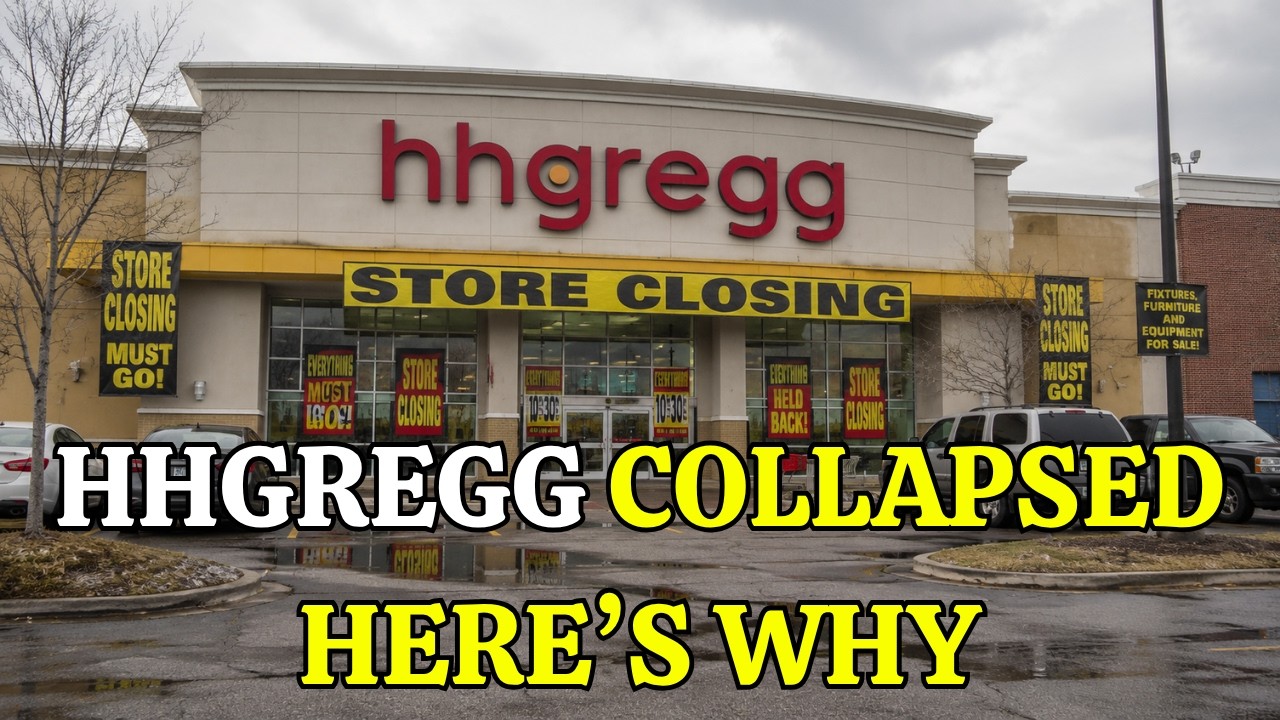
In the 2010s came the retail apocalypse. Gigantic brands began to go under one by one: Sears (2018), Toys "R" Us (2017), Borders (2011), RadioShack (2015), Sports Authority (2016), Forever 21 (2019), and Barneys New York (2019). (Maybe scroll through this list).
Customers were going to Amazon or other DTC brands instead.
It wasn't just big retail brands either. Small businesses felt this, and especially malls.
Between 1970 and 2015, the growth of malls was twice the growth of the population.
Malls were growing twice as fast as people were. These shopping hubs were appearing everywhere.
Then came ecommerce. Malls saw foot traffic drop by 50 percent between 2010 and 2013. But it wasn't just because of higher costs.
Many closed down thanks to "showrooming," where customers looked at products in person, then ordered them online for cheaper elsewhere.
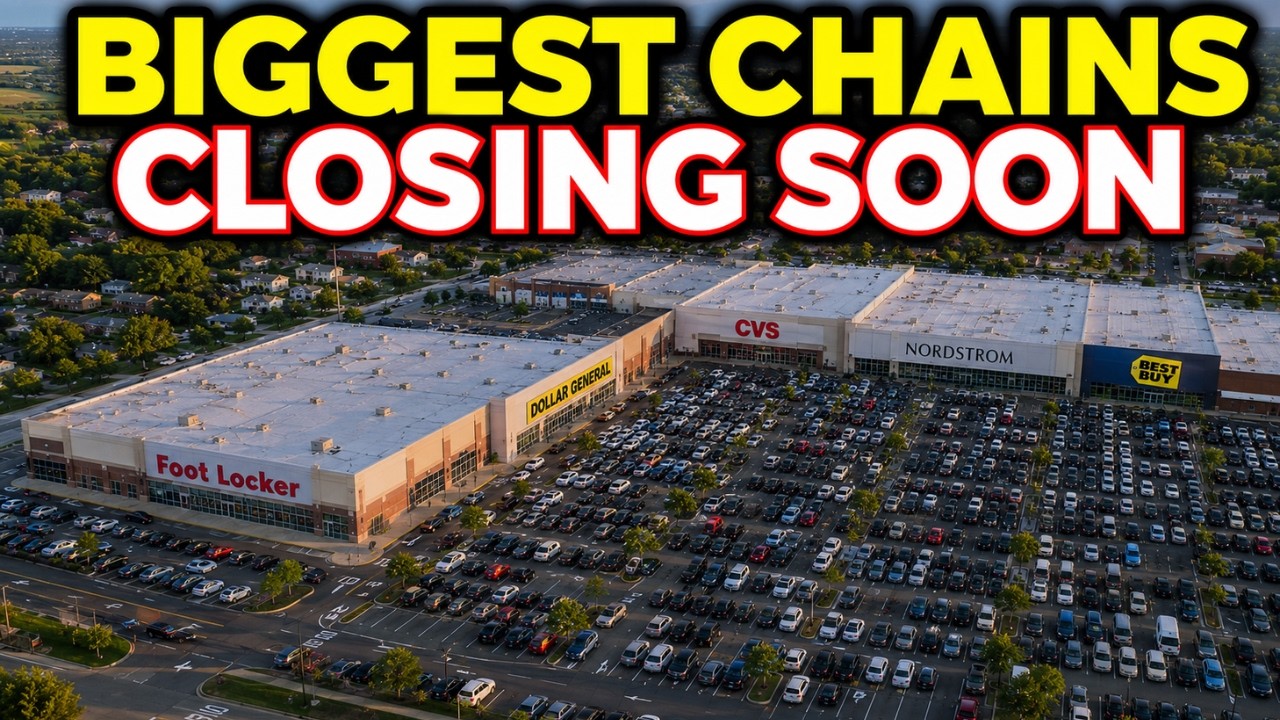
Usually, Amazon. In 2019, over 9,300 stores closed in the US, a 59% jump from 2018. All of this was bad, but it was about to get much, much worse. In 2020 came the pandemic.
Things were already in motion, but here, they began to accelerate.
Retail stores that somehow weren't online now had to be, or die.
Ecommerce grew 43% from 2019 to 2020 in the US — a jump of almost $250 billion.
Covid appeared to be the final nail in the coffin for in-person shopping.
Retail became an "outdated business model," and it seemed like it was becoming a thing of the past. So… why hasn't it?
Despite all these stats and bankruptcies, we don't seem to be in this "post-retail, ecommerce utopia" like some MBAs predicted. Malls are still around; in fact, many are more popular than ever. How much of retail sales do you think comes from ecommerce? 40%? 30%?
It's actually just 24%. And that figure is just core retail, meaning electronics, clothing, that sort of thing. For total retail, including everything like gas stations, restaurants, auto dealers, ecommerce falls even lower.
According to the US Census Bureau, it's just 15.8%.
It definitely spiked in the pandemic, and it is growing, but at about 0.1–2% per year.
Ecommerce seems to have plateaued.
I think we've collectively realized the limits of digital retail.
And because of that, something interesting is happening to those DTC brands.
In the 2000s, or even 2010s, if you started one of these, it was basically free money.
Of course, not exactly, but you had an ocean of untapped consumers and a unique selling point baked in: the internet. But more and more companies moved online.
New brands and old brands. There's more internet traffic from customers, but now more and more businesses all competing for them.
The global DTC market, valued at $583.48 billion in 2024, is projected to reach $2.75 trillion by 2033.
That's a lot of businesses spending lots of money to get you to buy.
The price of customer acquisition is way up. 60% up from just 5 years ago.
Most successful DTC startups already allocate 20–40% of their revenue to marketing.
And most of them are through a narrow group of channels.
Ad spend on Facebook, Google search ads, SMS, email, influencers, SEO blog posts, and organic social media content.
Getting customers online is getting more expensive as more people are doing it.
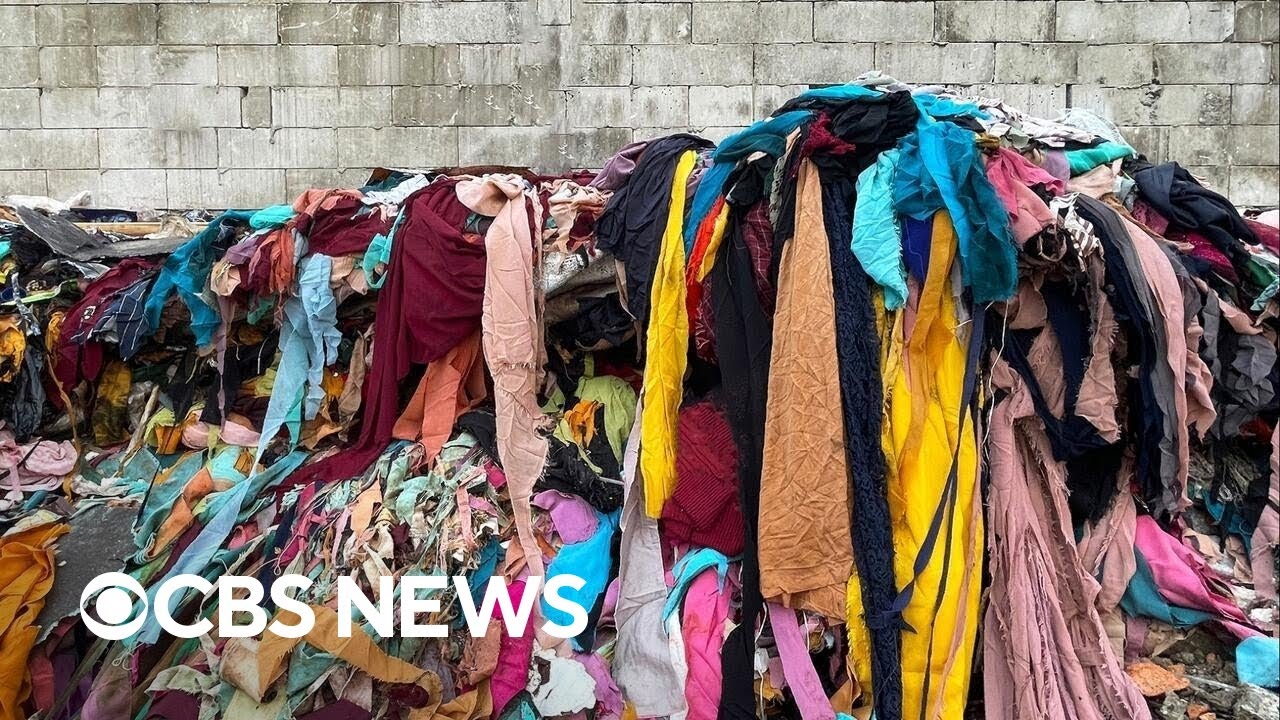
Yet, while acquisition costs are up, so are return rates.
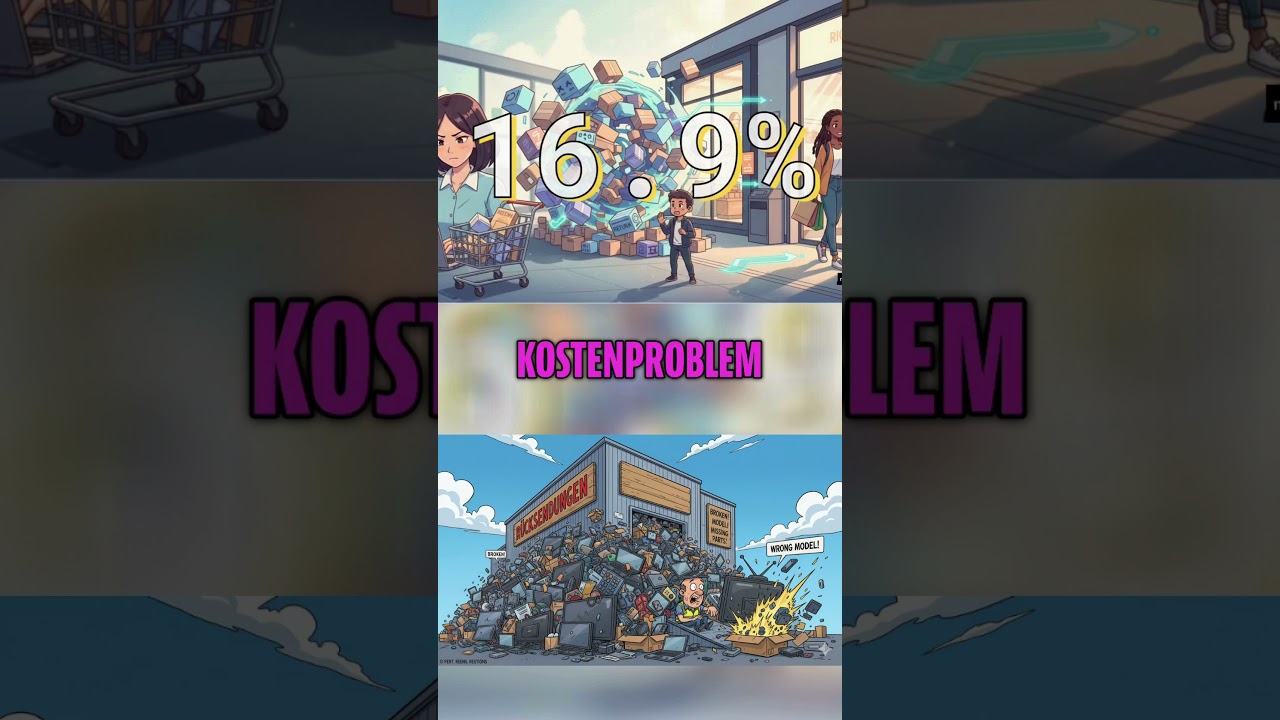
Return rates have more than doubled since 2019, climbing from 8.1% to 16.9%.
This brings a big cost, from 20%–65% of the item's original value.
Restocking, shipping, logistics, communication. All time and money the company loses.
It's becoming a bigger problem, but not for the reason you might think.
Some are because of size mismatches for clothes or product defects, but a big one is bracketing.
This is "when shoppers buy multiple sizes or colors of the same item, planning to return what doesn't work. This is common with younger shoppers. Reports show that half of Gen Z does this when buying clothes and shoes" It's essentially the showrooming of DTC.
And this reveals one of the deeper costs of ecommerce.
Something which, unfortunately, no online brand has solved.
Buying in person lets you better evaluate a product's quality, and this is a massive thing people forget about retail and us as humans. We like to evaluate the risk.
That TV I bought in store? I could have just ordered for pickup, but part of me wanted to see it first. Make sure it was really what I wanted, even if I was 100% sold on it. Even if online makes more sense, we still seek physical confirmation. With ecommerce, you can't touch, feel, or try on products, increasing the risk of buying something that will break in a couple of months or less.
This is especially bad since online products are in photos with perfect lighting and shadows; they have clear, seamless backgrounds; imperfections are removed in post and color-corrected.
If they're clothes, they've been ironed, have the perfect photoshoot, even down to the right model with the right skin tone to match. Compare that to you trying on a shirt in-store.
For some items, this is okay. But not all of them.
Physical stores do a lot that online shopping simply can't.
And there's still more. The whole experience of shopping is a lot of fun.
Going out with friends/family, comparing products in person, visiting multiple stores — it's a social experience. It's usually more fun than just scrolling and adding items to your cart. Which has caused something interesting and ironic to happen. DTC brands are now pivoting to retail.
But this retail looks a little different. And the strangest part is that it's being pushed by those raised with the internet. Chapter 3: The Retail Rebound Over the past 8 years, we’ve posted 1,100 videos! Yet, we still haven’t crossed 1 million subscribers. We are close, though, and I believe 2026 is the year. And if you subscribe right now, we can actually make that a reality.
You would think Gen Z loves ecommerce and hates retail.
But that's not what the data shows.
Each generation preferred buying in stores less than the previous… Until Gen Z.
64% of them prefer buying items in store, more than millennials, Gen X, and even baby boomers.
So, why? They see it as a way of getting more information before they buy, and ensuring they're getting quality and value.
With more and more customer acquisition and advertising, "Gen Z know they can't trust everything they see in an advertisement or read on the internet."
"In fact, 92% of Gen Z shoppers do research before making a purchase — the highest rate of any generation" The generation that grew up with the internet also understands its pitfalls quite well. But there's something else.
Gen Z, more than any other generation, "enjoy a unique and experiential in-person shopping experience." And this shows us a huge transformation happening to retail. DTC brands eventually realized retail is never going away, but also, it's a way to really connect with customers.
Retail shouldn't just be a place to collect items, but to experience a company's culture and what sets it apart. So, they began to move into retail.
In August 2024, Warby Parker announced it would open 900 regular retail stores in the US.
Gymshark opened a 13,000-square-foot flagship store in New York City in 2025.
It has workout rooms, events, and spaces for community.
The clothing brand Guizio also opened one here in 2024.
Skims opened its very first store in DC in 2024 too.
Glossier has begun opening multiple permanent stores since 2021.
On the flipside, something else is happening to malls.
Malls now have a focus not just on shopping, but on experiences.
Despite how long malls have been around, Gen Z are the ones driving growth to malls.
They enjoy these new social experiences.
Playing pickleball, go-karting, rope courses, but one of the biggest are pop-up stores.
Short-term stores, often for trending and luxury brands.
These are especially good at bringing people in, as they aren't around for long, and are usually sought-after items. After all, one of the best things about the mall isn't something to buy, but something to do. At least, for Gen Z.
As such, one of the most important parts of malls now aren't the shops, but the restaurants.
Not just food courts to quickly eat, but a place to stay and enjoy.
The longer you stay at the mall, the more shops you look through, the busier they feel, and the more you're likely to spend.
Ecommerce didn't kill retail. But it exploited its weakness.
A lack of convenience, and a lot of annoying pain points for customers.
Those that didn't offer something strong over online shopping simply died.
Retail stores which didn’t serve customers well closed down.
But retail didn't die. It'll never die, but much of it had to evolve to stay relevant. The two can co-exist, as long as they both bring something unique. Speaking of brands that died, one e-commerce giant that rose to $10 billion and then went bankrupt is wish.com. Check out this video to learn more.
Up Next
27:30
Building Direct-to-Consumer Brands: Founders' Insights
@businessoffashion
41.4K views•2019-05-04
46:36
Retention Habits of Top DTC Ecommerce Brands Revealed
@SendItPodcast
44K views•2026-03-03

15:23
Decoy Effect: How Pricing Psychology Influences Consumer Spending
@bobinvestsUS
90K views•2026-01-05

17:30
The Planned Obsolescence of Light Bulbs and Tech
@veritasium
25.3M views•2021-03-26
Related Study Plans & Knowledge Roadmaps
Structured learning paths in Business
business
Pop-Up Retail: Strategy, Design & Execution
01Introduction to Pop-Up Retail & Strategic Goal Setting
02Budgeting, Site Selection, and Legal Essentials
03Experiential Retail Design & Visual Merchandising
+ 2 more learning modules
15h5 modules
Explore Roadmap
business
Reg CF: Startup Funding, Marketing & Launch
01Introduction to Equity Crowdfunding & Reg CF
02Platform Selection & Legal Preparation
03Crafting High-Converting Campaign Assets
+ 2 more learning modules
14h5 modules
Explore Roadmap
business
Productized Services: Scaling Solo Freelance
01Foundations of Productized Services
02Packaging and Scope Definition
03Pricing and Subscription Models
+ 2 more learning modules
15h5 modules
Explore Roadmap
business
Gov Procurement: Find, Bid & Win Contracts
01Introduction to Government Procurement & Business Setup
02Small Business Certifications & Set-Asides
03Finding and Analyzing Contract Opportunities
+ 2 more learning modules
14h5 modules
Explore Roadmap