CPG Retail Strategy: Pitching & Trade Spend
Learning Goal: Designing and executing a retail distribution strategy to pitch, secure shelf space, and manage trade spend for launching a consumer packaged goods (CPG) brand in national grocery chains.
- Prerequisites: Basic understanding of startup business operations and product manufacturing.
- Estimated Total Study Time: 12 Hours
Module 1: Foundations of the CPG and Grocery Ecosystem
This module maps the essential dynamics of the retail grocery ecosystem. You will learn how the consumer packaged goods (CPG) supply chain functions, highlighting the unique and separate roles of brands, distributors, sales brokers, and retail category managers.
Recommended Videos
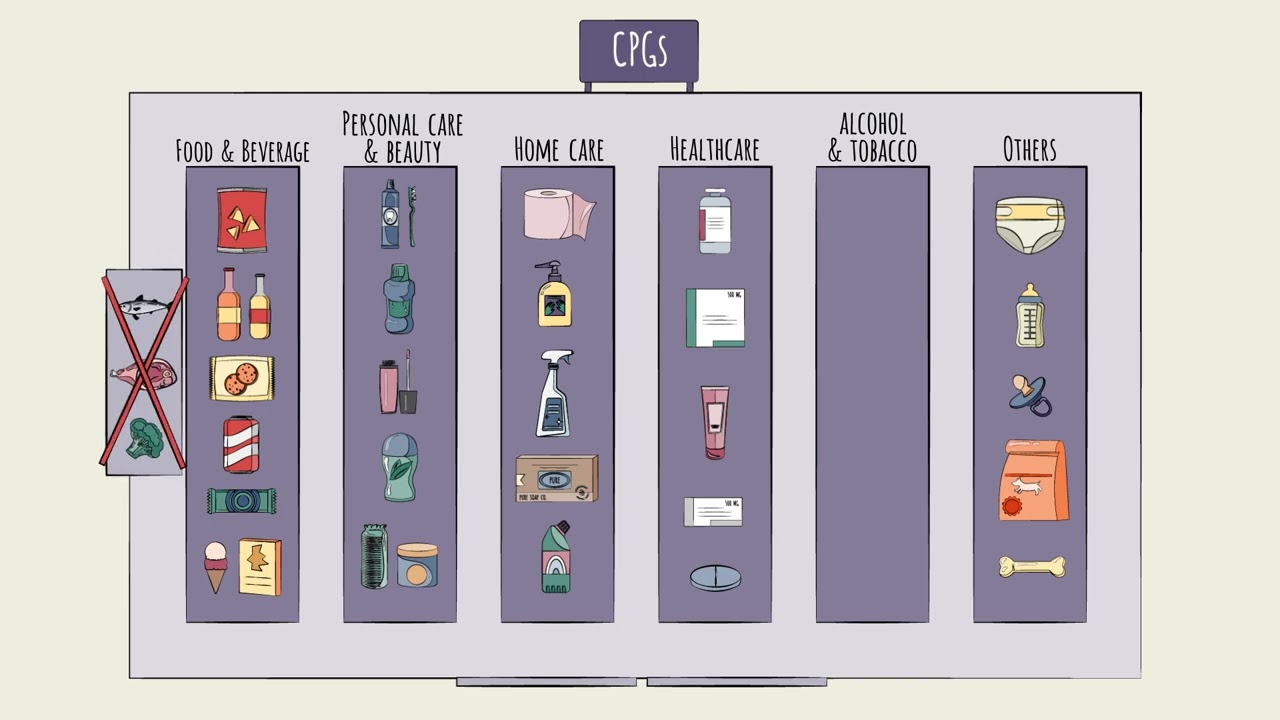
- Why this video: It establishes the historical and functional context of the CPG sector, helping you categorize your product into the correct value, mass, or premium tier—which dictates your pricing and retailer alignment.

- Why this video: It provides a clear, practical breakdown of the crucial difference between brokers (who pitch to category buyers) and distributors (who physically move your inventory). Understanding this distinction is vital to building an effective sales team.
- Why this video: This masterclass highlights the financial pitfalls that sink emerging brands. It covers baseline sales forecasting, P&L preparation, and how to survive the expensive transition from regional pilot to national distribution.
Knowledge Checkpoint
- Explain the difference between a food broker's responsibilities and a distributor's logistics network.
- Identify which tier (value, mass, or premium) your brand falls under and list three target retail banners for that tier.
- Define "baseline sales" and explain why overestimating sales velocity can ruin a brand's runway.
Module 2: Retail Math and Designing the Pitch
This module covers the core unit economics of retail math and explains how to design a high-converting sales pitch. You will master margins and markups, build retail pricing cascades, and learn to write a professional single-page "sell sheet."
Recommended Videos

- Why this video: It provides a clear, mathematically sound explanation of the structural difference between markup (calculated on cost) and margin (calculated on selling price). Mastery of this mathematical foundation is crucial before negotiating with professional buyers.
- Why this video: It maps out the real-world retail pricing cascade. You will learn to start with your landed factory cost, apply distributor and retailer margins (typically 50-70%), subtract co-op and advertising fees, and back into a sustainable MSRP.

- Why this video: It focuses on the elements of an effective "sell sheet." Learn how to display the crucial details buyers look for, such as UPC codes, package dimensions, wholesale pricing, and your plan for marketing support.

- Why this video: It explains the timing and strategy of pitching category managers. Learn to navigate major seasonal cycles, handle crises, and present a business case focused on retailer revenue rather than just your brand story.
Curriculum Gap Note: The video pool has limited examples of complete, multi-page CPG pitch decks. For practical deck design, search independently for:
"How to create a retail sell sheet food brand".
Knowledge Checkpoint
- Calculate the retail price of a product with a landed cost of $2.00, assuming a distributor margin of 20% and a retailer margin of 40%.
- Explain why a retailer cares more about your sell-through marketing plan than your personal brand story.
- List five essential data points that must be included on a single-page retail sell sheet.
Module 3: Securing Shelf Space & Category Reviews
Securing space on grocery store shelves requires navigating structured timelines and physical limitations. This module covers category review calendars, slotting fees, planograms, and how to present your product to fit a retailer's shelf strategy.
Recommended Videos
- Why this video: It highlights how category reviews work, using Whole Foods Market as a key example. It explains how to access supplier portals to align your sales pipeline with structured review dates.
- Why this video: This investigative piece exposes the mechanics of slotting fees. It explains why supermarkets charge these fees and how slotting serves as a risk-mitigation tool for retailers.
- Why this video: It explains planograms from the retailer's perspective. It highlights the risk category managers take when introducing a new item and shows how to position your packaging to secure optimal placement on the shelf.
Curriculum Gap Note: For a deeper dive into category review planning outside of organic specialty accounts, search independently for:
"Winning the grocery category review cycle CPG".
Knowledge Checkpoint
- What is a category review calendar, and how does missing a review window impact your retail sales timeline?
- Define "slotting fees" and explain how they vary between emerging brands and established conglomerates.
- Describe how a planogram determines shelf-space allocation and outline why a buyer would replace an existing brand with yours.
Module 4: Trade Spend, Promotions, and Deductions
Trade spend is often the second largest expense on a CPG brand's P&L. This module covers how to manage promotional spend, temporary price reductions (TPRs), off-invoice discounts, and how to audit distributor deductions and chargebacks to protect your margins.
Recommended Videos
- Why this video: It introduces the basics of trade spend and explains the difference between off-invoice discounts (subtracted at purchase) and scanbacks (paid based on register sales data).
- Why this video: It explains "fixed trade spend" versus variable promotional spend. You will learn how automatic retailer terms, co-ops, and ongoing rebates impact your gross profit margin.

- Why this video: This deep dive focuses on distributor chargebacks and deductions, which can drain up to 2% of annual revenue. It covers common administrative triggers, such as missing ASNs, short ships, and invoice errors.

- Why this video: Featuring real-world insights from Super Coffee, this video explains how to scale with major distributors like UNFI and KeHE while managing regional trade promotions without hurting cash flow.
Curriculum Gap Note: To better understand the systems used to audit complex retail chargebacks, search independently for:
"CPG distributor chargebacks and deductions explained".
Knowledge Checkpoint
- Explain the difference between an off-invoice discount and a scanback promotion.
- Define "fixed trade spend" and show where it sits on a standard CPG P&L sheet.
- List three common triggers for distributor chargebacks and outline an operations protocol to prevent them.
Module 5: Logistics, OTIF, and Scaling Distribution
To scale successfully, you must meet strict logistics standards. This module covers key performance indicators like On-Time In-Full (OTIF), managing inventory, and structured channel expansion.
Recommended Videos

- Why this video: It offers a comprehensive explanation of OTIF. It shows how retailers calculate this metric and details the financial penalties applied when brands miss their delivery windows.
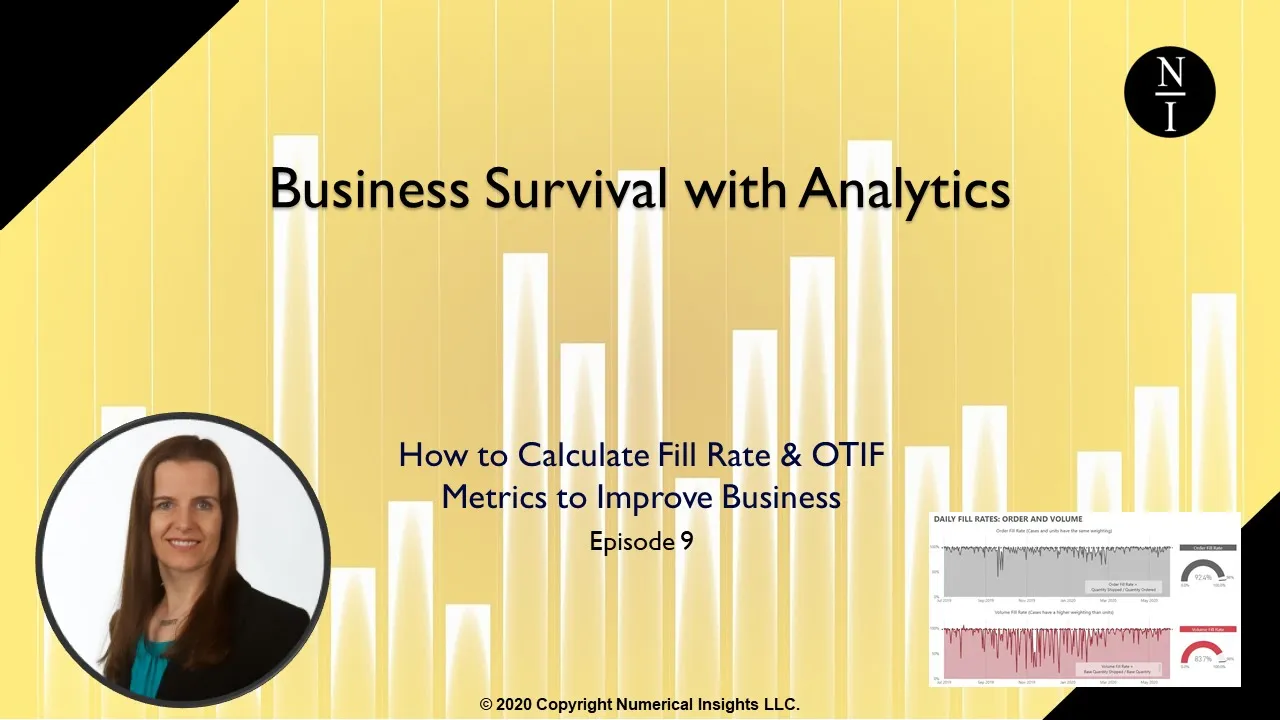
- Why this video: It clarifies the operational difference between "case fill rate" and "OTIF." You will learn how to set up spreadsheets to track order accuracy and build a more reliable supply chain.

- Why this video: It outlines the best sequence for scaling your brand. It explains why founders should focus on mastering 1-2 key retail channels before trying to unlock mass-market accounts.
Curriculum Gap Note: Because broker management videos are less common online, search independently for:
"How to manage and incentivize CPG brokers".
Knowledge Checkpoint
- Write out the formula used to calculate On-Time In-Full (OTIF) delivery.
- Explain how "case fill rate" differs from "OTIF delivery percentage" and why a high fill rate alone will not protect you from retailer fines.
- Describe a sustainable regional-to-national channel expansion plan for a new brand, including doors-on-shelf goals.
Course Map
This map outlines the recommended learning order and shows how the modules build on each other:
Key People Index
- Rob Maxwell (Road2Retail)
Context: An industry expert in retail placement who clarifies how to build sales broker networks and coordinate with regional distributors. - Doug Harding (CPG Retail Advisor)
Context: A specialist in retail pricing models who helps brands structure their pricing cascades from landed factory costs to consumer MSRP. - Jake Huber (CPG Trade Strategist)
Context: An expert on promotional strategies who teaches emerging brands how to balance off-invoice discounts, scanbacks, and variable trade spend. - Jim DeCicco (Co-Founder, Super Coffee)
Context: A founder who shares practical, real-world strategies for scaling distribution and managing distributor relationships.
Final Self-Assessment
Complete this comprehensive self-assessment to verify your understanding of the curriculum:
- CPG Ecosystem: I can explain the different roles of a broker, a distributor, and a retail category manager.
- Retail Calculations: I can calculate margins, markups, and run a full pricing cascade from landed cost to MSRP.
- Sell Sheet Ready: I have created a single-page sell sheet that includes UPCs, case dimensions, wholesale pricing, and our marketing support plan.
- Category Review Timelines: I know how to find category review schedules and align our outreach with retailer review dates.
- Slotting Fee Strategy: I can calculate slotting fees and build a plan to pay them back through our projected sales velocity.
- Planogram Fitting: I understand how our product physical dimensions fit onto standard retail planograms without disrupting the category manager's shelf-space goals.
- Trade Spend Budgeting: I can calculate our fixed and variable trade spend, including temporary price reductions (TPRs) and scanbacks.
- Deduction Auditing: I have an operations protocol to audit distributor chargebacks and prevent revenue loss from late shipments or invoice errors.
- OTIF Compliance: I can calculate our On-Time In-Full (OTIF) metrics and know how to meet major retailers' logistics requirements.
- Channel Scaling Plan: I have a clear, step-by-step plan to scale our distribution from 1-2 regional channels up to national accounts.