





![Clube da Micha | Palestra - Transição dos Serviços da Banca para as IFNB [COMPLETA]](https://i.ytimg.com/vi_webp/-9PvmLCDnvQ/maxresdefault.webp)
![CORRETORA vs DISTRIBUIDORA | Como Escolher o Melhor Agente de Intermediação [SCVM vs SDVM]?](https://i.ytimg.com/vi_webp/R8pVjoKA2To/maxresdefault.webp)









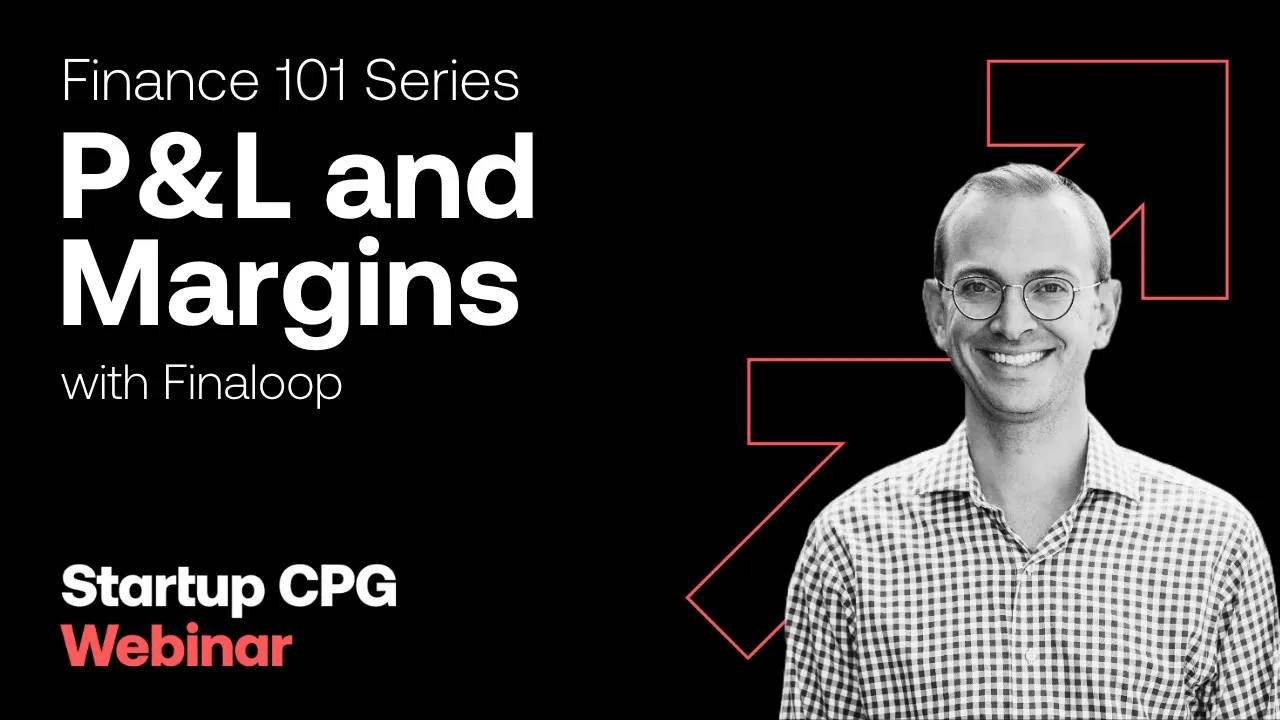
Successful CPG brand expansion with distributors requires brands to maintain active involvement in sales, merchandising, and relationship management rather than relying solely on distributor efforts; brands should focus on becoming the best-selling product in each store before expanding, budget 15-20% of revenue for trade spend and demo costs, and proactively manage chargebacks and fee structures to protect margins.
Mastering Distributor Strategies for CPG Brand Expansion
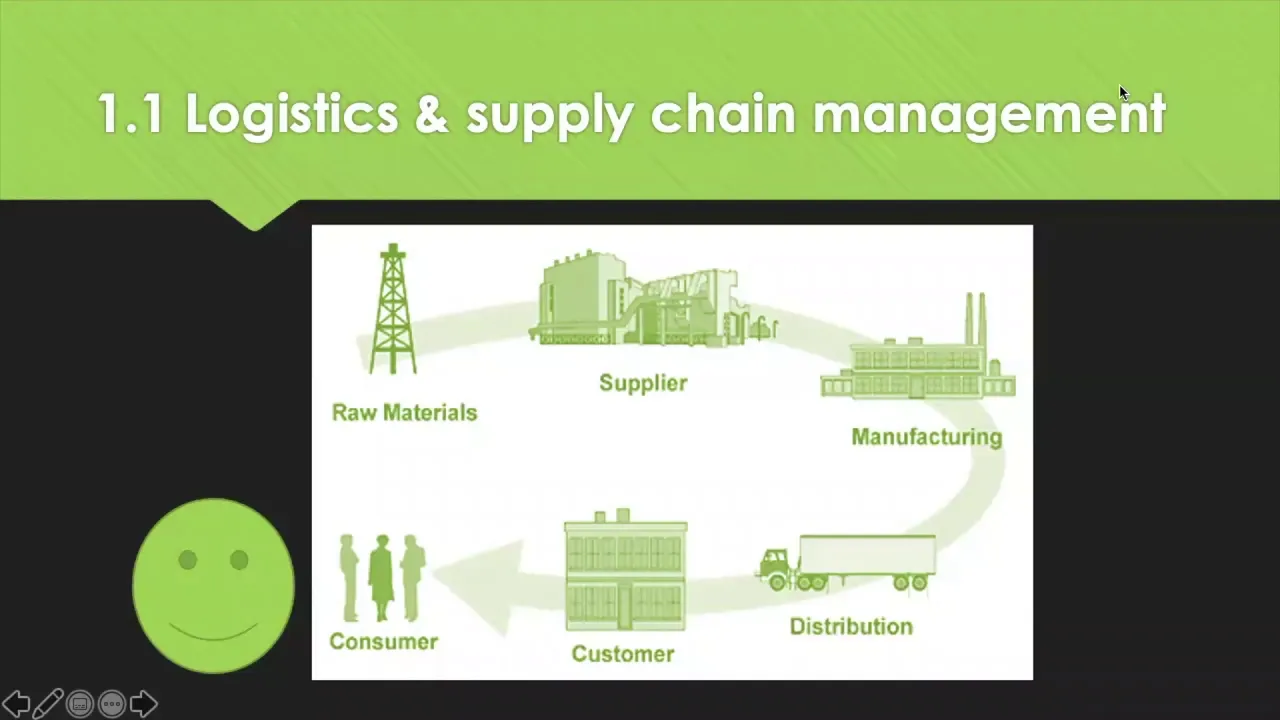
Added:Understanding the basic retail supply chain flow, specifically the roles of manufacturers, distributors, retailers, and end consumers.
Familiarity with fundamental CPG (Consumer Packaged Goods) financial metrics, including Gross Margin, Cost of Goods Sold (COGS), and Suggested Retail Price (SRP).
The operational distinction between a distributor (who purchases, warehouses, and delivers inventory) and a broker (who acts as a sales representative).
Basic knowledge of retail inventory management concepts, such as product velocity, stockouts, and shelf-life constraints.
Advanced trade spend optimization and systematic auditing techniques to identify, prevent, and dispute invalid distributor chargebacks (such as MCBs).
Utilizing syndicated retail market data (e.g., SPINS, Nielsen, IRI) to track product velocity and defend shelf space during retailer reviews.
Evaluating supply chain financing options and working capital management strategies to survive the cash flow gaps caused by distributor payment terms.
Developing a scaling framework to transition from regional distributor partnerships to national broadline distribution networks like UNFI or KeHE.
152 views4likes59:02Original Release: 2022-05-22
hey everyone welcome to today's conversation which is about expanding with distributors i know our panelists here are all very well versed in this topic the good the bad and the ugly and so we're going to hear from we have two cpg founders renee dunn who is the ceo of amazing foods jim desicco who is the ceo of super coffee keto life kiwi life um and trent moffett who is the ceo of of gotham brands which is a distributor and incubator for new brands along with merchandising support and a little bit more so i also want to make sure to call out our sponsors today tracks formerlysurvey.com which helps brands merchandise and really sell their products off the shelf if you are looking for help getting your product moving once you're launching into new retailers or really putting together a good strategy on how do you grow within a retailer and get consumers to actually buy your product feel free to know i'm happy to introduce you to the traxx team so with that i'd love to jump right into the conversation and we'll start with renee i'd love for you just to give a sense of about how many stores you're currently selling in and what your distributor profile looks like in terms of what size distributors are working with and you know regional international sure um so thanks so much for stopping for inviting me i always have a little bit of a like why did you use me my name goes on panels but it's great to be here um but we're in around a thousand stores um we work um with kahi a good bit um we're also in select unfi dc's we are exploring certain regional distributors right now um that i'm happy to touch on that a little bit later but otherwise we've been working with a lot of the newer uh non-traditional sort of pod direct and pod foods um we do fair which isn't quite a distributor but obviously a platform for wholesale purchases we haven't um leaned in as much to the regional distributor game ourselves and um and i'm happy to talk about that so far but we're we're mostly national with more of a south and west coast spread um so that's kind of our our reach right now love that and renee of course i should have asked you do you have a quick 10 second overview of what the mazi is sure so yeah amazing is a tropical fruit snack company on a mission to help you snack on purpose we make tropical fruit snacks in partnership with small businesses and farmers in uganda so uh socially driven company and thanks michael and yeah we were out here trying to be amazing love it and they're so good all right jim i'd love for you just to give a quick intro same thing a little bit about uh super coffee the product and then what your distribution profile looks like awesome yeah thanks jordan what's up guys i'm jimmy i'm the oldest brother and ceo of super coffee i see a few familiar faces out there carl starkey what's up man chris wren good to see you um but no my brothers and i we started super coffee six years ago out of our youngest brother's dorm room in dc uh we didn't want to drink a bottle of coffee to add 45 grams of sugar and 300 calories so we brewed coffee with protein and zero sugar and we made it taste good and uh today we're nationally distributed by anheuser-busch we're in 50 000 stores up and down the street groceries convenience and dsd for for those who don't know it's just direct store delivery so different than what unfinicky does that's more of a broadline drop dsg is more of a full service uh where they stock the shelves to help build off off shelf displays um and for us we're sort of a pure shelf stable beverage play when it comes to go to market i think that one of the risks with dsd is it requires a lot of support so we're 135 full-time employees and we have 80 80 sales reps in the field every day working with anheuser-busch to really support those stores i love that jimmy i appreciate that overview and then trent just a quick intro on gotham brands and your coverage and the work that you do sure so we've got a couple different platforms one we've got our incubator model that we've started with from day one in new york city so we've got our own distributor which we tackle about 500 key independents that we use to incubate products in and and move them up but we've also got a sales support model in multiple cities like boston miami houston chicago la so that we can support the dsd models jim's got his own team but certain brands don't we become one one stop shop for that and then we've got a merchandising team that can cover you know upwards of 3 500 doors on a regular basis so we can anywhere from a whole foods to an heb to target and we can we can target those and make sure you're on shelf build displays et cetera so um a couple different models but typically all around the brands we're building so we put the first case lacroix in the market first case of um oatly frozen first case of owns we've done a lot of first cases and built them into a platform where they can grow and be more aggressive in the market so i love that so lots of expertise on this call and what we're going to do now is hit on some of these topics from starting out small growing to regional and then also growing to national what that entails so renee i'd love for you to first give your perspective on kind of where you started and the first distributors that you started working with yeah and we have a bit of a unique model and story um so i'm happy to share that i don't know if i advise it but this is what we did so um so we were in conversations with some regional distributors this is in like 2019 around the time that i had sort of launched our brand um and um we have as i mentioned a unique supply chain which requires a certain amount of volume to produce and import from overseas um we were in a kind of a tough spot doing a lot of small store deliveries and it just really wasn't making it feasible for us to work our production model so we actually needed a larger anchor account in order to make our business happen at all um and this was sort of by chance that i had submitted our items to sprouts thinking we just got a handful of stores we actually got invited to go um national with them um and you know i had a lot of reserves and hesitations because you hear some horror stories about brands doing just that um but we were lucky to kind of have a conversation with them and negotiate a timeline that made sense um and that actually opened up our first distribution so we learned a lot and made a lot of mistakes which i am more than happy to share um on this call of course but we kind of started with katie um and and kind of built out from there and so we kind of learned okay sprouts has opened up five dc's for us initially they're even growing beyond that now and how can we build density now out of these dc's in these markets um and that was sort of our approach it was a bit of a backwards approach but you know it it worked for us from a supply chain perspective and also um product market fit wise we thought that sprouts was a great partner and and was reaching the right customers and also in the right markets so that's sort of how we took it and it was interesting because i don't want to take up too much time on this one but we were in conversation previously with a regional distributor that had very strict exclusivity type um expectations and we're trying to get us to set our price point with them um at a certain threshold and um as soon as we got this you know national opportunity we were like well we can't honor both in this sense and and it didn't it didn't make sense for us at the time to um pursue that but that was just something that we had to be careful of when we were in those conversations initially so um and then from there we did eventually open up unfi um that was um i always say if you can get an anchor retailer to bring you into a distributor that is a much easier route than opening up distribution and then trying to you know or trying to gather accounts um but that's what we did for unfi and and um in certain select markets that it made sense so um we yeah that's high level our path no i think that's awesome renee and to dive into that a little bit deeper um when you're starting out and have to launch an open five dc's even with an anchor account it's a lot to manage and a lot of product to ship out and a lot of mistakes that happen i mean i would love to hear about some of the learnings that you had when you're trying to roll out across five dc's to start sure well um to be frank it was a show uh but we we it was a show for many reasons because we were changing our production model at the same time we had to get new upc's um previously we had the recycled barcodes and then when we were going into national distribution with the core retailer we were like oh that's not going to work so we had to upgrade all of our upc codes um we had to you know it was that was a big mess and we also ended up with a pricing issue um in that first month where something must have gotten wrong along the way with our paperwork where we were supposed to be sitting at like around 4.99 on shelf and lo and behold i go to shelves so excited to see the products and they were sitting at 8.99 and i was like how the heck did that happen i'm certainly not getting that extra money like where where did we lose that and we did have to kind of dig deep to find out you know at what stage of that mistake happened and and we had to reach out to sprouts and kahi and kind of do a little bit of digging there but um and i think you know we i was also learning how to use you know the reporting on the platform understand my chargebacks when is that gonna hit um so i would say it was not pretty uh but it was a good crash course and um it's been really um i don't know i feel like it forced me and again i wouldn't necessarily recommend everybody take the path that we took but i will say that i feel like i have a much more hands-on approach with kahi with our distributors in general just because i was very much like in there in the weeds experiencing all of the mistakes and now knowing like okay we have to make sure not to do this you have to make sure not to do that be sure to look out for this budget for this you know not to do this so i do feel like um there was a lot of uh good things to come of it in the end so yeah yeah definitely a trial by fire and having to to learn as you go first so jimmy i know with you guys being at 50 000 stores today i know it was a a journey in getting there and so i'd love for you to talk about what your path went like from selling into your first stores to growing with distribution over time and eventually your partnership with abn bev and and what were those steps along the way i think you're still on meet jimmy thank you so i think a lot of us face the same challenges when you're first starting out you know a distributor won't carry you typically unless you have stores for them to bring it to stores don't carry you unless you have a distributor you know and when you first start you don't have either of those things so when we started super coffee in 2016 we this was before amazon owned whole foods we uh we did a local selling to one store in washington dc and we decided to make the deliveries to that store we were part of the local program we said that we'll service you guys three days a week whatever you need and our philosophy back then was inch wide mile deep you know if we only had one store let's focus all of our resources on that store you know and we we broke that storage weekly sales record in the first four hours my brothers and i were there every day stocking shelves pouring samples and once we had a good data story we took it to the store down the street and we said hey we're breaking records that that whole foods up the street like give us an opportunity we'll do the same thing here and that's really how it went for the first 18 months you know we built up our our distribution route to like 20 to 30 stores in the dc area but we wouldn't move on from one store to the next until we were the best-selling coffee in that store you know we wanted to have a really compelling story i think a lot of times founders spread themselves too thin and it's really tough to build a story when you're trying to support stores in all different parts of the country so for us i think the lack of resources was actually a benefit because we couldn't we couldn't go go deep and at the same time we also had uh the discipline to say no to some opportunity so 2017 our second year of business uh ralph's kroger division on the west coast reached out and said hey we want to uh we want to sell super coffee we said sorry we're basing on in the northeast right now and that's where we're focused so we turned down a national retailer to keep our focus for the first three years we really grew from dc up to boston uh and then once we had a really good selling story in that one region of the country we were able to raise money against that and scale regionally from there and to huv in texas and publix in the southeast and meyer in the midwest really going region by region rather than nationally and once you once you build up and sort of earn those regional accounts that's when you have the opportunity to get into local distributors in those markets so i would say get the stores first you know and and then look for the distributors ask the stores too who do you prefer to work with you do you like dsd for this market do you like unfi do you like to go through your direct warehouse uh and then finally i think it was a good fortune and good timing with anheuser-busch um they they don't own us or anything like that they're just simply our distributor nationwide they with beer sales declining and hard sales sales declining they want to grow a non-out business and for us to service walmart and 711 and cbs nationwide we needed that national network pepsi has starbucks duncan is distributed by coke so we couldn't go with those guys and anheuser-busch is a powerful system so we we got with them in 2021 we've been growing the business there for about 18 months now i love that especially when you started out that idea of becoming the best-selling product in every store that you launch into because i can't tell you how many founders i meet and even i made this my mistake myself when we launched i was thinking hey let's just get our product in the store is the retailer's job to sell the product right it can be more wrong in terms of it's still the brand's responsibility to get that product moving off the shelf and so what were some of the things that you you did to really get the product moving was it like demos every day or promotions what kind of made the impact yeah and i'm glad you you said it that way because for us our job starts when our product gets on the shelf you know we all know how hard it is to sell into a store to get in front of a buyer to get into the next cut in or the the next reset it's really tough but what's what's even tougher than that is getting kicked out of that store at the next reset because you didn't meet the hurdle rates you know so i think once you once you get authorized at a store that's when your work begins and if you have the means or the resources to do demos and sampling events do it if you have the opportunity to sell in incremental displays either on the floor with a rack or a shipper or end cap side caps whatever just to get more eyes outside of your home shelf space do that as well um i think be careful with with promos you know in the early days like right now we're aiming for a 15 trade spend rate um in the early days we were 30 trade spend rate you know we got a little bit uh addicted to the publix pogos you know every time we do a buy one get one free at publix we saw our national sales go up we're like dang this this feels good let's keep doing that but uh you don't want to trade train your customers to uh to buy you guys on on discount uh and it certainly hurts gross margin as well so i think for early brands to shoot for 20 to 25 trade spend is is the right mix to really boost sales um and then don't do things like facebook ads driving people into retail it's it seems like it makes sense you know i can geo target this neighborhood and send people into whole foods that doesn't work don't do that um if retailers have digital platforms that they want to support you know like a walmart.com you know or target circle circle promos things like that definitely participate because if you support the retailers they tend to support you back i absolutely love that i appreciate you going through that hey we did a panel a couple weeks ago when talking about that as well actually it was a um a podcast with target.com and one of their previous buyers and he said the same thing it's like they retailers have a ton of programs and if brands are able to leverage those they'd be great tools and will build great relationships with that buyer so absolutely love that uh yeah trent oh i was just gonna say like one thing that i learned um because i didn't know that you could ask for this stuff when you first started onboarding like i was like oh i just have to fill out this promo sheet and submit it to gay and that's all we can do um and you know i've started to get much better at asking different retailers like what do you like to see what kind of model you know works for your store what programs you have we're also certified women owned or you know if there's a certain content piece that they're looking for we always ask about what other programs they have beyond just you know doing a typical promotion on the shelf and sometimes there are some really creative programs out there um and and that you know don't necessarily cost as much but can create a good storytelling opportunity and the buyers really like to see it um so that's another thing that we've we've taken advantage of as well i love that trent i want to ask you in terms of you work with a ton of brands who are launching into distribution for the first time were there some of the common mistakes that you see those founders making when they come to you i think a lot of them just come in and just think that they're done um jim and ray both touched on that that's when the work really starts because now um once you go under a distributor you're going to wind up the distributor to have 200 brands 300 brands a couple thousand brands and now you want to be a part of that and you're going to be the smallest guy in the block so um you might have a lot of competitive brands inside you might have folks that just simply have relationships with the distributors already in with and how do you penetrate through that so you have your promotions lined up a lot of them don't have promotional dollars once they walk in they've spent their money to get there and now they don't have another dollar to spend um do they have a sales force whether it's us or somebody else your own sales force are you in your backyard are you going to go out and do the work and work with the reps and go see the distributors and and really focus on where you want to be are you going to start working on their anchor accounts do you already have their anchor accounts it could be a chain it could be you know a neighborhood that they like to work in and how do you how do you penetrate that can you help them open those doors um there's a lot of work to be done once you get started and a lot of folks aren't ready for that you simply have the simple point of sale ready for them it could be something as simple as a cell sheet with upc codes on it so the teams can go out and work with that do they have do they have that is available um and then a lot of folks i'm seeing recently and and regards to supply chain do you have enough product to support them so if you're opening up a huge distributor versus a smaller distributor are you are you only unable to support them if they open these chains you're going to hold them back a little bit because sometimes especially recently i've seen a lot of out of stocks and honest docs will kill you because then they're just going to focus on other brands and bigger stores i'm even seeing swapping and swapping out products after a certain amount of time covet they let them roll for for a long period of time they gave grace period but now in the last three to six months we're seeing branches getting swapped out for like products because they're not going to tolerate the out of stocks they can't the retailers can't so you've got to make sure you're prepared and you've got some some inventory to hold before you open up the next distributor the next distributor you want to be able to support so i've seen a lot of folks walk in um thinking that dsd is going to do everything and that's not the case your force has got to be out there selling these retail accounts placing the orders with distributors getting their attention building those relationships um creating those promotions with the distributors whether it's for free free goods or discounts to make sure that they have the abilities and tools to go out and do it incentives always work with with the distributors but you can't do those forever so what happens after you run you know the first 30 days in a distributed launch and it's not pulling do you have a demo team that can go in and start to support some of these in stores do you have marketing campaigns something you know as small as um trade spending in the market to make that work yeah billboards on the buses like what we did so there's things on many different scales you can go to work and the distributors will tell you what's worked with other brands or like items that worked and they like to work with um but you got to follow their lead right so a lot of that is the pre-work when you go in um sitting with the distributor not just trying to just sell in just to sell in it might not even be the right fit but once you do realize you have the right fit most distributor managers will tell you i need x y and z to make this work and if you can do x y and z you've got a good shot when you think about brands who have worked with you and your team to build a good relationship what are the things that they're doing how often are they kind of meeting with you and the team are they doing anything to incentivize you guys like what are those things that stand out for the founders who are doing the best and building those relationships with you i think that they're involved right we've got brands that might be overseas and they're not involved at all um that's one one way it could be they could be on a different coast and they just want to open up new york but certainly just being involved with the team whether it be and you could be on a different coast but just just having you know a monthly meeting with the team to get their feedback because a lot of times we do this a lot so we'll have a launch meeting just so my the teams can get used to what to sell and how to sell it and what the brand's about right that all goes out the window the second you go the first account they have no idea what you said and all of a sudden they start hitting a lot of walls um maybe it's competitive issue maybe it's a pricing issue maybe you know it's it's they're trying to sell the wrong wrong spot in the store the wrong buyers having that follow me two weeks after launch is i think pretty important because we've seen a lot of feedback and questions and because where the guys that hit walls or had success you could share that pretty quickly um and get some support right so if we need if maybe the promo isn't working and we did a five one to get get into stores originally we need a four and one or three and one to make that happen rather than go months or weeks you could you can nip that in the button to cut first first ten days to make that happen so um what's a good it was a good communication cadence because i know some founders like don't want to be too annoying and like reaching out to you all the time but they also don't want you know months to go by without knowing anything is it like once a month check-ins or every two weeks or so i think as much as you can and the distributors will tell you right they'll just tell you hey look we have monthly meetings we want to meet with you once a quarter you can come in here and work with our guys once a week and each distributor is a little different so i think whatever they're going to give you you take don't you know if they're telling you they can if you can work with somebody once a week or if you can meet somebody once a month make sure you take advantage of that don't don't just bypass it because to your point if you if they tell you once a month you start calling the guy every single morning these guys are busy this one thing is a distributor any distributor it is from loading trucks to refusals to collecting money these guys have a lot on their plate so a lot of brands so if you're calling and 20 other brands are calling every morning it would be pretty annoying it sounds like ask and then follow their lead i love that and you can push the envelope a little bit but you know you got up you got to follow so so jimmy we actually got a question that matt asked he said for beverage do you use different distributors by channel and does it make sense to use dsd as much as possible or is there a good mix between dsd versus unfi and keys of the world good question man so um the way dsd is split up is it's very territorial and very geographic and renee i'll tell you her uh trent and i will both tell you this is if you're a distributor and you're servicing stores in new york city you don't want another distributor serving servicing the same source that you do right so uh for us if you have a distributor for new york city that's your only distributor in new york city and they have exclusive rights to all channels all trade from food service all the way down to grocery bodega's mass club you name it um and sorry was that the second part of the question yeah in terms of what's what mix between dsd and then working with like a unifi or okay yeah so for us we're probably 70 dsd there are some customers that prefer a unfi or kahi you know like sprouts we service with ke whole foods in some territories we service unfi i'm pretty sure we're still unfi at wegmans up in the northeast uh and those are tough conversations that you have to be forthright with your distributors on you know i know in new york with big geyser jerry rita is some day is my best friend and some days my worst enemy because he wants to service every account in in uh new york city right and uh if there's a new wegmans store that opens and wegmans is going through unfi jerry's gonna throw a fit because that's a violation of his contract you know so i think for for me what we've learned is like rather than trying to sneak stuff by the distributors always find out just be open and forthright and if their incentives and just are aligned uh then if the distributor or if the if the retailer only wants to carry your product through unf r k he most of the time the dsd distributors in that territory will understand that so jim for those who don't fully understand can you talk about the difference between dsd and a typical distributor um yeah so i say unifying kahe are probably typical distributors like they're broadliners right and uh your product let's say you get plantagrammed in a whole foods region that's going to get set up at the local whole foods it's at the local unfi warehouse and from there uh it's basically the store orders it as they get as you get down to a certain number of units left on the shelf or in backstock uh the store will re-trigger that order through unfi unified drops that order off at the loading dock and stores responsibility to stock the shelves versus dsd the best dsd system i can think of is coca-cola right you we've all seen the big red trucks we all see aisles in the grocery store filled with coke products everything from vitamin water smart water body armor now to coca-cola and diet coke it's a full aisle that coke rep is in the store writing the order for what that store needs uh and the stores love it because it provides service you know coke services most stores three to five times a week and the it's good for the brands because that coke rep is gonna mess it at the same time he's not gonna sell in or she's not gonna sell in more product than that store needs because that burns a relationship with that retailer so uh i think dsd gives you that flexibility to be aggressive to take space you know trent said it if a competitor is out of stock that's still you can't sell air you know so so that store is going to turn to the next competitor that has product in the warehouse just to get bottles on the shelf so dsd allows for that whereas i think a unfi or key kind of stays to the planogram and and really limits your opportunity to go to go off shelf yeah if you have a dsd in the store right they might be able to see that the shelf is empty for the competitive space and then talk to the buyer say hey you need some extra product we can fill in it for you yeah and an aggressive dsd or or a super healthy sales rep we'll say well not they won't just do it they won't burn a relationship but they might make some space and say hey that those chips are running low over there what if we what if we put some super coffee on that shelf yeah love that um i know you know dsd has been mostly prevalent for like beverage probably because it's been led by by coke and some of the others i'd be curious renee are you using any dst um distributors we're not um and we are in conversation with some because we have done some initiatives and stores for secondary placement like clip strips for example we have branded clip strips that work in produce really well for us for example um and we've tried to go through you know third-party merchandising services in the meantime which you know definitely helps but it's certainly a big expense and not something for us that we could do super long term um and plus it was also tough where we did have instances where if it's not the streamlined you know dsd model where they also have products you know it's like okay well for whatever reason the fill rates are low and i'm here at the store and i have eclipse strips to set up but there's no back stock and i can't be the one who fill it i have to ping this person to like order through them and then so it does create i wouldn't say it's a perfect solution to use a third-party merchandising service then again you know just like we were saying before nothing is a perfect solution you have to you know be ready to stay on top of things and and kind of problem solve out there no matter who your partner is um that's just the name of the game you can't just expect them to be a silver bullet no matter what solution you choose but um i guess long answer short we haven't utilized a full service csd to this point yeah you know when i was launching when i launched my brand t-squares we didn't use the dsc we had some regional distributors national and for instance like with whole foods similar to jimmy we started off like i was driving the store stocking the shelves myself with product and it was you know fine but it wasn't scalable and then we brought a regional distributor a good relationship with whole foods and they actually made sure our product was was in stock on the shelf and the whole foods team does a really good job at that but when we launched into a more up more conventional retailer we had to probably drop off at the back door and i would go in the store and i could not find the product because it was ended up being merchandised in five different places across the store and because we didn't have a dsd actually going in and stocking and making sure the product ended up in the right place like literally i when these doors looked around for 20 minutes before i could even find our product and that was a really eye-opening reveal to me in terms of the value of dsd relationships or having good merchandisers when you're working with accounts that don't do it themselves a lot of them don't so renee another question that came in to maybe you can answer as well in terms of building a retail financial model for a new brand they said they're currently on retail what percentage should be planned for demo and support costs yeah so i mean we have our dedicated trade spend and then we have separate marketing budgets um you know i aim and it doesn't i analyze this quarterly but i aim to be somewhere between 15 and 20 for each of them um i think it also depends on the main retailers that you're partnering with kind of what i was getting at a little bit before like for example sprouts you know they're an account that's going to want a pretty competitive edlp um so budgeting for that as opposed to budgeting for demos there is far more effective and the cost implications of each of those is different and if i know that that's going to be an account that i'm really leaning into and focusing on i'll kind of build around that but i would say just percentage-wise i've budgeted in the 15 to 20 percent range for those activities um and yeah i think if you have a stronger field marketing presence you know you might have to start a little bit steeper than that um it sounds like jim started steeper than that in the early days um but that's how i've approached it so far yeah and just to reiterate if you missed it jimmy said they started off at about 30 percent was really high and their goal is to get it down to 15 which they're working towards now um you know it's interesting one thing that i started looking at as i was helping brands look at their e-commerce and the cost of customer acquisition and thinking about how that applies in a similar way to retail because when you're in the retail store you still need a first-time customer to try the product and then hopefully like rebuy and it's interesting because a lot of people are fine losing money on the first purchase for dlc sales and then making it up with like a second or third purchase but aren't really thinking that same way as it turns to retail uh jimmy or rene of either you started thinking about that like trial promotion for new customers and instances you can do to get trial with the hopes that they'll become a repeat buyer yeah i think it starts with a good product right you got to believe in your product and that's one thing that we learned along the way our coffee started out pretty niche you know we have mct oil and sweetened with monk fruit you know but we're competing with the starbucks frappuccino this is coffee with milk and sugar so over the years we've evolved our message to be more of this sort of whole foods natural play to be more of a mainstream play anchored around flavor i think if if you guys are in the space of creating healthy foods you have to remember it has to taste good first you know people will not sacrifice mainstream america that is think about the walmart shopper rather than the whole food shopper will not sacrifice taste for health if it doesn't taste good they might try it once but they will not buy it again so i think flavor is is the most critical piece to that retention uh and then it's all about we call it sips ellipse once you have a product that tastes good good enough for people to convert from their their favorite brand to uh then you do the sampling then you show up at the events you know you might team up with an ibotta or a catalina a shop for a marketing platform to to run coupons or promotions on the back of receipts in stores but it really starts with good flavor and i mean for six years we've been evolving and developing and iterating on our flavor every every six months really and jimmy you guys just actually relaunched one of your most popular well the flavor that i think is like you or some of the team members love the most you just relaunched it right you tell that yeah so yeah i mean we when we first started out we uh we had a vanilla coffee a mocha coffee and a cinnamon flavored coffee you know we liked putting cinnamon in our coffee it had health benefits good antioxidants and the the packaging was sort of reddish like the color red it almost looked like big red gum it was delicious it tasted like cinnamon toast crunch but because it wasn't a popular flavor that people were familiar with it didn't sell very well it was certainly our best tasting item didn't sell very well so we we retired that flavor and just now i mean it was basically off the shelf for five years just two months ago we we brought it back and instead of calling it cinnamon coffee or cinnamon latte we're calling it cinnamon roll and the package on the front of the coffee is like a big cinnamon bun it looks super indulgent it actually tastes like a cinnamon bun now sugar-free and it quickly became our best-selling skew so honestly the same product the same liquid that was in that bottle five years ago different positions different packaging sort of playing to that indulgent flavor rather than some functional healthy niche product and they may have a follow-up question on that as you evolved from natural channel to conventional mainstream messaging that your pricing change as well yeah pricing is the toughest thing and carl texted me on the side here so let's spend a second on this pricing is is critical to get right because in the dsd model you're selling to distributors cheaper than what you are to unfi or ke because there's a level of service that they're providing that you wouldn't get elsewhere so uh your cost to them is is cheaper so that's less money that you're making uh and as a new item you're gonna have to promo too you know so like let's say you're on a 30 trade spend the way that we were in the early days our gross margin after we sold to the distributor was 25 so after we promoted we had a negative gross margin trade spend comes out of margin you know and and in the early days sure you can price the coffee four bucks five bucks at whole foods and the whole foods crowd will buy it but nobody's ever bought a five dollar coffee at walmart you know it just doesn't exist so uh the seth goldman from honesty calls it field of dreams pricing and the idea this isn't a strategy but it's a good concept is that if you price your product in line with competitors you're going to sell more of that product and as you scale your cost to make that product will come down now in an inflationary time where supply chain's all jacked up as it is right now i mean we're selling millions of more units today than we were five years ago yet all of our costs are more expensive than they were five years ago and there's there's only a limited elasticity like a limited threshold to the extent you can pass those costs through to consumers so honestly the bigger we're getting the tighter our margins been getting over the last couple months so i i'll tell you guys pricing is critical i think set your set your shelf price up for a position where you can have that 40 margin and beverage is is the magic number that's that's the gross margin that you have to aim for in beverage um we're not there yet you know we're 100 million dollars in sales we're a 30 gross margin this year you know so we still have a a long way to go to get to that 40 percent number um and then so that's the shelf price should get you to 40 maybe even 50 and then set up your your promo plan where you're you're in the 20s to 30s for the first few years and then you can slowly dial back those promos and tinker with uh tinker with it the other thing too i mean every big company anheuser-busch coke pepsi they take a two percent price increase every single year no matter what so uh i mean we just took our first price increase this year we missed an opportunity to take that two percent increase every year for the last five so don't be afraid to raise prices uh everybody everybody does it yeah that makes sense right you end up you see a lot of brands when they're in situations where their price is the same everything is going up in comparison and they're suffering i actually just talked to two businesses that went out of business because they didn't think they would raise their pricing and ingredients were up so they decided to shut down which is unfortunate but there's definitely those inflationary pressures that are that are going on now so michelle had a question what are some of the successful regions that have surprised you renee if you have any as well that you're selling in um yeah i mean and also just to add one thing to the previous comments like this isn't necessarily within retail per se but we've gotten really creative about other revenue streams um and what other channels can we sell through to also supplement retail because retail is so expensive and we try to think of it as overall contribution margin between the various channels that we sell through um you know we sell into some airports we sell direct into some offices we you know have started to do we do a lot of you know imperfect foods for example and and that's pretty clean business um it's pretty straightforward not like all the backwards math of okay it's delivered here and then i'm gonna get charged back for this and this and where am i actually at so i do try to supplement my margin in that way as well so just a comment there um but regional um yeah i think i thought initially sopak and like the west coast was going to be super hot for us and you know i think in the beginning it kind of was because it's a very forward region um but we've actually found a lot more success in the southeast in texas um like florida has been great for us uh texas georgia so i don't know if it's just the warmer weather and the tropical snacks and and you know people i think we've also learned that our our customer so we've learned a lot about our customer through the process as well and i think in the beginning i thought it was someone super niche she was going to look for that cool story and it's actually just mostly women moms who want a healthier tasty thing that they can maybe share with their kids and then it's it's fun and it's different than other products in our set and so um i think we're a little bit more general than i thought we were um and that's kind of led to different regions as well um yeah did you ever fight that renee to say like no no we should really be going after this niche customer i had the experience where it's so hard like you know like with t-squares we had an energy component in the taste but like half of our customers were like i don't know if you actually get energy from this but i love the crunch and the taste and like that was just it was interesting to hear but it was kind of hard to hear the founder too yeah i mean i think you have to be willing to let go of like i remember the first first first days of me demoing i would spend so much time talking about our mission and then i was like and then they'd be like no thanks and i'd be like how can you not want to try this we're doing all this good stuff what is wrong with you and i would take it really personally that they didn't care and i'm like you you act like you're such a conscious shopper and you're not and you know like now i actually are messaging you know we definitely remind people of our mission it's on the bag somewhere but it's we've learned how to kind of uh you know shift with with who likes it um you know most of our customers are not who i thought they were gonna be and that's great uh we try to just be more available to that and i think it's important to listen to your customer um so yeah i love that so last uh big question everyone then we're gonna hop over to open questions so if you have a question think of that right now we'll um open up to raise your hand but maybe we'll start with with trent and one of the i know you guys do things a little bit differently but one of the biggest headaches for brands launching distribution or dealing with chargebacks and fees for this and that especially with the national distributors um do you know like why those tend to exist and what your perspective is on on chargebacks and and lots of additional fees um a lot of it comes from really the suppliers upfront in not necessarily the distributors run the same programs over and over again and up front you might ask for a lot of things and not not anticipate what it's actually going to cost you so you might think you're running a simple five percent off 10 off 20 off and then you don't realize the volume potential of that taking off or jim mentioned earlier with running a bug on public you know that that's going to cost you significant dollars over and over again and then they don't realize that there's a buy-in period that there's a sales period afterwards um and you're responsible for that so you might not anticipate seeing large numbers as you grow but i i see a lot of it um distributors do what they do unify always has that black hole where you don't really understand the maps in the back end but you certainly know what you're getting into when you're going forward so um it's looking at it three months out and saying here's what we sold in here's what we got back and here's my real margin is really what it comes down to and here's the programs we ran here did it work or did it not work but it's always looking backwards um to see what worked and seen financially it made sense and did you get any growth off of that and that could be running from running a demo running a promotion um running some marketing campaigns with the stores you know you want to take a look and see if you have that lift afterwards um whether it's after a sale you know did you get that lift because you can't live on a sale forever so um you want you always want to make sure you're doing your number crunch afterwards to make sure it makes sense jim what's been your uh experiences with promos with uh distributor chargebacks um so there's certain things that are agreed upon uh right with the with the retailers uh and then there's edlps that get the distributors hold to their margin i don't like edlp because it doesn't help us sell you know if a distributor needs to get to their margin like ideally if they're if they're incentivized to help you build your brand they would split those costs with you um i think the the tricky thing and is this is tough for a lot of young companies we still don't have this is disputing buildbacks you know and and i i don't want to say anything bad about kay here any or unfi let's let's talk about cns up in uh up in new england they service stop and shop and giant they uh they they're notorious for having these sort of vague and big ui spill bags that weren't agreed upon there's there's there for i don't know expired product or abused product or dented product and if you're not disputing that it could literally be hundreds of thousands of dollars of deductions it's not only cash out of your revenue it also hurts your gross margin so uh i would definitely look to to put a process in place to to really dispute any buildbacks that weren't agreed upon in writing ahead of time and at jim's point just as he disputes it once a distributor knows you're going to dispute it and look at it they're going to be a little bit more diligent when they give you the next paperwork as opposed to six other brands that don't even look at it and they're just going to send them out and and not and get paid for it right so if if you catch things and and they'll they'll give you reasons and and if those reasons are valid maybe you want to just start to pull them back and there's there's ways to pull them back after you see it but you do want to you want to have those conversations yeah definitely for sure and trent to that point man like it's distributors have the same list they're like they know if you don't dispute things and they take their liberties with the brands that that don't don't ever push back on on buildbacks no i've got bra i've got brands in our distributor you know if we want to offer a free fill they don't care right and i've got other brands that have limited number of cases they want to give away per month and and we try to adhere to that very close and if we have to go over it then we make that call to to the brand to make sure it's okay so um it's also setting it up front to make sure here's here's our cost here's what we're available here's what we can avail this month and you know let's run whether that so let's have a have that relationship with the distributor help so and i think also just um two things on that one is we literally run at least once a week checks of our um chargebacks and we dispute anything that we don't fully understand what it is you know even if you're not sure you think it might be something we dispute anything that we're not sure and ask for backup and you know the systems are sometimes designed to make it hard and annoying for you so that you don't do it um and so we keep track internally of okay when's the last time we heard back about this is there another person that we can loop in and we kind of are that squeaky wheel and i can't say everyone loves it but it gets us answers um and and the other thing too i was going to say just read the free fill we actually negotiated some of our contracts early on and if you are a young brand onboarding with certain programs with distributors sometimes it's already waived but you know template contracts with distributors will sometimes just allow any free fill ever like somebody can just grab a free felon and we had that removed from our contract early on because we were like that's just not gonna work um and so we you know we agree to other things but but you don't have to agree to everything um and um yeah i would you know distributors don't necessarily love that but you have to do what's going to keep you in business and if it's not if it's going to put you out of business it's probably not a good decision so um yeah and so some distributors will work with you right then you can negotiate with them so if you've got a regular ongoing 105 some some distributors will split that case with you so asking upfront you know you can go a long way just by asking from personal experience i have found that generally a lot of the regional distributors will have marketing programs you participate in that they'll charge back for but it's easier to understand a little bit more upfront some of the national distributors are there's a lot of things that they're doing lots of marketing programs lots of products that they have to worry about so there's just more fees that they potentially could charge and so you definitely have to watch out and understand upfront what all of those are some distributors have a fee for opening new stores they'll definitely have fees for opening new dc's and it might be per sku or might be per brand so as much as you can talk to other founders and try to understand what those components are so you can be aware of it right there's some instances where distributors are erroneously sending chargebacks and you dispute them and they're not the case a lot of them they're things that you agreed to that you didn't realize you agreed to here's just a quick story when we were selling um with one of our through kahi with jewel we sold a product of jewel our contact there left they ended up over buying product and the product expired and they returned all that product for a full refund and when we looked at the end of the day about 30 of all the product we sold to them was refunded that was charged back that we had to pay so it's what we agreed to but it was absolutely detrimental to our business because they were over buying and we couldn't get in touch to actually make sure it sold through at the store they had the right inventory levels and so as rene mentioned you have to be looking at this either yourself or your accountant or there's a couple of software's out there like promo match to manage your your trade spend so that you know exactly where your money's going and if it's legitimate or not so i also want to check out i think we have a couple other questions in the chat here tyler asks wondering how we can go about pitching distributing in food service and private label channels as a smaller brand um i'm happy to touch on that we've started to do that more this year um i would say it definitely depends on your model and your bandwidth i think it's great for padding your cash flow i think it's great for reducing production costs for sure but also think about energy in the day and um it's a completely other world and i think in terms of volume too especially private label you're going to be needing to do a decent amount of volume and you're also it's a longer term contract it probably will take a long time to start up you know for example we're in some private label conversations right now which probably won't go live for 12 to 15 months and um you know once that gets started you have to be really ready to produce those volumes because it's under those labels and you're also probably going to be carrying their inventory on hand so it's definitely an investment i think food service depending how you approach it is fantastic um you know if you are able to navigate it in a scrappier way um you know it's easy but then once you get to a certain volume as well there you know there's you know you might need to get into vistar or something like that to serve a certain account so i mean for us it's been great because we also have our own production as i mentioned we have a very unique supply chain which is why we've taken the model that we've taken but we basically own a portion of our our production facility so it's basically in-house but also co-packing because we're not the ones handling it and they need they have a lot of extra capacity so we may as well tap into that make our partners and farmers happy give them more business produce for example dried pineapple for people who want to buy it in bulk that's what we've started to do this year i don't brand it but i sell it um and and it's great for cash flow and again production you know cogs lower but i think you really have to consider um again your bandwidth to open up those channels to serve those channels because even if the margins might be better um it's still labor and work and and time to figure out so that's what i would say one thing i'll add about food service tyler happy to talk more offline but most food service distributors don't want most new products and so you really need a retail or like an office or university that's going to be pulling you in for them to take you on um they like very traditional products still it's a little bit older market and then mark had a question for those of you selling both online and in retail how much are your pricing decisions influenced by distributor input versus your own analysis when you're setting pricing with distributors um so the people who buy online especially in bulk for us we pretty much only sell single bottles in stores they they expect a bulk discount right so your your case like let's say super copies three dollars a bottle in store so that'd be 36 online we would sell for 33 online to give that consumer that that bulk discount um and so long as you're offering unique packs online and i mean you'll never it would be very rare if a distributor could buy your product online cheaper than what you sell it to them for you know so i don't think that's i don't think that's an issue um but i think so long as you're you're offering your online customers something that they can't get from your distributors in our case a full 12-pack um then you should be you should be pretty protected uh one thing that you guys should all look into is called map pricing i think it stands for minimum something price uh but basically if you're selling on online or on amazon if you have map pricing no other online marketplaces can sell cheaper than your established map price right what you don't want is a walmart.com or an alibaba or someone so popping up undermining your prices so really establish that map price as you get into other marketplaces and i actually saw something from a brand where they'll actually make new distributors or new retailers sign that map pricing to make sure they're not getting undercut because a lot of times right if you're doing sale retailers distributors are doing sales and a lot of times that products showing up on amazon for discount and causing issues with brands that way as well perfect um any final tips about working distributors that you wish you had known when you were starting out jimmy any any things that we wish we knew before we launched yeah anything that you things you know now that you wish you knew at the beginning when you were starting out with distributors yeah uh trent close your ears for this one we learned the hard way at least our experience with super coffee is distributors don't build brands you know they have a warehouse full of products they do a good job keeping keeping stores and shelves but they're not going to sell your product the same way that you do and i i think that that is a tough lesson to swallow because you want distributors to to sell for you you want retailers to stock shelves for you the the reality is like this brand is going to grow as big and as fast as as you are behind it to trent's point like the brands that he supports the most are the ones that are in there the most often right and i i don't want to make trent's life harder right now but if a distributor is only willing to meet with you once a week be there twice a week you know be there be as aggressive obviously don't piss somebody off don't be annoying we've done that we've gone too far in stores sometimes and uh almost at the risk of getting kicked out uh but it's a lot of freaking work guys like that nobody's gonna stock your shelves uh if there's an empty shelf out there don't expect your distributor don't expect your retailer to do it uh and i think that for us that's been that's that was the secret in the early years and then you build up a rapport with the distributors that this brand cares this brand is going to work hard uh and then you build that two-way street but that it's earned you know like a distributor is not going to launch and build your product as fast as you want it to go yeah and jim hit it right on i mean that's why we work with 10 brands and under so that we can focus on them because there's just no way you see some of these guys that have 60 brands 200 brands 2 000 brands there's just no way a distributor can spend that much time you imagine seeing a buyer and you're on page seven of you know of a 200 page uh catalog and you know the guys walking away from you so that's why we limit the brands that we focus on don't take on competing brands so that we can continue to focus and push the other brands out of the way that makes sense but he's spot on you know you want it you want to get that focus you want to get that attention the only way to do that is by by minimizing and focusing so that's that's where our guys are good at so awesome i appreciate that to you trent renee any final thoughts yeah um i mean i think along those lines like i'm very squeaky wheel about about things not to the point that it's annoying but you know again dealing with some of these bigger distributors like kahi like unfi and sometimes you know certain systems aren't built out to make it easier for you to find the information that you need and and we we stay on top of it and and you know we ask our um srm or our rcm and if they don't know we try to find the account manager we try to find somebody else we do a lot of detective work to figure out who can help us get the answers that we need because you know otherwise no one's gonna get that for you and um and i think that you know um it does take at least a preparedness in my experience to to kind of not expect things to go smoothly and and be ready to kind of dig in there and and figure it out and um and i think that as long as you come at it from an angle of like hey guys like i'm really trying to make this partnership successful like i'm you know we can't sell more if product isn't getting to the shelf like we can't open up this new opportunity that we have in the pipeline if this product is sitting in the warehouse or if the fill rates aren't where they need to be like we just can't sustain it and we have this you know we want to keep working together so it is about partnership and and you know also again doing your homework and not just being like hey guys this is wrong like you know doing your homework trying to see where the data leads trying to see um what's going on on your own so that you can present what you found and see who can help you from there as opposed to kind of you know being like this is wrong and they'll be like well reach out to this team and it's like that could be a dead end so um there there's i i do try to do my very best um in handling challenges and and i also think it's important to as best you can not only paying them when things are going wrong like also you know let them know when things are going well or or be excited to meet them if they're in a trade show or something like that you know it's not just you know reporting on when things are bad either so it's really good news i love that yeah awesome well that's a great note to end on renee jeremy trent thanks so much for joining today thanks so much everyone as i mentioned we'll have the conversation recorded and sent down on monday so best of luck everyone have a great weekend
Up Next

36:23
Chargebacks and Deductions: Strategies for Revenue Recovery
@1EDISource
867 views•2016-03-04

99:09
Workplace Trust Building Communication Training Webinar
@CiMH2125
160 views•2013-10-07
58:11
Mastering Retail Trade Promotion Strategies for CPG Success
@foodbevy
531 views•2022-03-04

17:30
The Planned Obsolescence of Light Bulbs and Tech
@veritasium
25.3M views•2021-03-26
Related Study Plans & Knowledge Roadmaps
Structured learning paths in Business
business
CPG Retail Strategy: Pitching & Trade Spend
01Foundations of the CPG and Grocery Ecosystem
02Retail Math and Designing the Pitch
03Securing Shelf Space & Category Reviews
+ 2 more learning modules
12h5 modules
Explore Roadmap
business
Pop-Up Retail: Strategy, Design & Execution
01Introduction to Pop-Up Retail & Strategic Goal Setting
02Budgeting, Site Selection, and Legal Essentials
03Experiential Retail Design & Visual Merchandising
+ 2 more learning modules
15h5 modules
Explore Roadmap
business
Reg CF: Startup Funding, Marketing & Launch
01Introduction to Equity Crowdfunding & Reg CF
02Platform Selection & Legal Preparation
03Crafting High-Converting Campaign Assets
+ 2 more learning modules
14h5 modules
Explore Roadmap
business
Productized Services: Scaling Solo Freelance
01Foundations of Productized Services
02Packaging and Scope Definition
03Pricing and Subscription Models
+ 2 more learning modules
15h5 modules
Explore Roadmap