













![[GRUPO BOTICÁRIO] GESTÃO DE ESTOQUES COMPARTILHADA](https://i.ytimg.com/vi/5JigbrlGAwE/maxresdefault.jpg)





Chargebacks and deductions can cost companies up to 2% of annual revenue, with common causes including missing advance shipping notices (ASNs), pricing errors, incorrect discounts, and late shipments; effective mitigation requires measuring deductions by customer and type, forming cross-functional teams to review issues, implementing validation tools to catch errors before they reach accounting, and always verifying that paper invoices match EDI invoices.
Chargebacks and Deductions: Strategies for Revenue Recovery
Added:Fundamentals of Accounts Receivable (AR) management and the order-to-cash (O2C) cycle.
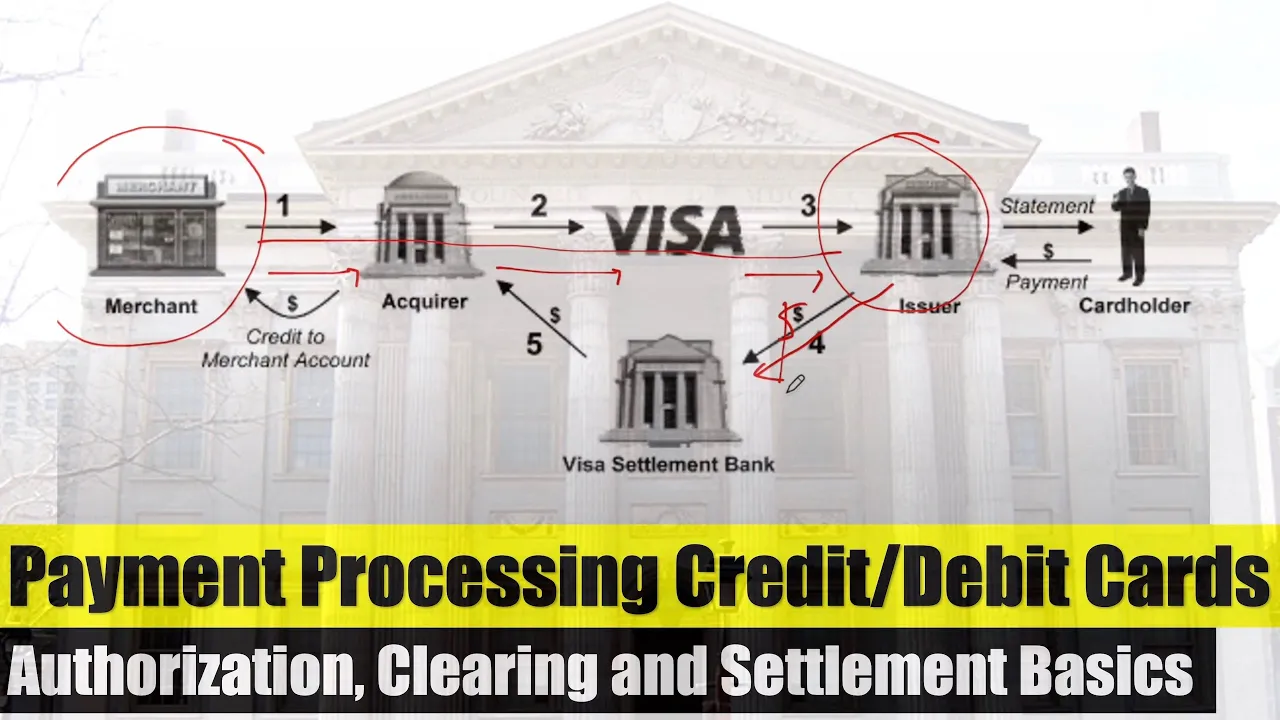
Basic structure of the payment processing ecosystem, including the roles of merchant acquirers, issuing banks, and payment gateways.
Understanding profit and loss (P&L) statements, specifically how revenue leakage and write-offs impact net margins.
The concept of vendor compliance guidelines, trade allowances, and contract terms in B2B or retail distribution.
Implementing automated dispute resolution systems and leveraging AI/Machine Learning for deduction management.
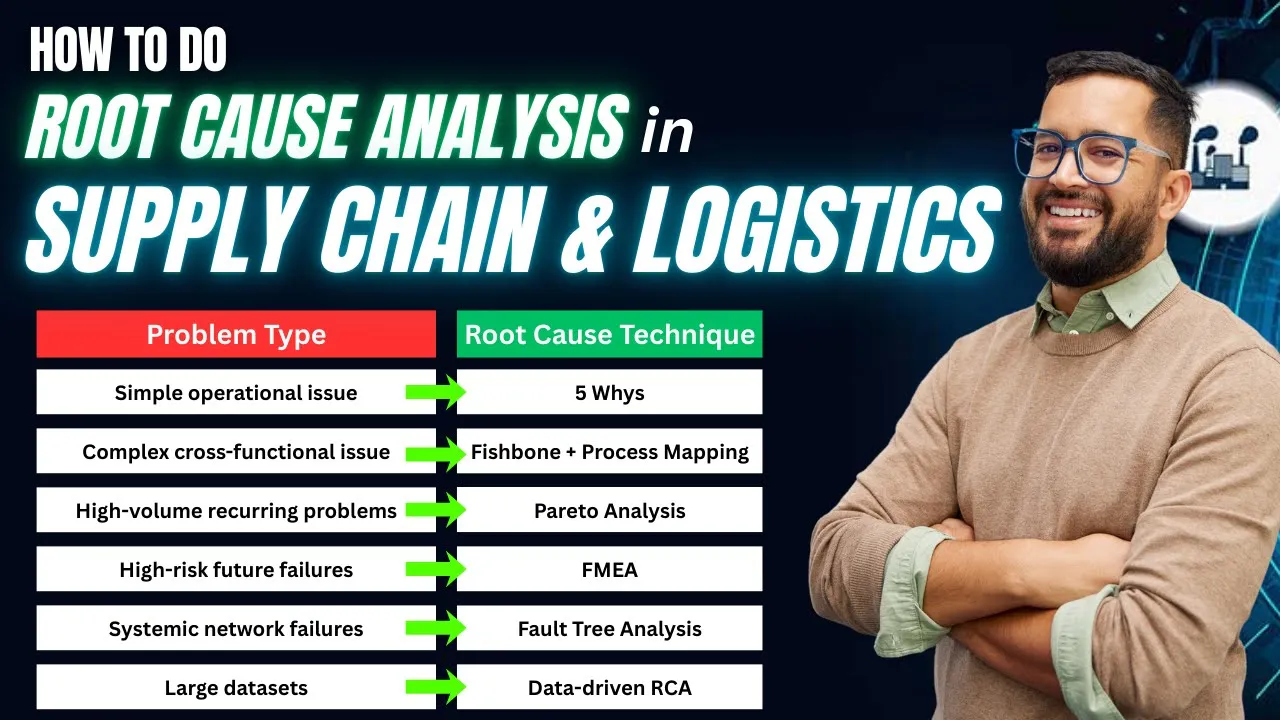
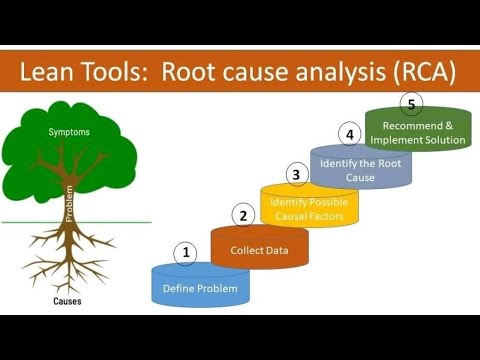
Advanced Root Cause Analysis (RCA) techniques to isolate and resolve systemic logistics, shipping, or billing errors.
Designing cross-functional governance structures (aligning Sales, Finance, and Supply Chain) to prevent revenue leakage at the source.
Deep dive into card network regulations, representment rules, and chargeback dispute codes for major card brands (Visa, Mastercard, Amex).
867 views2likes36:23Original Release: 2016-03-04
hello this is Jennifer FML from 1 EDI source and I'd like to welcome you to today's presentation chargebacks and deductions robbing your Revenue our presenter today is Chris Mansion our CIO at one EDI Source just a reminder that everyone has been muted and this is being recorded and will be sent to you after the webinar with no further Ado I'd like to introduce Chris Manon hello everyone and hello everyone and welcome to the webinar my name's Chris mansion and I'll be taking you through this presentation just a little bit about myself uh I've been working in the EDI industry for 20 years uh the first 10 years of my career I was working for a small cpg supplier to the retail industry and actually my first job was to automate the Walmart orders that the company was receiving um they were printed out on a big line printer and I had to figure out how to get them into our accounting system in an automated way currently I'm the CIO of 1ed source and I get to work uh with a bunch of folks on our newest product uh that helps people uh work with chargebacks and deductions so today's agenda um we're going to go through our view on operational excellence um then we're going to talk about some common chargebacks and deductions and give you some real life examples of things that have happened to our clients and even things that have happened to me personally next we'll go through a chargeback and deduction reality check that uh you can use to determine kind of how your business views charge back and deductions then we'll go through some practical ways you can find some lost dollars and how we can get started so our view on operational excellence um follows the curve you see now and basically every company is somewhere along this curve um from the very beginning when the first time you get an EDI trading partner and they ask you to connect um you might do that the way we did uh at my old job where we simply printed the orders and then manually keyed them into our Erp system or uh more recently many companies choose a webbased turnaround method of EDI communication um but at some point you know volume begins to build and you decide that you need to automate the flow of EDI transactions into your backend accounting system and at that point um you know you start saving uh you start realizing the savings that happen when you automate EDI uh but very quickly you realize that uh not all EDI is exactly the same and you need to validate what's going in and out of your accounting system and that might be simple validations like purchase order uh price comparisons or ship to location uh lookups to ensure that your accounting system is up to dat but most companies get about this step and we see it's stall out and one EDI Source really believes that EDI can be a competitive advantage and um and the companies that go further uh tend to really realize some major um advantages over companies that kind of stall out at the validation stage so what do we mean by that well companies that begin to collaborate about the transactions that are flowing between and the issues that are coming up um start to realize that they can add additional validations they can move down here that really enhance the business so uh things that we did previously were things like if we ship UPS we want to ensure that we always provide a UPS tracking number to our customers so we actually added additional validations to ensure that that happened and we just kept doing that and doing that over and over collaborating with the team figuring out what problems we were seeing and then adding new validations that we never um thought of when we originally connected um and at that point you know you begin to transform your operation you begin to make decisions based on um based on manage by exception so that you can make better decisions and and make the efficiency of your supply chain grow and I really want everyone to think about EDI as business Milestones so um you know when you have a sales team their goal is to work with buyers and figure out uh negotiate and figure out how to uh get an order once they get that order they send a over to customer service and customer service is responsible to figure out how to make sure your accounting system and the and the buyer re system um stays in sync so things like item prices shipping locations all of that stuff so there's a lot of work that that's involved there once the order gets put into the accounting system then fulfillment needs to pick it pack it and ship it and so a lot of steps have to happen here finally once we've shipped the order accounting needs to generate an invoice and send it on its way and then make sure it gets paid so all of these steps have a milestone uh the purchase order the advance ship notice and the invoice so as you can imagine businesses are Dynamic and PE processes and people and procedures are changing every single day you know a new customer service agent might be put in place and if you don't have validations in your EDI to make sure that everyone's doing the process the way it's supposed to be done uh things can quickly get out of sync likewise if your shipping team gets a new warehouse management software how do you know that the asns coming out from the old system are the same as the asns coming out from the new system unless you're validate and it goes on and on through the accounting team as well so what is the result of all these problems that are happening in in the uh retail industry well BAS Bas on a study from aain Consulting Group customer deductions 2015 Benchmark study there they found that companies could be losing 2% of Revenue year after year from deductions and chargebacks so you can imagine if you're a $100 million business you might be losing $2 million worth of Revenue because of fines deductions and chargebacks and what are these chargebacks well the list is extensive but here's just a few that are pretty common things like missing asns pricing issues invalid upcs you know missing a shipment uh and it goes on and on and on and unless you're validating these things um you could be losing obviously significant Revenue so now I want to give you some real life examples of issues that happened to uh some of the clients of 1ed source as well as myself personally and they're pretty interesting stories so the first one is um shipping charges and so this particular client of ours um had a problem um they had negotiated with a retailer that anytime they shipped UPS or FedEx the retailer would pick up the cost of that shipment now they didn't ship all of their orders via up and FedEx uh but they but it was a significant portion that that would go out that way um what they found was they forgot to include the shipping charge at the bottom of the invoice and so if an invoice was $100 and the shipping charge was $25 they told the retailer to pay $100 for the for the goods they forgot to put this the freight charge in there but at the bottom of the invoice it said Pay $125 well the retailers system was designed to check invoices and make sure that they were accurate and it saw the saw the detail about paying for the goods at $100 and since it was missing the freight charge they simply just paid $100 they ignored the total at the bottom of the invoice and this went undetected at the supplier for many years because the supplier had put in place something called a deduction threshold they told their accounting team that if something was uh if there was a deduction on an invoice that was less than $75 it wasn't worth the time for the supplier to research the issue so they would simply write that money off and so the accounting team did exactly what they were told they continuously just kept writing off writing off writing off and uh it took it took um one EDI source analyzing their invoices uh to actually find the issue and once we found the issue uh and we had them update their map um on the backend system the problem was quickly corrected the retailer IM began paying the full amount um so at the end of the day what what did this one change save the retailer uh it was $25,000 in unnecessary deductions just because of of a simple issue of not sending the proper charges on the EDI invoice and the interesting thing about this one was the paper invoice was accurate but the EDI invoice was not so it's a big check that we go through here at 1ed source to make sure that everything represented on a paper invoice is is represented on the electronic invoice our next case story is missing prices so again this is a client of 18i source and it was a very exciting time for this client they had recently won new business at a major retailer uh so they got uh many new items into this particular retailer um so the day came where the customer sent the new orders in for all their distribution centers around the country and um customer service all the orders had had bombed out because of the new items that weren't completely set up in their system so they were under pressure to get those orders in quickly the shipping team wanted to see them as fast as possible because they knew they were large orders and they had to get them out the door quickly so customer service was rushed and they mistakenly forgot to enter the pricing for half roughly half the items and so when they pushed the orders over to shipping half the items said Z as the cost um nobody detected ected the problem the shipping Department uh did their job they filled the orders and they shipped them out on time but suddenly uh and the accounting team uh who generated the invoice didn't notice the problem because some of the items actually had pricing so the invoices looked normal in their accounting system so the retailer received the EDI invoices and um they did exactly what was asked of them they paid um for the items that had prices it's so iated with them but they paid nothing for all the items that uh were came in at zero price so again we were only able to detect this issue when we did a simple validation we began validating the purchase order price to the invoice price and when we found these invoices uh the re the the supplier was shocked and at the end of the day this one problem uh almost cost the supplier $90,000 but they were luckily able to go back to the retailer and the retailer and resubmit a new invoice and the retailer paid the invoice in full our next story is missing discounts so uh this client um offered a 5% advertising discount to a large retailer to promote their products and when the ORD came in customer service didn't know how to process them they had never added a discount in the accounting system so instead of adding the discount to the order uh the customer service team decided the best course of action would be to reduce the prices on all the line items by 5% so again we sent an EDI invoice back to the um retailer and um the retailer automated system happily paid the reduced price for All the items but then it deducted an additional 5% for the expected discount and um this continued to go on again and again for nine months before um we detected the issue and so what did this cost the supplier well effectively instead of giving the retailer a 10 or a 5% discount on all the purchase orders they gave the retailer a 10% so it was an additional 5% of all the revenue with that customer over a nemon period and it would have continued had we not gone back and looked at the data and found this particular issue our next story is late shipments and um in this instance uh this was another client of ours and the retailer um was actually picking up the goods at the supplier distri Distribution Center each week um unfortunately the retailer was typically late to pick up those shipments um so if they called for a pickup on Monday the retailer tended not to show up until Wednesday so the supplier really didn't mind um because it gave the shipping team an extra couple of days to fulfill these orders um but what the shipping team didn't know was that each late shipment was costing the business $250 in a chargeback and it hurt their vendor scorecard accounting wasn't sharing the fact that uh any feedback on chargebacks and deductions and so the shipping team had no idea that this was this was causing an issue the accounting team simply considered it a cost of doing business but once the issue was identified it was quickly corrected um all it took was calling up the retailer and and and complaining about the late pickups and the retailer immediately corrected the issue but unfortunately um the retailer the only way they found out about this particular problem was that the scorecard came out and was given to the salesperson and it showed that they were very late on shipping all of their orders uh to a point where it it it was it became bit a bit of an issue when the supplier recognized uh that it was it was in fact the Retailer's fault um the retailer wasn't willing to refund the chargebacks because it took the supplier so long to identify the problem so at the end of the day it cost the retailer or the supplier $20,000 and actually caused some relationship friction between the two businesses our next story and last story uh actually happened to me personally um so uh we were a small retailer supplier uh to a major retailer it was our largest account and um the retailer kept reporting large shortages every time they received our goods and to a point where we actually thought our shipping team was doing a poor job of shipping out the orders now they were our biggest orders but but they you know every single order we shipped out had had some sort of shortage associated with it so we forced our shipping team to break down every shipment before it went out the door and double count it to ensure that we were actually shipping properly so we began doing that and still shortages did not reduce at all uh it got so bad that our shipping Department was actually taking photographs of every shipment right before it went out the door just to prove to all of us in the business that they were doing a good job so finally our team came together we had formed a team to kind of deal with this issue and we decided the best course of action would be to schedule a visit at the retailers distribution center to see how they were receiving our Goods uh the retailer was happy to let us do that and they actually scheduled it right when our shipment was arriving so we could watch them process our shipment and it was amazing what we saw we expected to see a large conveyor system with scanners in the sky that would scan every box as it went by but instead what we found is is a very manual receiving process where a person received a pallet and they had to go through and count each item by hand uh to receive well very quickly we realized um the the receiver was making counting was not counting correctly many of our boxes were were the exact same size with different items so it was very difficult for folks to count count the quanties correctly if they weren't expecting uh the same items in in different boxes so um what was happening was they would count uh we would ship 10 boxes of part number one two three and they would count 15 boxes of part number one two three we would ship five boxes of 456 and they would count three boxes of 456 and it would go on and on and on so we came back um as a team and we started talking about possible options and we came up with a color coding system so every box every different item that was in the same size box had a different color label put on it so part number one two three might have all blue labels part number 456 had all red labels and not only did it make it easier for our folks picking the shipments but very quickly once we rolled out this change uh we noticed the shortages went down dramatically we also found out that um the retailer would only pay uh would not pay for overages they would only deduct for shortages so that was part of the issue that that we were dealing with but once we rolled out the colorcoded labels um our shortages dropped by over 80% it was so successful it saved us $250,000 per year um just with this particular retailer um but we immediately rolled out the program to all of our retailers that we were doing business with uh to make uh to to help them as well and actually this became um this change was so good for our business there was more hidden cost besides just the shortages our inventory became much much more accurate with the retailer and so much so that they actually made a case study about us uh to present to other suppliers in the business so this was a huge success saved the business quite a bit of money and made our supply chain far more efficient okay so here's some questions that I like to ask to find out how businesses View chargebacks and deductions so immediately the first thing I ask is does your organization have a deduction threshold and how much is it and the reason I asked this question is the higher this number is then the more deductions I know this business has over time and so some businesses have it set at $50 some $75 but I've seen it much much higher than that at various businesses and so um I don't mind businesses having deduction thresholds but I I want to make sure that they're reporting um all the deductions to to a team of individuals so that they can be um managed the other question I'd like to ask is you know do you think retailers are playing games with deductions and I've heard many stories over time that some retailers consider uh chargebacks and deductions a profit Center and while that might be true for a very small number of retailers I think the vast majority really see uh chargebacks and and deductions as a way of getting uh the supplier to comply and make the supply chain more efficient um do you consider chargebacks just a cost of doing business this question um you know I really believe that they're trying to make the supply chain more efficient and as more and more vendors consider chargebacks as a cost of doing business they're going to have to do something else to um make suppliers comply so I I've actually talked to some folks in the retail industry and they're considering increasing the amounts of chargebacks because too many companies just consider a cost of doing business at this time how do you report uh your chargebacks and deductions and do you understand why you're being assessed a particular fine you know too many companies don't understand why they're being charged back and if you don't understand why that's happening then there's no way for you to correct the issue so how can we find these lost dollars well I think the most important thing that you need to do is measure your deductions by customer and by type so what do I mean you know every time you have to write off money from a customer it needs to be uh reported on and you need to assign um you know a deduction name to each of these so that so that people can understand that either shortages are your biggest error or missing asns are your biggest error so that they can actually tackle those issues I think it's extremely important to develop a team from accounting it uh fulfillment and customer service that can come together periodically to review the chargebacks and to take action on the ones that they can solve quickly and easily and and the largest ones um Implement tools to catch issues before they reach the accounting department I've seen businesses do this in a variety of ways sometimes it's a script that runs that sends out notifications other times it's a report that comes out at the end of the day um obviously the sooner you catch an issue the better um so that it doesn't ultimately reach the accounting department in a chargeback fi fer deduction um and always always always verify the paper invoice matches the EDI invoice too many times I've seen people have issues where uh what they think is going out on the invoice doesn't actually match uh your paper copy of that invoice so one EDI Source uh takes this this so seriously that we developed a tool that actually helps people catch these types of issues um and we made it Universal so it it Clips on to any third-party EDI translator so you might have genan you might have edq our translator but we we've made it Universal so that you can get the benefit out of it very quickly and it it it immediately summarizes um the issues that are happening in your EDI Exchange so that you can take action and reduce mistakes and research time um and the nice thing about this tool is it's not like implementing uh an EDI software solution it can be deployed in a day and we don't need any additional Hardware it's in the cloud and no it resources are necessary so one EDI source is here to help um we've been in business for over 25 years we've seen almost any issue you can imagine happening in the retail World especially and uh you know feel free to give us a call uh contact someone at our in our team and ask any question you have and you can download some of these guides if you're a new user and you're just trying to understand what is EDI uh we can do that uh we can help you there as well we have some upcoming webinars that you might be interested in uh in April we're going to have an EDI crash course for the nedi manager uh so that'll help you uh dive deeper into some of the topics we were talking about today as well as uh in May we're going to really go through uh and help companies take the next step to becoming operationally excellent so uh thanks for joining our webinar we're going to do a quick uh demonstration of our intelligent exchange products so if you're interested please stick around and uh we'll take a peek at that thanks everyone okay for everyone that's stuck around thank you very much we're going to show you intelligent exchange now so as you can see um it's a webbased tool um so it doesn't require any hardware or software on you on your part in your data centers uh we host the whole thing for you so I'm just going to get logged in and uh we'll take a peek so um we built intelligent exchange basically for two groups of people the Strategic user who might be the Director of Finance the head of customer service uh the operations manager to be able to summarize issues that are happening happening in in their B2B exchange uh very quickly and easy so that they can focus on improving their supply chain as quickly as possible we also designed it for the folks that are in accounting uh who need to look up transactions in your EDI system and understand what may have happened if there is a deduction or a fine or um maybe the customer service team needs to look up a new order to see what items and prices and quantity that the customer wanted to buy so we'll give you a quick demonstration on on those features so let's start with the Strategic user um when you first log into the dashboard if I'm the Director of Finance and I want to understand who I'm having the most issues with uh very quickly I can see that uh all my partners here on the left the alerts that have been generated for those Partners over the last 30 days and the number of conversations that have been impacted and a conversation is just a complete order cycle so if you imagine a purchase order an ASN and an invoice is one one cycle uh there's so we have 294 cycles for Home Depot and then we capture the value of those conversations to help you understand the impact um that these alerts represent so in this case $770,000 worth of orders for Home Depot so now if I'm Director of Finance and I want to understand why I'm having a problem with Home Depot I can simply click on on the link and it will summarize for me the different alert types that we've detected so you'll notice that for those conversations um 184 of them we sent the ASN late so very quickly um I can understand that I'm not shipping out on time for my uh to my retailer based on the data that inside the original purchase order um we're also having some additional issues we're sending our invoices late and in some cases we're not sending an invoice at all um we've had some rejected transactions and and by knowing this we can we can quickly determine they're probably not going to pay for uh transactions that they reject um as well as some invoice out of balance issues so if I go back to the dashboard and maybe now instead of looking at it by my various partners I want to look at it by alert type so now the system will summarize for me across all my trading partners the issues that are happening the most often and I can quickly dig into these and get more detail if I need to so if I want to know um where I'm missing invoices from I can click on that alert type and it's going to now summarize for me the different partners that I have problems with so again I can focus very quickly maybe eliminate the issue with Walmart AutoZone and Home Depot and take care of a large number of problems very very fast so now um if I'm a more tactical user some like say someone from the customer service department I can use intelligent exchange to look up uh orders inside of the system so I can simply type in a purchase order number and now hit search and the system will then show me uh the purchase order but not only the purchase order it's going to show me every related transaction to this particular conversation so you can see that we received the original order from Walmart on January 11th at about 1M we then sent uh an order to our third-party legistics provider and that's using a 940 transaction or a warehouse shipping order uh the same day a couple of days later they sent back a notification that the the order had shipped uh and then shortly after that we sent back an ASN and then the next day we sent back an invoice so you can imagine a customer service agent can very quickly understand exactly what happened with this particular transaction but if they have more questions and they want to see something they can simply click on the order and it will bring up what we call document View and document view allows you to see um the order in an easyto read method so instead of seeing all the codes that happen on an EDI document we convert all those codes to something that's easy to read and review if you're a Savvy EDI user and you and you know how to read EDI documents no problem click on Source View and it's going to show you um the actual EDI document in its normal form so now um if I'm let's say someone from the accounting team and I want to look up a particular invoice I can simply select an invoice and then type in the invoice number and when I hit search it's going to find again that conversation in this case it's with orgal and this is something that the the accounting team typically never had before so again they can see the invoice but they can also see the original purchase order if they like and they can also see that we sent a second invoice uh shortly after the first one so we must have split shipped this particular order but more importantly notice we have an alert so if I click on the alert I can see it's telling me that there's an invoice price to purchase order price mismatch so um I can very quickly see that we tried to charge the customer $2,000 per unit for this particular item but the customer on the original purchase order only expected to pay $20 for the for the item so at the end of the day this was a $24,000 mistake potentially made by um the customer service team or uh you know who the person that owns the pricing and um so now when the when the accounting person wants to know why did this customer short pay this invoice they can quickly understand that oh there might have been a pricing issue um let me go let me go work with the team that that deals with pricing to see what's going on and in the past this would have just turned into a debit memo back to the customer saying hey you paid a short for this invoice and become a a a a nightmare back and forth trying to get the trying to understand what might have happened in this particular issue so ex allows you to quickly get to the bottom of these types of issues and help you stop issues from happening in the first place the other thing that is nice is we can share conversations so we can if you want to communicate with your your retailer um about a particular order maybe um you you received a deduction that you don't believe is valid you can send out an encrypted link to that retailer and they'll only be able to see this one conversation that you you chose to share with them if they decide to add notes uh to the conversation uh you will be alerted as soon as as soon as they do that and um it's a very easy way to get on the same page with your with your retailer so ex can do a lot more uh so we encourage you to reach out if you'd like to learn more about the product this concludes the demonstration from 1 EDI source and thanks so much for attending
Up Next
12:35
Fill Rate and OTIF Metrics in Inventory Management
@TraceySmith
17.8K views•2020-06-05

99:09
Workplace Trust Building Communication Training Webinar
@CiMH2125
160 views•2013-10-07

15:23
Decoy Effect: How Pricing Psychology Influences Consumer Spending
@bobinvestsUS
90K views•2026-01-05

17:30
The Planned Obsolescence of Light Bulbs and Tech
@veritasium
25.3M views•2021-03-26
Related Study Plans & Knowledge Roadmaps
Structured learning paths in Business
business
CPG Retail Strategy: Pitching & Trade Spend
01Foundations of the CPG and Grocery Ecosystem
02Retail Math and Designing the Pitch
03Securing Shelf Space & Category Reviews
+ 2 more learning modules
12h5 modules
Explore Roadmap
business
Pop-Up Retail: Strategy, Design & Execution
01Introduction to Pop-Up Retail & Strategic Goal Setting
02Budgeting, Site Selection, and Legal Essentials
03Experiential Retail Design & Visual Merchandising
+ 2 more learning modules
15h5 modules
Explore Roadmap
business
Reg CF: Startup Funding, Marketing & Launch
01Introduction to Equity Crowdfunding & Reg CF
02Platform Selection & Legal Preparation
03Crafting High-Converting Campaign Assets
+ 2 more learning modules
14h5 modules
Explore Roadmap
business
Productized Services: Scaling Solo Freelance
01Foundations of Productized Services
02Packaging and Scope Definition
03Pricing and Subscription Models
+ 2 more learning modules
15h5 modules
Explore Roadmap