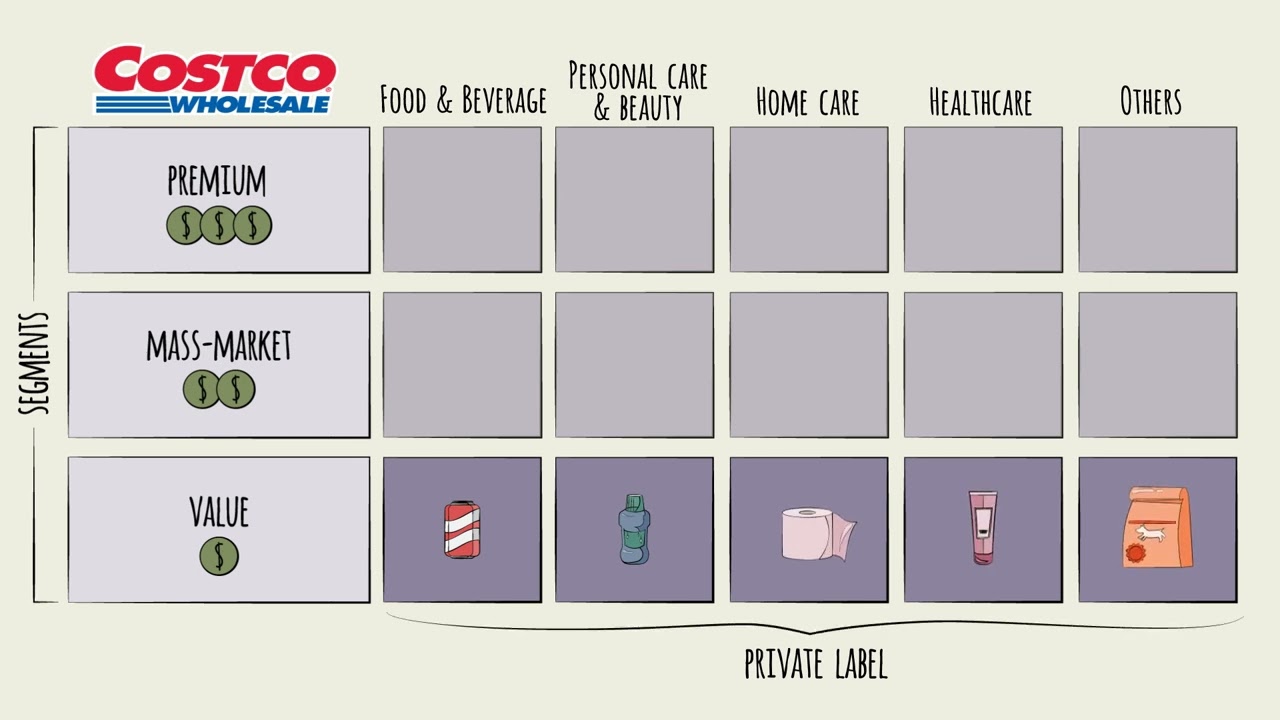
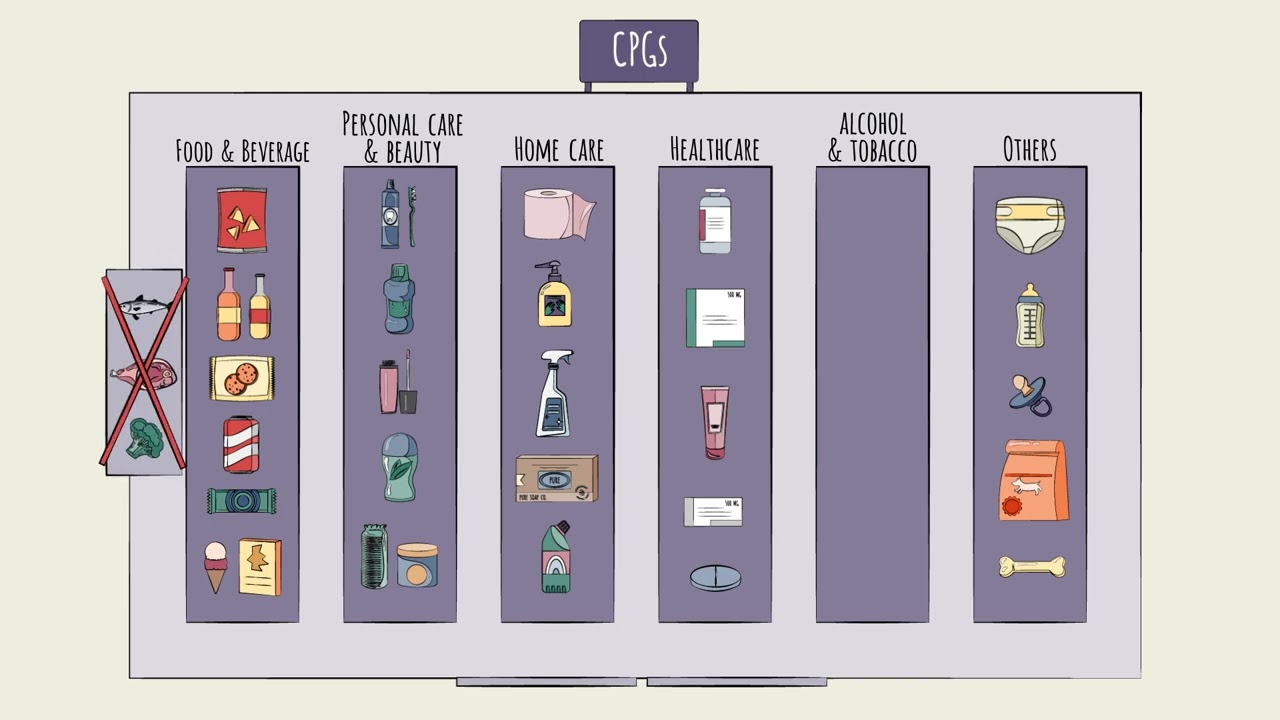









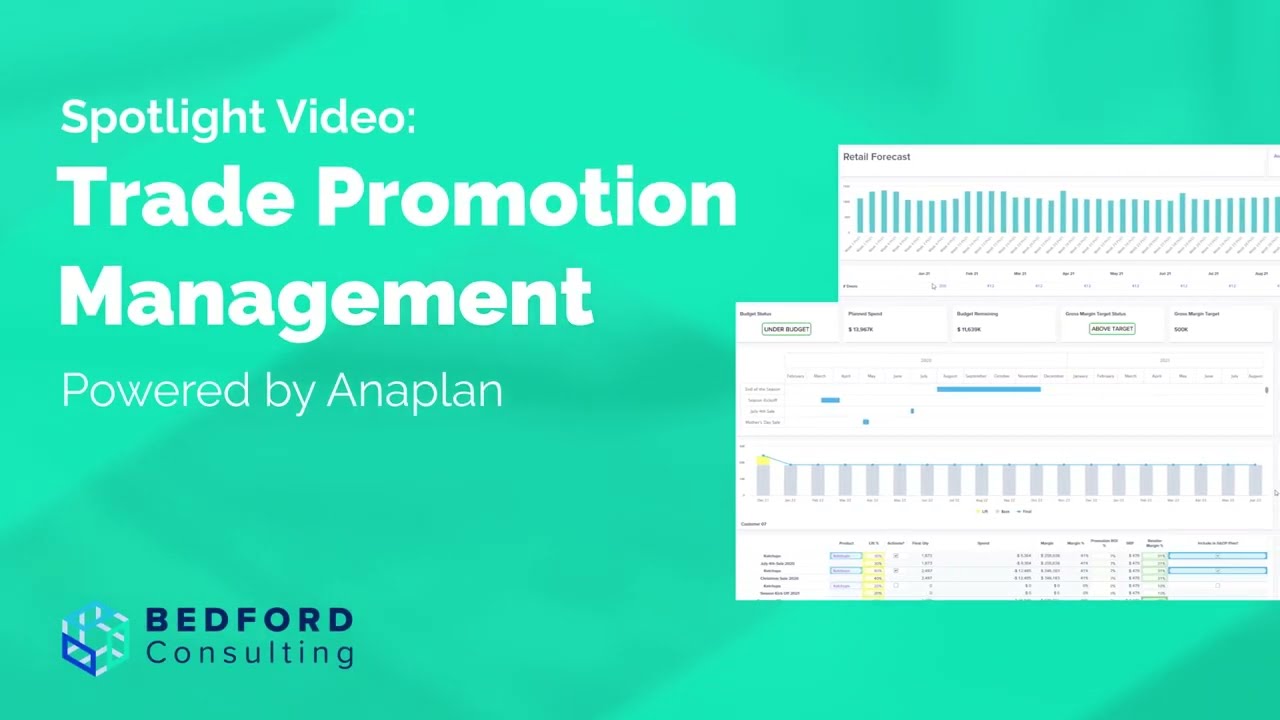











Trade spend refers to dollars invested in promotional activities to drive product trial and visibility, with three main types: off-invoice (discounts on distributor invoices), manufacturer chargebacks (deductions based on cases moved), and scan-backs (discounts applied when products scan at checkout). Effective trade spend management requires maintaining a healthy trade rate of 15-30% of revenue, planning promotional calendars 6 months in advance, verifying promotion execution through retailer check-ins, and focusing on retailer relationships over distributor relationships to maximize control and ROI.
Trade Spend and Retail Promotions: A Beginner's Guide for CPG Brands
Added:Basic understanding of the Consumer Packaged Goods (CPG) industry structure and the traditional manufacturer-to-retailer supply chain.
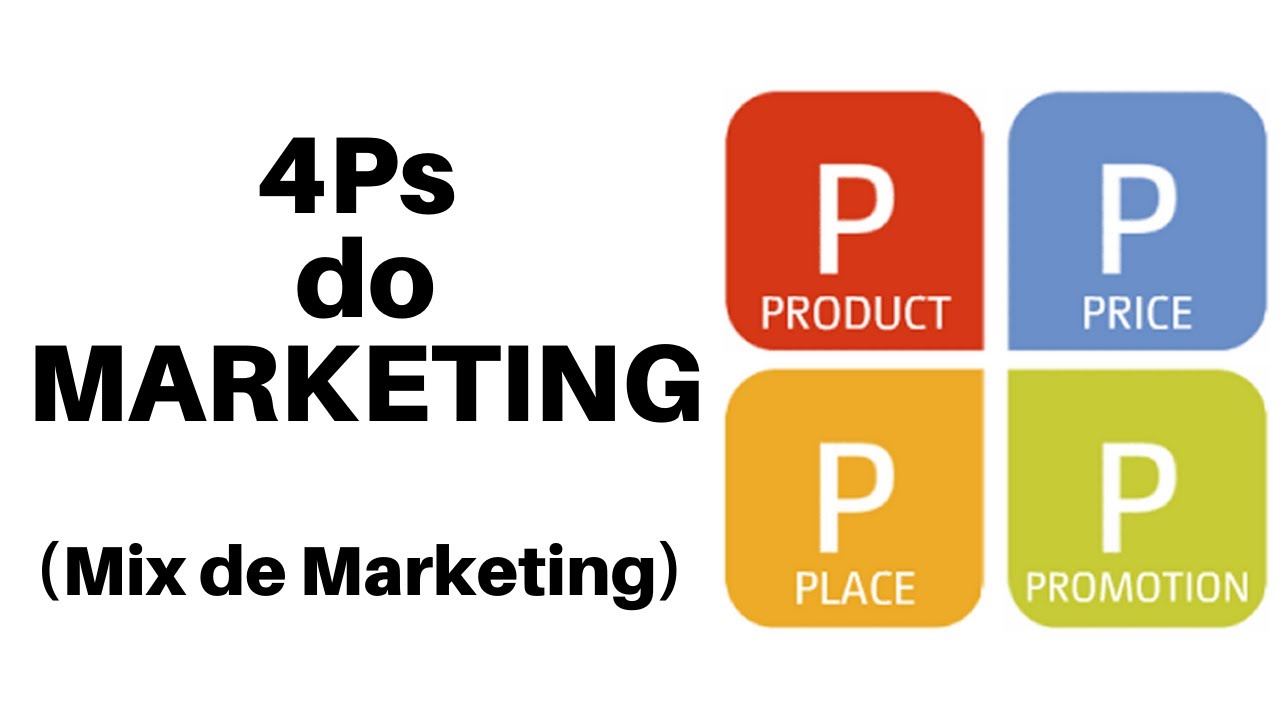
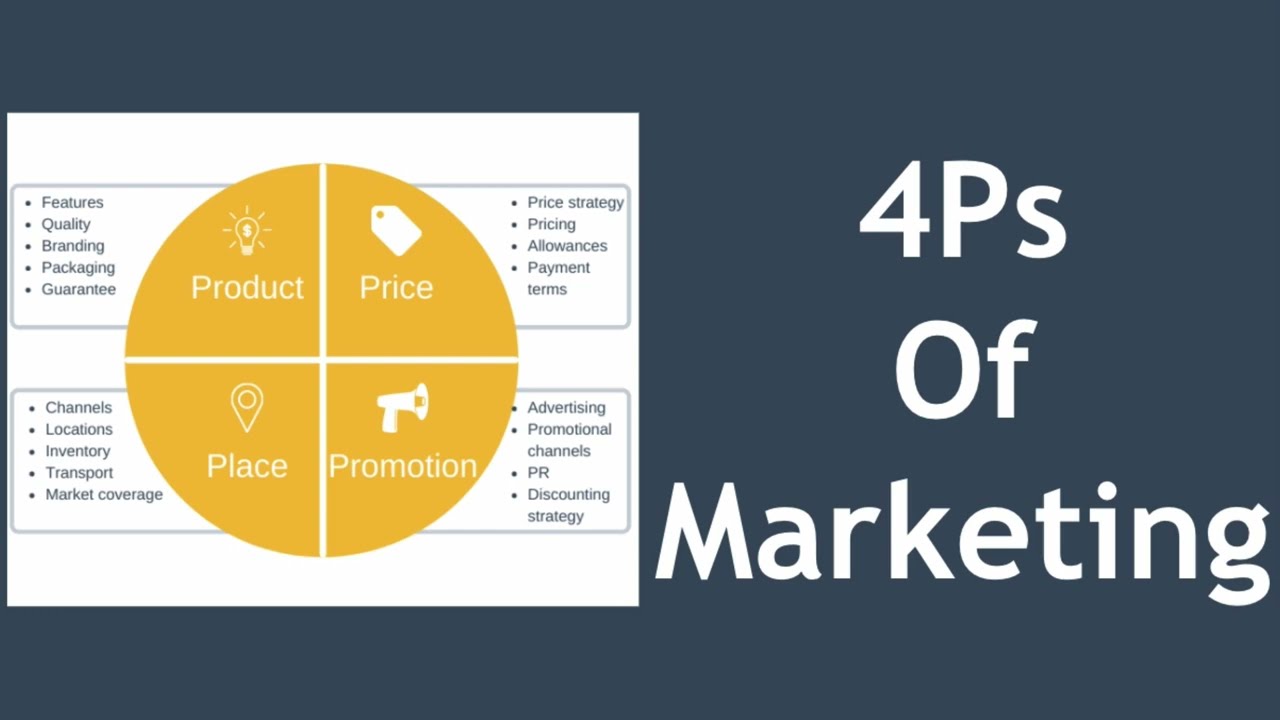
Fundamental marketing concepts, particularly the '4 Ps' (Product, Price, Place, Promotion) and the distinction between push and pull marketing.
Basic financial literacy, including how to calculate gross margin, net margin, Cost of Goods Sold (COGS), and revenue.
Key retail terminology such as Sell-In (sales to retailers) vs. Sell-Through (sales to end consumers), and Stock Keeping Units (SKUs).
Advanced Trade Promotion Management (TPM) and Trade Promotion Optimization (TPO) software and systems.
Post-promotion analysis techniques to calculate incremental sales lift, baseline sales, and overall promotional Return on Investment (ROI).
Negotiation and Joint Business Planning (JBP) strategies with retail category managers and buyers.
Managing deductions, chargebacks, and trade compliance to prevent revenue leakage in retail accounts.
Integrating traditional trade spend with modern digital retail media networks (e.g., Walmart Connect, Kroger Precision Marketing).
1.9K views22likes1:10:21Original Release: 2023-03-21
[Music] foreign I think it's important to recognize that this industry is all built around large Brands and large retailers most of the forms you fill out they're all geared to that and then you've got to figure out how to kind of fit in and where and what works but just be skeptical of most things and just think they're they're not built for our brand welcome to the startup cpg podcast I'm your host Jessie Freitag trade spend and promotions you want your product to have a shiny sale tag at the store and help people discover it but how do we actually get there it's a topic that can get really expensive and really messy very quickly so I wanted to bring back one of our favorite podcast guests and community sales experts Jake Huber for a 101 level episode on trade spread and promotions Jake is the Us sales director of Saint Pierre America's number one brioche brand and has previously been on the show to talk through Brokers and first sales hires today we dig into how to set yourself up for 6 success when creating promotional calendars calculating trade spend and tracking results all with the goal of driving velocity listening as Jake shares about how trades spend and promotions are defined including common types like off invoice MCB or manufacturer chargebacks and scan backs when trade spend and promotions are planned for the year and how to make sure the promotions you plan actually happen in the store tips for navigating free-fills and bogos or buy one get ones at the case level and how emerging Brands fit into a system built for big cpg how to navigate distributor promo calendars versus retailer promo calendars ways to keep track of promotions you've authorized and evaluate results tips for getting display opportunities including how you can use shippers and how to build rapport at the store level and more and stay tuned at the end for a bonus segment today featuring startup cpg shelfie Award winner niramaya Jake and I will share our reviews mid episode and then at the end of this episode you can catch a mini interview with nehemiah's founder mahek to learn more hi Jake welcome to the show today how are you fantastic Jesse thank you really happy to be here so glad to have you back on the show you are it's always a pleasure to have you here and to get to dive into your wisdom so today I'm glad that we're gonna get to dig into promotions and trade spend so thank you so much for being here and just being a long time supporter of the startup cpg Community heck yeah no the the community has grown Leaps and Bounds I'm I'm honored to even be a part of it um and happy to share kind of what I've learned along the way with you guys so yeah amazing well can you start us off just tell us a little bit about yourself or those that haven't you know met or interacted with you before tell us about your background your current role and you know some of the pathway that's helped you learn the hard way on a lot of these uh these promotion trade span topics yeah no it's fair fair shout out so um I guess I've been in sales all my life I I tend to be a sales lead in cpg um I came from a couple of different routes I think helped me it was very painful along the way but I did a customer Behavior data analytics with Don humby which is 8451 kind of Kroger's customer Behavior arm which is really interesting and I supported grocery category managers there and then I went into brokerage where we represented probably the majority of natural food brands at Kroger when I was at Harlow hrk and it was really fun because we could represent you know the big boys like kind and Cascadian Farm all the way down to people making kombucha in their bathtub which was the fun part for me so after that I I did lead sales for a few well-funded startups primarily in the Bay Area for just norquin tiny hero as well as right rice so I've done kind of the build from nothing and to something and currently I'm actually the U.S director of sales for Saint Pierre which is a French made brioche company so we make like brioche hamburger buns hot dog buns and kind of give you that restaurant quality at home so I've been here for about two years a much bigger business but the fundamentals are actually kind of I find easier when it's a bigger thing than when you're kind of building it from scratch so I kind of have a little bit of breadth across the value chain awesome yeah that's super helpful super interesting career path and just like so much experience you've gained from so many places so I'm excited to pull those pieces into our conversation today and could you start us off with just some kind of like some definitions or like you know when we're talking about trade spend and promotions like what are we talking about and why are we talking about like you know when is this going to come up why is it important to you know to have these conversations yeah so uh the what would be you know this is any dollars that you put toward what I think is performance or investing so if I'm going to take my my product costs five dollars for the retailer to buy it sometimes I'll give them a dollar to lower the price maybe a dollar maybe it's 50 cents depending on the retailer they'll do different performance for different levels of investment and they can be structured in just another number of ways but ultimately this is to drive trial you the biggest lever we have a sales people and we have as Brands is really driving trial for people to try the product and make sure it's great nothing catches your eye like a yellow tag in store or a discount to kind of offer that um and you know we we all want to invest in trade uh it's definitely probably the most important uh factor that we as salespeople manage and are responsible for and help execute um but yeah there's there's all kinds of promotions from ones that take off the invoice to you only do the ones that scan through and we can kind of get into some of that but really important to drive trial and um it's really taking any dollar to invest in price performance that we would consider trade so coupons can be coupons can be considered trade funding uh but maybe the setup fees come out of marketing's budget but actually the redemptions come out of sales budget oftentimes so but every company is a little different right and can you talk a little bit about the like the chain of you know say you have a product you're selling it to a distributor and then the distributor is selling it to the retailer what are the different pieces of trade within there like you're giving a discount to the distributor then you know do you have sometimes you got a separate calendar with the retailer maybe talk us through some of those scenarios because I think that can get a little bit confusing of like where the who the money goes to who's you know who's sending you invoices and those kind of things yeah no it's a fair question so usually with a distributor they're going to want a calendar from you uh and a calendar is going to break up over their periods or months and they typically want an off invoice so that means that literally on the invoice they send to purchase the product the discounts taken off as a line item so everything you ship to them is 10 off or 15 off and those are generally the the percents that they want off um and so then what typically happens is then you have the retailer on the on the end that is actually going to receive that the distributor doesn't always pass through a hundred percent of the 15 that you're giving them in fact I count on almost none of it going through um it's almost like uh and I'm not saying this cynically but it is a little bit of a pay to play Distributors need to make money they're holding inventory um but very little of that goes through and you can actually talk to your customer relationship manager at the distributor and sometimes they have different relationships if it's Whole Foods they probably either don't apply the oi to Whole Foods because you deal directly with them or it's an independent that actually that's one of the only ways you can promote with them is through doing an off invoice through a distributor you can always go to the end retailer and either add on what would be called an MCB or a manufacturer chargeback so that means that all the product they receive during that window that you specify uh will actually get a discount Bill back from you so not only will you get an off invoice from the distributor but if you run a deal at the end retailer you will get a deduction for that later highly recommend going the extra mile and working with those end retailers one because that's where the a critical relationship for your brand is with the buyer um and not just the distributor who is purchasing you but it keeps that kind of value chain all the way down so that you can monitor that it reflects with the consumer which is the most important part here right and you mentioned off invoice and you mentioned that that's you know that's literally coming off the invoice can you talk about some of the other common terms we might see like scan back you know we can't go through all of them because you know there's so many but some of the other like common terms we might see and like the differences between them yeah uh so I pretty much bucket into three distinct categories and they go in advantageous against you to all your at all the cpg advantage so the one that favors the person who's purchasing it is the oi because there's no expectation or performance they're literally getting it off the end invoice and they could sit on it you also need to watch what they're ordering during these time frames I know big orders look great but if you know your brand and you know the velocities you need to make sure they're not ordering too much for two reasons one they're either taking the discount and loading up but smaller brands are generally not that important for them to load up on what they're more likely going to do is order too much and then end up all the policies are in the distributor Retailer's favor so they're just going to have you literally buy it back at their Book price not the price you sold the 204 but the price they retail it at so just be careful with ois and monitor your POS and make sure those windows are accurately reflected and that they are ordering enough the one in the middle is an MCB this one has a lot of different names but MCB is kind of the most generic term for them and it stands for manufacturer chargeback it usually involves how many cases moved from the distributor or from you to the retailers DC or store so if I move 10 cases during the promotion during that window they're and there was 50 cents per case they're going to deduct me those cases that moved for 50 cents pretty fair it's middle of the road um they're not going to order up too much but you're also not getting perfect performance uh on terms of chargebacks and then all the way at the kind of best case scenario is what we would call a scan or a scan back or a scan promotion and that really is kind of the easiest one to remember because it's whatever scans through the register so this is the perfect scenario because the consumer has pulled it off the shelf they've bought everyone's bought it at full price but then they pull it off the shelf and then they ring it through the register as soon as it rings through the register the discount that you contractually agreed to then will ultimately get bundled and deducted back from you um and that of course is the most efficient use of your capital for for promotional spend and sometimes you'll do a mix you'll do an oi with the distributor but a scan with the retailer and kind of marry those two up uh sometimes it's an all in MCB and you just gotta know who's taking what where yeah that's that's very helpful and I'm I'm glad you brought up the you know that you have to watch your POS even if they're big and they seem exciting because I've run into that I think I've mentioned on the show we had a distributor try to order 54 pallets instead of 54 cases and we had to fight to get that change but I was like I'm pretty sure I read in the terms that we have to buy this back at a really wild price if this doesn't sell and there's no way you're going to sell that much because it was like a 10 store um chain and yeah we really had to fight and I I met another Ops professional that their brand was on Shark Tank they're kind of getting to you know medium size and you know they were a contractor their whole job was just monitoring POS coming in and going nope too high lower lower lower lower lower and I'm like it's such a weird concept because you fight so hard to get those orders and to get the big orders and then at some point you're like wait I gotta watch and make sure they're not too big oh yeah I tell you it's that it's probably besides just fundraising and and financing your your actual inventory and capital this is the second other part that will put a like medium stage you're getting into the national players you're starting to get POS and you don't know what that looks like but the dream that you've been building tells you to believe that they want 54 pallets and it's so seductive to want to say let's do it let's get everyone in gear and you know entrepreneurs and Founders are get it done people and they want to get things done they want to solve problems and these are typically challenges so it's just one of those things that it's keeping the back of your head that this may be too much and have we put in the right kind of Frameworks for evaluating what po should look like right and then at what stage are we thinking about timing on this so like when we're recording we got Valentine's Day coming up and you're like oh it'd be great if we were on sale for Valentine's Day you know how how far ahead are typically these calendars being planned out with both the distributor and the retailer um you know when are you building these calendars in the in the cycle yeah yeah way out ahead it's really important at least I found it quite valuable to create generic National promotional calendars these are inter almost internal documents that list your items and the months and when you would preferably be promoting each item or group of items together um and so when you have that to start then when it comes and it's usually front half back half of the Year I'll get a front half kehe calendar or UNFI calendar they may want you to do the whole year but they're really confirming the first half and this happens like by six months prior to the to January so you're like you're doing this in June for the next year um and you kind of Mark out what it is distributor calendars I mean look I I do want to give them uh you know money to operate but I don't dump a lot of money and expect performance in Distributors I mean I think even they'll tell you that that's not generally how it works now you can't like stiff them because they we are working with them and there are ways to activate huge swaths of Independence through ois so don't ignore them uh but I try to make skinny those up and I put more responsibility on on the sales team to make sure we're being or whoever the founder to be with the end customers for how we um we set it up so yeah typically it's front half back half and then with any large National customer it's pretty much the same thing actually when you're going to present to these customers you actually should have a your National promo calendar at least with the items that you've presented to them and how you're going to support it at what allowance level now before you present it you got to know does the distributor you're going through how do they work together and your broker can tell you that or startup cpg slack channel can tell you these things these are great questions to ask like does UNFI pass through my ois to Whole Foods like even sometimes I have to be like wait a minute do they I can't remember so always find out how they interact specifically um and then uh yeah these are and then those plans are built and then I typically you know you're still looking at you're going to revise that plan here or there um depending on the relationship you have and the opportunities that come from the retailer these things are just nominally throughout the year but if you're making a change say in February 1st for the next 14 days don't do it don't put yourself on a contract you're going to lose all your money um there's just a certain level of confidence you're gonna have to have with understanding how retailers operate and giving enough time to actually process and have it flow through their systems so you kind of have to get a good feel for them and each one of them can be different but two three months minimum if you're going to make adjustments here or there right yeah I like to think about the you know if at first it's like oh well seems really easy to just like put something on sale I see stuff on sale all the time and then you got to think through of like oh well somebody had to make that tag somebody had to put it there somebody had to set up the display that you paid for like there's all the the logistical pieces that have to happen and those don't those kind of you know sets and setting that all doesn't happen overnight and may not happen at all it's something you gotta check that you know you may be that you went on sale if you paid to go on sale you know maybe maybe maybe all that setup didn't turn into anything you know it's really funny I was literally just on LinkedIn and that guy was making a comment or made a post about um you know we gave all this funding we even paid ad fees to be on and then lo and behold the promotion didn't even happen there was no shelf tags there was no nothing but better believe you paid the ad fee and they are going to deduct because there's a contract in there and he was like you know what are we supposed to do here and the only comment I could give him was look you it's important to understand the sales plan cycle that's that's the term like what's the sales plan cycle or What's the timing of sales planning at this specific retailer so the broker should know this or even startup cpg there's people who know this I can tell you how Kroger works like hey I know that about you know 10 to 12 weeks prior to execution everything on their end is actually loaded that means the tags I can confirm whether my allocation to support because we want them to order product oftentimes that's called an allocation like Hey we're going to promote It 2 two for six can you allocate a case per store to make sure we have inventory these are perfectly acceptable asks in exchange for a big promotion that you're trying to do and it guarantees that they're invested in buying it and supporting it but I have a check-in at some point kind of before that I then go to the the retailer or the broker and say hey confirm that tags are loaded allocations going out and everything's going to happen if we find out that it's not happening or it didn't happen and the retailer can't do anything about it then I will put requests in to cancel the contract and start saving emails so that when the deductions do come we can kind of I don't want to say fight it but fight it because it didn't get executed and you have enough time to react as opposed to then assuming it all executes and then finding yourself out money with no promotion yeah yeah that's super helpful to know that you're checking in that far in advance to see like you said the whole load-in process that's very helpful so then you have a chance to adjust course if it's not not going to happen once you know when you it's great also maybe to have you know someone go and check in the store and see the tags but at that point it is too late if your tags aren't there anymore like you know the sale lasted a week the sale is over by the time you you know you can correct it yeah exactly yeah very interesting well can you could you maybe walk us through an example of like you know you're you're setting up your your calendar with a distributor you know maybe like a k here UNFI and then it's a it's a customer where you're also going to set up a calendar with the retail tailor that the distributor is going to sell to can you talk through like kind of how you would approach that especially as an emerging brand and you're like you know you're you've signed on with this new distributor and they're like oh great we'd love for you to spend you know 30 grand with us this year and to be in every flyer that we possibly have and then the retailer says the same thing and you're like cool I will have no money after this um like you know how do you navigate those those conversations like how do you think about like you know a little bit bit of pay to play or like I got to maintain this relationship but I also gotta like do something that makes sense to because our ultimate goal is to drive trial yeah I think it's important uh stepping back and it's not exact and I can Define Slater but you should have a very healthy what we would call Trade rate and that means for every dollar you are selling you're investing a percentage into a kind of a rolling accrual that you use for trade funds emerging Brands need this more than mature Brands because they have household penetration everyone knows who they are so you guys need and when you're doing your cogs analysis and your profitability analysis and finding out how much money you need to raise you need to account for a very healthy trade rate I mean I'm talking it depends on category but like 15 minimum and it can be like 25 even 30 depending on the category so with that said um if I am going to a retailer distributor and I'm trying to navigate all this I try to do I prefer an order of operations that keeps as much leverage on our side as possible and you gotta be Scrappy for this stuff so the first thing I do is I don't pitch Distributors I have no interest in Distributors other than the service they can provide to get to my to the to the retailer so I spend a lot out of time pitching directly to retailers whether that's through my own email or through Brokers getting meetings getting them excited about the brand showing them that promo calendar that we can afford know that before you walk in there depending on the retailer what distributor they use so that's a relevant question you know if they're like are you set up in kehe it's like yeah is that your only source sometimes they have secondary Distributors that you might be set up in I try to find this out before I meet with them or before I even email them I want to know how they like to operate their business so I will go to the end buyer I will present our products I want them to say we love it and then she says great go sit go set up with UNFI if I'm not set up with them and that is the best intro you can ever have into UNFI because it's a customer who they care very much about saying I want this brand and they typically will respond in kind and get you set up and start working through that now now I've got the retailer interested I've presented a promotional calendar to them and then the question becomes does the distributor participate paint in passing ois over to this retailer or not oftentimes they don't sometimes they do if they do what I will typically look at is say okay I offered maybe price points or an allowance level like say it's a dollar off to the retailer but if I've got to participate in unfi's program and I'm doing 10 I will actually kind of pull that out of the dollar and move it over to here make sure the retailer understands what I'm doing and that they understand that if the the pass-through from the distributor is not all the way there they'll ask for more money but I try to keep my stuff clean and whole and say hey I'm going to give this to them we're going to pass it through this way and then we're good now I'm going to pass as little over as possible especially if I don't have a broad set of customers with UNFI like they're going to tell you that's the way to build your business at UNFI and there's no shortcuts and money does not get you anything what gets you stuff is TLC and phone calls and actual communication with retailers even if it's Independents you know pick up the phone their their numbers are listed like literally call them um don't rely necessarily on their programs although they can't help so I will then the UNFI is going to go okay they typically will set you up without asking for a national promo calendar because the retailer said I want to bring them in so typically you can set up and then start shipping and then when the next cycle comes around for promo calendars then they're going to give it to you and go okay now it's time to start planning your promotion so recognize that there's huge gaps between these kind of events they may give you the calendar write off they may I haven't found that to be true um but it could happen if it does I will try to do maybe one a quarter um you know ten percent they may they may complain they may say that's not enough it never is but look you own your budget you owe to your shareholders to do the right things and negotiate the right terms and if you again The Leverage is the customer wants you you don't need to make that many arguments about why you belong where you are they're asking for you so silent is golden sometimes in that scenario but do a good sell job so that's typically how I try to handle it um and then look there are some programs in kehe and you want to find Nassau like they do have good programs don't get me wrong I'm not totally cynical about them there are some that actually work and do well um you just ask the slack channel uh talk to your Brokers these are pretty well understood programs which is which is helpful yeah totally yeah I've I was at a brand that you know new cpg brand got a lot all of us were new to cpg on the team got sold the Dream from the distributor of get set up with us set up a national calendar and we'll help get you into all these stores and you pay a lot of money and then you're like wait we didn't get any into any stores and they're like well that's your job and yeah it is um but it's easy to kind of get sold on that dream in the in the setup process and so I'm glad you brought up you gotta start with the retailers and create that demand and then it makes the conversations with the Distributors totally different because you're already then you've got a customer like you said that they care about that's now wanting to get you set up it totally changes The Leverage that you have yeah you're basically co-opting the retailers clout with the distributor because you have none and so and this is my philosophy look there's there's a lot of ways to go about this I just think startups and especially in this environment your game is literally finding every ounce of Leverage you can and a lot of that comes through the order of conversation you're having and I can tell you it is endemic that people are like what distributor I I it's filled inside like should I work with this distributor should I not it's like Distributors just think of them as like a 3pl they just deliver products and maybe that's been cynical but I really only care right now about convincing a buyer at a retailer to take me on if you do that and focus all your efforts on that Distributors come along for the ride and and then we can have a great partnership once things are moving and we've got some anchor accounts going through and then we have actual business discuss and it doesn't overexpose you on spend and again it just it keeps you in control of what you can which is very little so take it where you can get it yes yeah for sure well let's take a quick little break from this conversation to talk about uh the Nehemiah samples that you receive one of our shelfie award winners uh yeah would love to get your feedback to kind of tease at the end of this episode there's going to be an interview that you can check out to learn more about Nehemiah but would love to hear what you thought of the samples and how you've been using the product yeah I will tell you I mean I get I've had tons of samples I love this is the most fun part of this business that I miss from brokerage is all the samples that come and go so I I envy your position here Jesse um so I was quite skeptical um I've represented quite a few shelf stable Indian kind of sauce companies most of them really don't give you the experience or kind of even close to what the experience is going to a nice you know Curry House or good Indian restaurant so I was a little skeptical packaging was phenomenal the presentation was just kind of a plus plus and then um I got the family so I have three small children and my wife of course and we got all three out tried it with different dishes so we cooked it literally as a marinade on chicken we used others as a sauce and then others as dipping and kind of went around and just talked through it all um overall super super positive our our favorite of course was Street pav bhaji which was just like out of this world did not have that like weird preservative flavoring in there it was really natural it came through the flavors came through uh the spice level was on point they cooked well they didn't end up like burning or anything like they they're they actually you know positioned themselves as dips for dinner which I'm only skeptical on these broad use cases but boy I mean it did it really did deliver um so I think the packaging is beautiful I think the product really kind of came through and I was actually surprised at how versatile they were like to be used as a dip to be used as a marinade to be used as a sauce all three of them uh kind of delivered which as a first round Product Company stuff you just there's usually something I can criticize but there wasn't much nice I love it I love that you got the whole family involved everybody tried I love that yeah we're definitely big fans at our house like uh I think I mentioned to you before the show that I got to try the products at Expo ease and just fell in love and it's become kind of my go-to one of my middle of the day snacks of either some heat up a pita bread or some chips and you know actually use as a dip but also like you said adding it to you know an entree at home like so versatile so yeah I'm so glad you got to try so delicious and you know so listeners stay tuned at the end to learn more hear the story behind the product because it's just so fun and we're so you know glad to have Nehemiah in our in our starter CBG Community totally that well-deserved shelfie and uh honestly I look forward to seeing what what they do um she's got she's got something here so I'm excited about it awesome great well thanks for taking a little show selfie break there and yeah I'm also wondering you know it also comes up in these conversations like I feel like it's it's changing a little bit we've got some like digital options but you know like retailers will have like their flyers or their their advertisements like where does that come up in this conversation how do you navigate that do you you know are those still effective at some retailers is it something you negotiate back to with something else like how does you know the the physical advertising that retailers may still be you know hanging on to or using play into this yeah I think I I try to keep an open mind about most of them um if it's a nominal cost and look I always look for support on it's always fair to ask for something in exchange you know they're asking you for something it's fair to always ask something back whatever it may be either it's a discount off the price or I can do it if you plus out a few cases for me or can we run a demo at the same time you know whatever it may be um a lot of independent or smaller kind of natural food houses their flyer programs are great like awesome some of them I they're just kind of check the box pay to play and and it's kind of a revenue Center for for some um again I think slack CBG channel is a great place to ask these types of things like what do you guys think about this um I will you know ask Brokers or of course my own experience in doing them I think by and large probably it depends on the retailer the larger they are kind of the more skeptical I am because that's not their thing uh but if you know shopping experience I think of like air one you know like Holy Experience walking in there and the things that they do in their stores matter to their customers and so I kind of look at the psychology of it and think and just run it through my own analysis and then of course ask few but if it's within the price of doing it I'll try anything once as long as it won't break the bank and then it is important that you also ask if there's a flyer program and they say how great it is what kind of reporting do we get off of this can I get some reporting a lot of these smaller Independents don't have formal reporting but a willing buyer or marketing person there would be like yeah yeah I'll run your units over the time period just remind me um so again data is kind of gold is so is money so is product I typically keep it in those Realms but yeah I mean they can work I put it through my own filters um that usually have to do with yeah sociology and and scope and size but it'll work right and that that you know makes me you know want to bring up to the I think a lot of people get overwhelmed by all the numbers involved in this of like you know what what is going to be profitable how do I keep track of all the different retailers that I gave discounts to like I'm curious from your perspective like you know and we have some resources that I can link in the in the show Notes too that you you've used in other webinars but you know what kind of quick math are you doing are there resources that you're using and how do you really stay organized so that you know who you've given this counts to who you haven't you know how do you keep track of all of it and not get overwhelmed you know how did you get overwhelmed when you were first in this of like oh what's all happening I'm kind of curious about that piece yeah I just wait till Finance starts sending me emails no I'm just playing um so yeah it is this is the technical side of it um and sometimes as a founder or a sales lead when you're one of like three Executives it does fall on you guys to do it the quick and dirty ways again the trade rate and don't let good get in the way of perfect when it comes to this stuff generally the perfectionists are not generally the the founder sometimes they are but if it comes to money like this I just try to keep in Broad generalities and keep within a trade rate so if I'm looking at it and going all right arawan I'm gonna project I'm doing two units per store per week over 52 weeks in your stores this is how much gross revenue I'm gonna be making off of you then I look at how many units we move in promotion you literally just calculate out how much I'm spending as a percent of total dollars and as long as I'm roughly within the 15 trade rate and remember a fifteen percent trade rate may be nationally and so I may spend 30 at air one but I spend 10 at I won't say so you sometimes you and that's the part of strategy is where are you investing where are you kind of maintaining and what are you just letting run and different retailers operate in different ways so it is helpful to understand that but yeah I think generally a nice Excel spreadsheet that has account tracking on it that not only is and sometimes it's part of your forecast and you can see like all right how much am I spending and then you check in on that sometimes the finance wants to true it up quarterly sometimes they want to do it annually sometimes they want to do it semi-annually it's nice to get into a room with people who are true Finance people and really start checking the receipts and saying okay where actually are we at and then they may go you're under spending like let's go we've got this These funds accrued so um very rarely am I in that position but um it's it's good to have that check in and to build processes with your Finance lead to help manage that stuff because it it's that unseen trade and you don't you don't get the money right away they're holding it so it's it's definitely something to keep an eye on and that's typically how I've done it in the past right and how are you you know there's the finance like you said like the true up super uh you know tactical numbers that are going in your accounting system but also how do you track just kind of generally like if a promotion is is working like you know if you don't especially if you don't have access to you know to syndicated data you mentioned like an independent retailer may be able to pull that like how what does that look like for you how often are you checking in with people on a promotion and kind of just doing some quick math of like oh yeah that was a sales list you know that should probably keep going um you know how does that work to kind of evaluate what's working what's not on the fly yeah a really good topic um so I try to experiment a little bit to see what happens if different price points and that back to that like national calendar yeah you got a national calendar but in the first few years you're unsure of what investments get what and what's the best performance and to make this even more 40 chess it depends on the retailer too and what they do so um what I typically try to do and Daniel had a really good Roi calculator that we used to use but in essence it's pretty simple you take the units as long as you have data if you have the data that shows how much you're moving you can evaluate a promotion so I try to get an idea of what my Baseline volume is when we're not on promotion by item and then when we promote we see what the uplift was let's say I do you know five units per store per week but then on promo I'm doing 15 that's three times the amount but I had to invest you know 50 off the cost to make that happen so then you have to take the actual dollars you're making off those units so the 15 but they're at three dollars instead of you know six dollars or whatever it is and then you say okay with that uplift and the discount account applied did we make money was this a positive Roi how big of a positive Roi and then you want to see kind of how elastic it is so that's when I ran a two for four what happens when we don't give three dollars we give a dollar and we run a two five or two for six do I get the same uplift for Less spend heck yeah optimize that promotion this is how it works and this is how you become an expert in your in your category and your products so when a buyer is talking to you about promotions don't be afraid to tell them how it works they actually are looking for you to tell them how it works or if they're not make sure you tell them how it works say look we can give you this this is how it'll work we get the same performance out of this sometimes when they're asking you to go deeper that's the perfect rebuttal it's like well why would I go deeper well because we'll sell more actually no we run these promotions nationally and they actually don't go higher when we do this price oh okay that's interesting then that maybe Spurs a different conversation so it's always important to kind of you know more about your business than you might let on even though you're you're kind of baking it till you make it if you know your numbers and you know what your budget is these makes these meetings much more productive um and kind of negotiation starts at no could be trite but it does like somebody's got to say no it's either them or you and then we're going to discuss what works out of it um but you got to kind of at least have a good understanding of what performance does and it takes well it takes a year or so because these promotions like we talked about take a long time to plan then you got to make sure they execute then you got to properly get the data from them and all these things are fraught with you might you may not get it and sometimes you got a piece in the holes where you don't have it so you got to kind of be Scrappy but that's how we've done it yeah no that's super helpful and I think I've heard you mentioned before like when you're launching with a new retailer that it that you don't necessarily want to be on promo your first month while things get organized can you talk a little bit about that like when you're getting first getting into a retailer like you know is there a strategy with when you first go on promo because you're assuming there's some times for Logistics sort out like what's been your experience with that yeah um so certain retailers are really good at launching obviously the bigger they are the more complicated and kind of risky they are I typically try to keep promotions off for at least six weeks prior to the launch date and it depends on how big the retailer is um if and and oftentimes actually the timelines necessitate it so that by the time you actually get approved for new distribution you're three months Beyond when the promo needs to be submitted by so they're already making an exception for you to get a promotion in now I will say retailers the this day and age are actually requiring discounts I said discounts not promotions discounts the first like eight weeks of orders they want two months of ois so that they can offset the cost of resetting 2 000 stores and there's no performance there's no shelf tag with a discounted price you're literally just kind of giving money so just know what they're asking for know why and then kind of plan accordingly but if they're not doing that yeah I will wait at least six weeks before I try to promote yeah that makes sense and and how do free fills fit into this conversation or free fill something that you negotiate sheet with does your case pack size come into thinking you know anticipating future free-fills like you know can you talk us a little bit through that topic yeah free fills um so I typically look you can you can offer a free case you should look at your case overall pricing if you have an 18 count that's 75 dollars free case yeah they're not actually asking for that there's usually a dollar limit to the free case fill um and then with Distributors you can set up parameters where it's like your a stores I'll give you know 75 off for a free case your B stores I'll get 50 off a case and your C stores I'll give you know 25 25 off or maybe none um always negotiable everything's negotiable but sometimes it's policy the bigger the retailer is and that's what they are and sometimes it's department-led the good news is is most natural food brands um have a little bit of Grace when it comes to this because retailers at least for the past 10 years or so recognize that they're you know under capitalized but they resonate with consumers that are very valuable to the retailer so they will often say okay if I if you won't do a free fill plow the money into trade so back to trade and trade is these are those aren't necessarily working dollars Finance should actually be tracking the doors you expect to get and maybe 50 50 case fills for these doors that's not even part of your trade rate so just understand that and then if you can pull that trade rate or you can pull the the value of that free fill out and then replace it with trade then it's a win you don't need to you know triple your trade budget just for that you can just say yeah I'm gonna move this money and then demonstrate how you're going to do that so you calculate you know the Thousand stores at twenty dollars a store I'm gonna invest this in trade in these three vehicles and then that can offset it or that's one way to do it um and then back to knowing kind of your numbers and your budget like if you've gone through the exercise you kind of know what you can afford what you can't afford um be transparent with them you know kind of get on their side of the desk and say here's my problem I'm ready to do this but if I do this I can't promote and I want to promote here because you're a high low retail I've shown the problem you're trying to solve for and you'll generally find people are willing to work with you or at least let you know if you're wasting your time or not which I generally appreciate so and can you explain the term high low retailer as well yeah sorry so um retailers operate uh in different kind of strategic Realms a high low would be one that heavily promotes I think Kroger Safeway Albertsons you see the yellow tags they're constantly promoting you're probably on promotion a minimum 12 weeks out of the year more like 16 and 20 weeks out of the year um and then there's on the other end of the spectrum an edlp customer or an edlc customer I kind of use the term interchangeably but that's the Walmarts of the world they just want your lowest price take the trade rate you have and plow it into the cost of goods so instead of selling it for three dollars at a ten percent trade rate sell it to me for whatever 290 or 270. and that way they're getting their discount and your trade rates set and you're good to go um and then there's ones that are called hybrids which are just greedy and they do both they want your lowest cost and they want promotions and they want slotting and you should generally kind of stay away from those in the beginning um it's that's that's for down the road I I usually stay away from them I don't mind pitching them I don't mind spending the time 30 minutes to have a great conversation with them because they are good retailers uh it's just it's a different kind of product atmosphere and if they're not believing in it and they're just looking at you for money I just values aren't aligning right now and that's okay it's just not right now um so that's that's generally how the the retailer Market will will split up yeah that's helpful and on the on the free fill like cases is are bogos sometimes part of the conversation too of those first setups or or would you rather go like you know put that money into into trade or do you ever negotiate for for like a you know buy one get one on the case level yeah I bogoser and I I hear Daniel echoing in my head but bogos and they typically aren't good they don't really give you the return they want you to fund almost half of it down the volumes through the roof but again it's something you gotta app every year so you're gonna have to do it every year and most brands that are listening to this are premium positioned it's about building brand and premium and getting people to spend extra to have an experience not value so you're using a mechanic that's for mainstream products on premium products and doing that early on unless you're trying to move some cases because you've got inventory problems which totally acceptable man run it through do a BOGO like it has to happen sometimes it's just reality but if you can avoid doing them I try to negotiate out of them or do something different unless we have some protections like again allocations and kind of it's just if it's your first few customers like I'd stay away yeah I like I like that uh phrasing of you know you're trying to use a mechanism that's for a super big brand on a small brand and it's just it's you know the wrong you're using the wrong tool to to solve a problem yeah I think it's important to recognize that this industry is all built around large Brands and large retailers most of the form you fill out they're all geared to that now specialty Distributors and stuff like that or not they typically know what we're trying to do but for the most part just understand that the current is moving for these guys and then you've got to figure out how to kind of fit in and where and what works but just be skeptical of most things and just think they're they're not built for our brand these are things that we have to Pioneer and navigate through yeah that's that's very helpful um and how how about um displays like is that something when you're setting up a calendar with a retailer are you talking about like hey let's get an end cap is it something you're talking to the retailer of like what do you find works well for this product like you know do you sometimes you know can you negotiate to have a retailer give you a display if you sign up for a certain route like curious about kind of getting those like special end caps is it worth it a lot of times how does that work yeah displays are great if you can get displays freaking do it uh they are few and far between for emerging small brands um mid-tier small emerging Brands can get them as well and different retailers value smaller Innovative Brands more than others and that will speak through how their programs are priced and positioned to you so take note um Kroger's a great one Kroger recognizes their consumer Behavior they know what they will give for a display to a natural food brand they actually carve out space for these small Brands because they know they resonate with certain consumers that are valuable to them but other ones are straight pay to play like it's I mean it's ridiculous too it's a hundred thousand dollars for a four week end cap or a pallet drop or something these are just not programs uh for us but I absolutely will Target so if I have a highly seasonal item like brioche burger buns I will of course make sure that Memorial Day Fourth of July and Labor Day we are putting kind of our best foot forward those are the promotions that literally make our budget so um and the retailer if you're moving enough volume will will kind of do that now I will underline that and again when you're planning with the retailer when you get the front half or back half emotional calendar you can put in there underline you know hot promo display question mark have a conversation about it ask them what can we do to get on display what can we do for off shelf um and then sometimes it is a pay to play I mean Whole Foods you want a tpr you want to off shelf you just pay it uh a lot of money but you just pay them and that's the only way you can get it other ones they're looking at the consumer and then some of them have like sales thresholds so they would never give you a they will only give brands that can do like a quarter of a million dollars in sales a week a display an end cap display just it we're never gonna hit those special it's for Brands like us until you know well after we've been developed so yeah displays are always something to talk about always focusing on them find out where you can get off shelf oftentimes I'll um I also invest in shippers I think shippers are great for like like Nehemiah perfect example like imagine getting a and you gotta watch the count on them so you don't want too many that they sit around but you need enough to where they sell through and you're not going to make any money on these so just forget it you're going to add best break even because not only do you have to pay for the corrug and all this you have to put a deal on it on top but these are kind of ready-made displays that you can get off and they will allocate them out um and there's great providers that can put together really good stuff so that's another option when it comes to displays that you kind of create your own destiny with it um which is what I've prefer to do at Scrappy your Brands um I suppose to the ones that have like the weight of 100 unit per store per week velocities yeah yeah that's that's very helpful I like I'm glad you brought up shippers because that's a super interesting lever and then you mentioned tpr's tpr is temporary price reduction correct yeah just trying to make sure we hit some of the acronyms can be called rollers or tprs or uh that's usually it and then display um and then there's all kinds of names that in the the alphabet soup around it is just kind of ridiculous so I I typically will just say is this a this is tpr like what are we talking about here and then sometimes there's tprs with what I call sales plan mechanics on top of of them so sometimes you do a tpr but then think like Amazon Prime members at Whole Foods there's this additional 10 percent that can go they can qualify on offers and I see that more and more these are I think great because by function they are scan based deals so I may have given an MCB for the tpr but the little mechanic that rides along with it is a scan back to me now they're more expensive but if I'm only paying for the ones that actually redeemed it I'm down with that and then we can see how that works because usually the uplift on tprs with a sales plan mechanic attached to it are really good usually yeah yeah that's interesting I remember like uh here in Oregon we have the chain New Seasons Market which some people may be familiar with and new seasons one of the things is a you know Shopper of the stores is like every week there's some category that's 50 off and I you know before I worked in cpg I was like that's so nice that they do that every you know that's so nice of them and then as I you know as our is our brand got into it and I kind of it was like you know here you need to fund your 50 off participation in the 50 off sale I was like oh okay I understand how this uh this works now but it was interesting to like measure it and actually get to see you know it was a scan back to be like oh we moved this many more units by doing this deep discount and then kind of see how it flowed over but yeah it's so interesting when you kind of the light bulb comes on of oh it's not all the reach it's not just the retailers being super sweet putting out the Hang tags for fun uh funding at all no it's not but yeah just like you said I mean it's a 50 off it's effectively a BOGO but it's a new seasons thing and their consumers are kind of trained to it and that may not devalue your brand so it's all contextual it's like all right well where are we what are we doing and so that I would probably do over again or I'd be happy to sign up for it whereas maybe another BOGO that's at a conventional retailer that just blows through a bunch of product and devalues us oh maybe not I don't know so that's a really good point yeah and um you know and when sometimes with the local retailers you've got a little more they're trying to support local brands or with small retailers if you show like Hey we're going to do some demos you know I've had a store be like hey you did so many demos this month that our employees just went ahead and made a display for you because they've been enjoying the product so much and you're like oh that would have been thousands of dollars if I had put that in our promo plan but you know it all goes back to that retailer relationship that you talked about in the beginning just being so key versus trying to go through the distributor yeah and it goes not only from the buyer level I think you made a good point like I will gladly send free swag and products unannounced to that store for their break room for just their Associates like go there visit hand out stuff like these people remember the brands that are there if there's ever a new store opening be there every executive is there they're all walking around and guess who's there but little old you know whoever Foods sitting there handing out swag coupons ready to do it making in the event even better and they remember that stuff and so when there is a display there is that stuff you'd be surprised how much they execute better because there's that kind of Personal Touch behind it same thing goes for me like I will remember I'll fluff people's products I've never even met just because I like them and I see them in store and like I gotta leave the Shelf better than I found it so totally awesome well any other you know I'm I know we could talk about this for hours there's so much here but you know for for today's time like any other kind of parting thoughts you want to leave us with on this topic no I think uh promo calendars by account make sure so we do these like National promo calendars which are generic but you you definitely should be keeping very detailed and they're they're usually structured by how the retailer counts time and promotions so sometimes they're two week one week so you you build the Excel sheet that your actual promotions are for you drop in the allowance amount you did and what the dates were and the contract numbers to reference because when the deductions come nine months from now you need Good Records so keep Good Records so that you can clear deductions and fight the ones you need to but that would probably be the biggest kind of piece of advice is know your numbers keep good records and then don't let kind of you know perfect get in the way of doing awesome and where can people find you if they want to connect with you LinkedIn yeah what's the best way totally I'm on Startup cpg on the sales Channel mostly so I'll try to throw my hat and answer questions there I'm on LinkedIn if you guys want to um and I'll be at the alley rally that's for sure so I missed last year's but I would definitely be there this year so excited to see it there and yeah if I I'm happy to help anyway if they I'll have a conversation if somebody wants to kind of Bounce some ideas if I can help I will awesome well thanks so much today Jake for just like chatting through this like topic that can feel so nebulous and like really kind of hard to nail down and I just so appreciate you sharing your wisdom and experience with us and you know all you do for our community so thanks so much for being here super excited to see you in real life at the alley rally and yeah just really grateful for you yeah no Jesse you've been doing great I really appreciate the opportunity to uh kind of blather on hopefully it added some value and um didn't confuse people more but yeah thank you I really appreciate it don't go anywhere just yet stay tuned for my minute interview with mahek all about neremiah hi mahek welcome to this show today so glad to have you here so nice to see you again after we got to meet at Expo East which was awesome uh so yeah how are you doing today I'm doing very well Jesse it's very nice to see you and me too again as well it was such a pleasure catching up with you at Expo East and I can't wait to speak with your brother yeah awesome and I am I've become such a fan of your products I got to try them all you know at your booth which was incredible and then you were kind enough to send me some product and it's been a huge hit at our house our friends uh have been trying and like I I just want to eat some every day in some different form like one of the one of the the like I want to dip chips or and sometimes I'm not I sometimes I'm not even I don't even heat it up I'll just eat it cold out at the jar because it's just so good so um yeah I'm a huge huge fan so would love to hear like some of your you know some of the background what's the story behind you know behind you launching this business yeah well I love your review thank you for the kind words uh the journey to launching narrow mail boots has been my personal growth journey and I used to work for retail back in the day and long hours uh and travels due to my Visa status as an immigrant just kept me really busy and you know through that through that busyness you know my lifestyle kind of got screened I was not eating healthy I was not living my best life and that eventually leads to one or the other form of you know disease in some of the other way and when I found myself in that situation I unfortunately lost my Visa as well at that point so it was like God telling me to quit my job and do something else with my life really and that's where first thought of miramaya foods really started and it was actually not with cpg it was with health coaching so I became a health coach first after you know working for five long years in retail and learned really about my body about the nutrients about what causes those deficiencies inflammation Etc and I really found that what I grew up eating was so inherently nutrient dense and wonderfully made and packed with spices and herbs and plants and a lot of flavor that that was missing from the U.S retail a lot of Indian food was uh really delicious that was available in the U.S retail but it was not uh the expanse of the nutrient-centric cooking that mostly happens in Indian households it was mostly flavor-centric and I wanted to add to that so Nehemiah food's first line of products as you said this for dinners that's exactly that we make accessible Indian flavors and formats that provide nutrition and plant-based cooking to an average American Consumer that's amazing that's so cool and when did you find startup cpg yeah that's a great question so it was the peak of the pandemic uh I think it was end of 2020 beginning of 2021 and all of us were like making these connections virtually uh practically all my mentors advisors you know people who connected with me were all virtual at that point and startup cpg was doing these Clubhouse uh talks and clevers was such a fad at that point so I wanted to join the only room I ever went to was startup cpgs rooms where um either one of their experts were speaking at the time and that's how I found the slack Channel and I joined the slack Channel and it has been uh you know amazing journey of growth since then that's awesome yeah I love that I love that you found star of cpg and are an active member of the community it's so awesome I'm also curious since I got to see you at Expo East like how was your Expo East experience well Expo East was my very first trade show and I feel like incredibly lucky and are grateful to be able to attend it within the first six months of launch first of all secondly it was an amazing show it was so overwhelming to meet so many people at the same location retailers service providers customers influencers PR news and so as a young brand it was a great learning experience as well as great conversations and feedback from retailers we eventually want to be at and give me a good roadmap of planning growth sustainably and making sure that in this economic climate we are able to sustain the decisions we take and keep our partners informed so I think that was one of my biggest learnings from Expo East was to plan growth sustainably for a big you know given the times we're living in especially as a bootstrap founder and I'm really excited about the opportunities that that brought for us uh in 2023 and I can't wait to share those nice that's amazing yeah and you had such a cool booth and you were wearing the coolest pink suit that I think I've ever ever seen so Props to you for that just like yeah the whole aesthetic of your booth and everything was just incredible thank you so much Jesse that means a lot we put so much um time and effort into designing the t-shirts and the swag and the booth and the pink seem like a color which went with the entire Vibe of nurema foods it's just vibrant life-giving loving um and that's what naramaiah actually means it means Wellness for all and I wear that Pink Suit every time I represent the brands it's become like my lucky charm and I'm not doing away with it anytime soon I love it that's amazing I'm also wondering so when you like when you developed these like amazing tips and then you're trying to you know eventually they they had to end up in the beautiful jars and um and packaging that you have like what was that process like to take something you know something that you've created so delicious and then get it into the packaged form that's in now yeah um so I ideated uh on these sauces at the peak of the pandemic in September of 2020 actually um and I was cooking and I was uh you know changing and tweaking factors to make it more nutritious and delicious for me and my family and from then to actually reaching this package was two long years of Trials and errors and production and scaling up because I knew that with the supply chain issues that everyone was basically facing uh we had to have a shelf stable product and to go from the kitchen top recipes to having a shelf stable product that didn't taste very sour was good tasting had a long shelf life didn't use any preservatives it was actually working a lot where the process authorities and food scientists and co-packers to understand their mechanisms and to actually convert my flavors into some things that they could scale up in their processes and it was a great learning experience I I'm sure not a food Scientist by any means but I've learned a lot in the process and it's a long process but I think it's really worth it yeah are there any stories that stick out to you from like around launch time or it could be before or after um that yeah just stories along the way so far that have like really you know really stick in your mind yeah I mean uh I laugh at my failures now uh back then they were really scary so I remember this one time when I was producing at the commercial kitchen back in the Bay Area and I was just sampling and testing locally and it was really low low scale uh just like a sample run and I made all these patches I followed the process and I left them in the trunk of my car and then the next morning something smells really horrible and that entire batch caught fungus and there was this one bottle that you know was open leaked out and that corrupted the entire bat and oh my god when I look back at that day I really thought that this is the end this is the end you know my company I'm not seeing another day way of making these sauces because they're so repulsed by the entire picture but then you know life goes on we found a co-packer so all is good yeah oh my gosh that sounds so stressful and how since you have some background in retail like how has that helped inform your strategy and how you think about your business having that background yeah my background was largely in fashion and uh tying supply chain to category insights and bringing in uh cool new products which could drive value for the retailer and time back that into the food world really made me understand to look at supply chain more closely you know things like on time and full deliveries and chargebacks really hit the suppliers hard when they don't think about that from the get-go and knowing that I think has helped me sustainably plan the growth reach out to buyers with empathy uh more than desperation uh you know being on the other side of the table I understand how many people they are dealing with on a day in and day out basis and okay criteria that actually make products successful at retail is not the same as thinking about it from your passion and point it has to bring value to the person you're selling to whether it's consumers or retailers or investors or different kind of decision makers so I think it's helped me in that way in really empathizing with the people I'm writing to yeah yeah that's amazing I also I think you got to present at was it like a nosh live event can you tell us about that yeah so um I presented at Notch life with slam this year in June of 2022 it was an amazing experience um notch in general puts together these great events I think two times a year and the pitch was a good opportunity to put it out into the world something that I was like really doing by myself developing behind the scenes working with all these co-packers and you know packaging and you know product and everything so it was the first time we ever revealed our line of products we hadn't even launched properly at that time and we didn't even have inventory so two days before that event was actually our plan trial run and I was flying back from Colorado to New York to actually pitch for that event so it was great I think we got some amazing feedback from buyers and investors and retailers which was really exciting overwhelming at the same time because of the newness of our brand but it's cleared us in the right direction in many ways yeah interesting and yeah I definitely want to talk about you know more specifics of what's coming up for you soon but I'm also curious since you have some background in e-commerce as well like how do you view e-commerce as part of this are you going to be more you know retail focused how are you thinking about the different channels yeah that's a great question Jesse so with respect to our sales channels we definitely want to be Omni Channel but being a single person team right now I'm really focused on retail um retail becomes our biggest and most Preferred channel based on our packaging so we ship glass and that becomes really expensive especially this time of the year with delays and everything we found great Partners to give us great rates with shipping and DTC so that's definitely a channel for us longer term as we build more content more awareness and marketing but we prefer retail and the reason being that this is a innovation in the natural Channel and this is an innovation where people were used to simmer sauces and flavors and profiles so I really want people to discover this brand right next to what they were already shopping with so that it can give us feedback in terms of how was our Innovation perceived what are people making with it and how are people choosing what they're choosing on the Shelf today versus when our product is placed right next to our competitors for example so I think I really want feedback from the retail side of things and that's why it has become our topmost priority yeah that makes sense and because the price product is so versatile do you have to do some education to kind of help people show how you know I love that it's versatile but also then you have a lot of ways to use it and every time I see I'm like oh I hadn't thought that I could do that too like like I said I mostly am just like I always just want to eat it with chips because it's so delicious but like I'm curious about the education component of helping people show all the different ways they can use the product yeah well I'm glad you asked this question because I asked this question myself every day and Innovation comes at a price because you've got to educate your customers I think of it in a slightly different way so if you've ever seen uh you know an Indian friend or Indian co-worker or Indian colleague of yours eat at home they would probably have a plate and a flat bread or rice and they would so eating with hands in India is very common so they would break the bread dip it in whatever they're eating the Indians have been eating stir fries vegetables lentils which we call those as a dip for ages and it's the largest form of tapest style eating assembly style eating and so that was the implant behind that you can just open the jar and dip whatever you want in it and have a look right so it's on one hand I can think about it as you know creating these various recipes and educating my consumer and spending these dollars on the other hand I can think about ways of really relaying this simple message just heat and eat open the jar and have your meal you know so I love that yeah yeah that's awesome yeah that that is my other favorite way is to heat up I have these gluten-free like pita breads that I really like and I'll heat up one of those cut it up into strips and then also um also just eat it oh so good I love that amazing well you're already there I didn't have to educate you exactly I mean I think once people try it they're just gonna start you know they're gonna eat it out of the jar and start adding it to everything because the flavors are just incredible exactly trial does drive a lot of traffic for us for sure so yeah tell us about what's coming up next in 2023 what are you thinking about what are you excited about what what should we look out for as consumers yeah time bees in the Northeast the Northeast becomes the dietary we launched with and uh I really want to build relationship with the retailer that we first launched with uh in the natural channel to be able to support them with as we talked about trials and creative merchandising and demos and all this cool stuff to really Drive traction for our products so you can definitely look forward to retail expansion in 2023 um a lot more cooler updates with respect to uh different merch that we so we had these bamboo spoons and silk sleeves giving away at Expo East so we'll do more cool fun stuff like that in 2023 we have gift sets on our website right now that people can order for holidays so we are doing this really cool box uh that's a surprise on our website and it's on pre-orders you can order gifts and dips for your friends and family and we continue to do that a lot more next year as holiday approaches that's amazing yeah that all sounds that all sounds super exciting awesome well is is there any other stories that you want to share with everybody before we wrap up well I just want to say it's a journey being an entrepreneur and the people that come become associated with you uh along the process are the best I think cpg industry is the best when it comes to finding advisors and mentors I just want to say I'm really grateful for everyone who works with me helps me and just cheers it's it's just amazing yeah so glad to be able to meet you and get to try your incredible products and I encourage everyone to go to Nehemiah Foods so it's n-i-r-a-m-a-y-a Foods so near myafoods.com you can also go to Instagram at Nehemiah Foods so I encourage everyone to follow along I'm so excited to keep following along we're all cheering for you at startup cpg so yeah just so glad that you could join joining me today and tell us a little bit more it's been really wonderful thank you so much Jesse it was so so wonderful seeing you and it was a pleasure talking to you thank you for listening in today I'm so honored you joined me for this conversation and I love hearing from you all with feedback suggestions or if you just want to say hi at podcast startupcpg.com or you can find me on LinkedIn if you liked this episode we'd love for you to share it with a friend or colleague subscribe so you don't miss future episodes and maybe even leave us a five star review on Apple podcasts if you aren't yet in our slack community of Founders and experts we'd love to see you there you can get the free invite at startupcpg.com and find all our other awesome resources there like webinars databases the blog the magazine and virtual and in-person events and if you found yourself rocking out to our intro and outro music which I do every single time make sure to check out the super Fantastics on Spotify it's the band of our startup cpg founder Daniel Scharf I'm Jessie Freitag your host and producer and on behalf of the whole team at startup cpg thank you for being here and see you next week [Music] foreign
Up Next

61:45
US Stock Market Sell-Off Analysis: AI Bubble & Economic Indicators
@Firstpost
147.8K views•2025-11-18

99:09
Workplace Trust Building Communication Training Webinar
@CiMH2125
160 views•2013-10-07
67:16
Whole Foods Market Success Strategies: Insider Insights for CPG Brands
@startupcpg
608 views•2024-07-26

17:30
The Planned Obsolescence of Light Bulbs and Tech
@veritasium
25.3M views•2021-03-26
Related Study Plans & Knowledge Roadmaps
Structured learning paths in Business
business
CPG Retail Strategy: Pitching & Trade Spend
01Foundations of the CPG and Grocery Ecosystem
02Retail Math and Designing the Pitch
03Securing Shelf Space & Category Reviews
+ 2 more learning modules
12h5 modules
Explore Roadmap
business
Pop-Up Retail: Strategy, Design & Execution
01Introduction to Pop-Up Retail & Strategic Goal Setting
02Budgeting, Site Selection, and Legal Essentials
03Experiential Retail Design & Visual Merchandising
+ 2 more learning modules
15h5 modules
Explore Roadmap
business
Reg CF: Startup Funding, Marketing & Launch
01Introduction to Equity Crowdfunding & Reg CF
02Platform Selection & Legal Preparation
03Crafting High-Converting Campaign Assets
+ 2 more learning modules
14h5 modules
Explore Roadmap
business
Productized Services: Scaling Solo Freelance
01Foundations of Productized Services
02Packaging and Scope Definition
03Pricing and Subscription Models
+ 2 more learning modules
15h5 modules
Explore Roadmap