

![Upgrading Our GAME STORE ! Game Store Simulator [E3]](https://i.ytimg.com/vi_webp/zTvrUP03ZIw/maxresdefault.webp)

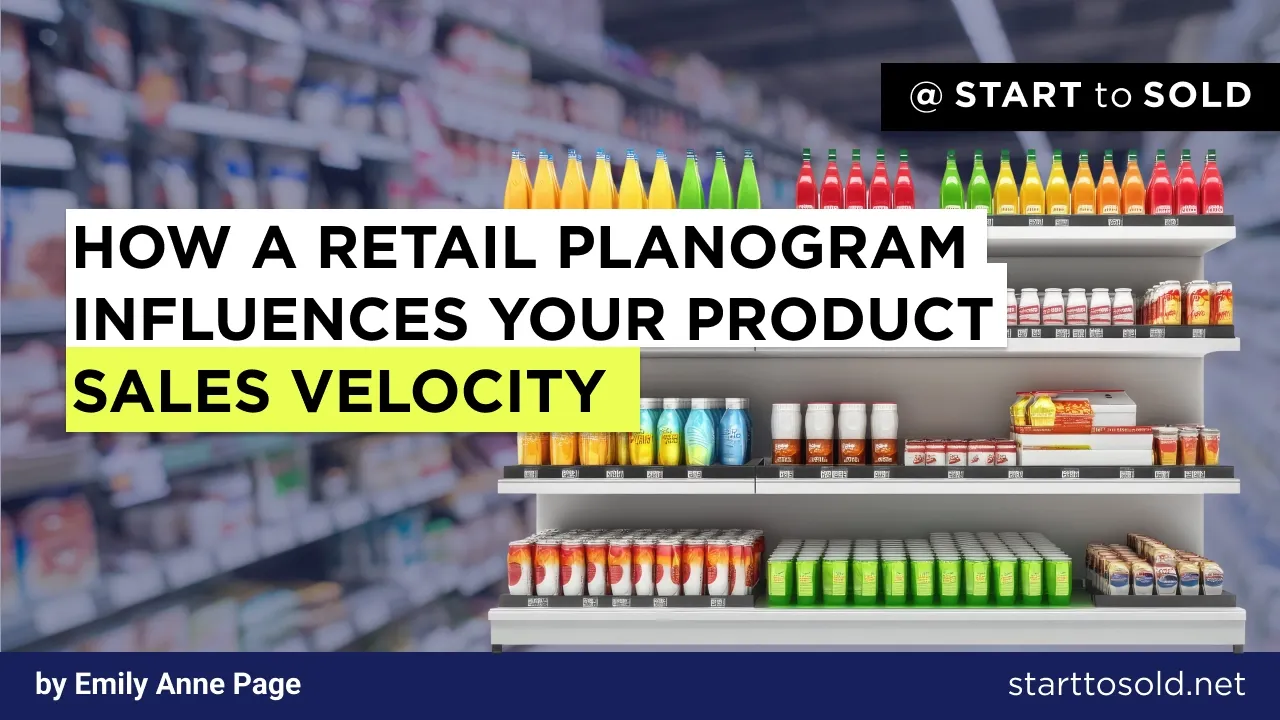







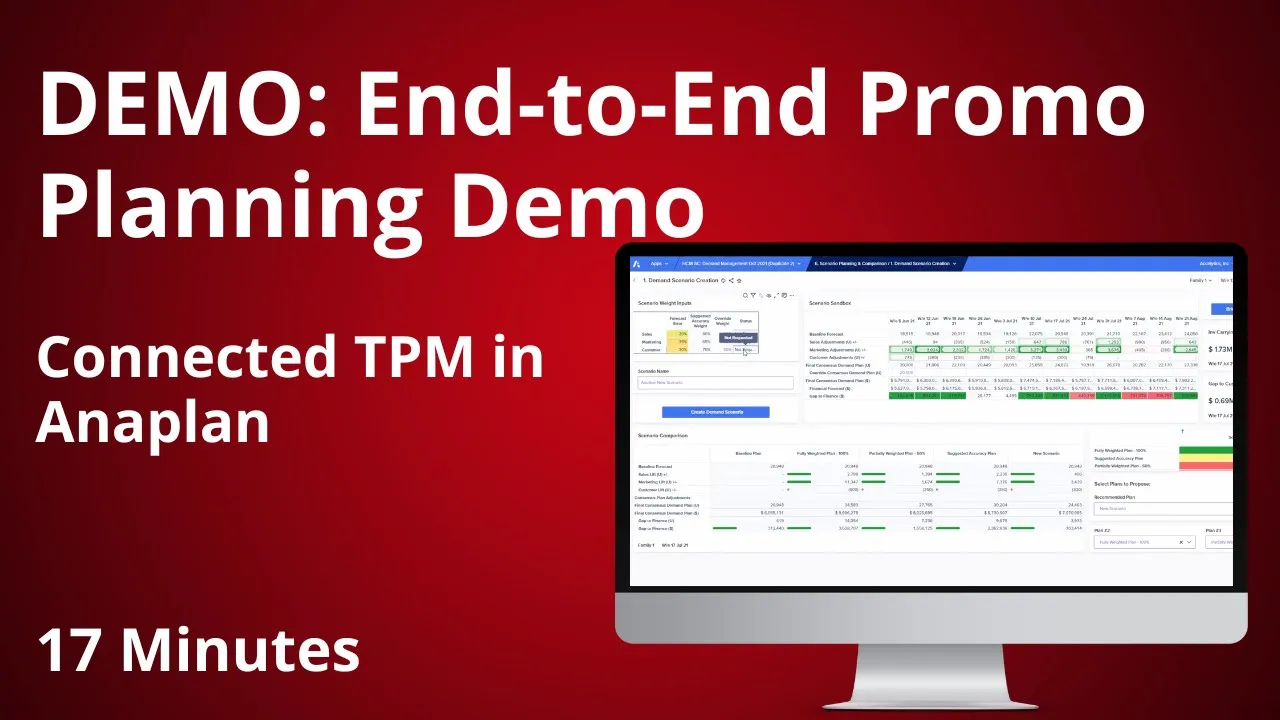







Retail velocity—the number of units or dollars sold per SKU per store—is the golden metric that drives shelf space allocation and retail expansion. To drive velocity, brands must focus on both in-store tactics (optimal shelf placement in the T-zone, secondary/tertiary displays, point-of-sale materials, and strategic use of Temporary Price Reductions) and out-of-store tactics (field marketing, social media, and influencer campaigns). Brands should prioritize high-velocity categories for expensive tactics like demos, as these require step-change improvements to justify costs. Critical success factors include understanding buyer expectations, using data to demonstrate value propositions, and maintaining consistent product availability to prevent stockouts that can lead to discontinuation.
Driving Retail Velocity: Data-Driven Strategies for Emerging CPG Brands
Added:[Music] I spent three years in frozen plant-based nuggets and it's very hard to get secondary and tertiary displays because it has to be frozen. There's really not much you can do uh from a merchandising lens with frozen. I mean, obviously, I want to be on the shelf. I want to have as many faces as possible.
I want to have point of sale up. make sure my tags are up. But that becomes an expensive proposition. So for me, you need to be in a high velocity category to justify the cost of the demo because when you do a demo, the sole purpose of the demo is to make step changes in your velocity. That holds. Hello friends. In our industry, the golden metric is velocity. That is the number of units or dollars per skew that you sell in each store that you're in. And we all want it to go up so that we can get more shelf space, get into more stores, which of course in turn helps you grow your velocity even more.
But how do we do it in this crazy competitive world? Well, good news.
Today I've got Matt Merson who has big-time experience growing brands and velocity. From big CPG like Sarah Lee and Coca-Cola to successful emerging brands like Vitamin Water and Boxed Water to his current role as head of strategy and sales at the fast growing brand Once Upon a Coconut. So today we're going to talk through what can you do inside the store and also outside the store to drive your velocity with tons of tricks of the trade from Matt's heavy experience. This is going to be an instant classic episode. I hope you love it. Let's go. All right, everybody. Welcome to the velocity episode. You know, you've been waiting for this one for a while. And so I've brought one of the salespeople I think who knows the most about driving velocity at sales. This is Matt Merson.
Matt, first of all, do you mind just introducing yourself and explaining to these good people why it is that I think you know so much about sales and velocity. Dan, I've been in this industry for a long time, 33 years, first half of it very classically trained at Dan and Yogurt, Sarah Lee, Coca-Cola, but then I caught the Vitamin Water bug in 2004 and had an incredible startup disruptive emerging brand experience. And the last 17 years of my career have really been focused in that area. Better for you, emerging disrupting brands. And I've had a fortunate opportunity to be part of Teio Gaspacho, Haven's Kitchen, Boxed Water, uh, plant-based nuggets, and even currently now I'm building another coconut water brand called Once Upon a Coconut that is disruptive and emerging in the space. Okay. So Matt, you are the perfect person to be talking about velocity with early brands because you've done it for the biggest brands and you've done it for the smallest brands just starting from scratch. Some of the people listening are doing just that. They're getting into their first store. Others have just gotten their first rotation at Kroger and they're trying to get into more Kroger. So first of all, before you even get into that store and try to figure out how to get to more consumers, what's the pre-work that you should have already done before even, you know, kind of stepping foot on Shelf? Yeah, that's a great question.
And and first and foremost, I got to assume the brands have their USP unique selling proposition figured out. They know who their target demographic is.
And most importantly, they know where that demographic that they're trying to reach shops. So now you have a subset of chains. I know we track about 130 retail chains. You have a subset of chains that this demo primarily shops in, whether it's natural or conventional. Uh, so once you have that figured out, when you're having your buyer discussions, it's important to understand what the buyer's expectations are in the category before you commit to any listings. So, let's use pizza as example. Some stores have 12 doors of pizza. Let's say the category average is 25. You know that if you enter that chain you have about 12 months to bring your velocity up to 25 units per store per skew per week or you will exit that chain. Now what the retailer is trying to balance is they are trying to optimize every square inch of the store from a revenue lens but at the same time they have to put it against an assortment dimension. So they know that vegan pizza is not going to sell as good as Red Baron. Okay. So it makes a lot of sense. You're saying, you know, before you even try to get your velocity to improve, you hopefully have done the work to figure out what are actually the best chains for me to bring this proposition to, which will hopefully giving give me a better baseline velocity from which I can try to improve. So for my brand really, who is this for? Where do those people shop so that I can approach those retailers ideally? And because my consumers shop there, that gives my product a better chance on shelf. And then now when I'm talking to the buyer, I can not just blindly try to have more velocity, which is what we all want, but really understand what what does it take here?
What's the expectation? What what am I fighting against? What do I absolutely have to be above or I'm going to waste all my slotting money because I'm going to get discontinued. Right. Exactly.
Okay. So, let's say I've done that and I've got into my first couple chains here. What? And okay, it's going okay.
Let's say, okay, now it looks like, hey, the product now it kind of looks like it's getting into all the stores, you know, which I'm checking my distributor data and seeing like it took a little longer than the buyer said it would, but now it's in the stores and okay, now I can see what my baseline velocity is.
Let's say by because I'm looking at the distributor selling data. I know how many stores it's in and I'm at 1.2, let's say, but I know it needs to go higher. What could I start doing? So to drive velocity, I really bifrocate it into two channels. Things that you can do in store and things that you can do out of store. When your product is in the store on the shelf, you want to make sure you have the best shelf position possible. You want to make sure your tags are up, your point of sale is up where it's permitted. You want to fight for secondary and tertiary displays. And the velocities are going to, you know, vary wildly uh depending on the category. So you have things like beverage and snack that are very high velocity, high turning products. And then you have things like condiments and entre that are much slower and going to turn to the rate of one, two, three, four units a week. Your beverage and snack products are going to be in double digits uh per skew per week. So um along so alongside of having multiple points of of display in the store um in the store you know you have uh uh TPRs. You want to make sure you have a promo calendar in place. So for TPR is temporary price reduction. Four times a year you'll give that retailer the opportunity to do either twofer or a discount off the SRP.
that investment will hopefully drive double-digit volume for that week. Uh and then you can decide whether or not it's worth the investment. But you you know to have a calendar in your first year to have 16 weeks of TPR is probably the industry average. Okay. So let's go through a couple of those points that you mentioned. So all right, shelf space, for example. Like yes, we all want shelf space. We all want in the T they call it, right? which is the like eye level and then down straight down.
You don't want to be at the bottom right. You don't want to be in that dusty bottom left. But how so? Okay.
Yes, I want that. And I want secondary displays and tertiary displays and all that stuff. How do you actually get that if you're a newer brand get or just getting into newer chains? Well, the the shelf placement is a conversation upfront with a buyer when you're pitching a brand. you know, you you can ask to ensure that you're within that T section, uh that you want to have good, you know, because you are a new brand, you want to get as many eyeballs on your product. So, it's really a negotiation upfront. Honestly, it seems obvious when you say that, but it wasn't obvious to me when I was just pitching a lot of accounts. I don't think I I can actually only recall once really recommending a specific placement for us. We might have had a slide in there that was always like, "Yeah, put us right in the middle next to the vest turning thing, but like I never thought about them actually taking that seriously." What kind of success do you have with that? Like when you're presenting, hey, here's where we want to be in that T-zone. Like everybody, we want to be there. What do you think makes that case compelling to the buyer so that you do get that good placement?
I think, Dan, that it's really going to depend on the stage that your brand is in. If I'm pitching my first retailer, I don't have a lot of leverage to really argue for shelf space, especially when I'm up against their uh desire to optimize every inch of they want to optimize every inch of revenue in the store. However, as you start to go down the road and enter more and more retailers, now you have a velocity story and you can take that velocity in and say, "Hey, my brand is selling more dollars per square inch than these brands you currently have in the set and deserves prime position, secondary position. So, you know, velocity becomes one of your most important metrics and and that's why you should really choose carefully the first retailer you go into and how you're going to capture that.
Velocity, the data isn't free, right?
So, you're either going to have to subscribe to data or or get it from one of the startup CPG partners or get it from the retailer. But really, that foundation is your springboard for the entire US.
Every retailer out there that we mentioned, the 130 that we track, is looking at the same data and you know, some sit back and are not early adopters and they wait and they say, "Show me how you're doing in the southeast part of the United States with your data and then I'll consider bringing you in."
Others are more forward thinkers where you'll get a couple chains and like I love your brand. I love the unique selling proposition. We don't have anything like it. I'm bringing it in.
Um, yes. And thank you. I should actually quickly plug, we have a really cool package with Neielson IQ um where this is very cheap data that we have with them. You can check the show notes for um a link on it, but basically we have it. You can get a full package with them for about 10K. It gets you access to like almost unlimited data. It's crazy. This stuff used to cost over $100,000. You can get Whole Foods data.
That to me is the one most relevant retailer I think that most people want to see for benchmarking stuff. Um, and then there's a lot that you can do with that data and we'll cover a lot more in subsequent episodes. Um, okay. So, makes a lot of sense. I once Matt had success also because I actually went into the store that I was pitching and looked at their set. So, then when I was pitching the buyer, I could say, "Yeah, I mean, it should be in that T-zone up towards the top right because that's in between two different products that are very similar to the category of my product or the subcategory or whatever. so it'll make sense to consumers being there. And the buyer listened. She was like, "Thank you. That's actually that really saves me a lot of time and that makes sense."
And that was the shelf placement that I wanted. Do you often go into the stores and look at it that way? Does that is that helpful for you, Dan? 100%. Some of these buyers are sitting on two and three desks and managing a 100 vendors.
If you can have data in front of you and be incredibly surgical and come back to say to the buyer, remove these three items that are doing $5 a week. Replace them with my items which in similar chains are doing $10 a week. You will generate, you know, whatever the the velocity is times the incremental $5 times 52 weeks. you will bring $750,000 more just by making this simple change to the chain over the course of a year. So the the easier you can spoon feed it to them, the more likely you are to get a yes. I imagine it's not often that like yes that that's a the best way to make that argument and get the shelf space. I imagine they don't like remember that and look back at it a year later like hey you said this would happen but here's what I saw right because I mean so many things change by then also it's like they won't be able to look at that in isolation but hopefully you know you're making this based off very sound data so they understand the assumptions you're making. So okay with Once Upon a Coconut for example I know you guys have a couple different SKs each of which I love. Um, how do you think about number of SKs that you're pitching and the impact that that could have on the velocity of each of those SKs, right?
Because we know like, well, on the one hand, it's nice to have a couple different SKs there, take up a little bit of a block on shelf, get consumers attention looking at your product, but also, hey, if you have two similar flavors, they could each other a little bit. If you just have fewer SKs, maybe it would have better velocity, but you also might not get as much shelf space.
How do you think about it? I usually like to start with my core four and uh demonstrate success which would set me up for expanding the flavor assortment.
Um but I think there's four clearly differentiated flavors in my line. Um so it's difficult to go in and ask for hey I need eight facings I need six facings because space is at a premium and you're standing alongside all the other brands that run entree into the same category.
Think of all the probiotic, prebiotic sodas that are trying to get shelf space right now. Yes, that must be a mad battle. I have had some pretty interesting conversations with buyers in some of these categories that are seeing rapid innovation and competition these days. And I mean, it's interesting because it always happens on the back of one or two brands having a lot of success and then I don't know, two to five years later, you just see an onslaught of brands coming for them.
Exactly. And it's very hard for them to differentiate themselves. And there are so many of them come like so the buyers to me they're like yeah I mean what I don't need is just another one of those brands. I need something really unique because they're looking for that incrementality. What's going to actually drive an incremental can of sales or jar verse, you know, just kind of another meto product that has like some nice branding, right? So interesting flavors or really interesting packaging stuff that can bring new consumers into their set. So that sounds like some velocity driving type stuff also. And and just going back to the example I gave you um about optimizing their shelf set. You know, Coconut Water is an old category.
It's it's not a new category. I feel uh that we have a brand that uh is missionbased and really gives back to the community. We have inspirational packaging and um you know we source our coconuts from a country that really gives the product a unique taste. The retailer doesn't want to make changes that are just going to be one for one, right? They want to optimize their coconut water set. So they look at the category overall and that also ties back to data. you know, you should understand what the category is doing and what kind of incrementality because you mentioned that that you bring to the category. So, just talking about your product, um, you know, one thing that's not necessarily a sales tactic, it's more back into the kind of package design branding aspect.
One thing that I really like about your product is that it's easy to understand.
It's coconut water. It's called Once on a Coconut. You can look at it and you know immed it looks nice. You know what it is. I had the same thought when I was seeing just iced tea roll out and I because I saw it on the Sprouts Innovation set with lots of other products and it was gone. The product was gone. People just grabbed it right off and that can be a tough set, you know, for some brands because it's in the middle of the store. It doesn't have context about a specific aisle. And my thought around it is it's just so easy to understand. It's iced tea. You can see the liquid, the color of it, and it says just iced tea and it looks nice and people just get it. Um, do you do you feel like that has a big impact for you guys on velocity for other brands because you've worked across so many? I mean that that to me is back towards your, you know, your early days of setup and setting your unique selling proposition. If you're packaging doesn't clearly communicate what's in the package, you have a very long road ahead of you. So, uh, I'm assuming that that's all flushed out. you know, the clearer the package is, the better the product is going to turn, the higher your velocities are. All right. So, um, you know, I I I I get your approach then for I would say consistent, you know, best practice across these accounts, right?
You mentioned get good shelf space and, you know, try to get a couple extra points of display. Really make sure that you have a promo calendar in place, which, by the way, a lot of brands don't. you I think you'd be really surprised about how many brands have not taken the time to go and plan with their distributors and plan with the accounts and it is expensive. We get it. But hopefully everybody knows that it's expensive and budgets for that ahead of time and then gets them because in some accounts that you might see in some conventional stores 80% of the volume done on deal, right? If you walk into if you're trying to sell in a Safeway, which I don't recommend for everybody, but if you're there and you are literally the only brand without a yellow tag, that's not a great thing, right? Because people go in there and like I don't know, think they have cheap pricing because everything's on sale even though the sale price is more than a lot of other stores. But you don't want to you don't want to be unique in that sense, right? But I would I would also say here, Dan, that it's worth the investment to know if you take 50 50 cents off the price of your product, what kind of lift are you going to get?
And these yellow tags are incredibly important in the first couple years when you're trying to get people into the brand for the first time. And if you're not going to do any kind of promotions, you'll never know what kind of lift. you might get a 50 to 100% lift on your sales when you have a tag hanging. And to me, it's it's in critical to bring people into your brand for the first time. So, I wouldn't ignore that. And, you know, I want to back up to one of the, you know, when we're talking with the buyers up front about the buyer's expectations, I think that retailers tend to measure velocities on two two pillars. One is units per store per week and the other is dollars per store per week. And up until COVID, retailers were largely focused on dollars per store per week. When COVID hit and there was some slowdown at the ports and price increases were happening everywhere, retailers shifted off of of dollars per store per week because everybody took a price increase. The amount of units you were selling yes last year was the same as this year. but now your dollars were much higher and they were really focusing on organic growth being communicated by the number of units you were selling. So it's important to understand from the buyer in their chain how do you look at the measure of success is it units or dollars and some can be both like look we look at units but if the you know I sell some very big leader packages that are 599 in store and I sell my singles that are $2.49 49 or so in store and my my consumer tends to shift towards my leaders which gives me a higher dollar sales per skew per store than it would of a single. So I look more efficient in the little two two inches that I take up on the shelf. I gotcha. Okay. I I just thought of like five rapid questions I want to hit. So let me get through a bunch of these. All right. Number one, you're doing promos.
How big of a discount should I do?
Should I do like a, you know, buy two get one or do a dollar off or, you know, a percentage off? Like what, you know, just I think for a lot of early brands, they just need to get these things on the board. But do you really like do you see a lot of things consistently making a difference or are you just all about, hey, test and learn a couple different things here or anything relating to like what kind of package it is, how consumers usually buy it? What do you think? I think you hit the nail on the head with test and learn. You know, especially for an early stage brand. If you're 599 on the shelf, you don't know if 50 cents is going to move the needle.
You don't know if a dollar is going to move the needle. So, I would, if I was doing 16 weeks of promo, they're usually in four four-week blocks. You know, the first four weeks I would test 50 cents off, see what kind of lift I get. The next four weeks I would test a dollar off, see what kind of lift I get. the next four weeks you might test, you know, two for $8.99. We'll be right back. Hey, do you know about Minio? So, it takes seven touch points on average to convert a potential consumer. You can get started by meeting your consumers where they can see you every day on social. Our friends at Minio work with brands on micro influencer amplification and UGC creation. You can get content that's fully licensed for use on your own marketing channels and watch creators post about your products to their audience. Minocial has been around since 2018, partnering with over a thousand CPG brands like Bonsa, Outstanding Foods, Flyby Jing, Hydrant, Love Wellness, and many more. You can learn how it works by visiting cpg.binocial.com and take a look at their case studies. Make sure to mention us at startupc for a special discount.
Okay. And on that on that vein because you have to do a lot of times these off invoice things with the distributors, right? Where you have like four periods a year. It can be expensive and then you need to also plan the promotion with the retailer to make sure that they actually pass that off invoice which is intended to create lower prices at the retailers for consumers. any tips that you have on making sure that offinvoice money actually leads to those price promotions so that you get more velocity. You know, that's probably a whole another episode of uh planning through your distributor partners, but you you know, a lot of things you said are accurate. We really have to make sure the alignment of when you commit to the promo periods can line up with your retail partners because these distributors, they'll take, you know, not only the four weeks of promotion on OI, but they take two weeks before and two weeks after. And it's 100% of the loads that are going into the distributor. So now you have six weeks of OI, I'm sorry, eight weeks of OI, 242, when they're really only passing four on to the retailer. The other four weeks are going directly into their pocket. Now, if you're a shelf stable brand, why not buy up heavy and load in on the weeks that the distributor is getting 10 15% OI and then, you know, the purchasing pattern is going to drop way off because they're working off discounted inventory. It's very tricky and can absolutely bankrupt brands. All right, a bunch more questions here. I just keep thinking of more and more, but let's get through them all. Um, okay. So, Matt on the hot seat. Next one is about merchandising.
Yes. Where is it important? When is it important? How big should a brand be before they start spending on that kind of stuff because it is expensive. So I think it it um goes back to your strategy on on how and your funding you know your road your road map to funding how many markets you can launch in etc. So, you know, to have people in the street and what I love is there's some really great third party merchandisers out there that can do this for you, 20, $25 a store to go out, merchandise, argue for extra space, put up point of sale, make sure the brands are in stock.
That to me is a is a great investment, but you have to have the money to support that. Especially if you're a New York-based company and you're launching in New York, Chicago, and LA, and you need coverage in Chicago, and LA, the easiest win is to engage with third party merchandisers that are in those stores on a day in and dayout basis and can execute what you want them to execute. It's real. And if you don't believe it that they can actually have that kind of an impact, go into one of your local stores, wherever you are as a founder, and ask for some extra space.
And you'd be surprised, you might actually get it, especially if you kind of know how to ask for it. Like, oh, hey, I'm uh demoing here today. Could I just get a little extra space in the cooler right by the checkout so people can grab it easily? Like, you get it sometimes, right? And those merchandisers have relationships with the stores. And when you actually do hire those merchandisers, a lot of them will give you reports. And if the merchandiser who went into the store takes a picture when they showed up and then afterwards and you have a lot more shelf space when they leave, they probably get a little bit of a bonus as well. So they are heavily incented to help you get that extra shelf space that we've been talking about. Right. I love these guys to death, Daniel. And when you think about like what is the number one issue facing uh retailers, probably labor. They can't get enough people to show up to work to be consistent workers, to be good workers. So, these third party merchandisers come in and they're almost like an extension of their workforce.
They say, "Hey, I see you just got a load of oranges on the dock. Can I pack them out for you?" And the store manager is like, "Of course. We'd love to help."
And, "Oh, by the way, I'd like to take this little end cap for Once Upon a Coconut. Is that okay?" Of course, do what you want. I mean, they've really cultivated the relationships at store level and are absolutely invaluable to drive your velocities. I mean, they're, you know, be sure that they are there to drive your velocities. And if there's three points of availability or inspiration in the store, your velocities are probably going to be 3x higher than they would be at a store where you're just sitting in a planagram. So, it it makes a lot of sense about how much it can help you.
And also, conversely, it can really hurt you if you don't have them because the other brands might. And especially if you actually start, if you're successful enough to piss off a bigger brand, their merchandisers may just come out and bury you on shelf, right? I'm sure you've seen this. Absolutely. And you might have done it to some other people. No.
No, of course not. Nope.
But but I've se I mean I've seen merchandisers do that like go in and actually just I mean they're taking they're getting shelf space. So they're if they're getting more for you it's coming from someone else, right? 100%.
They do an incredible job. There's multiple companies out there. All of them are very good at what they do. It's a it's a very solid business model. And it it also probably depends on the category, right? Because I would say you've done a lot in beverage. Beverage hyper competitive. You're talking about the cooler space right by the checkout.
Really expensive, right? So, like, man, it's on in that category, right? Whereas there may be other categories that aren't as highly contested in merchandising. What do you think? Uh, I agree with that. I I think of uh I spent three years in frozen plant-based nuggets and it's very hard to get secondary and tertiary displays because it has to be frozen. There's really not much you can do uh from a merchandising lens with frozen. I mean, obviously, I want to be on the shelf. I want to have as many faces as possible. I want to have point of sale up, make sure my tags are up, but that becomes an expensive proposition. I'll give you one other example here. You know, when I was at Haven's Kitchen, we made like a chimmy cherry sauce, which was good for chicken, steak, shrimp. We were merchandised because there's really no home for refrigerated condiments. You know, we were merchandised with kimchi and sauerkraut and grills pickles, but the the consumer connection was made when they were at the meat counter ordering their chicken, ordering their steak, ordering their shrimp, and they weren't going to say, "Oh, yes, I got to go all the way back to dairy to get my Haven's Kitchen Chimmy Cher sauce." So what what I tasked my merchandisers to do was to bring the product as close to possible as this where the sale of proteins are happening. And when when somebody's looking in the meat case, this would be my gold standard. When they're looking in the meat case, they see steak and chimmy cherry sauce. Or if they have one of those freestanding refrigerated wells with stuff on display, I want to be sitting a row of chimmy cherry sauce where all the shrimp is. I know what that's like. Maybe that goes back to strategy a little bit also because I used to work at well it was called Hampton Creek then. Now it's Just Egg, but we had the Just Mayo product and it was sold in Whole Foods refrigerated cuz I think they couldn't sell the shelf stable one there at least for a time because of one of the preservatives or something like that. So it was refrigerated in just like some random part of the fridge where no one would think to go look for mayo in the refrigerated box all the way back there.
Yes. So, refrigerated condiments along with some other random stuff and it was just so difficult to educate consumers to think about going and getting it there. So, I think we probably could have used you there to try to get the merchandisers to figure out how to get it to a little bit better placement.
Okay, next question for you. Similar vein. Demos, where do you like it? Where do you not like it? When do you want to deploy it? How do you think it can be really successful? Yes. Uh demos are demos are very expensive. So for me, you need to be in a high velocity category to justify the cost of the demo because when you do a demo, the sole purpose of the demo is to make step changes in your velocity that hold. So if you're doing 10 units per store per week, you do the demo, the demo sold 40 units, everybody's not going to come up, but then starting the next week and the week after, now your average velocity is at 15 or 20, right? So you have to have a product that uh is going to really give the aha moment and you know right now demos are my main focus because we have such a sweet tasting coconut water that is completely different than the legacy brands out there and it's an aha moment like people are like oh no I tried coconut water 10 years ago I don't drink it. If you try mine and you don't like it I will give you $10. I've never had to part with a dollar. So, we really want to get our coconut waters into people's mouths because they'd be like, "Oh my god, this is coconut water. I like this." And there's a huge tailwind behind a category with health and wellness and just better for you. Uh that's that's really what I would demo.
That's it's it's funny to hear you say that because I was thinking, well, first of all, your velocity with me is very high because when I'm at a trade show and you're anywhere near me, I come and take about 10 and that's how I get through the trade show is drinking all of your coconut waters. Um, but yeah, I I mean I love doing demos if I have a good product. I thought I was like, "No, I just love doing demos. It's so much fun." But I was used to doing it with a product that would people liked a lot when they tried like, "Oh, this is good.
Yeah, I want to buy a bunch of those."
And then I went and stepped in and tried to help another brand doing a demo and it was not fun because people did not like the product and I felt absolutely useless like do you do you want to buy it? They're like no I don't like this like wow this is not fun at all and this product should not be demoed this way.
It's just a very low success percentage.
Right. So yeah I think you're that I see what you're saying. One of the things that we talked about for in storere, right, and we really didn't touch on outside of the store. When you think of the uh mindset of the consumer coming into a store, I don't care if it's Whole Foods or Safeway. They're coming into a store, you know, shoppers are typically heads of household, female. They might have a list of products they need. They might have two kids in tow. They're not going to be discovering anything in store.
So, another way to drive velocities is to get to that consumer outside of the store to have that your product on their list. Oh, I saw Once Upon a Coconut at this yoga festival and then I saw it again at this marathon. You know, I want to try it. So, now they have it on their list. They come into the store. All the things you're doing in store don't matter because it's on the list. People coming into a store without it on the list will find, you know, uh, point of sale, a secondary display, a TPR tag.
They'll discover it in the store. But how can you get them to come into the store with your product already on the list? It's by doing all the other things outside of the store which are field marketing, geo fencing, um your online uh efforts, digital and social marketing, your store locator to make sure those stores are on a list if people are looking at your brand online.
All of those things outside bring awareness to the brand that will help the velocities inside the store. Okay.
So, man, as as a sales guy myself, I am always just like I I don't know. It'd be hard for me to have a marketing budget cuz I'm like just it it seems like none of it actually does the thing, but only altogether does it actually do the thing. And then it's really hard to even point to what part of it actually made them come in with it on their list, right? So, it's it's just so hard for me to wrap my head around that stuff. But it sounds like you are a fan of all of it in totality. You like the field uh marketing and all of that stuff, but they're probably it probably each of them has a place, right? Like I was told, yeah, field marketing like, oh, you go and set up at like a festival or like a sporting event or something like that's not going to make sense until you're in a lot of stores near them so that they try it and then they can buy it if they're in a store and they see it. Like how do you think about that kind of stuff? That's exactly how I think about it. I don't do any field marketing till I have critical mass in a market. So when I think of Southern California, I have uh all the Whole Foods, all the Sprouts, I have CVS, Safeway, Albertson's, Gellson's. Now I have lots of points of availability that consumers can buy it. So now I want to layer on field marketing where they might discover it outside of the store.
So beach volleyball, skating, surfing, like whatever the classic laid-back music festivals where they're going to draw a lot of people from Southern California. There's lots of different road maps to reach consumers. I happen to be a brand that's about hydration.
So, anywhere they need hydration, working out, uh, physical activities is really where I want to be. So, marathons, bicycle races, yoga festivals, but it's got to be in a market where they can experience it and then find it in the market. There's no point in doing something at, in my opinion, South by Southwest if you're not available nationally. I gotcha. And and don't forget trade shows where we where we need your your product a lot to pitch. Um but I I also and just to tie up that point, it it also really matters about what your product does and what the branding is, right? when you're choosing those kind of events, you have a hydration product. So like, yeah, maybe a sport forwarding event is going to make sense, not just kind of blindly saying yes to random opportunities. That might sound cool, right? So, um, all of this I think like really comes back to the point we started with was about like having a strategy. Know exactly who this is for and how you're going to try to reach those people because you don't have unlimited resources and you're going to have to be strategic and just saying yes to stuff that doesn't help you is the quickest way to deplete those resources. Um, okay. So, let's say before you had that critical scale, you might be trying to do things more in the stores, right? Like, okay, demos, which we know we said are expensive, but at least that's at the point of sale, right? You're in the store. If someone tries it, they're there. They can buy it at the store, right? How do you think about choosing like where, when, how to demo? And you know, one question that I have on it is we want better velocities partly, I mean, we want better data, but we want look better to the buyers. like do we is it okay just to try to drive velocities through demos at just like the top selling stores or do we have to try to be kind of more consistent across all the stores? I thought about this when I was in the Sprouts innovation set. I was like, well, I know what are the top 40 volume stores. Can I just do those and forget about all the rest and maybe they'll sell very slowly? Is the buyer going to look at that? I don't know. I I find that the buyer's going to look at their chain. I mean, you know, they're they have 430 stores. They're not going to look at the performance of the store in Kansas City versus the store in Southern California. But what they are going to look at is across 430 stores, how many units per skew per week did you average? And how many dollars per skew per week did you average across the system? They may break it down into uh geographic regions, Southern California, Texas, Florida, um and benchmark it against the other brands in your category. But I tend to think that they are just going to roll it up and look as it look at it as a whole. So when I think of demoing, when I think of Whole Foods and I and now I have, you know, 200 plus Whole Foods west of the Mississippi that I have to demonstrate great velocities in in order to make an argument to get the whole chain.
You know, I am looking to demo in the stores that they consider a stores, which are the ones with the most square footage, the ones with the biggest dollars per store per week, the stores overall volume, and the ones that have the highest traffic. Now, you could overlay the geography. You know, there's Whole Foods in in places where you your core consumer might not regularly be shopping. There's a lot of neighborhoods in LA, lots of Whole Foods in LA. you might want to pick the neighborhoods where you know your core consumers live, work, and play versus other neighborhoods. So, those are some of the metrics I use to pick where I'm going to do the demos. And then, obviously, you have to hire a third party demo company.
And you want to make sure that, you know, the people doing the demos are on brand. The people doing the demos are outgoing salespeople. And you want to hold them accountable for whatever lift you're expecting from the demo. like I expect you guys to sell 25 more units during the demo than the average of the last 14 days. We'll be right back. Hello everybody. I am so excited to announce that Startup CPG finally has an official Amazon agency partner. I know a lot of you are looking to Amazon as a great growth channel for this year and beyond.
And Daybreak is the best agency that I've come across that will work with emerging brands. They have a really affordable retainer structure. It's a lot less than you'll find with other agencies that might charge you upwards of 5,000 bucks a month, which is crazy.
Based on recommendations from this community, I actually worked with Leon for my own brand and had an amazing experience. The sales grew very quickly.
We started ranking really high on organic search results and really just capturing search terms in the category.
I think he is an amazing fit for brands in this community and I highly recommend reaching out to him for a chat. You can reach out to him at least daybreak.
That's lon ndaybreak d- a yb r a k. agency. Make sure you mention us at Startup CBG so that you can get $600 of free design credits if you end up working with them.
Good luck. And now back to the show. All right. And I'll mention one more of our partners which is Grassroots. They are they're our demo partner. We have a national rate with them which is a startup CBG rate. It's 180 bucks for per demo and they also have one where you can split it with other brands for like 120 bucks. Save you some money. Um but yeah, working you know with them I would always look at like you want to see the data. They'll show you the data. How did it perform in each of these stores trying to figure out like okay is that really the right time? Because you'll learn like oh people aren't really shopping this set at that time of day. I need to actually demo at this time of day. like people don't want, you know, hydration drinks at like 8:00 p.m. at night because they're going to be going to bed soon, you know, stuff like that. You'll learn or like what's the traffic light in that region at that particular time of day.
And I would expect your demo company to know that exact answer, Dan. What days are the most heavily traffked and what time of day is most heavily trafficked overlaid with the usage occasion for your brand? That's right. And actually, yeah, I am doing a very cool um breakdown of all of that with Grassroots. So, definitely stay tuned for uh if if anybody who wants to learn about all these different regions and times of day and all that stuff. And you can also contact Grassroots. If you look in the show notes here, we'll have the link for our special deal with them. Um okay, so coming back to some of the out of storere stuff then. So, that would be you know the marketing person's budget.
Bigger company, you might be controlling the sales budget. Marketing person is controlling the marketing budget. So, you like all of those things in tandem, let's say. Um, can you think back on any of the brands that you've done where you just saw the marketing person make one really smart investment that you felt like had an immediate impact on the sales? Like I remember they did that and then right after that like we were on star mode for a while. What's an example of some kind of marketing investment that as a sales guy you're a big fan of?
Well, my my favorite example, and it's a huge example, is when I was at Vitamin Water, we had just a sister brand called Smartwater, which was just limping along until we signed Jennifer Aniston to be the face of the brand. And once we did that, it literally took off like a rocket ship. I mean, unbelievable. That was the biggest impact I ever saw a celebrity endorsement have on a brand.
That's amazing to think about and I'm sure it was not cheap to get her to do that, but um obviously it worked out because now we all know what Smartwater is. Um cool. And then yeah, I mean just like thinking back on from the sales side, do you remember just like one specific thing that you did on sales?
you tweaked something and then all of a sudden you saw just a huge step change on velocity whether it was way back in your career or more recently on one of the more recent brands you know or Box Water or Haven's Kitchen or from your current Once Upon a Coconut. Well, um in this current role, we've deployed third party merchandising to secure secondary and tertiary space. And listen, with any beverage, you know, people are going to have four or five beverages a day.
Water, tea, coffee, juice, soda, coconut water, energy drink. People are going to have one snack a day. People are going to have pizza once a week on average. So for me, the motto if it's cold is sold really rings true. And you know, all Whole Foods, All Sprouts, Fresh Market, fresh time, they all have cold space.
And if I can get into the cold space, I can really make significant changes on my velocity because the register doesn't know if that product came off the shelf warm or came off the shelf cold. They're just scanning more units through the system and uh you know, hiring a third party merchandiser really made a significant change to our velocities in store. Okay, so let's go through a hypothetical. Let's take let's say you just got into the Sprouts innovation set. you're a newer brand and you don't have all the money in the world, there are a lot of options out there, right?
You can do demos. Um, you also there you can do couponing, right? I think through InMar, you couldn't drop coupons on there. Um, I don't know if they like I know they have kind of an EDLP, you know, everyday low price kind of consistent price. I don't know if they're letting you do promos still during it. I think no. So, okay. Like, where would you how would you rank these things? Let's say for like a, you know, a beverage like yours that should be cold even though the innovation set isn't. And then for like a snack brand.
So you have demos, you have coupons, you could do an Instacart kind of investment. You could do Instagram stuff. Um, and anything or anything else that you can think of? What would you say like, yeah, this is number one for me. This is number two. This is number three. Well, what's interesting here uh with specifically to the Sprouts Innovation Island is that, you know, it's a 13-week cohort and the product that is needed for the store is all shipped in one shot. There's no reorder.
So, if you think you're going to do two cases a week, the store is going to get 26 cases up front and they're going to put two cases out on the innovation island and now you have 24 cases sitting in the back. Now, the store manager does not want product sitting in the back.
It's not selling for anybody. And they're more like likely to put it out on the floor somewhere else than they would on a if you're in a planagram and you could get two cases every other day from Kah. So, they have a ton of inventory on the back. Nobody wants it in the back. And they're more agreeable to putting it out whether it's cold or in one of their barrels or baskets.
That's a game changer. So you're So you're gonna Is that Does that mean merchandising? That does. Oh, that's so interesting. Gosh, because I never I never did that and I wonder if that would have had a big impact. I did not I when I've done the innovation set, I did not get the full reset. I wonder if that would have had a pretty big impact. So that's a really interesting answer from now. To be fair, I think Sprouts is trying to level the playing field and saying, "Look, we're taking a shot on 20 brands here in this Innovation Island cohort. We don't want to do any pricing activity on it. We don't really want other things going on in the store. We really want to see in the purest sense what is going to sell the best off this innovation island. Okay. So, and how much do you care about couponing for example and like Instacard ads type stuff? uh I do very little work in it now at this stage of of the brand's growth but I think the Instacart plays a huge part of driving velocity because you know it can uh all the delivery all of the instore pickup all counts towards your velocity. So that's a great outofstore activity that you should be a part of. U Instacart to help. Okay. And then C and so couponing like first of all you can't just like do a one-off coupon. You need like a coupon clearing house like and now you have the kind of like text to rebate type stuff that's out there, you know, isle and some others. But I I mean I haven't heard you talk about it being so important for you. I mean typically like okay coupons versus promos like promo price everybody gets, right?
Everybody who purchases the price at Shelf is going to get that promo price.
And if you're doing a scan back or something, you're paying for that. The coupons, only the people who have the coupon actually get that discount, but it's typically a larger amount. And so, you're just paying off the kind of redemptions. But yeah, you have to pay a clearing house, a coupon clearing house um to actually run that. And if anybody needs one, we we love Mandel and and Roads um just as a pretty efficient one, like kind of no uh no nonsense. Um, and you also have to distribute those coupons. Like they got to get to them somehow. So, you know, like a really painful thing to do is to have to have somebody go and slap a little coupon sticker on every single one of your products, right? Because it's like hard to do that in the store. You have to get a merchandiser to do that. Really hard to do it when you're shipping the product, right? Um, do you are you not a fan of coupons? Do you like them in some situations? No, I'm I'm actually a big fan. And I'm going to give you two examples where I love to use them. But, you know, uh there is something to be said. I I do like uh my prior my sauce company was more of a pouch product and so we didn't couldn't hang anything off the pouch. So, we did use a little stick on coupon. Uh that could be applied at the factory. If you want to do a thousand cases, they just stick them right on the pack and then when they pack them out on the shelf, it comes right out of the case with the sticker on it. but uh a bias towards beverage because I'm in beverage right now and I love neck ringers. So these are little coupons that are either elastic that fit right over the top of your product and I use them in two ways. One um you know all the team has them in their back pocket.
They can argue for extra space say Mr. retailer look I got dollar off coupons here. if you let me build a display, I'll go ahead and tag, you know, everything on the shelf and in the display with an IRC, which stands for instant redeemable coupon, or some people call them neck ringers. Um, the second thing is I want to optimize my conversion at demos. And, you know, some people say yes, some people say I got to think about it, and some people say no.
I I usually have a stack of coupons there which help convert to a yes from the people in the middle on the fence.
So look, you know, here's a dollar off coupon. And I also always bring the product right to the demo. I'm not demoing in the front of the store and saying you got to go back to aisle 7, left side, bottom shelf. I bring a display of product right to the demo point. They're sampling it cold. They could take a can right from the demo table and I could give them a dollar off for those that I see that are waffling.
I like that point a lot and I have personally done that like being in Central Market and I went and just cleared off the end cap into a shopping cart, brought it with me to the place where they would let you demo and then I would clear the whole thing out.
Although it did make although I would sell like 200 cans or something at the time which was amazing. I'm like will they ever know where this thing actually sits in the store though? Um, I remember doing that at Arowan, too, where I don't know, it was kind of weird to bring all the product with you, but then every time someone said yes, I'd be like, "Okay, let me escort you to the very back fridge where they have it today, but at least they know where it is." But yeah, I don't think I was selling as many. But I really like that point also about kind of juicing the demo where um even when I was there doing demos, I would bring some extra product with me.
If I'm going to be there, I want to sell a lot, right? And I'll bring some extra product and say, "Yeah, maybe for those maybe like great. Yeah, by the way, if you buy one, I'll just give you a free one out of my stock. That's a great tip.
Like black out the skew so that and tell the people to register that you're doing it so there's no confusion. Um or you can tell people, oh, it's actually a buy two get one if you go and buy two there, then I give you this one and then everybody will buy two and get the free one, right? or just at least trying to plan a promo around when you're going to be doing the demos because I I mean I did it at Central Market and we were on two for five and 100% of people then would buy two instead of just one and increments of two, you know, maybe four uh eight. So that would was a way to really maximize the time that I was spending doing the demos and the expense obviously.
Um, okay, man. This is a lot of really good information. And I feel like Matt, this is a lot of what we we've been talking about, I think, is for these ambitious brands that probably have raised money or thinking about raising money, like really getting into a lot of chains, going fast. Um, but I would love for us to think about just for a second about a really early brand, maybe that's even bootstrapping. Let's say that you're, as a lot of people would suggest, maybe going hard in your own backyard. Let's say you get to the point where you've got like one local chain, you know, four stores or 10 or something like that and you're just trying to figure out how to do well in those. What are some things that you can do? Number one, obviously going and demoing yourself, it's hard to really do anything better than that, right? If you don't have a lot of budget, okay, you have your time where you can go and do that. Um, sounds like that probably also you'd be able to argue for shelf space, but you have to know to ask, right? Like if you didn't know that you could do that, you'd be there like, "Hey, I'm demoing today. Can I get a little more space there? And like you or like hey can you make sure you order more product because I'm coming and then you don't show up and do the demo and you sell out of your product in 10 minutes. Right.
Exactly. Uh you know another uh so I want to address the bootstrapping because I I do have a view on that but another thing uh all demos like the store employees are your best salespeople. You know, I don't ever leave a store without every employee getting a can of product from the register to the people in the aisles, the team lead, the ATL, and and a lot of these stores even have break rooms. So, at the end of my demos, if I have if there's product left on the shelf, I will buy the product and I will put it in the break room with a note that says, "Thanks for a great demo."
If I'm bootstrapping, you know, um I do want to do all the things that continue to drive the velocities in this one big store that I'm in in my town, right? And then I want to take that data and velocities in concentric circles to where you're at. Go down the road like, "Oh, grosser B, over at Grosser A, I'm selling 50 units of this product. Uh, and I'd like to get some space over here because right now our website, our social media, everything is driving people to grosser A only." and and then when I have grosser B on board, I want to go to grosser C and grosser D and continue to grow just in concentric tight circles. At that point, you can layer on, oh, my town has a 5K race. Let me set up a little table for free and hand out product. I don't care if it's beverage or snack or whatever. You'll find an event local to that store where you can do something for free and try to get it on the person's shopping list outside of the store. I love these points that you're making, Matt. Especially about the employees of the store. I remember visiting a mother's market because I was about to get some product in there and I just saw one of these brands that I knew was local with this ridiculous display and I was talking to the store manager like, "Hey, I'm so excited. We're going to be getting in here. How do they get that space, by the way?" He's like, "Oh, those guys. Oh, well, they're local.
Like, they're in the store a lot. They always leave product for our team in the break room. So, I think you're spot on with that." And then I'm sure their velocity number was ridiculous and helped them get into a bunch of other retailers. So I think you are spot on on that one. And then um okay Matt, last question for you. I want to talk about stockouts. So kind of back to let's say you're getting in bigger chains. You know, one of the most um I would say likely things that can really ruin your velocity is if the product's not there, right? In certain stores if they're looking at a total chain velocity. So, you know, h how important do you think it is and how are you typically looking at that and trying to fix it, let's say, in the absence of having merchandisers um where you would even know where there are stockouts or voids, let's say, where the product didn't make it on shelf.
What what would you try to do in that situation? Well, I would I would echo your comments. I mean, uh it's really the death of a brand, right? And you know, the my first comment is all these stores have point of sale systems that are tied to the register and trigger reorders and stuff like that. Uh most of these guys use little handheld calculators that are called zebras. You can scan the product. You could see how much inventory is in the store.
You know, when I get to a store and I and I'm a 12-pack and I see anything less than five units on the shelf, I know there's a problem in the system because when I get down to six units, it should trigger another case to be automatically shipped to the store and put on shelves. So, what has happened?
The two things that have happened is an employee took one to drink themselves as their break drink or somebody stole a can or a can fell and broke open and none of those were recorded through the register. So even though the zebra the scanner might say I have nine in the store, there's really only five sitting on the shelf. So you have to get the associate to ensure the count in the zebra is correct. That is absolutely paramount.
But uh you know I will tell you that I'm on K connect three times a week looking at the inventory levels at all of my KEDC's at server sprouts. If I see that start to dip, I immediately get engaged with my uh K buyer. U so there's things you could do at both the distribution level and the retail level to ensure that you're going to have enough safety stock. I will say there's a there are some pretty interesting new software providers out there that are using AI on this. We're going to see it become much more prevalent, but it's software that will look through all of that data for you. Notice where there are discrepancies and then email a store or eventually even call the store using an AI agent and be like, "Hello, I was just calling to check. Do you have Once Upon a Coconut in stock on the shelf right now?" And like you they go and check be like, "No, actually we don't. Okay, I'll order that." Like cuz we should have it.
you know, where you can like that can happen automatically to every single store on the chain that looks like it has a stock out. So, that stuff is I think if I were a store, I would probably try to disconnect my phone right now because every brand is going to be doing that before long. All right, so Matt, I really want to thank you for joining us today. I personally learned a lot about Velocity from you, which is no surprise because you have been doing this at some of the most epic brands for so long, including Once Upon a Coconut, which I am really excited to see continue just to absolutely take off. Um, especially so that I can buy it in more stores where I am. And it sounds like you guys have already gotten some pretty epic distribution in a very short amount of time. So, thank you very much, Matt.
What's a good way for people to follow along with you personally and support the brand? Yeah, I I mean, listen, first of all, thanks for having me. I think you do amazing things for the community and I'm a I'm a huge fan of all the resources that you provide for free out there. You know, my words to uh the startup brands here, uh most of them are trying to raise money. Um I think your investors, if you're talking to investors or VC PE firms, you already got the unique selling proposition down and they're interested to learn more about your brand. But the two things that they're going to keep their eye on, number one, first and foremost, what do your velocities look like? And second, they'll probably ask about your margins and the opportunity to margin up. So velocity is mission critical from your first chain to your last because whatever you do in your first two, three, four chains is what every other chain on that store list of 130 is going to see. So, um, listen, you can find me on, uh, LinkedIn. You can find me on the CPG Slack channels. Lots of ways to get a hold of me. All right. Thanks so much for joining us. Hope everybody learned as much as I did. Bye, everyone. All right, everybody. Thank you so much for listening to our podcast. If you loved it, I would so appreciate it if you could leave us a review. You could do it right now. If you're an Apple podcast, you can scroll to the bottom of our startup CPG podcast page and click on write a review. Leave your company name in there. I will try to read it out. If you're in Spotify, you can click on about and then the star rating icon. If you are a service provider that would like to appear on the Startup CPG podcast, you can email us at partnerships at startupcpg.com. Lastly, if you found yourself grooving along to the music, it is my band. You can visit our website and listen to more. It is superfantastics.com. Thank you everybody. See you next time.
[Music]
Up Next

Introduction to Biochemistry: Biomolecules and Metabolism
@ProfessorDaveExplains
1.7M views•2016-08-24

Triumph of Orthodoxy Icon: Byzantine Art & History Explained
@BenCallan
2.1K views•2024-08-06

FastAPI vs Flask vs Django: Choosing the Right Python Web Framework
@TechWithTim
302.5K views•2024-05-26

Game of Thrones Opening Credits: A Cinematic Analysis
@gameofthrones
46.3M views•2011-04-18
Related Study Plans & Knowledge Roadmaps
Structured learning paths in General & Interdisciplinary Studies