






















Biochemistry is the scientific study of large biomolecules like proteins and DNA that govern all cellular functions, serving as the bridge between chemistry (small molecules and atoms) and biology (cells and organisms); it underlies nutrition, medicine, and health since all diseases have a molecular basis, and understanding biochemistry requires foundational knowledge of general and organic chemistry principles involving plus and minus charges that drive chemical reactions.
Introduction to Biochemistry: Biomolecules and Metabolism
Added:Basic concepts of general chemistry, including covalent bonding, hydrogen bonds, and polar vs. nonpolar molecules.
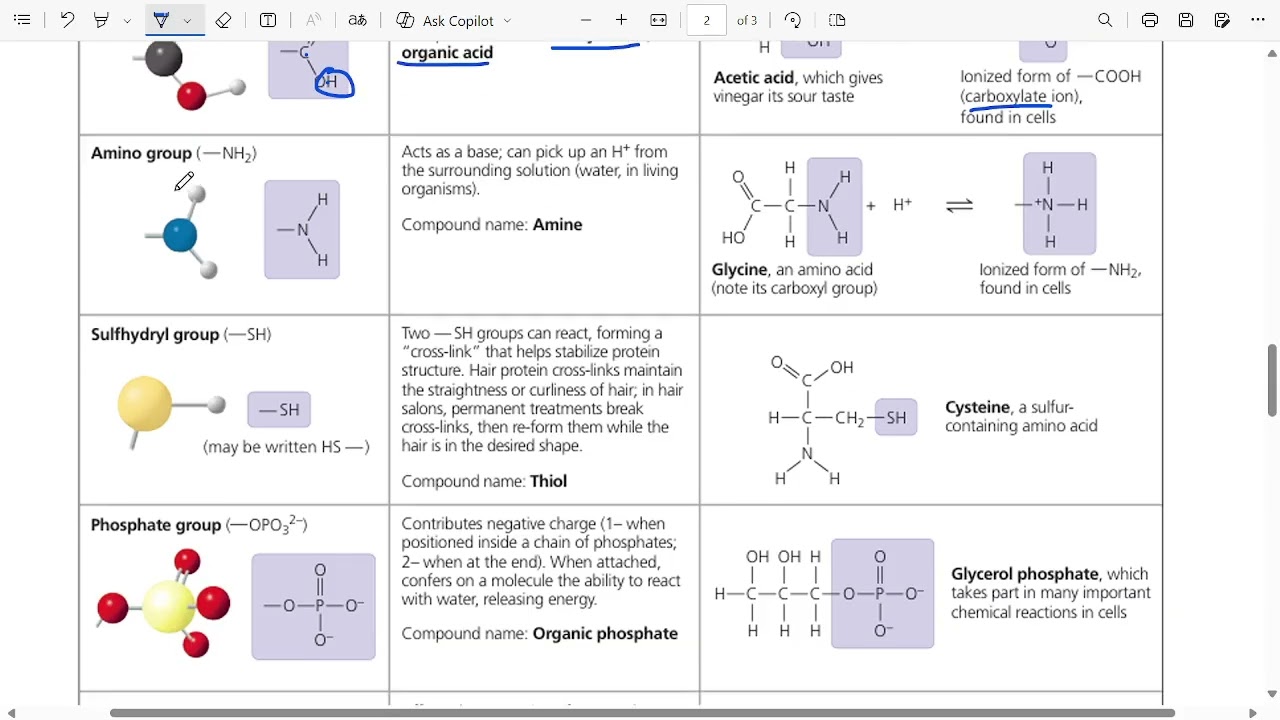
An understanding of organic chemistry functional groups (such as hydroxyl, carboxyl, amino, and phosphate groups).
Fundamental cell biology, specifically the structure and function of cellular organelles like the nucleus and mitochondria.
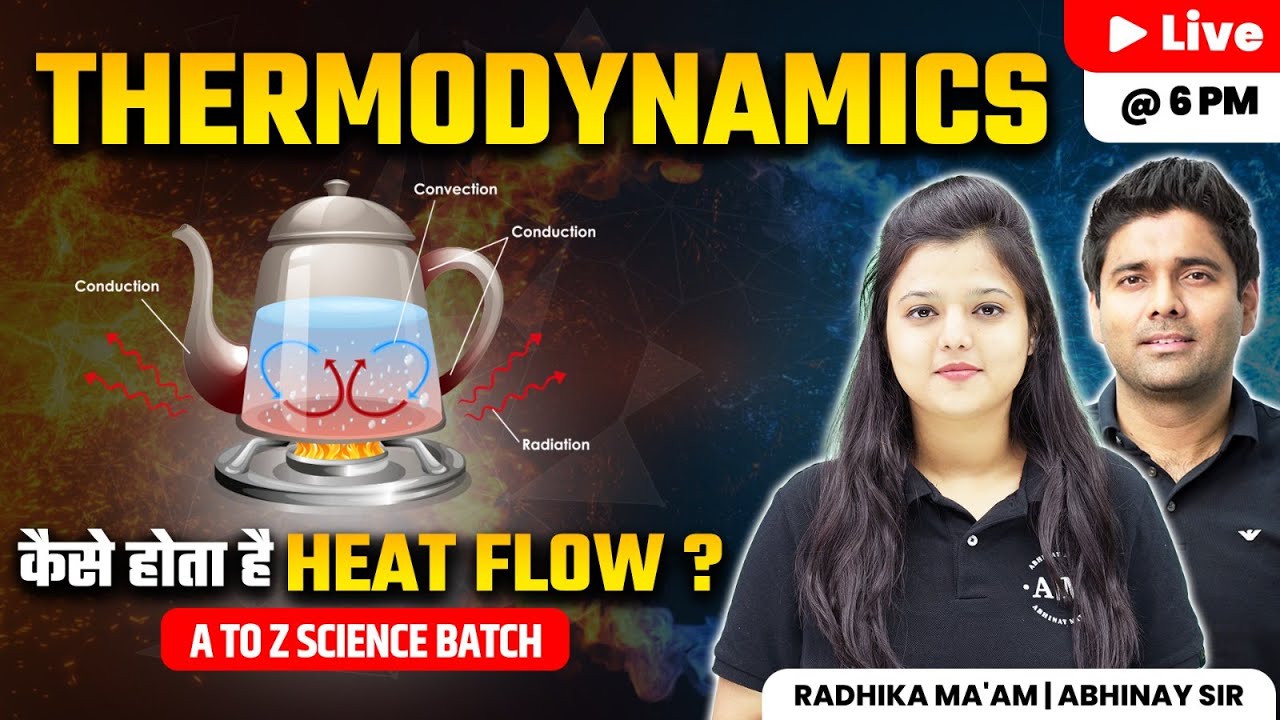
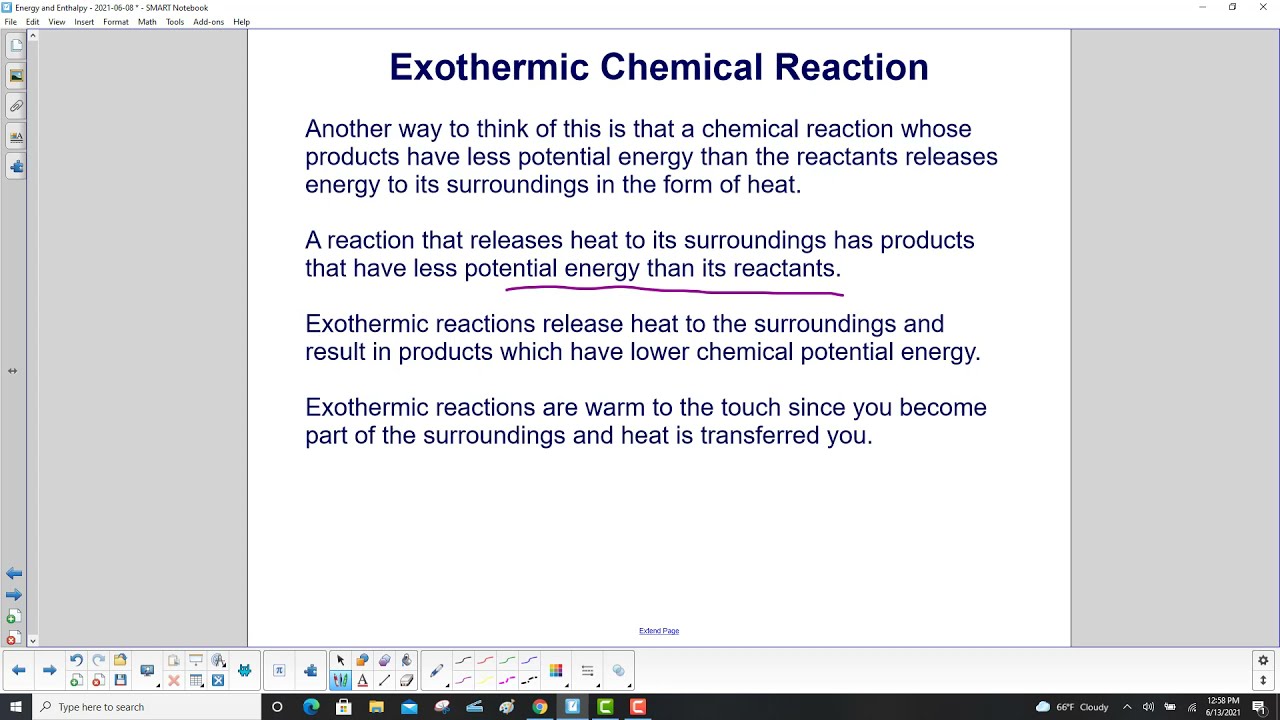
The basic laws of thermodynamics and how energy is conserved and transferred in physical systems.
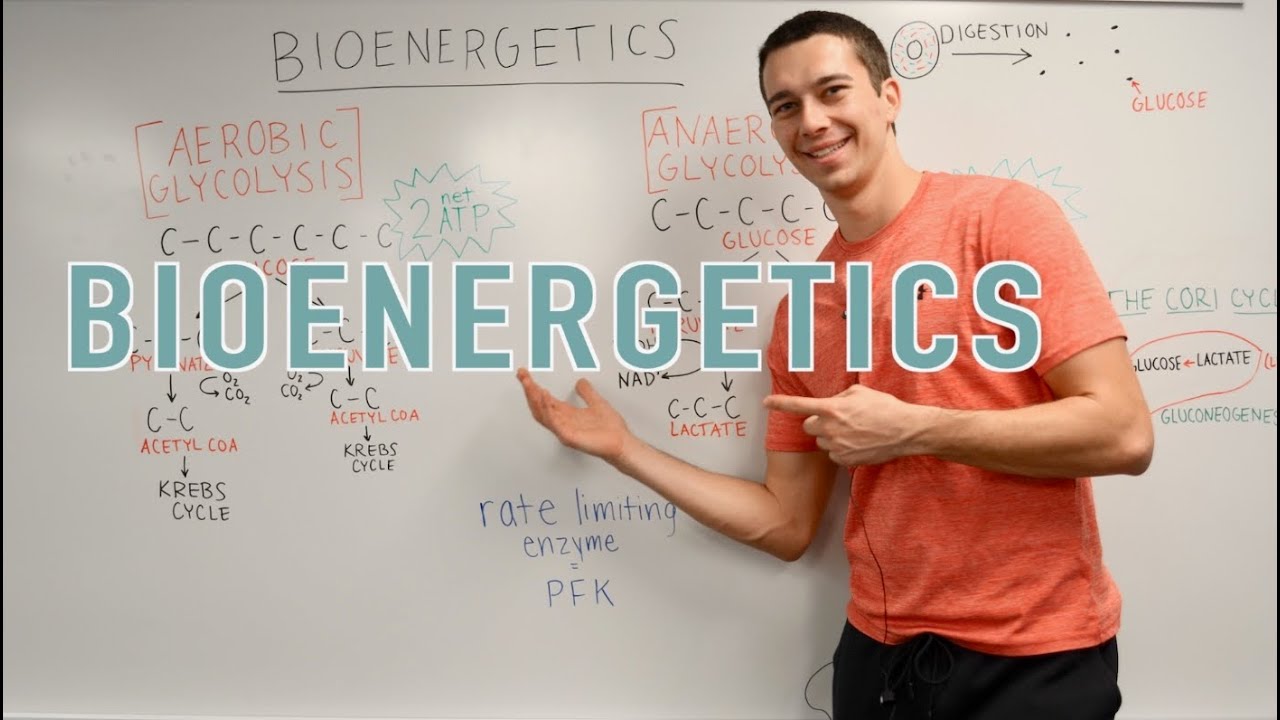
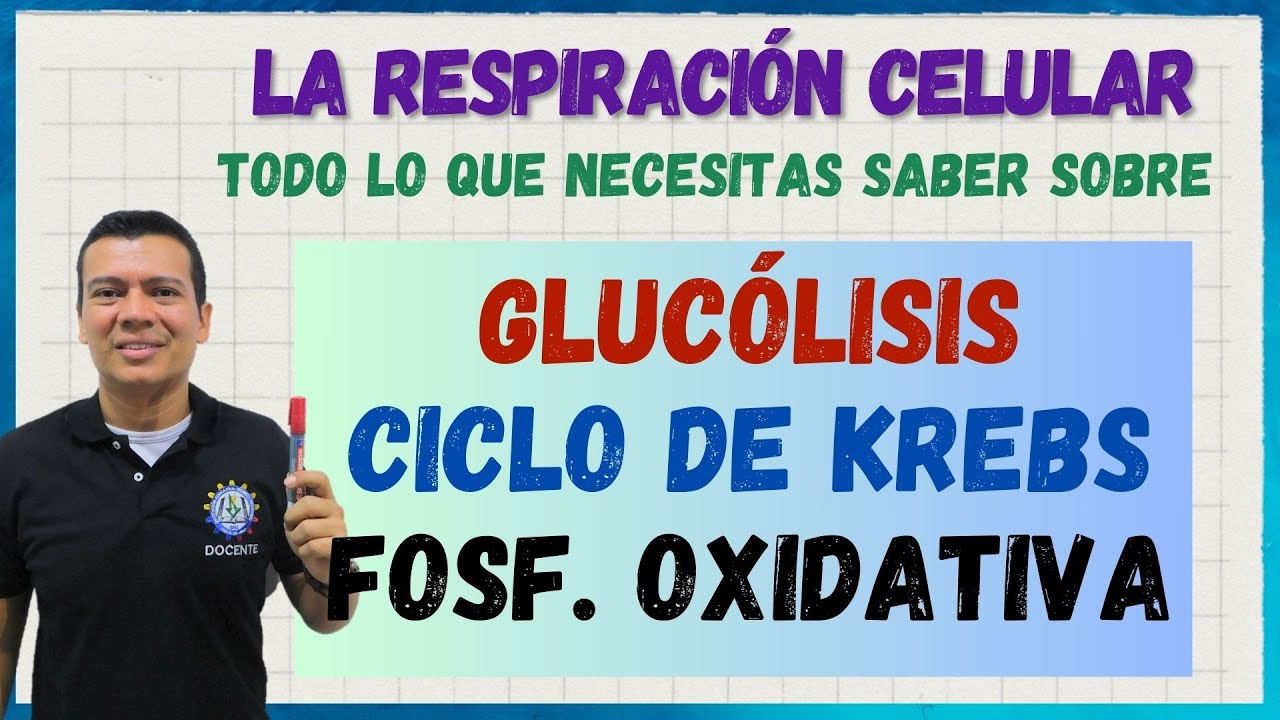
Detailed metabolic pathways, including glycolysis, the Krebs cycle, and oxidative phosphorylation.
Enzyme kinetics, mechanisms of catalysis, and how enzymatic activity is regulated or inhibited.
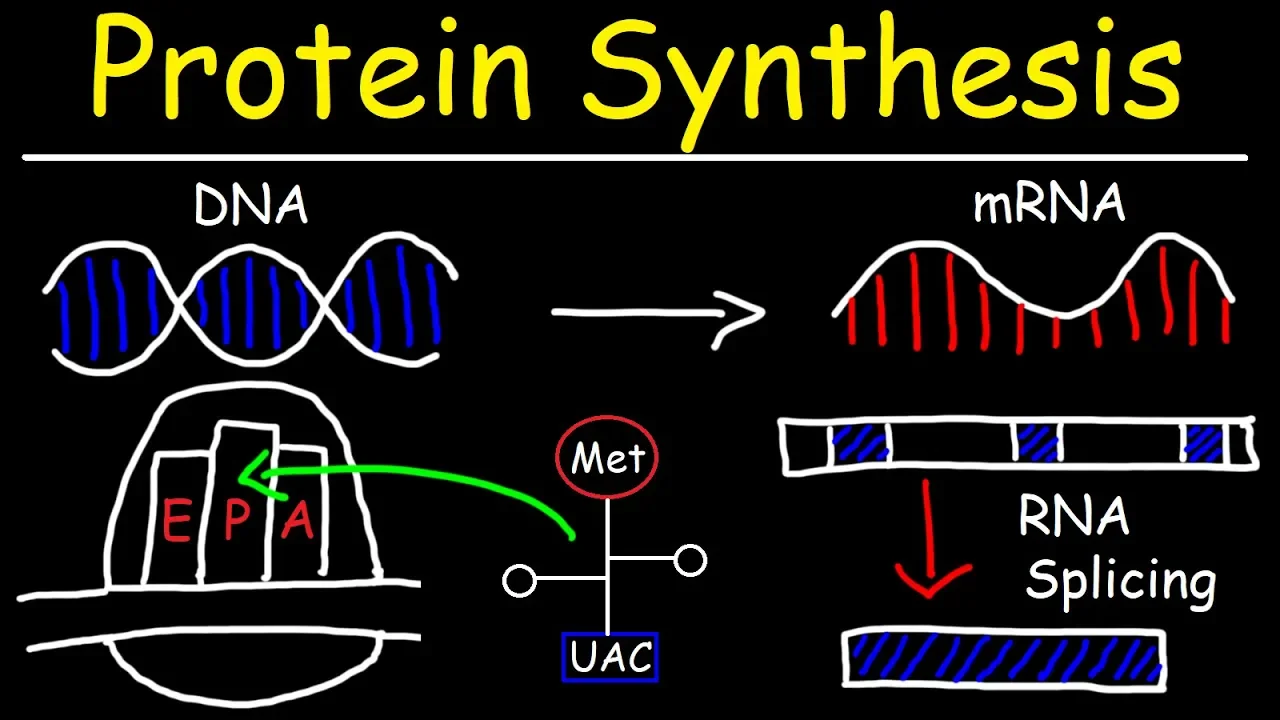
Molecular biology processes such as DNA replication, transcription, and translation (protein synthesis).
Clinical biochemistry, exploring how metabolic errors and biomolecular defects lead to diseases like diabetes or metabolic syndrome.
The principles of pharmacology and rational drug design targeting specific proteins or nucleic acids.
1.7M views32.6Klikes4:44Original Release: 2016-08-24
Hey, it's professor Dave, let's talk about biochemistry.
What is biochemistry? Is it biology? Is it chemistry?
Well as you might guess, it's sort of in-between, quite literally in terms of size. In the great panoply of the sciences, biochemistry sits right here.
If we go smaller we get into small molecules made of just a few atoms which is chemistry, and even smaller than that we get to the particles that are even smaller than a single atom, and that's particle physics. If instead we go much bigger we are looking no longer at individual molecules, but entire cells or parts of a cell. That's biology. Right in between is biochemistry.
This is the domain of large biomolecules like proteins and DNA, and the things they can do. Is it important to understand? You better believe it.
Anything that has to do with nutrition, medicine, or general health is rooted in biochemistry.
That's because nutrition has to do with metabolism, the chemical process by which molecules in your body break down the food you eat. Your health is governed by biochemistry as well, since all diseases have a molecular basis. When you really get down to it, you are just a bunch of molecules, so we need to know what they all do.
That's why the domain of biochemistry is so often misunderstood. Everywhere you look there is misinformation. Diet fads, medical hoaxes, and pseudoscience from every direction. Many people, when looking at their own health even try to step away from science completely, opting instead for unsubstantiated alternatives.
But this is a poor strategy, because the status of everything in your body is governed by large biomolecules like enzymes, receptors, and DNA. These are molecules that biochemists understand very well, and we all need to learn about them if we want to have any kind of clear picture about what goes on inside the body.
Unfortunately you can't understand biochemistry without understanding the basic chemistry that it breaks down to. What these large biomolecules do is fundamentally the same stuff we learned in general and organic chemistry, it's just a bunch of plus and minus charges that make chemical reactions happen. So if you are watching this series to supplement your undergraduate biochemistry course and you remember your basic chemistry, you're all set to move forward. If you are someone that just wants to learn more about how the human body works but you haven't learned much chemistry, here is a list of other tutorials from my general chemistry playlist and organic chemistry playlist that you really will want to watch first in order for any of this to make sense.
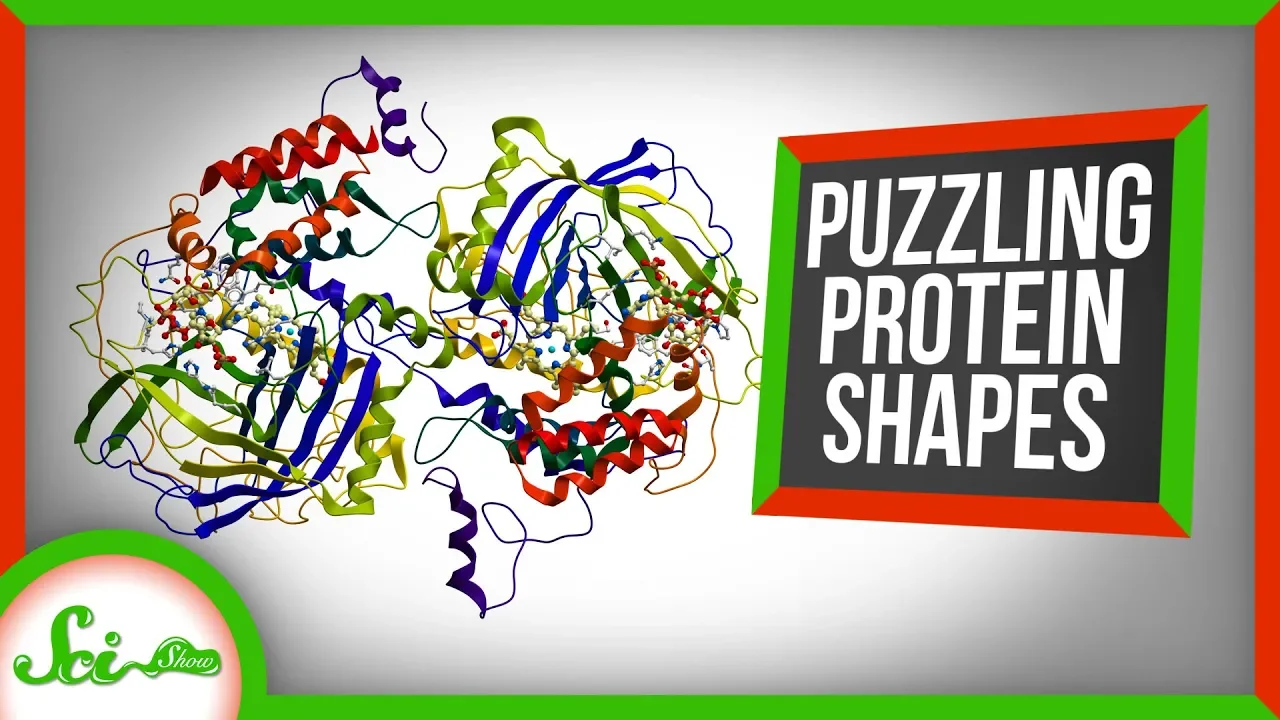
I promise this is the bare minimum, and I also promise that if you understand these, everything in this series will be pretty easy to understand. When we see a picture of, say, an enzyme, and it looks like a weird tangled blob, we draw it that way to save time, because there are hundreds or even thousands of atoms in it, which would be impractical to draw out individually using the line notation we are familiar with. But we absolutely must be able to understand this enzyme on the molecular level, so we can know what functional groups it's made of and how it does basic chemistry. Otherwise biochemistry seems like magic, but it's not, it's just many surprisingly simple chemical reactions, even if they are applied in complex ways and on huge molecules. My goal with this series is to focus on the basic concepts of biochemistry and illuminate them for the student and the common viewer alike. I may occasionally mention details that aren't that important to non-students, and I also may gloss over some of the more technical details.
This is in hopes of keeping everyone engaged. But for anyone who might be viewing these tutorials, if you focus on gaining the big picture of all these biochemical processes working together to create the complexity of life, you will emerge much wiser at the end of the playlist.
Whatever you do, don't get discouraged watch more than once if you need to, and as always feel free to email me with any questions you might have: Now let's learn some biochemistry!
Up Next
19:09
Transistor-Level Cooling: Moore's Law's Future
@AnastasiInTech
96.7K views•2024-07-30

12:54
Triumph of Orthodoxy Icon: Byzantine Art & History Explained
@BenCallan
2.1K views•2024-08-06

16:22
Common Laboratory Glassware and Equipment: A Comprehensive Overview
@ProfessorDaveExplains
199.9K views•2022-09-05

1:42
Game of Thrones Opening Credits: A Cinematic Analysis
@gameofthrones
46.3M views•2011-04-18
Related Study Plans & Knowledge Roadmaps
Structured learning paths in General & Interdisciplinary Studies
general-studies
Elevator Engineering: History, Physics & Cities
01From Hoists to Safety Brakes: The Dawn of Vertical Lift
02Hydraulic vs. Traction: The Engineering Physics of Elevators
03Modern Speed, Safety, and Algorithms
+ 2 more learning modules
12h5 modules
Explore Roadmap
general-studies
Rubber: Material Science, History & Geopolitics
01Origins of Natural Rubber & Mesoamerican History
02The Chemistry of Natural Rubber & Vulcanization
03The Geopolitics of the Rubber Boom & Colonization
+ 2 more learning modules
12h5 modules
Explore Roadmap
general-studies
Containerization: Evolution, Logistics & Trade
01Ancient Trade & Bulk Cargo: Amphorae to Barrels
02The Industrial Revolution & Cardboard Packaging
03The Containerization Revolution: Malcom McLean
+ 2 more learning modules
12h5 modules
Explore Roadmap
general-studies
Textile Tech: Evolution, Labor & Global Impact
01Pre-Industrial Textiles: Handloom & Cottage Industry
02Mechanization: The Spinning Jenny to the Power Loom
03The Factory System & Global Labor Transformation
+ 2 more learning modules
10h5 modules
Explore Roadmap