













![[난이도 최하 소싱법] 98.7%가 모르는 이 상품으로 퇴근 후 구매대행 시작한 지 한달만에 월 매출 1000만원 @Satddu](https://i.ytimg.com/vi/jcQmEiUV0wY/maxresdefault.jpg)





Building a successful CPG brand requires the founder's vision, story, and passion as the foundation, followed by a strategic approach using the Five P's framework: Product (solving a clear problem with differentiation), Packaging (standing out while fitting category norms), Pricing (understanding true margins including all costs), Promotions (driving trial and brand awareness), and Placement (understanding category management and retail buyer partnerships). Founders must first define their vision, identify their ideal customer avatar, conduct thorough market and competitive analysis, and then develop a comprehensive strategy before executing on retail distribution.
Building a Successful CPG Brand: A Strategic Guide
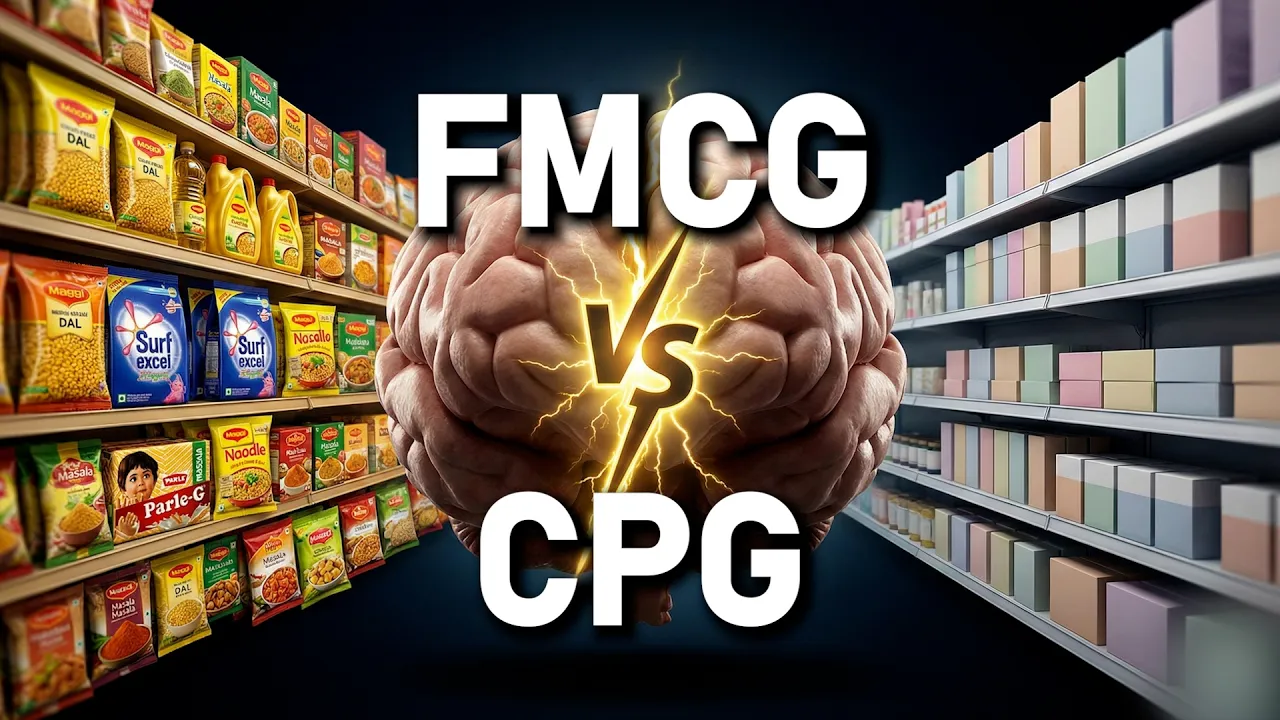
Added:Understanding of Consumer Packaged Goods (CPG) industry fundamentals, including the distinction between fast-moving consumer goods (FMCG) and durable goods.
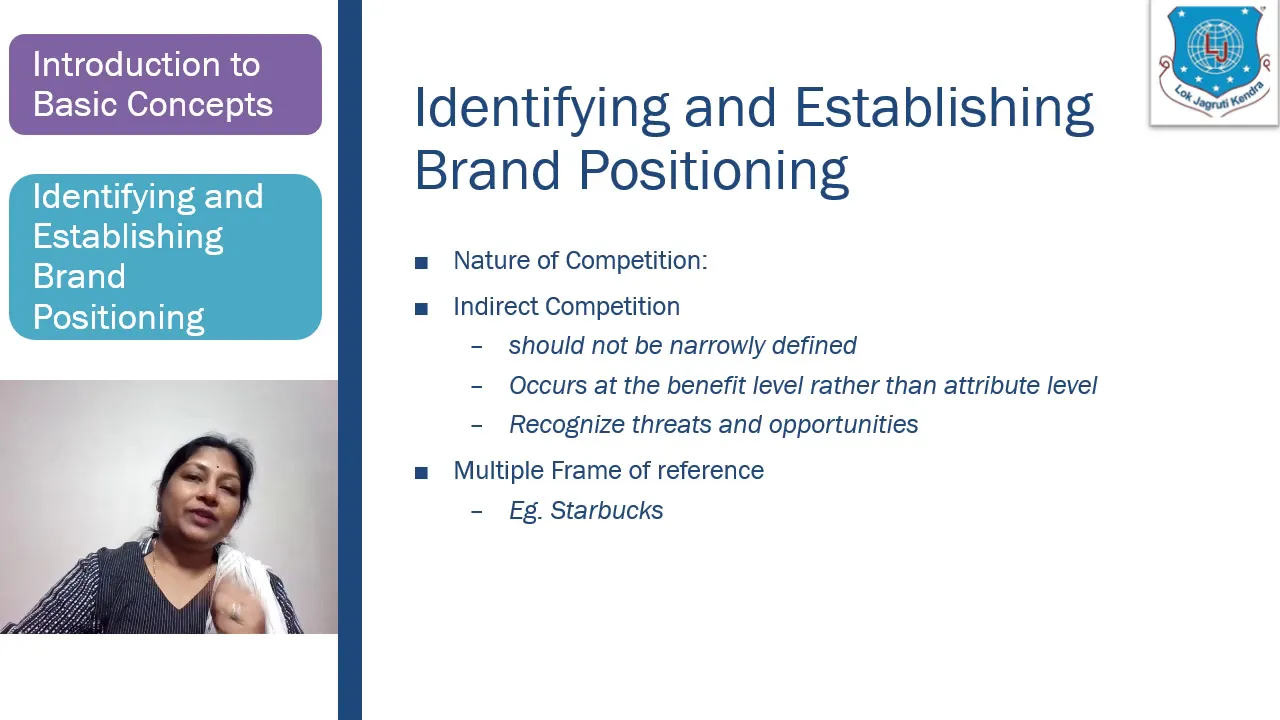
Basic concepts of brand positioning, target market segmentation, and establishing a Unique Selling Proposition (USP).
Foundational knowledge of product unit economics, specifically calculating Cost of Goods Sold (COGS), gross margins, and Suggested Retail Price (SRP).
An introductory grasp of distribution channels, such as Direct-to-Consumer (DTC) e-commerce versus traditional brick-and-mortar wholesale.
Advanced retail acquisition and negotiation strategies, including managing slotting fees, distributor margins, and broker relations.
Strategies for managing trade spend, promotional calendars, and in-store marketing to optimize sales velocity on retail shelves.
Operations scaling, specifically vetting and transitioning to contract manufacturers (co-packers) and establishing third-party logistics (3PL) networks.
Capitalization strategies for high-growth CPG brands, including purchase order financing, asset-based lending, and venture capital equity rounds.
8.9K views274likes56:16Original Release: 2021-10-23
[Music] today we'll be talking about how to build a cpg brand so kate lebros has a long history working in the cpg space she was a director of sales for cpg brand as well as the brand manager and director of sales for one of the largest natural brokers inside the united states so without further ado allow me to introduce kaitlyn ross [Applause] hi everyone welcome i'm really excited to be here with you today and to be talking about how to build a cpg brand my history in cpg goes back about 12 years and i got into natural cpg specifically because of my own mental health challenges and i actually healed my bipolar by going a holistic route that brought me into the natural food space and from there i fell in love with it and have had the opportunity to work really on every side of it from a store level buyer to a national buyer for all the co-ops across the country to a vp of sales for a probiotic brand and then as a director of sales for the largest broker in the country in that work i have been able to to work with cpg brands cpg founders hundreds and hundreds of them from fully startup brands to large legacy brands in the industry and so i'm excited to kind of share with you today some of the best information that i have i left the corporate world about two and a half years ago to launch my own coaching and consulting business and about a year and a half into that we launched a division of kate labroth coaching and consulting called brand builders and brand builders is specifically for local brands to build to build brand awareness and to gain the industry knowledge and insight so that they can be successful national brands we already know that minnesota is a hub of agriculture in this country and i believe that minnesota can be the next hub for cpg and we can build that here and that is what i am dedicating my business to is to helping more founders get off the ground and become bigger brands and position minnesota as this next hub for natural cpg in the country so this is a huge topic there's a lot to talk about as you think about what it takes to build a brand i'm gonna hone in on a couple specific areas today and i'm going to try to give you some broad strokes broad ideas as well as some really actionable steps that you can take so let's jump in what is the must-have key to success anyone i think that most founders that i talk to think that it is the products that you sell and it's not the must-have key to success is you it's you as the founder it is your vision it is your story it is your passion it is your specific gifts it's your why why does this company why do these products why does building this brand matter to you it is your urgency how badly do you want it what are you willing to do to make it happen it's your clarity in what you're building it's your values it's your determination it's your faith in yourself and your faith in your business that you are building something that matters that you're building something that can have an impact and your resiliency what are you going to do when the hardships come up when it feels like you're failing because those moments are going to happen so it's you and then from there still not your products now it's digging further into your vision so be clear about why you're doing this and what you want to accomplish what is your vision for your brand for you as a leader of your company and for your team identify what success looks like for you how will you know that you are successful what metrics are you going to use to track your success it could be because you are now making over a million dollars per year in your business or it could be because you're selling at two times the velocity of your competitors it could be because you have had an eight or nine figure exit it could be just being able to support your family through the sales of your products identify what success looks like for you how big do you want to be how big do you want your brand to be do you want to be a national brand do you want to be a regional brand figure out what that looks like identify what that success is where do you want to be sold do you want to be in every single sales channel do you want to be from everywhere from dtc direct to consumer to online e-commerce to on retail store shelves do you want to be a farmer's market brand or a festival only brand think about where you want to be sold and what the right strategy is for your brand how much money do you want to make this is such an interesting question and i find that most founders are unable to answer it so think about truly not only how much you want your company to make but how much do you want to make as the founder and how do you want to be able to support your family or your team and then you can reverse engineer what needs to happen in order to get to that number and what kind of impact do you want to have this to me is such an important question and i think that this really is the future of food it's no longer just products on a shelf this is really about what impact you want to have what impact you want your company to have for your family in your community in the world when you get really clear on your vision you can let that drive you forward to where you want to go now we're getting to the products so what problem are you actually solving as part of our brand builders community when clients come in to work with us one of the first things we have them do is a full market opportunity and business strategy analysis i think a lot of founders start because they have some family recipe that has been passed on they have this sort of passion for this home spun hot sauce or salsa or something but they're not thinking about how that plays into the broader industry in the broader category and so this is that work so in this portion of our brand builders program what we do is we ask these questions there there are a million me to brands so we need to know how your product is different what problem are you solving how are you differentiated in the marketplace it's okay to be another salsa brand or another hot sauce brand as long as you have something that does position you in the market in a different way and you're able to connect with buyers and consumers in this way you need to identify who your ideal customer is and when i say that i'm not just talking a demographic i am talking a specific client avatar so think about who is that ideal client that is going to become evangelical about your products and your brand and really create this avatar how old are they how much money do they make where do they live do they have kids what is their job how much money do they make what problems are they experiencing get really clear on who they are and then as you do that think about how they would describe your products think about how they would describe the problem that your products are solving and then from your customer go further into the landscape of the category is your category trending what is the category opportunity what specifics are going on in the category are there certifications that have become the norm are there product benefits and attributes that you know consumers and retailers are looking for how are other brands and and how are other brands and other products in your category performing how many are there how big is the category how much space do retailers allocate for your category on shelf you need to be doing market tours here going into accounts and really looking at what's on shelf so this is where you get really clear on where you fit and what problem you're solving and who you're selling to then from there we go to the actual strategy so what's the plan to win notice that these things did not come first and i think that where most business advisors tell you to start is with this stuff right here this is not where you start you need to be very clear on your why first your vision your goals your mission your impact that's what comes first then understanding your products and the specific category that you play in now you can build a strategy around that so this is when you get clear on your packaging on your pricing on your promotional strategy on your messaging on your supply chain on your ingredient standards your marketing plan your distribution plan your team build out and there's a whole bunch of things to consider here as you think about building a cpg brand but for the sake of this presentation we're going to really hone in on sort of the marketing and selling aspect of a cpg brand of course there are a whole bunch of other things to focus on operationally strategically we're going to hone in on the sales and marketing side of it so category management this goes back to the whole market analysis that we talked about already almost no new brands think this way but when you do you position yourself as an expert and as a partner for a retail buyer it absolutely sets you apart when you sit in front of a retail buyer and you're able to talk about the category and how your products fit into it you're no longer just another brand trying to put products on their shelf you're strategically helping them think about what the opportunity is so in order to think like a retail buyer here's some things that you have to incorporate you want to become a category captain be the leader of your category understand exactly how your category performs be willing to show up in a retail meeting and talk to a buyer about what brands they need to have on their shelves and what brands are not performing where you could take that space a buyer is always thinking about what they need to take off their shelf in order to put you on their shelf and so if you're able to help answer that question with more than just your personal opinion but with some information that really backs it up you make it an easier yes to get your products on shelf we keep going back to this and i'm going to keep coming back to this because it's such a huge point you need to understand that you are not just building your own brand you are a brand in a sea of products so in this phase i want you to do a full competitive analysis i want you to pick five to ten brands that are your direct competition and in that i want you to look at who are the top leading national brands what brands are ubiquitous in the marketplace that you see everywhere from coast to coast and on retail shelves whether it's a target or whether it's a mississippi market what are those brands and then i also want you to pick who are sort of the new up and coming brands and if you don't know who those are go into a store and start interacting with store personnel and ask them what brands are new what brands just got slotted what brands they're excited about and also pick some good regional brands that are also local here to minnesota or local to the midwest so that you can get a full picture of what's going on in the category i want i want you to use a spreadsheet and actually track information here so you're going to include everything from the size of the products to the srp to the ingredients to the messaging that you see these brands use on their websites or on their packaging and then you're going to put your information on here as well what are you using you want to look at these top brands and go into retail stores and take set pictures not just here in minnesota if you're traveling make sure you're going into stores across the country and taking set pictures or if you have friends and family who live elsewhere have them go into stores and take set pictures and put together a whole document that shows set pictures from across the country and break it out into specific retail channels we think in the retail world we think of channels as three or four or five kind of different buckets so there's the natural channel this is going to be your whole foods your co-ops we think of the sort of specialty channel this is more of a kowalski's our conventional channel is going to be more like a luns buyer lease our mass channel is going to be more like a target so break up your your analysis into those buckets see how stores are merchandising your category how much space are they allocating what are the merchandising norms and see what kinds of marketing materials other brands are using again either on their websites or on their packaging or in-store and through that identify who these brands are marketing to you should be able to get a flavor for who their ideal client avatar is who their demographic is by how they're talking about their brand and then determine where you fit in within all of that positioning your products for success so we're clear on your why we're clear on your vision we're clear on your goals we're clear on your category and your positioning within it then what comes after that so there's the five p's for retail dominance we're going back to the basics here this has been a principle in retail forever and that's because it holds true today so sixty percent of shopper decisions are actually uh happen in store aisles within 2.3 seconds so that's how long you have to get a consumer to engage and pick up your product and we're going to look at how to do that through all of these different mechanisms we want to make sure that your products once they're placed on shelf that they're actually moving off shelf that consumers are purchasing them otherwise you haven't gotten a sale yet you are just warehousing your products on a retail shelf so first thing is make sure you're creating a winning product we've talked about a lot of these already but just to kind of put point it back out again we want to make sure you're clear on the problem that you're solving we want to make clear make clear that you are sure on how you are different from other brands and products in your category that you understand the category norms what the user feedback and experiences of your specific product so you should have some of that direct feedback and engagement from people using your products and do it more with just friends and family so whether that's going to farmers markets or going to festivals or demoing at a retail store make sure that you're getting folks who are not in your sphere of influence other people getting their feedback and then what are the attributes benefits and claims on your specific brand and products second p is packaging impact so when we think about packaging we want to stand out but we also want to fit in i'm going to talk a little bit about what i mean by that so launching a completely new product or brand or extending a product line is a huge and daunting task with very little accessible knowledge available online so there can be a lot of trial and error here we know that packaging sells product absolutely it's the first thing that your customer sees in stores before they buy your product but it's usually the last thing a founder thinks about as they are developing their brand they quickly just want to get it to market as soon as possible packaging can be an expensive challenge for emerging brands and so they're looking for the quickest easiest cheapest option to get their product into a package and onto a shelf they can look at what we think about here is everything from the structural soundness of packaging that functions correctly to ensuring that your package can be manufactured and delivered safely to developing a visually attractive package that hits your target audience while maintaining these category norms and effectively and efficiently communicates the product positioning and attributes there's a lot to think about and and on top of that packaging attributes have emerged as their own trend whether it's recyclable or plastic free or sustainable retailers and consumers are looking for this as well and this can be an incredibly challenging thing for emerging brands to hit because typically sustainable packaging is a lot more expensive and this is going to come to your bottom line so if you're not able to go down this road right away know that that's okay but if it does if going a sustainable packaging route fits the vision and mission of your brand make sure that you're building in that scalability and that you're able to talk to retailers and consumers about where you want to go with your packaging even if you can't do it today and then we want to understand what the category norms are in the categories that you play in so you see a few examples up here we have space allocation first this goes back to how much space retailers are dedicating to your specific category and how much space your products are going to take up on shelf understand what your planogram suggestions are for retail accounts especially if you have multiple products especially once we're getting to kind of a six to 12 product count you need to know what a planogram really looks like skew differentiation you can see an example up here from cascadian farms on the left we have their packaging from several years ago these are two different flavors but from far away it's very hard to tell the difference between these two products on the right we have their updated packaging where you can see much more clearly the differentiation between these two flavors think about those things as you are creating your packaging and then the last thing is it merchandisable so there are category norms for specific categories around merchandising so these are a couple examples here this liberte yogurt looks really beautiful it's in this sort of rounded triangle shape carton we know that most yogurt products are in just a round carton these look great but as their merchandise they get all messed up on shelf and they don't back feed correctly or the canned goods category almost every merchant almost every retailer is going to merchandise these in a stacked format so if you are putting your products in cans that aren't stackable you're missing the mark here and missing valuable retail space just some of the things to think about pricing know your numbers i can't tell you how many founders i start working with have no idea how much money they actually make on their products that they sell they have no idea if their pricing is actually correct they have no idea what their margins are so this is next to the market analysis this is the second thing we do with my clients when they come into our brand builders program is we run a full cost of goods and margin analysis when we look at this there are set factors that we take into consideration so we look at the full cost of goods that's not just the cost of the ingredients this is the cost of your inner and outer packaging this is the cost of whatever shipping fees are incurred to get the ingredients to you or your co-packer we look at your manufacturing costs the shipping costs out the door to get it to a retailer or customer your warehousing the distributor pricing you need to have separate distributor pricing than you do for your direct to consumer pricing and that cuts into your margin your trade spent trade spend is how much money it costs to do to do business at retail this is going to be your promotions your slotting fees other discounts that you're giving to that retailer and then sales or broker fees as you get to that point where you're ready to bring on a sales person or hire a broker that's also going to cut into your bottom line so in court incorporating these metrics into your total cost of goods and margin calculation will give you a true profit number from each item that you're selling you will know exactly how much money you make from there you can actually take it one step further and calculate your total weighted margins by how much of your products you're selling in each sales channel you're going to make more money when you sell dtc typically than when you sell into retail the trade-off is that you can typically hit a larger volume in retail that you can't hit dtc but because of these different pricing models what you want to take into consideration is what are the margins that you're making making in each of these sales channels and then how much of your total sales are coming from each of those channels then you can combine that and figure out what your total weighted margin is and ideally you want to have around a 40 total margin after all of that is taken into account i will tell you that most brands when they first come to me they're at maybe about a 25 margin total without even taking some of these things into account [Applause] promotions promotions are incredibly important promotions drive trial promotions drive brand awareness they are a way to get a sales tag up its shelf to get off shelf placement to get people to try your products but there are ways to do this more efficiently and effectively so as you think about this we're going back to category norms what are the category norms around promotions for running promotions in your category this includes three metrics what is the depth how deep are the promotions are your products typically typically promoted at a 15 a twenty five percent a thirty percent the frequency how many times per year are your products promoted categories in the snack category for example you need to run promotion six seven sometimes eight times a year other products maybe only two or three times a year so understand those norms and then seasonality for your products when do you need to be on promotion when are people typically looking for your kinds of products and then you want to create your master promo plan so i know this is hard to see but this at the bottom is an example of a promo plan and what we recommend that you do is you put your items down the left hand side and that includes sort of all your item descriptions upc's and then you plot out each of the 12 months of the year and you decide when you're going to promote your products and you can include in when you're going to run distributor promotions if you're in distribution when you're going to run retailer promotions and if you want to run separate dtc promotions you can build all of that in here there's a whole lesson that can be done just on different promo types and promo discounts ois mcbs scans rebates i'm not going to go into all those details today but those are things that you will need to learn if you're going to run promotions effectively and then once you have this calendar you want to follow it with retailers so as you're sitting down with a retailer presenting your brands or if you're already in an account this can be your yearly planning that you do with them this can be part of your launch plan when you get new brands and or new products into a retailer and then there's also coupons here and there are many different types of coupons but coupons can be a way a great way to generate additional trial retailers always have their own coupon programs that you can tap into you can always create your own manufacturer coupons and these are great great way to kind of control the spend versus sometimes promotions you don't know exactly what that's going to work out to be the promotions are really the foundation to build your entire yearly planning with a retail account so when you have this work done up front ahead of time it's going to streamline things throughout the process and it's going to also allow you to create operational efficiencies and demand planned efficiencies so you know when you can expect higher volumes higher velocities on your products okay placement another p lots of things to think about here we've already talked about category so what category do you fit into what are the norms facings how much space does each brand typically get typically it's one facing per sku some retailers will do multiple facing but especially in smaller retailers that tends to be very rare so if you only have one product in one category understand that that product can get a little bit lost it's why i recommend that my clients have at least two to three products in one category so that they can build out some brand presence on the shelf a cut in a cut-in is when a retailer typically will put you in outside of a category review this only ever happens when they are willing to take something off shelf so be aware of that displays we're going to talk a little bit in a couple minutes about some specific displays you can do but this means different things to different retailers some of them have their own display programs or off-shelf programs or ncap programs some of them will allow you to put displays in their stores displays that you've created these almost always need to come with a more significant discount they're looking for a deeper discount on these displays packouts this means the total number of skus you can fit on a shelf and ideally retailers are looking for whatever you have in a case can fit out on a shelf that's called a pack out and so i recommend that most brands go with a six to eight count case size so that you can pack it out on a shelf palette is its own kind of display most startup brands don't have pallets but when you get to that point there are different options for that pog stands for planogram if you don't know what that is bigger retailers are always going to follow a planogram and it is merchandised like uniformly from one store to the next back stock most retail accounts don't actually carry back stock i know i have brands who get worried about running promotions and retailers just buying a whole bunch of product on discount that doesn't happen they don't have anywhere to put it so typically if they're buying product it's to put it out on a shelf the clip strips are a good way for smaller items to get dual placement you can think of like a protein powder packet a single serve protein powder packet being merchandised next to a milk alternative and then reset is when an entire category reset happens this is a process that usually takes several months for each category at the buyer level they have set meeting times they have set reset times and specific expectations around this so there's our five ps now we're going to talk about how to actually approach retail like a pro where to sell this is you identifying what channels you want to sell into is it online retailers dtc conventional specialty national club mass where do you want to be figure out the best market for your brands and i recommend that when you first start you go after one or two channels at the most and get really proficient in them build your distribution out to at least 50 in that channel and then you can work on the next channel you want to build your retailer roadmap so we have a list of accounts across the country what distributors they pull from if they're an independent if they're conventional if they're a specialty and when we work with clients we plot out sort of the abcd priority rank for each of those accounts and now we have a set game plan on what accounts to go after you want to identify your plan of execution and you want to utilize industry platforms to increase your exposure so there are lots of different options here rangeme and ecrm are two large national platforms these are great ways to build some visibility to get access to retailers we have distributor trade shows expos other retailer shows and then locally we have some great organizations here doing some really good things minnesota department of ag grow north auri are all good organizations to tap into and as you think about how you're going to approach these accounts you want to make sure that you're really buttoned up in that approach that you show up like a pro and in order to do that i'm going to walk you through how to build your retail tool kit so your retail tool kit first is to have your national promo plan which we've already talked about and then your retailer incentives your retailer incentives are going to be for independent accounts key accounts large accounts like a whole foods don't require this they're going to have their own policies but independent accounts like the wedge are going to have some expectations around retailer incentives so this includes what sort of placement discount you're going to give them standard in the industry depending on the categories anywhere from 25 percent off a case to a free case and then you're also going to have case stack deals these are a way for you to get additional off-shelf placement when you can offer a deeper discount on a volume purchase so you're going to identify your volume tiers and what discount you're going to offer there continuing with our retail tool kit you're going to have a master wholesale order form this is for accounts who are going to be ordering from you directly this is not necessarily going to be for accounts once you move into distribution but if you have anyone ordering from you directly to have an order form your master spec sheet this is something that you will create and continue to add to as you add products to your lineup some of the information that you're going to put on here is all of your product information your pricing your dimensions your shelf life your ingredients some retailers will need it or require it a lot of them don't but your distributors always will um and so it's helpful to have this as something that you can just pull out and don't have to worry about when that request comes through now we're talking about presenting to retailers so what do you need you need a really polished sell sheet a sell sheet should be one or two pages at the very most this is not your full presentation this is a snapshot of information you should have a few lifestyle images on here of your products you should have individual product images with their upc's you can potentially include some information on you as the founder or sort of the mission and vision of the brand some attributes with the products you want to make sure you have upc the size the list of ingredients this gives that buyer everything they need to sort of check the boxes around what they're looking for and then i recommend that you have a master presentation deck so this is going to be your powerpoint this is going to be anywhere from about eight pages to sort of 15 pages max your master can have more than that because as you start to present to different accounts you'll start to amass other information that needs to go into this presentation and so then when you go to meet with a specific account you can go to that master that you already have built and now just pull out the slides that you need for that specific account ideally you're going to have information here about us about the brand about you as the founder and in this piece i really want you as founders to let your energy come through let us get to know you let the buyer get to know you this goes back to your vision to your why let that be communicated here in this presentation product slides this is the example that you see up here this is going to be at least one slide per category category trends consumer insights a brand positioning or competitive chart to show again that retailer where you fit within the category your wins your availability and then always include a launch plan this is going to be what you're offering that retailer how you're going to partner with them if they take your products in can you demo what are the what's your promo plan will you offer coupons do you want to tap into their programs so look into all of that before you meet with that buyer and then after you get the win a lot of times this is really where the work starts remembering that once you get that yes at this point you're still on you're still only warehousing products on a retailer shelves it's not a sale until someone pulls it off so these are steps that you can take to ensure that that happens so you want to have this new plan new new placement success plan you want to confirm your promotions if you're setting them up with the retailer ideally you want to do this in writing via email so that you have that as backup not just a verbal okay you want to look at any on-shelf marketing that you can do in that particular retailer every retailer has their own structures and guidelines around this you'll need to work with them on that you want to educate the staff where this is possible we know through kovid this has definitely taken a hit but there's still some opportunities to do that and we have faith that this is going to come back at some point and we're going to see employees in shelf engaging with consumers in a more meaningful way again but educate the staff where you can and when you educate the staff they don't need that full presentation they don't need all of that they need three to five bullet points that clearly explain what your product is how to speak to consumers about it and why people should buy it you want to get the word out so utilize your social network your email marketing let people know that your products are now available in this retailer let them know about promotions that you have running at that retailer the retailers are looking now more than ever for what you are doing as a founder as a brand to generate sales for them and how you're going to bring people into their stores and then keep the buyer partnership going this is the most valuable relationship you're going to have and so make sure that you're continuing to add value to that that relationship not always just asking the buyer what they can do for you but seeing how you can support them how you can show up as a better partner keep them aware of any changes you have with your brand any new products you have coming out any new team members that you have that are going to be interacting with them make that communication really clear and then create an account tracker this is going to be we use a spreadsheet an excel spreadsheet there are different ways to do this but where you have a tab for every account that you have placement in and this is going to note who the buyer is what the payment terms are what products you have placed what promos or marketing support you've agreed to any specific notes about that account you're going to include all of that in that account tracker so that you can go back and do yearly planning you're going to have that information also so once you're ready to hand off sales from you as the founder to someone else on your team or a broker you have this document now ready to go and someone else can jump right in knowing exactly what's happening at each of the accounts some additional in-store merchandising tools so there's some examples up here shelf talkers pamphlets and brochures sample packs branded swag is great if you do branded swag make sure again that this really fits the vision and mission of your company i can't tell you how many like hardcore natural products brands would come in with sort of the most synthetic t-shirt or hat or bag and it didn't fit so if you're going to do something make sure that it really fits who you are as a brand posters cubes banners are great things to use when you get off shelf placement and you want to generate some additional dialogue or knowledge around your brand to a consumer and then a dispenser if you happen to fit in the beverage category displays so a couple different displays there are counter displays typically in floor displays as i said you can create your own sometimes retailers will have their specific requirements around this these are great for secondary placement these are great for running promotions it is always up to the store if they want to allow a display on their shelves some retailers have clean floor policies you want to take your discount strategy into play here and then know that typically displays are not always run through distributors smaller distributors are not typically going to run any displays through their warehousing and bigger distributors like a unifi or kahee are going to have set program shipper programs around this [Applause] sorry okay and then demos again we know demos are a little tough right now given kovit again we have hopes that these are going to come back as well demos drive business demo demos drive trial there are two options here around demos passive or active passive is where you just have a sample packet out the retailer put it out on your behalf with maybe some of your merchant marketing materials active is where either you or someone from your company or representative from that retailer are going to be actually talking about your products it's a lot of information so i wanted to arm you with some additional resources that you guys can use here these are industry experts these are newsletters organizations people that you guys can follow to get better information around what's happening in categories what's happening at retailer level what trends are happening a lot of these will put out data as a new brand it's almost impossible to get your hands on data you don't have the funds yet to actually purchase any kind of sales channel data but a lot of these organizations will put out free data and this can become an important piece as you're learning to talk about your brands and your category so make sure that you're looking at some of these and really becoming that category captain that industry expert and then finally i want to invite you guys to connect with us so there's several different ways to do this you we have a youtube channel that has other webinars and presentations we have a presentation on e-commerce we have a presentation on increasing your store level velocities um and online velocities through both digital and in-store merchandising and marketing we have a webinar on how do you interact with independent natural accounts across the u.s you can also follow us on social so we're on linkedin facebook and instagram both under kate lebron's accounts and under brand builders by klc you'll find a lot of additional content there and then i also want to invite you to actually join our brand builders community so enrollment is now open for our brand builders course where all of these things that i talked about today we walk you through that we give you templates and we welcome you into our weekly group q a and industry calls where we connect you with retailers distributors investors and other people from around the country and we're offering a special discount to twin city startup week participants so we'd love to have you be a part of this community and to be a part of making minnesota the next the next hub for natural and conventional cpg thank you very much and i'd love to i don't know where we're at with time but i'd love to open it up for questions thank you kate so how long does your program run what does your training for the people who are trying to get into the retail stores what does that look like can you talk a little bit about that please yeah absolutely so first thing i'll say is that retail is a long game this is not something that happens overnight it typically takes you know anywhere from one to four or five reach out to a retail buyer to get their attention so know that it's a long game our specific program we have the online course for all that you can work through that probably within a month or two at the most depending on how quickly you want to move through it but actually building retailer success is going to be you know you can start to gain some real traction over about six months and then over the next year year and a half as you continue to polish that and gain more wins everyone is going to lead you to the next one retailers are looking for where are you selling how are you selling are you seeing success elsewhere and some retailers don't want to be the first to market so you'll be able to use that success with other retailers as you grow anyone else yeah keep going i love it just to follow up to that question again so it's the online course and then do you do personal consulting or like on a regular basis consulting is there anything else else to that yeah so that's an option i have some clients that go through the course or go through our brand builders program we also have a retail incubation market inside kegen case so i encourage all of you to come check it out where we feature a lot of local brands we're going to be starting a whole new quarter with a whole new group of brands on october 1st so outside of the market or our online course you can absolutely engage with us to do more one-on-one consulting and coaching with you to help you really build your brand yes i have a question from a virtual audience member nalini asks how do we connect with specialty stores or retailers like wedge co-ops good question so a lot of retailers like the co-ops you can just go in you need to figure out sort of who your buyer is for your specific category the easiest way to do that is honestly just to call the store whoever is answering their customer service can a lot of times give you that information you ask them who's buying who buys products for the frozen category they'll be able to tell you that once you have that information then it's just it's all about reaching out i do not recommend stopping in with samples without any kind of an appointment and just saying here you go i'm here don't do that you want to really kind of set that up ahead of time so your initial email outreach should have more than hey i've got this really cool frozen brand that i want to present to you it should have a lot of these things that we talked about you should have your sell sheet attached it should have your positioning you really understanding your product benefits and attributes make it really clear that you're ready to show up as a partner and that you want to talk with them about how to get on their shelves you might have to send an email like that like i said three four five six times before you get an answer and then once you do sometimes it will lead to a meeting sometimes it will just be yeah this sounds great i want to bring you in or or that buyer might not answer you until they're actually ready to look at that specific category and do a reset on that and then other accounts there are there you can use rangeme as a good way to get access to some of these accounts ecrm events are a good way to get access to some of these accounts pod foods is a new sort of b2b distributor model they have a lot of sort of specialty accounts that some of the bigger distributors don't have so they would be a great resource as well and they have a really easy way to start distributing with them where you are actually still shipping the product out but you're able to use their network and their platform to reach more accounts another question from the virtual world jordan asks does minnesota or midwest do kelp slash seaweed question mark so many fun things to create and consume while helping to reduce some carbon from the atmosphere i love this i have not personally seen any minnesota products come out with kelp or seaweed i think you absolutely could do this we have seen this as an emerging trend um across the country both in um sort of functional food products as well as supplement and body care products so there's opportunity here for sure i just haven't seen it come out of minnesota yeah i know there is a little bit more time so i'll keep asking questions sorry i after the wedge and the co-ops what should be the next step because for smaller businesses it seems like target or walmart or any of those other are huge yes and it's hard to get into so what should be the next step after the the co-ops the local co-ops i love this question thank you for asking this um i would say that most founders when they come and start working with me their their sales strategy looks like farmers markets then maybe the wedge then maybe lens buyer lease and then target that's not a sales strategy um those are accounts that are located here but that's not necessarily a sales strategy and you're right that a lot of emerging brands are not appropriate for a target or a walmart yet and i think that there is a misconception sort of that if i get that one big account then i win then i'm then i'm good and that's just not true a lot of times a big account like that can actually sync your business if you do it before you're ready so i recommend a few different things one is to really educate yourself on other regional accounts across the country we in minnesota don't actually have we have an opportunity to improve some of our retailer partnerships here and to get retailers to work a little bit more cohesively around emerging brands but there are other accounts across the country that do this really well so as an example in texas there is central market and then they have heb has their natural stores that are sort of a division of that in california there's accounts like new seasons and new leaf in colorado there is accounts like lucky's so other retailers across the u.s these regional accounts anywhere from about five to maybe 50 doors these are going to be the kind of the best next evolution on how to build your brand and what i recommend that you do is you really try to figure out what specific unfi or kahi distribution centers that these accounts pull from and once you get that key account opened as an example once you get central market opened they pull from kahi now you can look at every other independent or smaller chain account that is also pulling from those dc's and go after that business so you get to build territory by territory by territory how important is the role of the buyer in the decision within the retailer and any tips on how we could engage with them and the time of that process yeah the buyer is everything um the buyer's everything i have been a buyer and i have called on buyers from every channel across the country like all humans they all you know there's differences between all of them some of them really want to show up as a partner and when you find a buyer like that you mind that relationship like it's gold you hold that really close and you continue to work that you'll start to notice there are some buyers who are only ever looking at the numbers they don't necessarily really care about the products that they're selling they're doing a job and so those relationships always look a little bit different the way i think about relationships with buyers though is the way i think about all relationships including the relationships that we have on our social media feeds this is a two-way street this is a relationship where you are looking to add value not just by the sales that you can potentially give them by the products that you're selling but how you show up as a partner and being willing to really support them i think it's really important when you sit down to meet with a buyer that you start to get a flavor for how they interact with folks and what they're kind of looking for from their brands some buyers when they really start to engage with you in a meeting and are asking questions don't just like kind of bulldoze over them and and pretend like i have to get through my presentation if they're willing to engage with you and ask questions be willing to let yourself go off script and really have that dialogue with them and i would say a couple other kind of tips and tricks here is this this is going to go back to that category piece of it the more that you can show that you're not all just about you and your brand and your products but that you understand that that buyer has a lot of things they need to think about when they're figuring out what goes on what goes on a shelf and how things perform they are held to the performance of their category they are held to margin requirements they are held to movement requirements those are things that they're thinking of and a lot of retailers make their money off of the promotions and the programs that they run not just the products that they're selling so a lot of these are paid programs so bigger brands brands with a bigger budget are investing more in that retailer you as an emerging brand typically can't can't compete with that so that's where you want to show up and look for other ways that you can really partner with them does that answer your question okay great yeah another question psy asks are there any area slash product categories in the industry that you feel are underserved which ones do you see a need [Applause] is fascinating to me there are always sort of new trends that are emerging i think what we're seeing come forward as trends right now actually happen to be a lot more around brands that are mission based brands that have and that mission can be social justice that mission can be sustainability that mission can be transparency that mission can be health so this is where we tend to see a lot of brands come in and take up share pretty quickly when that isn't just marketing fluff but when that really is embedded in the culture and the mission of a company and that's kind of a side note like if it only is marketing fluff for you don't do it don't build it in retailers and consumers will sniff that out so that's one piece that i would look at we are also seeing a lot of and this is this is definitely in large part due to covid but we're seeing a massive surge in functional foods functional beverages and other supplements those that really support the immune system for sleep for stress or mood and we've seen a ton of innovation in food and beverage in food and beverage categories starting to incorporate functional ingredients or functional supplements in their products whether that is mushrooms or herbal products we've we're obviously seeing it with cbd i don't recommend cbd as a trending category if you're doing that that's a whole other conversation for us to have but we're seeing these functional ingredients show up in food and beverage products gut health is also huge so we're seeing that really come up and people are really understanding that and then things that support inflammation in the body reducing inflammation in the body there's been a lot of information coming out around how inflammation isn't just about your joints it's about all health aspects whether it's mental health or physical health so we're seeing those things come up as some trends another question the question is any small distributors you recommend locally yeah so there's two small distributors here that do a good job we have cpw co-op partners warehouse they're fabulous they're really good partners they serve i think six states across the upper midwest here and typically you're only going to find natural organic products in their distribution they started out really as a produce distributor they're not doing anything in kind of the supplements body care world yet we also have market distributing market distributing services more of the conventional accounts they service the natural accounts here too but they service more of the conventional accounts here like cub foods and coburns and some others so those are two local distributors good questions yeah do you help small businesses scale as well where they don't know that they need at this point they do need to spend that extra money on a warehouse they just don't know it yet but you you you kind of look at them from the outside and you say no you really actually need to do this right now because otherwise you'll lose that time yeah yeah so i do it more from a strategy perspective i support in that way i'm not necessarily the operational person to do that but really looking at the overall business where you're going what you want what your sales look like today and understanding what steps you need to take to get to where you want to go from a strategy perspective we take that all into account when i'm working with my clients and then i have because of the network that we've that we've created at my company we are connected with people that can actually then execute and help with the operations side of that one more question so i asked one last question if time amidst have you seen companies based here serving international markets successfully any tips yeah good question um there are some companies here that are servicing internationally i think that international business the opportunity there has really exploded and there are organizations that are putting resources behind this as an as an example ecrm now has their global marketplace where they have retailers and distributors from all over the world coming into that they're targeting some specific countries or areas to do this but we are seeing international play as as an opportunity and i would say that if you think that your products really lend themselves to international sales international distribution it's not a sales channel that i would dismiss or ignore it's one that you can make one of your primary sales channels pretty quickly if you feel like that's the right fit for you and another question virtually jordan asks how is amazon a part of your strategy good good good good so amazon i believe that you need to have a presence on amazon whether you are making that a primary sales channel or not so over 60 of people are doing uh looking at customer reviews on amazon more than google they go to amazon first to actually look at reviews and to see what your products look like what other people are saying and how you're describing your products so you need to have a really well buttoned up amazon page whether you are making that a sales focus or not i think for a lot of brands to make amazon one of their first primary sales channels can be a challenge it's it's logistically can be tough to deal with financially you can take a big hit there's a huge upside if you make it work for you and if you're really going to go after amazon i actually recommend that you hire an amazon expert to have to help you build that out but at the very least have your profile and your your product page is built out so especially with uh coming out of covid the labor market's changing a lot what are you seeing successful cpg brands do to win with people as they scale i'm sorry what was the last part of that question what are you seeing successful scaling cpg brands do to win with people as they scale like the bigger you get you need to bring on people employees and and that's a really interesting thing right now so what are you seeing yeah i think it because i mean hiring right now is absolutely an interesting thing um in the in the cpg world what's sort of fascinating is because of some of the big shifts that has happened in the retail landscape and in the broker landscape there are a lot of people looking for jobs so there are some some really seasoned people that you can typically get for maybe a little bit less than than what they would normally go for and when you think about how to build your team you really need to kind of go back to your your strategy and what you're building and what your priorities are to understand like who who to hire first i think for a lot of brands they tend to hire operationally first so how do they get shipping picking packing manufacturing really buttoned up so that they're no longer doing it so that they're not working in a commercial kitchen creating their own products or that they have the right co-packer and right people managing that so that tends to be sort of the first hires that i see people do and then i think from there it makes sense to have someone who can do outreach for you and that person should have some admin experience really be buttoned out so that they can handle all the back end paperwork all the distributor paperwork the retailer paperwork the promotions the new item paperwork all of that can eat up so much time and i want to see founders get out of that space as quickly as possible so to find someone who can do all of that admin back end work and also just like hit the phones and emails and start calling your priority accounts across the country are you good kelly yeah yeah okay good awesome all right let's give it up for kate everyone thank you guys okay i love what you're doing i think that you know helping a lot of minnesota grown cpg brands are super helpful and a lot of the tangible advice that you gave is definitely something that other entrepreneurs and other founders can definitely use [Music] [Music]
Up Next
70:21
Trade Spend and Retail Promotions: A Beginner's Guide for CPG Brands
@startupcpg
1.9K views•2023-03-21

99:09
Workplace Trust Building Communication Training Webinar
@CiMH2125
160 views•2013-10-07

15:23
Decoy Effect: How Pricing Psychology Influences Consumer Spending
@bobinvestsUS
90K views•2026-01-05

17:30
The Planned Obsolescence of Light Bulbs and Tech
@veritasium
25.3M views•2021-03-26
Related Study Plans & Knowledge Roadmaps
Structured learning paths in Business
business
CPG Retail Strategy: Pitching & Trade Spend
01Foundations of the CPG and Grocery Ecosystem
02Retail Math and Designing the Pitch
03Securing Shelf Space & Category Reviews
+ 2 more learning modules
12h5 modules
Explore Roadmap
business
Pop-Up Retail: Strategy, Design & Execution
01Introduction to Pop-Up Retail & Strategic Goal Setting
02Budgeting, Site Selection, and Legal Essentials
03Experiential Retail Design & Visual Merchandising
+ 2 more learning modules
15h5 modules
Explore Roadmap
business
Reg CF: Startup Funding, Marketing & Launch
01Introduction to Equity Crowdfunding & Reg CF
02Platform Selection & Legal Preparation
03Crafting High-Converting Campaign Assets
+ 2 more learning modules
14h5 modules
Explore Roadmap
business
Productized Services: Scaling Solo Freelance
01Foundations of Productized Services
02Packaging and Scope Definition
03Pricing and Subscription Models
+ 2 more learning modules
15h5 modules
Explore Roadmap