
















Small emerging brands should hire a broker when they have proof of concept (local success with reorders and solid feedback), sufficient funding for growth (since expansion requires cash out before cash in), and a solid supply chain ready for larger retailers; brokers differ from distributors in that brokers create sales opportunities and help brands navigate retailer relationships, while distributors primarily handle logistics and product movement; successful broker partnerships require brands to trust the broker's process, maintain respectful communication, and understand that success depends on sell-through (actual consumer sales) rather than just sell-in (getting products to retailers).
Hiring a Broker for Brand Growth: Key Insights Explained
Added:Understanding of the retail supply chain, including the roles of manufacturers, distributors, wholesalers, and retailers.
Basic financial concepts of retail math, such as margins, markups, wholesale pricing, and Cost of Goods Sold (COGS).
Familiarity with basic sales structures, specifically the difference between in-house sales teams and independent third-party representatives.
Familiarity with common retail market entry barriers, such as slotting fees, category reviews, and shelf-space competition.
Developing and implementing Key Performance Indicators (KPIs) to monitor, evaluate, and manage broker performance.
Formulating a comprehensive Trade Promotion Management (TPM) strategy to coordinate promotional calendars and trade spend with brokers.
Advanced contract negotiation, including handling exclusivity clauses, territory definitions, and termination terms in brokerage agreements.
Utilizing syndicating retail data (e.g., Nielsen, SPINS, or IRI) to collaborate with brokers on strategic category management and sales pitches.
172 views6likes42:49Original Release: 2022-08-09
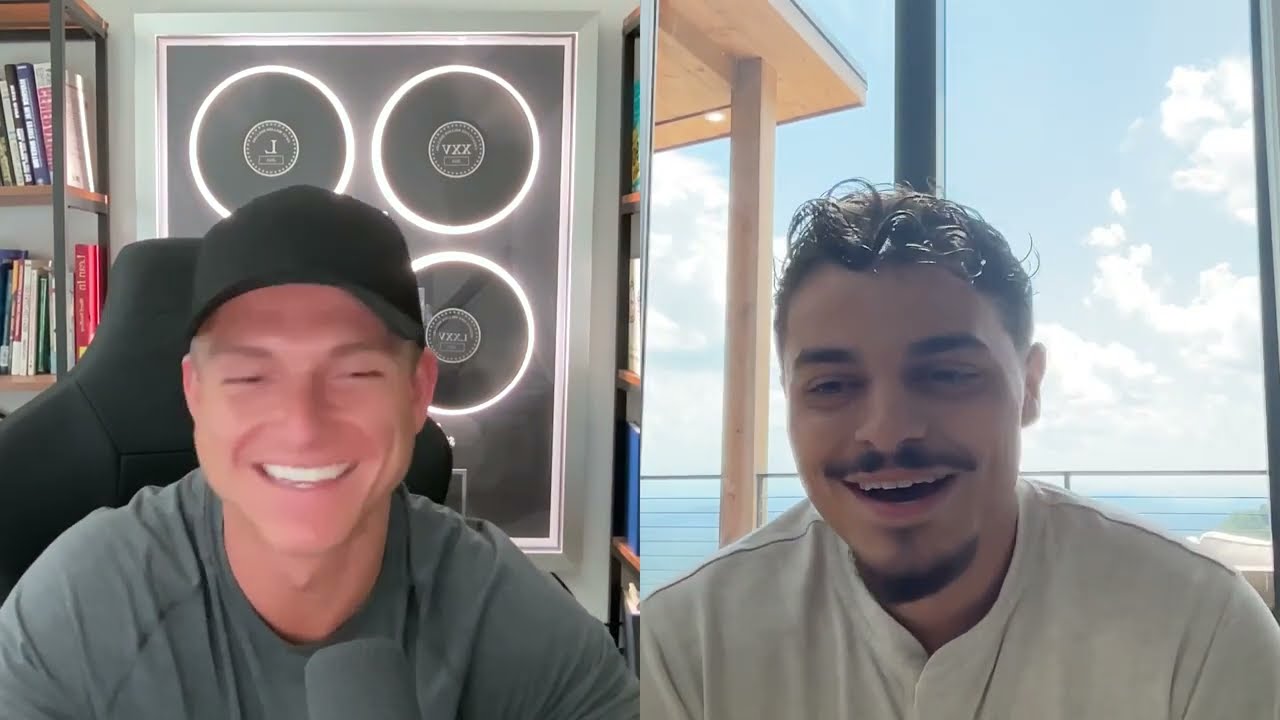
hello everybody my name is bruce montgomery and this is my colleague tracy priest hello everybody that's where you say hello tracy we're with the road to retail on our podcast tracy and i hope to offer tips insights ideas and examples for how small emerging or challenger brands can grow their business where to start how to get out of the farmer's market how to prove it online how to secure distribution at a national retailer drive your business with the consumer and when necessary find an investor the bottom line is we would love to help you be successful by highlighting the many important aspects of this journey to establishing and growing your brand tracy and i have made a lot of mistakes over the years and we'd love to help you avoid those and accelerate your path to success tracy awesome thanks bruce so uh bruce and i have been in consumer packaged goods commercial operations for 30 years and what we mean by commercial operations is sales marketing trade marketing acquisitions and divestitures development distributor and broker management just to name a few and on our podcast as bruce said our passion is to really help small emerging brands navigate the journey to retail also on our episodes we invite friends and colleagues from the industry to come and share their experiences with our audience as well and today we've got a fantastic guest i'd like to introduce to you rob maxwell and today on our podcast we're going to talk about how to hire a broker and the ins and outs of of that process so rob welcome to road to retail and rob just give us a brief background you've just got an awesome uh variety of experiences so share with our audience today just a little bit about about you thanks tracy appreciate it i appreciate both of you for for having me today um really really my pleasure to be here um so my my food background started um back in 1992 at a place called bread and circus and bread and circus was a was a family-owned chain based out of boston owned by the harnett family and right around the time that i started uh it was acquired by whole foods in in kind of the hitting the the main stride of whole foods growth through acquisition phase so um kind of a serendipitous moment um but i spent the next 24 years with whole foods market doing everything from running departments all the way up through executive coordinator of operations for the south region so in about 2016 the whispers of of maybe an acquisition started happening and um i had kind of a moment where i decided i wanted to do something a little bit smaller and get back to my roots uh in the natural foods industry and went to a brand uh called grandiose which is an organic producer based in maine run a solar-powered bakery out in western maine and they do organic trail mixes roasted nuts and seeds and granolas so spent three years with the owners there working on scaling the business up i had a great time it's an amazing amazing group of people and when that work was finished the the owners were still very active so i moved on from grandiose to rodeo cpg which was really just getting ramped up there i think there were seven of us when i started there and i think rodeo today is probably about 40. so i spent three years at rodeo working on the services model over there had an incredible incredible three years with that crew great people um and currently uh serving as the senior vice president of growth services at dirty hands so i've got a very rounded kind of uh knowledge base worked on the brand side work i've worked in the services side and worked on the retailer side so i i like to think that gives me interesting perspective on on lots of things in our industry it definitely definitely does rob yeah without question so rob before we jump off as tracy said today's topic is kind of how to hire and work with the broker successfully so before we get into those details just to make sure we level set can you tell the folks out there you know what a broker does and the role they play for a brand yeah you know i think i think in the best best case scenario um you know a broker is really uh you know for an early stage brand anyway a guide and a partner um it's a it's a it's a partner that ideally is is helping you carve a path to to a healthy sales model it's doing some mapping for you giving you some financial expectations of what you should expect so you can do some cash planning uh ideally they're they're able to help you establish some distribution out of the gate we should probably put an asterisk on that and come back to that that's gotten a little complicated these days um but but in a perfect scenario i think really a broker is a is a sales partner that is is helping the brand to carve a path into distribution and into retail that's sustainable um and that has clear expectations of what success looks like and i think that that's probably like a 30 000 foot i think what what a really good broker partner can do for you at the beginning nice i like the reference to a partner and a guide and cash planning we'll come back to that as well as distribution because a lot of times people's speed of running can outrun their cash and that is not good tracy yeah so rob tell us a little bit about um how does a small emerging brand know that they're ready for a broker so as a a lot of our audience they may be selling at the locals farmers market or they may be in a few you know regional uh small retailers you know in in their region so tell us a little bit about how do what's the mental checklist that a brand should go through to determine whether they're really ready to hire a broker sales force yeah that's a great question and i think you know really one of the key components comes back to um i guess there's a few pieces so first one being proof of concept are you are you having success at the in the local market you know are you getting are you getting reorders uh is the product moving at a reasonable clip um is your feedback solid is your is your pricing uh competitive uh as far as you know at the stage that you're at um and then the other piece i think is expansion is expensive so you know some of it's a cash game are you are you funded to a point where you have either self or or through somebody else do you have the funding to support some growth because growth uh is is cash out first before it's cash in so you know i think that's an important piece for for all brands to really consider is that cash component of it might be three months before you see it might be longer in certain cases before you actually see any of that money come back but that inventory is going out that inventory is just your cash until it's until it's you know transitioned into income um i think those are those are a couple of the keys um general general appetite for growth and what that looks like you know are you looking to do something in a very regional play are you are you thinking bigger if you're thinking bigger you might have a different strategy that you want to enact for something like that but again it really does really does come back to preparedness i think i agree and i think the other thing i would think i would think is important is and we talk a lot about this with our retail partners is supply chain is your supply chain solid have you ever shipped to a retailer before so a lot of times small emerging brands they're selling it at the local farmers market or a couple regional accounts or a regional distributor which is easy to do but then they want to get into a much larger retailer which as you said is very expensive to do but you've also got to have the supply chain ready to take that on would you agree with that it's such an important component you're so right i mean i think especially in this this modern time that we're in right now um where manufacturing is challenged for sure i think everybody's feeling that flying time is down i think the co-manufacturers are largely leveraging into their big partners because that's their their safety net and they have to service those first so as a as a smaller brand much harder um now to get a co-manufacturer on board at a at a minimum order quantity or moq that is reasonable um seeing a lot of brands being challenged with with a very high moq which really is a pretty significant risk if you can't feasibly move that product you're just gonna you're gonna end up losing it so i think there's there's a lot to be said there tracy i totally agree with that point i think you're you couldn't you couldn't be more right when you deal with when you deal with a a broker rob and you're talking to let's say you're your first retailer and let just to keep the hypothetical let's say it's a regional brand out in new england somewhere and um you you get a food account that wants to put you in and they're interested and the question comes down do you do a 50 store test or do you go chain wide how do you as the entrepreneur you know work with the broker i mean i've worked with a lot of brokers and i would say almost all of them are are have your best interest in heart but every now and then you know they're capitalists and they're like hey 200 is bigger than 50 and then you run into cash crunch maybe supply chain but how do you coach uh an emerging brand to be like hey let's be a little patient make sure we've got our act together i mean how do you have that conversation yeah i i think i think it really does come back to i mean it's it's it's kind of iterative steps of proof of concept to me so you know like you kind of want to test at different scales as as you're able um at the same time it's hard to say no to an opportunity i totally appreciate that being you know been on the brand side i get it it's it's very exciting to get a big hit um but it really you have to consider and this is part of what i would talk to a brand about is you really have to consider what can you have what can you support not just financially but mentally like what is your team prepared to support like if you're moving into larger geographies uh becomes a lot more challenging um you know you're looking at you're not going to have eyes on every store anymore if you go into a massive geography so it's a little bit of a leap of faith so without without a stronger proof of concept i i my personal opinion would be you know take it in steps take it in strides you know get some get some learnings through that process while you have the opportunity to see uh different different actions at different scales i guess for lack of a better way to say it hey tracy one other question here rob while we're on this when you and this will dovetail into our next more juicy question when you're dealing with um people that claim to be brokers can you talk a little bit about the person and let's just say it's me who has a couple of good contacts but might not have the back office to support the real activities you know the contacts obviously key because if you can't get a meeting you can't get distribution but there's so much more that has to be done that back office piece is huge and you know i've told this story to it to a few different folks but you know there have been times where i've had a small regional broker in place um who in total honesty maybe i wasn't blown away by their sales performance they were okay but the back office was so strong that the value prop actually stood out um it's that big a deal so i think the point you're making is huge and i think it really it's a matter of do you have that competency in-house and the answer in the early stages is almost always no um it's a complicated space distributor paperwork is not simple um you know understanding how promos flow is not simple you know all the forms and submissions are different at every retailer so having that institutional knowledge to kind of support that really goes an awful long way in insulating you into some really nice success stories the flip side is a person that has let's say somebody's got this great you know connection that retailer acts um and they can help crack that door open there's i think there's i think there can be value there but i think you as long as your eyes are open to what what's on the table what should you expect what's what's this person delivering um because if they're just delivering an approval at a meeting um then the work starts right it's like closing closing that deal is is significant uh and it's and it's certainly an impactful moment but um making that deal successful goes beyond the close of that deal right there's a lot more to it to make that a good thing for for both you and your retail partner because i think it's another thing early stage brands kind of forget sometimes i think it's it's not uncommon to talk to folks that kind of have a misunderstanding of the relationship with the retailer that the retailer is responsible for selling your stuff but not really they're responsible for putting your stuff on the shelf right the selling of the stuff is really a brand driven event um it's really not a retailer driven event so i think getting to a place of understanding with that is so important for brands too of what are you doing past getting it to the retailer's shelf because there's more to the story because none of us are winning until that thing comes off the shelf right that's the win at the end of the day so kind of having that full sight line um and that full focus as to what does success actually look like i i just think that's so important uh and then i still still do see sometimes uh folks that don't don't understand that flow quite yet right it's interesting you say that because tracy and i did a series of interviews rob with about 12 uh buyers from large retailers and and one of the great quotes was this this buyer said i've literally seen brands like start high high-fiving and hugging when when i tell them we're going to take them and i have to caution them and say hey the work starts now right tracy yeah and i want to piggyback on two things that rob said first of all rob one of our bumper stickers at road to retail is it's not about sell in it's about sell through so that's a you just said that exactly and i think also when you get into bigger retailers rob that back office becomes even so much more important like a target a cvs a walmart they have their own systems they have their own language they have multiple portals and if you're not with a broker that knows how to do all that back office stuff you are going to you know fail mightily i had an experience where uh one brand took it took almost a year to get set up at target well i don't think that's uncommon yeah it's a it's a complex process especially at the large change that you're referencing you're right i mean they're they're very uh complex systems that are not easily learned they're not inherently user friendly it's again like i keep i keep saying this but there's an institutional knowledge to certain things um that large chain function is is really one of them and i i wouldn't uh honestly even dare trying to tackle one of those large chains without a broker partner in place i really i personally wouldn't perfect that's exactly what i thought as well so next question is so tell our audience the difference between a broker and a distributor we've gotten this a couple times from our audience so just tell us a little bit i think it's pretty obvious but we wanted to make sure that we put that put that out there because sometimes um people get confused yeah it i have a i have an interesting uh take on this i think you know when i was with whole foods i spent three or two or three years in london um working on the uk expansion project and i was it was interesting um because the the industry in the uk the the distributor functionally is the broker i mean they really are doing a lot of active selling and and that was interesting to me because it's it's not quite that here while there's exceptions and there's some caveats to that statement so one of the caveats would be distributors have sales teams for sure right right but distributors are also carrying a blinding level of brands i mean it's a lot of products so it's not realistic to assume that the us-based distributor is really going to be highly successful for you especially as an early stage brand in that sales function are there things that they can do will they occasionally produce wins sure it can happen absolutely but is that something that you want to build your plan on i i would say definitely not um so unless you're unless you're really in like a a dsd or direct store delivery environment which which again is a little bit of a different animal but for i think for a typical center store grocery items here the distributor to answer the questions succinctly and as simply as i can the distributor is your partner that gets the product from where you manufacture it or you bring it to them whichever and then gets the product from the distributor's warehouse to the retailers that's that's really the function of your distribution partner and that's that's if i'm being frank i think that's the expectation that i would put on my distributor partner is that that's kind of it that's what i'm looking for there there are some other components but probably less significant um a broker is responsible for creating the opportunities for you to sell your product into retailers right so looking for appointments presenting for you if you don't want to do it for yourself i would always recommend being a part of that if you're a brand i think you know be go push to go to all of the presentation meetings that you possibly can i think that's a good practice it's a good learning experience and you're going to sell your product better than anybody else will ever sell your product exactly absolutely yeah for sure but i think those are the i think those are the fundamental you know basic differences between the two and and those are how i would place those expectations on those two partners so i want to clarify something because i know uh some of the brands that i've had experience with and i want i don't want to put words in your mouth but i'm going to say this statement a distributor is not responsible for sell-through of your brand or building your brand like you said i think they are a logistics partner and i think that sometimes the distributor portrays themselves as that's my role is to promote and to sell and to help you with sell-through you wanna i would agree i would agree yeah i would totally agree with that statement you know and like i said there's there's always exceptions to rules but i think that's a healthy rule to live by um there are probably a couple of exceptions out there but i i i wouldn't i wouldn't put stock in distributors as your sales partner that's not something that i would probably put bets on being a good a good strategy yeah exactly so so rob there's all kinds of levels of complexity as a brand or a company get bigger but when you're a small emerging challenger brand can you kind of speak in broad terms like what does a compensation plan look like you know the length of a contract is it fixed fee and then converts to a commission structure can you just give the uh the group here a little bit of an idea of what to expect when they have that first kind of terms phone call or meeting sure there there's i mean and i think you're gonna see some um would be some variance between different partnerships right but i think by and large um things that are not uncommon uh if you do not have any established sales if you're going and expecting to go a commission only deal that you might be disappointed for for the broker there's there's nothing in it for them to do that so while your brand i'm sure is amazing and absolutely uh i'm sure has all of the potential in the world brokers still have to pay their sales people i mean they still have people out there selling doing the work and those people have to get a paycheck so they can't do that on on a on a percentage which you know at the starting point is nothing so a modest retainer i think is um pretty pretty standard uh and a conversion piece as you mentioned may look like you know anywhere from a thousand to three thousand or anywhere in there as a retainer uh and then converting to five percent or something like that as you as you crest that thousand or three thousand so it's you know not uncommon common to see x or five percent whichever is greater um i think that's a pretty that's a pretty standard uh it's a pretty standard thing that i think you'd see out there there's also different models i mean you've got you know outsourced vp of sales level folks that you know are going to be a much higher retainer um but playing that you know playing a more strategic role i don't know if that's the place to start probably not where i would start um it's kind of an expensive place to to launch from but but it can certainly work um so you know sometimes those folks maybe have different connections that are able to open distribution facts faster but i think those are those are traditionally kind of the two the two functions that i would see with the the only other exception being um a retailer specific broker um which which usually i think you'd still see some version of of one of those things where it's a modest retainer and and or a percent um as compensation yeah that was kind of my follow-up question was there's a i don't want to say the word cottage because a lot of them are very sophisticated but a bit of a cottage industry around the largest retailers it's like hey all i do is kroger or whole foods or dollar general or cvs do you have any any thoughts on the true specialist i mean my view and i've hired a bunch of them is when i'm struggling or i have to win somewhere i will go to that target whole foods that person where it's like hey man this is all we do i'm like okay i don't need an entire east coast broker i have to figure out why i'm suffering at x yeah i i've used um uh quite a few of them um and in you know fortunately in a bunch of cases to great effect so i i i won't speak poorly of that of those groups i mean i'm sure there's there's good and bad everywhere right so there is that but but i've certainly seen targets specifically without mentioning names there's there's a broker group that i've used successfully numerous times um and i i think they just do a fantastic job they know they know that account like the back of their hand they have the relationships and it's and it's always been a good experience and i've seen that with walmart certainly seen that with kroger you know largely larger banners usually that's that's not an unusual way to focus it's not you don't have to i mean you've seen success there without those as well right but in the you know i think bruce in the example you're setting where it's like i i have to win here like this one i have to get this then i think that can be a good approach to get a hyper specialist on that account and see what you can do because to some degree and this is this is one of the harder parts of our industry right is if a broker is not performing or even a hyper specialist broker is not performing by not performing i mean it's just not getting in the buyers just aren't taking it in right it's it's sometimes it may be that the broker isn't isn't performing correctly but a lot of times it's also that the the product isn't resonating right right uh and that's that's some hard feedback to take so i think it's important for your broker partners for you to build a relationship with your broker partners where honesty um and the ability to to give and take feedback in both directions uh is is an integral piece of that relationship because you want to know what the objections are i mean you really want to know what the objections are so if you're if you can't hear that and you're not collecting that information or soliciting that information from your brokers and that that information is hard to get like if you're hearing that like they didn't take it okay why is it packaging is it price is it competition flavor like what's going on give me the feedback because as a as an entrepreneur you've gotta you've gotta work with that feedback because once you start hearing some consistent threads then that's you know that's something you've gotta really do something about um right you know one negative reaction is whatever but but when you start hearing consistency that's that's something well and like you were saying you know that's why you've got to be at these meetings you can't just like sit back at your office or your house and then wait for the phone call to hear how it goes you because something will get lost in transition translation and not maliciously you want to hear that it's the packaging or you're a dollar too high so two other nuts and bolts questions and then we'll move on so for it for a person that's never hired a broker before rob what kind of a suggestion do you make in terms of um accepting an initial duration of length because a lot of entrepreneurs will say hey i want to save some money on legal why don't you bruce the broker send me your contract you know should it be annual renewable should the first one be six months and yeah there's always outs and stuff but even those get complicated if you've never done it before yeah it's a good point um i'm i'm a fan you know i think i think there's a there's a happy medium here for between what works for the brand and what works for for the broker um i think uh the reality for a lot of brands and this is this is another you know tough one i think for early stage brands to swallow is is getting it going takes a minute it's not fast you know like you hire a broker it does not mean you're launching in all these accounts tomorrow that's not how it works i mean you you've got to get past the just getting some distribute somebody bought in so you can set up distribution like that in itself is is a is a serious mountain climb so in the you know in so much is like what does a contract look like i i i wouldn't balk at four to six months i wouldn't probably sign on for a year out of the gate personally not saying you couldn't and shouldn't but like for me i'd want to keep it a little tighter i want to make sure that we're on the right trajectory because the onboarding is is a lot of work for everybody there's a lot there so i i think i think 46 months is a reasonable time frame to kind of get a feeling for are we heading in a good direction are we are we presenting the products what's the feedback how are we doing getting distribution up like what what are we you know you should have a pretty good idea of what's going on in that time frame so that window works for me um a lot of brokers will ask for a year and i i don't blame them for that honestly i think that's that's not an unreasonable ask um to your point i think if you're going to sign a longer contract you want to make sure that there's there are some out clauses that are clear and that you understand what it means and that there are metrics in place that you can actually go to those and say this relationship doesn't seem to be working as we hoped and you know in in the contract we have this clause we'd like to would like to push that forward and say we're going to we're going to exit in 30 60 90 days whatever that clause is um i do think you want to be mindful of what you're signing for sure right right read it it's not probably i wanted i wanted to highlight one thing you said is it's not an immediate process so i get this question all the time from small emerging brands so how long is it going to take to get on the shelf well that depends on maybe you can answer that question i to my answer is it depends on the retailer but what's your thought when when a small emerging brand comes in and says okay i want to hire you but you know when am i when am i going to get on the shelves at whole foods as an example yeah and and i would i would probably answer similarly in that you know that's not necessarily a decision that we make um and in fact is not a decision that we make because as the broker you know assuming you know let's say we're the broker um we'd like for that to happen tomorrow that would be really good for us that'd be good for all of us that's like nobody wants you know nobody wants to lose everybody wants to win here so right so there's mutual alignment of goal but i i think you're right i think you know understanding what the category review timing is you know if you're fixated on whole foods let's say right if that's like i have to get into whole foods that's why i'm hiring this person but your category review isn't for another nine months you know that that might not be the right time to hire somebody you might want to pause and learn about when your review is now there's alternatives right you might be able to do an off cycle through a local program or something like that so it really just depends on goals you know and and your willingness to be flexible and how are we going to approach this thing but but yes i i think um really retailer driven to some degree distributor driven these days i mean the distributors are challenged right now it's you know the supply chains are tough and the big houses are definitely seeing some challenges uh in in keeping up with everything so you know that that can slow things down a little bit i think right now for sure so rob if an emerging brand has kind of done the mental checklist and they think that there are supply chains in order and they've got some money in the bank and they sort of know that hey you know we're from new england we're going to start in new england and not phoenix but they don't know anybody how how do they meet a broker or find out like who's the daddy of uh you know getting into xyz root retailer how do you how do you manage that uh minefield yeah i mean and it really depends right i think there's a few answers to that i mean there's obviously you know the nice thing about specifically a natural channel about our industry is it's it's a pretty supportive industry right i mean it's a pretty open industry people are generally happy to give advice people want to share their experiences um so so really using that network um you know getting involved in in any of the active groups or you know getting a subscription to like you know any of the publications and kind of tracking you'll you'll see activity from a lot of different folks there's that that can be a very you know cheap and easy way to to kind of get get involved in the community but in other spaces you know and i'll use so i'm in maine and i'll use you know a specific reference here you know here they have a program you know called mce and and it really is built to help founders kind of connect and learn and it's an educational piece so that people don't kind of go blind i think there's there's a lot more of that happening in a lot of states so really looking there too i think this one is actually um it's a philanthropic philanthropic um funded group but um i think there's state-funded groups i know colorado has a state-funded group so there's i think there's a lot of different opportunities to to find i think it's just a map you just have to look around you know network network all day every day yep yep and it never stops sorry yeah so rob uh tell us the a success story of where you've seen a small emerging brand hire a broker and it's been a great experience for both parties and been been a success and they've they've both won and shared and shared in those winnings yeah i mean i'll use a personal story when i was at grandiose um you know we we had you know we had really focused to that time we kind of focused on you know the i would say unifi east right for lack of a better way to say it um and and primarily in the northeast because it's a main based brand so it has a good local following it's you know very successful in the in the region um but you know we had aspirations past that so um aaron the owner and i you know we kind of put our heads together and we we decided we really thought the the products would really resonate in california um you know we kind of had this like bi-coastal plan of you know this is kind of east coast and the west coast we feel like is where this products really going to resonate um and you know we used our network and you know rolled the dice a little bit we actually talked to a buyer that we were friendly with at whole foods at the time it goes back a little ways um and we said who's who's out in your area that is you know reputable and that you've enjoyed working with and he gave us a list of folks that he thought he'd had good interactions with and we interviewed them all we went with one and it was really a kind of a boutique california-based brokerage they're still in business and they crushed it i mean they absolutely crushed it for us we blew up california in three years we doubled the sales of the company it was it was incredible so uh that was beyond successful now we we were selling as well so i'm not going to say it was you know it was just the broker partner but that that was a true partnership and it was a really good relationship it was very positive and they really understood our product um they took the time to to train their entire team on the product we had a lot of opportunities to connect with their team and it was a it was really a transformative moment for the business it was an incredible thing we were able to you know beef up our production facility and um it was it was pretty incredible so that's you know that's just that's just a personal story certainly seen it you know numerous times with others but it's it's really when you can build that true partnership right it's like i think a lot of times what happens is you know and you two have seen this i'm sure but you know brands will will kind of take this like needing to be extremely aggressive and dominant towards their brokers and i it's it's seldom a winning combination i mean it's not like if you are if you are rough to your brokers now don't get me wrong i'm not saying don't hold them accountable you should right but holding them accountable is a math game that's not a that's not a verbal name right that's numbers um but i think that you know i think when when brands kind of take that tone you know you have to think of the human psychology involved and look at okay that tone is trickling to all of the people in the field that are that are tasked with selling your product they don't like you that's not good right i mean you're you can't win you know so it's like you have to ride this fine line of really pushing and you know there's a there's a level of being a squeaky wheel that they think is really important in your broker partnership you don't want to be forgotten you don't want to be not communicative you want to be very involved however you don't want them to dislike you because they're not they're they're not going to do their like you're not going to do your best work for somebody that's not nice to you it's just not it's not human psychology it just doesn't work like that right so i think that's i think that's you know meandering a little bit off the question but i do think that's an important piece you know when when considering these relationships you know actually rob i think you might have just uh also answered my follow-up because i was going to say let's look at the other side of that coin what are actions or examples that smaller brands may have made that proved ineffective or damaging when working with a broker and you just talked about basic kind of human courtesy right hopefully stuff you you learned at your breakfast table growing up but i don't know if you want to go a little bit deeper there because relationships matter right and if if every time my name lights up on your phone you're like oh my god you know it's just not gonna bode well it's it's so true i mean it's just it's so true i think um yeah i i think if you've ended up as a brand if you're at the point where you're that angry at your broker you need a new broker or you need a not broken like you you have the wrong partnership like this is not the right this isn't working right um and you know and i think at this at this stage i think brokers you know are firing brands in certain circumstances for just like this is not a tenable working relationship this isn't you know right you want to wrap your way yeah yeah it's like you know a little bit of decency and a little bit of respect in both directions um and i think it and i think it very much does have to go in both directions i'm not saying brokers um brokers are busy people right it's a busy business it's a hustle it's a lot of work um so you know putting yourself in somebody's shoes it's like you do have like i said you do have to stay involved because as soon as you go quiet they're never they're never in a space where they don't have things that have to happen i mean they're always there's always a million things that they have to do so i i like i said i think it's important to stay in tune with the with the team and i think it's important to be participatory and it's part important to um provide the information that we need and this is this is uh this is you know kind of the working relationship piece a little bit more on the technical side you know we talked about when how do you know you're ready to go work with a broker well there's a couple of of um i think almost ops or finance pieces that really matter here and and one of them is do you have a spec sheet that's recognizable in the general consensus of the industry um because you need one if you don't but that's a must-have do you have a price list because you can't you can't reasonably expect your brokers to to sell things without a price list it's not going to go well you're going to end up in a weird cash place it's going to get real uncomfortable and or they're not going to be able to execute them right do you have packaging images do you have packaging flats do you i mean there's there's just some basic components that i think you have to be ready to provide and as things change if you've engaged outsourced partners you have to feed them that information in as real time as you possibly can because it's critical information so as they're setting up paperwork if they're filling out something wrong it you know it can take to do a price change it takes at least three months now with the big distributors so i think understanding that flow and and having the competency of like what a broker needs to work for you right there's things that they need it's not just like you sign a contract and all of a sudden sales happen it's like no i need you know sales deck i need sell sheets i need you know like i said the spec sheet the price list and some of those basic components i just think are um are absolutely mandatory that you have that sorted out before you try to sign on to the broker that's great that's great insight rob great insight so one one final uh question here rob from me in in terms of what you just said so as an entrepreneur or small brand and you know maybe you've been doing everything and maybe you have one right hand person and now you're going to go the broker route and you've met someone you at least right now you trust and you you have a spec sheet what's that um and it comes back to respect what you were saying but what's that moment of introspection where the entrepreneur needs to say i need to take a little bit of a step back yes hold him accountable yes squeak a little bit but i'm hiring these people because they do x y and z better than me so what's that the introspection where that entrepreneur where you might say hey bruce if you want to hire me and i'm your broker these are the three things i'm gonna be point man on i want your input but come on man if you don't trust us to do that why are we even talking so what what do you think the entrepreneur needs to yield to the broker to enhance their potential for success i think i think if you're going to hire a broker on you've got to you've got to trust their process um and i think that's the most succinct way that i can say it like there's a process to this right for brokers especially there's a there's a there's kind of like a cadence and a dance to this to this industry there's you know they they presumably know the category review timelines they know the temperaments of the buyers they know so an example if if i'm if i'm going to to somebody as my broker and and they i say hey i want you to call so and so at wegmans um i have their number just call them and tell them tell them to get me in right and your partner is saying okay i can't do that because one that potentially damages my relationship with that buyer and i have a lot of brands to consider here i can't just annoy a buyer on your behalf so you know i guess a short way of saying it bruce would be the the reckless tenacity that you might be able to afford right as an entrepreneur your broker partner can't they can't they can't do reckless that that won't work because there's a there's a balance to these relationships and there's a reason that these buyers give them time because they're they're presenting things in a way that are easily digestible to them they're being respectful of their time they're um they're kind of respecting kind of like a set of of rules that can be specific to each buyer and really working within that cadence to keep that relationship good so sometimes that hard push is really where you're going to meet that kind of defiant response sometimes it's a soft approach and getting in there and getting in at the right time in the right way with the paperwork filled out exactly correctly going back to the importance of the back office you know there's a lot of components there so i think i think letting go of the um the need to control how the relationship with the retailer is handled you have to let that go that's that's no longer yours that's gone um and and a broker if if if you're pushing them and pushing them on that and they say yes they're just yesting you they're not gonna do what you're saying because they can it doesn't it won't make any sense well rob that was a great term you know with the guitar on your wall i think reckless tenacity is the name of your next band i like it i like it i like it all right tracy awesome so rob if uh somebody who uh um listening to our podcast wants to reach out to you how do they get a hold of you yeah you can hit me on email um at rob m at dhstoresupport.com um or by all means hit me up on linkedin robert s maxwell awesome rob great time together uh very insightful as i thought thanks for sharing with our audience today and so the big finish is if you want to follow us you can follow us on linkedin at road to retail or on our youtube channel road to retail and we're excited also to announce that we're now on spotify also on road to retail so multiple platforms to reach out to our content and again thanks rob for joining us and uh look forward to posting this episode in a couple weeks yeah thanks so much rob this was great good luck out there everybody yep
Up Next
58:11
Mastering Retail Trade Promotion Strategies for CPG Success
@foodbevy
531 views•2022-03-04

99:09
Workplace Trust Building Communication Training Webinar
@CiMH2125
160 views•2013-10-07

15:23
Decoy Effect: How Pricing Psychology Influences Consumer Spending
@bobinvestsUS
90K views•2026-01-05

17:30
The Planned Obsolescence of Light Bulbs and Tech
@veritasium
25.3M views•2021-03-26
Related Study Plans & Knowledge Roadmaps
Structured learning paths in Business
business
CPG Retail Strategy: Pitching & Trade Spend
01Foundations of the CPG and Grocery Ecosystem
02Retail Math and Designing the Pitch
03Securing Shelf Space & Category Reviews
+ 2 more learning modules
12h5 modules
Explore Roadmap
business
Pop-Up Retail: Strategy, Design & Execution
01Introduction to Pop-Up Retail & Strategic Goal Setting
02Budgeting, Site Selection, and Legal Essentials
03Experiential Retail Design & Visual Merchandising
+ 2 more learning modules
15h5 modules
Explore Roadmap
business
Reg CF: Startup Funding, Marketing & Launch
01Introduction to Equity Crowdfunding & Reg CF
02Platform Selection & Legal Preparation
03Crafting High-Converting Campaign Assets
+ 2 more learning modules
14h5 modules
Explore Roadmap
business
Productized Services: Scaling Solo Freelance
01Foundations of Productized Services
02Packaging and Scope Definition
03Pricing and Subscription Models
+ 2 more learning modules
15h5 modules
Explore Roadmap