


















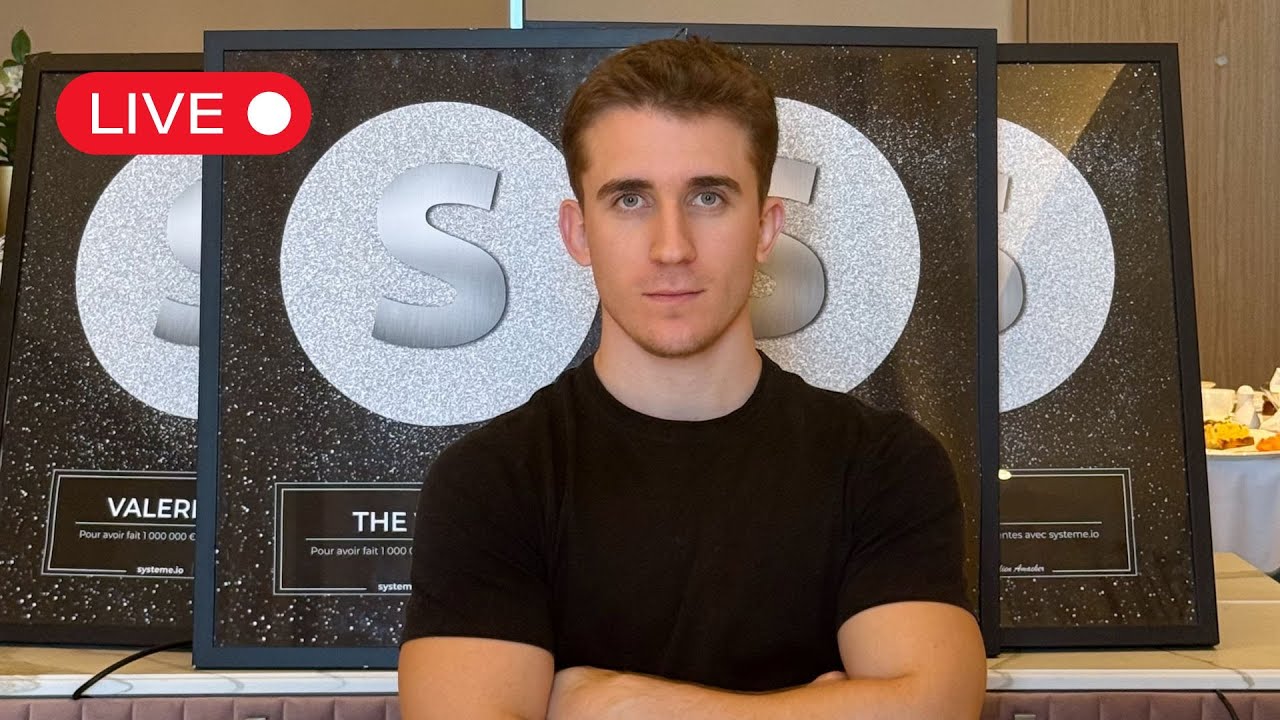

Building a pop-up store requires intensive planning and execution, including sourcing materials from multiple suppliers, managing inventory logistics, and completing 12-16 hours of manual labor daily over a week, with challenges such as inventory delays at borders and unexpected mechanical issues adding complexity to the process.
Building a Pop-Up Store in 4 Days: A Behind-the-Scenes Vlog
Added:Basic principles of retail management and the distinction between traditional brick-and-mortar retail and experiential marketing models.
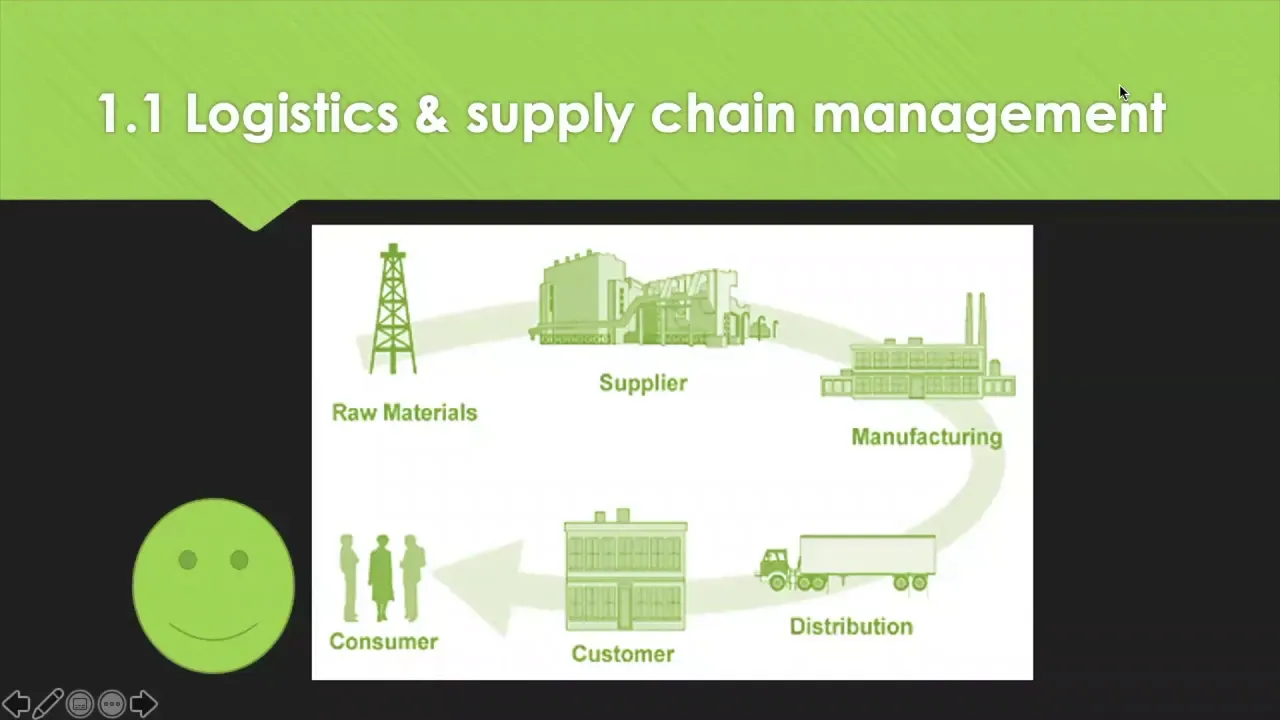
Fundamentals of inventory management and supply chain logistics, particularly under tight timelines.
Introduction to visual merchandising and store layout concepts designed to optimize customer flow and product presentation.
The role of brand activation and event marketing in generating short-term consumer buzz and foot traffic.
Analyzing retail Key Performance Indicators (KPIs) to measure the financial and branding success of a temporary store.
Developing an omnichannel retail strategy that seamlessly connects physical pop-up experiences with online e-commerce platforms.
Navigating the legalities of temporary retail, including commercial short-term leases, zoning permits, and liability insurance.
Scaling strategies for transitioning a successful pop-up proof-of-concept into a permanent retail location or a multi-city tour.
28.3K views905likes18:12Original Release: 2022-11-17
foreign it's Monday it's Halloween actually if you saw my Halloween costumes this weekend they were fun and they were easy woke up to 6K followers on Instagram gone like that apparently it was a data breach crazy morning now I'm eating Tim Hortons I need to get groceries or else I'm gonna eat like [ __ ] all week because we are building a pop-up oh we have to go Canadian Tire I just realized that my American followers literally won't know what Canadian Tire is which is crazy what I need to get is I don't know what it's called an adapter for pose to connect the sink and the painters tape do whatever you want [Music] outside we didn't need one of these things but I got one that was too big anyone that fits what's this it looks good though it looks amazing great I mean if you're going to Source another one what do you like something more mid-century it's right there no turn around turn around right there that's sweet it's on like a psychopath like the whole entire thing the Swedish Coca-Cola is extra carbonated also Jonathan led me astray with this dairy-free one who gets them at the same time I'll do whatever you do let's take cover before our chances are getting darker but I want you to know I can't help fight this feeling I want you to try [Music] I was at the pop-up all day and now it's like seven went home did some work now it's seven I have to go to IKEA pick up some more furniture and stuff building a pop-up is a lot of work my dad came today and like did all the corporate like change room and all the stuff that we need a professional for which was great he had like a free day otherwise I don't know we would hired a trash grab it I guess but it's a lot of work it's 24 7 for a full week so let's go to IKEA this is my key outfit Grandpa cardigan the best I love this cardigan blue are they top Levi's works I'm in grade seven again I love it okay it's actually kind of the end of the day but we've been here all day setting up figuring it out it looks coming along we open um we have a party tomorrow so I think I'm gonna show you the carpet already I'm not sure we got this like orange event carpet all the racks Bobby painted this beautiful striped mural thing got some furniture more rocks we had to put all the baseboards in this place didn't have [ __ ] baseboards it's Christmas tree that and then we got this bar off of Facebook Marketplace sixty dollars and then my dad came and built this change room for us because this didn't have a change room has like a nice little door and then we had to put a light and a mirror in there and TV welcome to my friends but it's coming along we just have like minimum 12 to 16 hours of hard manual labor yeah cleaning dusting steaming so we need so our inventory hasn't come in yet yeah so we are still we're still waiting on inventory that's at the border there's so much cleaning to do we've probably been here for for oh there's our alcohol alcohol's arrived so that's good foreign [Music] foreign [Music] I think you should be directing them in traffic [Music] [Music] all right here we go here we go okay [Music] okay [Music] [Music] foreign oh my God last night we're there until like 12. now it's eight anyway I gotta go back we got all of our inventory on all of it we got some of our inventory in from homework last night so yeah let's go back I'm so tired keep bringing these yeah foreign hours left not glamorous still didn't pop up I am at Canadian Tire for the one bajillionth time we're almost done guys almost almost need to get all the inventory sorted and then we can go home and get ready we have the party tonight let's go to Canadian Tire for the one I'm getting Christmas lights and more clothing rocks [Music] thank you [Music] thank you [Music] [Music] thank you oh it's so satisfying one two three you know okay you just want to yeah oh it's gonna look sick [ __ ] crunch time [Music] it's the media party this is what I'm wearing wearing a maiden dress with just some flat boots because I honestly like I couldn't put heels on my body hurts I just had to get ready in literally 45 minutes I couldn't even steam my dress but this is the maiden dress one of my favorite in the collection let's go to this media party morning we're tired this could be the most hard I've actually ever been in my life I need you guys know I love the way but being tired we had a party last night I'm just cleaning up from it it was so good guys the space looks amazing thank you to everyone who came through it was mostly friends and family and today we opened an actual store so it's gonna be a big day let's get this all cleaned up opening that U-Haul was very I couldn't close it like I couldn't I didn't have the energy yesterday to close it like I couldn't get it but I shoved I'm so sorry how it looks like I was literally panicking just throwing boxes it's fine well there's nothing it actually is a little bit organized but it's not good I know we're gonna come towards the end because I was overwhelming with how the boxes there are and we're about to get 70 cartons nice okay like why is it so foggy I've never seen this much fog in my leg it's so spooky here so we rented a bunch of cups so I'm just putting them back in the cartons and then they're gonna pick them up then we got champagne flutes from our friends at that's it free freaks in that freeze and I don't know I can't I can't brain can't compute right now I'm with some Barbe and yeah I guess we're doing so I'm not with that I'm doing shrimp's getting this change room sorted we're opening [Applause] [Music] thank you and we're officially open if anyone was wondering what we were doing in the pop-up all of our inventory was kept out back here because we didn't have a back room and we had so much inventory it's [ __ ] so now we're replenishing and we're bringing all the inventory in because we can't stay outside all night so happy didn't rain tired yesterday my car wouldn't start which was really annoying I just got it fixed but obviously something else is wrong we had a great day then we had to go to a little bubble gum ball last night for breast cancer it was took everything in me to go and we're up going back to the store it's gonna be a great day I tell myself I'm so tired you look really gross but whatever packing setting spray and the beauty blender packing a lip liner my wallet or how my credit cards are but you know whatever geez I'm gonna try to see if my car works again today but I don't think that it will impact my outfit which I'm wearing my little crop tank cute I'm gonna wear my maxi skirt today well I'm gonna wear my tricky knit cardigan I think over top I'm gonna wear my Kate shoes I know where they are hate shoes and then I also different sneakers because she used to go last night and I think that looks good push my phone charger camera two bottles of water finish and that's it let's go Moment of Truth my car works oh [Music] what a [ __ ] day oh my God you don't understand guys yesterday I wouldn't turn on today it does oh sweet [ __ ] relief what's gonna happen I'm gonna park on the street and then it's gonna die but it [ __ ] works okay need to get gas fun fact my mechanic told me I did not know this you shouldn't let your car go below quarter of a tank it [ __ ] up your fuel pump and I didn't know and I drive my car until there's literally no gas left like one little bar maybe no bars left bucks up your fuel pump didn't know fun fact you shouldn't do that around quarter of a tank you should fill up I had no idea foreign [Music] [Music] all right [Music] foreign [Music] last day of the pop-up last night I came home took a CBD melatonin gummy and I had the craziest dreams of all time like melatonin really just my dreams are [ __ ] insane now packed my bag again and this time what I forgot yesterday well I needed to bring some hair stuff for Sharon I'm bringing lidocaine foot spray because my feet are [ __ ] killing me this is really bringing back the days where I used to work retail and we had to work in flip-flops and that's all I'm gonna bring oh I need to bring lip chop I didn't bring lip chap yesterday so everyone call it with chat or is that just a Canadian thing I don't know oh there's my bra I was looking for that brought a dress I brought some other shoes I'm gonna bring another pair of shoes too because I don't know what I'm gonna wear I might do some outfit changes let's go ready to go my car turned oh yeah you saw my car turned on yesterday provenza shoes I feel like I should bring another pair of boots too I don't know if I can put heels on like literally my feet hurt so much I want to bring these boots too they did hurt my feet a lot but probably not gonna wear them that much okay let's go it smells like rotten apples in my car it's kind of kind of concerning okay guys Moment of Truth every day is an adventure when you don't know if your car is going to start oh come on [ __ ] not the day crazy it's actually 10 30 because daylight savings all right brutal I have to call [ __ ] Uber now I knew it wasn't gonna start I just knew it I just knew it I just knew I just knew it today's just been one of those mornings washed my hair came out of the shower blew dry blue dried blow dried my hair and then it was still look greasy [ __ ] you car [Music] I guess I could walk um whatever it is wow I don't think I've actually showed you around the pop-up space I'm gonna show you so we have these little curtains little section this was actually over here but we have a coffee bar now over clothes some orange carpet more clothes plants we have a little display table this was actually someone's candida dry that we had like when we were setting up but we actually felt it looked so good on the table like goes with the set you know the this is our 70s my vision was a 70s living room at Christmas and here we are and then this is all over inventory we have like a thing in the back that holds all of it but it all doesn't fit so bring it in every night okay so I have to bring all the inventory back out and then get this place cleaned and set up for day three I forgot to bring lip chop and I forgot to bring gum the two things are meant to bring so tired guys I have no idea this has been just a crazy crazy week building the store in four days and then working in the store for three plus a party doing crazy I'm gonna actually make a tick tock about everything that I've learned and what I would do differently anyway I have to actually do my job now foreign [Music] 's going off good morning morning did it rain last night yeah it did okay foreign [Music]
Up Next

13:15
Retail Design Trends: From Transactional to Relational Experiences
@wireduk
36.5K views•2019-03-27

26:22
Walking in the City: Urban Rituals and the Flâneur in Contemporary India
@PSBTIndia
1.9K views•2016-08-02

9:49
FastAPI vs Flask vs Django: Choosing the Right Python Web Framework
@TechWithTim
302.5K views•2024-05-26

1:42
Game of Thrones Opening Credits: A Cinematic Analysis
@gameofthrones
46.3M views•2011-04-18
Related Study Plans & Knowledge Roadmaps
Structured learning paths in General & Interdisciplinary Studies
general-studies
Artificial Light: History, Tech & Human Impact
01The Pre-Electric Era: Fire, Oil, and Gas Lighting
02The Incandescent Revolution and Grid Electrification
03Gas Discharge and Fluorescent Illumination
+ 3 more learning modules
14h6 modules
Explore Roadmap
general-studies
Elevator Engineering: History, Physics & Cities
01From Hoists to Safety Brakes: The Dawn of Vertical Lift
02Hydraulic vs. Traction: The Engineering Physics of Elevators
03Modern Speed, Safety, and Algorithms
+ 2 more learning modules
12h5 modules
Explore Roadmap
general-studies
Rubber: Material Science, History & Geopolitics
01Origins of Natural Rubber & Mesoamerican History
02The Chemistry of Natural Rubber & Vulcanization
03The Geopolitics of the Rubber Boom & Colonization
+ 2 more learning modules
12h5 modules
Explore Roadmap
general-studies
Containerization: Evolution, Logistics & Trade
01Ancient Trade & Bulk Cargo: Amphorae to Barrels
02The Industrial Revolution & Cardboard Packaging
03The Containerization Revolution: Malcom McLean
+ 2 more learning modules
12h5 modules
Explore Roadmap