




















Creating a rockstar team in retail requires systematic training and development, effective delegation, clear communication of vision and goals, regular customer service and sales training, consistent employee reviews, and a structured hiring process; retailers who implement these systems avoid common mistakes like micromanagement, neglecting employee motivation, and inconsistent training, ultimately leading to improved customer experience, operational efficiency, and increased profitability.
Retail Sales Training Strategies to Boost Store Profit | Team Development
Added:Basic retail operations and store management structures.
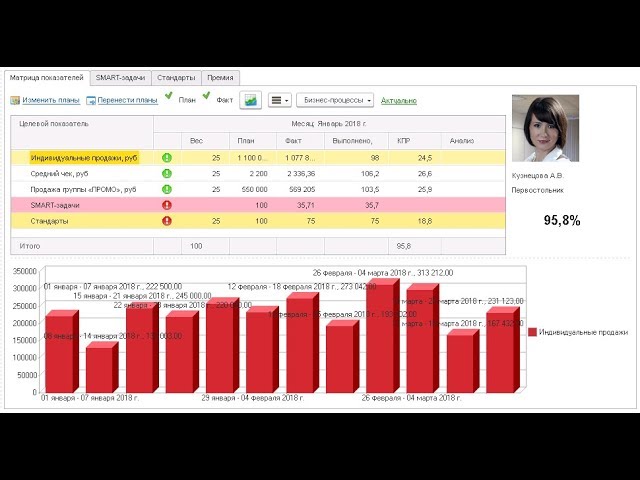
Fundamental concepts of performance metrics and Key Performance Indicators (KPIs).
Core sales techniques, including active listening, upselling, and handling customer objections.
Essentials of team communication and basic workplace leadership principles.
Advanced retail analytics, including customer lifetime value (CLV) and labor cost optimization.
Designing performance-linked incentive programs and compensation structures for retail staff.
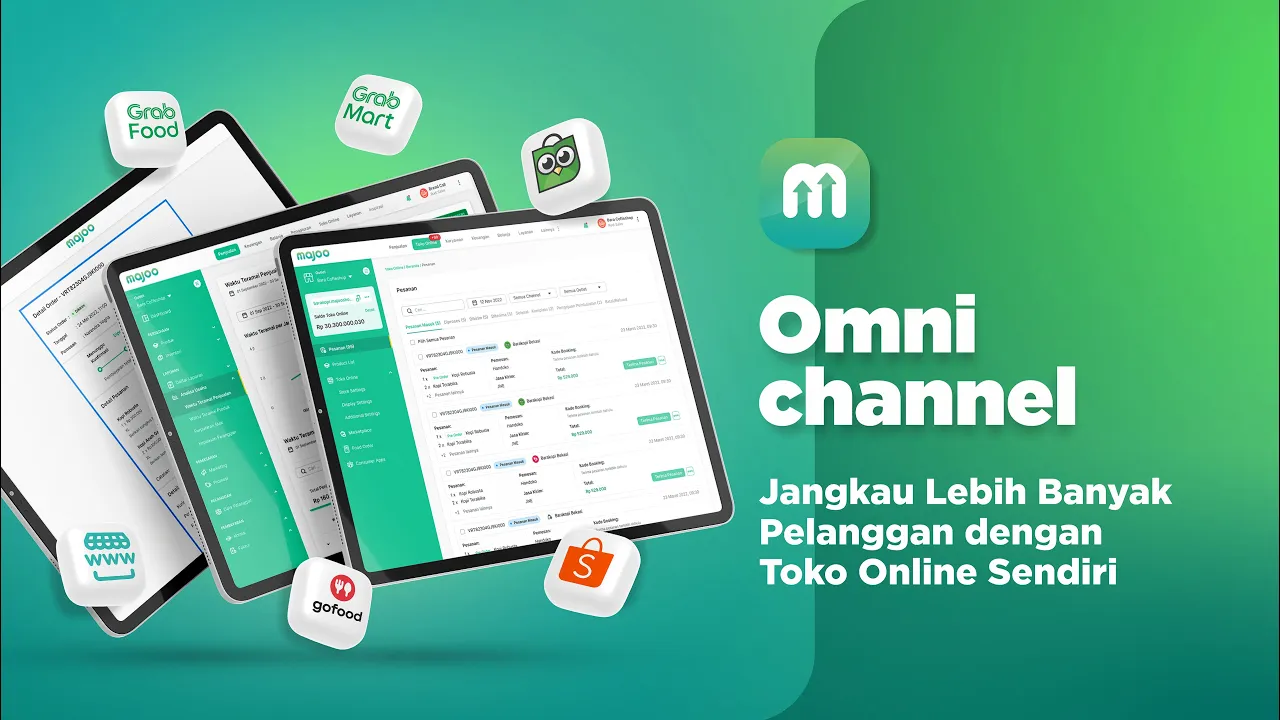
Omni-channel integration: Aligning in-store team strategies with digital and e-commerce sales channels.
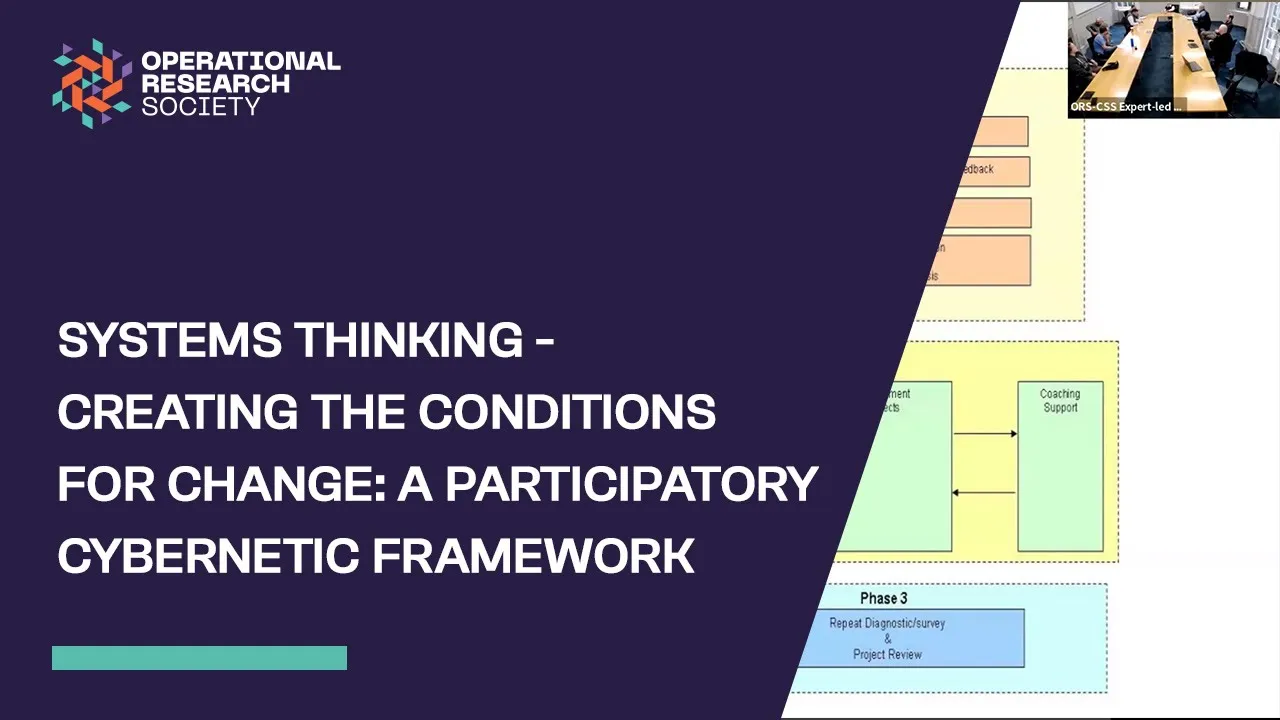
Change management frameworks for scaling training programs across multiple retail locations.
228 views6likes23:04Original Release: 2024-07-27
hey bricks and Mel retailers welcome to this week's training it is the 18th of July 2024 on a Bary bomy sunny day here in Germany no airon here in Germany which is quite hilarious so we've got the fan pumping out real hard and this week's training is the final piece in my methodology on how to increase cash flow and profitability within your store and I'm talking about how you can create a rockstar team that can drive your profits up and this is one of the foundational aspects of running any business and it is definitely one of the fund fundamental aspects of running a brick and motor retail store so before I launch into it just love to know if you're watching this live just click the word just write the word live in the comment section if you're watching the replay please write the word replay let me know when the best time to put these videos on ah and uh so yeah yeah let's um let's rock and roll so having a rockstar team or better still creating a rockstar team is so fundamental to increasing profitability in your store and it's so fundamental to have some sort of Playbook to uh train create a rockstar team such that when you start to grow your business open more locations scale up having this profit piece is so essential right so it's really really important but there are so many mistakes I see bricks and M retailers making I I made a lot of these mistakes myself when I was running mycies and uh a lot of retailers I work with are making these mistakes and not even the ones I work with if you have a look at some of the big retailers in the market space in the bricks and mor Market space even you know you've seen this you go into big departments stores and nobody comes to serve you or the the people don't know what they're doing or they don't even provide you with a full solution to the problem it's happening everywhere and I guess a lot of people a lot of retailers are getting complacent because of the e-commerce cousins but this is where you the bricks and water retailer have such a tremendous opportunity in really growing and scaling your business because you've got this Live customer in your hands and hopefully you're going to have this amazing team member who is going to provide the full solution to what they came into your store to solve so there were so many big mistakes I see retailers making right so the first one out of all that di tribe was the fact that we don't emphasize or we don't spend enough time training and developing our team you know we may do it ad hoc but we don't actually have a system in place and that's such a really really big mistake the other big mistake that we make as big Moto retailers is the fact that we micromanage everything this is really easy for us as owners to do and we don't delegate and thereby we do everything ourselves as a store owner and that's a recipe for disaster because you cannot be in all places at all times you can't be the sole person that's going to be growing your business you can't be the sole person that's going to be driving profitability and cash flow in your store it's such a big mistake so then you have these team members there that are just basically sitting around doing their bare minimum and doing nothing for your store nothing nothing towards driving your profitability and nothing towards helping your customers in the way they should be help yeah the other big mistake is we have uh we neglect employee uh recognition and motivation I think for for a lot of retailers because we have a lot of part-time casual stuff we kind of think that well we kind of think that you know uh because they're only here part-time they don't need to do much within our store or you know they'll because they're only here for a few hours a week um the way that they interact with our clients and customers is not really that important because they're just sort of filling a shift or filling a hole that's such a really really big mistake you know and that simply stems from the fact that we've really got no system in place uh to work on you know the motivation of our employees and the employee recognition right um the other one is if I walked into your store let me know uh in the comment section below below does everybody in your store do your team members know your team goals do they know the goals for your business do they know the goals for your store let me know in the comments section yes or no this is one of the big disconnects that happens in independent retailers uh and a lot of the big ones as well is the fact that we're not communicating our vision our goal what we want our store to be achieving in the marketplace we're simply not communicating this to our team members right so of course if you're not communicating your vision or your goals or what you're trying to achieve then it makes it very hard for them to execute and of course then you're really not going to get the results that you want so that's a really big mistake that we make as um as bricks and M retailers so um yeah and the consequences of making this mistakes well the biggest thing is you're actually leaving so much money on the table because your team are underperforming thanks to you because there's no systems in place for training and development and it's you're just missing out on money you're missing on the ability for optimizing your cash flow you're missing out on the ability to drive and scale your business and you're missing out on the ability for your team members to perform really really well right and that's the basically that's one of the key foundations one of the fundamentals of running a great retail business is to have all this sorted out so um then that's good and if you get it right so you get this right let me just make sure it's coming up correctly yeah if you get it right you are going to have a much so much more improved customer experience right and like I mentioned before in the marketplace that we are playing in at the moment with Amazon e-commerce all the other players apps that we're competing with home delivery if we have a team a rockstar team within our stores that's providing the full solution and encompassing the full solution is to provide an amazing customer experience in your local community in the area that you're serving they are definitely going to come back and that's what's so important so if you get it right you're going to have much better customer experience right and that'll just leave to a whole host of other things positive reviews not to mention your increased cash flow increased profitability or that kind of thing you're also going to have greater operational efficiency right because you're going to have your team members are going to follow a system they are going to be delegated tasks to do they're going to know exactly what they need to do to drive your business forward your employees are going to be so much more um engaged and motivated right I remember the first time I introduced these into my store you know once the team members knew my vision they knew what they needed to do their position descriptions they knew how to sell because you had trained them you had got in outside training to show them like this is how I want you to look after my customers in the store and this is the vision that we're working towards right these are our kpis our goals you'll have a far more engaged team and then your motivation goes up and it's just you're just kicking ass on all cylinders so yeah it's so important so here's um whoopsie I've lost the mouse let me just grab the mouse back love live television [Music] huh okay great um so here is what you need to do oh minor technical issue there um to sort this out for your store right whoops um oh by the way the if you want a copy of these steps this worksheet just comment worksheet and I'll make sure you get a copy and of course what I've given you here is the very high level whoa I'm just somehow lost my mouse isn't that interesting give me a sec guys you know what I can use this I've lost my cursor anyway um here is what you need to do uh to make sure that you implement all of these in your store and remember if you want some help with stuff uh just reach out this is what we do this is what we help clients do is we help them Implement all of these systems and procedures in store so that you can start to increase profitability so first thing is you need to make it easy not only for yourself but also for your team members right really really important and the way you do that is you need to start to have position kpis and this is how you create Rockstar team so you want to make it easy for yourself and you also want to make it easy for your team members so I got the mouse back that's fantastic all right so you want to make it easy for yourself so the way you make it easy for yourself is to make sure that you take yourself out of the process and the best way to do that is to actually create a system and you create a system by creating not only position descriptions which I'll talk about in a minute but position kpis so what does that mean so that means when you are away from the business when you are on holidays when you're at home on the weekends if you're trading on the weekends and you're not in your store is that your team members know exactly what they need to do and they know exactly what they need to achieve in your store so kpis and a lot of a lot of us owners are really scared of this I think it comes from this mindset that we are really scared that we are going to actually annoy our team members and they will actually leave well I'm actually telling you that's a great thing because you only want Rockstar a players within your store you don't want these people that are not achieving things and people that don't want to achieve things they are not more than likely not going to be part of your vision on what you're trying to achieve for your store so they're the ones that you need to get rid of so position kpis are so so important um The Daily huddles this is a great technique that we were doing in one of the pharmacies towards um you know Midway through and the Huddle is so important so it's a great way to bring your team together and it's usually led by a retail manager or whoever's running this show on a daily basis but to reconnect with your team on a daily basis is awesome you know and some of you may have staggered shifts uh you just need to pick a time when everyone's sort of overlapping and really it it can be a little bit painful in the beginning because you're all meant to be standing together around the register and you've got customers coming in but that's okay you want to keep the Huddle really really quick and the Huddle is just some main things that you want to reiterate like perhaps you want to go through quickly the sales that you did the day before what you want to achieve for that day um any specials or anything like that any uh anything that's to be noted uh that you want to make sure you communicate to your team but the whole thing about the Huddle is the whole communication piece which we don't do very well and if you have one or two people in your team no problem you I would still encourage you to do it just a quick 30 second debrief on the major major points that you want your team members uh to be aware of while they're on the floor uh looking after your customers and and you know that kind of thing so daily huddle is so important uh number four is customer service training so this is a little bit of a no-brainer or is it many of us assume when we hire that people know that the our employees know what good customer service is and sure I mean they may have some idea but do they know exactly what customer service means to you the retail store owner and within the context of your customers and within the context of what you're trying to achieve within your store so really really important that we start to do some customer service training so I know you're thinking oh Alvin too hard yeah it can be a little bit challenging so that's why you need to work with someone like me or you just need to take some time to distill because I bet you that you are the best sales person on your floor usually that's the case many retail store owners they're the best sales people in their store which is why they find it so challenging to let go for the from the day-to-day stuff but what you need to do is just sort of do an audit or of yourself do a little bit of a capture and capture capture the steps that you're taking to proceed and to do a sale so and just note it down now if you're not the best sales person in your store I bet there is some someone within your store hopefully who's a really good salesperson and you can get them to do the same thing you basically in the beginning when you're just getting started with customer service training we want to model someone else's Behavior so if that's not you hopefully that's somebody else in your team if it's not somebody else in your team well you can see my videos just search customer service training I've got a ton of those on how how you can do that but the key to all training is to actually start to have a system in place so you can't uh you can't just do it as a oneoff and in fact that'll lead me to my next point which is you're also doing customer service training so basic stuff so actually let me take a step back when you when I'm talking about customer service training I am talking about how do you want your team members to greet your customers do you want them to say their name what strategies do you have in place so that they uh build Report with your customers as they come into store so you need to have all those systems documented and that's what I mean by customer service training how you answer the phone how you do the goodbyes how you how you sign people up to the Loyalty program how you interact with with your customers as they walk in the store it needs to be consistent and it needs to be in a way that bills Rapport so that the customers come into your store and get to know like and Trust not your team basically so yeah customer service training is so important and that leads me on also to their next fundamental which is sales training and we can't assume that our team members know how to sell this is another fallacy and if they do you better hope it's not some sort of shy way of selling that doesn't align with your values you the Brooks and M store owner so you want to make sure that they achieve uh sorry that they have some basic sales training and same thing we want to do there is to model it either on what you do if you're the best salesp person in the team or another team member that's um that's really really good at selling and we want to make sure that um that we do that now with all of these things that we are doing the sales training customer service training this needs to be part of your schedule you need to make sure that you schedule it so that you're actually doing it on a regular basis because I'm sure as you know as you have experienced yourself doing any training once it doesn't have any impact right it's going to be the same thing with your team you train them once they're going to forget all training happens with repetition repetition role plays repetition training repetition roleplay repetition so you can't get away with just doing it once it needs to be part of your the whole system of your store so you need to be doing it at least monthly twice a month in the beginning just to get everybody up to speed perhaps um some people also get an outside training company in but if you work with me I'll give you all the systems right so um yeah if you want to work with me just send me a message below Say Alvin I want to work with you and we can set this up within your store so really important that you have a system in place for regularly training your team and that in includes customer service training and sales training um the one of the F there were so many aspects right of creating a rockstar team the last one I want to talk about today is about reviews this is something that a lot of us retailers we don't really do we're scared of doing I think it comes from the fact that no one really teaches us how to do reviews I have a system in place you can search the group team reviews how you do that but regular checkins with your team members are so essential not only does it let them know that you care and hopefully you do care about your team but it's a great way to receive feedback about your store about you uh and it is also the best way to correct improve change behavior in your team members when they're having a review on a regular basis how often should you be doing reviews really depends on your store I recommend for uh for sales people you should be having a review with them at least twice a year uh just really depends on your business and how often you communicate with them but that also needs to be a system that it needs to be something that you need to systematize otherwise it's not going to happen and it's something that needs to be part of your position description and definitely when you're hiring so your team members know that this is part of the process of what goes on within this store of yours um yeah it's so uh unfortunate that a lot of bricks and water retailers Miss on this you know when we were doing reviews and you know eventually you get to the stage where your retail manager or whoever is running your store is doing the reviews uh and you get so much great feedback because since you're not going to be on the floor every day from now on this feedback and you need to make sure you you know make sure it's genuine feedback take it on board and it's things that hopefully you can work on to improve the customer experience within the store to improve your employee experience because you know if your employees and your customers are happy that going to drive profitability within your store so you need to make sure that you uh you have some system in place to do the reviews uh and that wasn't the last one hi I beg your pardon the next one is we need to make sure that you have some sort of hiring process many of us we hire on a whim right usually we hire very last minute when when somebody hasn't turned up to their shift or somebody's quit on us very very last minute and when we hire that way we're just sort of putting the Band-Aid on and then covering up the wound without really taking the time to think about the best person for the position the role and so you need to make sure that you have a hiring um system in place so that you can hire rock stars so what is a hiring system this is an integral part of what we do when we work together but making sure that you hire rock stars is a little bit of a process so the first thing I want to I want to make sure that I tell you is you should always be hiring so if you have a website if you are posting on job sites you should always have that ad running because you just never know when you are going to get a rockstar who's going to come into the B business and just explode your business so you should always be hiring have a system for that number two you should have H some sort of hiring process now it's Way Beyond what I'm going to be going what I got time to do we're already at 20 minutes if you're still here yay um but let me know do you have a hiring process within your store just pop yes no hiring process I'd love to know hiring process this is really something simple is to make sure that you've got some sort of questionnaire or Google form that people fill out so ideally you want your ad or application and then to the application form or questions that you ask so that you can then weed out the serious people what we're recommending now for hiring is as part of the process is to get people to do a video uh a three minute video you can have the questions that you need to ask but you know if you do this you'll weed out so many people who are just not fit for the job who just don't care and you only want really serious rock stars who are coming into your team so you need to make sure that you have that as part of your hiring process a and that way you will hire rockstars if you're constantly hiring you're are going to find rock stars and you know rock stars readed rockstars so once once you start to have this team that's firing on all cylinders increasing profitability making sales within your store you'll find that the people that don't want to play that aren't good at sales that aren't good at profitability customer service they will naturally leave you will have natural attrition but then you'll find that you'll start to hire the right people because people start to hear about oh my God this place that uh that you've created where a lot of where it's so much fun to work because there's all these goals and they listen to what I say and your current rock stars will refer on other rock stars and it's just a Snowball Effect it's such a great thing so what that's how you make sure that you um hire rock star so it's really really important yeah wow that was uh rather long so In Sum creating a rockstar team is all down to better communication and something that you as the retail store I need to get much better at you need to make sure that you're really clear about what you're trying to achieve within your store and make sure you communicate that clarity to your team members and making sure that there's some sort of accountability in place from the team reviews to the huddles to the constant feedback the two-way feedback that you're going to be introducing and that's a sure Fireware that you actually going to make money and increase profitability in your bricks and mortar store um cool there we go that's the end if you made it this far awesome uh so if you want to copy the worksheet just put the word worksheet in the section below and until next time catch you later
Up Next

86:57
Go-To-Market Strategy for 9-Figure Product Launches
@MarketingOperators
75.4K views•2025-05-28
66:41
Web3 Social Decentralization: Farcaster Co-Founder on Crypto Social Networks
@levychain
1.5K views•2022-10-18

15:23
Decoy Effect: How Pricing Psychology Influences Consumer Spending
@bobinvestsUS
90K views•2026-01-05

17:30
The Planned Obsolescence of Light Bulbs and Tech
@veritasium
25.3M views•2021-03-26
Related Study Plans & Knowledge Roadmaps
Structured learning paths in Business
business
CPG Retail Strategy: Pitching & Trade Spend
01Foundations of the CPG and Grocery Ecosystem
02Retail Math and Designing the Pitch
03Securing Shelf Space & Category Reviews
+ 2 more learning modules
12h5 modules
Explore Roadmap
business
Pop-Up Retail: Strategy, Design & Execution
01Introduction to Pop-Up Retail & Strategic Goal Setting
02Budgeting, Site Selection, and Legal Essentials
03Experiential Retail Design & Visual Merchandising
+ 2 more learning modules
15h5 modules
Explore Roadmap
business
Reg CF: Startup Funding, Marketing & Launch
01Introduction to Equity Crowdfunding & Reg CF
02Platform Selection & Legal Preparation
03Crafting High-Converting Campaign Assets
+ 2 more learning modules
14h5 modules
Explore Roadmap
business
Productized Services: Scaling Solo Freelance
01Foundations of Productized Services
02Packaging and Scope Definition
03Pricing and Subscription Models
+ 2 more learning modules
15h5 modules
Explore Roadmap