![INI DIA DUITKU SUDAH BANYAK DAN ADA KARYAWAN !!! [ Supermarket Simulator ] #3](https://i.ytimg.com/vi/qyc-uDUk3Gw/maxresdefault.jpg)















Successful pop-up shops require strategic location selection with existing traffic flow, advance promotion through social media and email, adequate product inventory with backup stock, a point-of-sale system for inventory tracking and sales reporting, and a concise three-point elevator pitch to engage customers; critical mistakes to avoid include failing to capture customer contact information and underestimating the need for product quantity.
Pop-Up Shop Setup: 5 Pro Tips and Mistakes to Avoid
Added:Basic principles of visual merchandising, including product placement, signage, and display ergonomics.
Fundamentals of inventory management, including how to calculate stock levels, cost of goods sold (COGS), and pricing strategies.
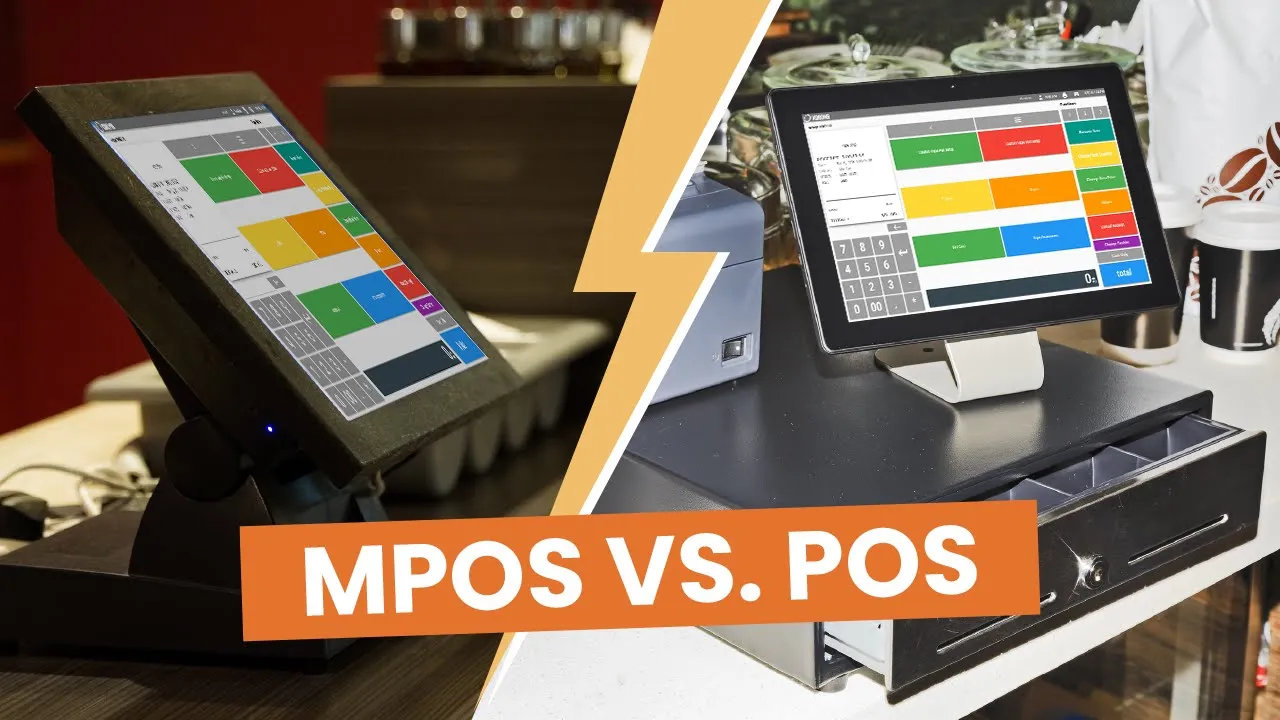
Understanding of Mobile Point of Sale (mPOS) technology and basic hardware requirements for processing in-person transactions.
The core differences between digital e-commerce customer interactions and face-to-face retail sales techniques.
Advanced visual merchandising psychology, focusing on sensory branding, spatial flow, and lighting techniques.
Omnichannel marketing strategies to convert temporary physical event traffic into long-term digital customers through lead magnets and follow-up campaigns.
Performance metrics and financial analysis for retail events, including calculating Return on Investment (ROI) and Customer Acquisition Cost (CAC).
Legal and operational scaling, such as obtaining local business permits, negotiating short-term commercial leases, and acquiring event liability insurance.
33K views785likes12:37Original Release: 2021-03-16
hey everyone it's ashley here and i am bringing you a very important video because i want to share with you guys about an exciting event that i hosted this weekend i actually hosted my very first pop-up shop which was really really exciting if you've been following along on my journey you know that i have been an entrepreneur for many years but in the last um let's say about nine months now i've been in the world of products and so i launched upside goods company which is a candle business where i make small batch candles here out of my home we've been live ever since december 8th of 2020 so we're a few months in and unfortunately things have slowed down quite a bit and i'll be honest i have gotten discouraged by that but an opportunity came about with one of my wholesale clients she actually has a plant shop in town and she said if you ever want to host anything you can set up a pop-up shop out front of my store so i was like okay let's give it a go and see if i can boost some sales so today's video is going to be all about some things that i learned that i wish i would have done differently um some things that i brought with me to set up for this first pop-up shop and then some action items that you guys can take with you if you are planning to do a pop-up shop as well a little bit about what i did is she actually had a table and a little like bar stool that i could sit on to set up in she has a very very tiny shop and so it's kind of like in a flow of traffic i got lucky because her neighbor was actually having a anniversary kind of like party so there were some people already planning to be there but the setup of her shop is that it's a bunch of tiny local shops and there's also like a kind of like eatery area too so there definitely is a flow of traffic which i would absolutely recommend um if you're going to set up for a pop-up shop make sure that it's a space where there already is going to be people coming in whether it's for the business that you're setting up at or there's just going to be like a farmer's market or something like that where there's definitely going to be a flow of traffic and it's not all just reliant on you this is really good for a couple of reasons one because you're going to reach people that otherwise wouldn't know that you're gonna be there and two it just kind of promotes the ambiance of there's people around and so there's like wherever crowds gather people are kind of naturally going to be more comfortable to gravitate towards that space so i started promoting i had the event on saturday and i started promoting because we made last minute plans on about tuesday or wednesday of last week i did instagram stories i made a social media campaign where i shared not only on stories but on my feed and anything that was a post that i was already going to be sharing i put the pop-up sniff in shop what i called it as the second post so a carousel of photos for just giving people that information and i also emailed my list of subscribers to let them know that i was gonna be there so that's what i did in regards to promoting it so it was a bit of a smaller space so i knew that i needed to like really be savvy with the space that i had if i was gonna be at something like a farmer's market or maybe have like more of an eight by ten space which is normally what happens with markets i definitely would have brought more things to kind of set up in stage but i really really didn't have that so she provided me with a table that was probably about four or five feet long and just kind of like i think it was like 17 inches wide so i knew i had enough space to put one of my sizes one of my scents in each size on the table and that took up most of the space i also did bring a table tent which is basically like one of those plastic like eight and a half by 11 where you can kind of like have a menu and so what i did is i put my price list on that and it worked out really well i'll include some photos in regards to what it looked like and if you follow along on my tic toc or instagram you can see i posted a video kind of like our little like behind the scenes of setting it up i will say that again if i was at a farmers market or something like that i would definitely take up more space and and show more product if i could since i couldn't show a lot of product what i did is my husband was so kind and came and helped me that day um i just kept all of my back stock and inventory in the trunk of my car which was parked like literally a stone's throw away so anytime that someone they smelled something and i had different color variations in different sizes if it wasn't shown on my display i would have him go and fetch it and so that worked pretty seamlessly in regards to making sure that everybody got what they wanted but i still had a consistent display of my products out in front of me in regards to how much product i took i took a lot more than i needed um again i'll show the results at the end of this but i think i brought about six of every cent and every size so 12 let's say 12 to 15 of each scent and each size so it it actually added up pretty quickly i had my trunk stocked because i was fearful of not having enough now i do want to share i was only there for two hours so i think next time because she did ask if i wanted to come back thank you so much i think next time what i'll do is i will stay there for a little bit longer and see if i can elongate the sales a little bit in regards to the setup that's what i had what i brought with product i just shared that this is my mental checklist of what i need to tell you guys i brought information i also brought a handful of cards my little matchsticks some accessories that i had that were in stock and business cards and just any information that i felt like i wanted to give them my hand steps stamps some craft bags so i had pretty much everything covered which was really really good so if you're doing a checklist bring enough product bring enough accessories bring enough call to actions care cards things like that so that people can take them with you with them but also find you whenever they're gone and that's really important for anyone who doesn't buy something you want to at least have them leaving with something so it's not empty-handed and of course the way that they can find you something else that i did the night before is i set up a square account so you can go to square.com and you can set up an account if you don't have one already my business is through shopify on ecommerce website and i don't have a point of sale set up so point of sale is pos system you might see that around there anywhere on the internets on the web a point of sale system is basically on demand so i can select what inventory they're purchasing and then i immediately have like a card swipe um i get like a little dongle for my phone and put in the card reader and i can just swipe right there so i don't have to manually enter it's really nice because one it keeps track of the inventory that i brought with me that i can then deduct from my shopify account when i get home but two it gives them a receipt you can either email or text them i always encourage email because you guys know me and i absolutely love email marketing so the more emails that i can get the better and at the end of the day i was easily able to pull up my report to see how much gross sales i had how much net sales i had how much product i moved which was really really helpful for someone like me who absolutely loves analytics and reporting hopefully you guys too it's also important to share that the square account is absolutely free to sign up and use the only thing is is that they do have a processing fee and a transaction fee so just make sure that you're equating that into your bottom line so one of the things that i wished i would have done better and shame on me because you guys know how much i love to promote email marketing and how important it is to get emails the one thing i didn't do and i didn't think about i can't even believe is that i didn't put out an email sign up sheet so i was lucky enough that most people that came by the the booth they ended up purchasing an item which was just like so wonderful and humbling and fantastic and exciting especially after weeks of slow sales that was really nice but there were a handful of people that were just browsing they gave me time to interact with them learn about upside goods what the candles were made of you know such and such but they were like oh you know just not today which is totally fine so i wish i would have had a sign up sheet like a contact list where i would have gotten their first and last name and their email address and i am just like boggled that i can't even believe i didn't do that guys i'm just like embarrassed do as i say apparently not as i do so another tip when you're actually at your pop-up shop and you're operating with it is i really encourage you guys to come up with some sort of like a elevator pitch or engaging speech about your products and i wouldn't make it more than three things so when someone comes up um they usually say hey you know my name is ashley introduce myself and have you heard of upside goods before they are probably saying no because i'm a pretty new business i'll say well i make coconut soy wax candles and then i just kind of go into like a spiel but i make it conversational so i'll ask them if they burn a lot of candles what they like about their candles so it's not just me talking at them it's definitely a conversation between the two of us but i want to make sure that there's always three points that i can share with them so usually something about the product something that brought the brand something about your mission something about you those are things that you can pull from and that worked out really well because i just felt like everyone that stopped by i don't know if it's because of like lockdown and covet and everything but i was just absolutely engaging with everyone on such a level that just like filled my heart so nice to just talk to people even with our masks on it was nice to smile behind them and engage with our customers and just people so i really encourage you guys to have three points that you'd like to share with them if the time allows but also make sure that you're asking them about you know how's their day or you know if they say oh i don't usually buy candles and you can have something other conversation-wise going on but we definitely want to engage and we don't want to feel like we're talking at them the entire time but just allowing ourselves to like slip in bits of information that we already have pre-planned in our head that we definitely want to share about our brand and our business and make sure that those things are things that they can digest easily and potentially share with others because there's nothing better than being in the know about something new and so we want to make sure that yeah we're doing a lot of marketing efforts but we're connecting with people and they can do some marketing for us as well which is sharing okay so i just wanted to give you guys a little wrap up on what the success of the two-hour pop-up shop was for me and i was absolutely blown away um small but mighty movements is definitely what happened for me um i set it up again on a saturday i promoted four days in advance and i was there for two hours from 12 to two there were some other events going on so there's definitely a lot of traffic like going back and forth some people just completely blew past us but most people were able to stop and i would say hey and kind of pull them in as best i could in the two hours i actually sold just shy of 500 worth of product and that came down to about 22 products that i was able to sell so all in all i mean for an average of 250 an hour it definitely worked out and was worth my time and energy while there are some things that i would definitely rework going forward like getting an email list together and having it out so people could sign up i definitely will do it again and i will promote it better and i will only just get better from here so if you're thinking about doing a pop-up shop i absolutely encourage you to do it strengthen the partnership with wherever you're setting up and really bring more than you think you need just in case because the worst fear that i had was not having enough product and at the end of the day i was fine with stocking my shelves back at home knowing that i had enough on hand so that the customers could buy in real time make sure that no customer leaves without some sort of give giveaway or business card or some way to find you so they have that reminder whenever they pull it out of their pocket oh yeah i had a lovely conversation with that person i should follow their brand and just have fun with it it's nice to interact with people it's nice to share about your business take your three things that you definitely want to share with as many people as you can but have fun with it you guys i really hope that this helps if you have any questions or comments please leave them in the comments below and if you'd like to join the candle collective for mentoring and consulting we have that available if you're just here for business tips and tricks i absolutely help with all of that we do mentoring with it as well through mint marketing and guys i am just so thankful for all the support you've shown this channel if there's something that you want to see specifically reach out to me because i'd love to collaborate and connect thanks
Up Next
23:04
Retail Sales Training Strategies to Boost Store Profit | Team Development
@theretailbusinessownerstribe
228 views•2024-07-27
46:36
Retention Habits of Top DTC Ecommerce Brands Revealed
@SendItPodcast
44K views•2026-03-03

15:23
Decoy Effect: How Pricing Psychology Influences Consumer Spending
@bobinvestsUS
90K views•2026-01-05

17:30
The Planned Obsolescence of Light Bulbs and Tech
@veritasium
25.3M views•2021-03-26
Related Study Plans & Knowledge Roadmaps
Structured learning paths in Business
business
Pop-Up Retail: Strategy, Design & Execution
01Introduction to Pop-Up Retail & Strategic Goal Setting
02Budgeting, Site Selection, and Legal Essentials
03Experiential Retail Design & Visual Merchandising
+ 2 more learning modules
15h5 modules
Explore Roadmap
business
Reg CF: Startup Funding, Marketing & Launch
01Introduction to Equity Crowdfunding & Reg CF
02Platform Selection & Legal Preparation
03Crafting High-Converting Campaign Assets
+ 2 more learning modules
14h5 modules
Explore Roadmap
business
Productized Services: Scaling Solo Freelance
01Foundations of Productized Services
02Packaging and Scope Definition
03Pricing and Subscription Models
+ 2 more learning modules
15h5 modules
Explore Roadmap
business
Gov Procurement: Find, Bid & Win Contracts
01Introduction to Government Procurement & Business Setup
02Small Business Certifications & Set-Asides
03Finding and Analyzing Contract Opportunities
+ 2 more learning modules
14h5 modules
Explore Roadmap