








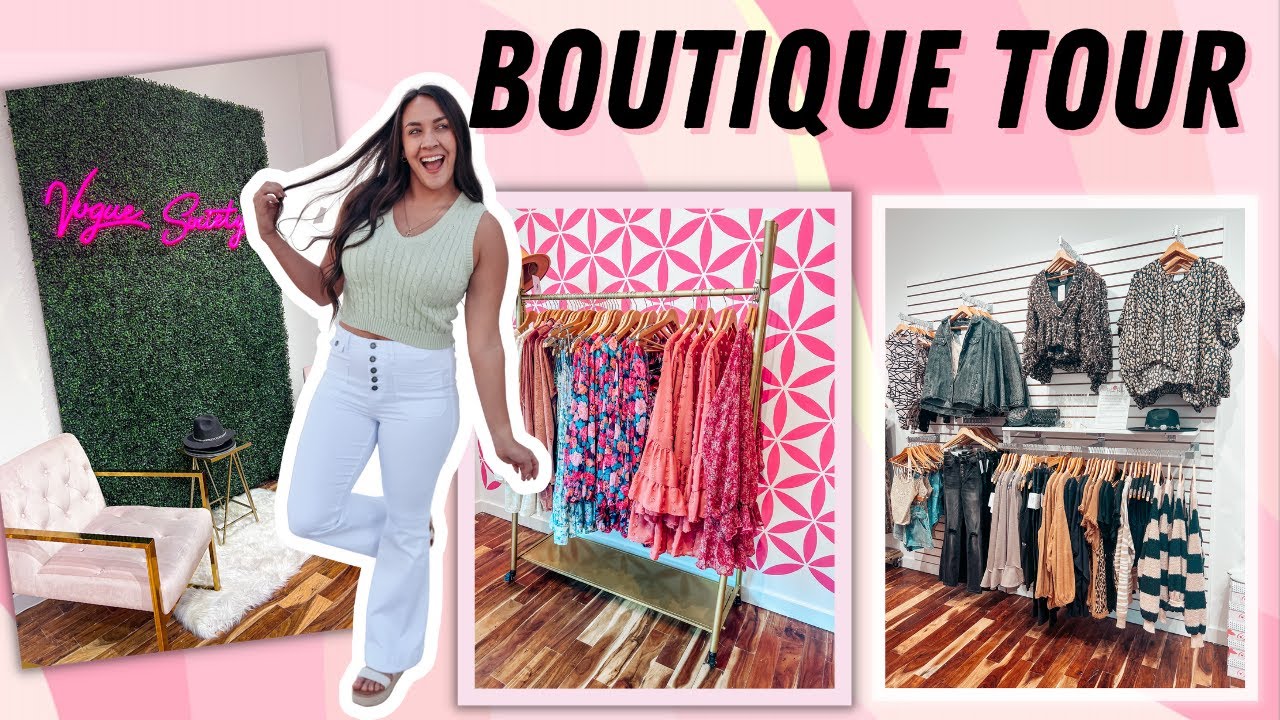







Effective retail store design requires creating dimensional layouts with multiple display layers, strategic placement of best-selling items at the entrance, and visually appealing merchandise arrangements that encourage customer browsing and purchasing.
Boutique Store Remodel: Retail Fixture and Display Tour for Small Business
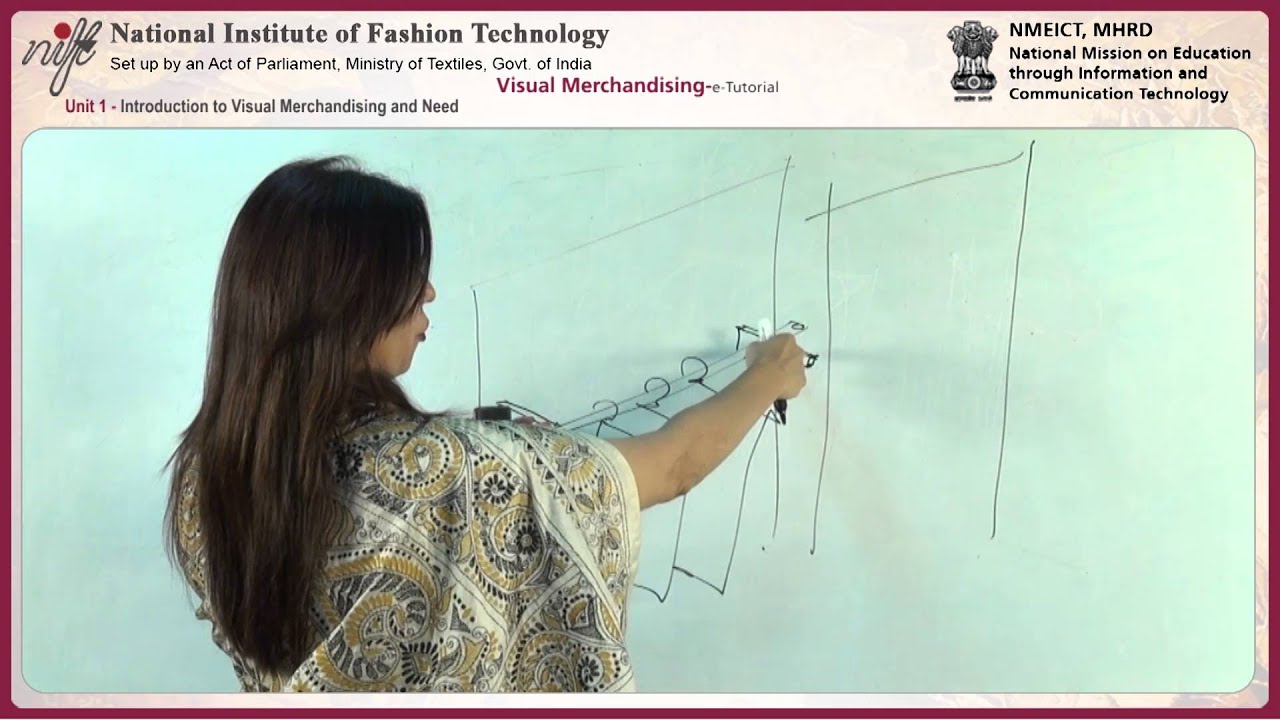
Added:Foundational principles of visual merchandising, including how color, lighting, and product grouping influence shopper psychology.
Basic retail floor plans and spatial layouts (e.g., grid, loop, free-flow) and their impact on customer traffic flow.
Familiarity with standard retail fixture terminology, such as slatwalls, nesting tables, gondolas, and faceouts.
The concept of brand identity and how a store's physical environment communicates its unique value proposition to a target demographic.
Methods for measuring retail space productivity and performance, such as sales per square foot and conversion rate analysis.
The process of creating and implementing planograms to standardize visual displays and maximize inventory capacity.
Budgeting, procurement, and sourcing strategies for commercial fixtures and sustainable retail materials.
Advanced sensory marketing techniques, including how to integrate lighting, scent, and sound with physical display elements to enhance the customer experience.
39.7K views956likes6:13Original Release: 2020-03-26
hi you guys what's up welcome back to my channel I am here at my Reno location all by my lonesome as you guys probably know we are shut down due to all the craziness that's going on but right before our shutdown I remodeled my Reno store and I've been really wanting to show you guys what it looks like right now just cuz we got rid of all of our old fixtures and brought in a brand new setup so let me know what you guys think I really love how it looks when you walk in here because there's just a lot of dimension to this and before we just had like a dining room table and then one little tiered thing so it was kind of just like not you know the most exciting but this just has so many different layers we have like a little bin down here that you know will put little summer sandals in but right now we have a little bag in there our second tier just has some really cute outfit options we always like to put some of our best selling items like right in the entrance when you first walk in we have these really funny new mugs their shits Creek mugs do you guys know that show our customers have been loving these well they loved them when we were open but this is what it's looking like with this really cool jewelry setup right here these are all magnetic so you can move it around switch it up I love that the jewelry is now right here because before it was totally hidden behind this wall these we're all gonna switch up they kind of like drape over each other and it looks a little messy like that doesn't really seem inviting for somebody to browse jewelry you know so we're definitely be switching it up we just got rid of our rice tray because it wasn't too sanitary so we brought in to use new ring holders what else what else this is what it looks like when you walk in we have new tiered racks here I always like to do like little color stories so have it like color-coordinated have little rompers along with a similar printed top you know it just kind of like all looks nice with the same color going on and then you come around back here and we have our little mannequins set up we always sell a lot of jewelry off of our mannequins because people like to see the jewelry paired with outfits and stuff like that and then here is our summer table we had like a little Coachella setup it doesn't look like Coachella is happening anymore so we have little swimsuits and summer things here and then you come over here we have this really cool rack with jeans and graphic tees I'm all about graphic tees right now if you guys are interested in the graphic tee that I'm wearing this is available on my website it's called the wild and free tee we're offering free shipping right now just to kind of encourage people to make purchases purchases with us and it's working out great people love free shipping so I might actually consider continuing that just permanently if I can run the numbers and make it work but yeah so you have all of our little graphic tees here some shoes and then we have this little a-frame shelf display which I love here just some of our little cute cards and stuff and we're always switching the displays up the girls here are really great and merchandising they made this look super cute and then we have this other rack here featuring like a black and white collection and then I'll just kind of show you the rest of our store [Music] we have a whole rack dedicated to animal prints because we love animal prints we had to put this here because people just thought this was like more to the store and they would walk in the bathroom you know a little sale rack back there right now I'm just trying to think of anything I can do to you know bring in some revenue while our store is closed so I think with this I'm gonna make a little $20.00 sale collection on my website and then you know just try to get rid of some of this stuff so $20 with free shipping I'll let you guys know when that's up if you're interested for yourself I was thinking of taking all the pictures for those sale items and here I was just kind of like trying it out and seeing what the background looked like I got these new little planters before all of this happened and we closed got those from home goods more racks but yeah that's what it's looking like I guess I'll continue we took our jewelry display off of this Tower just because we're shut down right now and it's not really a good idea to have your jewelry displayed in the window and there's not a soul in sight it's just insane so not only are we dealing with like the shutdown's we still have all of this construction going on this is like a never-ending construction project but you guys there's nobody it's so weird this is so weird I just can't get over this but yeah we were running a little sale on these jackets as well just trying to get rid of all of our winter stuff because spring is coming up but yeah that's pretty much what this store is looking like I'll show you our little bralette wall how cute is that that countryroads top is on our website but yeah you guys I hope you enjoyed this video a little walkthrough I have a lot of videos planned for you guys since you know my businesses are shut down I'm just trying to stay positive and you know keep things moving keep some sales coming in and try to stay afloat as a business while this shutdown continues so definitely be sure to look out for my next video leave a comment let me know what you guys think about the store and I'll talk to you guys next time bye
Up Next

8:20
Setting Up Shopify POS for Retail: A Step-by-Step Guide
@EcomMasteryYT
9.1K views•2025-05-30

26:22
Walking in the City: Urban Rituals and the Flâneur in Contemporary India
@PSBTIndia
1.9K views•2016-08-02

9:49
FastAPI vs Flask vs Django: Choosing the Right Python Web Framework
@TechWithTim
302.5K views•2024-05-26

1:42
Game of Thrones Opening Credits: A Cinematic Analysis
@gameofthrones
46.3M views•2011-04-18
Related Study Plans & Knowledge Roadmaps
Structured learning paths in General & Interdisciplinary Studies
general-studies
Artificial Light: History, Tech & Human Impact
01The Pre-Electric Era: Fire, Oil, and Gas Lighting
02The Incandescent Revolution and Grid Electrification
03Gas Discharge and Fluorescent Illumination
+ 3 more learning modules
14h6 modules
Explore Roadmap
general-studies
Elevator Engineering: History, Physics & Cities
01From Hoists to Safety Brakes: The Dawn of Vertical Lift
02Hydraulic vs. Traction: The Engineering Physics of Elevators
03Modern Speed, Safety, and Algorithms
+ 2 more learning modules
12h5 modules
Explore Roadmap
general-studies
Rubber: Material Science, History & Geopolitics
01Origins of Natural Rubber & Mesoamerican History
02The Chemistry of Natural Rubber & Vulcanization
03The Geopolitics of the Rubber Boom & Colonization
+ 2 more learning modules
12h5 modules
Explore Roadmap
general-studies
Containerization: Evolution, Logistics & Trade
01Ancient Trade & Bulk Cargo: Amphorae to Barrels
02The Industrial Revolution & Cardboard Packaging
03The Containerization Revolution: Malcom McLean
+ 2 more learning modules
12h5 modules
Explore Roadmap