Pop-up stores create limited-time shopping experiences that drive customer engagement through interactive activities like product sampling, photo opportunities, and prize giveaways, encouraging immediate purchases and social media sharing.
Sol de Janeiro Pop-Up Event Guide: Orlando Disney Springs 2025
Added:Deep Dive
The concept of experiential marketing and how brands use temporary physical retail spaces (pop-ups) to drive consumer engagement and brand loyalty.
ポップアップの裏側に密着
212.3K
A pop-up store is a temporary retail space that creates urgency and exclusivity through limited-time availability. The video demonstrates how brands use pop-up events for new product launches, with advance ticket sales creating demand. The 1600-ticket sellout illustrates how scarcity drives consumer interest. Product categories include outerwear, knitwear, activewear, and accessories. Customer engagement involves direct interaction with brand representatives, product demonstrations, and creating memorable experiences. The video shows how live events build emotional connections between brands and consumers, transforming passive customers into engaged community members.
Click to watch →

라멜린 오디세이 브리즈 퍼퓸 신제품 3종 | 싸마니 기획 | EP.01
66.4K
This segment introduces key marketing concepts: (1) Modern brands compete through planned exhibitions, experiential content, and special offline events, (2) Character collaboration drives 70% of consumer purchasing decisions, (3) Pop-up stores are temporary retail spaces in high-traffic areas like Seongsu-dong that create urgency and exclusivity. The segment also covers fragrance note descriptions: Tuberoza Garden (rose garden scent), Milk Skin (clean laundry-like smell), and Woodsy (sweet yet woody notes).
Click to watch →
Донька 6 років знає IQOS — це обман, що працює. Чому Philip Morris витрачає мільйони на маніпуляції
120.5K
IQOS invests $100,000 to $1 million in pop-up events that appear as cultural experiences rather than advertising. Examples include Antarctic stations, ice rinks, ice rooms, ice bars, and cinema zones. These events feature no direct tobacco references but create environments where IQOS is the implicit context. The scarcity and exclusivity of these events generate social media buzz, with attendees posting content that reaches young audiences through platforms like TikTok, creating a 'fear of missing out' effect that drives brand awareness without explicit advertising.
Click to watch →
【緊急発表】大阪梅田に集まれー!!CIOポップアップ開催!
6.5K
Pop-up stores reinforce brand loyalty by creating memorable experiences for existing customers. The speaker mentions that some customers have visited multiple pop-up stores over time, creating lasting connections with the brand. These repeated interactions help transform casual customers into loyal advocates who actively support and promote the brand. The speaker emphasizes that the goal is to create 'waking up' moments of excitement that strengthen the emotional bond between customers and the brand, making them feel valued and understood by the company.
Click to watch →
![Un garcon stupide DEBRIEF du POP-UP, FIDJI & Maeva Ghennam m'ont RECONNU - REPLAY 5 [11 décembre 25]](https://i.ytimg.com/vi/SVWWTVdIq60/maxresdefault.jpg)
Un garcon stupide DEBRIEF du POP-UP, FIDJI & Maeva Ghennam m'ont RECONNU - REPLAY 5 [11 décembre 25]
2.1K
Pop-up events are temporary retail spaces used by brands to create buzz, engage consumers, and generate exclusivity. The host attended two pop-ups: Snam Cosmetics (Maeva Genam's brand) and Un Garçon Stupide (Franck). She explains her methodology of directly interviewing people she encounters at events rather than relying solely on social media content. This approach allows her to gather authentic insights and build rapport with personalities. The host describes attending a pop-up at 2 AM for a 9 AM opening, with people already waiting at 17:30 the previous day, highlighting the extreme dedication of consumers to obtain free products or exclusive experiences. This demonstrates how brands create demand through scarcity and exclusivity.
Click to watch →
Deep Dive
The psychological principles of exclusivity, scarcity, and 'Gift with Purchase' (GWP) strategies in retail promotion.

Scarcity and Exclusivity Elevates Perception and Desire #KemiUltra #PersonalGrowth #WealthCreation
1.2K
Scarcity and exclusivity elevate perception and desire because when access is limited, value skyrockets as people crave what feels rare and unattainable; this is a positioning principle where luxury lives where availability ends, meaning when everyone can't have it, everyone wants it more.
Click to watch →
How to Create Exclusivity or Scarcity in Your Business
177
Creating exclusivity (like Ferrari's waiting list) and scarcity (like Amazon's 'only 4 left' indicators) are powerful marketing tactics that elevate brand perception, increase perceived value, and motivate customers to make quicker purchasing decisions by eliminating the 'maybe' response, though businesses must ensure scarcity is authentic and not fabricated.
Click to watch →

Exclusivity and Retail Chains - What to Know!
771
When selling to retail chains, you should generally avoid agreeing to exclusivity requests because they limit your product's market reach; however, if a buyer insists, you can negotiate limited exclusivity for a short period (weeks or months) or a head start on market entry, and only consider full exclusivity for major retailers like Walmart when the sales volume is substantial enough to justify the restriction.
Click to watch →
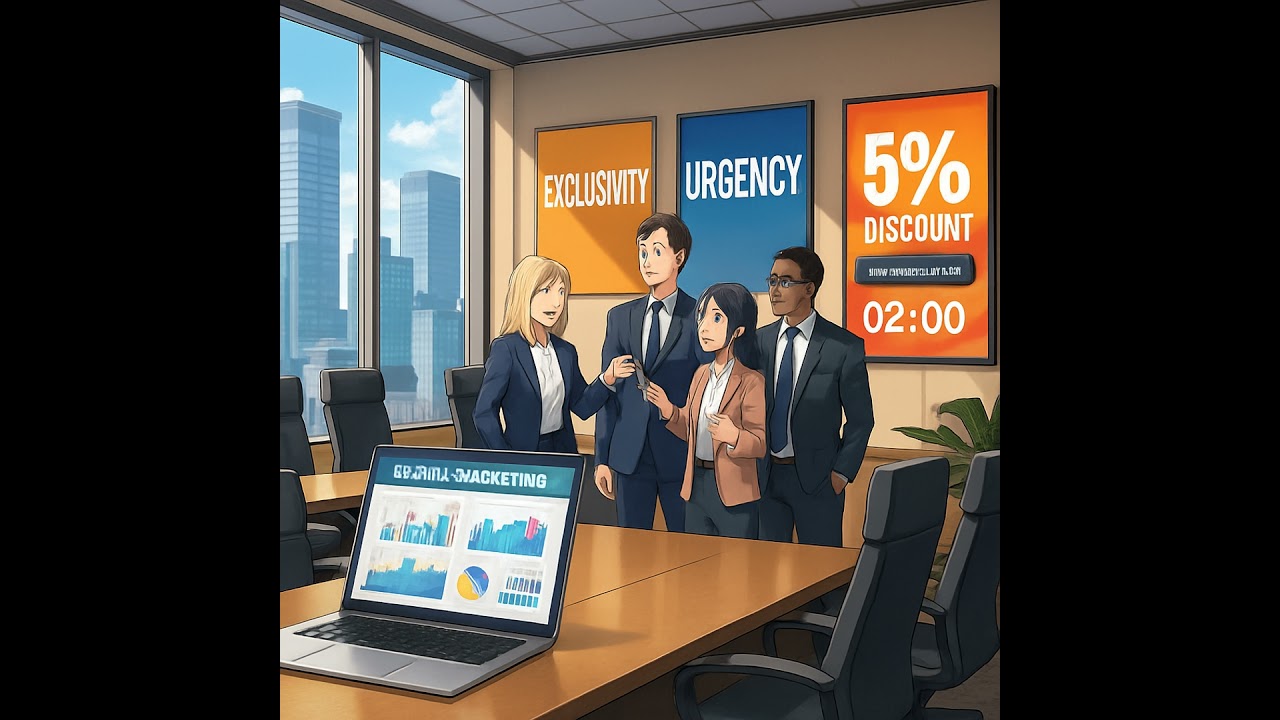
B2B Scarcity & Exclusivity: Drive Demand and Close Deals Faster
314
Scarcity and exclusivity are powerful B2B marketing strategies that leverage limited availability and selective access to drive demand and accelerate sales decisions by triggering FOMO (fear of missing out) and creating perceived value through restricted access; effective implementation requires data-driven approaches including limited-time offers for high-value prospects, early access programs for key decision makers, VIP communities for loyal clients, strategic product bundling, and alignment with sales enablement teams, as demonstrated by successful brands like Nvidia and Amazon.
Click to watch →

Exclusivity Costs Money
23K
Exclusivity in relationships costs money because when a woman becomes exclusive, she gives up potential future husbands, dating opportunities, financial support from other men, freedom, and time. Women should not agree to be exclusive without receiving something worth it in return. Being single means dating and having options, not being alone. Men should not rush to ask women to be their girlfriend because this is a quick way to get somewhere without earning or courting properly. Women should not agree to exclusivity without first proving themselves as a boyfriend through actions and investment.
Click to watch →
Deep Dive
An overview of Sol de Janeiro's brand positioning, product portfolio (particularly fragrance mists and body creams), and target demographic.

VLOG COMPRINHAS DE AUTOCUIDADO NA SEPHORA 🎀 Body Splash, maquiagem, skincare, cabelo
98.8K
Sol de Janeiro is a viral beauty brand created in the United States but using Brazilian ingredients. The brand has gained massive popularity on social media platforms like Instagram and TikTok. Their product line includes body splash (scented body mists), body cream, body oil, body scrub, and various other body care items. The products feature distinctive packaging and are known for their sweet yet woody fragrances. The brand offers both full-size and mini versions of their products, with prices ranging from R$ 178 to R$ 280 depending on size.
Click to watch →

I tried EVERY new body mist so you don't have to
63.3K
Sol de Janeiro offers four body mists: Dance Mystica ($26 for 3 oz), Aqua Mystica ($26 for 3 oz), Flora Mystica ($26 for 3 oz), and 39 ($26 for 3 oz). Dance Mystica has fig champagne, green anise, pear, iris, lily of the valley, sandalwood, vanilla, and amber but has an odd quality. Aqua Mystica is a juicy, fruity, summery beachy scent with tangerine, pineapple, neroli, jasmine, peony, salt, skin, and white cedar. Flora Mystica is a coconut floral that is lifted and fresh. 39 (formerly Cocoa Cabana) has coconut, vanilla, orchid, praline, and sandalwood for a gourmand, edible, sugary beachy scent.
Click to watch →
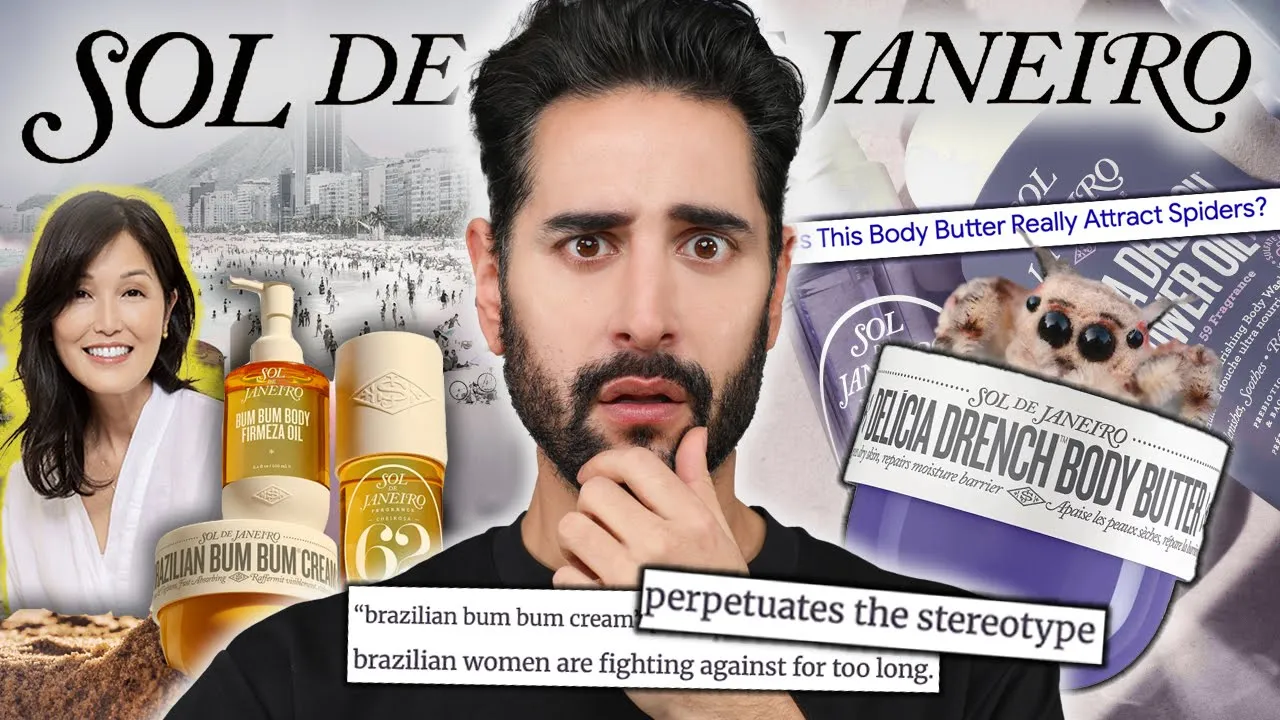
From Bum Bum Cream to Backlash: Is Sol de Janeiro More Style Than Substance? – Behind The Beauty
170.1K
Soul de Janeiro successfully positioned itself between drugstore basics and clinical brands by offering luxurious yet affordable body care products. Unlike generic drugstore options or expensive clinical treatments, Soul de Janeiro offered vibrant packaging, fun product names, amazing scents, and Brazilian feel-good body-positive energy. The brand celebrated existing bodies rather than trying to fix them, making consumers feel like they were relaxing under a Rio sun.
Click to watch →

MY SOL DE JANEIRO COLLECTION #shorts #soldejaneiro
731.9K
The Sol de Janeiro collection features matching skincare and fragrance products including Rio Dio deodorant, Bum Bum Cream, perfumes (number 62 and 68), body wash, and brightening creams, all characterized by a distinctive cotton candy vanilla cloud scent that the creator enthusiastically recommends.
Click to watch →

NEW SOL DE JANEIRO CHEIROSA 59 PERFUME MIST REVIEW 💜 | Soki London
35.3K
Sol de Janeiro is a Brazilian beauty brand owned by Americans, famous for their Brazilian Bum Bum Cream. They have expanded into perfume mists priced around £25, offering good projection for the price. Their range includes popular scents like number 68 (similar to Ariana Grande Cloud) and number 39 (praline/whipped cream scent, now discontinued). Limited editions like 'Bikini Season' offer unique orange-floral profiles. The brand celebrates Brazilian vibes while maintaining accessibility through affordable pricing and good value for money.
Click to watch →
Deep Dive
The role of high-traffic commercial hubs, like Disney Springs, in facilitating brand activations and capturing tourist retail spend.
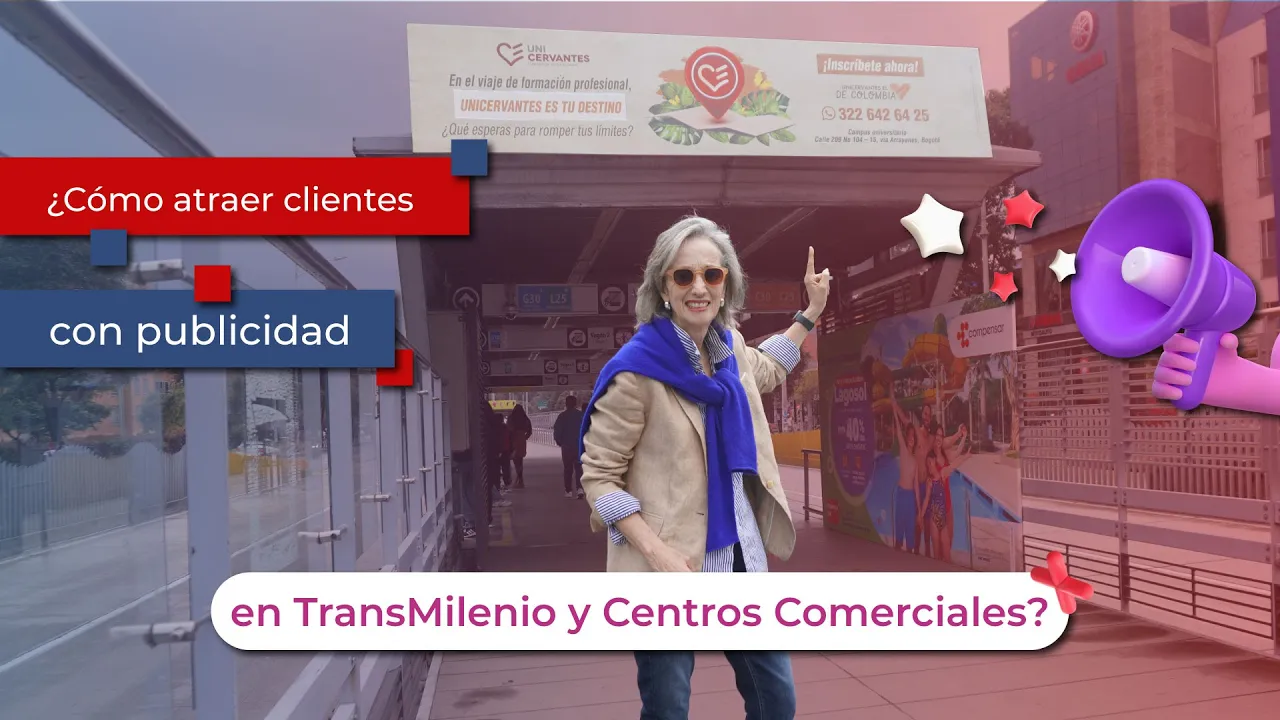
¿Cómo Atraer Clientes con Publicidad en TransMilenio y Centros Comerciales?
49.4K
Major shopping centers, such as Plaza Imperial in Bogotá, attract millions of visitors monthly, making them prime locations for brand advertising. The high foot traffic ensures that brands can reach a large and diverse audience. These spaces offer various advertising formats including overhead panels, elevator branding, escalator branding, and digital circuits.
Click to watch →

L'ouverture de la boutique Kusmitea de Saint-Lazare
1K
The opening of Kusmi Tea's first French store at the renovated Gare Saint-Lazare demonstrates how premium retail brands strategically target high-traffic transportation hubs to access affluent customer segments, with the station's 450,000 daily passengers and 3 billion euro commercial district providing ideal conditions for luxury product placement and brand visibility.
Click to watch →
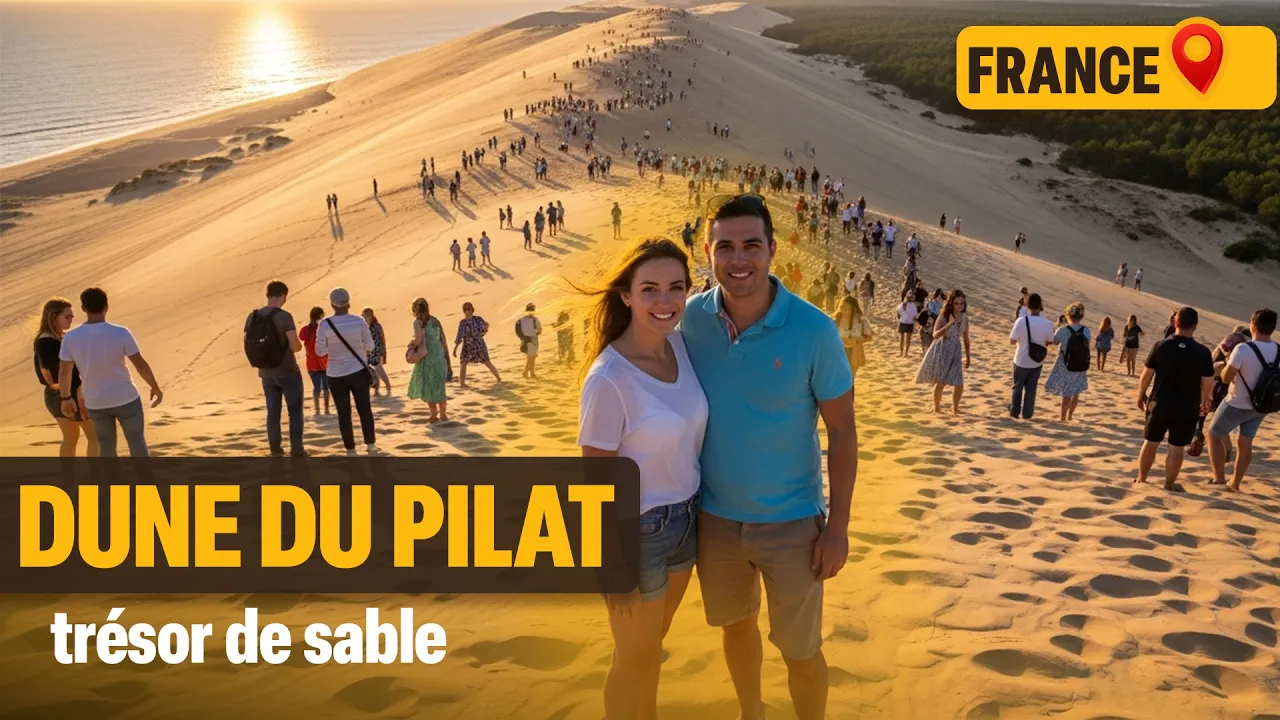
Ils viennent du monde entier découvrir la plus haute dune d'Europe
3.2K
Successful retail near major attractions employs specific strategies to maximize sales. Positioning high-margin products at eye level, offering exclusive items unavailable elsewhere, and maintaining diverse product ranges for different customer segments are key tactics. The Syndicat Mixte's souvenir shop sells 15,000 magnetic keychains annually and generates substantial t-shirt revenue, with Françoise's boutique selling 6,000 t-shirts yearly. These operations demonstrate how location-based retail thrives when products are carefully curated to match tourist interests and spending patterns, with textiles representing 60% of revenue.
Click to watch →

5 Megatrends Curious Marketers Should Know | Changemakers | JCDecaux UK
1.1K
In the UK market, approximately 60% of advertising spend goes to activation while only 40% goes to brand - this ratio should be reversed. Many firms cut advertising during pandemics because it's flexible and seen as an immediate cost. The Adidas case study demonstrated that when Google keywords dropped in Latin America, the company realized most value came from brand, not activation, leading to a strategic shift toward traditional media platforms.
Click to watch →
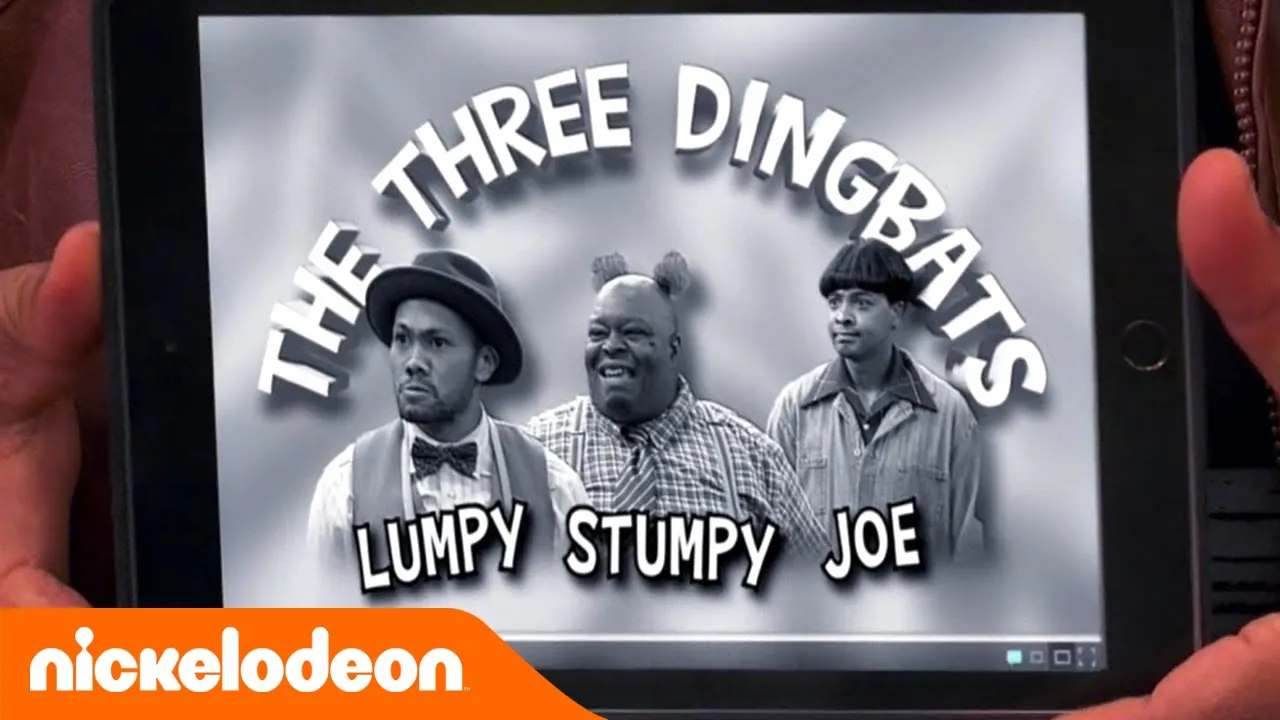
Game Shakers | Les Trois Idiots' | Nickelodeon France
183.4K
In this scene from Game Shakers, the characters demonstrate a marketing strategy by placing their logo on a bench in a busy Brooklyn neighborhood, where approximately 12,000 people pass by daily, making it an effective location for brand visibility and audience engagement.
Click to watch →
Prerequisite Knowledge
- Concept 01The concept of experiential marketing and how brands use temporary physical retail spaces (pop-ups) to drive consumer engagement and brand loyalty.
- Concept 02The psychological principles of exclusivity, scarcity, and 'Gift with Purchase' (GWP) strategies in retail promotion.
- Concept 03An overview of Sol de Janeiro's brand positioning, product portfolio (particularly fragrance mists and body creams), and target demographic.
- Concept 04The role of high-traffic commercial hubs, like Disney Springs, in facilitating brand activations and capturing tourist retail spend.
Subsequent Learning
- Step 01Key Performance Indicators (KPIs) and analytical frameworks used to measure the ROI of experiential marketing campaigns.
- Step 02Omnichannel marketing strategies that convert temporary physical interactions at a pop-up into long-term e-commerce customer lifetime value.
- Step 03The impact of viral social media marketing (e.g., TikTok beauty trends) on driving physical foot traffic to brand events.
- Step 04Strategic analysis of venue-brand partnerships, examining how entertainment destinations collaborate with consumer packaged goods (CPG) brands.
Pop-up tour
Sephora perks
Event urgency
Pop-up tour
0:01Playing Section
- 1
Visited Sol de Janeiro pop-up at Disney Springs.
- 2
Offers product sampling and photo opportunities.
- 3
Hosts lockers with miniature prize giveaways.
The Environmental and Consumerist Critique of Pop-Up Marketing
While pop-up events like the Sol de Janeiro experience generate social media excitement, critics argue they represent the excesses of modern experiential marketing. From an environmental perspective, temporary physical installations and the production of plastic-heavy, travel-sized 'free gifts' contribute significantly to short-term waste and carbon emissions. Furthermore, critics point out that these events leverage artificial scarcity and 'FOMO' (fear of missing out) to encourage impulsive consumerism, transforming communal leisure destinations like Disney Springs into hyper-commercialized spaces dominated by viral micro-trends rather than sustainable, meaningful experiences.
Deep Dive
Key Performance Indicators (KPIs) and analytical frameworks used to measure the ROI of experiential marketing campaigns.
Hotel KPIs: Erfolgsmessung & ROI im Hotelmarketing | Teil 6
129
Hotels can transform their marketing from a cost center into a profit generator by implementing data-driven KPIs (Key Performance Indicators) such as Direct Booking Share (targeting over 50%), Cost Per Acquisition (CPA), and Return on Investment (ROI), using a dashboard with a traffic light system for monitoring, which enables strategic budget allocation and has been shown to increase direct bookings from 35% to 55% while generating 25% more revenue with the same budget.
Click to watch →
All You Need To Know About Influencer Marketing
48.2K
Key Performance Indicators for influencer marketing include: (1) Campaign Reach - measures brand awareness impact through audience size, follower growth, content views, impressions, and total reach; (2) Social Engagement - measures audience interaction through likes, comments, shares, brand mentions, and campaign hashtags; (3) Conversions - most important KPI as it directly correlates with ROI, including sales, subscriptions, downloads, or newsletter signups; (4) Campaign ROI - calculated using Earned Media Value (EMV) which compares influencer post performance to paid campaign costs. Setting specific, numeric, and achievable goals for each KPI ensures proper campaign evaluation. Variables affecting ROI include time of year, influencer affinity for your brand, and product decision time (higher-priced products have longer decision processes).
Click to watch →

KPIs y ROI en el Inbound Marketing
26.3K
Inbound marketing ROI is measured through a funnel of metrics: visits, leads (people who provide contact information), MQLs (Marketing Qualified Leads matching the ideal customer profile), and SQLs (Sales Qualified Leads ready for sales engagement). The key KPIs include organic traffic growth, blog subscriber count, and proper attribution of customer acquisition across channels. While clients primarily value SQLs as the ultimate ROI metric, a comprehensive measurement should also account for branding impact and the full value of marketing assets built over time.
Click to watch →
Pazarlama İletişimi Düzenlilik Gerektirir - Pazarlama Terimleri | Creator Talks
539
Key Performance Indicators (KPIs) are metrics that measure campaign success, including clicks, video views, messages received, and landing page visits. They help marketers understand what they are prioritizing. Return on Investment (ROI) measures the profitability or value gained from marketing campaigns, representing the actual return or profit obtained. The fundamental difference is that KPIs measure campaign objectives and activities, while ROI measures the financial outcome and return on investment. ROI is particularly important for accountability, as it reveals the gap between engagement metrics and actual sales results.
Click to watch →
Performance Marketing Full Course 2026 | Performance Marketing Tutorial For Beginners | Simplilearn
951
Key Performance Indicators (KPIs) are specific metrics showing exact business impact, while metrics are general measurements. KPIs are action-oriented and tied to specific timelines. ROI calculation: (Revenue - Cost) / Cost × 100. For service businesses, cost includes time investment. For e-commerce, ROI considers customer lifetime value minus acquisition cost. Attributed ROI measures sales growth from marketing minus organic growth, divided by marketing cost. Different business models require different ROI approaches: non-recurring revenue (one-time purchases) uses simple ROI, while recurring revenue (e-commerce) considers customer lifetime value over time.
Click to watch →
Deep Dive
Omnichannel marketing strategies that convert temporary physical interactions at a pop-up into long-term e-commerce customer lifetime value.

Welcome to our live show!
104
This section addresses omnichannel strategy and customer lifetime value considerations in modern marketing. Key insights include: (1) Brands with diversified omnichannel presence gain optionality—allowing strategic choices like constraining holiday offers knowing they can compensate through retail partnerships or new product launches throughout the year; (2) Brands without diversification feel obligated to extend sales to meet financial targets, undermining brand positioning; (3) The ideal approach creates sufficient growth in other areas so holiday periods become strategic choice points rather than financial necessities; (4) Based on aggregate data analysis, expected year-over-year growth for Black Friday and Cyber Monday periods typically falls within an 8-12% range from a contribution margin standpoint; (5) Research on customer retention reveals that customers acquired during deep discount periods like Black Friday often exhibit different behavior than regular acquisitions, with studies showing 98% of doorbuster sale customers never returning as they were primarily deal hunters seeking specific items rather than loyal customers.
Click to watch →
Przepis na sukces multibrandu w 6 lekcjach: e-commerce w pigułce | o e-commerce z Ewą Wysocką
67.9K
Omnichannel strategies significantly increase Customer Lifetime Value by providing multiple touchpoints throughout the purchasing journey. The ROPO model (Research Online, Purchase Offline) demonstrates that customers with multiple interaction options tend to spend more over time. However, omnichannel implementation is not suitable for every business model. Customers who can interact with a brand across multiple channels have higher probability of completing their entire journey. Successful omnichannel integration requires seamless connection between physical and digital channels, presenting challenges for multibrands without physical presence competing against established omnichannel players.
Click to watch →
Maximizing Profitability: How Brick-and-Mortar Retailers can Successfully Adopt E-Commerce
241
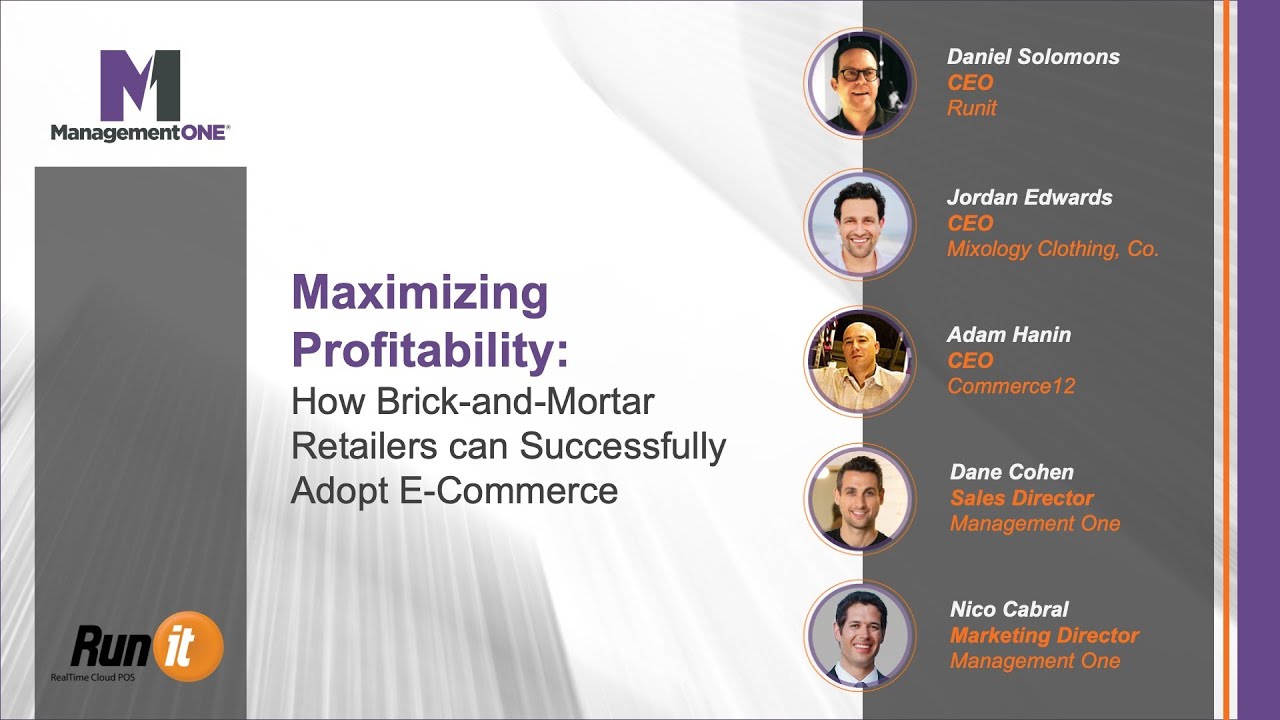
Omnichannel customers—those shopping across both online and physical channels—demonstrate dramatically higher lifetime value ($2,000) compared to single-channel customers ($100-$400). This 20x difference creates compelling justification for digital investment. The strategic imperative shifts from choosing between online and offline to integrating both seamlessly. Retailers must develop strategies specifically designed to convert single-channel customers into omnichannel shoppers, recognizing that this conversion represents the primary pathway to sustainable profitability in modern retail.
Click to watch →

Marketing Is Changing FAST: THIS is The BIGGEST Opportunity of 2023
38.7K
Linear marketing with immediate sales pressure is outdated. Modern customers are savvier and require a longer sales cycle, with 53.65% of customers purchasing after 60 days. The average customer interacts with a brand across 34 touchpoints before making their first purchase. Marketers must diversify across multiple channels including Messenger, SMS, LinkedIn, TikTok, YouTube, Pinterest, and especially email lists. This approach builds authority, trust, and gives customers control over their interaction with the brand.
Click to watch →
Hacia el 'marketing' del futuro
10.7K
Customer value varies significantly based on purchasing channel diversity. Customers who purchase exclusively through a single channel (physical stores) have an average annual value of approximately 280 euros and purchase frequency of 3.7 times per year. In contrast, customers who purchase across multiple channels (combining physical, online, and remote channels) demonstrate substantially higher value, with average annual value of nearly 900 euros (approximately 3x higher) and purchase frequency of 7.5 times per year (approximately 2x higher). This demonstrates that omnichannel purchasing behavior directly multiplies both customer value and purchase frequency.
Click to watch →
Deep Dive
The impact of viral social media marketing (e.g., TikTok beauty trends) on driving physical foot traffic to brand events.

PARIS VLOG | pop-up | work in fashion | flea market | the row first store
6.1K
Social media platforms like TikTok can significantly impact the success of physical events. The speaker noted that many attendees at their popup came specifically because of their TikTok videos, demonstrating how content marketing and social media presence can drive real-world engagement and foot traffic to physical events.
Click to watch →

Sind wir fertig mit Figuren sammeln? | Figurbetont Podcast Folge 112
206
Social media platforms, particularly TikTok, significantly influence event attendance and popularity. A single video can generate substantial engagement metrics such as 56,000 views, 1,000 saves, and 600 shares, demonstrating how digital content can drive real-world foot traffic to physical events.
Click to watch →

Почему мы все хотели Carmex, EOS и Baby Lips?
52.6K
Rhode (Kylie Jenner's brand) achieved viral success through TikTok, photo booths at events, and influencer marketing campaigns. The brand's viral bath bomb product, which transforms into a face mask after dissolving, exemplifies minimal investment with maximum virality. This demonstrates how social media platforms can rapidly scale beauty brands without traditional advertising budgets.
Click to watch →

Oklahoma Influencer Mary Hatheway on Top Tulsa Attractions & Content Creation
475
Social media content can drive significant physical traffic to businesses. When Readers posted about Swedish candy on TikTok, people drove from Arkansas to the store specifically to purchase the candy, resulting in the store selling out. This demonstrates the power of online content in attracting customers from outside the local area.
Click to watch →

VENDIMOS 370 cajas cajas sorpresas con @callmejorge 😲
2.9K
This segment demonstrates how social media platforms like TikTok can drive massive customer traffic to physical sales events. A small business attracted hundreds of attendees by offering attractive prizes (70-inch TV, generator, tools) for the first three arrivals. Customers typically spend $800-$3,000 per person, making the event highly profitable. The business operates with minimal resources using tablets for payments instead of traditional cash registers. This illustrates how social media creates urgency, drives foot traffic, and enables small businesses to compete with larger retailers through strategic marketing.
Click to watch →
Deep Dive
Strategic analysis of venue-brand partnerships, examining how entertainment destinations collaborate with consumer packaged goods (CPG) brands.

Business of the Business 229: Guest Romy Glazer Former Anthem Sports & Ent Marketing Executive
252
Strategic venue partnerships provide access to existing infrastructure, shared marketing channels, and cross-promotional opportunities without significant advertising investment. Partnerships may include shared email lists, co-branded promotions, and venue-specific audience access. Cross-promotional brand relationships generate mutual benefits through talent exposure and audience cross-over. When wrestlers appear on competing brands' programming, it creates excitement and curiosity among fans of both promotions. These relationships also facilitate business partnerships like card promotions and merchandise collaborations.
Click to watch →

Activating Partnerships for Product-Based Founders with Samantha Carroll
100
Strategic partnerships are relationships forged between brands to activate mutually beneficial outcomes and improve the connection with target consumers. According to marketing expert Seth Godin, people do not buy goods and services—they buy relations, stories, and magic. Therefore, brands need to create experiences and connections with consumers, and partnerships serve as catalysts for scaling CPG brand growth in sales, reputation, and visibility.
Click to watch →

Introduction to our 6k in May campaign and Week 1 training: Brand it like a boss!
291
Brand partnerships with venues (like Hilton) provide powerful PR benefits and brand positioning. Partnerships can include: (1) Advertising on venue digital platforms, (2) Preferred vendor status, (3) Co-branded pitch decks for clients, (4) Email marketing opportunities. The value proposition should focus on mutual benefits and brand association.
Click to watch →

Nelk Boys and Happy Dad Founders Reveal Secrets Behind the Business!
347.1K
Major venues like arenas and stadiums represent significant distribution opportunities for beverage brands. Happy Dad secured partnerships with venues including the Crypto.com Arena (LA Clippers), Bridgestone Arena (Nashville), Allegiant Stadium (Vegas Raiders), Yankee Stadium, and PNC Park (Pittsburgh Pirates). These partnerships provide high-visibility brand exposure and access to large, engaged audiences, demonstrating the value of venue partnerships in brand building.
Click to watch →
Eric Nicks & James Cruz on DMX punching Chris Lighty, Tony Yayo pulling a gun & more | Drink Champs
371.8K
Successful entertainment brands form strategic partnerships with complementary companies to expand their market reach. The Vitamin Water partnership exemplified this approach, combining 50 Cent's urban market influence with Glacial Water's distribution capabilities. These partnerships require identifying mutually beneficial synergies between different business entities.
Click to watch →
Pop-up tour
Sephora perks
Event urgency
Pop-up tour
0:01- 1
Visited Sol de Janeiro pop-up at Disney Springs.
- 2
Offers product sampling and photo opportunities.
- 3
Hosts lockers with miniature prize giveaways.
The Environmental and Consumerist Critique of Pop-Up Marketing
While pop-up events like the Sol de Janeiro experience generate social media excitement, critics argue they represent the excesses of modern experiential marketing. From an environmental perspective, temporary physical installations and the production of plastic-heavy, travel-sized 'free gifts' contribute significantly to short-term waste and carbon emissions. Furthermore, critics point out that these events leverage artificial scarcity and 'FOMO' (fear of missing out) to encourage impulsive consumerism, transforming communal leisure destinations like Disney Springs into hyper-commercialized spaces dominated by viral micro-trends rather than sustainable, meaningful experiences.
The concept of experiential marketing and how brands use temporary physical retail spaces (pop-ups) to drive consumer engagement and brand loyalty.
The psychological principles of exclusivity, scarcity, and 'Gift with Purchase' (GWP) strategies in retail promotion.
An overview of Sol de Janeiro's brand positioning, product portfolio (particularly fragrance mists and body creams), and target demographic.
The role of high-traffic commercial hubs, like Disney Springs, in facilitating brand activations and capturing tourist retail spend.
Key Performance Indicators (KPIs) and analytical frameworks used to measure the ROI of experiential marketing campaigns.
Omnichannel marketing strategies that convert temporary physical interactions at a pop-up into long-term e-commerce customer lifetime value.
The impact of viral social media marketing (e.g., TikTok beauty trends) on driving physical foot traffic to brand events.
Strategic analysis of venue-brand partnerships, examining how entertainment destinations collaborate with consumer packaged goods (CPG) brands.
47.6K views2.2Klikes0:21@hannanoellevlogsOriginal Release: 2026-04-09
Come with me to the Sol de Janeiro pop-up at Disney Springs. This pop-up is so fun. They had product sampling, cute little photo opportunities, and these lockers of luck where you can win the cutest little minis. Inside Sephora, they have some fun freebies with purchase, like this adorable customizable tote. I love how mine turned out. This is your sign to run over to the pop-up because it's only here for 4 days.
Up Next

76:24
Finetuning RoBERTa for Multi-Label Toxic Comment Classification with PyTorch
@rupert_ai
43.2K views•2022-01-03

12:54
Triumph of Orthodoxy Icon: Byzantine Art & History Explained
@BenCallan
2.1K views•2024-08-06

9:49
FastAPI vs Flask vs Django: Choosing the Right Python Web Framework
@TechWithTim
302.5K views•2024-05-26

1:42
Game of Thrones Opening Credits: A Cinematic Analysis
@gameofthrones
46.3M views•2011-04-18
Related Study Plans & Knowledge Roadmaps
Structured learning paths in General & Interdisciplinary Studies
general-studies
Elevator Engineering: History, Physics & Cities
01From Hoists to Safety Brakes: The Dawn of Vertical Lift
02Hydraulic vs. Traction: The Engineering Physics of Elevators
03Modern Speed, Safety, and Algorithms
+ 2 more learning modules
12h5 modules
Explore Roadmap
general-studies
Rubber: Material Science, History & Geopolitics
01Origins of Natural Rubber & Mesoamerican History
02The Chemistry of Natural Rubber & Vulcanization
03The Geopolitics of the Rubber Boom & Colonization
+ 2 more learning modules
12h5 modules
Explore Roadmap
general-studies
Containerization: Evolution, Logistics & Trade
01Ancient Trade & Bulk Cargo: Amphorae to Barrels
02The Industrial Revolution & Cardboard Packaging
03The Containerization Revolution: Malcom McLean
+ 2 more learning modules
12h5 modules
Explore Roadmap
general-studies
Textile Tech: Evolution, Labor & Global Impact
01Pre-Industrial Textiles: Handloom & Cottage Industry
02Mechanization: The Spinning Jenny to the Power Loom
03The Factory System & Global Labor Transformation
+ 2 more learning modules
10h5 modules
Explore Roadmap