










![어려운 현대 미술 가장 쉽게 정리했습니다 - 사실주의/인상주의/고흐/고갱 [정말 쉬운 모더니즘 일타정리 1강]](https://i.ytimg.com/vi_webp/5-arKkgSqFo/maxresdefault.webp)




Romanticism was an artistic and literary movement that emerged in the late 18th century and dominated the first half of the 19th century, representing a dramatic break from the Enlightenment's Neoclassicism by emphasizing individualism, emotion, imagination, and self-expression over logic, scientific observation, classical influences, harmony, and humanity's triumph over nature; it spread across Europe and the United States, influencing literature, music, painting, and architecture, with key themes including nature's sublime power, the solitary genius figure, national identity, and exotic Orientalism, and it paved the way for later movements like Impressionism while leaving lasting legacies in modern art.
Romanticism Art Movement: Key Figures and Lasting Influence
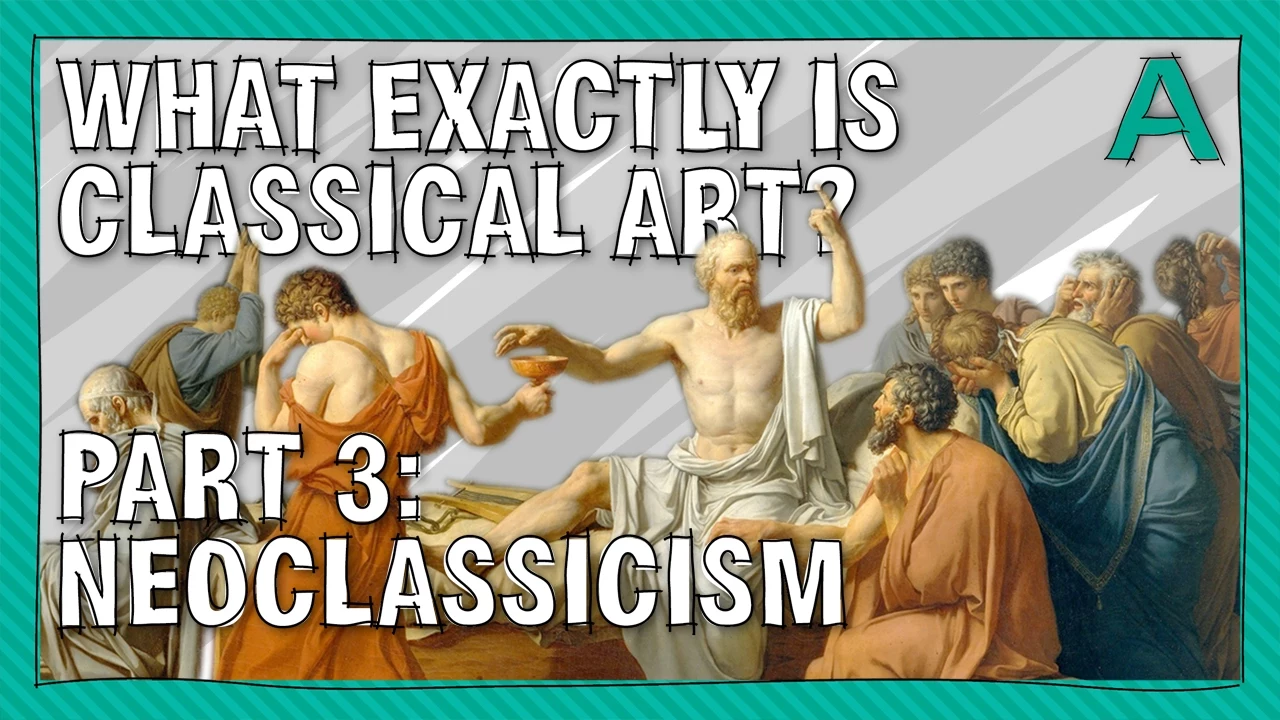
Added:Understanding Neoclassicism: The artistic movement characterized by order, symmetry, and classical themes that Romanticism directly rebelled against.
The Enlightenment (Age of Reason): The philosophical shift toward rationalism and empirical science, which provoked the Romantic emphasis on raw emotion and intuition.
The French and Industrial Revolutions: The major socio-political and economic upheavals of the late 18th century that fueled themes of nationalism, escapism, and the power of nature.
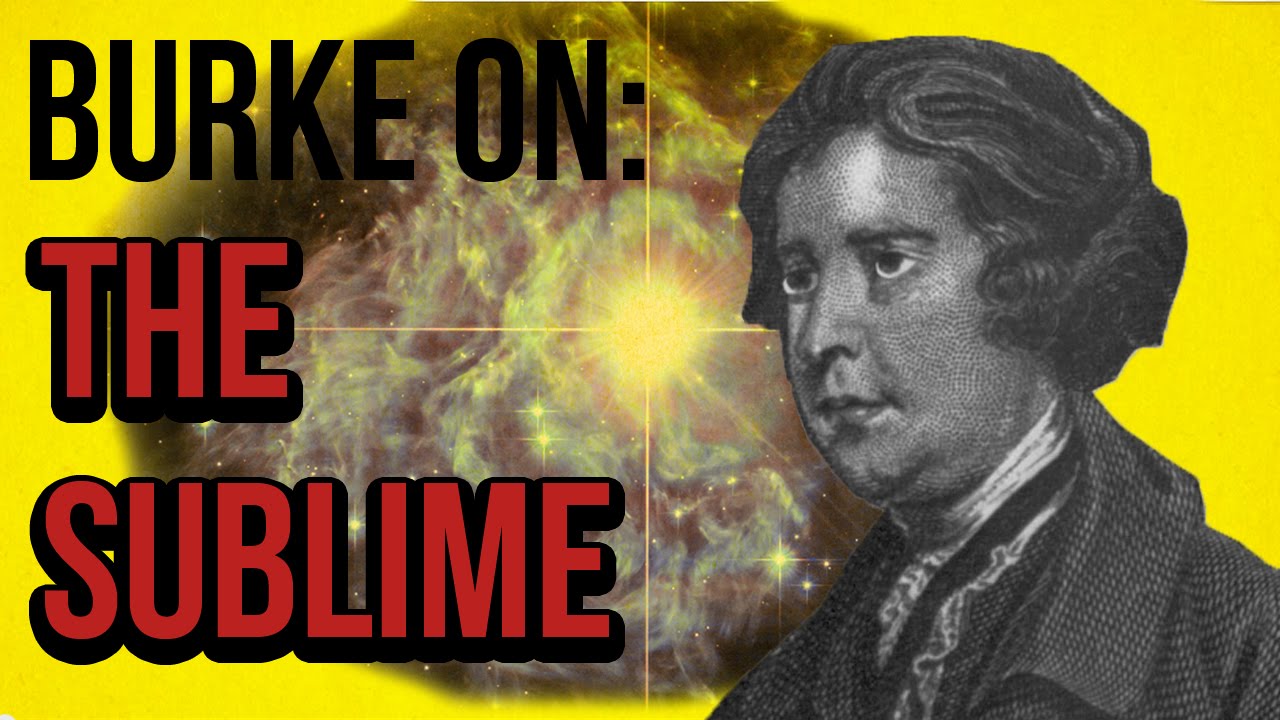
The philosophical concept of 'The Sublime': Particularly Edmund Burke's theories on how terror, vastness, and awe in nature evoke the strongest human emotions.
The Rise of Realism: Exploring how artists like Gustave Courbet reacted against Romantic subjectivity by depicting the unidealized, gritty realities of everyday working-class life.
Precursors to Modernism and Impressionism: Analyzing how the expressive brushwork and light experimentation of Romantics like J.M.W. Turner influenced later modern art movements.
Interdisciplinary Romanticism: Investigating how Romantic ideals manifested in 19th-century literature (e.g., Byron, Shelley) and classical music (e.g., Beethoven, Chopin).
Visual Art and National Identity: Studying how Romantic landscape painting and historical depictions contributed to the rise of European nation-states and nationalist movements.
38K views541likes9:53Original Release: 2021-09-12
hey there I'm Danny and I'm Rob and this is the art story podcast now Rob what are your thoughts about Romanticism oh oh I love a good romance La La Land Mulan Rouge High School Musical all snuggled up on the couch with the cat and a pizza with extra cheese uh that's not quite what I had in mind and that's not exactly romantic in my book but to each his own no the Romanticism I'm thinking of was an artistic and literary movement that came out of the late 18th century and basically dominated the first half of the 19th what so no Romeo Romeo wherefore art thou Romeo well Romeo and Juliet is certainly romantic and the Romantic Movement was all about feelings and Imagination and self-expression that pretty much covers all art then doesn't it well we're so used to the cliche of so-called artsy people with so-called artistic temperaments that we've forgotten that feelings and Imagination and self-expression actually represented a big break from the neoclassicism of the Enlightenment period in the 18th century let's put what we know about neoclassicism up against Romanticism and play Spot the [Music] Difference one neoclassicism was logical and informed by science and observation ah but Romanticism was all about individualism and emotion two neoclassicism Drew on classical art and philosophy but the romantics tended to hark back to Medieval Times and folk Traditions three neoclassicism emphasized Harmony and balance yes but Romanticism was all about change and radical ideas for neoclassicist celebrated the Triumph of human beings over nature Romanticism reveled in the savagery of [Music] nature so did I win well Romanticism certainly won it took over from neoclassicism as the main influence on artists afterwards right up to the present day in fact boom before there was Romanticism there was a German movement called Stern and Dr oh one of my favorite double acts it means storm and stress and the literature and music that came out of it was all about passion and anguish and emotion H like most relationships then exactly with the Romantic hero positioned as a lone and brooding genius eternally torn between his best and worst qualities ah I know all about that I'm not sure about the genius bit but anyway do go on Sturm and D gave r to Romanticism which quickly spread throughout Europe and the United States challenging the ideals of the Enlightenment to tell us more about Romanticism here's Kimberly Cooper the very seasoned and extremely passionate senior writer at the art story hey Kimberly hi Danny hi Rob when we look at impressionist or cubis paintings we can immediately see how the style of the paintings fit their label but that doesn't really seem to be the case with Romanticism you're right r manism encompassed all genres literature music art and architecture and it's hard to pinpoint one particular style because one of the things about Romanticism was that artists put great value on originality inspiration and Imagination the French Revolution inspired artists to turn to scenes of rebellion and protest and embrace the struggle for freedom and equality and justice well overthrowing a monarchy and a feudal system and launching a New Era based on Liberty equality and fraternity must have had a profound impact on politics and society and religion and ideas all over Europe painters started making dramatic compositions of current events to shed light on Injustice they delved deep into the emotional moods and psychological states of both themselves and Collective society and they redefined themselves as brilliant creators who couldn't be tied down by AC academic rules and tastes romantic painters initially chronicled the military campaigns of Napoleon emphasizing the intense emotion and suffering and the Paris salons were scandalized by this move away from classical myths and biblical scenes to contemporary subjects the leader of the Romantic Movement was delaqua with his expressive use of color to depict emotions he even used his art to support the uprising of the people of Paris as one French poet described it Romanticism is precisely situated neither in choice of subject nor in exact truth but in a way of feeling so what were some of the other things that romantic painters had strong feelings about well in Spain you had Goya who depicted the nightmarish horrors of War but on a more Sublime note nature was a big theme especially how human beings relate to Nature in many countries painters started painting out of doors as the French put it correct by closely observing nature and the sky and the weather they elevated landscape painting to a new level of respectability some artists emphasize The Human Experience of feeling at one with and a part of nature others portrayed Nature's power and unpredictability a mixed with Terror a yes so Romanticism produced one of my alltime favorite paintings The Wanderer above the Sea of Fog by Casper David Friedrich he said close your bodily eye that you may see your picture first with the eye of the spirit and there you have it this lone figure in a frock coat with his back to the viewer contemplating the vastness and desolation of nature so landscape painting becomes this allegory for the loneliness of the human soul and a place in creation all very angsty isn't it and in England you have these amazing works by Turner they called him the painter of light and it's incredible when you see his paintings how modern they look you wouldn't want to get caught in one of those Turner storms would you know yeah talk about storm and Dr did you know that Turner is said to have had himself tied to the master of a ship for 4 hours during a nighttime snowstorm to experience the Roar power that he wanted to put into the painting I think it's going a bit too far for your art personally but the world would be a lot poorer without Turner and Constable you Brit certainly caught the Romanticism bug yeah we're not quite as repressed as you think Constable closely observed nature but combined it with a deep sensitivity he used dabs of local color and white to create shimmering light oh I love Constable's clouds well actually I love clouds period another theme that fascinated Romantics was the Middle East painters projected all their desires and fears of the mysterious unknown into their pictures of Africa and Middle Eastern scenes Napoleon bonapart campaign to Egypt helped Inspire an interest in its ancient cultures so you begin to see Egyptian columns obelisks and sphinx sculptures and paintings of the time when we look at neoclassicism we see how Architects take on a lot of styles from ancient Roman Greece which were being discovered by archaeologists but it seems that in the 19th century buildings also took on this Oriental style and then there's a more European Gothic Revival harking back to the aere ornamentation of medieval buildings that's right and it wasn't all about Grandeur either Romanticism became closely bound to the emergence of nationalism that swept through many countries after the American Revolution drawing upon local folklore traditions and Landscapes romanticists created pictures that boosted national identity and pride a kind of call for Spiritual renewal that could usher in an age of freedom and Liberties that hadn't yet been seen it's all very exciting so why did it fade away I don't think it has entirely artists are still often seen as independent and passionate Visionaries who are in tune with the deeper nature of reality but by the 1830s with the discovery of Photography and increasing industrialization and urbanization art tended either more towards realism or took the notion of evoking feelings to the next stage which can be seen through the birth of impressionism but if you look closely through the modern art Cannon you will see strains of the brooding romantic alive and well think Jackson Pollock's tempestuous splatters or Andy goldsworthy Odes to the unpredictability of nature o I'm feeling inspired I'm off to stand at the shore of a turbulent sea to contemplate my place in the universe see you I take a towel if I were you rob thanks for joining us Kimberly thank you remember there are many more fascinating stories about the world's greatest artists in art movements and Analysis of their best works at theartstory.org
Up Next
12:47
History of Landscape Painting: Eastern & Western Traditions
@slbarsness
17.6K views•2021-01-11

114:18
Christian Iconography: History, Theology, and Meaning | Fr. Panayiotis Papageorgiou
@Trisagionfilms
58.8K views•2020-02-21
7:48
Ukiyo-e Art: History, Woodblock Printing & Influence
@japanathand
6.3K views•2023-06-08

16:34
Earliest Depictions of Jesus in Art: 10 Ancient Images Explained
@UsefulCharts
5.9M views•2022-06-03
Related Study Plans & Knowledge Roadmaps
Structured learning paths in Art History
art-history
Gothic Cathedrals: Engineering, Light & Society
01The Birth of the Gothic: Romanesque to Suger's Vision
02The Structural Triad: Pointed Arches, Ribbed Vaults, and Flying Buttresses
03Theology of Light: Lux Nova and Sacred Geometry
+ 2 more learning modules
14h5 modules
Explore Roadmap
art-history
Pre-Raphaelites: Realism, Symbolism & Critique
01The Victorian Art Establishment and Academic Formula
02The Founding of the PRB and Radical Realism
03Medieval Revivalism and Literary Symbolism
+ 1 more learning modules
8h4 modules
Explore Roadmap
art-history
Street Art: From Subways to Art Market
01Subcultural Origins in Philadelphia and New York (1970s)
02The Subway Era and Style Wars (Late 1970s - 1980s)
03The East Village Scene and Early Gallery Crossover
+ 2 more learning modules
10h5 modules
Explore Roadmap
art-history
Classic Maya Art: Iconography, Glyphs & Ritual
01Foundations of Classic Maya Visual Culture
02Deciphering Maya Hieroglyphs & Text-Image Integration
03Sacred Geography and Cosmological Architecture
+ 2 more learning modules
14h5 modules
Explore Roadmap