
















Subtle, restrained performances that convey complex emotions through minimal expressions are equally valid and impressive as showy, transformational acting; these performances require actors to embody characters so completely that viewers perceive only genuine emotion rather than performance, making nuanced micro-expressions and reactions essential tools for storytelling.
The Art of Subtle Acting: Micro-Expressions in Film
Added:Understanding the distinction between theatrical acting (stage projection) and cinematic acting (internalized performance).
The fundamental psychology of micro-expressions and universal human emotions, pioneered by researchers like Paul Ekman.
Basic film terminology and visual grammar, particularly the use of close-up shots and camera framing to capture detail.
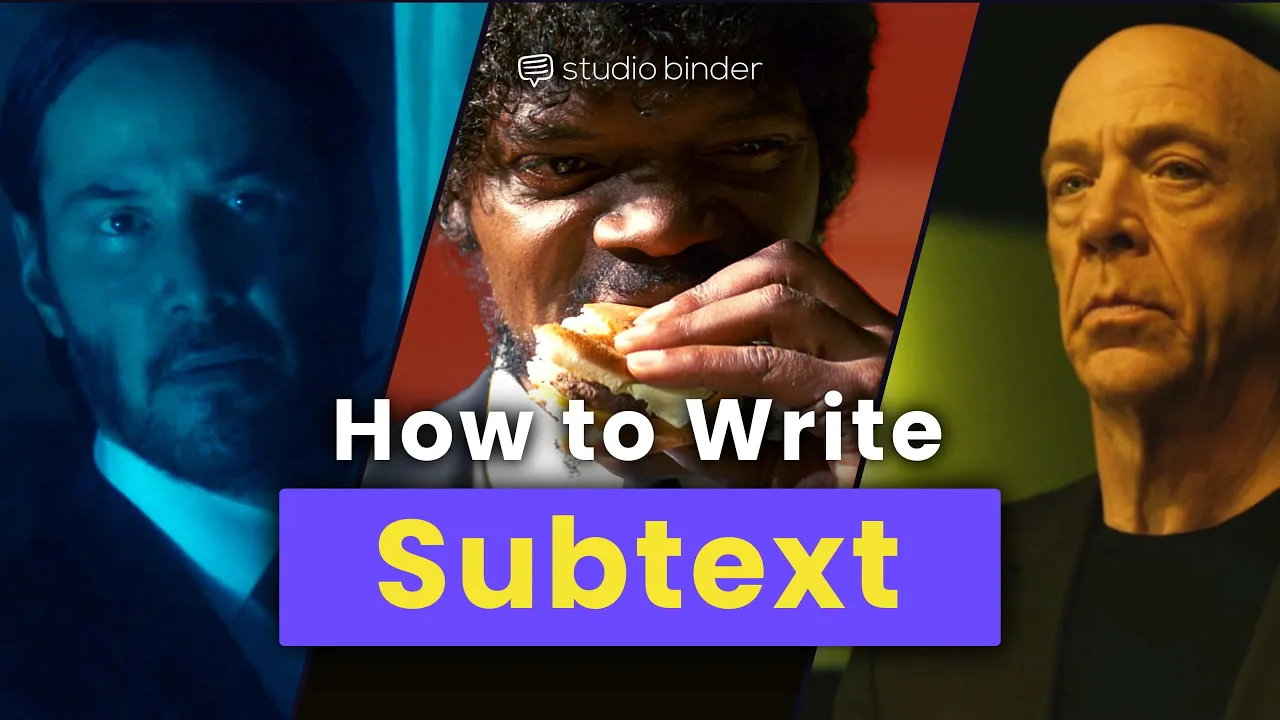
The concept of dramatic subtext—how underlying tension, secrets, and unexpressed thoughts differ from the spoken dialogue.
Advanced character analysis techniques, specifically evaluating how actors use 'inner monologue' to generate genuine, involuntary micro-expressions.
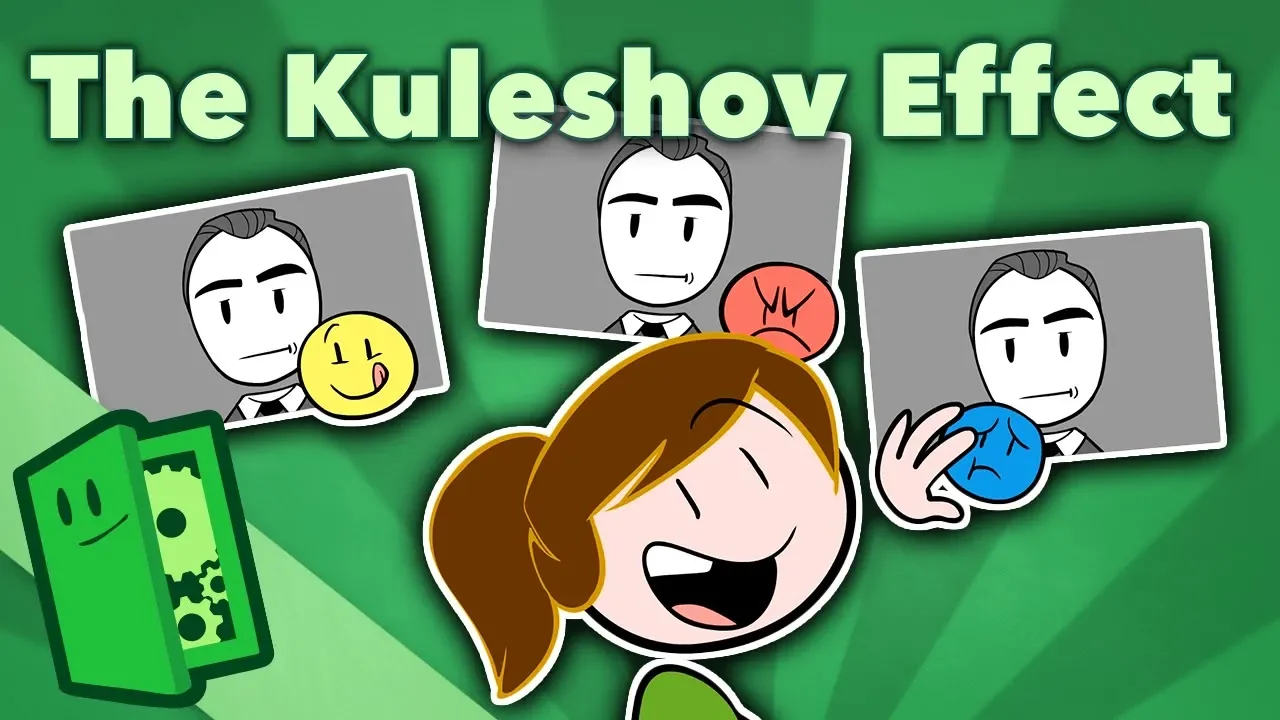
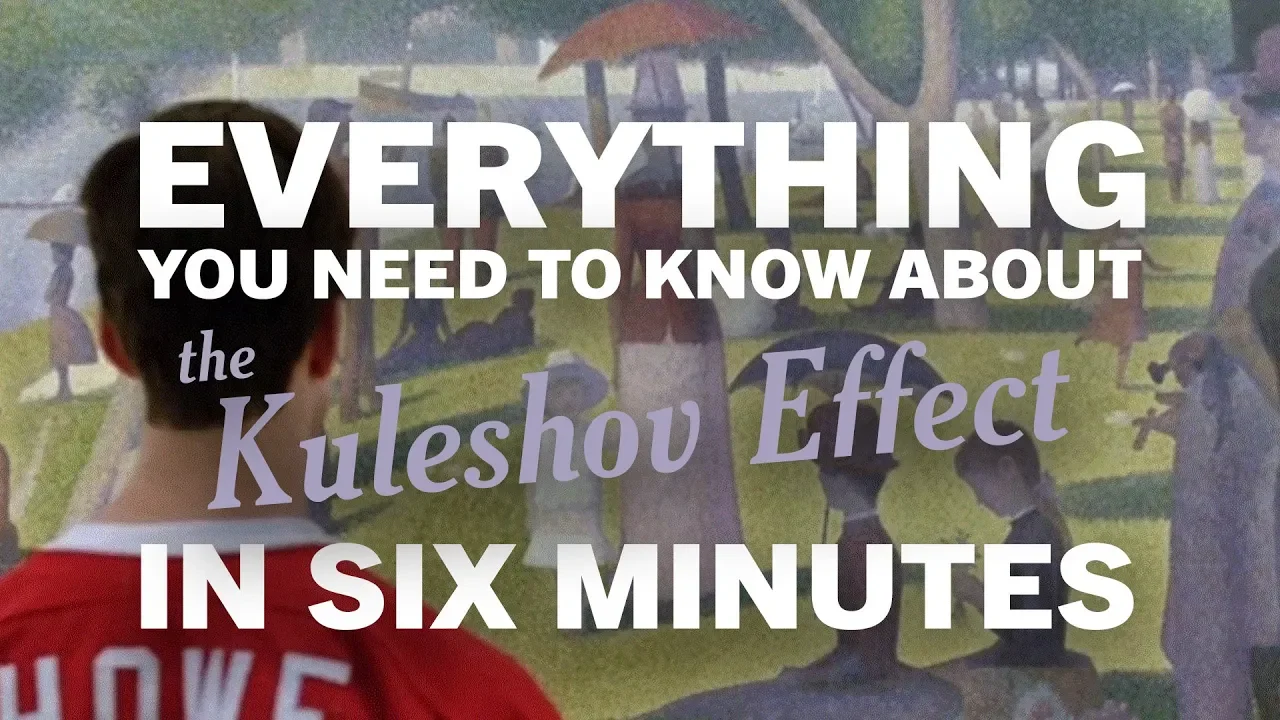
The Kuleshov Effect and how film editing, juxtaposition, and musical scoring manipulate the audience's perception of subtle facial cues.
Practical exercises in screen acting or directing, focusing on minimizing overt physical movement to maximize emotional impact on camera.
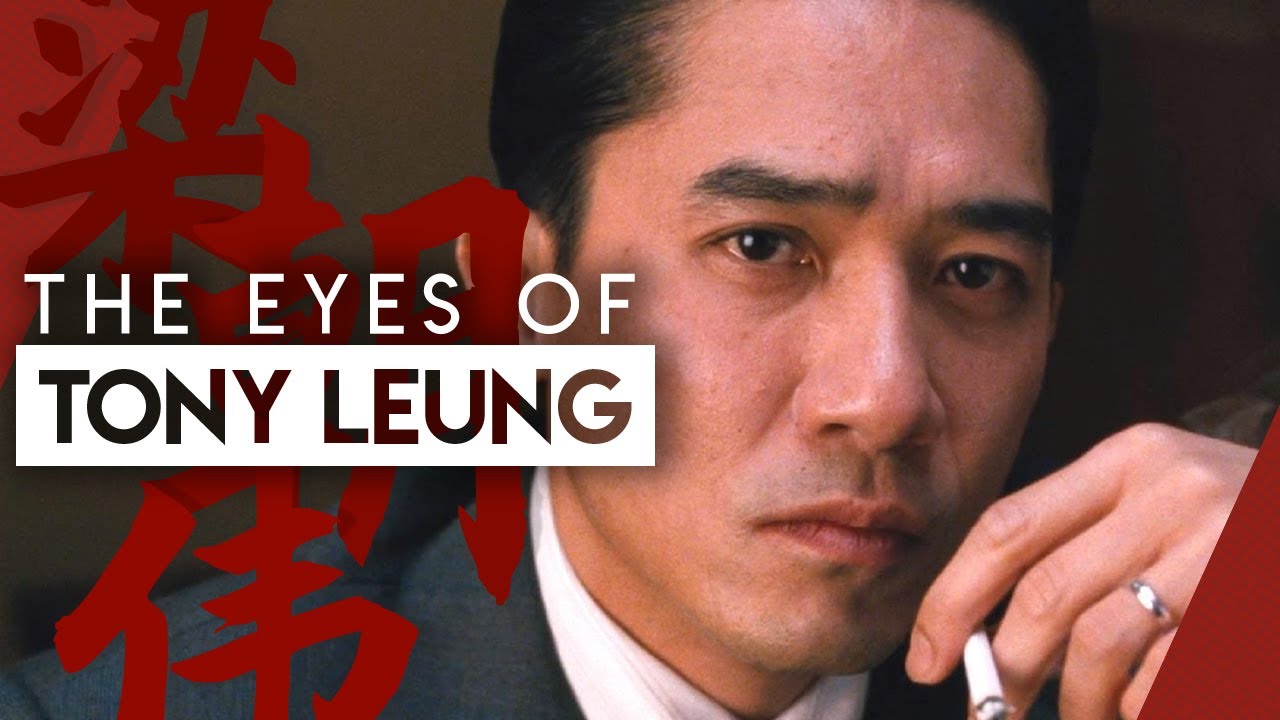
Deconstructing acclaimed 'quiet' performances in global cinema (such as the works of Tony Leung, Isabelle Huppert, or Joaquin Phoenix) to study nonverbal storytelling.
6.5M views234.8Klikes14:38Original Release: 2022-11-09
What for?
For fun. I'll do anything for fun.
How much can a single expression convey? Steven Yeun is one of my favorite actors working right now and one of my favorite performances from him is his restrained ambiguous work as Ben in Lee Chong Dang's Burning.
Jung-Su. Do you like pasta?
I'm not going to spoil the movies I talk about in this video but here's some context for this one: Jung-Su has randomly reconnected with a friend from school, Hae-mi who he has an unexpressed crush on, meanwhile Hae-mi while she's off on a trip abroad becomes friends with wealthy and mysterious Ben who she's interested in. It's classic Love Triangle stuff but there's another layer here. There's this scene where they all go to dinner with some of Ben's rich friends and Hae-mi at Ben's encouragement is demonstrating a dance she learned while she was traveling Jong-Su is watching her and then looks over at Ben and catches him yawning and then Ben gives him this look. There's so much in this brief moment; a feeling that he doesn't really care, a kind of contempt, that she's just a play thing to him. But there's also this element of bringing Jun-Su into that feeling. There's a "you know" sort of aspect to the look that feels like it's trying to make Jung-Su complicit in Ben's behavior. Something that is found only in Steven Yeun's performance, that alludes to a whole world of subtext that eventually becomes very important to the film .
This video is sponsored by Curiosity Stream.
Sign up for the Curiosity Stream plus Nebula bundle and watch my full companion video for this video about screen presence on Nebula You have nothing.
When people talk about "best performances" in film a lot of stuff comes up, and a lot of it is this kind of thing. The big evocative roles, the roles that require the actor to transform themselves into a character completely in some way.
For the Oscars it's even better if that transformation requires some kind of challenging element like weight loss, prosthetic makeup, or an accent.
Like so much of the rest of the Oscars it can sometimes feel like the awards go to most acting and not necessarily best acting.
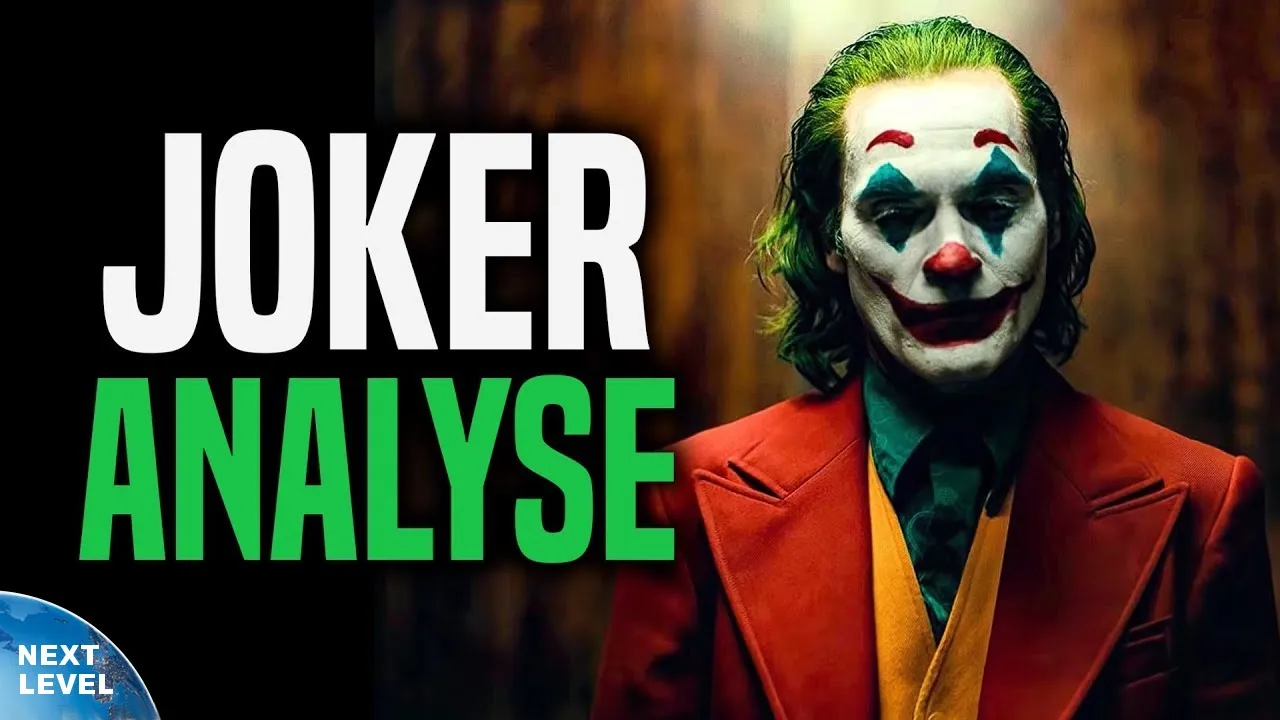
I think one of the reasons The Joker has become such an enduring screen character isn't necessarily because he's just a more compelling villain, but because he's become a character that is a playground for bold expression that the regular boundaries of performance may not allow.
And actors enjoy lining up and taking their swing at the role almost as much as audiences enjoy watching those swings.
And this video is not about how these kinds of performances are bad.
I love an... "I've abandoned my boy"...moment as much as anybody.
In fact my favorite actor Tilda Swinton, while she definitely can play subtle roles, often doesn't.
One of the reasons I love her work is in part because she's willing to go way overboard and transform herself into all manner of absurd character for even small supporting roles.
So I'm not here to bash that kind of acting I think it's great.
But in all the praise for this kind of showy and transformational acting I think some of the best performances or moments of performance can get overlooked.
So I want to showcase an aspect of performance that I think is less recognized but no less impressive.
These moments are not ones where the actors transform themselves but ones where they seem to disappear into a character where you can no longer see the actor on screen performing and instead just see their character feeling the emotion of the drama.
Often what sets these kind of performances apart is the subtlety with which these actors can convey deep rich and complex emotion with their faces and their bodies.
They've embodied the character to the point where they communicate what they want to communicate through the character not just with line delivery but with even the tiniest of expressions.
Sometimes these subtler reactions and expressions can play a very important role within the story itself: besides the Steven Yeun character in "Burning," Daniel Kaluuya in "Get Out" is another great example of this.
Kaluuya plays the big emotions in this movie well, but even more importantly his reactions to the world around him gives the film subtext a lot of weight and helps guide the audience into the absurdity of the experience.
"Such a privilege to be able to experience another person's culture" -like the way this look right here telegraphs: "yeah I know what you *really* mean.
The exact subtext of a lot of Daniel Kaluuya's reactions in the first part of this movie are just as important as any of the lines the other characters are saying.
Another recent performance I think is really great is Florence Pugh in Midsommar.
She nails the big outpouring of emotion necessary for certain scenes but I think almost more impressive is her command of a subtler, smaller moments.
The film opens with the death of her family and look at this moment where a friend brings it up: "also I I never had the chance to tell you but I was I was so very sorry to hear about your loss" "oh" "what happened I mean" -I the way her expression sort of melts into a subtle grief... It's the kind of thing that looks like it could only really be an automatic reaction to a sudden memory or realization.
There's a similar moment from a bit part in The Darjeeling Limited that always gets me: The three brothers show up at their father's mechanic to pick up his car on the way to his funera,l and the way the mechanic subtly responds to finding out the father died: "you'll have to wait another week I left a message" "yeah he didn't get the message Mr. Whitman is dead you understand."
"Jimmy Whitman?"
...For some reason to me one of the saddest things in the film.
Continuing on this theme of grief Rooney Mara conveys it powerfully in David Lowry's "A Ghost Story."
Sometimes grief can leave you frozen in shock and that seems like it should be easy to pull off for an actor you just don't move.
But there's a tension and involuntary element to what looks like genuine shock that is different from just not moving and here.... there's the smallest involuntary twitch that somehow sells this moment as more authentic.
One of the reasons I think I'm drawn to these kind of subtle moments is that I think they often convey a kind of complexity of emotion that isn't necessarily there in bigger outbursts.
Pulling off the big outbursts in a way that feels authentic is certainly a challenge, but what about the nuance of expressing repressed emotion?
What about when you want the audience to perceive that the character is feeling an emotion and also perceive that the character is trying to hold that emotion back?
Amy Adams does it here in Spike Jones' "Her" in this moment where her character wants to cry but is also obviously trying not to.
"Charles and I split up."
"what?"
"yeah really" Or what about the complexity of multiple emotions arising at once?
Oscar Isaac nails this in HBO's remake of "Scenes From a Marriage." In this scene he and his wife, played by Jessica Chastain, decide to keep an accidental pregnancy.
"Ava'll be thrilled."
"And your parents."
"oh God yeah" -And this little moment of expression......is amazing.
The amount of fear hope and trepidatious joy that are all somehow fighting to come out at once, even while he attempts to hold them back is incredible to me.
I find this kind of thing compelling because in my experience I think this is what a lot of real life emotion is actually like. Sure there are the big yelling and punching the wall moments for some people, sometimes, but I think far more frequently there's emotion that people are trying to conceal or that is a tangled mix of different emotions instead of just one big one.
Riz Ahmed has this great moment in "Sound of Metal" where he asks his mentor and sobriety sponsor for money: "I was wondering Joe I don't know if it's possible, I need money."
"Just to buy back my RV you know me me and Lou is all we have."
...and the way grief and shame seem to bubble to the surface while he fights it back hits me every time watching this.
People talk a lot about range in acting as the ability to play different types of characters but I think there's also a kind of range in terms of intensity.
We all know Joe Pesci for the sinister intensity that he has in "Goodfellas:" "funny how? I mean what's funny about it?" "he's a big boy he knows what he said. What'd you say funny how?"
This guy is right on the edge. You don't want to mess with him. He feels like he could snap at any moment and he's genuinely terrifying.
"tell me tell me what's funny" So it's impressive to me that in "The Irishman" his character is no less sinister and threatening.
"There's been a change instead of uh we're going up right away we're gonna hang around tomorrow morning and then go up drive up."
"But I told Jimmy that we were gonna be up in the morning I told Jimmy we were going to be up in the morning."
"I know" Even though the intensity of the performance is dialed way back until it almost disappears.
"We got to go there I mean I gotta go I got I told him I'd be there."
"Frank. We did all we could for the man."
The fact that he can convey something so similar through completely different levels of intensity is why he's one of the greats.
When I talk about these kinds of subtle expressions I think rarely are they a very conscious choice by the actor.
I don't think Rooney Mara is acting that scene thinking "my neck is going to twitch and that's going to make it feel more real."
Rather this kind of subtlety is the result of the actors finding a way to actually experience or feel the emotions they're trying to convey and the subtle micro expressions are the result of that.
But one of the reasons I've never talked about acting despite the fact that I've made over 100 videos about film and television now is because the craft is kind of a mystery to me.
When I listen to actors talking about their craft there's not a consistent approach that wins out and seems to be the best and when actors talk about how they accomplish these kinds of performances.
It's often very esoteric and it's all about arriving at a point of authenticity and sometimes completely differing techniques can get you there.
Sometimes they refine things through extensive rehearsal and sometimes actors find that in the spontaneity of a first take.
It's kind of impossible to reverse engineer a performance just by looking at the screen and trying to figure out what the actor did to get there.
And so I think talking about technically what makes for good acting is a pretty difficult feat.
All I can really do is look at these performances and assess how authentic or unforced it feels to me.
I think a lot of these techniques are just finding a way to access genuine emotion and then this very realistic expression comes out of that.
That said if there are performers out there who have this kind of conscious control of minute micro expressions in a way that feels involuntary... I mean that's almost more impressive.
There are so many fantastic examples of this kind of performance out there and this isn't meant to be a definitive list or a list of the best examples of this these are just specific examples that have stuck with me because they impacted me in a certain way and as I was looking through all these examples and trying to understand what quality it is that allows this kind of subtle expression to come through in these performances I noticed that a lot of these performances have a quality that I would call screen presence I think screen presence is an interesting idea and it's one I wanted to explore a little more thoroughly so I made a companion video all about that that is available exclusively on nebula putting this video on nebula a streaming service made for and by creators allows me to explore this topic in depth with longer examples without having to worry so much about copyright claims if you don't have nebula click the link in the description below you can get it for an entire year for less than fifteen dollars using the Curiosity stream plus nebula bundle there's so much great content on nebula that you can't get anywhere else in addition to the companion video here about screen presence you can also find Lindsay Ellis's nebula original about how the Lord of the Rings films were adapted I have a podcast that I do with my fellow video essays Tom vanderlunden from like stories of old called Cinema of meaning and if you listen to that on nebula you get episodes early and AD free and you also get a bunch of bonus exclusive episodes that are only for nebula listeners check all of that out and you can get access to my normal YouTube content available ad free and early on nebula nebula is great because there's no advertising and no algorithms which changes the incentives for the Creator we can focus on making the best content possible without having to focus on what's going to get the most clicks and I have a great deal for you if you want to sign up curiosity stream another service has partnered with us to create a bundle curiositystream has their own extensive library of great educational documentary and non-fiction content and when you sign up for curiositystream using my link below you'll get curiosity stream and nebula for free with curiositystream for less than 15 a year go sign up right now by clicking the link on the screen or in the description below go to curiositystream.com thomasflight
Up Next
6:08
Decoding the Hidden Language of Film Music and Score
@LucianoLombardiMusic
166 views•2026-01-31

12:54
Triumph of Orthodoxy Icon: Byzantine Art & History Explained
@BenCallan
2.1K views•2024-08-06

9:49
FastAPI vs Flask vs Django: Choosing the Right Python Web Framework
@TechWithTim
302.5K views•2024-05-26

1:42
Game of Thrones Opening Credits: A Cinematic Analysis
@gameofthrones
46.3M views•2011-04-18
Related Study Plans & Knowledge Roadmaps
Structured learning paths in General & Interdisciplinary Studies
general-studies
Elevator Engineering: History, Physics & Cities
01From Hoists to Safety Brakes: The Dawn of Vertical Lift
02Hydraulic vs. Traction: The Engineering Physics of Elevators
03Modern Speed, Safety, and Algorithms
+ 2 more learning modules
12h5 modules
Explore Roadmap
general-studies
Rubber: Material Science, History & Geopolitics
01Origins of Natural Rubber & Mesoamerican History
02The Chemistry of Natural Rubber & Vulcanization
03The Geopolitics of the Rubber Boom & Colonization
+ 2 more learning modules
12h5 modules
Explore Roadmap
general-studies
Containerization: Evolution, Logistics & Trade
01Ancient Trade & Bulk Cargo: Amphorae to Barrels
02The Industrial Revolution & Cardboard Packaging
03The Containerization Revolution: Malcom McLean
+ 2 more learning modules
12h5 modules
Explore Roadmap
general-studies
Textile Tech: Evolution, Labor & Global Impact
01Pre-Industrial Textiles: Handloom & Cottage Industry
02Mechanization: The Spinning Jenny to the Power Loom
03The Factory System & Global Labor Transformation
+ 2 more learning modules
10h5 modules
Explore Roadmap