










![[ESTÉTICA] EISENSTEIN e sua MONTAGEM INTELECTUAL](https://i.ytimg.com/vi/hZPQjcJBDk8/maxresdefault.jpg)


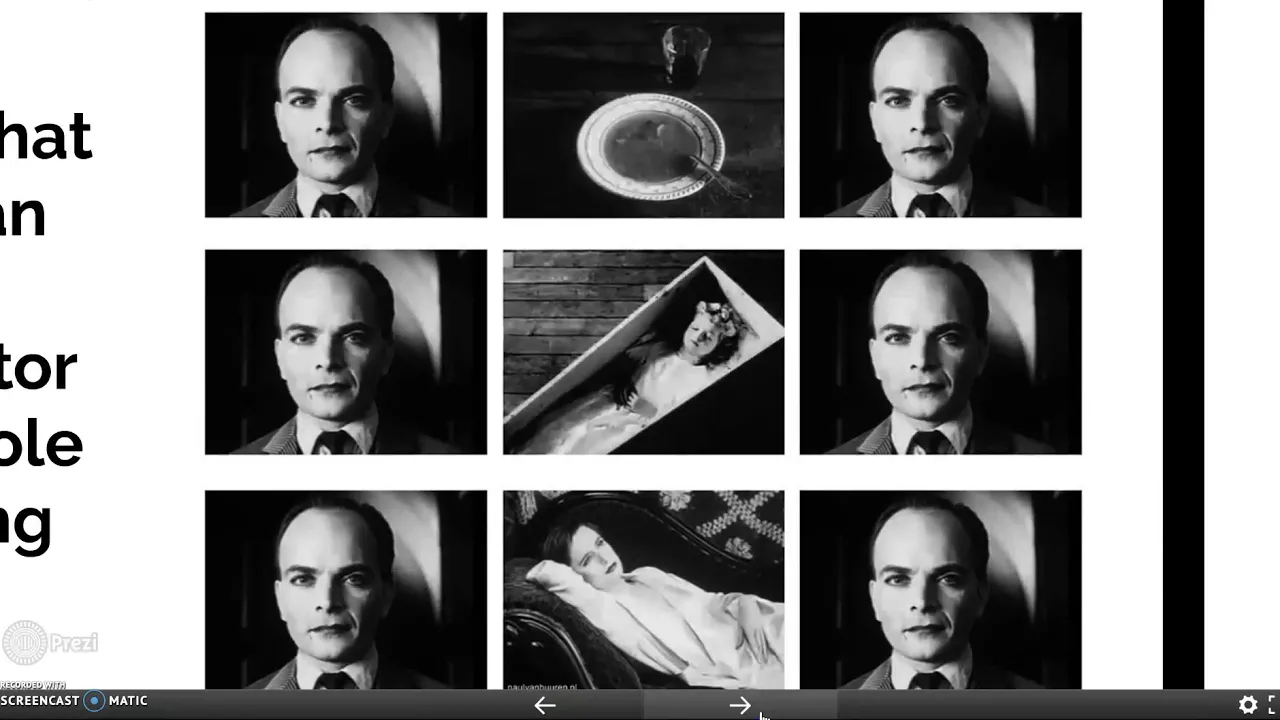






The Kuleshov Effect is a film editing principle discovered by Soviet filmmaker Lev Kuleshov in the early 1900s, which demonstrates that viewers derive more meaning from the interaction of two sequential shots than from a single shot in isolation; this cognitive phenomenon allows editors to manipulate audience interpretation by strategically arranging images, as shown when Hitchcock used the same neutral face shot to represent different character traits (kind man, dirty old man) depending on what followed it in the sequence.
Kuleshov Effect in Film Editing: Psychology & Technique
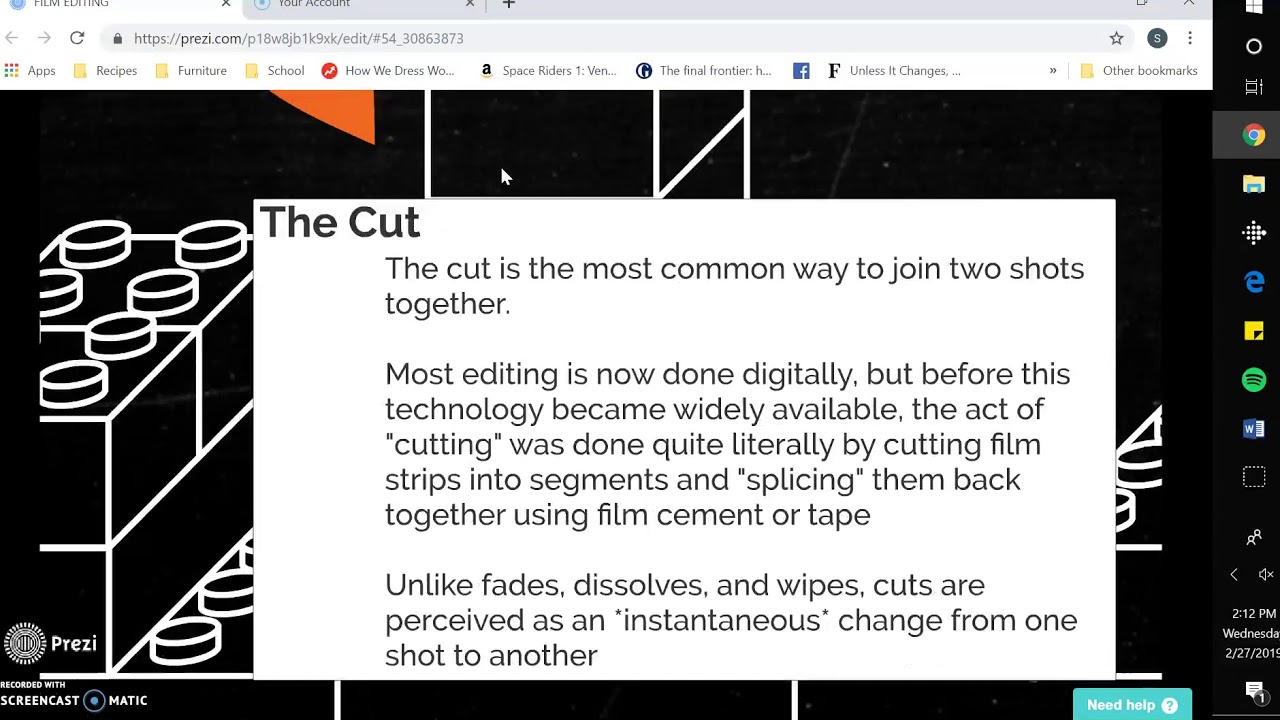
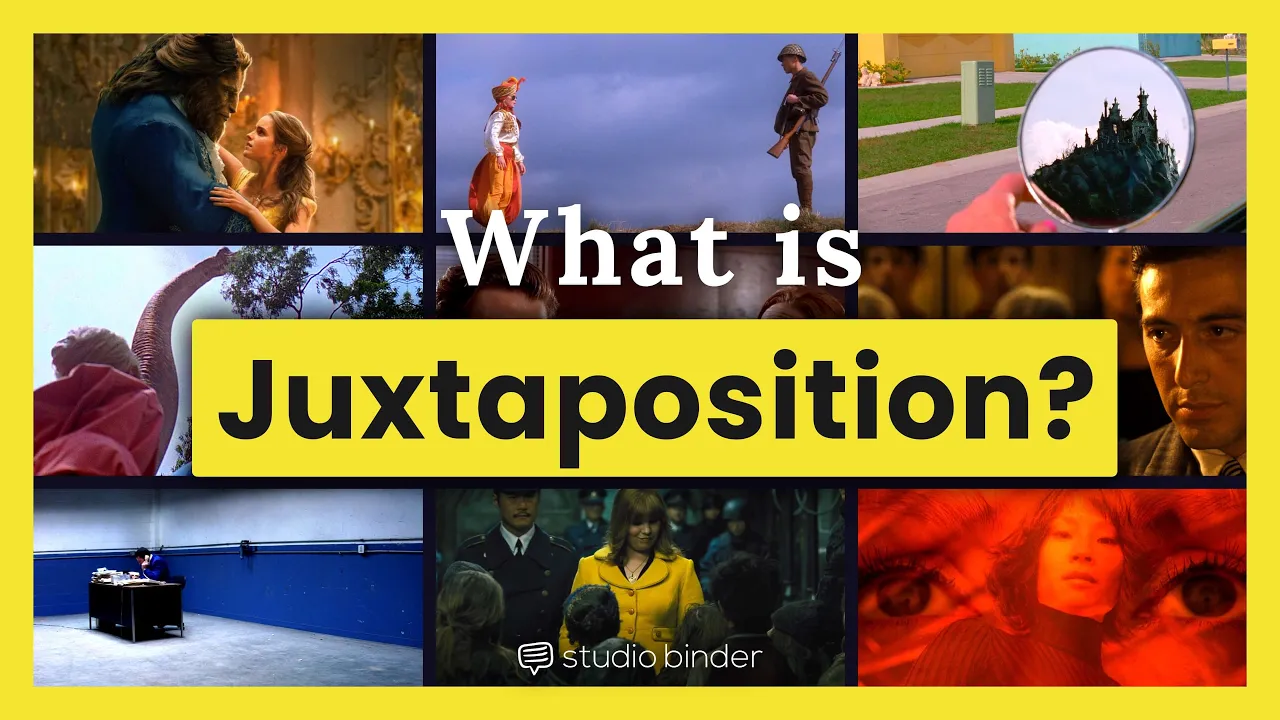
Added:Basic terminology of film editing, specifically the definitions of a shot, a cut, and the concept of juxtaposition.
The historical context of early silent cinema, particularly the transition from theatrical staging to editing-driven narratives.
Fundamental concepts of cognitive psychology regarding how the human mind naturally seeks patterns and infers meaning from sequential visual stimuli.
The distinction between continuity editing (invisible cutting to maintain illusion) and discontinuity editing (expressive cutting to create intellectual meaning).
The broader framework of Soviet Montage Theory, including Sergei Eisenstein's five methods of montage (metric, rhythmic, tonal, overtonal, and intellectual).
Analysis of 'pure cinema' techniques in modern filmmaking, such as Alfred Hitchcock's application of editing to construct psychological suspense.
Advanced studies in cognitive film theory, specifically how editing manipulates spatial and temporal continuity to shape spectator response.
Practical application of the Kuleshov Effect in contemporary video editing to guide audience emotion, subvert expectations, and imply subtext without dialogue.
145.6K views2.9Klikes6:00Original Release: 2019-01-30
[Music] in film making using a close-up of a character's face is a powerful tool sometimes it's extremely obvious how a character is feeling but often times a reaction becomes much more meaningful when we see the performance within the context of the shots that come before and after it for example in Ferris Beer's day off Cameron's blank expression is ambiguous but as the shots continue to get closer and closer the audience can infer that Cameron might be feeling insignificant and overwhelmed with his place in life this idea forms the basis of the kulishov effect which is named after Lev kulishov a Soviet filmmaker from the early 1900s as an experiment kulishov edited a short film that primarily used a close-up of a man's face with a neutral expression he then intercut the face with various objects and showed it to an audience when the man looked at the soup the audience thought he was hungry when he looked at the dead child they thought he was sad and when he looked at the woman they thought he was overcome with lust however in all three instances the shot of the man's face was exactly the same here's Hitchcock doing his own version of kulash shav's experiment now we have a closeup then we show what he sees now we cut back and he smiles now what is he as a character he's a kind L man now we'll put in a piece of film of a girl in a bikini what is he now a dirty old man that's what film can do for you kulish off's experiment proved that a sequence of images conveys more meaning than a single shot therefore when building a film's narrative editors must consider how the audience will connect multiple images together in their mind says Academy award-winning editor Walter merch my job as an editor is to gently prod the attention of the audience to look at various parts of the frame I do that by manipulating how and where I cut and what succession of images I work with for example horror films often create tension by cutting from a weapon to a potential victim just like man plus soup equals hunger a knife plus an unsuspecting woman equals danger because the audience will inherently connect these two images and expect them to interact this an participation can also be used for a comedic effect or a romantic [Music] effect as the editor and director build a scene they can either create or relieve tension depending on what image they cut to in glorious bastards begins with a tense conversation between two men but the stakes are raised even higher when the family hiding underneath the floorboards is revealed similarly an object or prop can gain increased significance based on how a scene is edited by choosing to use inserts an editor is deliberately calling our attention to an object giving it more importance in the conversation Jean Hackman examines a bathroom where a crime took place he meticulously searches the room but we keep cutting back to the toilet until finally its significance is revealed [Music] when an audience is invested in a film they are constantly making these connections and are able to understand the story and predict what might happen next however if an editor understands what an audience is expecting they can also find ways to surprise them towards the end of The Silence of the Lambs we see a SWAT team swarming outside of a house as buff Buffalo Bill deals with his prisoner in the basement we see the task force ring the doorbell and then hear the bell ring in Buffalo Bill's house it would be natural for the audience to assume that these two characters are about to collide we're going in good afternoon um sorry to bother you I'm looking for Mrs litman's family this moment is a great twist when the audience realizes that these two scenes are actually not going to converge as they originally expected similarly audiences will naturally infer that the sequence of shots and scenes within a film are happening chronologically and it can be a powerful reveal when it becomes apparent that a movie's narrative is being told out of Border a Ral does this in a particularly fascinating way but it involves talking about the ending so if you haven't seen the film yet skip ahead about 30 seconds arrival expertly plays with editing expectations when the audience realizes that the Visions they initially assumed were flashbacks are actually flashing forward says editor Joe Walker about arrivals unconventional structure if you start a film with the death of a child and then you follow the story of the mother seemingly in grief then there's 120 years of Cinema history that tells you that one thing happened before the other and that you're following a threat of time to subvert that later in the film was very carefully calibrated while these editing techniques may seem complicated at its core editing is simply choosing the best sequence of images to achieve the desired response from the audience and all modern editors have coolish off to thank for first exploring how to best engage viewers and tell the most compelling story [Music] possible oh
Up Next

11:47
French New Wave's Lasting Influence on Modern Filmmaking
@InDepthCine
157K views•2022-05-29

23:14
Visual Analysis Essay: How to Analyze Graphic Novels in College Writing
@nataliepleimann5941
1K views•2020-10-14
4:55
Film Blocking Techniques for Directors: Space, Shapes, Lines
@StudioBinder
1.9M views•2018-07-23

4:00
Evolution of Darth Vader: Anakin Skywalker's Animated Journey Across Star Wars Films
@TellItAnimated
13.4M views•2019-03-30
Related Study Plans & Knowledge Roadmaps
Structured learning paths in Film Analysis
film-analysis
Sensory Cinema: Foley, Haptic Sound & Texture
01Introduction to Film Sound and Foley Artistry
02Micro-Sounds, Textures, and Extreme Amplification
03Haptic Audition and Film Phenomenology
+ 1 more learning modules
12h4 modules
Explore Roadmap
film-analysis
Breaking the Fourth Wall: Mockumentary & Satire
01The Invisible Wall: Basics of Cinematic Illusion
02Looking at the Lens: Direct Address & Character Glances
03The Mockumentary: Satire, Realism, and Complicity
+ 2 more learning modules
12h5 modules
Explore Roadmap
film-analysis
Analyzing the Long Take: Cinema, Space & Ethics
01Foundations of Film Grammar: Montage vs. The Long Take
02Choreography and Mechanics of the Simulated One-Shot
03Phenomenology of Film: Real-Time Spatial Continuity
+ 1 more learning modules
14h4 modules
Explore Roadmap
film-analysis
Anachronistic Music: Period Drama & Subversion
01Foundations of Film Sound and the 'Needle Drop'
02Traditional Authenticity vs. Revisionist History
03The Rise of the Anachronistic Soundtrack
+ 2 more learning modules
12h5 modules
Explore Roadmap