













![An Interview with Andy Fosberry [Uncut Video Interview]](https://i.ytimg.com/vi/8QDinmdvuBQ/maxresdefault.jpg)

Film music operates as a functional language designed to support storytelling, with the underscore serving as the composer's most powerful tool that operates subconsciously to guide audience emotions without being noticed, while source music is audible to characters and dialogue remains the paramount element that music must always serve.
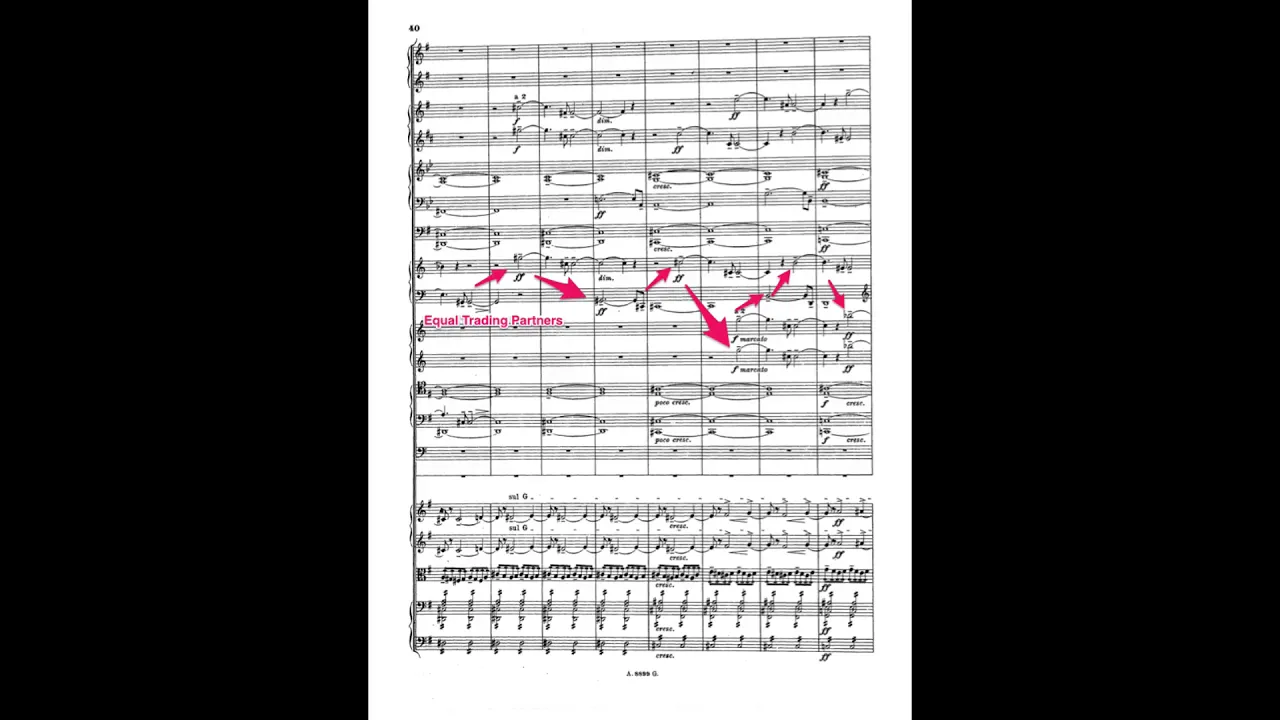
Decoding the Hidden Language of Film Music and Score
Added:Basic understanding of fundamental music theory elements, such as tempo, rhythm, harmony, and how major/minor keys influence human emotion.
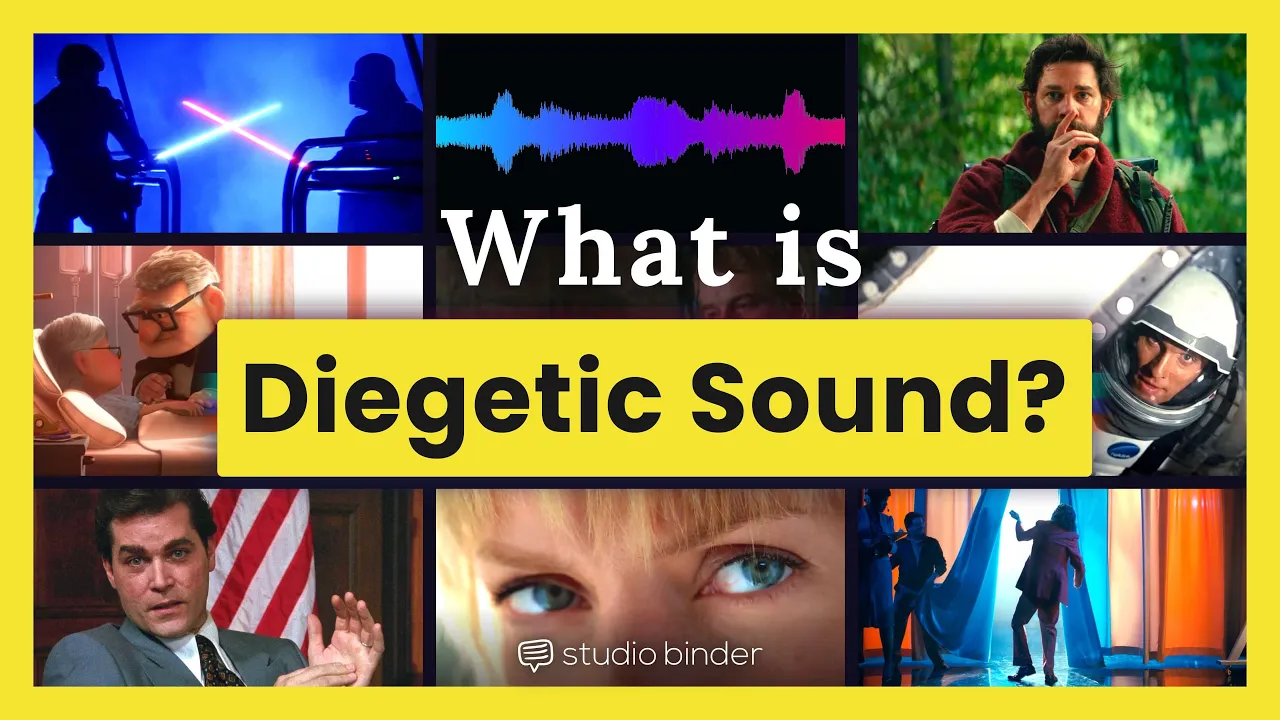
Familiarity with the distinction between diegetic sound (music originating within the film's world, like a radio playing) and non-diegetic sound (the background score).
A foundational awareness of cinema history, particularly the transition from silent films with live accompaniment to the synchronization of sound and music.
Advanced analysis of the 'Leitmotif' technique, examining how recurring musical themes are structurally developed to represent specific characters, objects, or ideas.
Practical study of the collaborative filmmaking pipeline, including spotting sessions, working with temp tracks, and the role of the music supervisor.
Exploration of how film scoring intersects with sound design and Foley to create a unified, immersive auditory environment.
Comparative research into diverse scoring styles, ranging from classical Hollywood orchestral arrangements to electronic, minimalist, and avant-garde cinematic soundtracks.
166 views3likes6:08Original Release: 2026-01-31
You know that feeling when your heart starts pounding during a crazy chase scene or [music] maybe a tear starts to well up during a really sad goodbye?
Well, a huge part of that feeling comes from this kind of a hidden language, the [music] music. So, today we're going to dive in and decode the secrets of how film scores work their magic on us, often without us even realizing it's happening. [music] Okay, so this sounds like a total paradox, right? I mean, how can something be so powerful if we're not even supposed to notice it? That's [music] the big mystery we're going to unravel today. And trust me, by the end of this, you'll not only hear the score in a whole new way, you'll finally get what it's trying to do. All right, so [music] the first thing we really need to get our heads around is this. Film music is just fundamentally different from the music you'd pop on your headphones. It's not really made just for you to enjoy listening to it. Nope.
It's designed to do a very specific job.
And it really all comes down to this one key distinction. [music] Think of it this way. On one hand, you've got what we call absolute music.
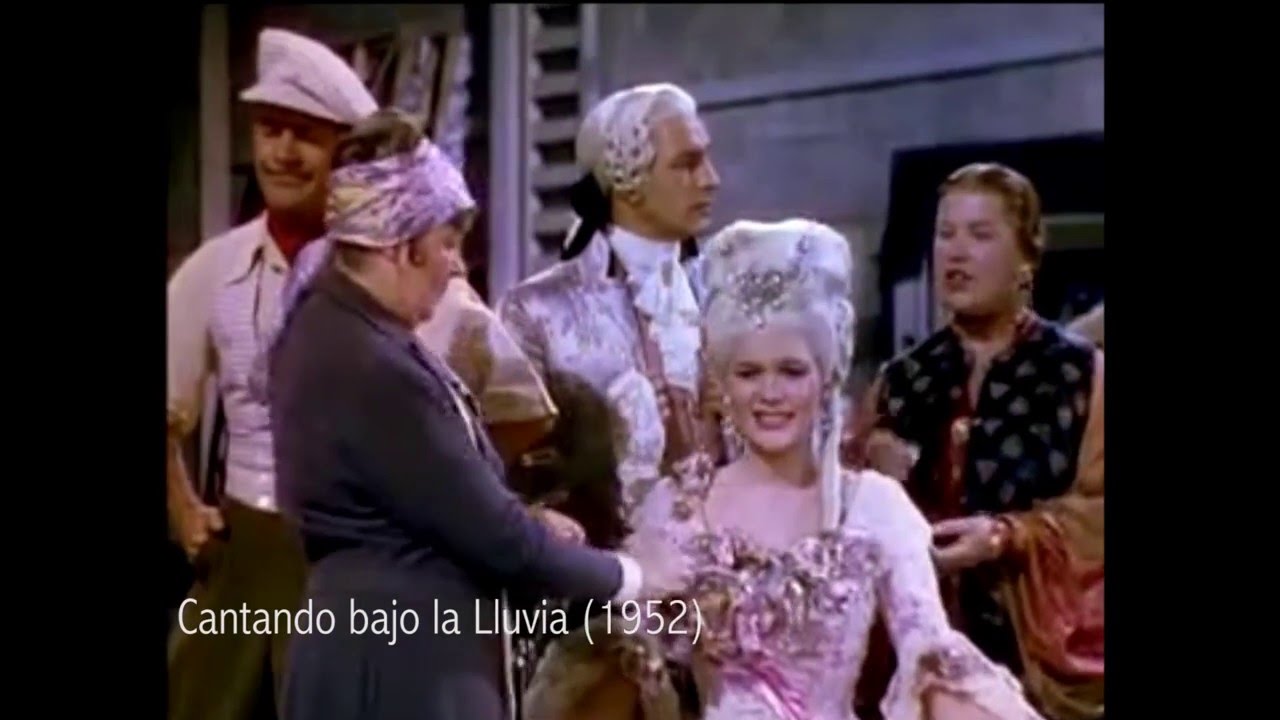
You know, like a symphony or your favorite rock album. [music] It's a complete work of art all on its own. But then on the other hand, you've got functional music. And that's exactly what a film score is. It's created for one reason and one reason [music] only, to support the story. Its entire reason for being is to serve the drama you're watching on that screen. [music] And this has been true from the very, very beginning. I mean, way back in the silent era, the music wasn't just there to set the mood. Get [music] this, it was also there to literally cover up the clattering sound of the film projector in the theater. So, yeah, even as technology evolved from synchronized sound in the talkies all the way to the insane digital tools composers have today, that core purpose of the music to support the story has stayed exactly the same. Okay, this leads us to what is probably the single most critical concept for really getting film music.
It all boils down to one simple question. [music] Who is the music actually for? Is it for the characters up there on the screen, [music] or is it just for us, the audience sitting in the dark? And this is where we get these two totally separate worlds of [music] sound. First, you've got source music. This is music that's actually part of the scene. You know, a radio playing in a car, a band at a party, the characters can hear it.
[music] But then then you have the underscore. And this is the magic part.
The underscore is like a secret conversation [music] just between the filmmaker and you. It's that invisible orchestra the characters have no idea is there, [music] but it's telling you exactly how you should be feeling. It's almost like another character in the room guiding your emotions. Yeah. The underscore is without a doubt the composer's most powerful tool. It's designed to operate on a totally subconscious level. It happens under the dialogue, right? It's creating the mood.
It's adding that hit of excitement. And it's even revealing the unspoken thoughts and feelings of the characters.
It speaks directly to our emotions.
[music] And the best part is we almost never stop to question where that music is even coming from. Okay, so now that we know the difference between what the characters hear [music] and what we hear, we can actually break all film music down into four main categories.
[music] You can think of these as the primary tools in a film composer's toolkit. All right, so we've got underscore and source music. We just covered those. [music] But things get really interesting with something called source scoring. This is when, say, a song that's playing on a car radio suddenly swells up and takes over the whole scene, totally blurring the line and becoming part of [music] the dramatic score. And then, of course, you've got the song score. Think of a movie like Forest [music] Gump or pretty much any Tarantino film where a whole playlist of existing songs becomes the musical soul of the movie, driving [music] the entire story forward. So, creating all this amazing music is one thing, but now we get to the composer's single greatest challenge. [music] How to navigate the most important sound in any film. And spoiler alert, it's not the [music] music. The number one rule is this. Dialogue is king or queen.
Period. [music] In almost every single situation, the spoken word is the most important thing you're hearing. Think about it. [music] If you, the audience, can't understand what the characters are saying, the whole story just falls apart. The music always has to serve the dialogue. I want you to think of a film's final [music] sound mix like a pie chart that can only ever add up to 100%. You've got dialogue, you've got sound [music] effects, and you've got music, and they are all fighting for a piece of that pie. If the composer makes the music too loud or too busy, it literally pushes the dialogue right out.
[music] And that's a huge no no. This is why the craft of scoring under dialogue is so incredibly important. And believe me, composers have a whole bag of tricks to pull this off. They'll use these really transparent sounds like high thin strings that don't clash with the frequencies of the human voice. Or they'll write melodies that are way higher or way lower than where someone is speaking, creating these sort of separate sonic lanes. They'll also avoid really complex or busy rhythms that would just compete with the natural rhythm of someone talking. It's this incredibly delicate balancing [music] act supporting the conversation without ever ever interrupting it. So when you start to put all these pieces together, [music] you know, the history, the theory, and the real world practical challenges, you begin to see that film scoring is so much more than just writing a pretty tune. It is a deeply complex and incredibly intentional [music] craft. And this brings us right back to that paradox from the beginning.
A truly great film score often isn't noticed because, [music] well, it's not supposed to be. It's this hidden language woven so seamlessly into [music] the very fabric of the film that you don't even process it as music. You just feel it as emotion. It's all designed to work on you subconsciously to guide your emotional journey without you ever once stopping to think, "Hey, where's that orchestra coming from?" So, the next time you sit down to watch a movie, I want you [music] to try listening with these new ears. Really ask yourself, is this source music or is this underscore? Can I hear how the composer is making sure to stay out of the way of the dialogue? Now that you can finally hear this hidden language, what new secrets are your favorite [music] films going to reveal to you?
Up Next
26:24
Iconic Songs and Films: Top 20 Cinematic Music Moments
@MsMojo
742.7K views•2025-01-21

12:54
Triumph of Orthodoxy Icon: Byzantine Art & History Explained
@BenCallan
2.1K views•2024-08-06

9:49
FastAPI vs Flask vs Django: Choosing the Right Python Web Framework
@TechWithTim
302.5K views•2024-05-26

1:42
Game of Thrones Opening Credits: A Cinematic Analysis
@gameofthrones
46.3M views•2011-04-18
Related Study Plans & Knowledge Roadmaps
Structured learning paths in General & Interdisciplinary Studies
general-studies
Elevator Engineering: History, Physics & Cities
01From Hoists to Safety Brakes: The Dawn of Vertical Lift
02Hydraulic vs. Traction: The Engineering Physics of Elevators
03Modern Speed, Safety, and Algorithms
+ 2 more learning modules
12h5 modules
Explore Roadmap
general-studies
Rubber: Material Science, History & Geopolitics
01Origins of Natural Rubber & Mesoamerican History
02The Chemistry of Natural Rubber & Vulcanization
03The Geopolitics of the Rubber Boom & Colonization
+ 2 more learning modules
12h5 modules
Explore Roadmap
general-studies
Containerization: Evolution, Logistics & Trade
01Ancient Trade & Bulk Cargo: Amphorae to Barrels
02The Industrial Revolution & Cardboard Packaging
03The Containerization Revolution: Malcom McLean
+ 2 more learning modules
12h5 modules
Explore Roadmap
general-studies
Textile Tech: Evolution, Labor & Global Impact
01Pre-Industrial Textiles: Handloom & Cottage Industry
02Mechanization: The Spinning Jenny to the Power Loom
03The Factory System & Global Labor Transformation
+ 2 more learning modules
10h5 modules
Explore Roadmap