


![답정너 퍼스널 컬러 진단🎨 [해피투게이더 ep.6]](https://i.ytimg.com/vi/ffdRuUvrIwk/maxresdefault.jpg)









![FILMMAKER REACTS: ASTARTES II TRAILER!! [REACTION & BREAKDOWN!] | BETTER THAN SECRET LEVEL!?!](https://i.ytimg.com/vi_webp/JGnEEmwd8GE/maxresdefault.webp)






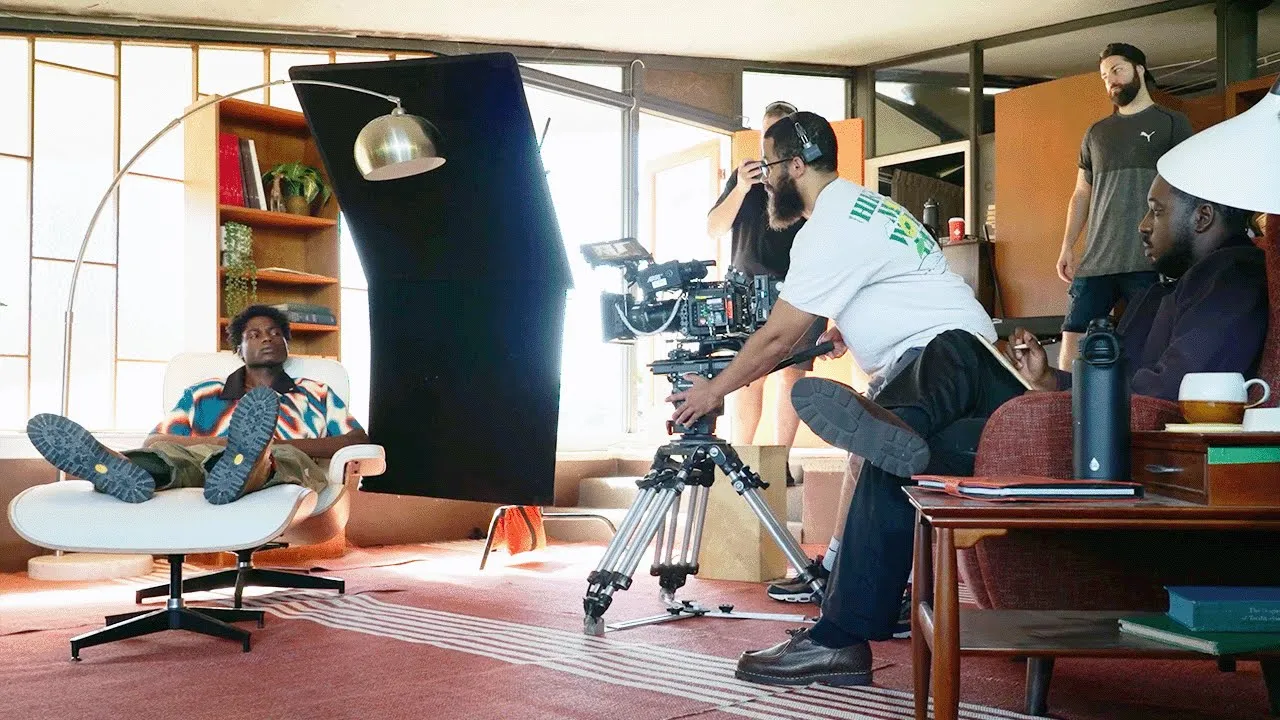


Effective cinematography requires deliberate choices in lighting, framing, and camera settings that serve a specific emotional purpose rather than merely creating aesthetically pleasing images; for example, to convey sadness, filmmakers might use cool cyan tones, hard light sources creating shadows, long empty hallways with leading lines, and contrasting urban chaos with character isolation to create a sense of loneliness and stagnation that resonates with the audience.
Cinematic Techniques for Conveying Emotion in Film
Added:Understanding basic camera shots and framing terminology, such as close-ups, wide shots, and the rule of thirds.
Familiarity with foundational lighting setups, specifically the principles of three-point lighting (key, fill, and backlight).
An introductory understanding of color theory, including warm versus cool tones and basic color psychology.
Awareness of the role of the Director of Photography (cinematographer) and how visual choices contribute to narrative storytelling.
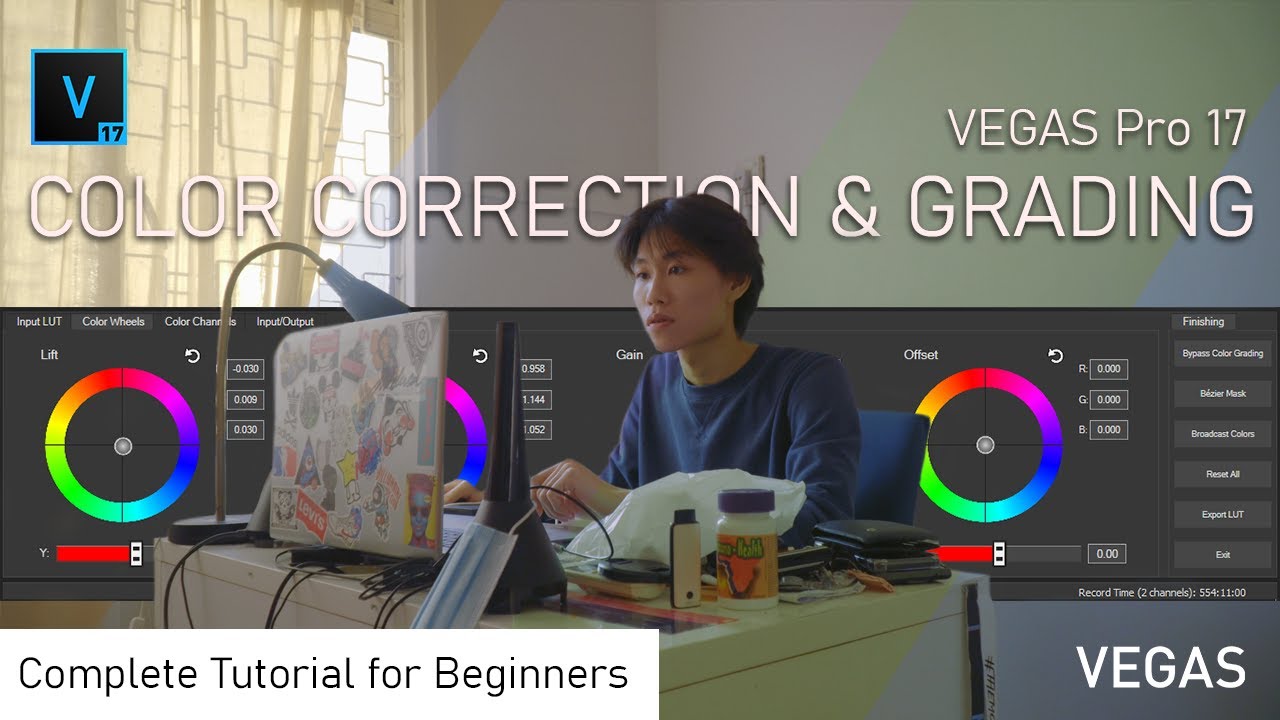
Exploring advanced color grading and color correction techniques in post-production software to manipulate the mood of a scene.
Studying the emotional impact of camera movement, such as handheld, tracking, or dolly shots, in combination with static framing.
Analyzing how to convey contrasting emotional states, like suspense, anxiety, or joy, through lighting setups and color palettes.
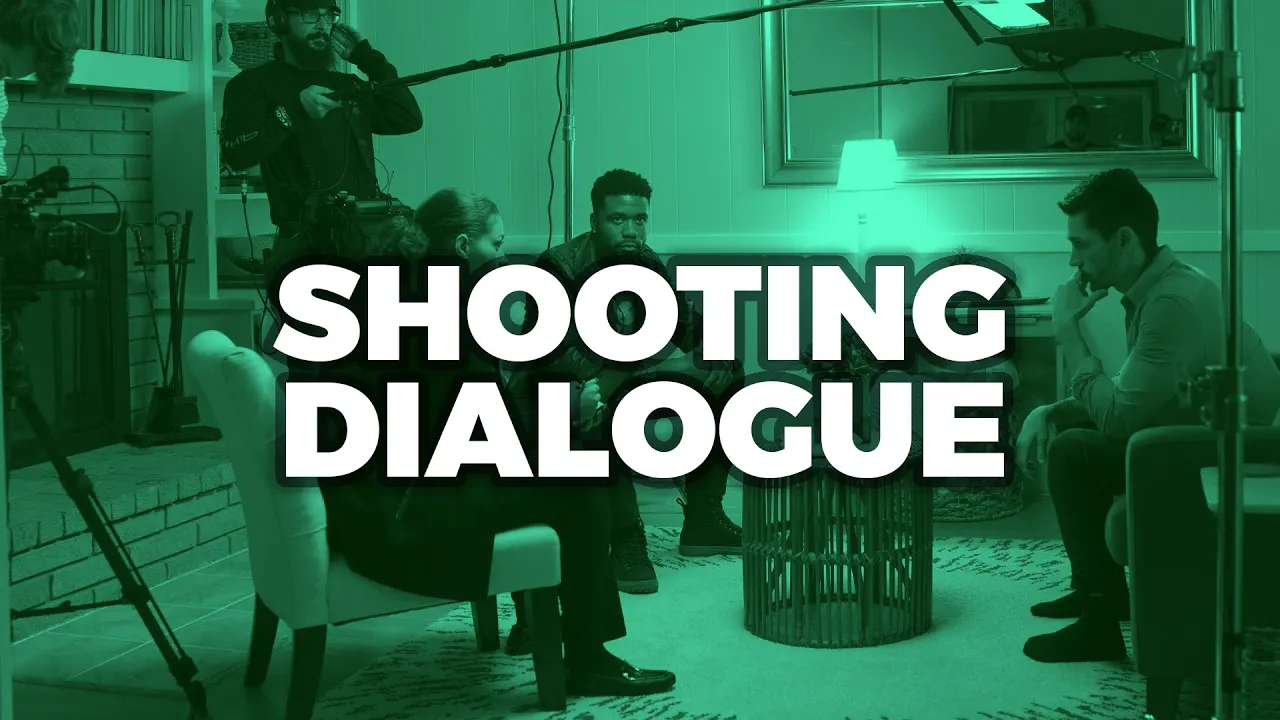
Applying these techniques in a practical project, such as directing and shooting a short dialogue scene designed to evoke a specific emotional response.
23K views1.1Klikes13:59Original Release: 2021-12-20
today's video is sponsored by motionvfx hi guys my name is brady and i've been recording for 30 minutes with my mic off and you're watching disney channel you're an idiot take two so yes i recorded this all once and i don't know what i said but i said something okay so nothing wrong with the videos that i put out but a lot of the videos i put out they're lighting a scene with not really a purpose other than just making them look cool making them look cinematic and stripping down to the basics and the foundation of cinematography and the meaning and the terminology of all of that the end goal is to one yes create a beautiful image but doing so with it in mind of creating or conveying an emotion that we want to convey so whether it's happiness sadness anger fear um anxiety whatever it is we want to instill that in our shot and that's something that i realized that's going through ideas of this week's video and i was like yes i do a lot of techniques but i don't do anything with the motivation in mind which gave me the reasoning for this video and i wanted to challenge myself and give myself a prompt per se of what mood or what emotion i want to convey so maybe it's because i'm sad lately maybe it's because i'm not lately but i wanted to go for a sad character kind of just contrasting the chaos of like this busy city in this busy life going around this character but this character is very stagnant still and just kind of in a trance so that was what was going through my head i didn't know why it just kind of popped in my head and i wanted to run with it so i checked off that i wanted a sad character so i started to ask myself what is someone that is sad going to feel and how can i make somebody relate with the sadness of this viewer or of this talent or this actor that is standing in which is uel um you still have to introduce yourself again because the mic was dead are you serious yes oh my god hi this is the sad character wait i have to say i just shaved again because i'm so embarrassed oh you look good thank you he looks good are we about to kiss right now so this is yoel so this is yo and he's gonna be helping out on this video he's gonna be helping out on this video and he's gonna be our sad actor and he's gonna be our sad actor good acting is not acting are we about to kiss so i started to ask myself what these characteristics of a sad individual would be and how could we portray that to the audience um and loneliness definitely was one of them just like this isolation from the outside world we'll say um and also the time of day is really important so the time of day that really sadness hits in at least for me i don't know about you it's night so it's night here and it just kind of all worked out and i'm rolling with it but i really wanted to go for this night scene and then also additionally contrasting the chaos of like this urban city happenings um contrasting that with this just like stagnant still staleness of being sad and just alone and just stuck something about that appealed to me so i just felt that like all these little things contributed to um the reasoning for how i wanted to frame it how i wanted to light it and gave myself a good direction as far as where to go anyway framing wise i liked this long hallway i like just you know like this isolating hallway and then at the end of this here and you see the light on because again i recorded this a couple times and the audio was off so we're halfway set up but here we've got a little bed and that's gonna be where yol is gonna be sitting and down this hallway we've just got like a lot of leading lines a lot of empty space framing him with here and it just added to like the emptiness so by having this long empty hallway leading to this dark room it just added to like the separation and the emptiness of so much going on in so much of this world or this frame happening and existing while ul is just sitting here sad alone in the room and really that was my mindset for the initial framing of the camera and we're gonna get to camera settings in a second but that's my mindset of the framing and the emptiness in the open long hallway to add to this sadness and empty feeling that the viewer is gonna have to relate with my camera that i'm working with is my brand new uh sony fx6 and i've got a super takamara vintage 35 millimeter i wanted to go for a wide angle lens to make this hallway feel really large and wide so i went for that and then i've got a black promised tiffin black promise one fourth strength uh filter on the front of the camera and as far as the camera settings go i've got the base iso to 12 thousand eight hundred still blows my mind that there's no grain and my white balance is set to 3500 kelvin now to the lighting first issue we're gonna run into is this long empty white wall exactly what we love and i liked i i liked that there's a empty white wall that we can't hang anything on because it's it's relatable a lot of us are gonna run into that obstacle so instead of trying to hang anything up and add some texture to the wall instead we're gonna break up that with contrast of lighting and doing so with the first light now like i said before we're going for this uh city vibe so we're gonna have um urban light sources uh you know those really orange sodium vapor lights those kind of green uh fluorescent sodium vapor lights as well a lot of urban sources rather than just typical moonlight and tungsten house lamps so that's our motivation for the lights so i've got the aputure 120d mark ii as the first light and on top of that i've got two rosco gels um i'm gonna put right here what those gels are because i don't know the exact color code for them but i doubled them up because i really wanted that really deep orange uh amber color um to this light quality and i wanted to keep on at the reflector dish as well i wanted to keep that on just to give a hard quality of light because this is where the fun starts to happen with the contrast so with the 120d placed here behind the rungs it's going to go through them and being a hard light source it's going to cast a lot of shadows and then add texture onto the wall and remember especially with white walls we want to break up the texture of the light in some way whether we can put a picture here whether we've got windows whether we've got contrast or we're doing it with the light by breaking it through rungs to create these beams of light that you kind of see here making it look like there's like an urban sodium vapor light casting through a window of a house in a city so the first issue i ran into when placing that 120d i just set it on the ground because it was low through the rungs but i noticed that it wasn't raking the carpet as much like this whole carpet area was it wasn't lit up and i'm gonna hide this you can see that it wasn't lit up that much and i would like to get a little bit more texture of this light casting across the carpet so by placing the 120d a little bit higher above that line of the carpet that's when you really start to get those light shafts raking across the carpet just seeing the difference on camera as well i mean with it being down here and then lifting it up here it's just adding a little bit more contrast with being down here and then raising it up here it's just adding a little bit more exposure a little bit more contrast and cutting out some of the shadows that are on that carpet so one thing i want to mention with the first 120d that we put there and kind of touches on lighting subjects in a weird way is looking at this shadow that you see as joel walks by so not only do you have these individual rungs of light but now as he walks by you've got him lit from the side creating this hard shadow adding a little bit more texture to the wall and another benefit that you see on ul's sweater as he walks through the frame you're getting a lot of contrast from the hard light on his sweater so then you have light areas and dark areas as the ripples of the sweater really take and deflect that light so what we're looking at is me looking like an idiot with the microphone off yet again but i believe what i was talking about was the use of colors that i chose in the reasoning for it and i originally wanted to have a tungsten warm glow in the room that joel is in but to resonate with this very cool tone and gloomy and sad mood i went for this more of a uh sodium vapor fluorescent kind of cyan color so on this aputure 300x which i used for this light i also used an aperture softbox and use the magnetic clip inside to put in these rosco gels and again i'm going to link down below what these color codes are for the gels and then on top of the softbox i used a grid because i wanted to isolate the light from spilling throughout the entire room and just keep it very directional on yol so breaking it all down the aputure 300x as the light and i had that set to 2700 kelvin just to make the gel a little bit warmer i used the rosco gel for this green cyan look softbox and grid as well lately i've been looking for a great resource of plugins graphics callouts and more and motionvfx has been the answer and solution to my needs if you are a content creator in need of callouts appealing texts and overlays or like myself are a youtuber they have great options for all kinds of social media badges icons texts and more they even have a diverse selection of creative luts film emulation and plenty of fantastic stock visual effects i could go on about it but you're better off checking out their website for yourself and if you are familiar with boxing day i believe that they are having some sort of special offer for boxing day this year so check that out why you can't and supplies last i'll leave all the links down below for your ease of travel but let's go ahead and get back to some fun lighting so now that i've got the 300x with the softbox with the grid and then a green kind of cyan again i'll link below the color code of the rosco gel that i've got in there but i've got uh this cyan uh vapor gel as well in there clipped into the aperture softbox so i've got both of those lights set up and looking at the frame i mean immediately you notice the separation this contrast in the color of lighting and the quality of lighting as you well goes from the hallway into the room and at first i thought about lighting i did i thought about lighting ul with like a typical tungsten like a house lamp and i was like well if he's sad it's not going to be a light on you're going to be in this kind of dark room and a cooler tone is really going to emulate this sadness so instead of going for this tungsten look in the room in this green sodium vapor like outside i wanted to flip that to really add a little bit more to the sadness so there was a little bit of a reasoning and it may not be the right one but it was what went on in my head when i added in this cyan light cool tones in the room making sadness and then warm tones outside of the room almost like in that room there's even more sadness and even more just like stagnant alone emotion so looking at the frame it's honestly giving me joker vibes in a really cool way because there's that green and amber contrast that you see a lot in the joker movie but it looks as if it's sourcy with just the softbox in there on your well it's definitely source you can see that there's a light there there's no motivation in the room spilling in the windows or any in-frame practicals telling the viewer that yeah there's a cyan light that's out there so i was thinking how can i do this in a in a fun way in a pretty simple way as well and that brings me to the next light which is an aperture mc that i use in quite a you guys hear the rain so the third light that i used as some motivation for our softbox right that right there that's on ul is an aperture mc that you see is through these blinds and we're actually on the second floor there's like an outdoor porch right here and i just used the picker app in the siduslink app and i went in and i went up to the softbox took an exact like color scan of that changed around the color temperature a little bit and bam there we go so to side sling and aperture however you made that happen to match up the color of this to that thank you but as far as this goes it it adds a little bit it almost looks like there's a vapor street lamp that is outside shining in so now you've got this kind of ambient soft light that's going to be shining on you well and a nice little hard pop of light that with combined with the promise filter it just adds a nice little glow making it seem like there may be a lamp that is outdoors shining in causing the reasoning for all of this and it starts to tie everything together so if there's one message that we're taking away from this video it's that not only are we lighting scenes but we're also really capturing the emotion and conveying a particular emotion that's something that we can't lose track of yes things are awesome when they look beautiful but we don't always want things to look beautiful or we don't always want things to look a certain way because it doesn't resonate with the message that we're trying to portray to our audience so with that being said like this uh sad scene first of all i want to thank you well for being such a sad boy in this video uh leaving all of his information down below i really appreciate the help with keeping in mind that he's gonna be an emotional sad character in this particular skit that we did that was the motivation for our lighting for our framing for the whole atmosphere and the entire feeling of this say maybe if it was something mad or energetic we might still have a low-key look but i could go for really like a jittery handheld kind of look or fast pace or fast moving instead of just this locked off on sticks stagnant shot with a lot of emptiness so keep in mind when you're lighting your scenes when you're in pre-production of your scenes in your projects that not only are you making it look beautiful but you're making it look beautiful with a purpose and sometimes ugly is the beautiful that you need so if you like this video or any of the other videos on this channel please hit that like button that share button that subscribe button whatever it is that you have to do to tell me that you like this video please do that and leave a comment down below of a video that you'd like to see in the future so i'm rambling as i always do i'm gonna get to bed hit the hay and i will see you next week
Up Next
14:38
The Art of Subtle Acting: Micro-Expressions in Film
@ThomasFlight
6.5M views•2022-11-09

12:54
Triumph of Orthodoxy Icon: Byzantine Art & History Explained
@BenCallan
2.1K views•2024-08-06

9:49
FastAPI vs Flask vs Django: Choosing the Right Python Web Framework
@TechWithTim
302.5K views•2024-05-26

1:42
Game of Thrones Opening Credits: A Cinematic Analysis
@gameofthrones
46.3M views•2011-04-18
Related Study Plans & Knowledge Roadmaps
Structured learning paths in General & Interdisciplinary Studies
general-studies
Elevator Engineering: History, Physics & Cities
01From Hoists to Safety Brakes: The Dawn of Vertical Lift
02Hydraulic vs. Traction: The Engineering Physics of Elevators
03Modern Speed, Safety, and Algorithms
+ 2 more learning modules
12h5 modules
Explore Roadmap
general-studies
Rubber: Material Science, History & Geopolitics
01Origins of Natural Rubber & Mesoamerican History
02The Chemistry of Natural Rubber & Vulcanization
03The Geopolitics of the Rubber Boom & Colonization
+ 2 more learning modules
12h5 modules
Explore Roadmap
general-studies
Containerization: Evolution, Logistics & Trade
01Ancient Trade & Bulk Cargo: Amphorae to Barrels
02The Industrial Revolution & Cardboard Packaging
03The Containerization Revolution: Malcom McLean
+ 2 more learning modules
12h5 modules
Explore Roadmap
general-studies
Textile Tech: Evolution, Labor & Global Impact
01Pre-Industrial Textiles: Handloom & Cottage Industry
02Mechanization: The Spinning Jenny to the Power Loom
03The Factory System & Global Labor Transformation
+ 2 more learning modules
10h5 modules
Explore Roadmap