











![The History of Queer Coding [CC]](https://i.ytimg.com/vi_webp/GsO4fZYHQic/maxresdefault.webp)


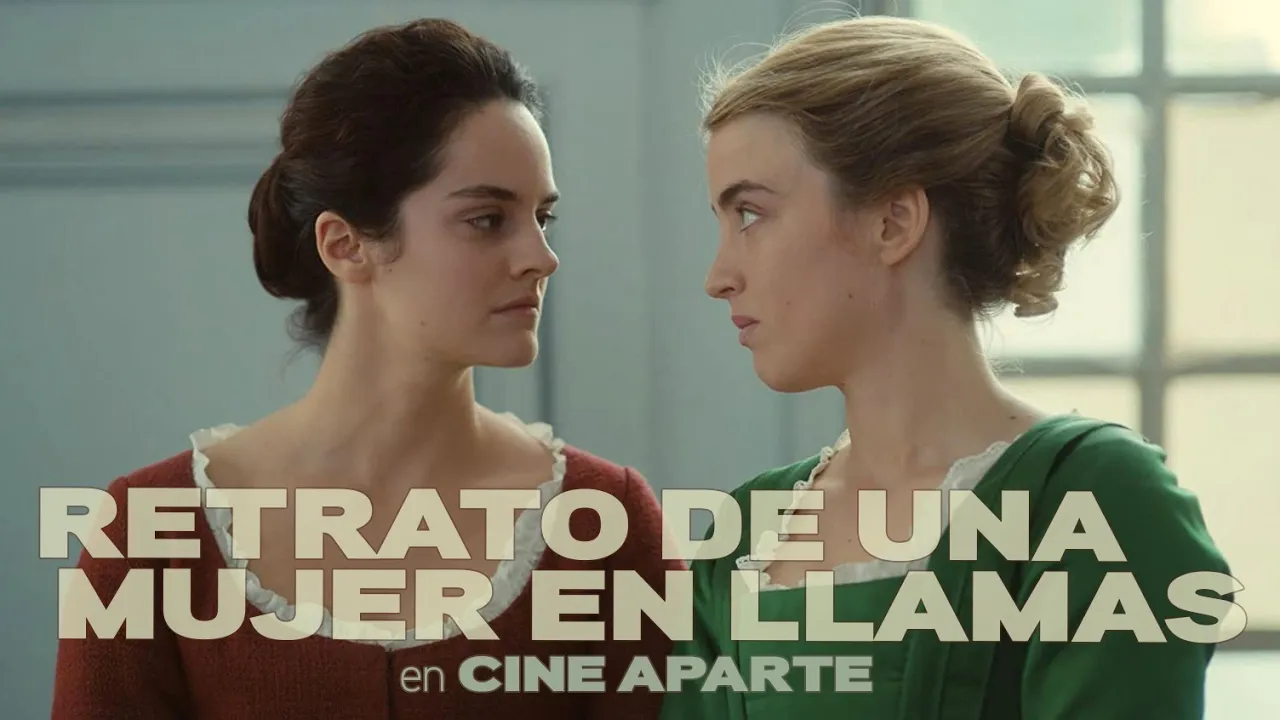

In 'Portrait of a Lady on Fire,' the film demonstrates that authentic artistic creation requires a genuine, collaborative bond between artist and subject, where the relationship mirrors romantic partnership dynamics; the energy shared between painter and muse is not coincidental but a prerequisite for meaningful art, as the subject must understand the artist's intent and be as artistic as the creator, making the two relationships—romantic and artistic—inseparable and bound to develop together.
A Study of 'Portrait of a Lady on Fire' as an Artistic Cinematic Exploration
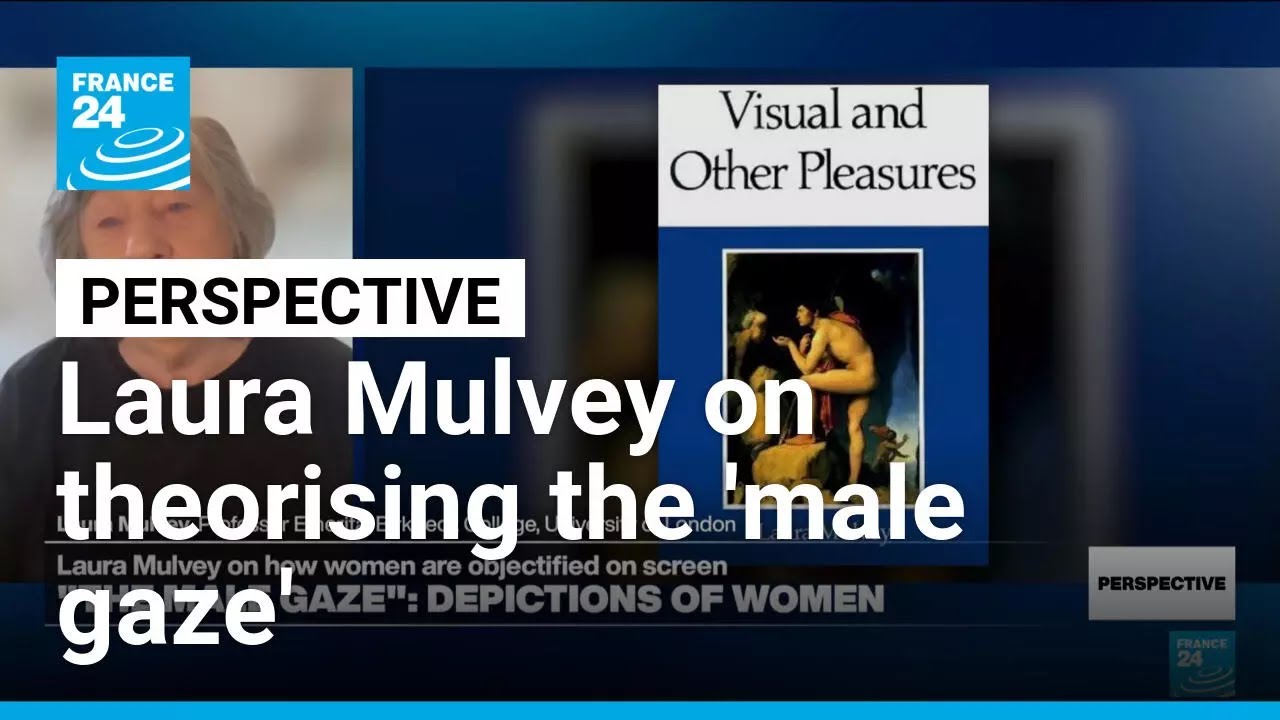
Added:The concept of the 'Male Gaze' in feminist film theory (pioneered by Laura Mulvey) and how it contrasts with the emerging 'Female Gaze'.
The historical role of the 'muse' in Western art history, traditionally characterized by an active male creator and a passive female subject.
Basic visual literacy in cinema, specifically how color grading, framing, and natural lighting are used to convey narrative subtext without heavy dialogue.
An understanding of the social and legal status of women in late 18th-century France, particularly regarding marriage and artistic freedom.
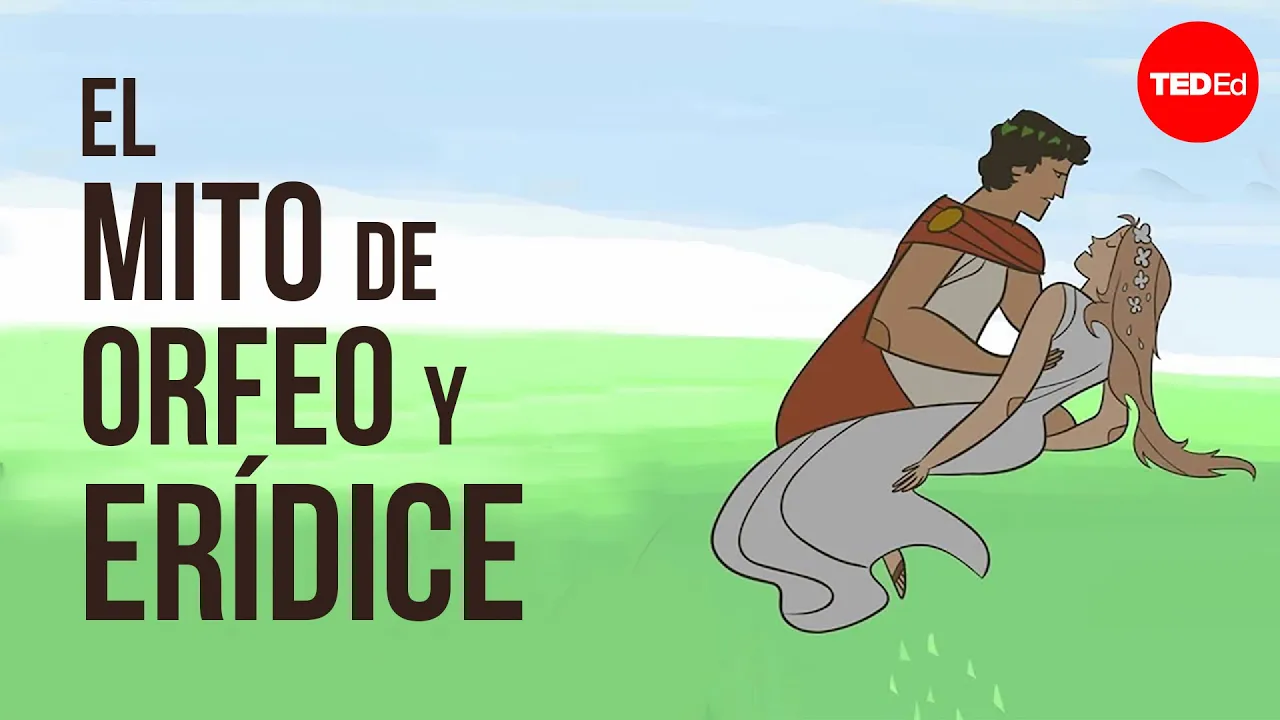
The literary and philosophical significance of the Orpheus and Eurydice myth, specifically the choice of memory over possession.
A technical analysis of cinematographer Claire Mathon's work, exploring how digital cinematography can mimic the texture of classical oil paintings.
The historical development of Queer Cinema and how LGBTQ+ directors construct narratives of desire outside of heteronormative structures.
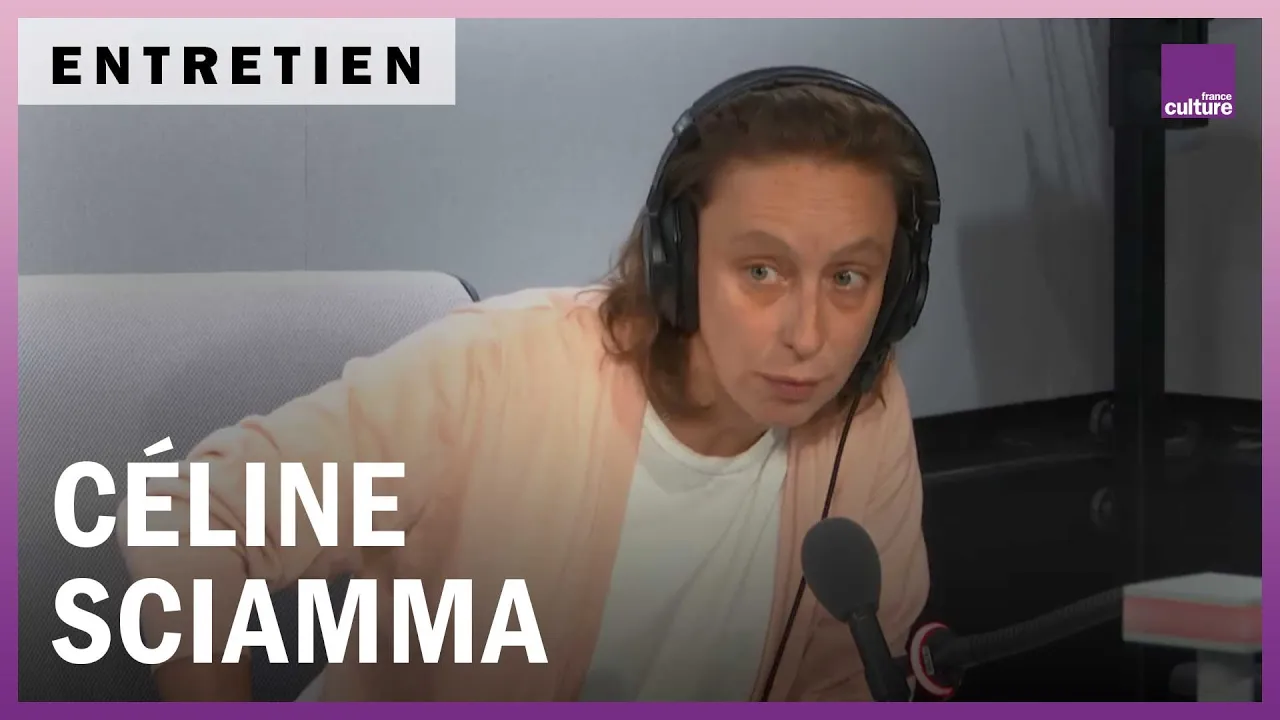
An exploration of auteur theory through Céline Sciamma's broader filmography, focusing on her consistent themes of female agency and solidarity.
680K views28Klikes19:00Original Release: 2020-03-30
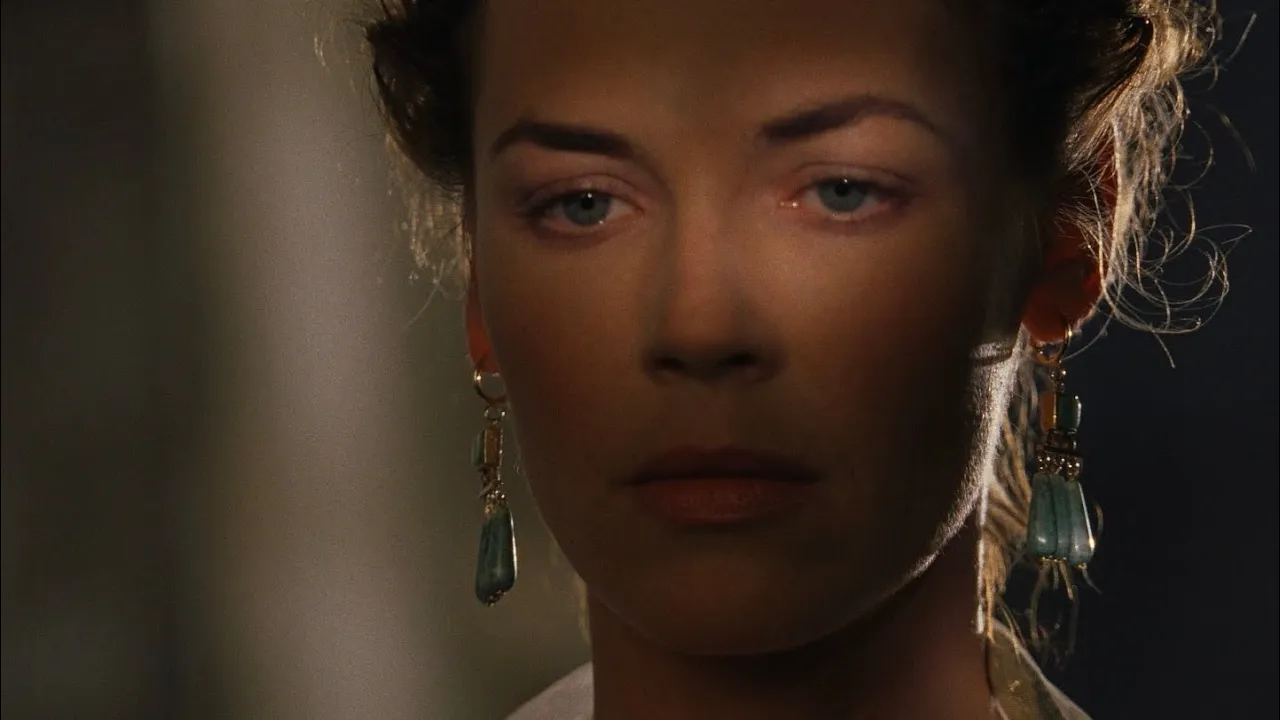
imagine that you are standing in a big gallery surrounded by people you've never met talking about paintings you've never seen and you come across a portrait what do you see what is unique about a portrait that is different from a writing a film a regular painting or a regular person here go ahead and take a look try to find its uniqueness and as you do let's take a look together that portrait of a lady on fire we're in France 1760 we see a young woman named Mary Ann who will soon be revealed to be a painter commissioned to paint a wedding portrait of a young aristocrat lady named Eloise simple enough except Eloise doesn't want to get married and has been refusing to be painted Marianne is told to act as a hired companion for Eloise and she must painter in secret and in doing so the two start to realize that they may be in love so the film is about love but there is something very different about this tale of love that sets itself apart from the other love stories and that the film deals with a relationship between two women and more specifically that of an artist and her muse there's always a subtle yet profound energy shared between a painter and his or her subject of interest and this found energy is not a coincidence in fact it's a prerequisite this energy usually mirrors a tension that can be found in romantic partners because the formed bond between the two must be genuine and significant this work of art can only be accomplished through collaborative means an artist skill can never be enough the subject must understand the intent of the work and be as artistic and precise if not more than the artist who does the painting and if the work process is prolonged like it is for Marianne and Eloise the two relationships they share that of a romantic partner and that of an artist and a subject is bound to go hand in hand and we are given a privilege to watch the to mirroring relationships as a single connection perceiving it as something new and unprecedented in fact this is exactly what we're challenged to do in this film to catch all acts of art let's give it a try the very first thing we witness is an unfinished portrait done by an unknown artist there's no connection and no insight yet - who the House lady may be and that's precisely the level of acquaintance in the previous artist achieved faceless at first driven by the weight of her task Mary Anne true is quick to only focus on the subjects features based on the conventional rules of painting the conversation the to share is generic and a motivating the sketches are careful like Mary Ann is careful hiding her true identity and the stairs the two woman give are uncoordinated and disconnected just like Mary Ann's attempt at Eloise's portrait is scattered and separated and Mary Ann already knows that something is not quite right yet she is still moved primarily by her goal the conversation although progressively more heartfelt still yields a predictable outcome Marian always ends up delivering lines that are guided by her own guilt and objectives instantly cutting the sincere connection that could have been she tells Sophia the made that she still needs to see Aloise smile it's not that she will be forced to paint Eloise with a big smile but it simply implies the nature of the art we are dealing with she must have everything first before choosing one without knowing all about the subject the painting becomes lifeless and as an artist Mary Ann doesn't wish that to create something that isn't her unfortunately and obviously that's exactly what happens in the first painting do note that by this time their love for each other has already grown to a substantial amount whether they know it themselves or not this is hinted by a number of clues first a Luiz starts to smile the way they communicate and dance with and around each other is more in sync and honest also the original portrait catches on fire which will be a recurring symbol for passion and love this moment highlights Mary Ann's or Eloise's love before the other woman as the painting starts to burn from the heart of the portrait and burns away in front of Mary Ann finally when Marian reveals that she's a painter Eloise ends the conversation with yeah what a shame isn't it Aloise goes on to tell Mary Ann that the painting is a disappointment asking if that's how she sees her Mary Ann replies that there are conventions rules and ideas that one must follow and that many times she had to paint with fleeting memories to allow ease the painting lacked life and presence she refused Mary Ann by saying that not everything is fleeting that some feelings are deep and this is really important for one she is right even when we just consider the conventions of what makes a great portrait a British artist Edward burne-jones once stated that the only expression allowable and great portraiture is the expression of character and moral quality not anything temporary fleeting or accidental it's not just about the accuracy of one's outer appearance but about one's inner significance Eloise thinks this way because this portrait is a simple look a gaze that lacks substance but in another meaning as well remember that she is about to get married to a man she barely knows everything that is going on in her life is forcing her to be someone she is not she hates being gazed upon and objectified as something less than her Mary Ann is someone who she thought is potentially more than other people in her life in other words Louise wasn't happy that the painting was done according to the current norm the expectation of the society that she is forced to follow in her life every day and Mary Ann was the only one she believed to be different do they're unconscious Park someone who would see Eloise in her true form and since Marianne shares the same feeling she decides to smudge the portrait and restart everything look familiar Aloise catching on to what Marianne has done convinces her mother to let Marianne stay by stating that she will pose for the portrait and her mother leaves to go to Italy for five days a lot happens in these five days the film commands is to discuss the woman's relationships and depth we start with this scene which is later revealed to be a crucial moment when Marianne first realized she is truly in love with Eloise although the audience doesn't have this information at this point sensing this shift is very possible by the scene that follows Marianne sketches Eloise again I mentioned two things earlier one that the two types of relationship they share as lovers and as a painter and her muse are very similar in nature and two that the reason why the first portrait was a failure was because of the discrepancy between their position as lovers and the way the resulting image got created here Marianne is painting Eloise sleeping on a couch Eloise isn't posing for her she isn't staying still and is in a vulnerable state one that doesn't keep her safe if you will yet Marian decides to draw not only is this not the standard way to do portrait but in doing so she is accepting a Louise's previous criticism and truly announcing who she is with her in simple forms this implies their growing love and loyalty and spontaneously their relationships become more equal both as lovers and as painter versus subject the director Selene sciama said that the power dynamic we often observe in other love films are absent here because well this film deals with two independent woman in the century so such equality is simple and uh knock word to achieve there is no one protagonist because they both are although he's even says it herself equality is a pleasant feeling and this is beautifully shown in the next scene where Marianne continues with the portrait Marianne who is doing the painting is shot close as the one in control and in Louise the subject is shot from afar wide and exposed as Marianne talks with Eloise she gets a chance to boast her knowledge about Eloise and her small habits Eloise at first is shook by the disclosure but tells Marianne that they are in the same position and to come to where she is right here the camera starts to move forward and Eloise turns the table by exposing Marianne of her little habits by the time Marianne goes back to her original position the camera now captures a Louise as the painter and Marianne as the subject wide and exposed as their love for each other advances together they're assumed roles in this real setting are also shared granted not in a literal sense but through camera work and this type of suggestions are constantly introduced as the day's progress the next evening the three woman gather around the table and read a book about Orpheus and Eurydice the story is simple Orpheus was married to Eurydice when one day she dies Orpheus visits the underworld and convinces the ruler to let him take you over to see back he is granted permission under one condition he can't look back to check on Eurydice until outside the caves of the underworld he agrees but unfortunately turns around before reaching the light in fear of losing her and Eurydice is lost forever the three woman have a heated discussion about the story and Marianne states something very intriguing she says when you put yes instead of making the lovers choice he makes the poet's choice Aloise takes a moment to let that statement sink in and adds the message is pretty obvious for this one but it's still meaningful Marianne who literally crossed the ocean to get to Eloise can be seen as Orpheus the scene is foreshadowing that although Marian came as a savior to take Eloise out of her doom destiny that is the upcoming marriage she will end up with a poet's choice to keep Eloise and her memory by leaving alone in fact later in the film Marian constantly turns around at night to see Eloise in her wedding dress just fade away this idea haunts her throughout and at this point some may ask how she sees the actual dress in advance well remember that this whole story is a retelling from Marian's memory that only makes sense as this will soon turn out to be the last image of Eloise she sees before departure and what Eloise as at the end suggests that it'll actually be her who eventually convinces Marianne to choose that path that she knows she will get married and that Marian will go her way because she agrees with the poet's choice as well but more on that later with the rather depressing idea the film moves on to one of the most memorable scenes of the entire film there at a bonfire with other woman the woman starts singing in harmony the song is meticulous and thrilling Marianne and Eloise stare at each other at this time with perfect coordination everything in this scene is symbolic with a sole purpose of demonstrating their leap of faith regardless of their foreseeable outcome the song evolves this new pair of woman join in on the choir and the scene intensifies together reflecting Marianne and Alice's state of mind as the woman choir and companies the two into their daring journey of love there big fire between the two this is similar to the previous scene of the original portrait catching on fire except this time the fire is bigger and more open so much so that Aloise actually catches on fire literally and Maryann runs toward her to help as Eloise pulls her and the scene dramatically transitions into the start of their actual days as romantic partners it's a stunning scene that illustrates the most pivotal moments of the film without any in your face exposition as their love becomes very overt in the film decides to put Sofie in between the two to keep the spirit fresh and fascinating what Sofie is is a good friend a contrasting image from the lovers we've been following this allows the audience to see how powerful their love story is and at the same time to be able to understand this unusual dynamic and to realize that there is a beauty and force to all relationships these women have whether that is of love or of companionship and with yet another painting scene we see a magnificent idea of equalization of woman as the maid the painter and the lady all come in equal stances in this specific incident to jump to conclusions in a way it's unfortunate since their fate as lovers are somewhat tragic at the end and especially compared to how powerful the female union and their friendship could be it's even more heartbreaking but that may exactly be the point so what happens they decide over again at the abortion process Sofie had to go through and paint it woman had to deal with a lot of oppression in the 18th century and just like their forbidden relationship abortion too was considered a taboo although to my knowledge abortion was not criminalized and considered illegal unless done after quickening which is about four months into pregnancy also consider this system the maid was probably expected to carry the child just like how Eloise was to marry this men in a way they are all challenging the system and celebrating their individuality by carrying out this act and painting it afterwards all the while creating a great opportunity for the toolies to bond and become even closer considering our previous dissection of what painting symbolizes the scene may be eye-opening in that Marianne is accepting and painting herself to be this woman who is deliberately opposing the system to love Eloise and to consciously acknowledge it again the irony is just that they end up not being able to carry out their own wish while successfully helping the maid carry out hers to challenge the system similarly the first portrait was done according to the rules which Eloise described as lacking life of any form so they paint this picture which is not a norm but reality the face of woman exactly how Eloise wished her portrait to be true with these buildups the film finally sums itself up with literally visualizing both woman taking the role of the painter together and finishing the portrait the second portrait is more satisfying for both of them for Marianne because she sees herself in this portrait of Eloise for Eloise it's the same it's no longer an objectification but rather a gesture for love a beautiful means to which they can remember and love each other as they gaze into this painting they can recall this time on the last day Marianne sketches drawings of each of them to remember each other Aloise here and Marianne here in the book the mother arrives and it's time for them to say goodbye overwhelmed with emotion Marianne turns and runs downstairs keeping herself from cry as she opens the door to leave wanna talk the last image of a Luiz is gone like that reminding the audience of the tale of Orpheus and what a Louise has said about the tale earlier in a way this is one ending to the film but the work goes on showing Marianne in present time as a successful painter witnessing a Louise's new portrait on the wall as Marianne stares at the painting she recalls her time with Eloise although they both are staring at each other one is a portrait stuck in time physically absent for a connection but the camera zooms in and captures the page number of Eloise's book as 28 the page Marianne used to sketch herself on their last day with this she now knows that Eloise sees her back through memory and beyond time and space they are in fact truly connected the last scene of the film has Marianne entering a concert hall and finding Eloise the orchestra plays presto from the baldies summer which is something Marianne played to for Eloise bath and the day as Aloise listens to the music she too recalls her memory with Marianne who is stuck in the past and form of a musical melody they are once again truly connected I asked what makes a portrait unique in the beginning of this video and suggested to take a look at this film to find the answer just like a portrait this film paints desire not just love and just like a portrait the two woman always faced each other not the world and like this scene sometimes a memory is more essential than the present as Marianne at the end secretly stares at Eloise in the present we can't help but think that perhaps the paintings stare back in the gallery was as well because with such energy regardless of their physical presence there is a real stare a real understanding and real love the two women share thanks for watching and that's a fun [Music]
Up Next

103:41
Atanarjuat: The Fast Runner | Inuit Film Analysis
@UnsettledEdu
6.9K views•2024-05-19

23:14
Visual Analysis Essay: How to Analyze Graphic Novels in College Writing
@nataliepleimann5941
1K views•2020-10-14
6:35
Eternal Sunshine of the Spotless Mind: A Study of Love and Memory
@SpikimaMovies
569.9K views•2021-01-01

4:00
Evolution of Darth Vader: Anakin Skywalker's Animated Journey Across Star Wars Films
@TellItAnimated
13.4M views•2019-03-30
Related Study Plans & Knowledge Roadmaps
Structured learning paths in Film Analysis
film-analysis
Sensory Cinema: Foley, Haptic Sound & Texture
01Introduction to Film Sound and Foley Artistry
02Micro-Sounds, Textures, and Extreme Amplification
03Haptic Audition and Film Phenomenology
+ 1 more learning modules
12h4 modules
Explore Roadmap
film-analysis
Breaking the Fourth Wall: Mockumentary & Satire
01The Invisible Wall: Basics of Cinematic Illusion
02Looking at the Lens: Direct Address & Character Glances
03The Mockumentary: Satire, Realism, and Complicity
+ 2 more learning modules
12h5 modules
Explore Roadmap
film-analysis
Analyzing the Long Take: Cinema, Space & Ethics
01Foundations of Film Grammar: Montage vs. The Long Take
02Choreography and Mechanics of the Simulated One-Shot
03Phenomenology of Film: Real-Time Spatial Continuity
+ 1 more learning modules
14h4 modules
Explore Roadmap
film-analysis
Anachronistic Music: Period Drama & Subversion
01Foundations of Film Sound and the 'Needle Drop'
02Traditional Authenticity vs. Revisionist History
03The Rise of the Anachronistic Soundtrack
+ 2 more learning modules
12h5 modules
Explore Roadmap