












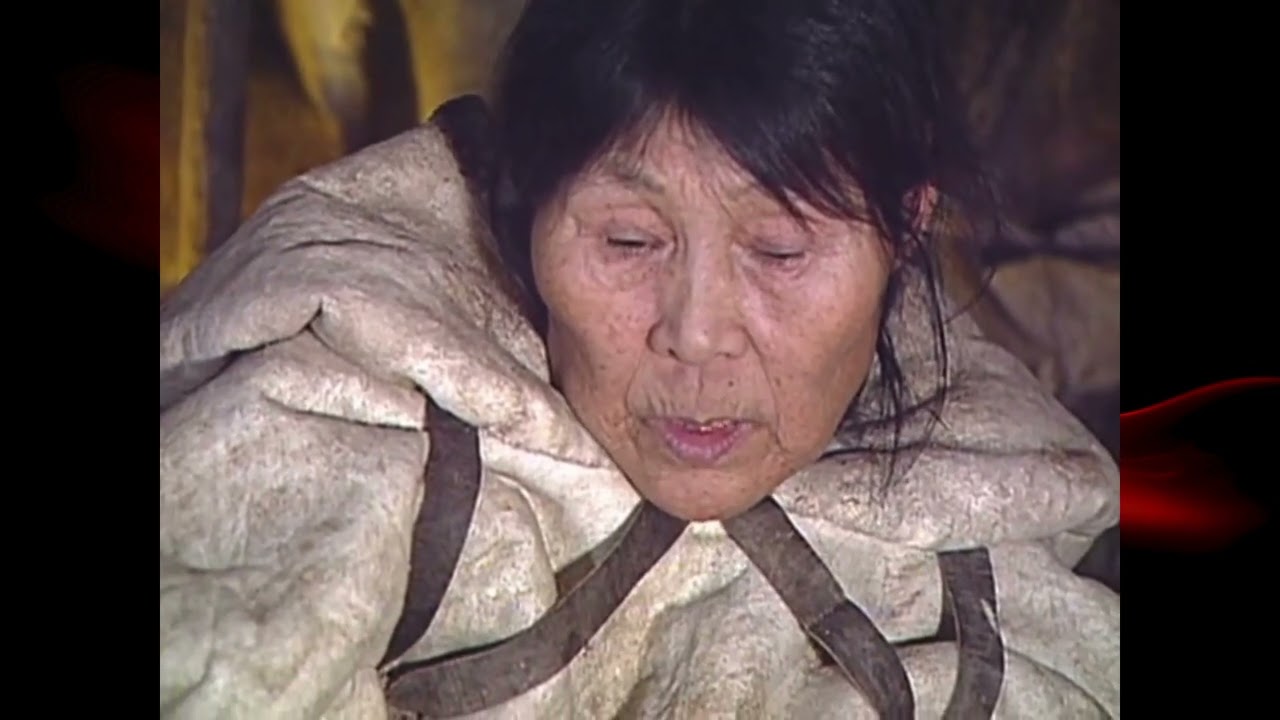
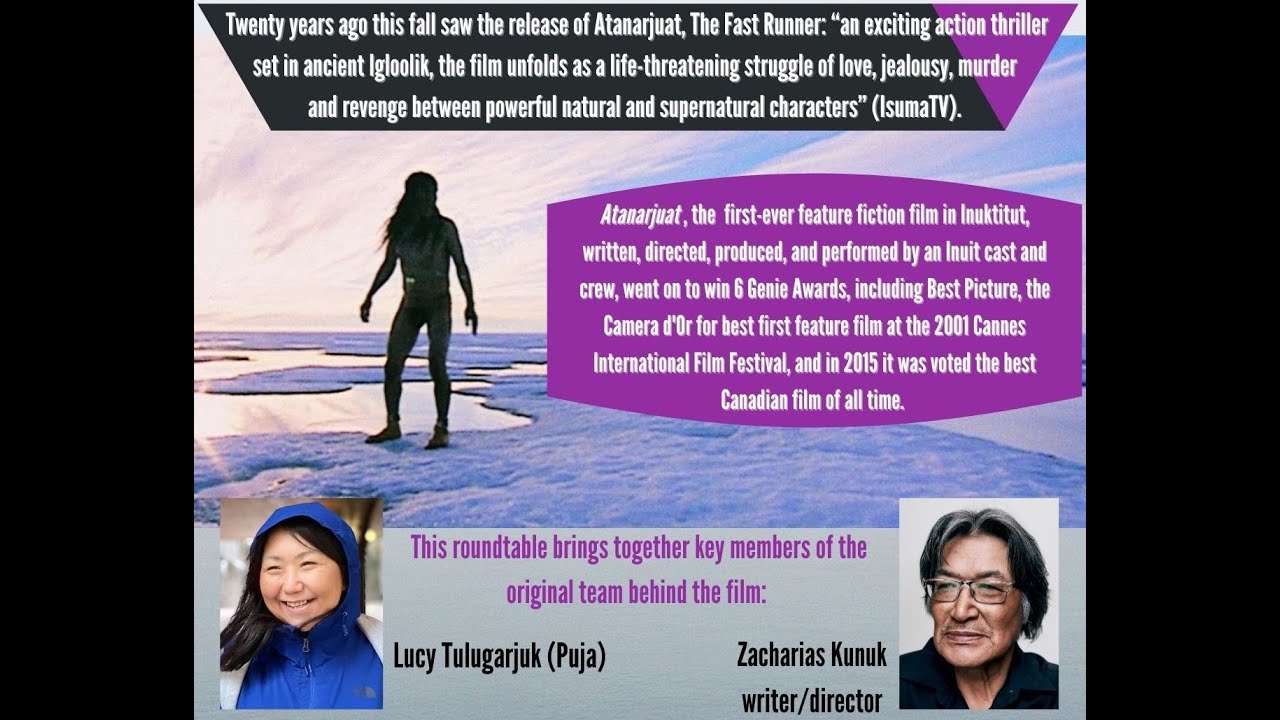







Atanarjuat: The Fast Runner (2001), directed by Zacharias Kunuk and produced by Inuit-owned ISUMA Productions, represents a groundbreaking achievement in authentic Indigenous filmmaking by being the first film written, directed, and acted entirely in Inuktitut, featuring painstakingly recreated traditional Inuit costumes, props, and settings based on oral legends passed down through generations, thereby challenging historical misrepresentations of Indigenous peoples in Western cinema and demonstrating how Indigenous communities can reclaim control over their cultural narratives through collaborative filmmaking processes that prioritize cultural authenticity and community involvement.
Atanarjuat: The Fast Runner | Inuit Film Analysis
Added:Familiarity with the history of Indigenous representation in Western media, particularly the legacy of colonial perspectives and 'salvage ethnography'.
A basic understanding of the geography, cultural history, and traditional lifestyle of the Inuit of the Canadian Arctic.
The fundamental concepts of oral storytelling traditions, including how narratives function as vessels for moral, historical, and ecological knowledge.
An introduction to the concept of 'Fourth Cinema' (Indigenous cinema) and how its aesthetic and narrative structures differ from dominant Hollywood models.
An exploration of the unique, collaborative, and community-based production methodologies of Igloolik Isuma Productions.
A comparative study of global Indigenous film movements, such as contemporary Māori cinema in New Zealand and Sámi cinema in Scandinavia.
Analysis of the role of Indigenous-language media in cultural preservation, language revitalization, and political sovereignty.
Advanced academic engagement with post-colonial theory and environmental humanities as they relate to the representation of Arctic landscapes in film.
6.9K views126likes1:43:41Original Release: 2024-05-19
what if you could watch a film that was as authentic a snapshot of history as possible one that depicted life hundreds of years ago as if someone had literally taken a video camera back in time and teleported the footage into the future for you to watch where all costumes props and even the languages are painstakingly made in the style at the time with the use of traditional knowledge passed down through generations well the good news is is that you can it's called atan arak the fastr runner released in 2001 and directed by Zacharias kunuk the fastr runner is a three-hour long Epic film it's won a ton of awards worldwide six in Canada and 19 internationally including the prestigious camera door award at the 2002 can's film festival and it was the first film to be written directed and acted entirely in an noot the fast runner is hailed as the top Canadian film of all time by the Toronto International Film Festival and it also has the number one spot on a CBC list of the 50 greatest films directed by Canadians so what makes this film such a big deal I don't know how to put this but I'm kind of a big deal well we're going to talk about that today we're we're going to talk about it a lot seriously I I had to stop myself from going on a million side quests when researching them this we are doing a deep deep dive hi I'm back and I am unsettled I make research videos on unsettling things my last video essay was about the high Arctic relocation so check that out if you're interested essentially the Canadian government forcibly relocated in multiple times with the most dramatic and well documented relocation taking place in 1953 and as the government does they they didn't plan this all out very well and they were super racist about the whole thing and a lot of Inuit suffered for it and if you're looking for an introduction as to who Inuit are where the Arctic is and some context along those lines I also encourage you to watch either the relocation video or my sled dog Massacre video because I provide a lot more historical background detail and context than I will here so this video is going to be a little different than my other video essays I'm going to do a video analysis of the fast runner it's production uh the legend that the story came from uh the reception all of it but first my positionality because I forgot to do that in my last video uh really I forgot to do any kind of intro at all which is a shame because I like making basic white girl jokes at the expense of myself anyways I'm not indigenous I just like to research so I'm going to do my best and also please forgive me if I'm bad at pronouncing inut words I'm trying my best um I do have a bit of a research background in indigenous issues but I'm still learning and I like making these videos as an opportunity to learn more also spoilers if you haven't seen the movie I'll be spoiling all of it I highly recommend watching it first it is on Canadian Netflix so the fast runner is set in the precolonial past telling an Inuit legend that has been passed down by oral tradition I'll give a brief overview of the plot so we know what we're talking about right away but we're going to dive deeper into the details once I set up all the context because if there's one thing we do on this channel it's like half an hour on context before we even get to the video topic so the fast runner centers around a guy named atan arak in the village of iglulik in modern day nunit one day a mysterious Shaman comes to the village and upsets the Natural Balance of the community and that results in the death of the leader years later tensions arise in the village the two best hunters in the village are the brothers amatak the strong one played by Pak anduk and at narak the fast runner played by natar ulak the new chief's son Oki played by Peter Henry aratak is jealous of the brothers and atan arak wins the hand of oki's promised wife atat played by Sylvia ivalu these tensions boil over and Oki and his friends try and kill the brothers in their sleep ajak is killed but atanar joak escapes he runs naked for his life Barefoot across the sea ice until he collapses and he's found by a kind family who nurses him back to health when he's ready he goes back to iglulik to avenge his brother's death and restore balance to his community and I didn't even mention Puja and how she plays into all this we'll talk about her later too so yeah a historical epic if there ever was one the national film Board of Canada reviewed the film as follows many enthusiastic viewers have compared this epic story to The Iliad in the words of one movie critic if Homer had been given a video camera this is what he would have done director Zacharias kuk describes it as a powerful drama not a documentary and that it demystifies the Exotic otherworldly Aboriginal stereotype by telling a universal story but I'm getting a little bit ahead of myself first a note about sources because this movie was so groundbreaking that there were multiple books and academic studies written about it most notably there is a book called the fast runner filming the legend of Aton arak written by Robert Evans that I found super helpful no not that writer Robert Evans even though I am a big fan of his podcast but in this book Mark Robert Evans has the ability to talk to kunuk and the other creators of the film so I learned a lot about its production as well as the history of the production company isuma Productions which we'll talk about in a bit so first let's talk about iglulik iglulik is actually a community located on a small island between baffan Island and the net mainland the first European ships reached iglulik in 1822 Captain by William Edward Perry while he was looking for the Northwest Passage the Norwest passage and it was also probably visited by the infamous Franklin Expedition they likely made it Beyond iglulik before their ships got stuck and I have a whole side tangent about the Franklin Expedition um in my last video it's kind of my Roman Empire ulic is the setting of the fast runner because that's where the legend comes from that's where the story takes place that's probably our one of the best story in our region which we put it on the film and it makes me very proud that we can pass the our story from through tongue then through films which is very good for us to be involved and it's a community of people today still it currently has a population of about 2,000 people and Inu from mulich called themselves uling mute imagine living in a place where there's a legend that's been passed down and that happened right in the place where you still live in Michael Robert evans's book he talks about how there's this rectangular stone at the bay near the community that you can go sit on to look out over the bay and part of the atanar joak legend is that atanar joak would come and sit on this specific Rock to watch for the whales that he had hunted to drift onto the shore so you can go sit on the Rock and be like yep the legend sat here too and another interesting fact is that the island of aulic is actually Rising so because when the land was covered by glaciers during the last ice age it was really compressed and then when the glaciers receded the land has been slowly springing back up and as done that so much so that the Rock That was supposed to be pretty close to the shore of the bay during atan arak's time which was probably about 500 or so years ago it's now about 500 ft back from the shoreline so that's how much the island has risen and there's also a research center in ulic that works on documenting Inuit traditional knowledge as well as climate research there's facilities there for researchers doing all kinds of field work in the area and when I was looking on Google Map I went to see if there was Google Street View in a glck and there's only one pin drop and it's right in the research center so this is what you see when you look at Street View in the research center hi guys nice to see you hope you're doing well now a glue look is the home of Zach as kuk the Director of the fast runner and a founding member of isuma Productions Dr Zacharias kuk OC Order of Canada was born in 1957 in baffan island and he had a traditional upbringing he lived in aad house when he was young um he he's lived in the UIC area for pretty much his whole life he was taken from his family as a boy and enrolled in a boarding school which he didn't have a good experience at I don't know if he considers the School the same as like the residential schools that were common across Canada at the time and the Legacy that they left cuz I never heard it referred to as a residential school in my soures only as a boarding school or a government school but it seems to have a similar traumatic Legacy for kuk because he talks about arriving at the school not knowing English because his first language is a notit and the nuns would beat him when he spoke a notit so that resulted in him just not talking a lot he said he did like watching movies at the school gym and also in ulix Community Hall um for me it's great because um when I came to in the 60s I went to our little Community Hall where they watch movies Cowboys and Indians and I thought it was God sent never knew there were cameras here and there and so many people work behind the camera we didn't even know that when he left school he was reunited with his family in the glck and uh he got really good at carving sculptures and these traditional sculptures that he carved could be sold in the South for a lot of money they were like high-skilled artisanal crafts so in 1981 he took his carvings down to Montreal he sold them he bought video equipment including like a camera and a television and so he kind of started teaching himself how to use the equipment and when the Inuit Broadcasting Corporation opened a production Center in ulc kuk joined them as a videographer and producer and then later as a manager um so again a lot of the technical stuff he figured out on his own as part of the IBC training he took a two-e long videography course in callow and that was where he met Norman KH who was the instructor of the course he continued working with KH learning more about videography skills from him and Norman became another founding member of isuma Productions so Norman Colin was born in 1946 in New York City and he's the only non-inuit founding member of isuma Productions he immigrated to Canada and became a Canadian citizen in 1981 he met kuk when teaching a videography course in aalow and then he traveled to iglulik in 1985 to meet kuk again after seeing videos that he made when working for the Inuit Broadcasting Corporation uh con has a background in experimental film and he brought this expertise along with his technical filming expertise to isuma the third founding member of auma was Paul AAC born in 1954 near iglulik he had a background as a hunter dog teamer and photographer he joined the Inuit Broadcasting Corporation in 1981 working with Zacharias kuk and he wrote the story and a Nook to screenplay for the fast runner based on interviews with local elders and unfortunately he passed away from cancer in 1998 before the film was completed the fourth and final founding member of isuma was paly kital Al who was born in 1939 on Baffin Island he also worked for the Inuit Broadcasting Corporation and as a co-founder of isuma he oversaw the cultural authenticity of every production and he played acting roles in a lot of isuma production films as well so for example in the fast runner he plays the character of kallik the shaman so uh back to how isuma actually started so after working at the at Broadcasting Corporation for 6 years kuk left because he didn't like their southern approach to work um so the IBC had really structured um Western approaches to the work environment of like showing up at 9:00 and leaving at 5 and you had to work for the designated time being on the clock and kuk was more accustomed to the Inuit style of following your own natural productivity rhythms so if it's like a nice day for fishing you should be able to just go fishing for the day instead of having to be at work if the weather is bad and traveling is dangerous you should be free to stay home so you know that makes a lot of sense to me I kind of think we as a society have been brainwashed into thinking the 9 to-5 hustle is normal you're reled you don't have to go to work cuz you thought you were going to get eaten what the [ __ ] is this world what have they done to us what did they do to us and if you think kuk is lazy I implore you to look at his extensive list of projects over over his career so that would suggest that he is anything but lazy so I think he's on to something and maybe our society needs to change but like that's a whole other tangent that I don't have time to delve into in this video so a lot of isuma production projects you can watch for free at www.
isa. and generally you can't watch the feature films here but all the documentaries and series and things like that you can watch it's where I watch the documentary Exile which I used as a source in my last video about the Hier Artic relocation so how did the fast runner start how did it become a film well there there's been a lot of depictions of indigenous peoples in film up till this point and a few included Inuit depictions and most of these depictions were not good so trigger warning for some racist ass [ __ ] so most media about indigenous peoples have been made by white people from a white perspective uh some of the worst depictions were of people as like primitive Savage silly ranging to like the noble savage Trope or just being like non-existent you know suggesting that indigenous peoples existed historically but they're just not around anymore if you want a really good analysis of depictions of indigenous peoples in film I highly recommend the Lindsay Ellis video Pocahontas was a mistake and here's why and our heroine is like okay yeah that sounds legit turns out she has this Treasure of obsessed antagonist who's really obsessed with being shiny so she gets in a boat and goes out to meet her Destiny and after some trials and tribulations and hanging out with some guy who is pretty disrespectful to her te just Mah so good uh she also has an interesting point on the film Brother Bear but with the way it mixes native language with a European style of music YouTuber sideways did a great video essay in entitled how Disney uses language this essay has a little segment about Brother Bear and its use of inup at language with Bulgarian women's choir music because it sounds vaguely you know ethnic so they used music that most people hadn't heard of that had nothing to do with the context of the film in order to make the scene sound I don't know more magical Point here being that brother bear kind of took a step back and got away with it because most people couldn't tell the difference between a Bulgarian women's choir and inat music both are presumed to sound equally alien so even though brother bear uses Bulgarian music to try and convey an Alaskan sound which all right they were actually on the right track by using the native language uh she touches on the Disney mixing of cultures without regard for authenticity by using the example of Brother Bear which tells a story of inupiat in pre-colonial Alaska and just as a side note of weirdly enough the fastr runner also uses Bulgarian Coral music uh it came out before Brother Bear I just saw this in the credits so maybe there's a more solid connection there as to why kuk chose to use this music specifically um I couldn't find anything online about the music choices so I just thought that was neat um and also I'm pretty sure there's also digy do used in some parts of the film so I don't see the issues of mixing music from different cultures to capture the feel of like what you're going for in an Inuit film given that whoever is making the decisions to do this is Enoch but essentially most depictions of indigenous peoples in film historically um they haven't been informed they haven't been accurate and most importantly they haven't been created by indigenous peoples and these depictions are also usually set in the past which gives the impression that indigenous people only existed historically and that they've disappeared with time which you know isn't true but that's in in recent years act normal yall wouldn't have seen a stolen food truck would you no oh someone stole the truck Day Life put your seat belone on seat Bel people safy we're stealing a CH not give a [ __ ] put your but at the time in the 1990s and early 2000s the film landscape wasn't great so for a long time the main depiction of Inuit that most people outside of the Arctic were familiar with was nuk of the north so this is a film that was released in 1922 and directed by Robert fery and flarey wasn't actually a filmmaker by trade before this he was a mining specialist it was filmed in nevic on the anava peninsula in Northern Quebec and it claims to be a documentary of an Enuk named nuk and his family as they go about their lives and the film didn't really permit much indigenous agency although the film depicts itself as an authentic look at the lives of Inuit it was heavily manipulated to fit the narrative that the Europeans filming it wanted to give uh I find the tagline of a story of life and love in the actual Arctic to be a bit ironic uh so for example the main character nuk is depicted as a spear Hunter even though in reality the actor who played him had owned and used a rifle for years and the actor's name wasn't nuk it was alakar alak ferity chose the name nuk because it sounded more marketable for the film and there's a scene where nuk is shown a photograph and he doesn't know what it is which I guess like fair enough but then he picks it up and bites it which like come on really zachari kuk mentions this scene in particular as showing Inu as primitive and childlike and he says it partly inspired him to present a more authentic look at Inuit life without the stereotypes and the insults and for context the scene was entirely scripted anyway and alakar alak knew what a photograph was also the two women shown in the film playing the characters of nuk's wives weren't actually his wives the woman who played the character of Nyla the actress's name is Alice ninga um ferity actually had an affair with her he was married to someone else at the time and then a few months after ferity left Alice gave birth to a son named josephi and because ferity is presumably a jackass he never acknowledged his child with Alex and because everything is connected josephi was actually one of the Inu who was relocated from inukjuak to gree Fjord and Joseph's daughter Martha who was 5 years old at the time her family was relocated is now an Inuit cultural educator and there's actually a documentary about her called Martha of the north anyways this is the cultural context that we're working in when we're talking about historical depictions of Inuit in the media so like most people in Canada and elsewhere aren't from the Arctic and most people haven't even been there so media is really important in communicating what it's like so it's important that that media be authentic and how can a film about in be authentic unless it is made by Inuit in an interview with the CBC kuk talks about how the camera is a perfect tool for oral history we come from oral history uh the camera is exactly the perfect tool for this uh it is because it can just capture you just talk to you just talk you just act you just because that's what we learned when we were children were watching our father tie up the sled how he ties it how he harnessed the dogs and we're trying it out ourselves um yeah I grew up to that world so I I want that so preserve so he set out to make a real movie about Inuit and a quote from him says we show how our ancestors dressed how they handled their dog teams how they argued and laughed confronted evil and fought back so isuma Productions depends on grants they expand when funding comes in and they contract when a project ends and they have to apply for another funding Grant the funds from granting agencies also don't flow smoothly they require forging relationships with granting organizations understanding requirements for application procedures and submitting successful applications to bring in the funds necessary to complete a film uh so Zacharias kuk needed funding for his movie and he had to fight to keep his vision it was almost impossible to make a film if you're Aboriginal and that's what we we ran into we never knew that this exist I thought if you had a bright idea anybody could propose for a funding get funding and do it in that time it was not like that uh probably for a long time and and we changed that they also want our actors to speak English and I had a good argument with that because I've seen kung fu movies and I thought that's what it's going to look like Kung and I didn't want that Zuma production secured funding from the national film Board of Canada and had an approved budget of 1.96 million and I did find a source that said 1.5 million of that budget was put right back into the Gluck economy through mostly hiring people which is pretty amazing another great thing about isuma Productions is that they employ local people in a lot of very Northern remote communities like ulic there aren't a lot of opportun to participate in the wage economy there's generally a few government positions some Municipal service jobs a few hourly openings at local stores and that's about it so a lot of people live on government assistance which is not a lot it's just enough to cover basic needs generally and not much else so when a zota Productions is filming something in the community they need to hire actors they need to hire costumers makeup artists set and prop Builders dog team Wranglers and and a whole other host of positions and that provides jobs for a lot of people in the community while the film is in production and the extra money that people make is able to go towards improving their lives such as fixing up their homes and buying new clothes which generally is not in their budget from just receiving government assistance and the production of the fast runner is pretty amazing because so the film is set about 500 years ago I've had mixed messages in my sources on the timing some say a thousand years ago so everything used in the film was made by Inuit artisans in accordance with traditional methods so this includes uh everything that you see clothes Spears kayaks sunglasses and dwellings uh these were all painstakingly researched and recreated to be authentic to the time period and the people making these things were all local people from ulc uh the women actors even had facial tattoos which they would have had at the time and which are still very common in many Inuit communities today tattoo was just left when Christianity came and when we're doing a film way past Christianity of course every woman will have tattoos it was a way of life and they were tattoed when they were children we all grew up with this story uh you can actually go to places where this story happens where passing this story on from all history to a Motion Picture film and we wanted to do it for our in audience because there was not too many films about in we had to do it right the dialogue is Right costum is right what research we did was we went back to the earliest known records uh of this island we saw the sketches of how in dressed when we hired seven women to sew their method of measuring was still all technology I mean they were using strengths to measure our [Music] actress so when writing the screenplay the filmmakers collected eight variants of the atanarjuat legend from iglulik elders the elders were telling the story as it had been passed down to them for generations and when you're talking about oral Traditions there's really no official version of a story because obviously things change when you pass them down from person to person over time and in the film not only are they speaking inuktitut they are speaking an ancient form of inuktitut all of the actors who were already fluent in modern inuktitut spent hours learning this older version of the language from Elders Paul appac quotes we go to the elders and ask information about the old ways about religion about things that a lot of people have no remembrance of now they are helping us write down what people would have said and acted in the past and what the dialogue would have been like we speak baby talk compared to the elders but for Aton arak we want people speaking real in Nook to so the film was shot over 6 months and it was shot entirely on HD which was rare at the time but it was necessary for the filming because of the cold temperatures because remember they were filming on location in glck you make films the way you go seal hunting which is you get a bunch of people together they cooperate because you can't get a seal by yourself somebody catches it but it doesn't matter who you all share it and take the meat home there are environmental limits to what you can do in the Arctic if you shoot anywhere from let's say the 1st of April to 15th of December you're equipment will work fine there will be times when you're really cold and the equipment's really cold because it can be-3 when it's colder than minus 30 things don't work cables snap be like dry spaghetti uh cameras freeze so our parameters are fixed we have to make it the way it is so our guy is really running on the ice he's really naked he falls in the real water and yes he's really cold and we're running along with him because that's the only way to do it so they had to work with the seasons and make sure when they were filming it wasn't too cold um also for part of the year the region has 24-hour daylight since it's above the Arctic Circle so they Incorporated that into their shooting schedule as well so for some parts of the year they could shoot Round the Clock if they needed to um yeah so when we go through the film together just picture people running around with cameras on sleds and cameras in boats and um just try and think about how they got all these beautiful shots of the high Arctic okay so let's just start [Music] so the film opens with dogs howling on an Arctic landscape we can hear the crunch of the snow with the footsteps so that's how you know that it's cold down so this is catac and his sister panpac cattac is leaving the village and we are about to find out why so through panap pac's flashback sequence we see an evil Shaman enter the community he duels with kumag glak who is Pan pac's husband and also the leader of the community [Music] and the shaman kills him the leader's necklace of wver Bones is given to kumag glac and panac son sorry [Music] [Laughter] okay so I realized this already might be a bit confusing so I made a family tree in canva so here we are so far um I'll keep coming back to this and updating it as as we go along so we got catac and his sister pipac and she's married to kumag glac and they have a son s and there's the evil Shaman who is not related to anyone else in the story that I know of so he kills kumag glac and sa is now the new [Applause] leader and one thing I noticed at this point in the film is that the soundtrack is really cool so like I mentioned earlier it sounds like digy Do's here um in one of the sources that I read Zacharias kuk did mention spending some time in the Australian Outback to learn about the Aboriginal videography projects that they were doing there but other than that I couldn't find out much more about the possible inspiration for the music used in the film uh it'd be really cool to learn more though so anyway we flash ahead a couple of years and we meet tulac tulac is having a hard time he's really been struggling with hunting and having some bad luck other people on the hunting trip are taunting him and we later find out it's sour and a Sidekicks we meet t Ma's wife PUK and their two sons the older one is maak and the baby is atanar so we pause for a quick addition to our family tree okay there we are anyway the rest of the hunting party has some frozen seals and they don't seem too concerned about tul laax family's wellbeing or sharing their food with them going be you so here we see a nice closeup of some facial tattoos so although men sometimes got traditional tattoos by far they were and are more common among Inuit women uh facial tattoos generally Mark a woman's transition into adulthood and they carry unique symbolic meaning for each individual person facial tattoos were discouraged and persecuted by Christian missionaries after European contact because by my understanding Christian missionaries are against all things cool and fun but in modern times they've seen a Revival which is great because they're a really important part of Inuit culture [Applause] so we cut to the tent they're still making fun of tulac t and we see pan Pac in the corner kind of watching this all unfold there's a lot of burping in this scene everybody's kind of laughing at tulac except for panac she's not laughing afterwards we go back to tunac and petalo and they show them ending the fire uh one of the criticisms of Aton arak is that it's too slow and they show Too Many mundane things but I think that those criticisms kind of miss the whole point of the film I really like watching this stuff it's supposed to show authentic in life like that's the point what's the point if you don't show day-to-day stuff if you're if you want to tell a story like don't you want to see how people make fire in a land with no trees for wood also the lighting is beautiful you you see the Fire Light flickering up at their faces panipat comes in and secretly brings food for the two kids fore spee speech [Music] uh then we have another time Jump this one's a lot bigger we see ajak and atan arak all grown up now we learn why a MAAC is called the strong one I really like how you can see the frost in his hair and his beard then we meet Oki and his gang Oki is sar's Son and he has carried on the tradition of being a dick so let's quick go to our family tree we've got Oki who sori son and kumak and pac's Grandson there's also Oki Sidekicks pulak and Pak who aren't related to anyone that I know of but I just kind of stuck them there so we know who they are oh and do you like how I labeled all the bad guys as bad and then I also colorcoded them and everything anyway they tried to take the dog sled but I'm maak and anarak out with them and I think the costumes are really shown off in the scene in particular you can see Oki snow goggles which if you've ever been outside on a really sunny day and surrounded by open snow you'll know why the snow goggles exist Sun reflects off the snow and makes everything like extra bright around you in these landscapes and you can actually get snow blindness from this so snow goggles are an ingenious invention made generally out of either Driftwood bone or antlers and they're essentially like glasses with slits carved in them it cuts down on the amount of light that your eyes are exposed to but you can still see out of the slits so kind of like sunglasses but not with glass also watching them run in the snow made me feel tired like you can see the string that it takes next we see a game the community is playing wolf tag which is like regular tag but with the twist of you have to have skin- to- skin contact to be [Music] it so this Sid tracks us into the topic of traditional Inuit games from my research Inuit games seem to play a dual role they both uh keep up endurance and Agility that is required if you're living in the Arctic environment so like being able to keep up on a hunting trip and whatnot and games are also important for recreation and relationship [Music] building I jiss see me I I'm tell you i'me I'm not F so we see wolf tag and atan arat catches a woman named atat they seem really into each other however Oki is not happy about this because atwa is supposed to marry him we also learned that Oki has a sister named pja let's take a quick detour to our family tree so we've added Puja and we have at toat just chilling out there for now oh and spoiler Pua is kind of a baddie too also I really like the hairstyles that we see here particularly puas then an argument ensues and that kind of shows some tension that's developing next we see panac and atat preparing food we get some really great close-up shots of the food prep panac says that she doesn't want atat to marry Oki her grandson because him and his father are mean [Music] she says that ever since her husband kumag glac was murdered evil lives within both Oki and Sari next we are back to Oki he's mad because he's not as good of a hunter as atan arat and he also thinks atan arat is stealing his promised wife so he's like extra jelly meanwhile atan arat brings home a big sled full of meat and Furs ataru's father and mother are really happy offe and tulac declares that they're going to have a feast fore fore ok's Ang ER comes to a head and him and atan arak decide that they're going to have a head punching contest to decide who wins the hand of atat and by head punching contest I mean exactly what I said so in preparation for the event they need to build a big Igloo for everybody so we get some great footage of igloo building hey you go [Music] we see other preparations for the festivities including tuning a drum I see your way and aak reveals to aak that Oki threatened to kill him so that's not good and there's a really sweet scene where atat comes into the igloo and she doesn't know where to sit cuz she doesn't want to sit with Oki but if she sits with Aton arak Oki will get mad but pipac saves the day and is like come sit with me so atet goes and sits with her anyway the festivities start you can see the steam from people's mouth when they're singing [Music] and we see more in at games these ones seem more focused on you know like indoor stuff we see throat singing there's a finger pull game where you stick fingers in each other's mouths and try and pull each other over soon deep and these types of games rather than focusing on keeping your physical stats up they're a lot of the time meant to keep the peace so everyone is living in really close proximity to each other and there's not a lot of room for shenanigans it's a really harsh environment so everyone has to get along for the whole group to survive so Inu traditionally would use games to avoid and defuse conflicts so you would use competitions and games to duse standoffs to settle quarrels and that way you could address smaller issues before they fered into bigger ones and they're also just for fun too and having fun is a great way to defuse tension we see them singing taunting songs to each other IM [Applause] [Music] this is called a and it's basically like roasting anyway it's time for head punching and we see atanar and oi square off they take turns punching each other in the head until one has to stop ooh right in the temple so atanar wins but s basically says I'm the boss and I don't care who won I declare that atat is going to marry Oki anyway however panac saves the day again when she declares that Oki will willingly give at toat away to be ataro wife you know to say face even though we all know what happened anyway uh we have another time Jump atar and atat have been together a few years now they have a son named kumag who was named after the original Community leader and atat is also heavily pregnant with a second child so let's take a second to update our family tree I don't know why I wrote little kid there I think to differentiate between the two kumag GL it was it was really late when I made this so there's a really cool kaying shot as we see at tarat returning back from a hunting trip so remember everything that you see is made in the traditional way including the kayak at goes to greet him and they're just super cute together fore for for hey they talk about how they need to go Caribou hunting but atat can't go with atan arat because she's too pregnant so atat atan arat needs another woman to go with him to attend the camp while he's out hunting so he asked Puja to go with him while he goes out hunting so we skip ahead to the hunting trip and I know this movie isn't supposed to be a documentary but at times it does kind of feel like one it feels like you're watching a snapshot of life in a time and in a place so Pua flirts with atar um he doesn't seem super interested but he also doesn't shut her down either um we have another scene by campfire light which is really neat to watch and then Puja keeps being like ooh I'm so cold how will I ever warm up ooh and then somehow that works and then they do it so yeah so we jump ahead and Puja is now a second wife and living with the family so let's update the tree and second wives weren't uncommon among Inu at this time from what I could tell so just that like if you have multiple wives you better be a good Hunter because it's understood that you have to be able to feed everybody so in a sense having a second wife could be seen by others is almost like an arrogant thing like ooh I I'm such a great hunter I can not only support one wife but also two and also marriage was less formal of a thing in this culture you would simply just move in together and there wasn't like a formal ceremony or anything so I was expecting atat to be like at least a little mythed about all this but from what I can tell she's not mad that ataru took a second wife however she is mad that Puja is being lazy and not contributing to the household so Puja kind of walks around and is like you clean up I'm going to go take a walk and then we also meet amak's wife lurak who is also pregnant and these two pregnant ladies are not so happy that they have to do all the work while Puja is off frolicking around so you can see how this is a problem everybody's in one tent together and everyone surviving depends on everyone getting along and doing their share to help out and when one person doesn't do this it disrupts the balance of the whole group and causes like tension this isn't the end of Pua sh disturbing either because while they're all asleep in the tent together Puja snuggles up to a macjac and he's like okay and just starts having sex with her and UA catches them because they're literally right beside [Music] her and then everyone starts yelling and they wake the baby up and I understand that Puja is the [ __ ] disturbing Factor here she's the one causing all this trouble but you know both brothers didn't have to stick their dick in her I don't know but but I digress anyway Pua runs off she runs back to sar's Camp who is her father and she does this amazing fake crying thing [Music] you go you go [Music] and lies and says atak tried to kill her and I got to say the actress does a great job of like the really fake sounding crying like it's almost comical uh panac is not fooled but Oki is like cool a reason to kill atan arak I've been waiting for this [Music] and him and his gang leave toward ataru's Camp so we cut back to urak And atat discussing this Tom [ __ ] [Music] andak says she isn't mad at a MAAC she's just worried about the rift between the brothers cus by Sleeping with his wife and is worried about how they're all going to live together now so yeah this just shows how the primary concern is keeping the balance and living in Harmony and I totally couldn't do it I would be so mad at my stupid husband anyway we get this amazing scene uh Puja she's just like stumbling towards them across the landscape absolutely [Music] wailing so she gets closer she comes towards them [Music] and essentially says I'm sorry I slept with both your husbands I will never do it again and they both just stare at her amazingly but Puja promises to do her share of the work and so they all forgive her so that they can be a family again [Music] atak and a maak come back from hunting and they're really angry to find Puja there [Music] [Applause] but atat calmly explains that they already made up with Puja uh Puja said she's sorry and they're a family again and holy [ __ ] where would they be without these women in the group keeping the peace Puja makes a seemingly nice gesture of offering to stay behind so atat and lurak can go picking well atak and a maak sleep so remember the days are really long this time of year sometimes like it might be the time of year where there's 24hour days they're talking about being really tired so they undress and go to sleep in the tent we see Pua take a boot and place one to Mark where each brother is sleeping on the outside of the tent and we see oki's gang approaching across the landscape as Pua leaves so this was obviously a setup the whole time so Oki and gang run towards the tent there's a shot of Aton arak rolling over in his sleep so now he's slightly off from the boot marker oki's gang make it to the tent and they just start stabbing through it at the boot marker we see a spear come back bloody showing that he hit someone and suddenly Oki is startled by a vision of his dead grandfather kumak while he's distracted atanar runs naked out of the tent and I I'm probably going to have to blur a lot of these scenes because there's a lot of um flopping Oki and gang chase him and they throw Spears at him but miss and note that atan arak is running Barefoot on the ice and note that the actor natar unak is in real life running Barefoot naked on the ice and remember that this is filmed on location in a glck in the high Arctic and these are really long shots too it was confirmed that this was all real in the interviews that I watched there's a famous scene of course where you have to run naked over the snow Barefoot talk to me about that scene well in my mind nobody wanted to get that rooll naked in front of camera right and I said to myself if I have a chance I'll play that role I think that the point that I pitch in perfectly to be as at an Al fast runner mhm but you knew it was coming yes cuz it was already there so right so when you signed on you're like okay that scene will happen that's going to come yeah yeah all right so how do you prepare yourself well everything has to be prepared from scratch the behind the scene I remember I was inside the tent naked trying to be warm and little store was on and at the same time before the break we I was making a a coffee that built up and the steam went up and all of a sudden it spill into my back and I had little souvenir for that oh no yeah yeah and what about your feet nothing cut yeah but the only part that I had a little bit of cut was on my knee cuz I had to fell down and that was pretty interesting challenging for me to be involved and we planted we you know we takes and takes one so good so the women arrive back to the camp and know that something is wrong they run to the collaps tent and find a maua bloody body you can see atat immediately look to see which brother it is since it's not immediately apparent and then she just immediately starts looking for atan narak when she confirms that that's not him [Music] I'm now and then there's a shot of her just calling his name into the void [Music] [Laughter] [Music] [Applause] [Music] so atan arak is running we see a shot of his feet running on the [Music] ice his hair is blowing and we hear really heavy breathing [Music] and not only is at and arak able to keep ahead of Oki and his gang Barefoot while they're you know fully clothed but he's able to widen the gap between them over to time um he falls into the ice cooled water which again the actor actually did and he sees that there's a crack in the sea ice ahead Oki is convinced that he can't make that jump and that atan arak will be trapped however atanar has a vision of someone standing by the crack and waving telling him to come this way and jump even though his feet are bloody by now having been cut up by the ice he makes the jump and Oki tries to make the jump but hesitates and falls into the water his friends have to pull him out and Oki decides to come back later with the sled dogs meanwhile we see a man walking around on the land and we see it's the same man from The Vision that atanar just had before he jumped the crack in the ice anyway this man man is out collecting eggs and then he seems to sense a disturbance in the force he goes back to his wife and daughter and basically says cook all of these eggs I think we're going to have company [Music] so this man is actually the same one from the very beginning this is Kik pan pac's brother and he's been living out on this island with his wife and his daughter who by the way are nunik and kti kuk I forgot to tell you that in the last tree update oh and also this actor is py one of the founders of isuma Productions we see atan arak struggling by now he falls down and collapses and there's this amazing shot of kidik nunik and kti karuk looking down at him um it's like kind of one of the more iconic shots in the movie and by now they've brought him back to their Camp they've rescued him they've wrapped him in Furs um nuni treats his cut up feet with blubber and ataru tells everybody what's going on has heard of s's people and karuk on Lookout Duty spots a dog team heading towards them [Music] and expecting trouble they hide at anarak in the seaweed so for context this island is called Cyro also called Turn Island and according to Google maps from ulick to cck it is 42.6 km in a straight line so that is just a little longer than a marathon so atanar joak ran over a marathon Barefoot and naked in the high Arctic across the sea ice from the sources I I've read it says that any person that did this would die they wouldn't make it so it kind of alludes to the fact that number one atan arak was a really fast runner and number two there was some kind of Supernatural element helping him out here so back to the island so Oki and his gang arrive there uh Oki aggressively Stomps up toal and says have you seen anyone [Music] and catalic says no Oki and his gang search the tent they look for blood along the ice from ataru's feet but they don't find [Music] anything ok then takes a leak on the seaweed pile which we know atan arak is hiding in and kallik asks Oki if he is sar's son uh this makes Oki suspicious so Oki pushes him down and seems about to spear him until nuni basically says what the hell you go calic diffuses the tension by offering everyone some eggs to eat since they cook some Oki and gang agree they have a snack and then they leave we hear Oki say that he wants to find ataru's Body once it's safe kital tells atak that he can get up and atak confirms that Oki did in fact pee on him so some time passes and we see some close-ups of cooking and food prep atat and her son klac are back at sar's Camp since they don't really have much of a choice with aak being dead and atak being missing there's no one else around really to hunt for them so she's living with panda P we see Puja bring meat to panac from sari showing that pan pac's son is providing her with food and ATA implies that she knows what Puja did meanwhile Oki is arguing with sari Oki wants to marry atat now that he thinks ataru is dead sori says that they don't know for sure that Atara is dead and that they don't steal women in this Camp which frustrates Oki we check back on anarak who is healing ing on the island with kallik and his family we see a sky shot with birds and realize that atak is lying down in a field looking up at the sky his feet are still healing and we see all these pretty purple flowers around in the scene and from what I can tell this is purple saxifrage which is a type of flower that is really common in the high Arctic and you can apparently eat the petals as well as make tea with the leaves and the stems uh purple saxifrage is the official flower of nunet another thing we notice about a lot of the landscape shots is that there aren't any trees here so the further north you go there is generally a point where it's too cold all year for trees to grow um when there are prolonged extremely low temperatures the sap inside trees can freeze and then they die Additionally the permafrost in these regions which is when the ground is permanently Frozen at certain depths all year round uh that can prevent trees from getting their Roots very deep so here's a map in Canada showing roughly the point at which the trees can't grow anymore so we can see that our location in a glue look is well beyond that tree line and therefore doesn't have any trees um in interview with Zacharias kuk he talks about Christian missionaries and he has a pretty cool line when Christianity came dancing and sted telling was almost bad How Could You Preach a burning bush to a culture that has never seen trees so yeah just for context on how the landscape of glck plays into the culture and life of the people there anyway back to the fast runner so we see atat hand off her baby to another woman so to me this implies that she gave birth to her baby but but because she had no one around to provide food she had to give it away so that the baby could survive so this is pretty heartbreaking because of the reason she seemingly had to give the baby away but in traditional adoption is actually really common and was really common at the time as well um adoptions took place for a lot of reasons traditionally so if a couple couldn't conceive they might be given a baby if a child died the parents might be given a baby traditionally sometimes grandparents would adopt the firstborn baby of a couple and this was done to ensure that there was a good balance of children and young people across communities as well as establishing kinship bonds Within These communities and like we see in the fastr runner adoption took place in times of great difficulty as well so if there was food scarcity if there was disease if children were orphaned um if the family got too large so in these cases is like in atat a baby that couldn't be supported by one family would be given to another to ensure the babies and the community survival and also adopted children would always know who their biological parents were so they just had a really strong network of multiple families throughout their lives so yeah traditional adoption was something that was practiced to ensure survival in the Arctic and back to the fast runner next is a scene that I'm not going to really show because it's pretty triggering essentially Oki and his gang corner at at his two sidekicks hold her down and Oki assaults her so it seems like Oki sees atat as his now that at anarak is gone so we go back to Aton arak we see some great shots of the snow and the Sun and the group is talking about how the sea ice is now getting thicker and they can probably get back to igula speee fore fore Kik explains that there are evil spirits around UL that aranak needs to be concerned about so not just confronting Oki uh there's also spirits around he says that atak will know when he's ready to deal with all of that meanwhile sari is out seal hunting and he's waiting over a seal breathing hole so you see him bent over he's looking closely at the water in the breathing hole and waiting for the seals to come up for air and this is a really iconic pose for seal hunting being bent over looking down at the hole and you might be doing that for like hours waiting on a seal so this is why sari is mad when oi comes stomping up because any seals that were going to use that breathing hole would have been scared Away by the footsteps by now so anyway Oki stabs sori saying that atua is his I guess he was really mad that sari said he couldn't marry her and as sari is dying oi calls for help and pretends like he didn't do it he keeps saying he fell on his knife which like sure n is having mey and it seems like he got fake crying lessons from his sister Puja Oki is given sar's wallor bone necklace establishing him as the new leader of the community so let's go back and update our family tree s is now dead and Oki is now the new leader and I've also updated that amaku is no longer with us as well so after sar's death no one is giving panac food anymore so I guess Oki can't be bothered to take care of his own Grandma so atet and pandac are running low on supplies atet says that she is desperate enough to go to Oki pipac summons her brother kic's help and kital senses this call over on the island he lets atak know that when he's ready to go back he's going with him says that he's ready so calic is a shaman he does a spell with rabbit's feet [Music] you C it and over on a glue look Oki catches a rabbit with his bare hands and as he's eating the rabbit there's the tension we know that this has something to do with kital spell um so like is Oki going to choke on it what's going to happen what's going on but then he just falls back and starts sleeping and then oi wakes up and says wow what a great sleep and also this is the best rabbit ever so we're left wondering like what the hell what was that all about what did the rabbit do to him so atalik nunik and kti karuk are making the journey back to UL at who has sees the dog team [Music] approach and when she realizes that it's at anarat she runs toward him and gives him this big hug the reunion is really sweet [Laughter] [Music] [Applause] [Music] and she calls tial and nunuk and she she literally says I have no idea who you are but thank you which I thought was kind of funny then we realize what the rabbit magic did uh when oki's friend asks him like oh my God ataru's back what we going to do and oki's like what do you mean at's great he's my friend I'm glad he's back so it just made Oki forget about being a dick so n sees that ATA is wearing really old worn out clothes he cuts them off of her and presents her with new ones so this item of clothing in particular is called an amauti it's a parka you'll notice it has a baby pouch at the back as part of the hood so you can carry a baby around and the one atanar gives atat is especially beautiful remember these clothes were all made for the film using traditional methods that would have been used at the time we see Puja hesitate and then when she sees the new clothes uh she decides to run over too and being all like ah dear husband I'm so glad you're back and atar cuts off her clothes too but then he doesn't give her a new amount he just kind of leaves her naked Puja runs back to Oki and complains to him but oki's like's great and he he doesn't care so once back in the community we see atan arak build an igloo but he's spreading water all over the bottom to make a slippery ice floor atak then tells atat to wake with kallik and yunic and we see atak hide what looks like antlers or bones in a hole beside the igloo with a small spear atak goes to Oki and says that atan arak brought meat for everyone but he wants to give some to Oki and his gang first we see at anarak chopping up meat outside the igloo Oki approaches all happy while his friends are kind of lagging behind like really sketched out like what's going on this is definitely a setup also what's going on with Oki so they go in the igloo and they eat the meat at anarak says he needs to go have a pee outside so he goes and he digs up the spear and the bones and we find out that the antlers are things that they clamp onto his boots to make them more grippy so they're crampons I've worn crampons before because my town sidewalk maintenance sucks during the winter and they really help you walk on ice without like falling on your face so this was attin arak's idea too so we find out that that's why he made the igloo floor extra slippy so he goes back into the igloo and attacks them uh they scramble around and fall because they don't have crampons atanar catches Oki and brings down his weapon right next to oki's face and says the killing stops here showing he chose Mercy instead of Revenge and there's actually a little controversy at the choice in this film because in most versions of the legend ataru kills Oki and the others basically ridding evil from the community and settling the score since they attacked his family he attack them but you know stories change and the changes speak to the needs of the people listening to the stories at the time Elders were consulted extensively when writing the screenplay to make sure that everything was accurate to Inuit life at the time and none of these Elders complained about the updated ending and as kunik is quoted every generation has their version it was a message more fitting for our times killing people doesn't solve anything and I like that view Aton arak stopped the cycle of killing and I don't even think I would have blamed him if he did choose to kill Oki not even out of Revenge but just to like get rid of people causing trouble in the community uh Oki got a lot of chances and he kept choosing violence and in a small community living in a harsh environment there isn't a lot of buffer room for people causing Shenanigans the community is gathered outside of the igloo after all of this and the walrus bone necklace is taken off of Oki and given to panac establishing her as the new leader of the community which I really like that because I feel like you might be expecting like Aton arak to be the new leader but I like that panac was chosen instead so they decide that they need to drive the evil from their community and put an end to this once and for all Kik calls for the spirits and the evil Shaman from the beginning of the film [Laughter] appears he grunts like a polar bear [Music] and Kik uses a walr spirit to kind of battle him [Music] K leik wins and the evil Shaman just disappears out of existence so the shaman is now defeated but panac says wait we're not done they've gotten rid of the shaman but they're still evil in the [Music] community for she calls out Oki and Puja for leading a life of evil as well as Oki sidekick pulak and Pak and she banishes them from the community so imagine being banished by your own grandma [Applause] thank you so in the family tree we see that kidik is back panac is now the new leader yay and the four troublemakers have now been exiled oh and also Puja isn't married to atanar anymore and also the evil Shaman is dead too so if we take out all of the banished and dead people that are bad we don't have any more evil in the community and the balance has been [Music] restored panipat calls in atan arak and at's son kumak and remember he was named after panap pac's husband who was killed at the very beginning of the film and she hears the spirit of her husband kumak's namesake in the fire and the spirit tells her to sing a song for [Music] [Applause] [Music] and that is how the film ends so that's the fast runner I really liked it um I can appreciate how it could be seen as slow but I'm interested in seeing all the details of daily life I also think it really helped um that I read a bunch about the story and about how the film was made before I watched it because even though it spoiled some of the plot points I don't think I would have been able to follow along as well as I did as if I went into a blind I'm sure I still probably missed a lot being someone who's not like super familiar with the culture I also probably missed a bunch of nuances because I was watching an English subtitles so I'm sure there was a lot Lost in Translation so I found a nunc news article from 2001 talking about how the film was screened in ealt and it got a big reaction and brought down the house and that was before they knew that it was going to be such a big deal worldwide so the fast runner premiered at the can's film festival in May 2001 and it won the camera door or the golden camera award which is given to essentially the best film by a new director and it Remains the only Canadian film to have won that award Canada submitted it to the Oscars that year for best foreign language film um which is the first film that Canada's done so for a language other than French but it was disqualified from this category because anut wasn't technically an official language in Canada and until 2006 when this rule changed films for the foreign language Oscar had to be in the official language of the submitting country so even though inod was official in nunit and the Northwest Territories but okay the fast runner did win six Genie Awards which are like the Canadian Oscars um it won best director best editing best music best screenplay and best motion picture as well as the cloud jutra Award for best first feature and I have um this other list of awards that the film won internationally I'll scroll by it now because it's pretty long and Zacharias kunuk has gone on to have a very impressive career making more than 30 Films that have been screened at film festivals theaters museums and art galleries kuk has two honorary doctorates for his work one from Trent University and the other one from Wilford Laurer and he was named an office of the Order of Canada in 2015 and in this CBC interview I like how kuk doesn't really see the awards as like a big deal it was I thought it was normal I mean I thought every Canadian came to Canada W some and just part of the flow wow that's what I thought and and what was that experience like for you I had a good experience call from sack from can to igic I was in the office and he ended up calling me we won and I said what are we trying to win and all of Z said we want the film in cans oh okay I wasn't really that Focus for trying to win on all that and he made it happen um it's great that the awards probably got more people to watch the film but the important thing is making the movie that he wanted to make and depicting Inuit culture in such an authentic way we're part we're part of this world we're part of Canada uh that's all and it's a big country just up there that's what and it's important to note that Inwood are still here not some historical people that existed in history and then vanished so you see that in the behind the scenes footage shown during the credits of the fast runner there's people in modern clothes you see motorboats the actor who plays Oki is wearing a leather jacket and headphones oh and here here's this really stressful story kuk tells of him having a sled full of camera equipment that is sinking into the sea and we're trying we almost drowned my SK yeah I just started sinking but he he was driving and I'm on the sled being pulled because I'm with all the camera equipment and this Kido started thinking caring carving through the ice yeah wow wow I'm going through that and then he speed up his throttle and got up and you know inia culture can still Embrace like Western modern culture while still remaining strong people know what a phonograph is so I hope you like this analysis I've I've never done an analysis of a film like this before so I hope I did it justice um if you like this consider leaving a like and you know even subscribing if you'd like to see more content like this I think I'm at 44 subscribers now which is pretty exciting to me that there are 44 people that like these videos enough to subscribe so thank you so much for watching everything's coming up Milhouse I also got a lot of really sweet and supportive comments on my last video about the high Arctic relocation so thank you that was that was really nice because sometimes I feel like I'm like putting a video out into the void and I have no idea if people will think it's good so it was nice to see that it was actually meaningful to people and even nicer that you let me know that so again thank you for watching yeah I appreciate comments especially if you would like to let me know what you'd like to see next from me um I have a few ideas I'm going to work away at but I'm open to suggestions but yeah I like to really make sure that I'm researching the topics well and putting that research together carefully so it might take a while to get the next video out but I'll get there but yeah I'll aim to get it out as best I can and if you've made it this far thank you again and I wish you all the best bye
Up Next

5:46
Jean Rouch's Chronicle of a Summer: Cinema Verite Origins
@Villa.Albertine
800 views•2013-01-31

23:14
Visual Analysis Essay: How to Analyze Graphic Novels in College Writing
@nataliepleimann5941
1K views•2020-10-14
4:55
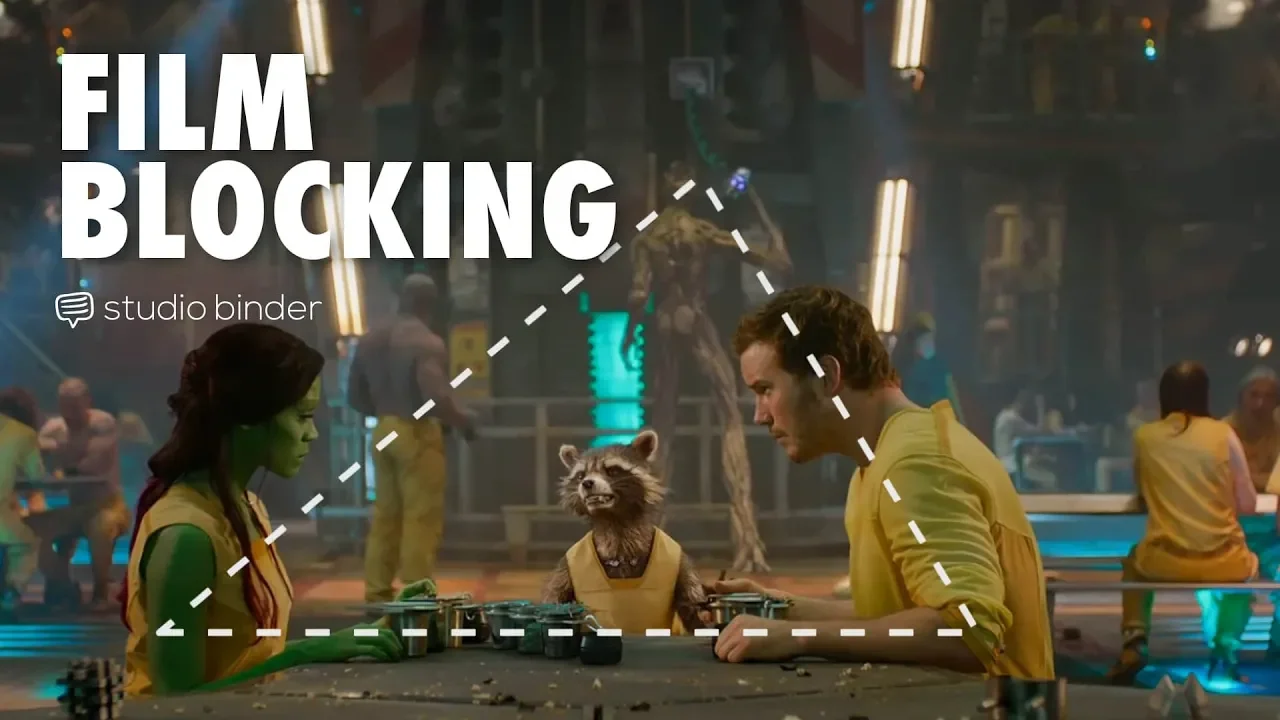
Film Blocking Techniques for Directors: Space, Shapes, Lines
@StudioBinder
1.9M views•2018-07-23

4:00
Evolution of Darth Vader: Anakin Skywalker's Animated Journey Across Star Wars Films
@TellItAnimated
13.4M views•2019-03-30
Related Study Plans & Knowledge Roadmaps
Structured learning paths in Film Analysis
film-analysis
Sensory Cinema: Foley, Haptic Sound & Texture
01Introduction to Film Sound and Foley Artistry
02Micro-Sounds, Textures, and Extreme Amplification
03Haptic Audition and Film Phenomenology
+ 1 more learning modules
12h4 modules
Explore Roadmap
film-analysis
Breaking the Fourth Wall: Mockumentary & Satire
01The Invisible Wall: Basics of Cinematic Illusion
02Looking at the Lens: Direct Address & Character Glances
03The Mockumentary: Satire, Realism, and Complicity
+ 2 more learning modules
12h5 modules
Explore Roadmap
film-analysis
Analyzing the Long Take: Cinema, Space & Ethics
01Foundations of Film Grammar: Montage vs. The Long Take
02Choreography and Mechanics of the Simulated One-Shot
03Phenomenology of Film: Real-Time Spatial Continuity
+ 1 more learning modules
14h4 modules
Explore Roadmap
film-analysis
Anachronistic Music: Period Drama & Subversion
01Foundations of Film Sound and the 'Needle Drop'
02Traditional Authenticity vs. Revisionist History
03The Rise of the Anachronistic Soundtrack
+ 2 more learning modules
12h5 modules
Explore Roadmap