

















Jean Rouch, a French filmmaker who created over 100 films, pioneered a revolutionary approach to documentary filmmaking by developing 'shared anthropology' that transferred power from anthropologists to the people being filmed, and by coining the term 'Cinema-Verite' which brought together filmmakers from France, Canada, and America to form a new school of modern documentary that emphasized authentic, collaborative storytelling over traditional observational techniques.
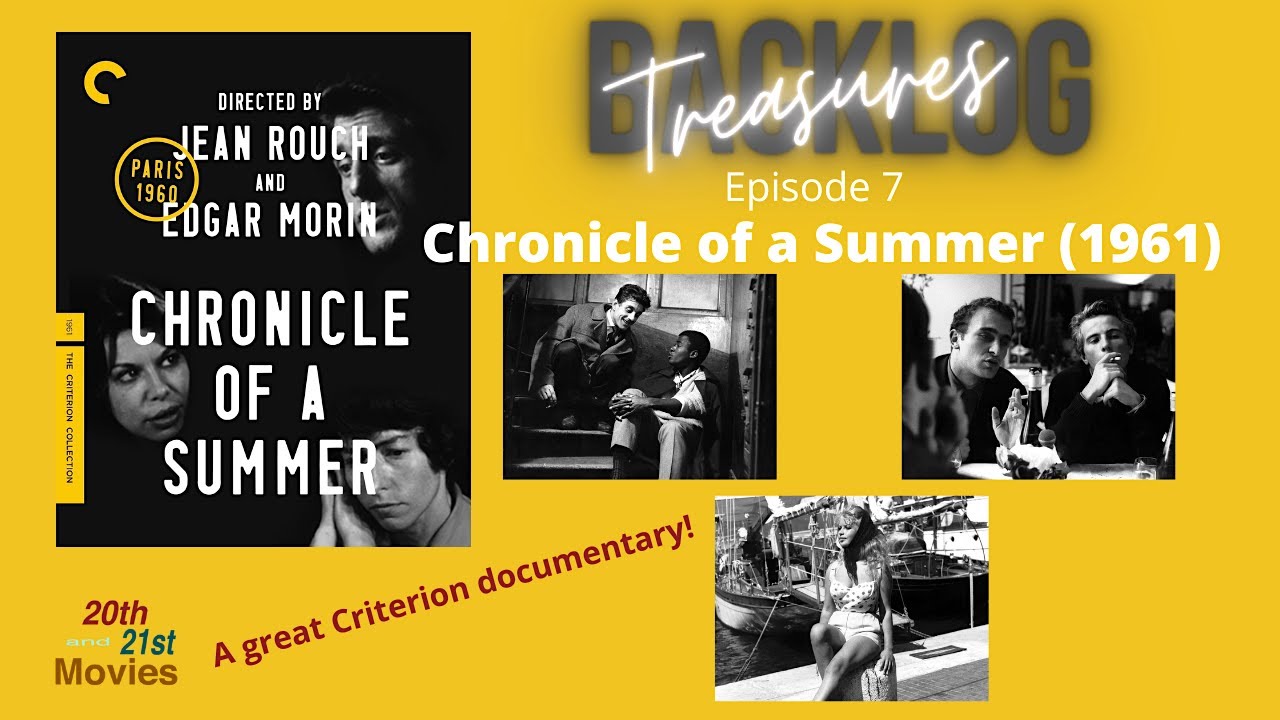
Jean Rouch's Chronicle of a Summer: Cinema Verite Origins
Added:Understanding the historical context of early documentary filmmaking, particularly the expository and poetic modes of the 1920s to 1940s.
Basic familiarity with the French New Wave (Nouvelle Vague) and how it disrupted traditional narrative cinema in the late 1950s and 1960s.
An introduction to ethnographic filmmaking and traditional visual anthropology, specifically how Western filmmakers historically documented non-Western cultures.
Knowledge of technological advancements in post-WWII filmmaking, specifically the development of lightweight, portable 16mm cameras and synchronized sound recording.
A comparative analysis of French 'Cinéma Vérité' (provocative and interactive) versus American 'Direct Cinema' (observational and non-interventionist).
Exploration of reflexivity in modern documentary, examining how contemporary filmmakers acknowledge their own presence and influence on the subject matter.
Advanced study of participatory and shared anthropology, focusing on how collaborative filmmaking is used in contemporary social sciences.
Investigating the legacy of 'Chronicle of a Summer' in modern media, including its influence on mockumentaries, reality television, and the essay film genre.
800 views5likes5:46Original Release: 2013-01-31
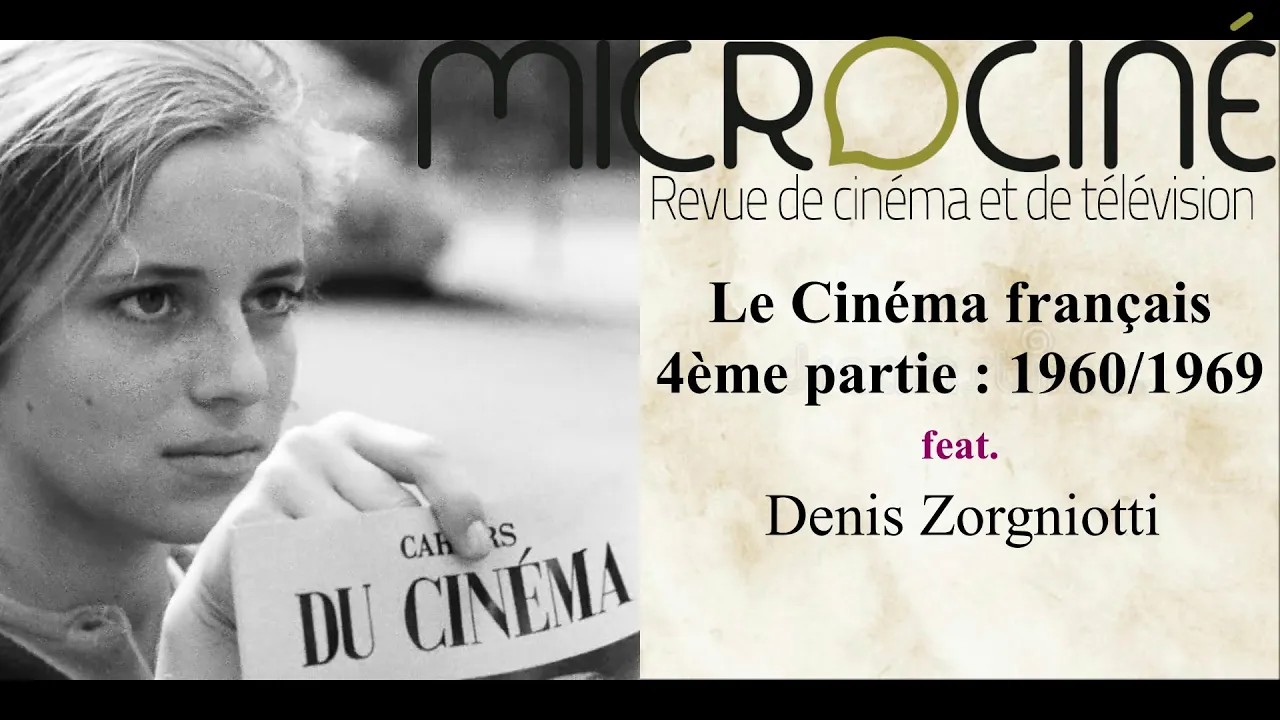
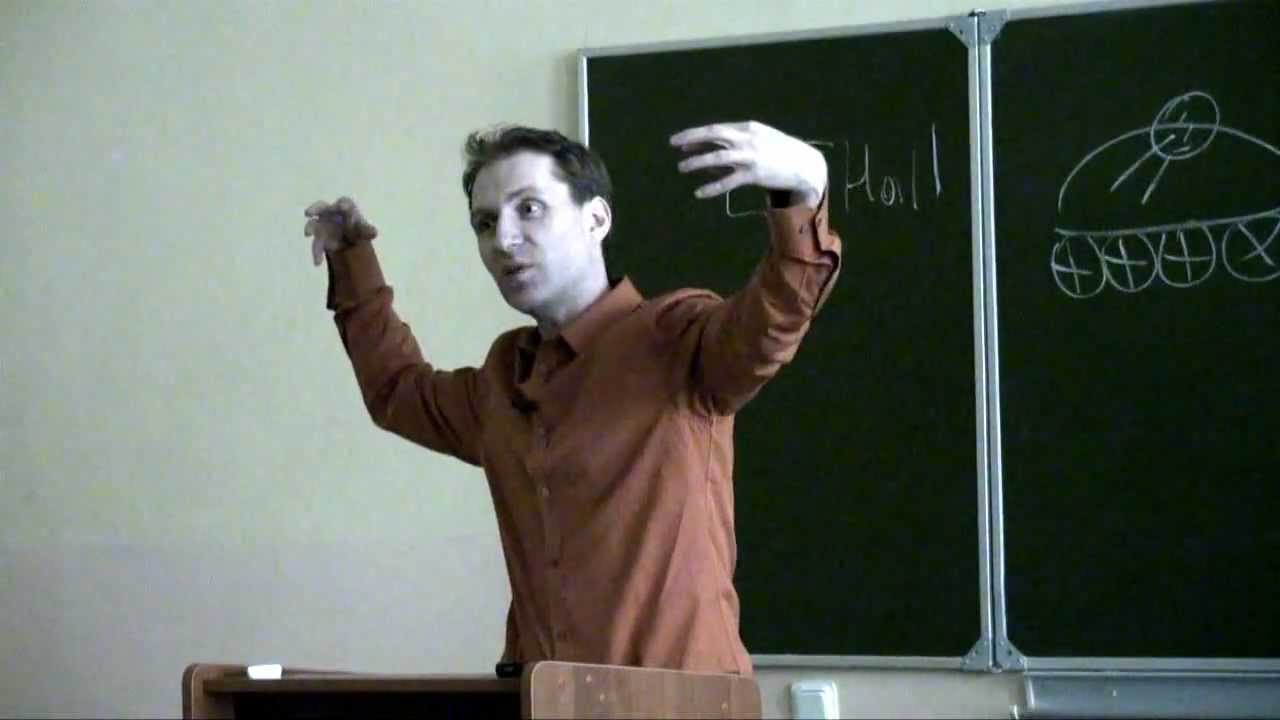
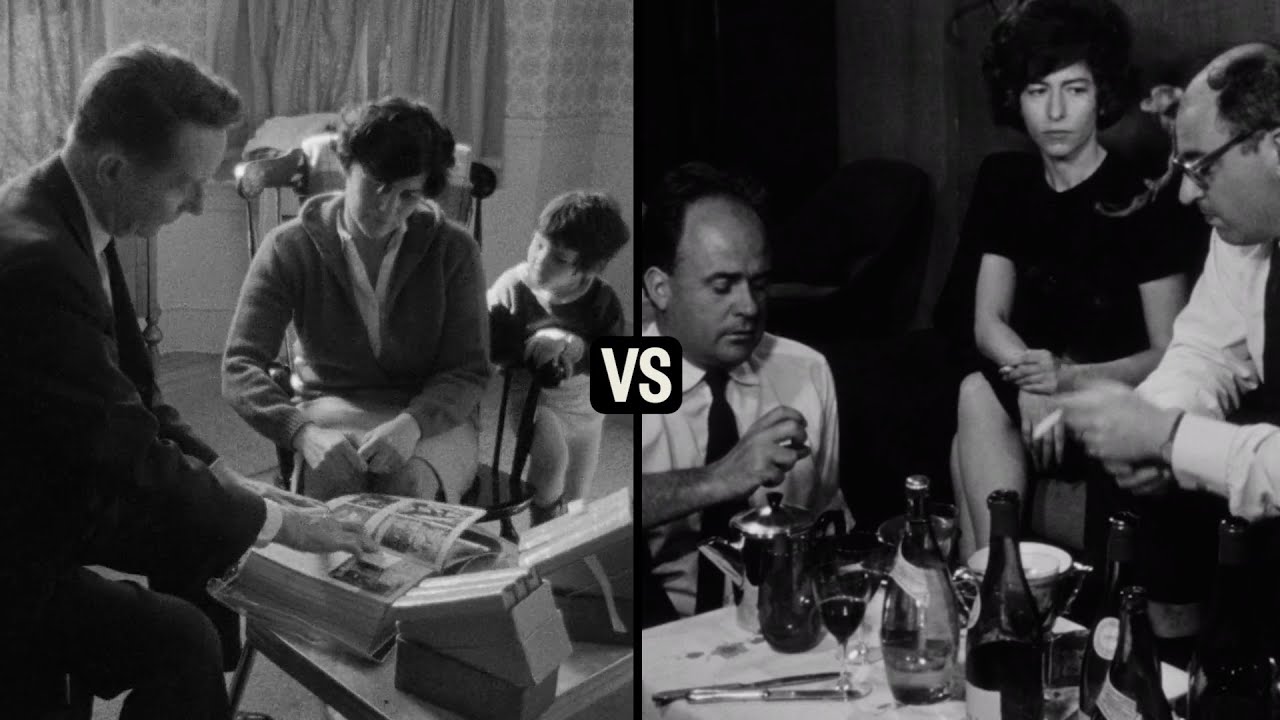
he made over 100 films um and only maybe 10 for many years were really talked about for a long time we wanted to show as much of his work as possible and also sort of create a forum where people could come together Scholars and and and people who are interested in we should come together and sort of talk about his work and talk about his achievements he essentally learned how to make films as an amateur on the Fly while he was doing uh ethnographic research and so he created his own tradition of film making and through these kind of experimental techniques he broke with a lot of the traditions of French Cinema and Cinema more generally and those new techniques were then brought back to France and filmmakers like je and fr were films and they were tremendously influenced by the new energy that he was bringing to cinema it said that Ro was AAL or before his time it's also because of what he called anthropology or shared anthropology where he could actually turn over a lot of the power which had been traditionally reserved for the Anthropologist to the people who were in the film it was made in 1960 and and uh it was released in the fall of 1961 and in some ways it's sort of a a turning point in R's work I think because the early years when he when he when he first started shooting one of the problems he kept running into was uh technology technological problems he had a camera that could only shoot for 25 seconds at a time uh he had uh real problems recording sound and image at the same time and Chronicle was the film on which the elements he had been looking for um autonomy in ways of filming and ways to do SN sound recording that would you know do sound and image at the same time was a moment all those things kind of came together for him it was also a moment in which he took a lot of the techniques he had been using in West Africa and started using them in France uh and so rather than make films in collaboration with African students or his friends uh in Ghana or the I Coast he decided through the invitation of edar Moran who was a a sociologist who is a sociologist uh to start using those techniques in in Paris and and talking with French people uh doing a kind of Auto iography of what it was like to live in France uh in 1960 culturally loaded because you have not only all of the things that were happening while the film was going on which was the colonization was in full swing that summer um and also it's also a moment in which the past is starting to come back in novel ways so you had this narrative marel nor gives the The Narrative of of her deportation uh and return from from from owitz during the war so you have sort of Holocaust memory which is starting to take shape um it's a moment which is technologically loaded because they're experimenting with these new cameras and the microphones uh so for Cinema history it's very important and also the people in the film went on in some ways to have important roles to play in film history and in in politics uh Reis de who uh is now a prominent you know French intellectual and who spent a great deal of time after the film with Jay guara and with Fidel Castro Cuba uh jeaner s marelon became important uh filmmakers militant filmmakers working on their own with yor events um Mar Parini worked with jacet for many years in baluchi and God so there's it's very interesting in terms of the kind of collection of of of figures um you know and then Moran R's own careers as well the film itself is responsible for the coining of the term Cinema very which went on to have a life of its own as a term that was used in film making circles Cinema very the truth in that term has often been interpreted that Roo thought he was filming something uh real or truthful or that he had some stake or claim on the truth through his film making techniques and actually um in the film you see that very there's there's a lot of play with the idea of what truth is is and in fact it's not so much truth in film it's about the truth of film which is that there is no truth ultimately I think Cinema in some ways is an expression like the new wave which was it's a way to sort of Bring It's a term which was used in the early 60s to bring together people who were working in very different contexts the first place I really came across it was in some things that Edan was writing in 1957 which is several years before the film was actually made and then when they did make the film The Producer an told Doo lik the expression very much and this you know wanted also to turn it into a kind of a marketing phrase and so the film was marketed as being the first experiment in cinem but it was it was useful in the sense that it brought together what was happening in the French context with what was happening in Canada uh around the op Nal film or the national film board with filmmakers like Michelle B and Terence McCartney Phil gate and also with the Americans so the the Drew Associates team of Albert masel and and da pennebaker Richard leok and and David masel as well and Robert TRW it kind of Drew these filmmakers together in France and it was in France that that that sort of new school of documentary which in many ways is what we think of as being modern documentary kind of took on form and and came together
Up Next

21:42
Psychoanalytical Film Theory: Freud, Lacan, and Cinematic Ideology
@KUPadasala
134 views•2024-03-18

23:14
Visual Analysis Essay: How to Analyze Graphic Novels in College Writing
@nataliepleimann5941
1K views•2020-10-14
4:55
Film Blocking Techniques for Directors: Space, Shapes, Lines
@StudioBinder
1.9M views•2018-07-23

4:00
Evolution of Darth Vader: Anakin Skywalker's Animated Journey Across Star Wars Films
@TellItAnimated
13.4M views•2019-03-30
Related Study Plans & Knowledge Roadmaps
Structured learning paths in Film Analysis
film-analysis
Sensory Cinema: Foley, Haptic Sound & Texture
01Introduction to Film Sound and Foley Artistry
02Micro-Sounds, Textures, and Extreme Amplification
03Haptic Audition and Film Phenomenology
+ 1 more learning modules
12h4 modules
Explore Roadmap
film-analysis
Breaking the Fourth Wall: Mockumentary & Satire
01The Invisible Wall: Basics of Cinematic Illusion
02Looking at the Lens: Direct Address & Character Glances
03The Mockumentary: Satire, Realism, and Complicity
+ 2 more learning modules
12h5 modules
Explore Roadmap
film-analysis
Analyzing the Long Take: Cinema, Space & Ethics
01Foundations of Film Grammar: Montage vs. The Long Take
02Choreography and Mechanics of the Simulated One-Shot
03Phenomenology of Film: Real-Time Spatial Continuity
+ 1 more learning modules
14h4 modules
Explore Roadmap
film-analysis
Anachronistic Music: Period Drama & Subversion
01Foundations of Film Sound and the 'Needle Drop'
02Traditional Authenticity vs. Revisionist History
03The Rise of the Anachronistic Soundtrack
+ 2 more learning modules
12h5 modules
Explore Roadmap