































Eternal Sunshine of the Spotless Mind uses reverse chronology and subjective memory to illustrate that love transcends individual experiences—it is fundamentally about shared moments, emotional connections, and the acceptance of impermanence; the film suggests that while memories can be erased, the essence of love persists through the acceptance of past experiences and the willingness to embrace both joy and sorrow in relationships.
Eternal Sunshine of the Spotless Mind: A Study of Love and Memory
Added:Understanding of non-linear narrative structures and subjective storytelling in cinema.
Basic psychological concepts of memory construction, emotional association, and grief processing.
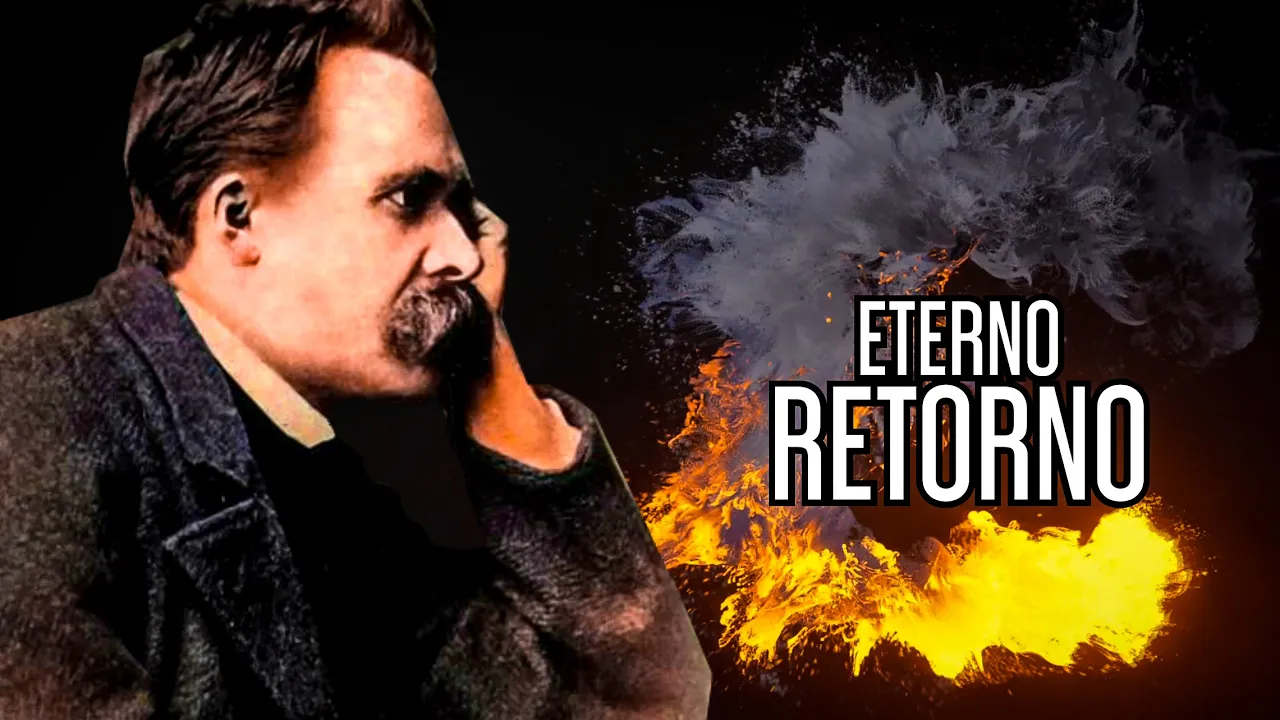
Familiarity with the philosophical concept of the 'Eternal Return' or Nietzsche's 'Amor Fati' regarding fate and repetition.
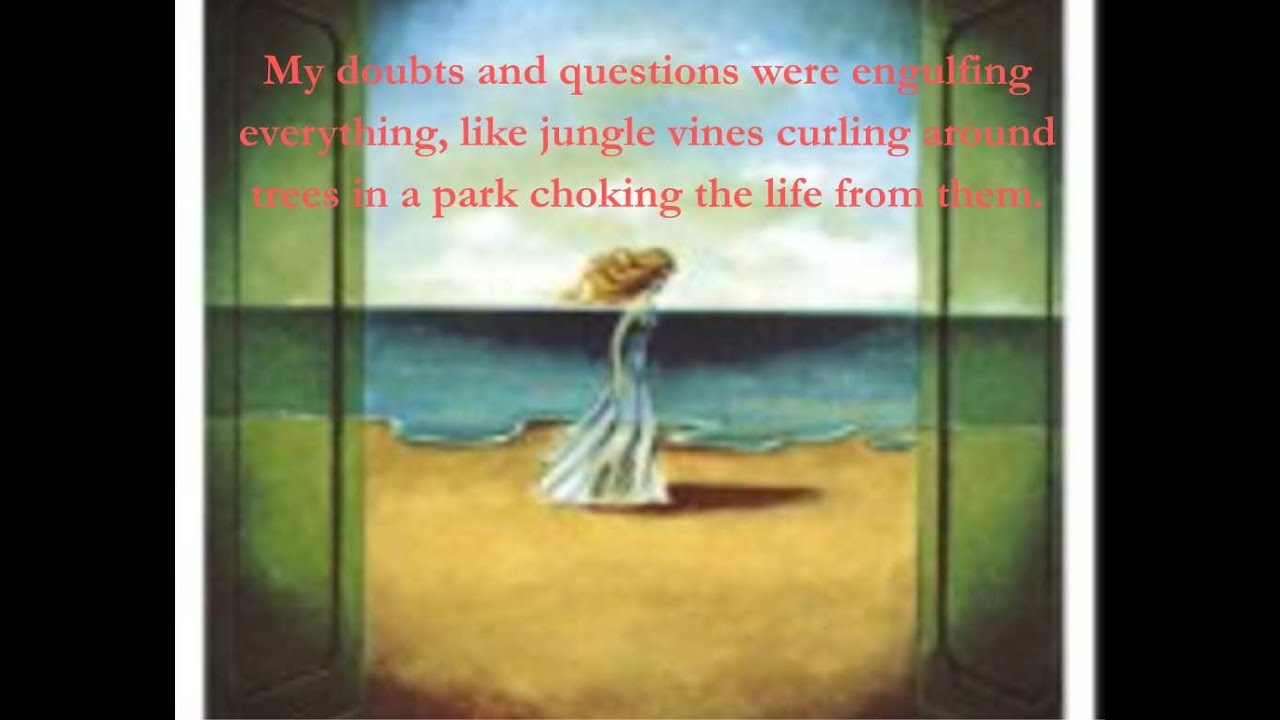
An introduction to surrealism in film and how physical environments can represent psychological states.
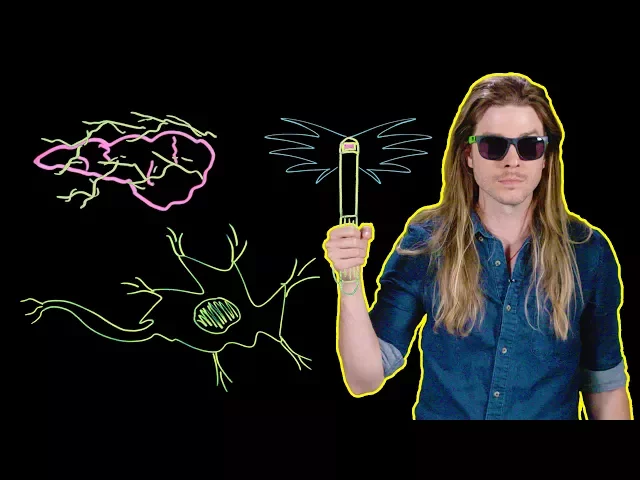
The neuroethics of memory modification and real-world scientific developments in erasing traumatic memories (e.g., optogenetics, beta-blockers).
Psychoanalytic film theory, specifically exploring Freud's concepts of repression and the unconscious mind as depicted in media.
A comparative study of auteur Charlie Kaufman's screenwriting style, focusing on themes of existential dread and identity across his filmography.
Analysis of how contemporary cinema subverts traditional romantic comedy tropes to present more realistic, flawed depictions of relationships.
569.9K views28.2Klikes6:35Original Release: 2021-01-01
wish me a happy valentine's day when you call that'd be nice i love eternal sunshine of the spotless mind [Music] i think it was on my second watch that i noticed clementine is missing a leg here third watch that i realized the ending may be suggesting the couple's repeating cycle and my fourth that i noticed joel is actually making eye contact with clementine after stating he is incapable of doing so with a stranger from the dexter's practical effects the heart touching music all the way to its ingenious script by the amazing charlie kaufman that makes the word ok ok the most moving word of all time internal sunshine of the spotless mind never fails to surprise every time you revisit it and so it's really impossible to pick one best scene as the film transforms and grows with you making it feel like a completely different film from the last time you've watched it so although i always say that this is my favorite moment it really depends celebrating christmas i rewatched eternal sunshine for the ninth time and this time found one particular line to echo like it has never before so today i wish to share it with you remember me try your best maybe we can what makes eternal sunshine special is that it presents the idea of love and relationship from a unique perspective instead of telling an objective story of two individuals it invites us to observe only one thing the private and often biased memories of joel the clementine we see throughout the deletion procedure is a cocktail mixture of the real clementine joel's clementine as he remembers her and a reflection of his own inner psyche not the one and only true clementine that exists outside his head but this bias isn't harmful in fact quite the opposite the one-sided story actually helps us deduce their relationship with more clarity and their connection ends up resonating with us because love itself is never just about the person more often it's about the remnants of the two that are smudged and embedded into this shared time place and memories furthermore the film is less about the relationship itself but rather about one's internal struggle that occurs as a result of trying to process and deal with a relationship that has passed so by erasing his memories of clementine joel is in essence erasing a part of himself like that huckleberry hound doll one of my favorite things when i was a kid and the question of whether it is better to have loved and lost than to have never loved at all becomes a simpler concept when viewed through this film it's always better to have than to have never the reality is of course more complex and messy but it isn't to say joel's memories and experiences are all clean and uncomplicated his inner turmoils certainly do exist it's just that the film challenges us to view our memories as something that is capable of filtering and reorganizing if need be and at the end of the day it's in part our own efforts that determine where we end up with those experiences and this is why the film runs backwards from the last to the first the line in question comes from a scene that depicts joel's last remaining memory of clementine before a complete erasure this is the day we met their first encounter at the beach in montauk hi there hi and this reverse chronology goes beyond just creating an illusion of their relationship getting better over time as joel recalls their first conversation he learns that nothing really changes it's only him and his perception that change over time it was so intimate like we're already lovers it reminds us that a bigger part of loving is in the sadness and pain of separation and loss then in its mysteriously exciting early times i'm joel hi joel i think your name is magical by introducing the best memories at the end the heartache becomes greater with melancholy but not without the equally growing nostalgia that accompanies the grief with acceptance accepting the past and being grateful for having been given the chance this is it joel it's gonna be gone soon do i know what do we do enjoy it and that's what we all need sometimes to let go of the things we've lost time we've wasted opportunities we've missed and accept our impermanence instead of fighting against the tide of past potentials that could never be we may need to cherish the moment that may be our last and just enjoy it she was just a girl [Music] hello everyone a belated merry christmas and happy 2021.
i was originally going to take some break for the holiday season but eternal sunshine forced me to make a quick video so although it isn't exactly what i normally do i still hope you had fun with it i'm still going to be posting my extra contents as usual on my patreon page so check that out if you wish to support my work and if by any chance you haven't watched eternal sunshine please take this video as a chance to give it a watch or better yet another watch if you have watched it before i know things are still looking pretty tough for many but let's all hope this year turns out to be a brighter one than what 2020 had to offer so let's try our best to enjoy it and that's it for me
Up Next

14:49
Neon Noir: Style, Substance, and Existential Angst in Film
@BroeyDeschanel
221.5K views•2020-05-10

23:14
Visual Analysis Essay: How to Analyze Graphic Novels in College Writing
@nataliepleimann5941
1K views•2020-10-14

19:00
A Study of 'Portrait of a Lady on Fire' as an Artistic Cinematic Exploration
@SpikimaMovies
680K views•2020-03-30

4:00
Evolution of Darth Vader: Anakin Skywalker's Animated Journey Across Star Wars Films
@TellItAnimated
13.4M views•2019-03-30
Related Study Plans & Knowledge Roadmaps
Structured learning paths in Film Analysis
film-analysis
Sensory Cinema: Foley, Haptic Sound & Texture
01Introduction to Film Sound and Foley Artistry
02Micro-Sounds, Textures, and Extreme Amplification
03Haptic Audition and Film Phenomenology
+ 1 more learning modules
12h4 modules
Explore Roadmap
film-analysis
Breaking the Fourth Wall: Mockumentary & Satire
01The Invisible Wall: Basics of Cinematic Illusion
02Looking at the Lens: Direct Address & Character Glances
03The Mockumentary: Satire, Realism, and Complicity
+ 2 more learning modules
12h5 modules
Explore Roadmap
film-analysis
Analyzing the Long Take: Cinema, Space & Ethics
01Foundations of Film Grammar: Montage vs. The Long Take
02Choreography and Mechanics of the Simulated One-Shot
03Phenomenology of Film: Real-Time Spatial Continuity
+ 1 more learning modules
14h4 modules
Explore Roadmap
film-analysis
Anachronistic Music: Period Drama & Subversion
01Foundations of Film Sound and the 'Needle Drop'
02Traditional Authenticity vs. Revisionist History
03The Rise of the Anachronistic Soundtrack
+ 2 more learning modules
12h5 modules
Explore Roadmap