




















Neon noir is a contemporary film sub-genre that evolved from classical film noir by combining expressionistic visual elements (such as chiaroscuro lighting, asymmetric composition, and urban landscapes) with modern themes and anxieties, as exemplified by Michael Mann's 'Thief' (1981) and Nicolas Winding Refn's 'Drive' (2011), which use stylized aesthetics to explore moral ambiguity, urban isolation, and existential trauma while reflecting the specific cultural anxieties of their respective time periods.
Neon Noir: Style, Substance, and Existential Angst in Film
Added:The core conventions of classic Film Noir (1940s-1950s), including moral ambiguity, the archetype of the hard-boiled protagonist, and chiaroscuro lighting.
The visual and thematic principles of German Expressionism, focusing on how distorted shadows and stylized mise-en-scène reflect internal psychological states.
Fundamentals of existentialist philosophy, particularly the concepts of alienation, existential dread, and the search for meaning in an indifferent universe.
Basic film analysis vocabulary, specifically regarding cinematography, color theory, and the relationship between form (style) and content (substance).
An in-depth analysis of the broader filmographies of Michael Mann (director of 'Thief') and Nicolas Winding Refn (director of 'Drive') to trace their auteur styles.
The evolution of Cyberpunk and Future Noir, exploring how neon noir aesthetics transitioned into science fiction classics like 'Blade Runner' and 'Blade Runner 2049'.
Advanced study of color theory in contemporary cinema, particularly the psychological impact of highly saturated neon lighting and contrasting color palettes.
Critical theory examinations of gender roles in neo-noir, focusing on the deconstruction of the 'femme fatale' and the evolution of stoic masculinity.
221.5K views9.2Klikes14:49Original Release: 2020-05-10
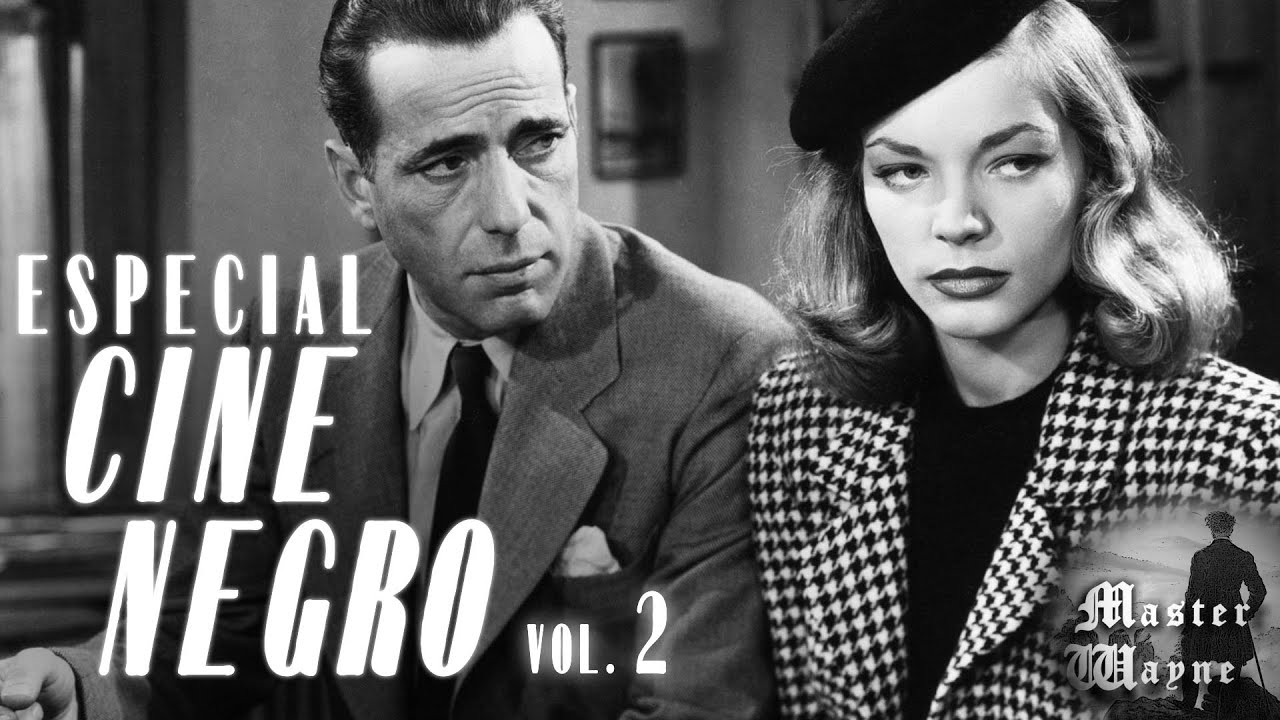
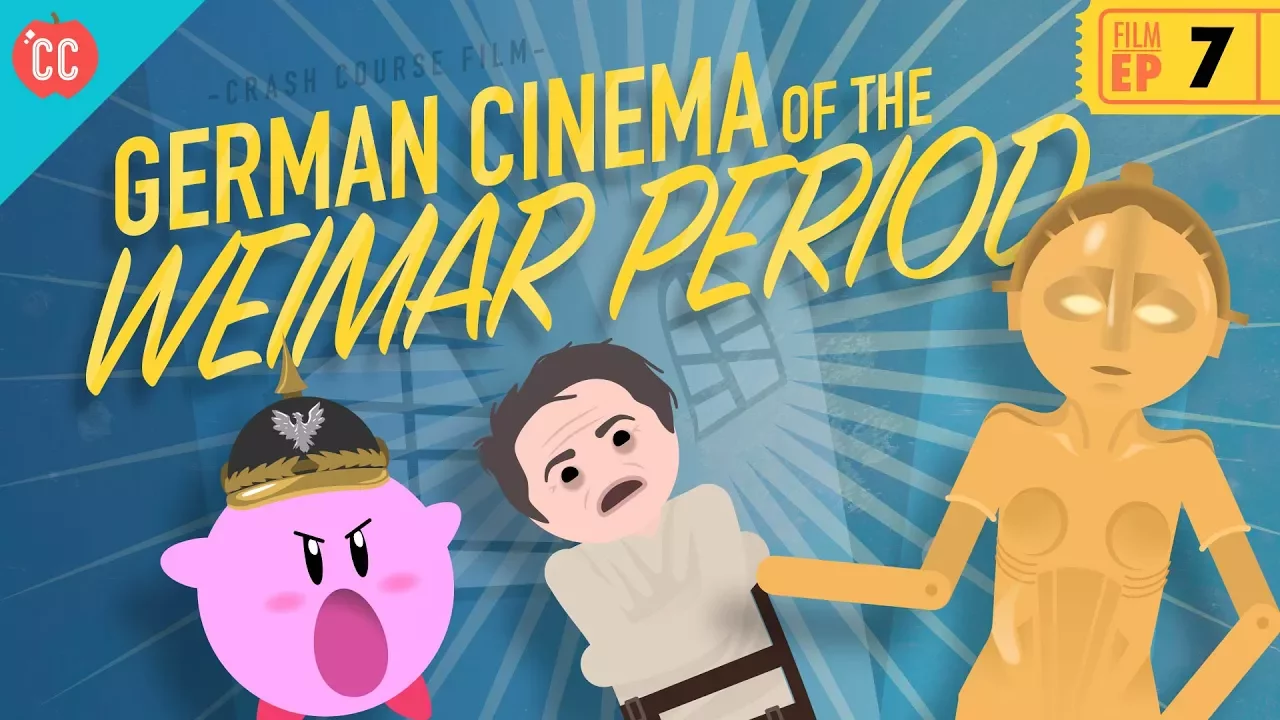
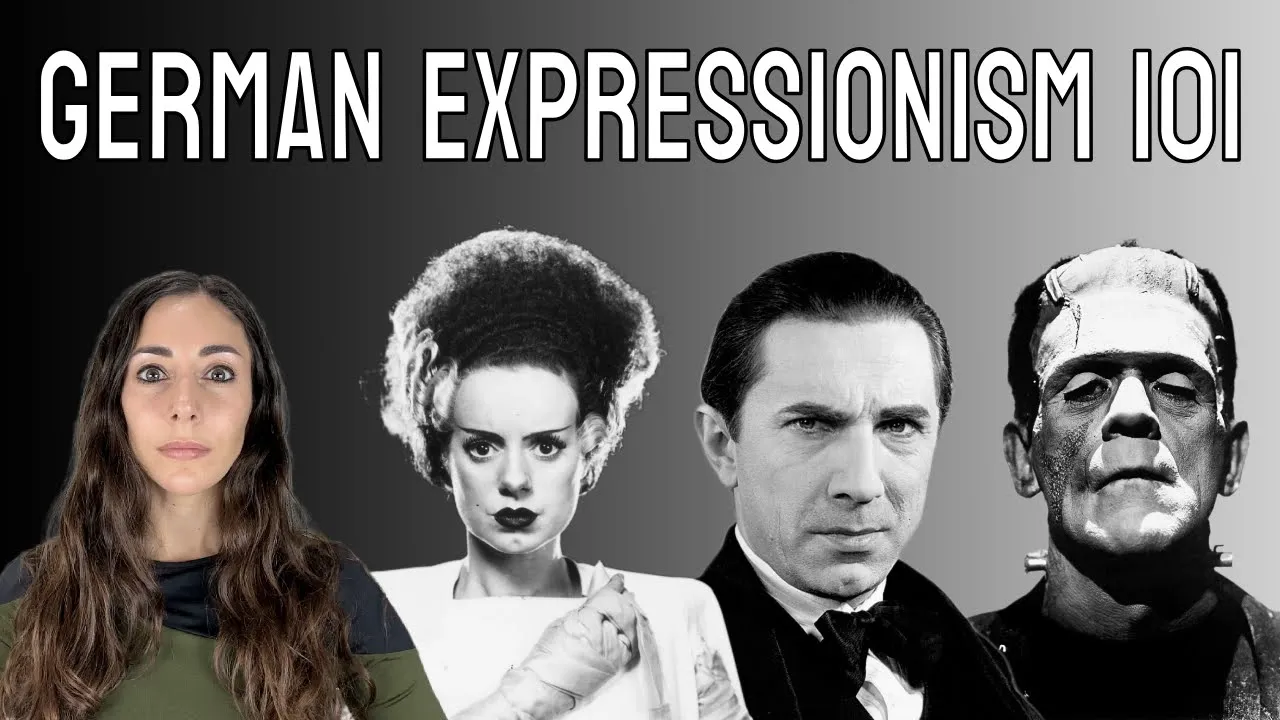
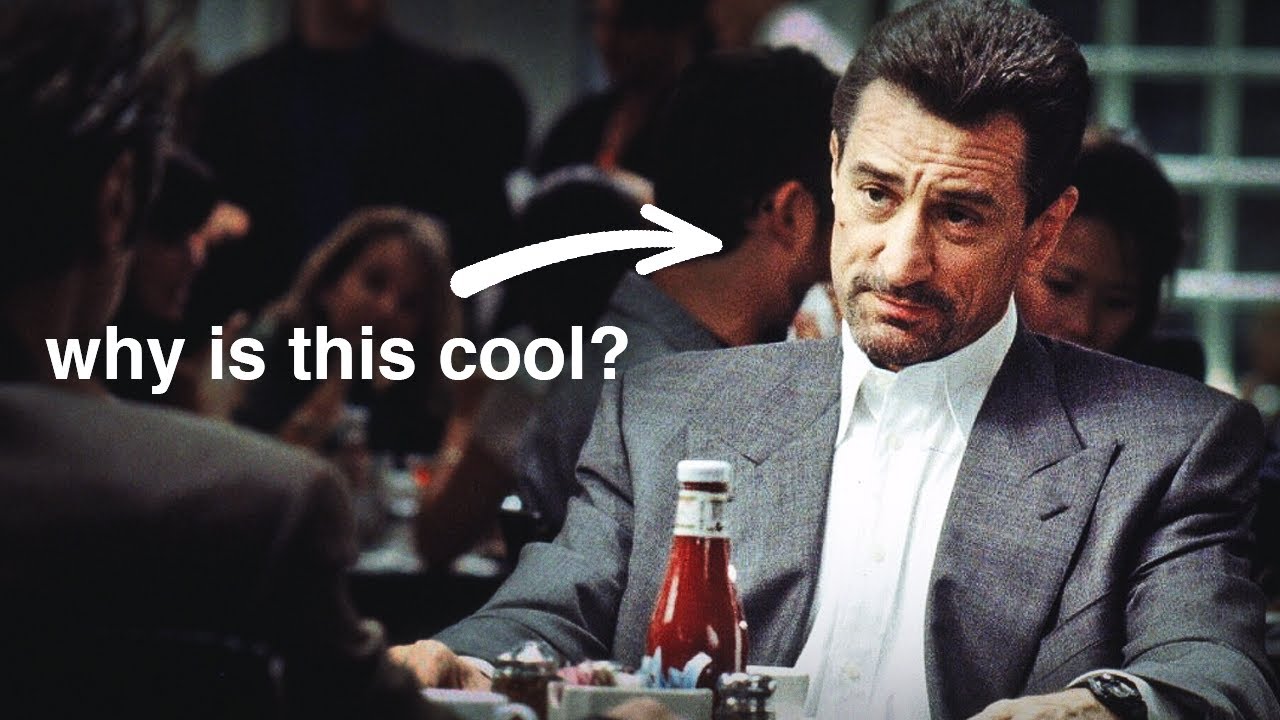
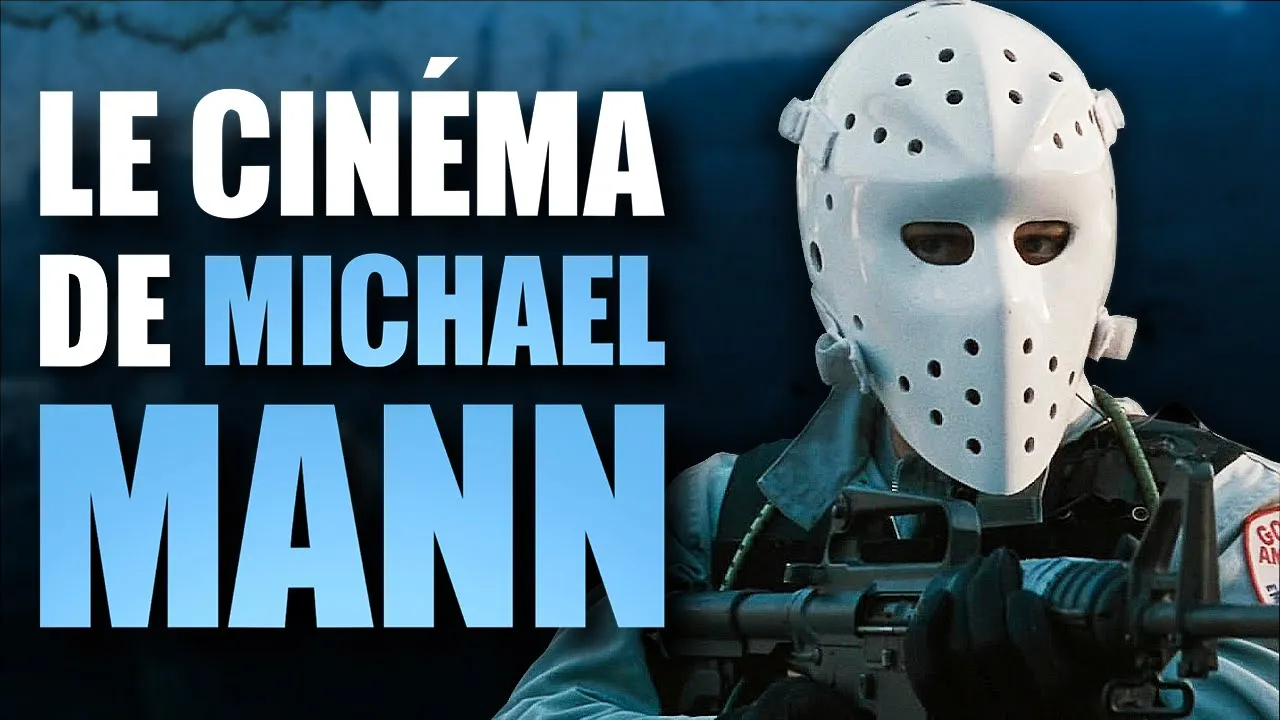
drive is a melancholic masterpiece on the surface it's a flashy art house action movie but beneath its stylish facade and catchy new-age score is a contemplative message about morality and urban isolation now drive is inspired by many genres grindhouse art house neo Western however thanks to its moody and cynical outlook on society many have classified it as a neo noir inspired directly by Walter Hills 1978 film the driver and while it's true that both drive and the driver are crime thrillers about well a getaway driver I would argue that there's one film in particular that drive truly owes its success to Michael Mann's 1981 sleeper hit thief all of the funky noir sensibilities that drive entranced audiences with in 2011 the moody electronic score in neon texts and arresting urban landscape were pioneered by man in this debut film and although many of the more curated aspects of films like drive and thief can be and have been criticized for being too surface-level or lacking substance these curated visuals are what originally made the Noir so evocative in the first place in fact the seamless fusion of style and existential trauma is what defines the sub-genre popularized by man himself neon Noir [Music] but before we can understand this highly stylized neon infused filmmaking we have to go back in time classical film noir was born out of two major movements in the early 20th century hard-boiled Pulp Fiction and more importantly German Expressionism German Expressionism was a movement that developed in the late 1910s originating in the aftermath of World War one as German society was attempting to rebuild itself expressionist filmmakers sought to capture the post-war atmosphere of isolation and collective trauma that their country was experiencing but with the limited technology of the time this psychological storytelling could only be conveyed through visuality so to accomplish this these films would employ super exaggerated makeup chiaroscuro lighting to play with shadows and asymmetrically composed sets to highlight the societal unease of post-war Germany these expressionistic elements were brought to the u.s. in the 1930s as Jewish filmmakers like Fritz Lang and Robert cieaned Mack fled the Third Reich and we can see their clear influence on the classical noir films of the 1940s you still see a heavy contrast and lighting off-balance sets and themes of moral ambiguity and isolation and with the added help of sound technology filmmakers were able to dive deeper into the plot elements in this era were introduced to hard-boiled protagonists convoluted and unreliable storytelling rigidly crafted dialogue and a gritty yet glorified focus on criminality in 1946 french critic nino frank coined the term film noir roughly translating to dark movie to describe these hollywood crime films which were referred to as mello dramas and v movies at the time he says that these films were a far cry from the typical detective film distinguishing themselves based on three important traits a rejection of sentimental humanism the social fantastic and the dynamism of violent death and interestingly enough these provocative films started to become popular right as the American picture production code came to be in 1930 enforcing conservative restrictions on film so what the classical moral act in on-screen kissing and graphic violence they more than made up for in the sensuality of the crime adding another layer to be psychological storytelling as the classical more dwindled by the end of the 1950's a new genre arose in its place the neo noir except unlike its visually and philosophically distinct predecessor the neo noir is a much more amorphous category neo noir films can span anywhere from a nostalgia vehicle like Chinatown to a cynical Western like No Country for Old Men some films like Pulp Fiction are modern twists of hard-boiled novels some are convoluted crime comedies like The Big Lebowski while others subvert the genre altogether like the usual suspects but while these films are all masterpieces in their own right their classification has been criticized for lacking the expressionistic style of the original nor failing to capture a contemporary moment or often simply deviating from the psychological purpose of the genre altogether as Stephen Holden of the New York Times put it the lesson that most new more filmmakers have yet to assimilate is that it isn't enough to create updated pastiches of Raymond Chandler and Dashiell Hammett's grimy chiaroscuro the genre requires a different attitude one more ruthlessly in touch with the absurdities of our time now as someone who has no authority to get keep what should and shouldn't be considered more I personally think all of these films take an element of the genre and do something outstanding with it rather think of this video as an exploration of what makes thief and Drive so special think of it as a love letter to a sub-genre that tends to get neglected in film discourse neo noir critic Richard Brody of The New Yorker argues the film noir is historically determined by particular circumstances that's why a latter day attempts at film noir or so-called neon auras almost all felt like exercises in nostalgia the 30s noir reflected anxieties engendered by the depression the 40s more reflected anxieties about war the 50s about life after war so neon noir films are an attempt to bring the genre back to it Roots without relying on forties nostalgia in other words they reflect the anxieties of their own time period while remaining expressionistic now it isn't a formal genre by any means but these movies and shows tend to comprise of three basic elements one a grim urban cityscape - an expressionist accuse of architecture and costumes and three a subdued color palette that incorporates more lighting and Composition but this time it's infused with neon on top of that you get the scaffolding of a noir plot a world-weary protagonist a femme fatale of sorts and a slew of morally corrupt characters ranging anywhere from cop to crime magnet and while there are wonderful early examples of neon Noir like taxi driver this style was popularized in the 1980s by Michael Mann whose repertoire which includes Miami Vice Manhunter and heat is littered with loud music loud visuals and existential men but thief his first foray into filmmaking is one that best synthesizes his methods and unfortunately it's one that goes criminally overlooked in the noir canon although Nicholas wending roughened the director of Drive maintains that he hadn't seen it until they started production for Drive the similarity between these films is undeniable so let's breakdown the elements that make these films faithful to the original wores while remaining distinctly contemporary the style of these movies is very particular lots of nighttime scenes with the only daytime scenes occurring when the protagonist is at an emotional high we have expertly composed shots of buildings and roads and we see a lot of lighting contrasts with characters often partially obscured in shadow the city is also a character itself in these movies as we watch our heroes drive around the hazy streets we get a sense of their isolation the way that urban life can render anyone anonymous the action is propelled by a haunting sense based score that honestly just makes you feel really cool while watching so the style is a welcomed update to the noir tradition but what about the plot both films center on a hard-working and highly specialized criminal who gets luckily dragged into organized crime both Frank played by James Caan and the driver played by Ryan Gosling are alienated from society at large and their crippling loneliness is what propels their yearning for a family a dream that they're able to glimpse through their female love interests but the perfect nuclear family is only a figment of the imagination in these stories being a product of its time thief reflects issues produced during the early Reagan era which saw a reinstallation of traditional moral values author Robert Arnett argues that unlike other big hits of the 80s like diehard and et a tease more films don't reaffirm Reaganesque values of family and gender rather they questioned the relevancy of these values by portraying them as an unattainable vision he argues that the 80s more results the complexities of narrative by constructing endings with a new status quo one in which the hero and by extension the audience recognizes institutions of Reagan's America as a diversionary dream mistaken for reality drive being a product of its time was also created in the wake of a return to traditional ISM and nationalism with the bush-era and we see a reaction to traditional values in the endings of both Steve and drive as our hero distances himself from his dream and embarks on a killing rampage in an attempt to escape the grasp of organized crime and protects his loved ones in the process he becomes wounded and as the film ends we're left unsure about the fate of our hero as we lament the intangibility of his dreams much like the NORs of the forties thief and drive play with the idea that morality is not static no one can be characterized as good or bad not even our hero himself a Stevens a check of the LA Times notes drives script tends to impose a kind of sideways moral code even if those who abide by it are rarely rewarded for their efforts well Frank and the driver do not follow the laws of the society they live in or even the laws of organized crime they abide by their own set of strict moral values to stay afloat much like the Humphrey Bogart's of the past but unlike the Humphrey Bogart's of the past the heroes of neo-noir are not unfaltering in their masculinity they're badass is sure but like Michel from Goethe arts breathless they're tough personas are just that personas in Drive Ryan Gosling wears his stun mask as he commits his final brutal murders to disassociate from the horror of the crime and to simulate the heroic act that he wants it to be by putting on the mask he attempts to mythologize himself as the traditionally masculine hero as our net states the mask is revered and experienced as a veritable operation of the mythical being it represents even though everyone knows that a man made that mask and that a man is wearing it Frank's mask is less literal his emotionally unavailable tough-guy persona is one that he created in prison as a survival mechanism and it's one that he struggles to shed in his life as a free man this hardened exterior which inhibits him from living a normal life shields a very broken person underneath just to get time you got to get to win nothing means nothing if Nino Frank spoke of the dynamism of violent death in 1946 referring to films in which graphic violence was prohibited I wonder how he'd characterized the Noirs of today as you probably know thief and dr feature a welcome addition to the code Aaron Moore's bloodshed but drive ups the ante on this introducing an element of grindhouse horror where the camera forces us to look at the bloodshed unblinkingly actually compared to drive thief's bloody moments look team almost comical and while the explicitness may turn some viewer stomachs it serves a purpose from drives graphic unflinching violence we get a sense of the drivers psychosis and his wayward heroism in wending Ruffin's own words violence is difficult it brings responsibility violence has no meaning it's not enjoyable where Frank is a broken man seeking security the driver is a psychotic killer where Frank commits his killings with efficient desperation the driver revels in them and his brutality doesn't go unpunished after witnessing an extremely disturbing encounter in an elevator his love interest Irene becomes disillusioned with him although he protects her and her son in the long run his actions get him mortally wounded so while Frank walks off and were left unaware if he rekindled things with his wife we're almost certain that there's no chance at glory for the driver perhaps by the 2010s people were so inundated with violent action movies that the only way to awaken them to the horror of the crime was to stick their faces in it and force them to look yet even so the bursts of graphic violence were met with roars of applause from the audience at cons during the film's premiere so even after all the gore the violent death remains a dynamic sensuous affair so thief and drive are neo-noir done right or better they are the perfect neon Wars but while thief was overlooked in 1981 barely breaking even at the box-office and earning itself a Razzie award for worst musical score drive was an immediate financial and critical success maybe audiences of 1981 who were only just being ushered into the Reagan era just weren't ready for a return to style and gritty existentialism maybe audiences of 2011 were so disaffected by big-budget status quo action movies like transformers or fast and furious that drive was right where it needed to be all I can say is that drive would not be where it was today if it wasn't for thief and without Drive and thief the beauty of the original Wars may be lost forever they prove that just because something has style doesn't mean it lacks substance [Applause] [Music] [Applause]
Up Next
10:00
IB HL Film Comparative Study: Film Noir to Neo-Noir, Level 7
@byjmitch
32.6K views•2019-12-29

23:14
Visual Analysis Essay: How to Analyze Graphic Novels in College Writing
@nataliepleimann5941
1K views•2020-10-14
4:55
Film Blocking Techniques for Directors: Space, Shapes, Lines
@StudioBinder
1.9M views•2018-07-23

4:00
Evolution of Darth Vader: Anakin Skywalker's Animated Journey Across Star Wars Films
@TellItAnimated
13.4M views•2019-03-30
Related Study Plans & Knowledge Roadmaps
Structured learning paths in Film Analysis
film-analysis
Sensory Cinema: Foley, Haptic Sound & Texture
01Introduction to Film Sound and Foley Artistry
02Micro-Sounds, Textures, and Extreme Amplification
03Haptic Audition and Film Phenomenology
+ 1 more learning modules
12h4 modules
Explore Roadmap
film-analysis
Breaking the Fourth Wall: Mockumentary & Satire
01The Invisible Wall: Basics of Cinematic Illusion
02Looking at the Lens: Direct Address & Character Glances
03The Mockumentary: Satire, Realism, and Complicity
+ 2 more learning modules
12h5 modules
Explore Roadmap
film-analysis
Analyzing the Long Take: Cinema, Space & Ethics
01Foundations of Film Grammar: Montage vs. The Long Take
02Choreography and Mechanics of the Simulated One-Shot
03Phenomenology of Film: Real-Time Spatial Continuity
+ 1 more learning modules
14h4 modules
Explore Roadmap
film-analysis
Anachronistic Music: Period Drama & Subversion
01Foundations of Film Sound and the 'Needle Drop'
02Traditional Authenticity vs. Revisionist History
03The Rise of the Anachronistic Soundtrack
+ 2 more learning modules
12h5 modules
Explore Roadmap