















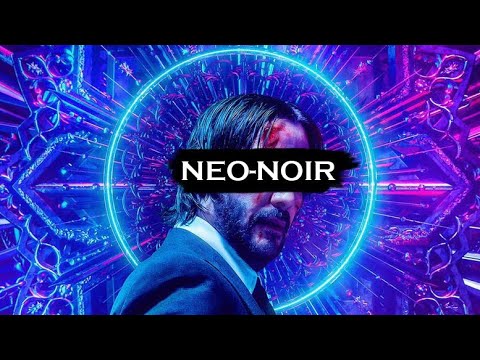



This video analyzes how film noir evolved from traditional 1950s films like Kiss Me Deadly (representing Cold War paranoia and government fear) to modern neo-noir exemplified by Pulp Fiction (representing 1990s consumerist America), demonstrating how genre conventions adapt to reflect changing historical and socio-economic contexts while maintaining core narrative devices such as MacGuffins and imperfect heroes.
IB HL Film Comparative Study: Film Noir to Neo-Noir, Level 7
Added:Familiarity with the core stylistic and thematic conventions of classic Hollywood Film Noir, such as chiaroscuro lighting, the femme fatale archetype, moral ambiguity, and existential dread.
A basic understanding of the International Baccalaureate (IB) Film assessment criteria, specifically the structural and analytical requirements of the Higher Level (HL) Comparative Study.
Historical awareness of post-World War II and early Cold War anxieties in the United States, which catalyzed the themes of paranoia and cynicism in late-period noir films like 'Kiss Me Deadly'.
Prior viewing or general narrative familiarity with the two primary focus films: Robert Aldrich's 'Kiss Me Deadly' (1955) and Quentin Tarantino's 'Pulp Fiction' (1994).
Advanced study of Postmodern Film Theory, exploring how neo-noir utilizes pastiche, self-referentiality, and non-linear narratives to subvert classical Hollywood structures.
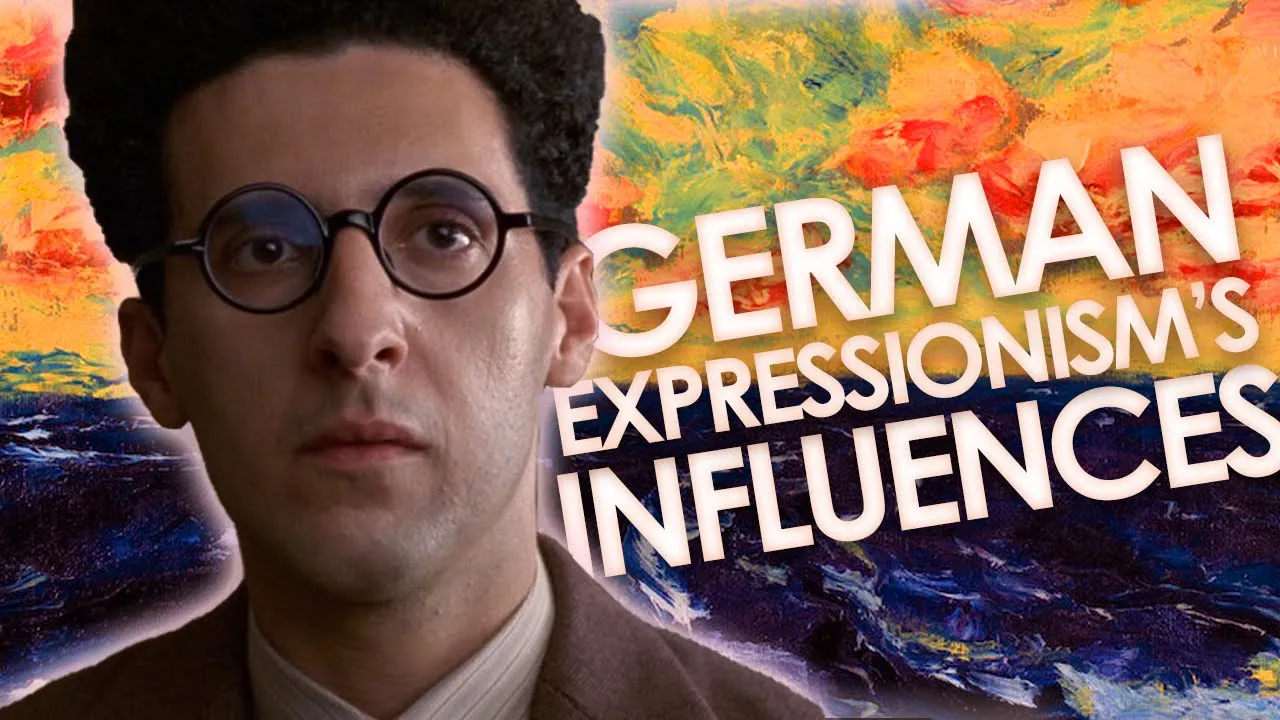
Application of the video's comparative analysis methodologies to other cinematic movements, such as tracing the influence of German Expressionism on early American horror and noir.
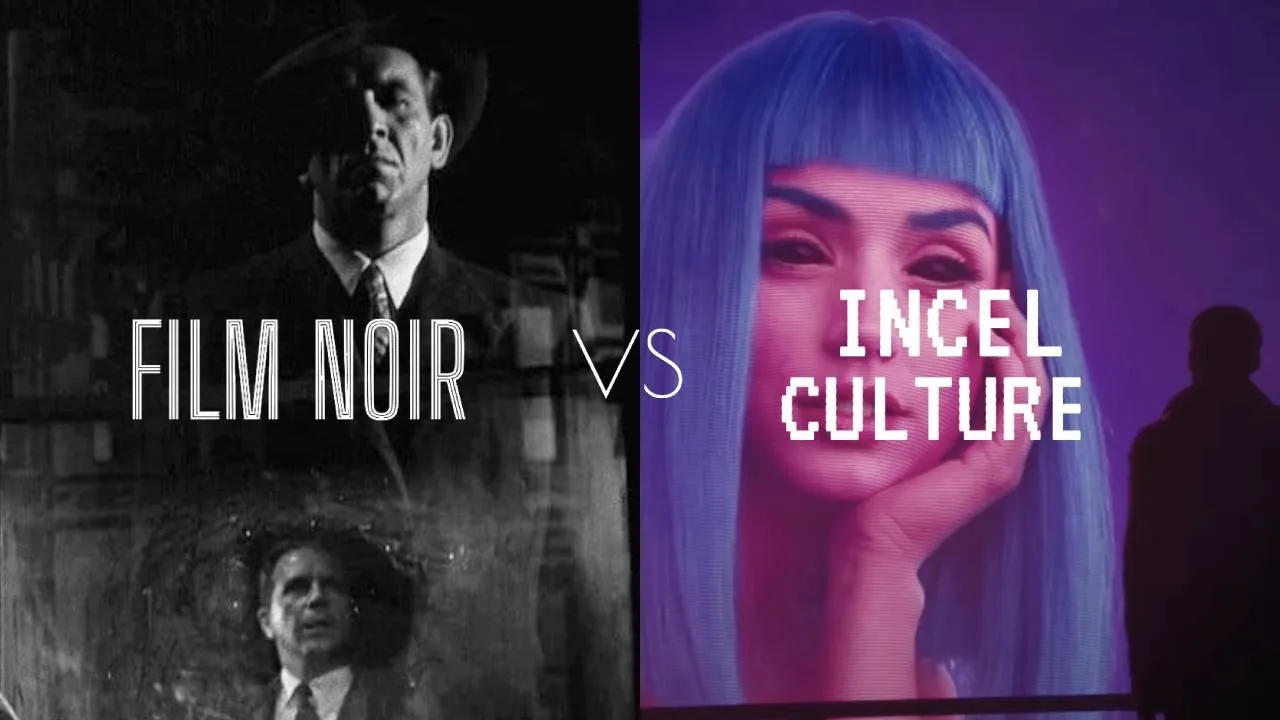
Investigation into contemporary iterations of the genre, including 'Tech-Noir' (e.g., 'Blade Runner') and global neo-noir, to analyze how modern anxieties like digital surveillance and globalization are represented.
Refining practical video essay techniques, including the integration of side-by-side visual comparisons, precise film terminology, and structured voiceover narration for academic portfolios.
32.6K views283likes10:00Original Release: 2019-12-29
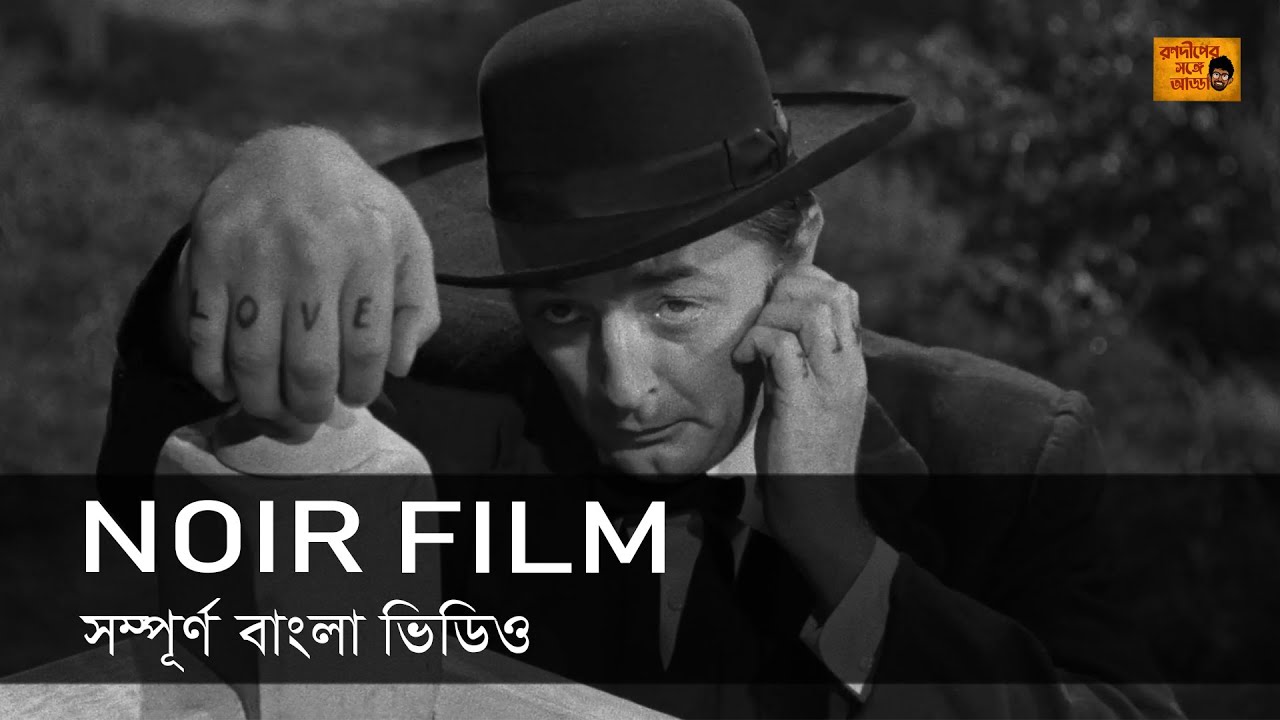
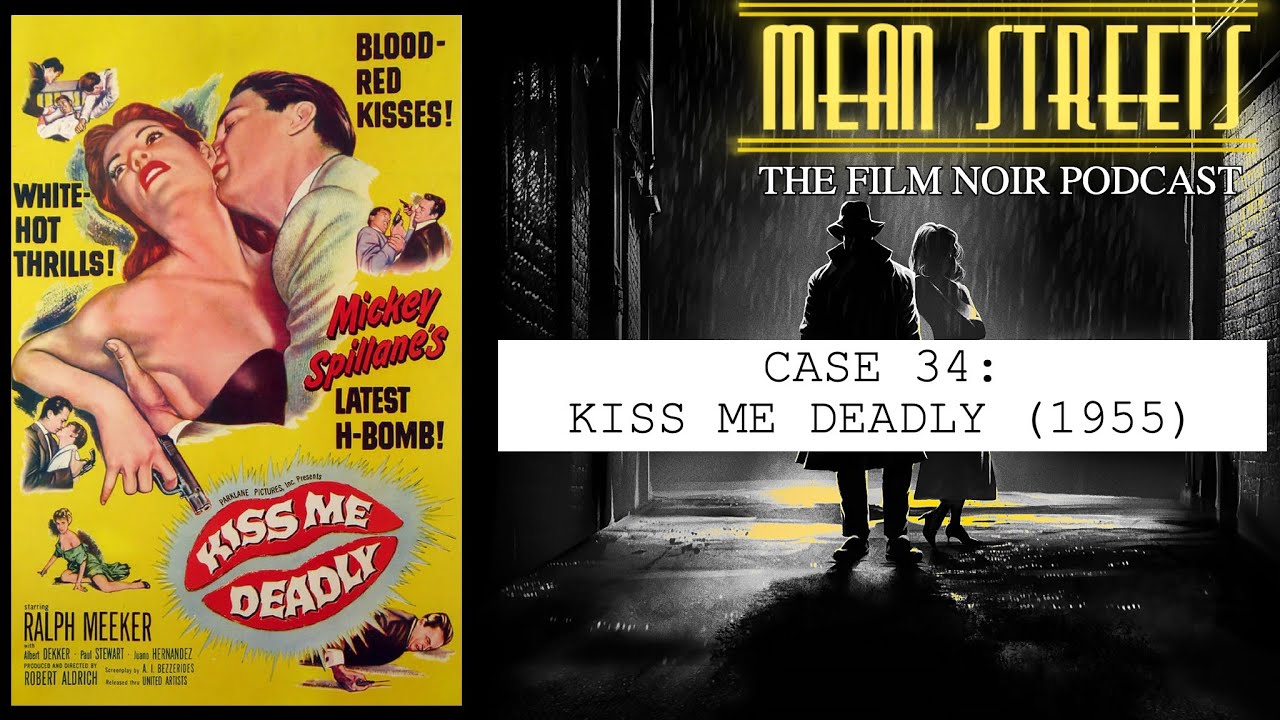
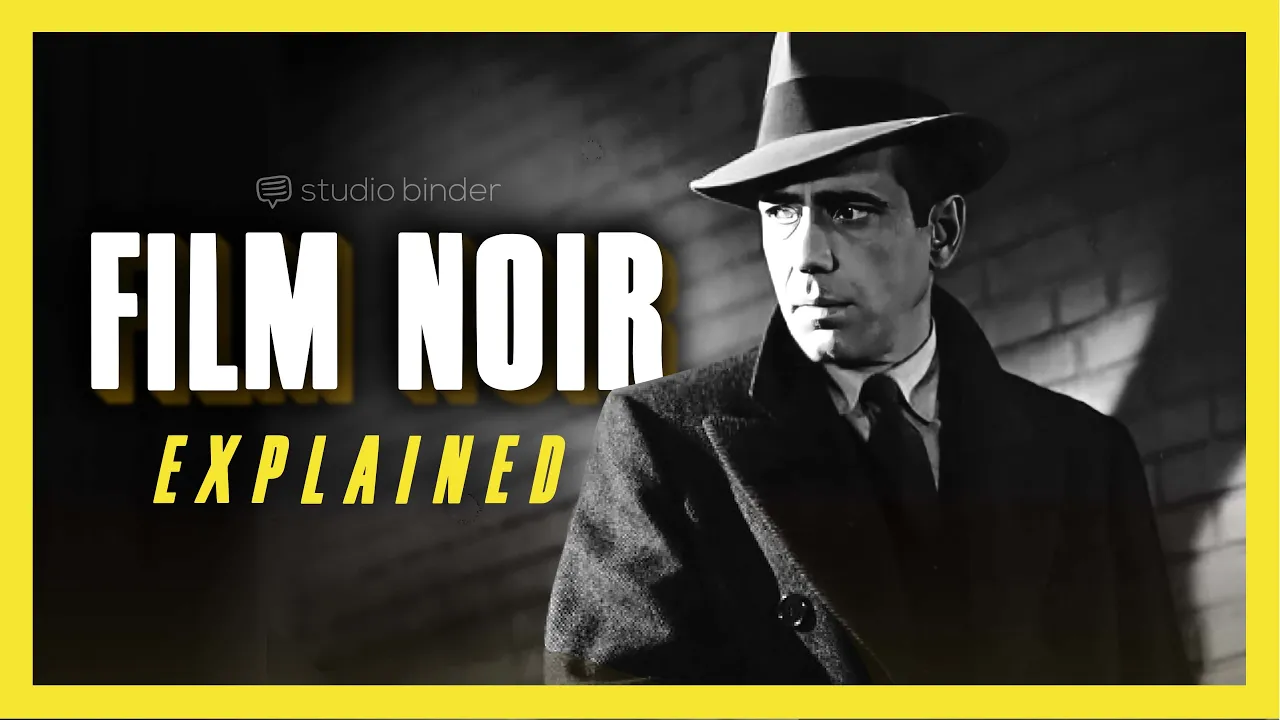
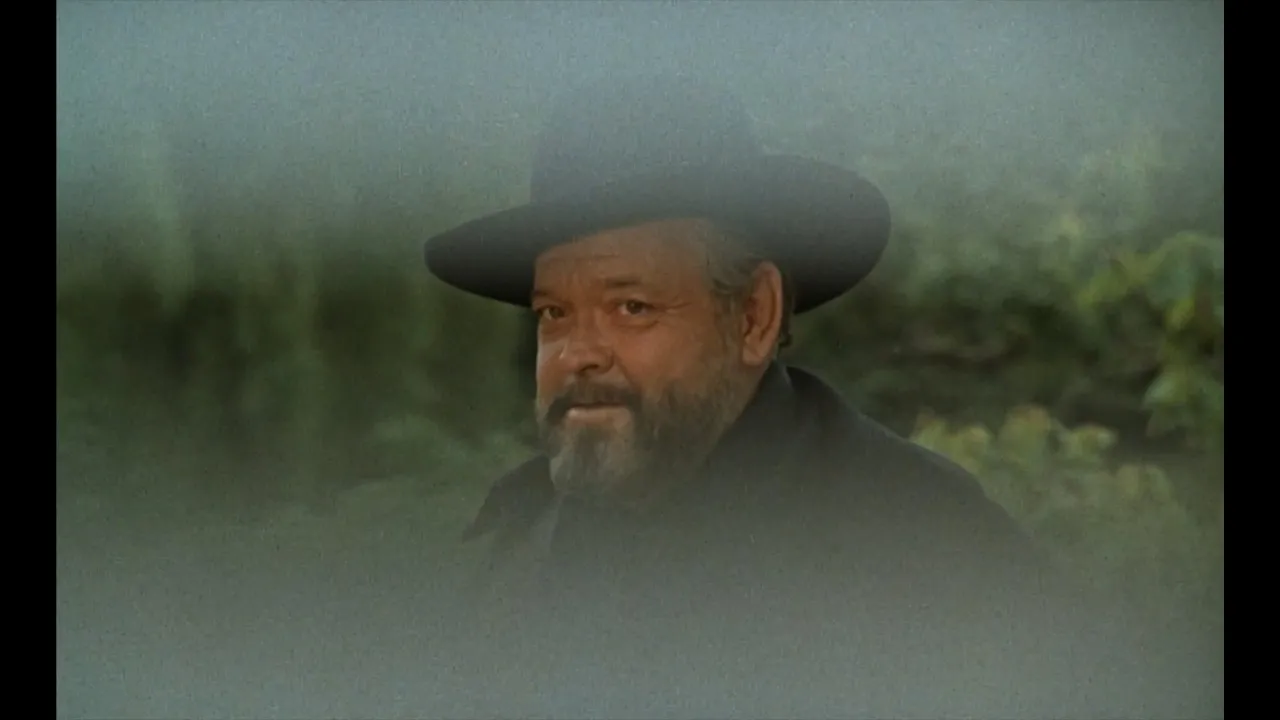
I will be exploring the film genre of film noir by comparing Quentin Tarantino's 1994 film Pulp Fiction with Robert Aldrich's 1955 Kiss Me Deadly the justification of these two films are worthy of study as they represent the evolution of film noir into neo noir through differing time periods Pulp Fiction represents The Consumerist but relatively safe context of the American 1990s while Kiss Me Deadly represents a paranoid and relatively unstable country of America in the 1950s pop fiction challenges social fraud and encourages personal discovery through its storyline and Kiss Me Deadly explores the fear and paranoia of its time in relation to the government and the Cold War the film Pulp Fiction is about two hitmen who are hired to retrieve a stolen mysterious golden records while this is happening a pro boxer scans the hitman spot and then aims to escape the mobster and his two hitmen the film Kiss Me Deadly is set during the Cold War and follows the detective as he aims to solve a mystery that was brought upon to him by a mysterious woman he found on the side of the street which leads him to trying to steal a mysterious briefcase remove a group of mobsters that later turns out to be atomic material that was stolen from the Manhattan Project Wow film noir is a genre film that is largely associated with America and was popularized around the 1940s boys often include dark storylines and follow some crime-related mystery in traditional film noir film techniques such as high contrast lighting dark scenes and black-and-white film is used other aspects of the film include the use of santhi towels imperfect heroes and MacGuffins all to emphasize the overarching theme of discomfort I will be comparing some of these techniques in relation to both films with an emphasis at looking at the narrative devices used such as motifs and themes the historical and social context will be addressed focusing on the response of the audience and analysis of the film techniques used one large catalyst between the two films is that both contain a mysterious box of sorts that serves as the MacGuffin in pulp fiction this is the glowing golden briefcase that Jules and Vincent retrieve from the kids ending Kiss Me Deadly this is the atomic material that is eventually found in the blood MacGuffins are common narrative devices used in movies within the film noir genre and can show the similarity of the original film noir movies and modern film noir films they act as means to continue the storyline and give the characters motivation however despite their similarities the two objects also have their differences between the two movies that help to differentiate the modern cultural context scene in Pulp Fiction with the historical context from Kiss Me Deadly in Kiss Me Deadly the secretive object was the mysterious atomic material that appears to have been stolen from scientists running the Manhattan Project this event was very prevalent at the time as world war ii had just finished less than a decade prior in addition to this America was in the midst of the Cold War with Russia and nuclear war was an imminent concern to the American people using this atomic material as the main center to the plot would have connected to the time and likely caused a bit of unease with the audience of the time a reaction typical to film noir films in fact one movie reviewer from 1955 stated for Aldrich there are no laws no taboos his scenes are dizzying and diametrically opposed while Pulp Fiction has a similar mysterious package it is very different in its use Quentin Tarantino opted to keep the identity of the golden briefcase a secret and after samuel l.jackson was once asked about the content of the box he responded by saying he asked the same question to director Quentin Tarantino on set who responded by saying whatever you want it to be however this hasn't stopped film theorists and pulp fiction fans from theorizing what the contents of the briefcase might be with the most popular theory concluding that the briefcase contains Marsellus Wallace's salt and according to theorists there's a lot of evidence to back up this claim to begin with the briefcase is locked with the code 666 a number often associated with the devil in addition to this the contents of the briefcase always Amane the characters beyond belief and the contents are often described as incredibly beautiful and what is more beautiful than a human soul it is also argued that the bandage seen on the back of Marcellus is necked is used to cover up where the soul was taken as spiritual expert Elizabeth Peru noted in many cultures it is believed that souls entered through your mouth and leave through the back of your head finally it is argued that the reason that the miracle of Jules and Vincent not being shot when they retrieve the briefcase is because God saw attempting to save a soul and came down to create the miracle with divine intervention that means that God came down from heaven and stopped the bullets that's right that's exactly what it means this audience reaction shows the cultural context of the time in the 90s the audience was less worried about physical danger by means of war for example and were more occupied by spirituality in creating their own identity the 1990s in North America was one of the least volatile times in history in fact violent crimes in America were down by more than a third in comparison to the decade prior and it is ironic that this theme of social safety and comfort is being developed from such a violent film which leads to a common theme in both noir and neo noir films which is the emotional discomfort both Kiss Me Deadly and Pulp Fiction tell stories that don't have concrete right or wrongs which can be uncomfortable to the audience this discomfort is achieved by various noir techniques such as imperfect heroes femme fatales dark settings and violence and Kiss Me Deadly this is seen as the main hero Mike Hammer ends up saving the day but does so by killing multiple people this discomfort is also achieved through the cinematography techniques used to shoot the movie high contrast lighting was very common in film noir movies and this type of lighting generally involves shooting scenes in the dark with one light source in order to create drastic shadows this creates the effect of very high contrast scenes where colors are emphasized darker shades are seen as darker and brighter sheets are seen as lighter this was sometimes done even artificially with paint in order to further dramatize the effect this was revolutionary at the time and hoped to add uneasiness in the eyes of the viewer especially given the fact that before the film noir movement these sorts of shots had rarely ever been used on the big screen before let alone throughout the entire movie this is further exaggerated by the fact that films at this time were shot in black and white the high contrast lighting means that there was minimal gray used in cinematography however with this being said this technique isn't used in Pulp Fiction and most scenes are actually shot in the day instead tangina achieves this uneasiness through the use of close-ups and extreme close-ups a good example of this can be viewed in the scene where Vincent saves Mia from an opioid overdose close-up shots are used to portray the emotions of the characters and gory close-ups of Mia are used to unsettle the audience and dramatize the situation this score is almost synonymous with Tarantino and was revolutionary at the time as it actually helped to reveal a lot about characters in his film for example when Vincent accidentally shoots Marvin it has revealed how numb he is to violence and to murder he's more worried about the mess that he makes than he is about killing another human not the gore of the scene that message would not be as apparent as the blood and specifically the close-up of it associated with the accidental shooting shocks the audience and makes them feel uncomfortable leading them to wonder why Vincent doesn't feel the same way some reports have claimed that audiences have had to walk out of Tarantino films in the past and according to the Telegraph there was a very common reaction to Tarantino's breakout film the reservoir dog since politician was released only years later it is likely that a similar reaction was felt by moviegoers when watching the equally gory film Pulp Fiction in fact at the premiere screening of Pulp Fiction in New York one audience member as she went into cardiac arrest after being shocked by the gore and Mia's overdose scene this is what Tarantino had to say when asked about what his reaction to the incident was in a later interview it works I did a good job with this cardiac arrest well he has a joking tone in this clip the sentiment stands his use of violence is very deliberate and is used to affect the audience in purposeful ways this can reveal a lot about the story characters and themes for example the score then goes on to progress the theme that I discussed earlier of finding your own identity it's ironic how Vincent's identity is centered around killing and being numb to it but he ends up being killed himself in contrast Jules discovers himself spiritually and is assumed that he lives a peaceful rest of his life so you decided to be a bum I'll just be Jules Vincent no more no less so while the technique of goring close-ups revealed character traits and emotions in Pulp Fiction in order to make the audience feel uncomfortable the use of shadows and darkness is used to portray the same feeling in the audience and the more our film of Kiss Me Deadly one thing that is interesting is that while pulp fiction seems to encourage curiosity and self-discovery as discussed before Kiss Me Deadly almost us the opposite Lily Carver is punished by being burnt to death by the atomic material as a result of her curiosity this is a result of the cultural context of the time at the time creatively an individuality was looked down upon as Irene Travis Thomas said in her book sociological forum the 1950s are remembered for conformity as a result the media at the time such as Kiss Me Deadly reflected this social norm by promoting the idea that curiosity is a bad thing and rather you will be rewarded for listening to those who came before you and are more wise don't open in conclusion both films represent film noir theory as pulp fiction represents the modern movement into neo noir and Kiss Me Deadly shows traditional film noir in the cultural context for that time [Music] you
Up Next
19:48
Film Noir and Crime Cinema Influences in The Batman (2022)
@ScreenCrush
53.3K views•2022-03-24

23:14
Visual Analysis Essay: How to Analyze Graphic Novels in College Writing
@nataliepleimann5941
1K views•2020-10-14

4:55
Film Blocking Techniques for Directors: Space, Shapes, Lines
@StudioBinder
1.9M views•2018-07-23

4:00
Evolution of Darth Vader: Anakin Skywalker's Animated Journey Across Star Wars Films
@TellItAnimated
13.4M views•2019-03-30
Related Study Plans & Knowledge Roadmaps
Structured learning paths in Film Analysis
film-analysis
Sensory Cinema: Foley, Haptic Sound & Texture
01Introduction to Film Sound and Foley Artistry
02Micro-Sounds, Textures, and Extreme Amplification
03Haptic Audition and Film Phenomenology
+ 1 more learning modules
12h4 modules
Explore Roadmap
film-analysis
Breaking the Fourth Wall: Mockumentary & Satire
01The Invisible Wall: Basics of Cinematic Illusion
02Looking at the Lens: Direct Address & Character Glances
03The Mockumentary: Satire, Realism, and Complicity
+ 2 more learning modules
12h5 modules
Explore Roadmap
film-analysis
Analyzing the Long Take: Cinema, Space & Ethics
01Foundations of Film Grammar: Montage vs. The Long Take
02Choreography and Mechanics of the Simulated One-Shot
03Phenomenology of Film: Real-Time Spatial Continuity
+ 1 more learning modules
14h4 modules
Explore Roadmap
film-analysis
Anachronistic Music: Period Drama & Subversion
01Foundations of Film Sound and the 'Needle Drop'
02Traditional Authenticity vs. Revisionist History
03The Rise of the Anachronistic Soundtrack
+ 2 more learning modules
12h5 modules
Explore Roadmap