










![The Pre-Verbal Language of CInema [Mackendrick on Film - sequence 2]](https://i.ytimg.com/vi/_CwDeqPPjOs/sddefault.jpg?sqp=-oaymwEmCIAFEOAD8quKqQMa8AEB-AH-BIAC4AOKAgwIABABGGIgYihiMA8=&rs=AOn4CLAy91pUSSJqva6lcYNKmsDdeZ6ncw)







![Кабинет доктора Калигари (1920) — шедевр немецкого киноэкспрессионизма [Обзор фильма]](https://i.ytimg.com/vi_webp/BEc8XITUQ_8/maxresdefault.webp)



![Expressionismo Alemão [ESPECIAL]](https://i.ytimg.com/vi_webp/3OU_gja0Mt8/maxresdefault.webp)

German Expressionism emerged in post-WWI Germany as a revolutionary film movement that used deliberately distorted mise-en-scène—exaggerated sets, props, costumes, and lighting—to visually represent characters' inner psychological states, creating a subjective cinematic experience that profoundly influenced global cinema, including Hollywood genres like film noir and horror films.
German Expressionism in Film History Explained
Added:The historical context of post-World War I Germany (the Weimar Republic), including the social anxiety, trauma, and economic instability that influenced the culture.
Basic film terminology, particularly 'mise-en-scène' (the arrangement of everything that appears in the framing) and 'chiaroscuro' (the use of strong contrasts between light and dark).
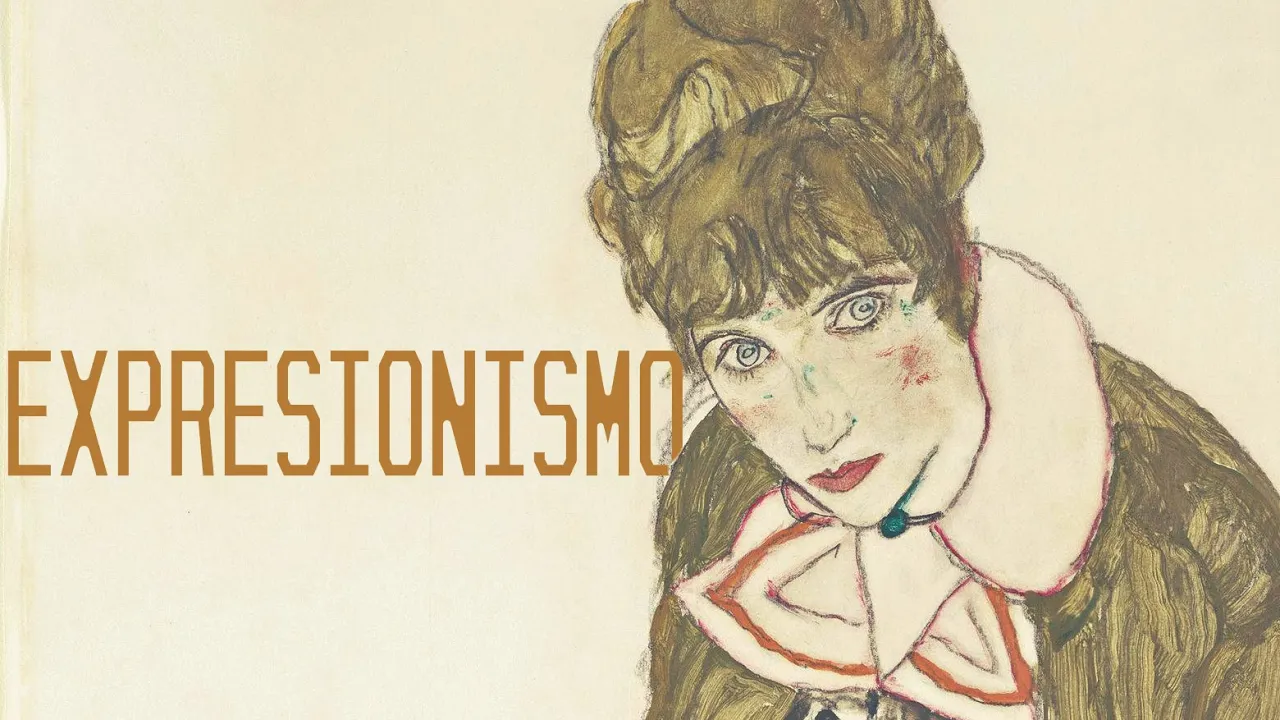
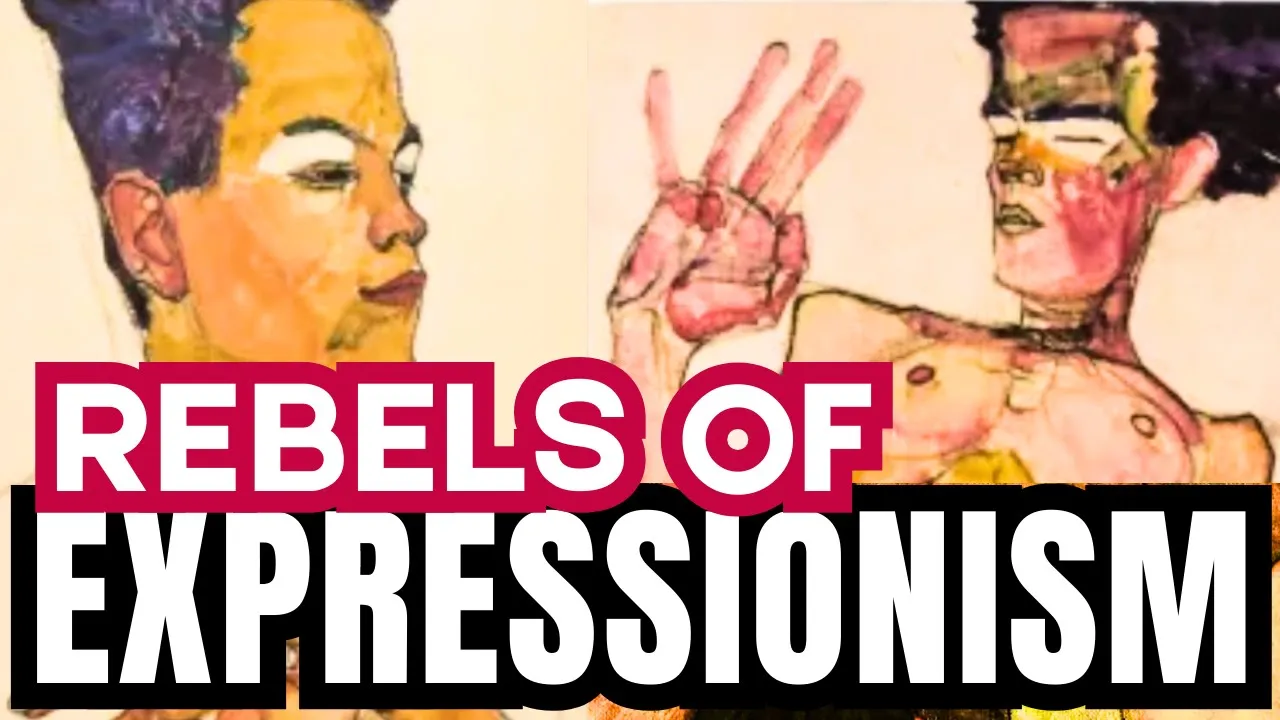
The origins of the broader Expressionist art movement in European painting and theater, which prioritized subjective emotional experience over objective reality.
The fundamentals of silent cinema, understanding how early filmmakers relied heavily on visual composition, exaggerated physical acting, and set design to convey narrative in the absence of synchronized sound.
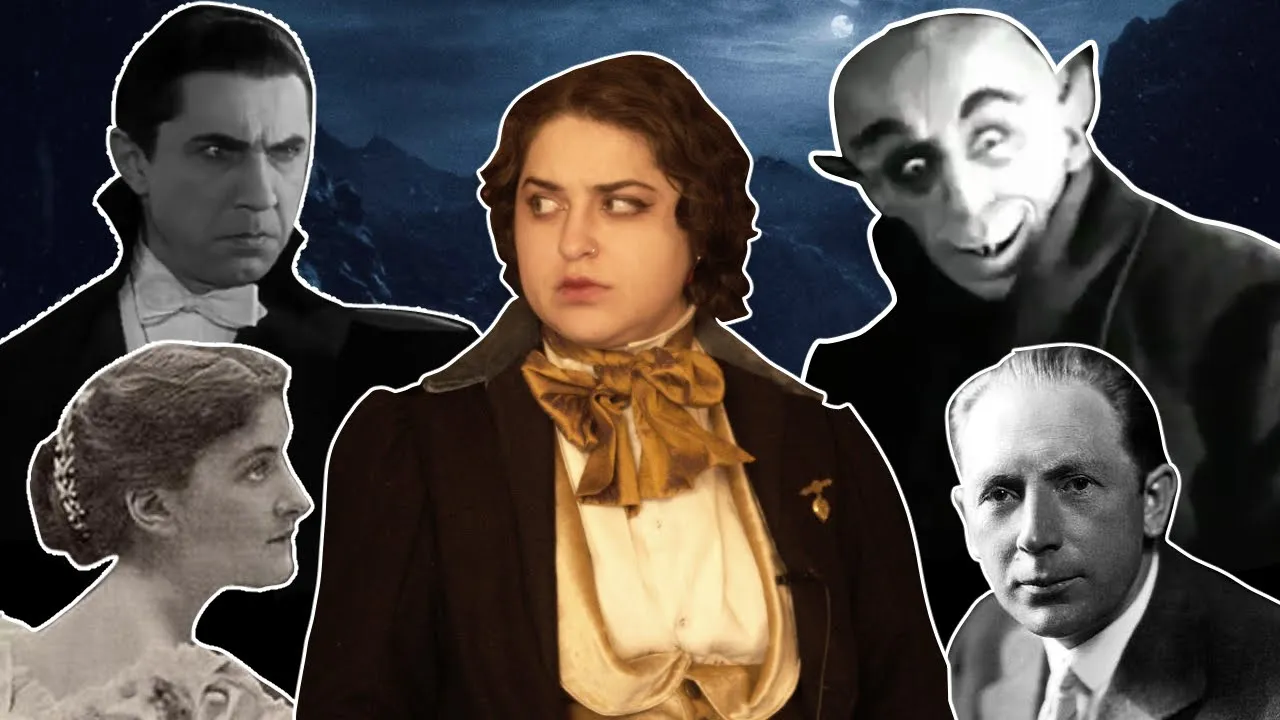
An in-depth study of seminal German Expressionist masterpieces, such as Robert Wiene's 'The Cabinet of Dr. Caligari' (1920), F.W. Murnau's 'Nosferatu' (1922), and Fritz Lang's 'Metropolis' (1927).
The migration of German filmmakers to Hollywood during the rise of the Nazi regime and their profound influence on the development of American Film Noir in the 1940s and 1950s.
The evolution of the horror genre's visual language, tracing the lineage of shadow-play and psychological terror from Weimar cinema to modern directors like Alfred Hitchcock, Tim Burton, and Guillermo del Toro.
The concept of 'Kammerspielfilm' (Chamber Film), an intimate, realist movement in German cinema that arose as a reaction against the stylized fantasy of Expressionism.
554.4K views12.9Klikes10:26Original Release: 2017-05-26
The earliest days of film were possibly when cinema was its most global as a medium.
There was no synchronous sound, so filmmakers had to tell their stories visually – with tools like framing, shot size, and editing – instead of with spoken dialogue.
Because of this, films could be understood across cultures: Someone throws a punch at the camera, and you flinch, whether you speak English or Russian... or Eagle.
So far, we’ve been focusing a lot on France and the United States, where many advances in film technology, storytelling, and commerce were born.
But the rest of the world wasn’t very far behind.
Europe had a vibrant film culture leading right up to 1914, and the outbreak of World War I, which profoundly changed world history - as world wars tend to do - and left an impact on cinema that’s still felt to this day.
German film, especially, became stranger and darker, as filmmakers attempted to disorient the audience and immerse us in the heads of their main characters.
It’s time to delve into the psychological depths of German Expressionism.
[OPENING MUSIC PLAYS] When you think of World War I, you might think of trench warfare, chemical weapons, or a war that began with an assassin’s bullet.
But the war’s effect on the burgeoning global film industry – as well as its political and psychological influence on emerging filmmakers – was deep and powerful.
In countries like France, Italy, and the U.K., World War I brought feature film production to a near-standstill, because the infrastructure and facilities were destroyed, or because the filmmakers and their equipment were conscripted into the war effort.
You see, film was used to bring images of battle and its aftermath to audiences far from the front lines.
The two national film industries most affected by World War I were those of Germany and Russia.
For now, let’s focus on Germany.
We’ll get to Russia next time.
Prior to the war, German films fell firmly within our idea of a “cinema of attractions” – they were spectacles designed for entertainment.
Like me.
As film became a more sophisticated medium, many German filmmakers took a page from the French “film d’art” movement.
They began thinking more about the craft of narrative filmmaking, telling more complex stories rooted in specific characters’ experiences.
Sounds boring to me. Where are the explosions, am I right?
And they called this kind of film Autorenfilm, or “famous author’s film.” In 1913, director Stellan Rye made a film called Der Student von Prag, or The Student from Prague, that finally unshackled German film from theatrical staging – the Proscenium arch approach we talked about before.
This freed the camera to enter a scene and join the action, rather than sitting back to observe.
By the mid-1910s, the German government realized that its film industry wasn’t at the same level as that of the United States, France, Italy, or England.
Combine that with the country’s struggles with pre-war depression and anti-government propaganda, and you had a recipe for trouble.
In 1917, the German military supreme command took control of all the major film studios and production companies and consolidated them under one, enormous, state-sponsored entity called UFA.
The idea was to centralize all the film talent, equipment, and facilities in the country, and to focus on nationalist films – a pro-German, pro-government cinema that would help them win the war.
Imagine if the U.S. military took over and combined Warner Brothers, Paramount, Disney, Universal, Fox, Sony, Canon Films (Breakin' 2:Electric Boogaloo?) – all the major film studios.
And then told them what they could and couldn’t make.
That’s a lot of resources, and a lot of power.
Now, Germany lost the war… badly.
And in the aftermath, Imperial rule ended and a national assembly in the city of Weimar gave birth to a new republican government.
This era in German history – which we call the Weimar Period – was marked by hyperinflation, political extremism, violence, and deeply troubled relationships with the countries that had won the war.
But Germany was left with a huge infrastructure for film production and distribution that actually grew during the war, while the rest of the economy went into a free fall.
Meanwhile, the rest of Europe’s filmmaking capacity had been all but decimated.
So by 1920, Germany had the only film industry in the world able to compete with Hollywood.
The first post-war films made by UFA were beautiful costume dramas, or “Kostumfilme.” -- Aptly Named.
Their aim was to compete with the popular, large-scale historical spectacles made by Italy before the war, to entertain and distract audiences from the devastated economy.
A filmmaker named Ernst Lubitsch became the acknowledged master of the Kostumfilme, known for his huge crowd scenes and mastery of artificial lighting.
Hopefully known for his costumes, too. I would think. I mean, it's a Kostumfilme. You better have costumes.
His first big international hit was Madame DuBarry, also known as Passion, made in 1919.
And in just over a decade, he would become the first high-profile German director to emigrate to Hollywood to escape the rise of Nazi rule.
Now, with UFA sucking up all the filmmaking oxygen in Germany, there wasn’t much room for independent production companies.
And yet a few persisted.
One of them, called Decla, knew they couldn’t compete with UFA in terms of scale or resources.
They were even hamstrung by the rationing of electricity, which limited the lighting they could use.
So the producers knew they had to do something different to get people’s attention – and they did.
Their breakout film would reshape the German film style, and eventually influence the look and tone of Hollywood genre movies.
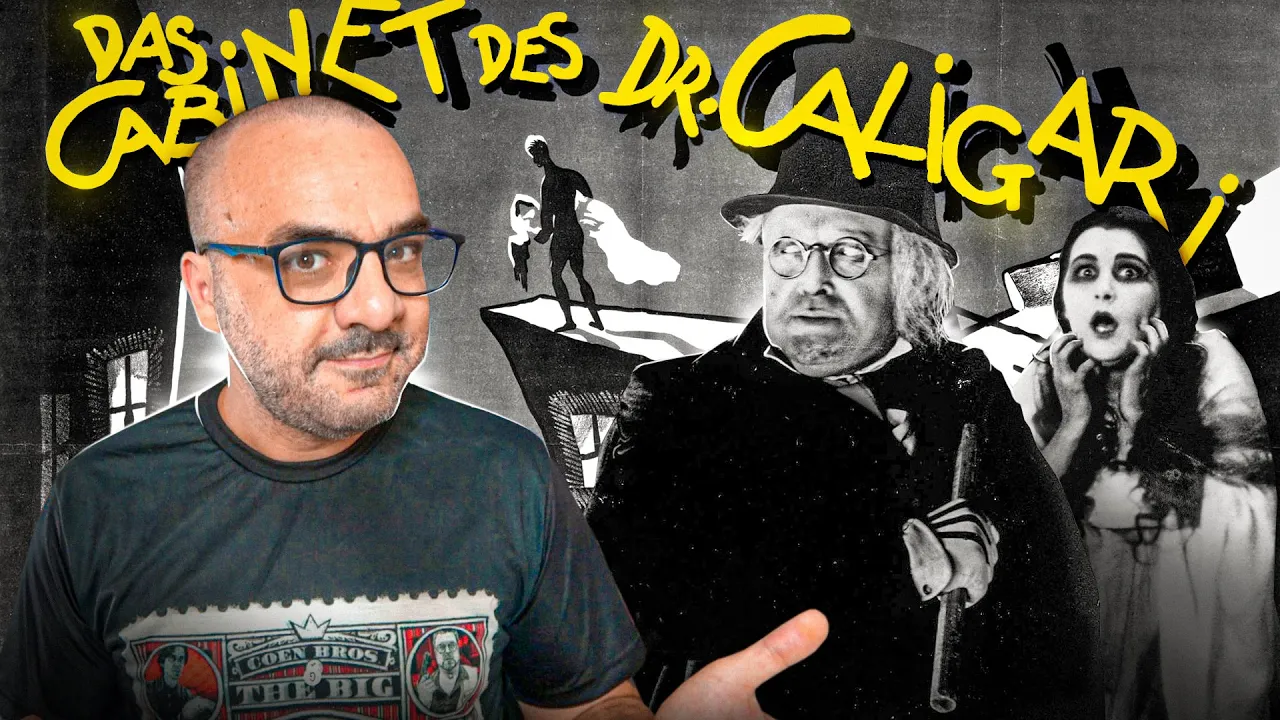
It was called The Cabinet of Dr. Caligari.
This little studio, made a movie that changed the face of cinema!
Written by Hans Janowitz and Carl Mayer, this film was thematically based on their experiences as soldiers in World War I and their distrust of authoritarian leadership.
It tells the story of a young German man who meets a madman doctor whose somnambulist – a kind of sleepwalking zombie – may also be a serial killer, targeting the young man’s best friend and the woman he loves.
The story gains a level of complexity at the end when it’s revealed that... Spoiler... get ready.
– our hero is an unreliable narrator.
He lives in a mental institution and may have made up the entire plot using his fellow inmates and the director of the asylum as models for his characters.
Creepy, right?
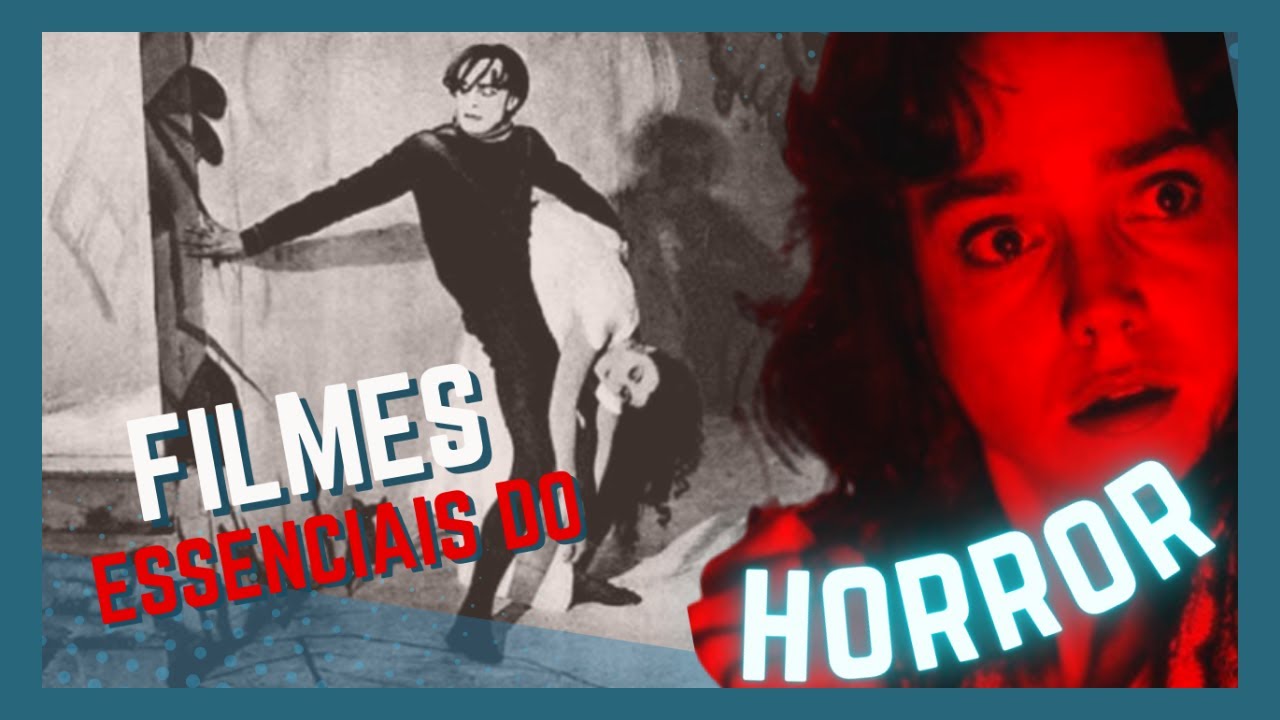
What made the film stand out in 1920, and even today, is its use of mise-en-scène.
Mise-en-scène refers to the arrangement of things that appear in front of the camera.
All the physical stuff in a shot: the sets, props, costumes, makeup, actors and their blocking, and the lighting.
Pretty much everything.
And Caligari’s innovation was to use mise-en-scène expressionistically, rather than realistically.
That is, instead of making things like the sets, costumes, and props, as realistic as possible, director Robert Weine and his two production designers deliberately distorted everything within the frame.
It’s all designed to look deliberately artificial and throw you off balance – from chairs, desks, and doors that are way too tall, to impossibly peaked roofs, and even shafts of moonlight painted across the set.
The pale-faced, dark-eyed makeup of the characters, as well as they way they move – particularly the sleepwalking killer Cesare – is meant to be super creepy.
This is the heart of German Expressionism, using an exaggerated, distorted mise-en-scène to reflect the inner psychology of the characters.
It’s the world’s first taste of highly subjective filmmaking as well – putting us in the mind of an insane main character and making us experience the world as he does.
Given its anti-authoritarian themes, exaggerated mise-en-scène, subjective point of view, and twist ending, The Cabinet of Dr. Caligari is a powerhouse of a story.
It made at least four breakthroughs all at once for the history of film.
And although Caligari wasn’t an immediate hit, other filmmakers soon began to pick up its techniques.
Even UFA started to borrow its style.
And, before long, expressionistic mise-en-scène became a hallmark of German cinema in the Weimar Period.
Because UFA was the largest film studio in the world at the time, it attracted young filmmakers and technicians from all over Europe – including a 25-year-old Alfred Hitchcock.
Then, as Germany took a hard right toward fascism, many German filmmakers fled for London, New York, or Hollywood, taking the techniques of German Expressionism with them.
Watch a film noir from the 1930s or a horror film from the 1940s, or even a studio melodrama like Douglas Sirk’s All that Heaven Allows from 1955, and you’ll see the deep influence of German Expressionism.
Heck, take another look at David Fincher’s Se7en, and tell me those grisly murder scenes and that ending would exist without Caligari.
WHAT'S IN THE BOOOOOOX?!?!
Now, another German filmmaker from the Weimar Period we should talk about is Fritz Lang.
Lang started as an architect, and, boy, does it show in his work.
His films depict grand, epic spaces, and he pays incredibly close attention to the details and structure of his narratives.
They feel solid, like you could live in them.
He borrowed heavily from Caligari’s use of mise-en-scène to amplify his own rich and morally-complex stories.
But his films were less intellectual, and more interested in exploring the visceral emotions of characters.
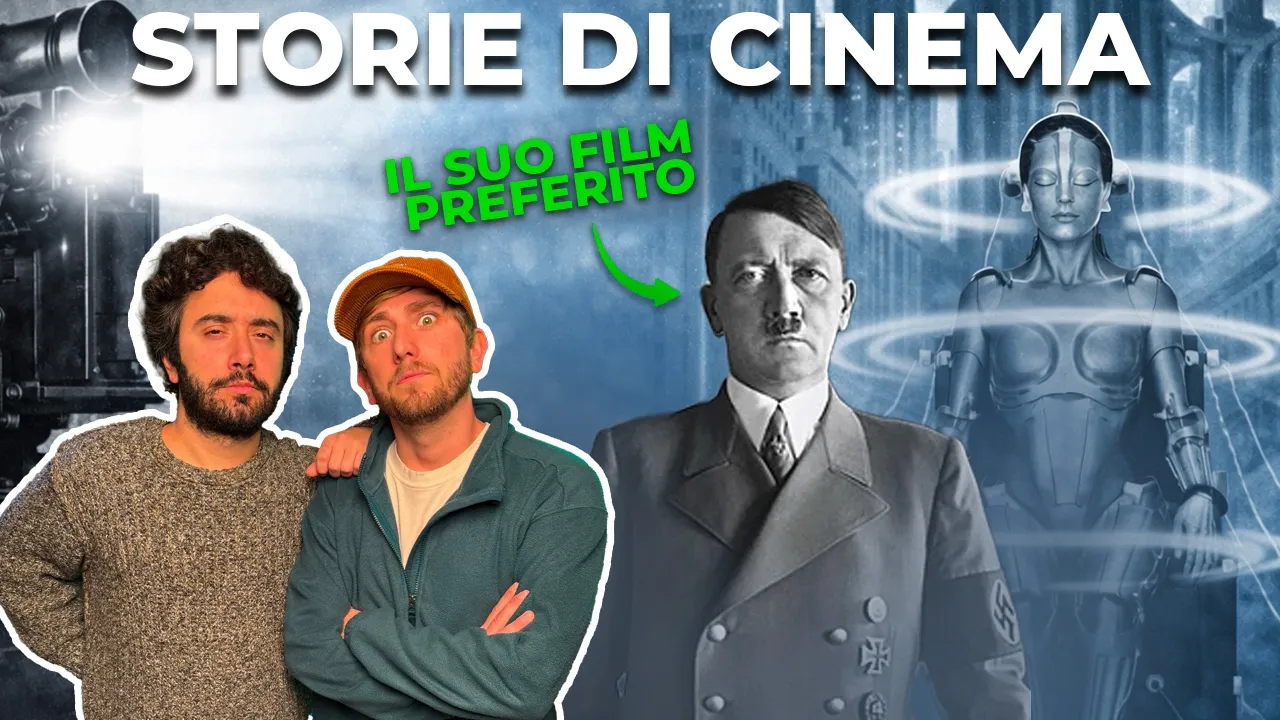
Lang’s masterpiece is the sci-fi epic Metropolis, which combined German Expressionist techniques with his interest in special effects.
The film is set in a futuristic society, in which the wealthy live in luxury high above the toiling masses.
It’s a love story between the son of the ruler of this society, and a poor worker from down below – which, y’know, is par for the course in dystopian stories.
Metropolis was a precursor to everything from Blade Runner to The Hunger Games, but it was also a huge financial failure at the time.
It took decades before it was hailed as a dark and sinister classic.
Now, no discussion of German Expressionism is complete without mentioning the other major director of the time: F.W. Murnau.
Murnau was an art historian before he was a filmmaker, and wanted to make a film of Bram Stoker’s Dracula, but couldn’t afford the rights to the book.
So he just… fudged it a bit.
He changed some of the names, rearranged some locations, and made his own version of the same story in 1922, called Nosferatu.
He was heavily inspired by Caligari, but instead of building exaggerated sets, Murnau focused more on lighting, staging, special effects, and makeup to get at the characters’ inner psychology.
Murnau would eventually turn his attention to Kammerspielfilm, or the “Intimate Theater” film tradition, which tried to depict the oppressiveness of middle class life in contemporary Germany.
He remained as experimental as ever, particularly with camera movement.
His 1924 film The Last Laugh, for instance, is a masterclass in what Murnau called the “unchained camera.” From pans and tilts to dolly and crane shots, his camera never stops moving, in an attempt to make us feel what his characters are feeling.
Can you move our camera around for the rest of the video, Nick?
Nick: No.
That... that's fine.
That same year, the United States and its European allies implemented the Dawes Plan, to try and help Germany pay for the extensive damage it caused during the war.
So the extra aid from the Dawes Plan was good for the German economy overall, but it was a gut punch to the film industry.
Among other things, it strangled exports, meaning that German films had a much harder time finding distribution outside of the country.
That in turn made it harder for production companies to get loans from the banks, so many independent companies ended up declaring bankruptcy between 1924 and 1925.
American film studios saw the chance to take out their greatest rivals, and flooded Germany with Hollywood films.
Germany’s days as a leader in global cinema were over.
That said, German cinema of the Weimar period has had a profound and long-lasting influence on film history, like few other movements have.
From The Silence of the Lambs to Don’t Breathe to anything M. Night Shyamalan has ever put on film, the techniques of German Expressionism are creeping us out to this very day.
Today we talked about how the political climate during and after World War I influenced filmmakers across the world and the German film industry.
We learned about styles and techniques that emerged from this post-war society, like German Expressionism’s exaggerated mise-en-scène and Murnau’s “unchained camera”.
And we looked at how filmmakers like Weine, Lubitsch, and Lang taught the world to use these tools of cinema to bring audiences more directly into the minds of characters.
Next time, we’ll witness how the Russian Revolution incited a lot of filmmaking study and innovation too – especially in editing – and delve into the theory of Soviet Montage.
Crash Course Film History is produced in association with PBS Digital Studios.
You can head over to their channel to check out a playlist of their latest amazing shows, like Coma Niddy, Reactions, and Deep Look.
This episode of Crash Course was filmed in the Doctor Cheryl C. Kinney Studio with the help of all these unchained cameras and our amazing graphics team, is Thought Cafe.
Up Next

48:49
How Kwaidan Blends Beauty and Terror in Japanese Horror
@WilliamDuryea
4.4K views•2024-07-13

23:14
Visual Analysis Essay: How to Analyze Graphic Novels in College Writing
@nataliepleimann5941
1K views•2020-10-14
12:06
Melodrama in 19th-Century Theater: Origins & Impact
@crashcourse
227.5K views•2018-09-07

4:00
Evolution of Darth Vader: Anakin Skywalker's Animated Journey Across Star Wars Films
@TellItAnimated
13.4M views•2019-03-30
Related Study Plans & Knowledge Roadmaps
Structured learning paths in Film Analysis
film-analysis
Sensory Cinema: Foley, Haptic Sound & Texture
01Introduction to Film Sound and Foley Artistry
02Micro-Sounds, Textures, and Extreme Amplification
03Haptic Audition and Film Phenomenology
+ 1 more learning modules
12h4 modules
Explore Roadmap
film-analysis
Breaking the Fourth Wall: Mockumentary & Satire
01The Invisible Wall: Basics of Cinematic Illusion
02Looking at the Lens: Direct Address & Character Glances
03The Mockumentary: Satire, Realism, and Complicity
+ 2 more learning modules
12h5 modules
Explore Roadmap
film-analysis
Analyzing the Long Take: Cinema, Space & Ethics
01Foundations of Film Grammar: Montage vs. The Long Take
02Choreography and Mechanics of the Simulated One-Shot
03Phenomenology of Film: Real-Time Spatial Continuity
+ 1 more learning modules
14h4 modules
Explore Roadmap
film-analysis
Anachronistic Music: Period Drama & Subversion
01Foundations of Film Sound and the 'Needle Drop'
02Traditional Authenticity vs. Revisionist History
03The Rise of the Anachronistic Soundtrack
+ 2 more learning modules
12h5 modules
Explore Roadmap