












![The Cabinet of Dr. Caligari (1920) [4K] | Audio Commentary by #DavidKalat #FilmHistorian](https://i.ytimg.com/vi_webp/IjUPOLU5ZG4/maxresdefault.webp)




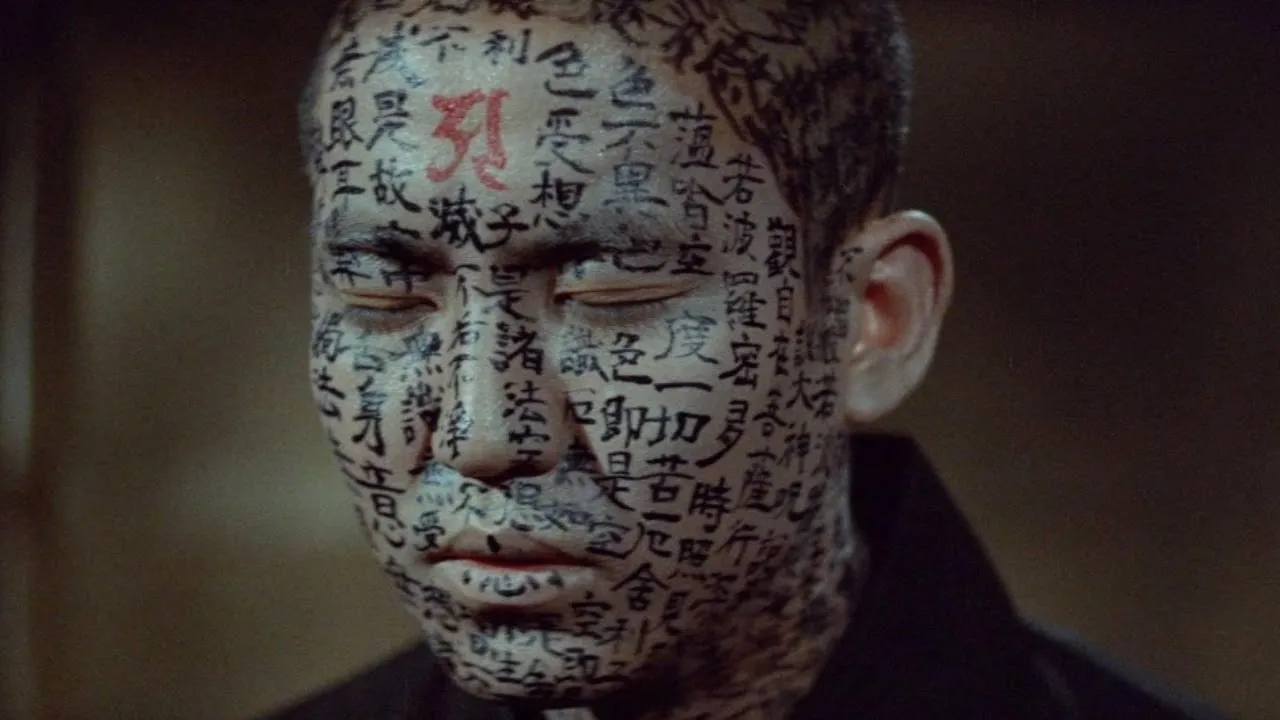
Masaki Kobayashi's 1964 Japanese horror anthology film Kwaidan achieves its unique blend of beauty and horror through deliberate artistic choices: vibrant colors and theatrical painted backdrops create an otherworldly atmosphere that enhances rather than diminishes fear, while the film's thematic focus on universal human emotions like guilt, regret, and loss provides psychological depth that makes its scares genuinely unsettling. Unlike typical horror films that rely on jump scares and darkness, Kwaidan uses visual beauty and emotional resonance to frighten viewers by connecting with fundamental human anxieties about mortality and the supernatural.
How Kwaidan Blends Beauty and Terror in Japanese Horror
Added:The cultural history of 'Kaidan' (traditional Japanese ghost stories) and the literary translations of Lafcadio Hearn.
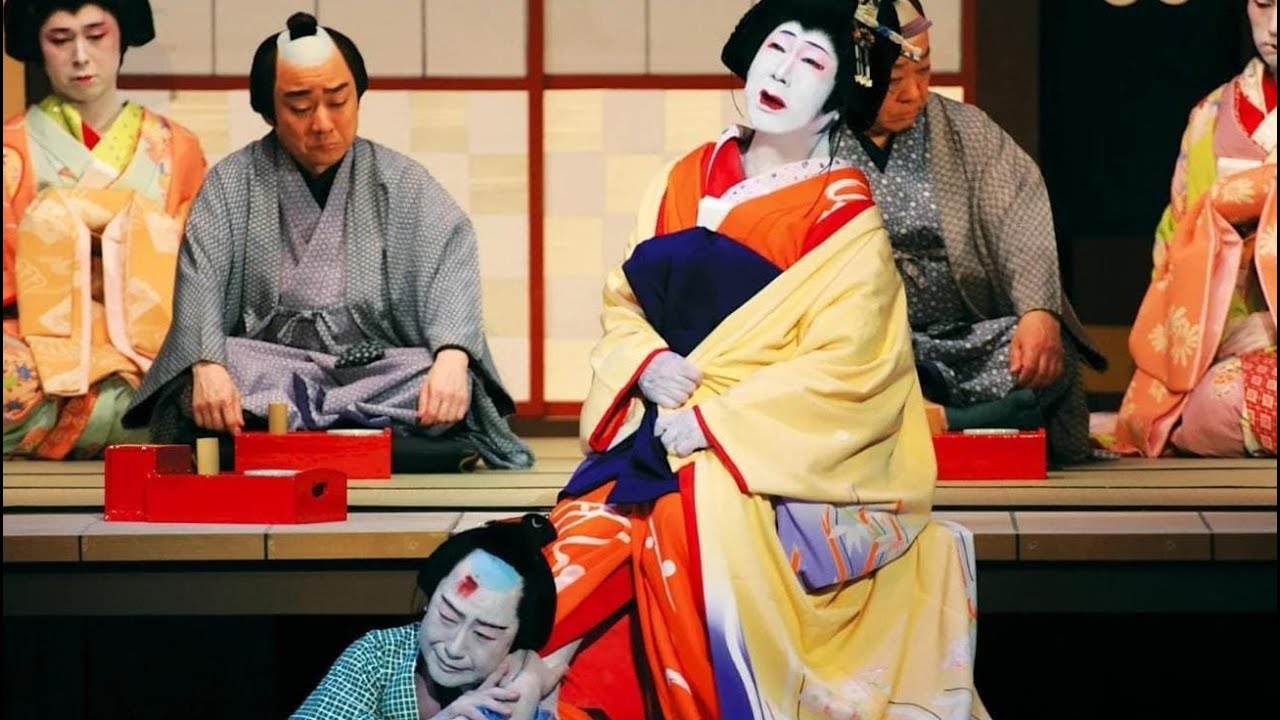
The stylistic influence of traditional Japanese performing arts, specifically Noh and Kabuki theatre, on staging, makeup, and pacing in Japanese cinema.
The historical context of post-war Japanese cinema during the 1960s, a period marked by aesthetic experimentation and the rise of international art-house film.
The auteur style of director Masaki Kobayashi, known for his meticulous composition, social critique, and visual perfectionism.
The evolution of J-Horror, tracing the lineage from classic folk-horror roots like 'Kwaidan' and 'Onibaba' to modern psychological thrillers like 'Ringu' and 'Pulse'.
Analysis of Toru Takemitsu's revolutionary avant-garde soundtrack for 'Kwaidan' and the use of 'musique concrète' in cinematic sound design.
The study of studio-bound expressionism, exploring how hand-painted, artificial sets challenge cinematic realism and influence modern production design.
A comparative narrative analysis of how anthology storytelling operates in horror cinema compared to single-narrative feature films.
4.4K views141likes48:49Original Release: 2024-07-13
hey everyone so if you're a regular viewer of this channel you might be experiencing a little Deja Vu right now yes this is an old video the original version of this video kept getting copyright claimed for some inexplicable reason even though it's obviously fair use since this is criticism since this is a critique of a film so I've made a few edits here and there to the video in the hopes of preventing it from being claimed again uh so if some of the clips of the film seem like they're flipped upside down or sideways or otherwise inverted that's why and if you see any other odd bits of editing um that's probably the reason as well okay that's it that's all on to the video hey everyone so Halloween is coming up and I thought that it would be a good idea to do a video diving into a horror film but there's a little problem which is I'm just not a big fan of the horror genre now I don't think it's a quality thing I don't think there's anything intrinsically wrong with horror films of any variety but I just often feel personally that I just can't connect with them or worse I often feel kind of like turned off by them on a visceral level I think what it comes down to is basically I'm a coward basically I'm not a person who enjoys being scared and I'm particularly not a person who likes jump scares or um plots that are mostly contingent on trying to figure out which character will be viciously slaughtered first or kind of spending all of your time just hoping and praying that your favorite character doesn't take an axe in the back that's just not really the kind of cinematic experience that I enjoy but even with my irrational prejudice against the genre there's actually one horror film that I consider among not only the greatest films ever made but among the most beautiful films ever made and that's masaki kobayashi's 1964 film quidan and I'm going to apologize upfront here because I hope I'm pronouncing that right I'm probably going to pronounce it quian throughout the course of this video but frankly before recording I tried to look up the correct pronunciation and um found multiple conflicting videos and multiple conflicting reports in fact I watched a video where gyo Delo was talking about his love of the film and he managed to pronounce the title two different ways over the course of like 35 seconds quian by masaki kaashi is a crucial film the stories are based on a book of his called quen Qui quen so I'm going to call it quian if you're a native Japanese speaker or just somebody who is a little bit more proficient in film history than I am and I am butchering the name I apologize I'm sorry but we all have to live with our limitations we all have to do the best within our limited knowledge ability I guess anyway let's talk about quian so quidan is a horror Anthology film which alone kind of sets it apart since it was made in 1964 before the horror Anthology became a kind of midnight movie staple so the film doesn't just consist of a single narrative instead it's made up of four separate segments and each of these segments is an adaptation of a different Japanese ghost story the film's first segment is called the black hair and it tells the story of a poor Samurai who abandons his wife and leaves his home in order to remarry into a wealthy family and to work under a wealthier master eventually he just becomes completely consumed by guilt and haunted by the memory of this wife who he left behind and his new marriage doesn't go well because is he's so cold and distant and fixated on the past and without spoiling too much he eventually becomes so consumed by regret that he abandons his new wife and returns to the ruins of his old home to try to reconcile with the woman that he abandoned the woman that he left behind and uh yeah it doesn't exactly go to plan the second segment in the Anthology is called the woman of the snow and it tells the story of a Young Wood cutter who gets stranded with his older master in a blizzard and ends up having to camp out in this tiny little Shack in the woods in the middle of the night he wakes up to see this ghostly looking woman dressed entirely in white with pale skin standing over his master breathing on him this cold breath that just seems to suck and steal the life directly from him and then the woman turns to him and she's about to do the same thing to him but she pauses and she decides to take pity on him and allow him to live but she forces him to promise that he will never tell the story of his encounter to anyone ever again and she says if he ever breaks his promise she will return and take his life and it's at this point that the story takes kind of an unexpected twist because after he returns home and recr Ates the woman actually returns to him in the form of a young traveler and she essentially seduces him and convinces him to marry her without ever revealing to him her true identity even though we as the audience can int it fairly easily and the second half of this vignette is actually dedicated in some ways to exploring their relationship together their life together a married couple and where that goes now the third vignette is called haichi the earless and it follows its titular character haichi who is a Blind Monk who has just joined a new Monastery by the seashore and haigi just happens to be an incredibly talented musician and Storyteller and also perhaps purely by coincidence this Monastery that he's recently joined is very near to the sight of an ancient naval battle from hundreds of years before where one historic Japanese Clan annihilated another in the midst of a particularly bloody conflict and so hoichi is unknowingly approached by the ghost of one of the Warriors who was killed in this battle and lured away from the monastery and convinced to perform a ballad depicted in the events of that great historic battle to the ghosts of all of the Warriors and royalty who were killed in the battle and these specters of Fallen Soldiers and nobility love his version of The Ballad so much that night after night they come back and they drag him away again and convince him to go again and again and again to perform this ballad for them and so as haichi Falls more and more under the spell of these ghosts the other monks in the monastery realize that something is up and try to concoct a plan to free haichi from these otherworldly influences and the final vignette in the Anthology is called in a cup of tea and this is an interesting one this is one that is in terms of plot and in terms of style very different from the other three so this story is framed explicitly as an unfinished tale so we're told right at the beginning of this vignette that it's not going to have a satisfying conclusion that is not going to be all wrapped up for us and instead we get a very bizarre story about a samurai who pours himself a glass of tea and sees the reflection of another man in that glass of tea a man who is nowhere to be seen in the real world in the World surrounding him here's a man entirely alone who pours himself a cup of tea and sees a totally different human beings reflection in it and so he throws out that cup of tea and pours himself another one and sure enough this man's reflection is back in the second cup of tea and he throws that cup of tea away and pours a third one and once again there's the man's reflection there's the man staring back at him from within the tea in the teacup and so ultimately this guy is like the hell with it and he drinks the cup of tea and as a result he may or may not have consumed the soul of this ghostly man in the process and then the entire story spirals out from there the entire story is an exploration of the consequences of that decision and once again without spoiling too much that story ends in a very modern and very meta way that's also deeply frightening I think okay so now that I've given you a brief overview of the film we can finally ask the question what is it that makes it such a beautiful work of cinematic art and well first of all just on a very superficial level this is an absolutely gorgeous movie to look at this film is visually stunning it's funny because we don't usually think of horror films as being beautiful at least I know I don't and when we do talk about beauty and horror we're often talking about a kind of grotesque Beauty you know the beauty of the maab or something like as I mentioned at the top maybe something like y Mo Del turo where many of the things he creates in his films the creatures and the settings are beautiful in so far as they're ghastly memorable more for just how viscerally terrifying they are and unnerving they are than for how beautiful they are in any conventional sense but that's not really the kind of beauty that I'm talking about here this isn't a film that is so ugly in such a unique way that it passes beyond the Realms of ugliness and it transcends ugliness and becomes a work of beauty no this is a visually appealing gorgeous film on its surface and a big part of that is kobayashi's use of color and that's also kind of a weird compliment to give a horror film you don't hear about many horror films being praised for their use of color in fact often films that are trying to be scary will intentionally dial back their palette will intentionally stick to either black and white and gray or to kind of wash out colors you know like pale green or kind of Swampy muddy colors and there's a reason for that there's a whole host of reasons for that I mean obviously we on a on a visceral level on a primordial level human beings are scared of the dark we have a natural and innate fear of what we cannot see and many horror films use that fear to great effect and so keeping the ghost or the monster or the demon or the serial killer out of sight keeping them in shots that are dimly lit that are mostly full of Darkness just is is just like intrinsically effective at making them scarier at enhancing the audience's fear and likewise washed out muddy colors are often intrinsically linked to ideas that we have about disease or corruption or contamination you know the the colors of infection and Gang Green and spoiled meat and human waste these are all things that we have inherent knee-jerk biological fear reactions to too for for a good reason because nobody wants to eat contaminated or spoiled food you know nobody wants to have an infected digit or limb these are things that in the natural world mean sickness or death or at least a dramatic decrease in your quality of life but quieten does not use that color palette at all quian is not a film full of Muddy Browns and sickly greens and it's not even a film that's too consumed by Darkness although the color black does play a pretty critical role especially in the first segment I mean it's even in the title of the first vignette but black is only one of a very wide range of vivid Vivid colors that Kobayashi uses in this film you have shots that feature just brilliant bright flaming red backdrops you have pinks you have greens you have Blues you have white especially in the woman of the Snow White in that segment is in some ways a more terrifying color than black and terrifying is right because even though this is a film that's full of bright Vivid colors those colors don't detract from its power as a horror film in fact those colors in many ways enhance its ability to unnerve and frighten the viewer and this is accomplished in no small part through kobayashi's use of theatrical painted backdrops instead of more organic backgrounds and more organic Skies and just to clarify what I mean by this this is a phenomenon that you actually see in a lot of older films if you look closely you'll notice that classic films especially films from the 30s and 40s have a tendency to use painted backdrops like theatrical sets rather than taking a camera outside and filming in an open natural location in a real location so instead of seeing actual real skies you'll see painted Skies instead of having an actual cityscape in the background there'll be a painted cityscape there'll be a background that's very clearly a large canvas set up in the back of the shot but anyway quian is filled with these painted backdrops and in fact often there's no attempt to make them look like their actual natural real world Skies or Real World locations there is no real attempt to make them look authentic and real instead Kobayashi really leans into making these backdrops look as otherworldly and Supernatural as possible one of the greatest examples of this is in the beginning of the woman of the snow during the blizzard scene the sky during that blizzard the way it changes colors the way that it looks like no earthly Sky no Sky you would encounter in the real Earthly world not even in the midst of a cataclysmic snowstorm it's just immediately jarring and it immediately lets the audience know that something otherworldly something Supernatural is taking place and in fact as that sequence goes on you begin to see eyes in those painted backdrops you begin to see eyes painted into the sky and those eyes actually become a reoccurring Motif throughout that section and they're greatly associated with the woman herself the ghostly woman who materializes out of the blizzard who has this kind of Supernatural power to freeze men with her breath and in fact the film seems to use these backdrops to indicate that characters and indeed maybe the audience themselves have passed out of this world this material world that we know and into the spirit world because the film especially loves to use its most extreme painted backdrops in sequences where characters are in contact with that SP World in contact with either another reality or in contact with spirits and beings that have come from that other reality in fact the use of these backdrops is somewhat subdued in the first vignette in the series within the black hair it does occur in a few instances but the colors used in these backdrops are often more subdued during that segment and the scenes depicted are somewhat more realistic so it's easier to miss the fact that the film is using these artificial backgrounds within that first segment and it's fitting because there's not much Supernatural going on for the first 3/4 or so of the black hair this is a more mundane story at least at it start it's not a creepy ghost story right from the drop and the use of backgrounds and the use of color reflects that but then in the second section in the woman of the snow in the section where the supernatural entity appears from minute one or almost from minute one and persists to have a dramatic presence throughout the entirety of the story we see these backdrops in their most extreme form from the very first shot from the very beginning of this vignette and they persist throughout and in fact in the moments of real intimacy between this young Lumberjack and this woman who he's fallen in love with who he doesn't know is the ghostly entity who he encountered in the middle of that blizzard the sky constantly gives away what's going on in fact even after he's left the blizzard itself and the physical and spiritual threat to his well-being that it represents the skies are still super duper weird and these guys are so weird because the ghost or the supernatural entity has never actually left the story she's still there as his lover and His companion and even as he's absorbed in his romantic feelings for her we as the audience can see the sky and we can see that something unnatural is going on and in fact there's a great moment during the like romantic Montage of these two characters bonding where we as the audience can very clearly see one of those big scary eyes in the sky M from the beginning from the blizzard materialize in a spot where the wood cutter cannot see within our protagonist blind spot really and it's this chilling moment and it's wonderful because this is superficially this deeply romantic scene but there's this [ __ ] eye right there and we are creeped out while we watch this it doesn't feel right regardless of the puppy love scenario playing out on screen we can see that like the darkness and maybe the evil or at least like the other worldly elements are still present and that this poor guy is still facing a supernatural threat that he doesn't even recognize and then in haichi the use of these backdrops is maybe even more significant and maybe even more dramatic actually at the beginning of the story we're presented with a dramatic and lengthy battle sequence where we watch this historical conflict play out and this battle scene really drops all pretense that it's taking place in anything resembling our real world for one thing the backdrops return and the skies in the sequence are just absolutely bright red and even beyond that this is superficially a battle that's taking place on open water out in the ocean but it's very clearly not actually filmed on the ocean it's presented almost as if we're watching a film version of a stage play there's all this artificial mist artificial smoke rising up off the water and we get no sense of the depth or scale of this water we don't get the sense of an open ocean or an Open Sea instead it actually feels fairly claustrophobic you very much get the sense of this taking place within a false and artificial and staged and like I said before theatrical setting and the costuming and performances too are very theatrical very like almost Kabuki in presentation and not only that but these battle reenactments are intercut with pictures of artwork pictures of historical traditional Japanese art depicting the same battle and so all of these artificial touches work together to give the sense not of us watching an actual battle that took place in some historical moment but instead it feels more like we're watching watching hai's ballad his story his retelling of this battle from within the theater of our own imagination this feels like a scene that's very much intended to depict not the world as it was but the World As We imagine it as we're being told a tall tale or a ghost story and obviously that perfectly overlaps with what's going on thematically where we're being presented with a story about a Storyteller and even though this section is very clearly false on some level it's also absolutely [ __ ] gorgeous it is a vivid and beautifully costumed and choreographed and shot sequence and yeah that same of color those same use of backdrops reoccur throughout hai's story especially when he's in the presence of the spirits especially when he's in the presence of the ghosts but this segment does something interesting because it also includes several scenes that are shot on the actual seashore that are shot on the beach on a real beach there's a funeral scene where an individual who has has allegedly been lured out into the ocean and drowned by the ghosts is buried at Sea and this is a real Burial at Sea I mean they're not actually burying a real human being at sea but it's a real raft being set a drift on a real ocean on a into a real sea and there's another sequence where haichi is standing on some Cliffs overlooking what's very clearly the actual honest to goodness ocean and so you have the incorporation of real settings Real World locations within this story that has all of these obviously fanciful and Fantastical locals and sets and you might wonder well why is Kobayashi doing this like why has he made the stylistic choice and I think one reason for it is it heightens the contrast between the mundane real world that these characters live in and once again as I said before the spiritual otherworldly reality occupied by these Phantoms and these ghosts and having that contrast there having these glimpses of a real world make us feel more intensely the weirdness and the horror of these other less real feeling more unnatural and Supernatural settings and so this contrast becomes a way to inject some horror into this horror movie and it injects this horror on an almost subconscious level because even if we're not consciously going from scene to scene saying oh okay this scene was definitely shot on location out in the real world and this scene was obviously shot on a set with a fake back backrop our brain is subconsciously registering that something is off here because we get that these two realities don't fit cleanly together we're willing to accept a film that feels 100% fake we're willing to suspend disbelief if we're watching a movie and from the first scene it's obvious that everything was shot you know on a set on a Backlot somewhere and likewise we're willing to accept the idea of a like quasi documentary film where everything's shot in location but when we start to see different styles interacting with each other and clashing with each other that creates like cognitive dissonance that creates a sense of uneasiness deep within us and this film and especially this section of the film plays beautifully with that unease and the final vignette in a cup of tea does something really weird and it's something that I actually found kind of off-putting the first time that I watched this film and this was initially maybe my least favorite of the four segments because of this and the thing I'm dancing around is it removes the painted backdrops either entirely or almost entirely and it dials the color pallet for the most part way back and way down and you get a sequence that much more gray much more pale and much more reserved in its use of color in the elaborateness and intricacy of its sets in its costuming in many ways except for one critical scene late in the sequence where you actually do get a trio of characters who are dressed in very colorful outfits but yet there's just overwhelming sense that the color has been sucked out of this film that that some of the like romantic excess of this film has been drained away in this final sequence and so since what initially struck me so much about this film was its visual Beauty I watched in a cup of tea and I said oh I wish I wish there was more going on here visually but but I actually think this is an intentional and very effective stylistic choice now I have to be very careful here and in fact I'm going to issue a very mild spoiler warning for the end of the film if you haven't watched this film yet go watch it it's an absolute Masterpiece it's better than some dude's YouTube video so anyway the film ends on a very meta note the last big scare of the film plays very heavily with the idea that you have just been watching a series of ghost stories in every sense of the word that you've been watching a film about storytelling so the final scare of the film deals with the rupturing of the barrier between the Storyteller and the story that's being told between the reality of the film and the reality of these stories these narratives and the reality that exists outside of these stories and maybe even outside the film itself and so with that in mind I think an intentional stylistic Choice was made here I think Kobayashi chose to keep this segment more subdued in its color palette more subdued in its costuming more subdued in its sets and presentation exactly so that the audience would feel like they're being lured back into the real world lured back into the mundane world that they inhabit and out of that ghostly spirit world that kept popping up throughout the other segments of the film and once we're lured into believing that oh this is something that more closely resembles reality the distance between us as a viewer and the reality presented in the film becomes less and less we start to feel on some level like oh okay now we're back in the real world now maybe we're back in the space where these ghosts and we these spirits and these Phantoms can't touch us and then of course at the end of the film that world finds a way to touch ours and we're left with this palpable sense of Terror and I do think Terror because I do feel like the final scare of the film without giving it away was one of the scariest ones for me but we're left with this palpable sense of Terror because we no longer feel like there's this safe distance between the scary world of the film that we were watching and the safe world the safe mundane simple real concrete world that we all occupy and so yeah it freaks us out okay so by now you probably get the fact that I think that this this is a visually Beautiful film but you know what I think it's also a thematically and emotionally Beautiful film as well this is a horror movie that manages to have real depth to the way it explores human lives and human minds and human emotions and depth that goes beyond just the scares it provides but it's still a really scary movie I I don't want to downplay or underplay that at the end of the day this is a deeply unsettling and legitimately horrifying film to watch it's more the way that the film comes by its scarce That's Unique the way the film frightens us the way it disturbs us the way it makes us feel uncomfortable ill at ease the way it makes us tense the techniques it uses to make us legitimately horrified are I think rather different than those used by a lot of horror films for one thing this is a movie with almost no jump scares there are total of two moments in this film that could be considered jump scares in the traditional sense where the camera suddenly cuts to a scary sight or something shocking that we weren't expecting and in both of those instances those jump scares are not really preceded by the kind of Rapid aggressive and arguably manipulative editing that you often see in horror films you know the like she's right behind you kind of shots instead both of these shots even though I think they are arguably jump scares are heavily foreshadowed and there's a lot of cold and meticulous buildup to them and both feel entirely natural and entirely earned but more than that I'm only talking about two scenes in a three-hour movie here two shots in a movie that is over three hours long in a movie that has four different complete stories so how does a film that has only two jump scares in its entire runtime manage to remain consistently unnerving consistently scary consistently terrifying throughout well it does it by actually grappling with and actually addressing the things that truly frighten in us on a deep psychological and human level things like guilt and death and loss and regret and yes the fear of the unknown the fear of the prospect of coming into contact with something Supernatural or otherw worldly something that we can't comprehend can't understand can't even perhaps process and each of the different segments actually has a very different approach to eliciting fear and discomfort from the viewer the black hair for example actually takes quite a long time before even arriving at its ghost before arriving at anything Supernatural as I said before the first two-thirds of this vignette is really just about this Samurai becoming increasingly consumed with guilt increasingly consumed with regret and because it's willing to take the time to explore his feelings because it's willing to force us to sit with a real human being while they grapple with the consequences of a choice that they made a choice with real moral ramifications with real human ramifications we get sucked into to his perspective and we start to feel that guilt we start to feel the anguish that he feels over the choice that he made and we start to long for the same kind of reconciliation that he's longing for and that's important because the supernatural payoff at the end of this story which I which I won't spoil in this video anyway would not have the same impact if we hadn't really begun to feel his longing and really begun to hope for a moment of real reconciliation if we didn't share his desire for a second chance for an opportunity to set right the mistakes of the past the ending of this vignette just wouldn't work in the same way for us it just would not be as effective and in fact it's the way that this story toys with that emotion that we all share that desire that we all share to be able to write mistakes that we made in the past that fantasy we all have about going back and undoing our mistakes going back to the past and writing wrongs and correcting things and putting ourselves back on the right path if we didn't all share that same Universal longing this story wouldn't work but we do all share that same Universal longing we do all secretly yearn for that and because that's something thing that we all secretly want and we all secretly wish we could do the payoff of this story is unsettling for us has deep emotional power has deep dark emotional power because we're watching that desire of our hearts be frustrated be turn subverted be turned inside out and upside down as well and so like all great myth like all great folklore like all Great Ghost Stories this connects to our real lived psychological experience in a profound way I don't want to spoil even on an emotional level all of these different stories I do want you to sit down and watch the film if you haven't already but out of all four segments I think my favorite is the woman of the snow and what I love about this story on an emotional level on a thematic level is how throughout it tantalizes you with exactly the threat that you expect from a ghost story I.E eventually this man is going to reveal his secret to the world and this ghost woman is going to murder him right that's kind of what we expect and in fact the story very much sets us up with that expectation that's the opening hook the opening Hook is if you tell the world my secret I will kill you now okay just turn off the video right now if you don't want me to spoil the woman of the snow okay you had your chance I'm going to spoil it now all right so that story does not end with her killing him at all he does reveal his secret he does tell the story of his encounter with the ghostly woman on that night in the blizzard but he tells the story within a context that's deeply ironic because he tells the story to the woman herself after she's married him and not only after she's married him but after she had children with him so they've lived this life this decade of like shared domestic Bliss they've made a family together and then he catches sight of her in just the right light in just the right moment and she reminds him of the woman he saw the ghostly spirit that he encountered that night in the forest so many years ago and because he loves her so much and because he's so wrapped up in this moment of realization he tells this woman who who he believes is just his wife and the mother of his children this story for the first time and of course he's actually telling this story to the ghost to the spirit that he encountered and the way she handles it is on the one hand so like what you would possibly expect and on the other hand so brilliant and so profound so so what would you think would happen I mean so In This Moment there's a thing you're afraid is going to happen and there is a thing that your like heart and soul wants to happen well there's a thing that like your humanity is crying out for in this situation so obviously the thing that you're afraid will happen is she's going to walk over she's going to Exhale all this white breath on him and he's going to fall over dead and the thing you're hoping will happen is that she'll forgive him that she'll understand the emotion underlying the love underlying his decision to tell her and only her this story but no neither of these expected or hope for conclusions happens instead she gets up she confronts him she tells him to never tell this story to anyone again she tells him she won't kill him be for the sake of their children and then she just she just leaves him she just walks back out into the snow and we see that big eye in the sky again as she disappears and that's it and he's just left alone left alone with the children left alone with the memory of this beautiful love that he once had and he's just in this one moment both lost the love of his life and been made to realize that he's just spent the last 10 years married to something Supernatural to something ghostly or demonic or otherworldly and he's just left with the profound emotional weight of this reality and also with the Deep guilt and regret for having said anything at all for having broken this promise and told this story and it's wonderful because as a conclusion it's simultaneously incredibly modern in the way that it totally subverts the audience's expectations and in the way that it deals with really complex and conflicted human emotions but it's also deeply Mythic it also still feels like a true ghost story like a true piece of folklore because we often associate ghost stories with these moments of tragic irony these moments where the story comes full circle and there's this deep dark twist this kind of weird moment of karmic comeuppence and it's also really [ __ ] scary and it's scary for much the same reason that the black hair is scary because it touches on real human fears real human anxieties real human emotion like it touches on the fear that we all have of losing a loved one of being abandoned of having to become a single parent of being separated permanently from a spouse or from a family member and it deals also with the horror of death and with the question of would you rather die or lose the person you love the most in the world and it does it in a way that's completely unique and that's wonderfully complicated that wonderfully refuses to be simple in its calculations that avoids the cliches of slasher films and of ghost films and of monster flicks it it just it's just the basic complicated and conflicted Terror of having to live in a world where nothing is permanent where you could lose anything at any moment no matter how much you love it no matter how much you care for it and that you might be culpable that you might be responsible for that loss even though you never intended to be even through an act that seems completely insignificant even through an act made out of love itself and Christ that's scary and yeah I think that's it I think that's it I think I'm done thank you for bearing with me here thank you uh for listening I know I kind of went off there I know this is probably going to end up being a fairly long video um so what I'm hoping to do next is I am hoping to do a second video on quian and I'm hoping fingers crossed to get it out just in time for Halloween so stay tuned for that and of course thank you thank you for watching uh thank you for sticking with me me here I hope my voice didn't sound too super weird in this video I'm just getting over a cold that I've been struggling with for a couple weeks so if my voice sounds weird or funny I apologize anyway thank you so much thank you for watching please if you have it in your heart if you enjoyed the video like And subscribe maybe hit that Bell icon to be notified of future videos and uh yeah I really appreciate everyone who's stuck with me through all my videos so far I really appreciate all the kind and supportive and deeply insightful comments of different people have left and I'm just rambling at this point so that's it happy Halloween I'll see you in the next video
Up Next

16:48
Liminal Spaces in Film: A Study of Thresholds and Transition
@DuCinema1
2.2M views•2022-05-08

23:14
Visual Analysis Essay: How to Analyze Graphic Novels in College Writing
@nataliepleimann5941
1K views•2020-10-14
4:55
Film Blocking Techniques for Directors: Space, Shapes, Lines
@StudioBinder
1.9M views•2018-07-23

4:00
Evolution of Darth Vader: Anakin Skywalker's Animated Journey Across Star Wars Films
@TellItAnimated
13.4M views•2019-03-30
Related Study Plans & Knowledge Roadmaps
Structured learning paths in Film Analysis
film-analysis
Sensory Cinema: Foley, Haptic Sound & Texture
01Introduction to Film Sound and Foley Artistry
02Micro-Sounds, Textures, and Extreme Amplification
03Haptic Audition and Film Phenomenology
+ 1 more learning modules
12h4 modules
Explore Roadmap
film-analysis
Breaking the Fourth Wall: Mockumentary & Satire
01The Invisible Wall: Basics of Cinematic Illusion
02Looking at the Lens: Direct Address & Character Glances
03The Mockumentary: Satire, Realism, and Complicity
+ 2 more learning modules
12h5 modules
Explore Roadmap
film-analysis
Analyzing the Long Take: Cinema, Space & Ethics
01Foundations of Film Grammar: Montage vs. The Long Take
02Choreography and Mechanics of the Simulated One-Shot
03Phenomenology of Film: Real-Time Spatial Continuity
+ 1 more learning modules
14h4 modules
Explore Roadmap
film-analysis
Anachronistic Music: Period Drama & Subversion
01Foundations of Film Sound and the 'Needle Drop'
02Traditional Authenticity vs. Revisionist History
03The Rise of the Anachronistic Soundtrack
+ 2 more learning modules
12h5 modules
Explore Roadmap