









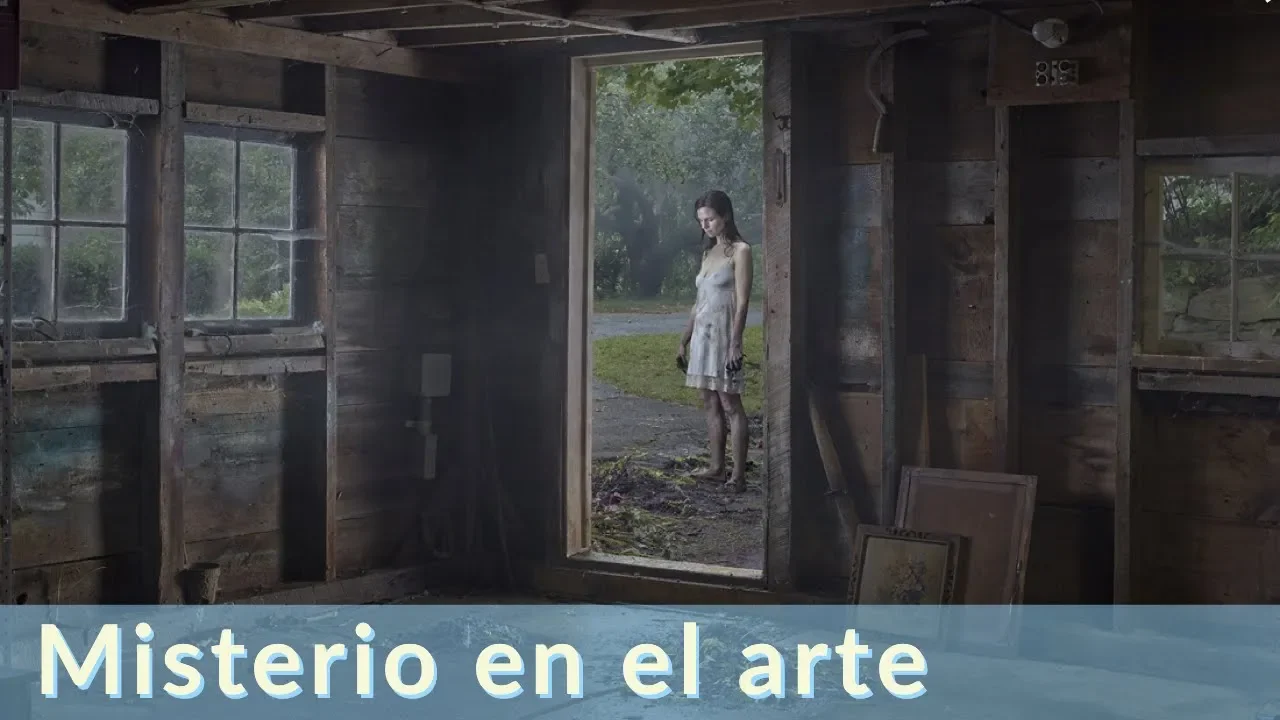



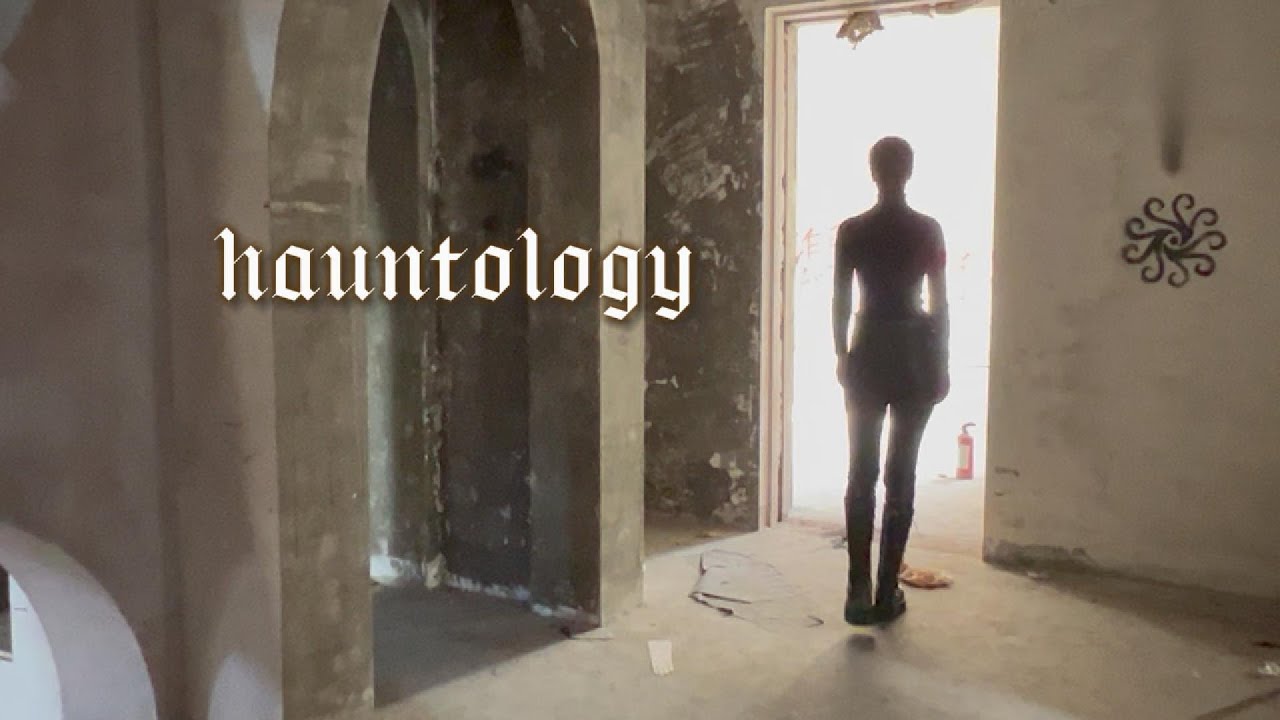






![インターネットで見かける4つの不気味な文化について解説[Dreamcore,Weirdcore,Liminalspace,Vaporwaveとは?]](https://i.ytimg.com/vi/rRuhpOUJrNA/maxresdefault.jpg)




Liminal spaces are transitional, threshold-like environments that exist between states, creating an unsettling feeling between the familiar and the unknown; these spaces are characterized by emptiness and abandonment, and they appear frequently in cinema across three main categories: physical liminal spaces (like elevators, hallways, and abandoned buildings), emotional liminal spaces (such as adolescence and life transitions), and temporal liminal spaces (involving time dilation and existential observation). Directors like Stanley Kubrick, Andrei Tarkovsky, and David Lynch have mastered the art of creating liminal spaces long before the concept became popular online, using them to explore themes of transition, identity, and the human experience of being stuck between states.
Liminal Spaces in Film: A Study of Thresholds and Transition
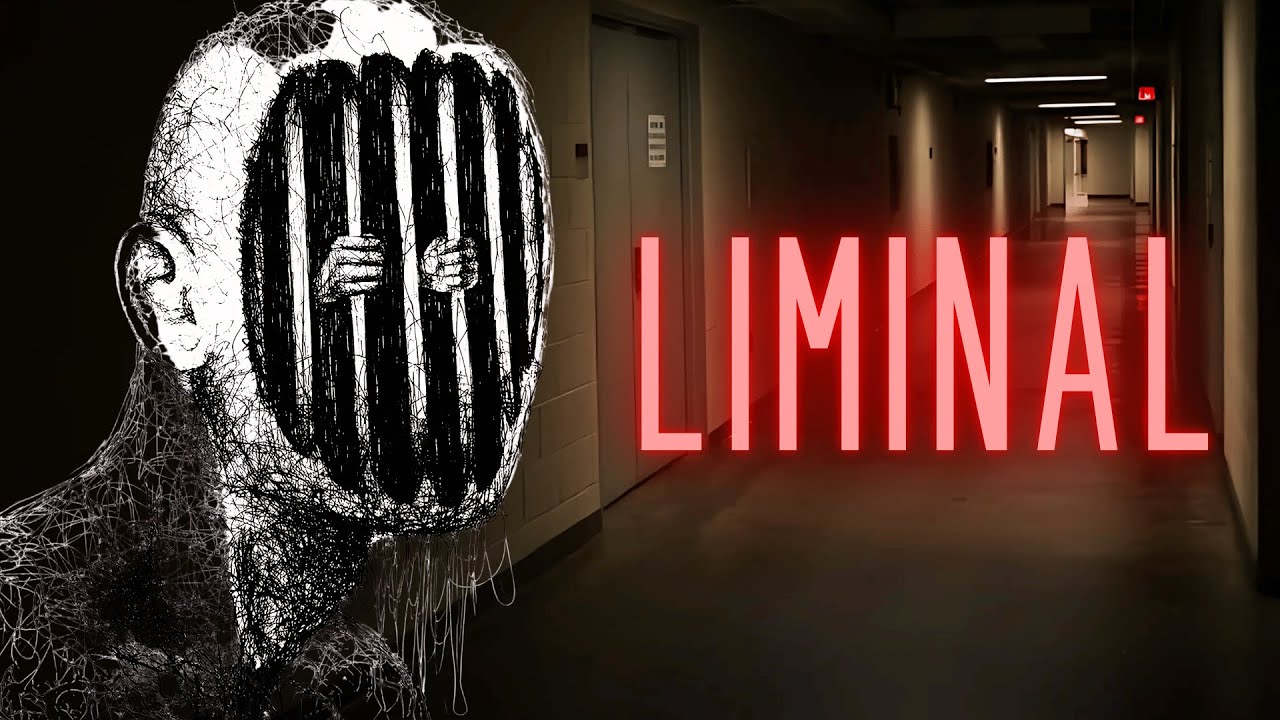
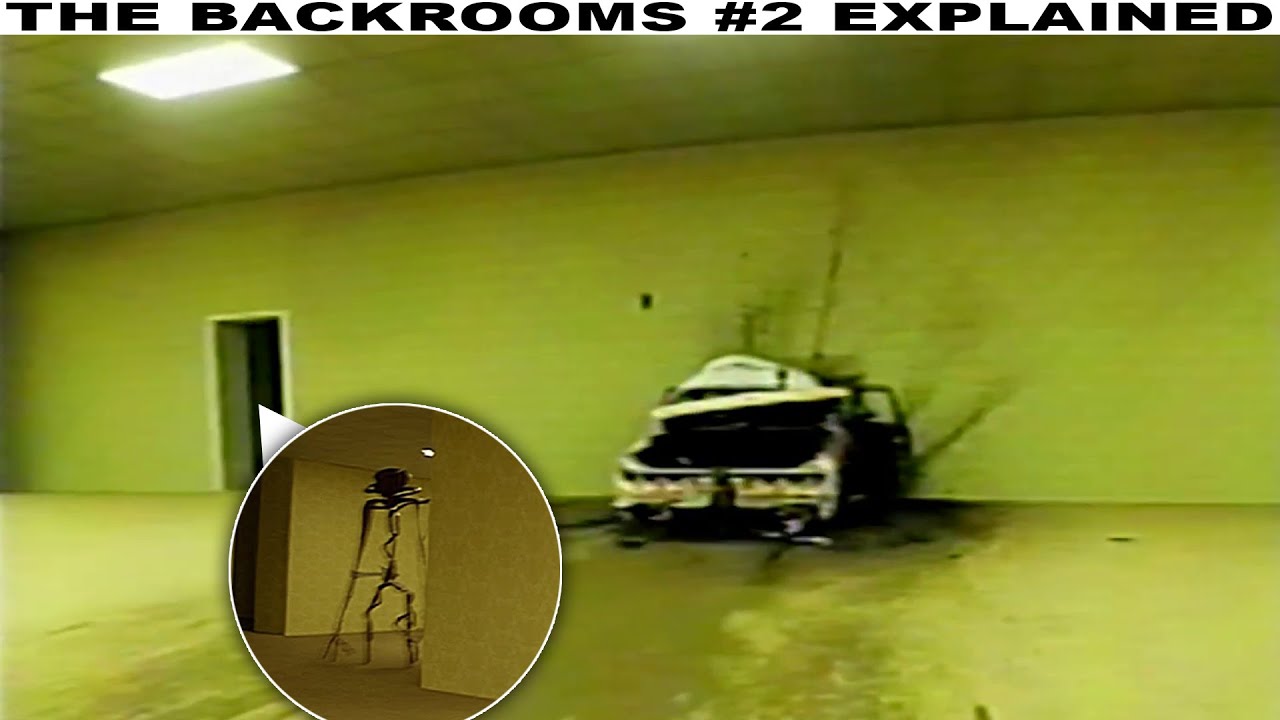
Added:liminal spaces in movies they're everywhere yet we never really stand still and think about them you might have never noticed but you have actually been in a liminal space before as a matter of fact you're sitting in one right now have a look at this picture of a living room there's nothing particularly wrong with it right it's just a normal living room but now have a look at this one as soon as you start to remove objects people and life from regular places all you're left with are the human-made constructs which causes a strange feeling between the familiar and the unknown what all these pictures have in common then is emptiness giving you the feeling of being [Music] there's something very unsettling about these liminal spaces empty universes that seem to exist outside of time and place they make you want to leave i gotta get out of here but what if you can't this video i'm going to dive deeper into what these mysterious yet familiar looking places are and in particular how they are used in movies but in order to do that we need to travel back to the place where it all began so are you ready to visit the back rooms well looks like we're committed now welcome to the back rooms the most famous liminal space out there in 2019 somebody created a thread on a platform 4chan and asked people to post images of empty locations that just feel off there the first photo depicting the back rooms was uploaded presenting a slightly tilted image of a yellow colored hallway underneath it was a description of how one could get trapped in these back rooms and it goes something like this one day someone's walking around going to work alive and then nothing people just disappear that's right the story goes that you can get teleported or no clipped as written in the post into these empty rooms as if you found some cheat code or secret glitch in a video game but once you're in there it's very hard to get out earth just opens up and swallows eerie really hairy the back room is just one example of the liminal space iceberg that goes very deep and has formed a new movement in recent years with people online deciphering pictures of empty stores playgrounds or other abandoned locations that's why i have gathered a collection of movies that portray all kinds of liminal spaces so let's find out what exactly their characteristics are i've divided the movies into three main categories the ones showing physical liminal spaces emotional ones and temporal spaces so let's begin with discovering a physical liminal space it all starts in a normal world that you're familiar with going to work applying for a new job or going on a nice holiday with your family but all of a sudden things are starting to feel a little off in the truman show the main character is going to work he wants to take the elevator up to his office but when the elevator opens he is stopped by security guards and suddenly sees people sitting in a room behind the back wall literally discovering a back room similarly in the movie being john malkovich the main character discovers a room because his job interview is not on the seventh floor not on the eighth floor but actually in between [Music] in these movies both the audience and the main characters are experiencing the uncanny meaning seeing their world in a very strange but familiar way suggesting that there is another world out there they don't know about something that's beyond their power there's no point trying to explain it but a lot of strange things have been happening the key to understanding why liminal spaces are so uncomfortable lies in the meaning of the word liminal itself because the word liminal is derived from the latin word lemen which translates into threshold in that sense a liminal space is actually a transitional space elevators or staircases are examples of such spaces you often don't spend much time in these places but if you do it starts to get kinda creepy in both movies the elevator is a literal threshold between the regular world and apparently another dimension that the characters haven't explored before this brings us to the next stage exploring the liminal spaces even though the previous two movies are not horror movies they do show us why liminal spaces are often used in the horror genre because what if you get stuck in a stairwell or hallways turn into a maze this whole place is such an enormous maze i feel like i'll have to leave a trail of breadcrumbs every time i come in don't let it get you down mrs taurus director stanley kubrick was a master at capturing the feeling of liminal spaces and his movie the shining is a prime example everything about the overlook hotel in this movie just feels off the hallways are too narrow the colors alternate between too bright or too muted and certain passageways feel like they just lead to nowhere there's actually a whole theory dedicated to a window that shouldn't exist in the hotel the hotel has been abandoned for months until the suburban family starts to live in the hotel for a couple of months there is actually a term for the feeling when being in an empty space like this one the greek word canopsia it is described as the forlorn atmosphere of a place that is usually bustling with people but is now abandoned there is a spongebob episode that perfectly captures this feeling the episode is titled gone and the title card is a liminal space on its own in this episode all the people in bikini bottom have disappeared so spongebob spends his entire time having fun all alone like the family in the shining but after a while he starts to feel lonely and things start to get quite scary at the end of the episode there was a no spongebob day and the people of bikini bottom simply come back if only that's how the shining ended here's johnny another og director that has mastered the feeling of liminal spaces is david lynch there's this one room in the movie mohawk drive that looks a lot like the red room from his popular series twin peaks the red room is also known as the waiting room the feeling of waiting and not knowing what is next are typical for the transitional nature of liminal spaces the red room is actually a set of seemingly infinite rooms and hallways like the famous back rooms the only walls being the thick red velvet curtains separating the different sections in one episode the curtains lift up revealing an endless black void behind it and you can see the pattern floor stretching out into nothingness at that moment you really feel you're on the verge of something looking out into the unknown who knows what might appear it's a david lynch movie after all the arrangement of the room could also change from moment to moment making navigation or escape extremely difficult where am i and how can i leave the last stage of physical liminal spaces is escaping if that's even possible truman realized that he is being trapped in a tv show and has been living in a simulation all his life he tries to escape by sailing to the end of the world where he discovers a backdoor to another room or universe is that then a door to reality this poses a very important question to the audience is there maybe a chance that we also live in some sort of a simulation this isn't real what is real how do you define real the matrix is a classic movie about escaping a liminal space or stimulation but escaping the matrix isn't always possible there's this other movie called vivarium where the movie is basically an infinite loop a young couple moves to a suburban neighborhood consisting of homes of the exact same size and shape in spongebob there is also an episode where squidward lives in a gated community named squidville with infinite clones of squidwards in the same type of houses who is that speaking about sameness and doppelgangers in the 2019 movie titled us a family gets terrorized by their creepy doppelgangers these clones come from some kind of back room which consists of infinite hallways and tunnels filled with rabbits all the previous examples show that the medium of cinema makes it possible for us to explore alternate realities which is beautifully symbolized by the intro scene of the movie holy motors where the director discovers a back room in his bedroom that leads to a cinema [Music] we have covered a lot of physical liminal spaces by now but as i mentioned at the beginning liminal spaces are not only physical a gap year between high school and college is as much of a liminal space as any physical room it is like a loading zone a transitional period between two major life events the movie donnie dargo is a phenomenal story about a teenager transitioning into adulthood adolescence is a recurring theme found in psychological liminal spaces this goes hand in hand with confusion and mental health problems dani is struggling with vivid hallucinations and people perceive him as being insane empty locations of her childhood have a so-called elegiac aura around them the presence of these empty places provokes a saddening or dark feeling because those childhood places give you a feeling that you will never experience again the breakfast club is a movie about a group of teenagers forced to spend nine hours together in saturday detention being in school after everybody is home and having fun is very elegant liminal spaces are very personal everybody has a different life and depending on what you have experienced as a child therefore plays a big role in the different feelings you get many movies and tv shows you've watched as a kid can also give the same feeling spongebob the teletubbies harry potter you name it there's also a subgenre within liminal spaces dedicated to pool rooms that we all have seen as a kid the movie it follows shows kids being in a swimming pool after closing time and to me this one feels the most elegant of all another popular sub genre are the empty playgrounds the korean series squid game is all about famous games you've played as a child but when you lose you finna die the colorful aesthetics of the show make it look playful but at the same time people's lives are constantly on the line the reason all these people take part in the games is because of financial constraints people are stuck in their normal lives they have nothing to lose and the winner of the squid game takes home roughly 40 million dollars [Music] [Applause] you could also be stuck in life and decide to become a lighthouse keeper at the most far-out line house from the coast like this guy the lighthouse with willem the foe and robert pattinson has a gritty black and white aesthetic emphasizing the dark and lonely location both characters are slowly going mad and one tries to escape while being very disoriented how long have we been on this rock five weeks two days where are we help me to recollect the main character in being john malkovich wants to be a famous puppeteer but he is not getting any recognition he is also stuck in life on the seven and a half floor he finds a tunnel that leads to the mind of actor john malkovich a person he would love to become this gives him a new perspective making this a liminal aka transformative journey lastly here are three more amazing movies where people are stuck in the liminal part of their life and are trying to find a way out the oscar-winning movie parasite is about giving a new perspective to a poor family trying to move their way up the societal ladder by infiltrating a rich family's house it's an emotional clash between two families both at different ends of the spectrum one day they find a hidden staircase in the cellar leading to a back room down the house secondly is stalker by andrei tarkovsky which is essentially a three-hour philosophical journey through an off-limits liminal space called the zone to a room where all your wishes can be fulfilled what if you could end all poverty or wars by making a wish in the zone and last but not least the holy mountain a movie about a group of people searching for a place where you can obtain immortality they sacrifice everything they have undergo all these weird rituals but when they finally arrive at their destination the real construct behind it all is revealed we have talked about nostalgia in liminal spaces but have you ever felt nostalgic for a time you've never known there is a word for this feeling namely anamoya in the past couple of years we have all gone through one big liminal space the pandemic during this transitional time period we have had a truly hands-on experience with liminality in life many of us have felt the feeling of canopsia places that were normally filled with people suddenly became abandoned recently the movie blade runner 2049 got a whole new wave of attention probably because the pandemic created an isolated dystopian lifestyle similar to this movie you look lonely i can fix that blade runner is a hauntingly beautiful portrayal of a dystopian future where the most advanced technologies are mixed with old elements this scene shows the main character entering a deserted casino or concert hall when suddenly all kinds of old songs start playing holograms start dancing around creating this empty ballroom vibe maybe you've ever come across one of these videos titled strangely familiar places with unnerving music the shining by stanley kubrick features multiple al boley songs which was the main inspiration for the song it's just a burning memory by the caretaker a song that is often used for these liminal space compilations if you made it this far into the video then you deserve the best for last because we have talked about three types of liminal spaces the physical ones emotional and temporal spaces but there's actually one more that only a few movies have captured one of those movies is interstellar because in this movie the ultimate liminal space is discovered which is the back room of the universe the main character named cooper leaves planet earth to find new habitable planets far out in the galaxy but after they travel through a wormhole time is severely dilated one hour on this water planet for example means seven years passing by at home the time dilations are getting worse and worse the further they travel causing more than 70 years to go by at home while cooper had only traveled for two years in space a final slingshot into the unknown gets him trapped in the back room of the universe where he can't communicate but only observe him and his daughter as the time passes by don't let me leave [Music] [Applause] at the end of the movie 2001 a space odyssey the main character finds himself in a large bedroom far out in the depths of space where he sees and then becomes older versions of himself looking at it like this life is just one big liminal space space between birth and death it is inevitable that we encounter various liminal spaces throughout our lives empty points transitions periods of nothingness that will prepare us for what is next that is why liminal spaces are so important they shape us because it is exactly during these transitional periods sometimes short sometimes an eternity that we experience change with others a room is just a room a liminal space is just emptiness but as humans we have the power to give meaning to emptiness [Music]
Up Next

Suspiria (1977): Analyzing Argento's World-Building & Giallo Aesthetics
@flickerboxvideos9157
106 views•2021-05-04

Visual Analysis Essay: How to Analyze Graphic Novels in College Writing
@nataliepleimann5941
1K views•2020-10-14
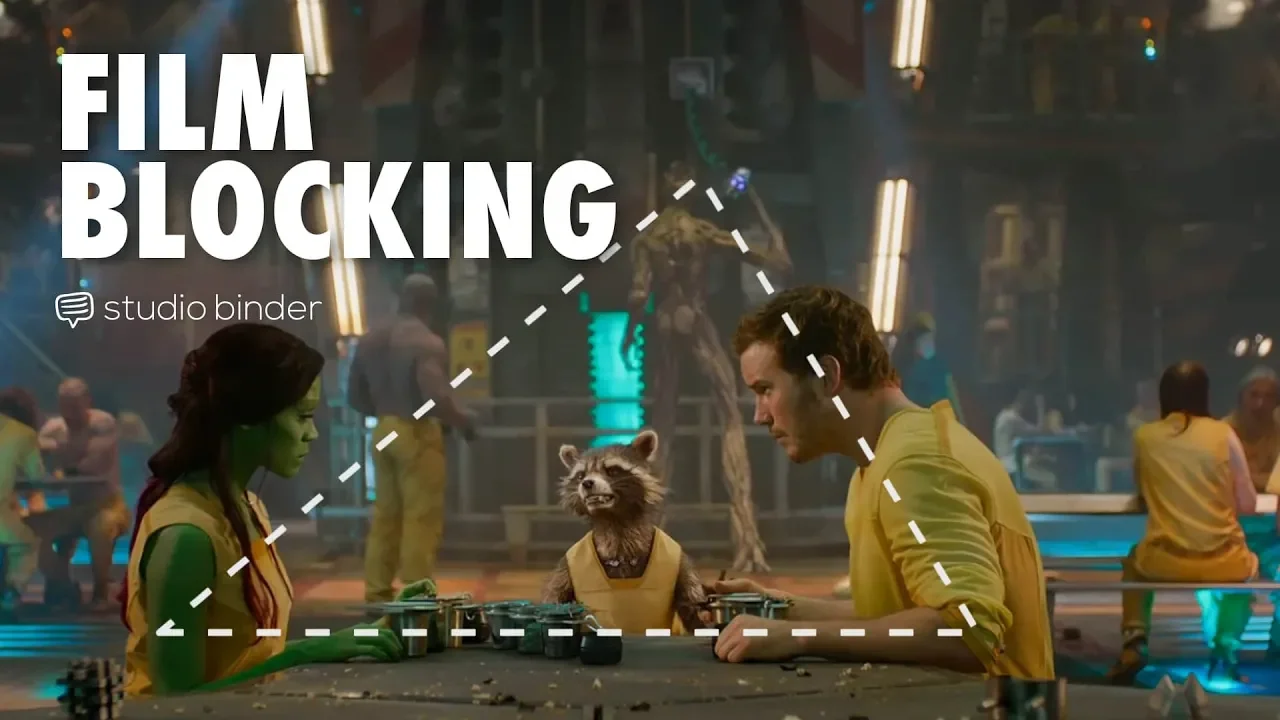
Film Blocking Techniques for Directors: Space, Shapes, Lines
@StudioBinder
1.9M views•2018-07-23

Evolution of Darth Vader: Anakin Skywalker's Animated Journey Across Star Wars Films
@TellItAnimated
13.4M views•2019-03-30
Related Study Plans & Knowledge Roadmaps
Structured learning paths in Film Analysis