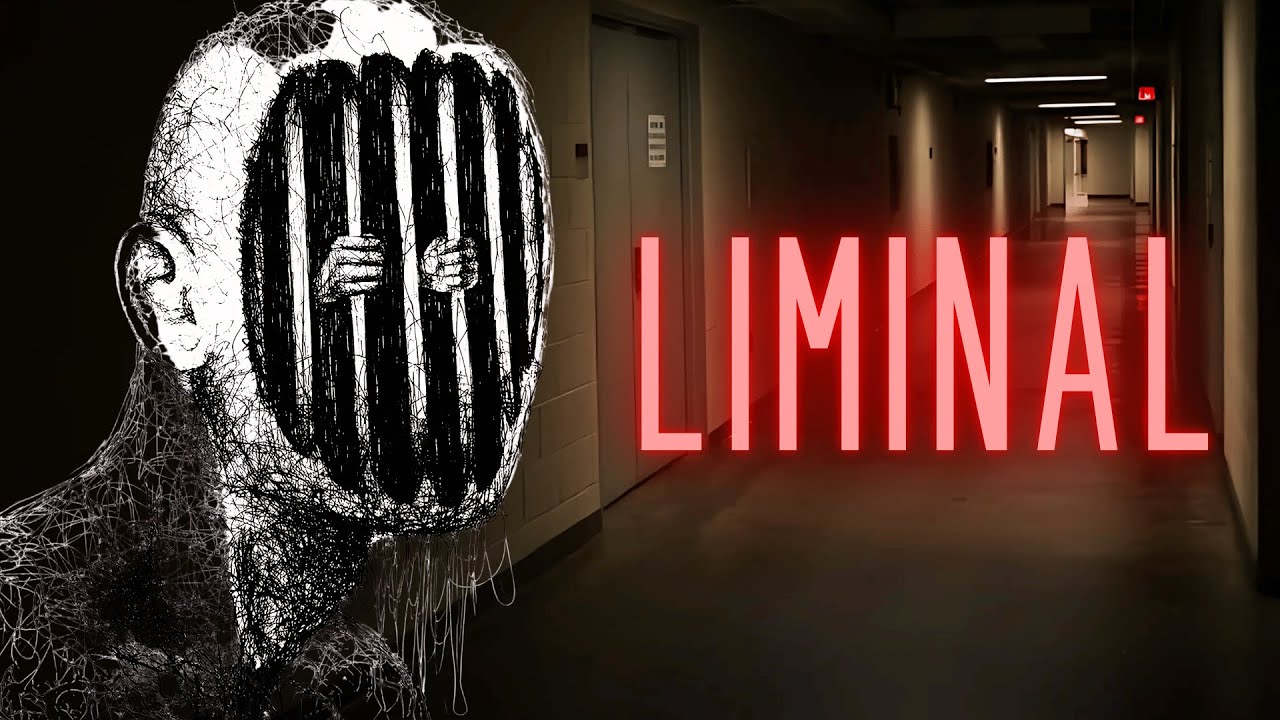

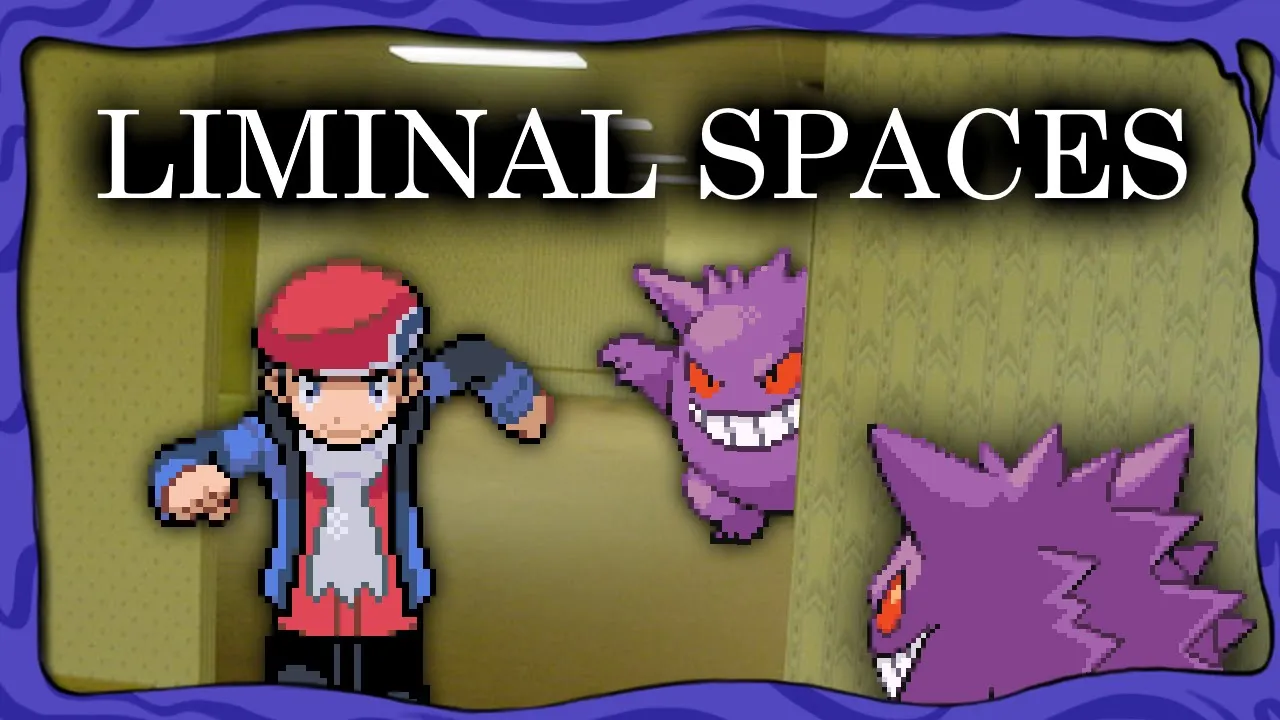


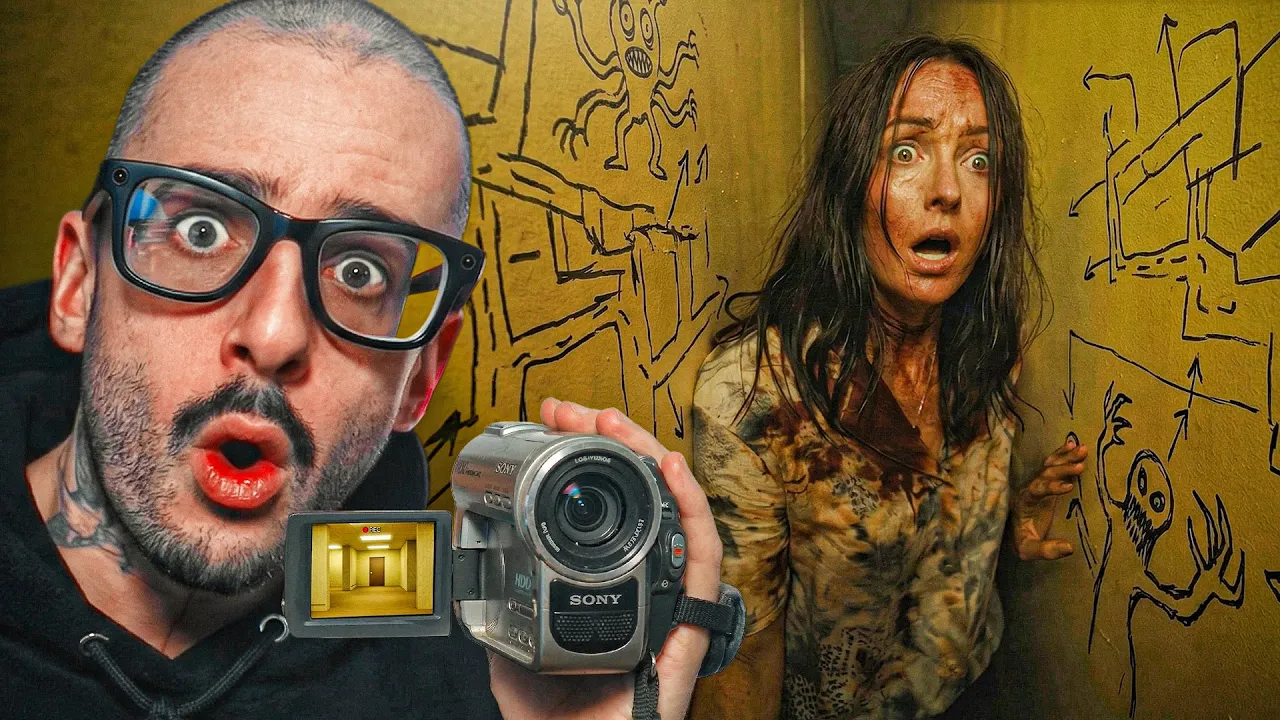
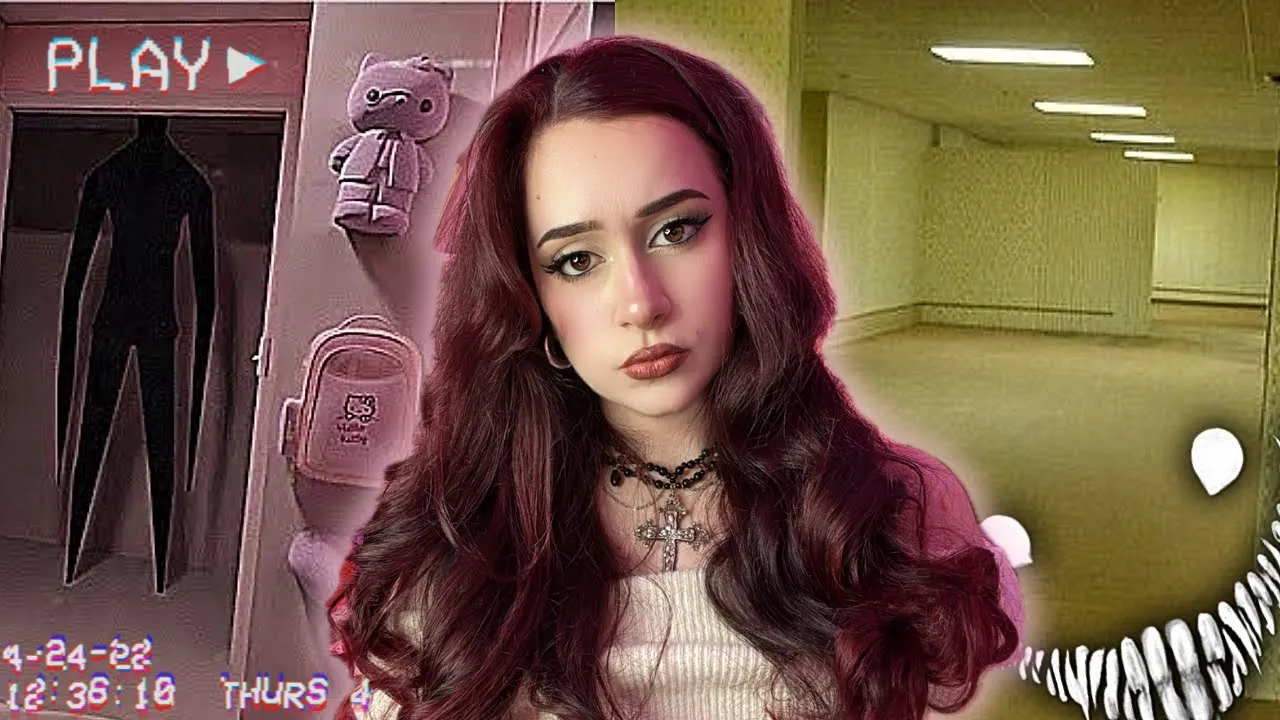
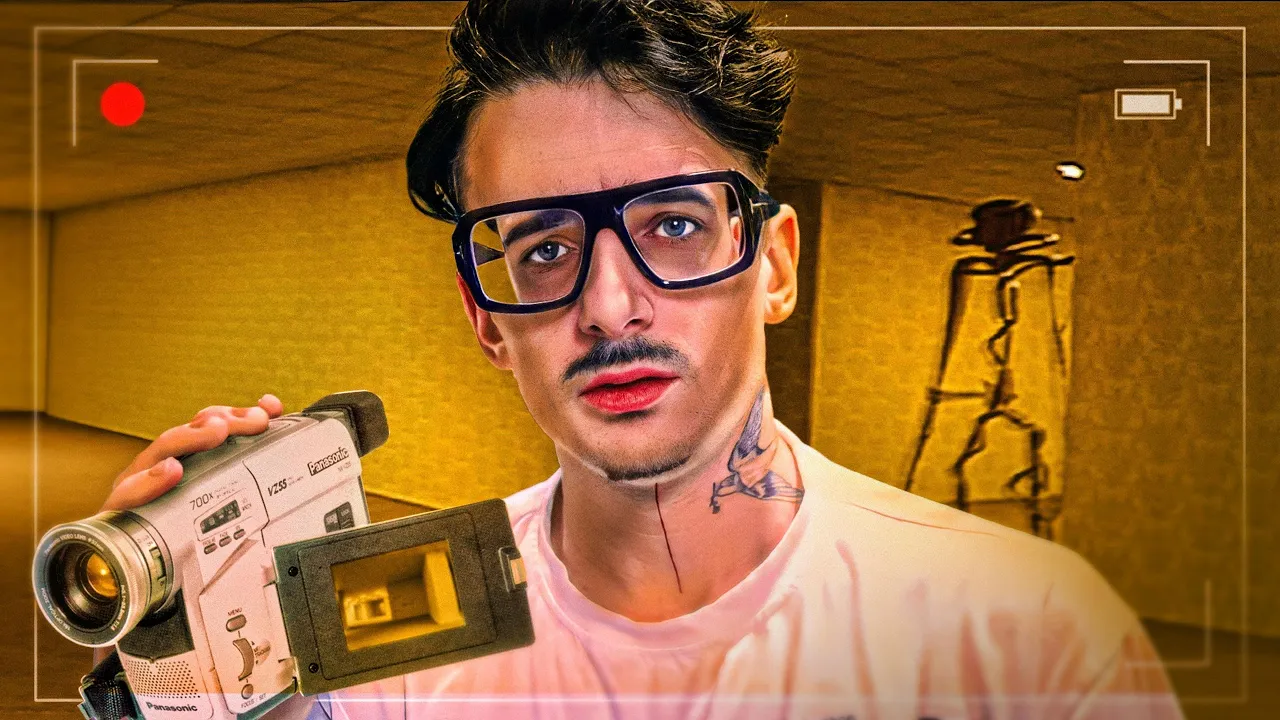










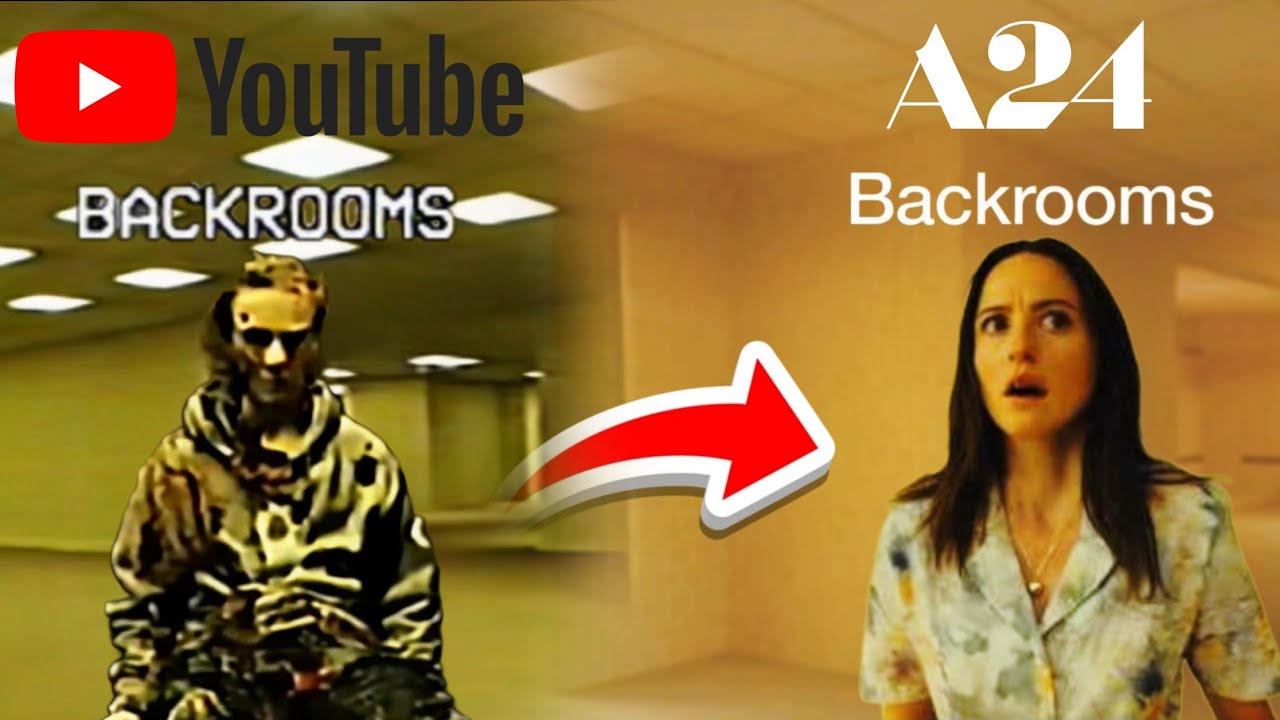
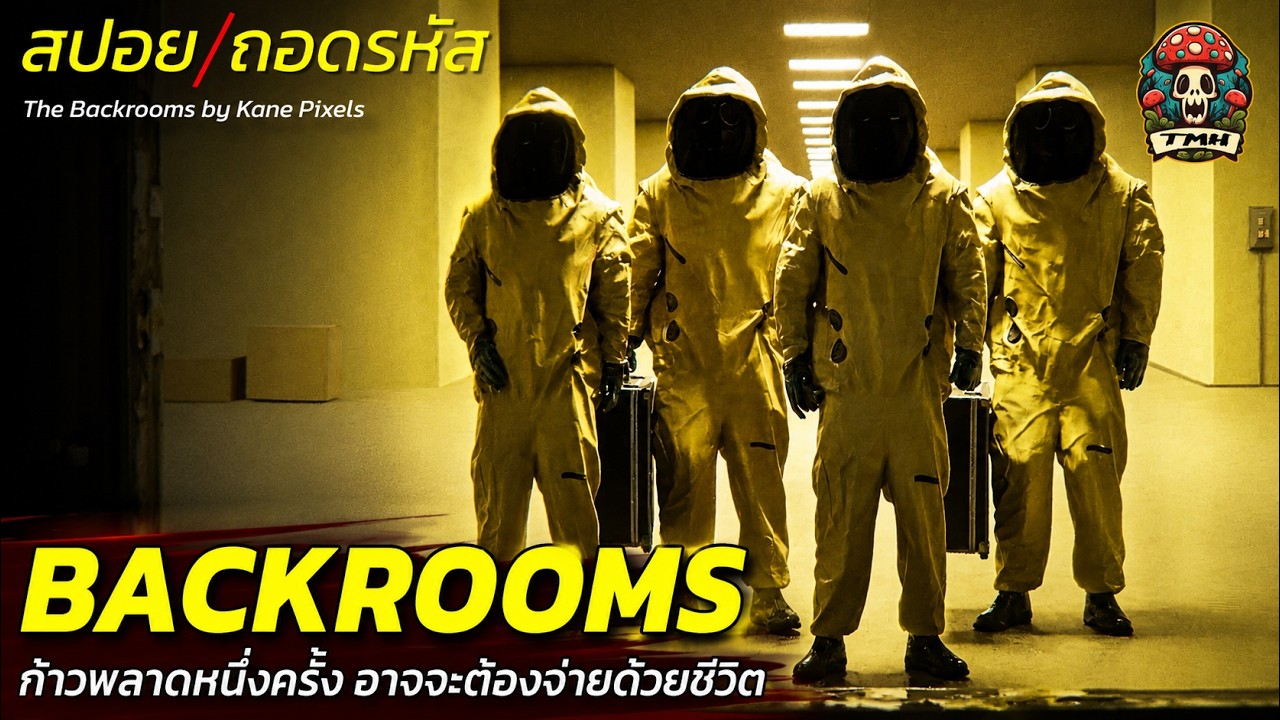

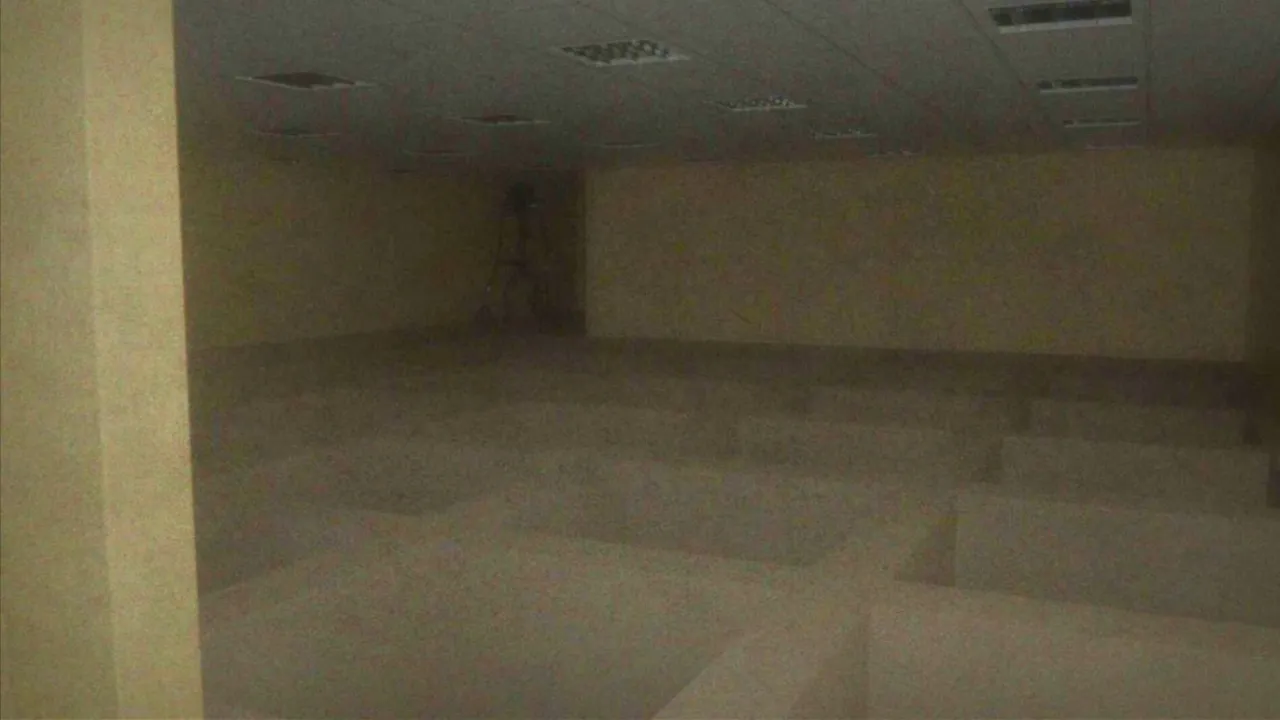














Liminality, originally an anthropological concept describing the ambiguous middle stage of rites of passage when individuals no longer hold their pre-ritual status but haven't yet achieved their new identity, has been adapted by internet culture to describe liminal spaces—physical environments that evoke feelings of emptiness, nostalgia, abandonment, and uncanny familiarity. The Backrooms, first created as a 4chan post depicting an infinite maze of random rooms where individuals become trapped after noclip out of reality, exemplifies this adaptation. Kane Pixels' found footage series expands this concept through visual storytelling, using aesthetics like vaporwave and childhood references to create immersive liminal experiences that tap into universal feelings of disorientation during life transitions such as graduation or leaving home.
The Backrooms Explained: Liminal Spaces in Found Footage
Added:hey guys this is justin hello and welcome to another video in january of this year we took a quick look at the back room series by kane pixels and discussed the concept of liminal spaces well today kane pixels posted the most substantial update to the series so i thought it'd be a good time to go back re-discuss the concept of liminality and also react to his new video now guys you've got to make sure if you're watching this video to check out the original content i'll link to kane pixel's original two backroom videos down in the description and if you go on his channel there's a ton of additional content before we continue though today's video is sponsored by my good friends over at invite ramen for those who don't know fight ramen is an american-owned small business which focuses on delivering healthy and delicious ramen i've been partnered with them for years now so much so that we actually designed our own flavor masaman curry it's extraordinarily popular first wave sold out in like a week and all of the feedback i've received so far has been very very positive if you want to check out anything from white ramen but again i recommend my flavor because it's awesome check the link down below and you can use the code eckharts to get not only 10 off and free shipping within the continental united states but also a special special surprise anyway on with the content the idea of liminality has been really popular recently i think it's one of those things where a bunch of people on the internet discover a somewhat niche idea and it pretty quickly enters everyone's lexicon i'm going to give a shorter and punchier description of liminality than i did in the last video but if you find yourself wanting more i'll make sure to link to the previous upload above but basically liminality is a state of transition transition on a personal level a societal level on a group level whatever wikipedia and yeah i'm going to be that guy who cites wikipedia because it's got a great description describes liminality as the quality of ambiguity or disorientation that occurs in the middle stage of a rite of passage when participants no longer hold their pre-ritual status but have not yet begun the transition to the status they will hold when the right is complete now obviously the idea of liminality has been expanded beyond that pure anthropological definition and can be used to describe features of physical space or time or whatever else i actually have a personal example of liminality that for me at least perfectly captures the feeling that the idea is meant to express when i was in my early 20s i went on one sort of last big family trip with my parents my sister came my parents drove us they paid for everything we stayed in a hotel together it was like a ritual that we would have done as a kid i.e going on family trips but i was also an adult there was sort of a weird sense of not quite disorientation but it was just weird because it felt like i was you know beyond one stage of life and kind of holding on to the last vestiges of my childhood in a way another example for me would be after graduating high school i had to return to drop off some of my football gear that summer as the team was practicing and that was a very liminal feeling for me because it was you know after i'd graduated high school but before i had started university and just to be honest that whole summer was really weird one other example that i'll mention because it's from fiction and star wars fans who are on this channel will probably appreciate it in the novel the princess and the scoundrel leia describes the time after the rebel alliance has defeated the empire at the battle of endor but before they've moved and left the planet itself as a somewhat liminal space anyway more details in the past video i did again linked above but the idea of liminality from a psychological sociological or anthropological point has essentially been adapted by the internet into the idea of the back rooms now although there's a bunch of lore associated with the back rooms now from various different authors the original idea of the back rooms was simply a strange place beyond reality that's somewhat familiar but ultimately completely foreign it was first created in a 4chan post and it's described as a space where an individual can end up if they know clip out of reality and where they'll be trapped in an infinite amount of random rooms i want to note that any idea of there being levels or whatever else is an expansion on the original concept which is totally fine but it's not like there's some official lore here anyway moving on in january of this year an individual known as kane parsons who believe it or not is only 16 years old uploaded the incredible part one for the back rooms found footage which we discussed in video one and now we have part two and again this is an expansion beyond the original idea of the back rooms but incorporates notions of liminal space when it comes to photography liminal spaces are meant to capture the feelings of liminality in the situations that i described earlier there's definitely a feeling of emptiness often there's nostalgia references to childhood of course and usually abandonment liminal spaces almost always have an uncanny feeling to them where they're almost right except for just the small details with that being said let's get started i'm not going to do a standard reaction i think that's kind of lazy for how incredibly well crafted his video is again kane pixels full link to everything down below but let's talk about the back rooms too i'm going to go through it somewhat chronologically and pull out the points that i like anyway so starting off we get a different approach to how the back rooms are actually entered in this video unlike in part one where the cameraman sort of just falls into the back rooms this time we have the camera woman actually finding that something's going on weird in her house we see the idea of sort of no clipping there's not a floor where there should be a floor and it's as she's investigating it that she's pulled into the back rooms herself again i kind of like this in terms of the callback to video games i mentioned last time that video games are often brought in when it comes to the sort of fictional lore of the back rooms and i think that's because as kids when something doesn't work in a game like we expect it to it's somewhat unnerving that combined with the nostalgia fits this sort of aesthetic quite well anyway as she enters the actual back rooms themselves i really really like the new sort of look of everything i asked again whether you guys also got a sort of visceral reaction to the vhs look that kane pixels used in episode 1 and pretty much all of you who responded regardless of your age did that's played up even further here we get this almost vaporwave shot of the hallway that i just love and again it's so good because it plays up on that uncanny nature it's almost like something that you could remember but it's weird enough to be different i actually think this is more effective than some of the stranger things later on although those are good too but one of my favorite shots he does a great job of taking the sort of online images which have defined the space i guess and bringing it to video or animation i suppose the use of nonsense space is good too and i also think that's a call back to childhood when a lot of us see these big offices and don't quite understand why these things are the way they are or perhaps because they're so uniform and so structured that seeing just strange architecture or strange layouts would be incredibly unnerving the latter leading to the hole in the wall is another great example of that as are the trapdoors and other features of the back rooms we see of both this video and the first one another detail that i like is the fact that kane pixels has moved to different types of rooms this one which has an incredibly high ceiling but a very low couch which is very bizarre another just pure nonsense one here and which really gets the imagination going and one thing that i really like was the addition of a burnt out and crashed car another victim of being phased in or no clipped in to the back rooms i believe in my first video i talked about how basements are also prime candidates for back rooms they're strange areas without windows often repurpose space we get the look of that in this part here and i think there's an extra creepy factor there because as a kid one of the first times you'll spend without your parents could be in one of your friends basements many of them already will have strange layouts so it works perfectly for this one of my favorite scenes though has got to be when he goes into this pool area again something weird about pools it hits our reptile brain or at least mine and many others in the right way to trigger these feelings and it's been sort of an addition to the back rooms and also the idea of vapor wave spaces or liminal spaces so it was awesome to see them here i love the strange like one meter wide pool with its own dedicated ladder or at least whatever that is it's not a ladder but it's something and that's definitely something i'd like to see explored more in the back rooms three or whatever comes next because he always does upload lots of things in between these major episodes i like how he started to move away from sort of the standard back room's appearance although admittedly he did that in episode one as well but i'd like a look at some more dreamy or dreamscape like locations again the pool is a very common one but there are many options and it also allows you to move away from the sort of dreary musky aesthetic into something that evokes the same feelings while looking very different i'm not going to spoil the end of the video or the fate of the camera woman because i want you to check it out yourself that being said something similar to the friend we meet in episode 1 does appear i've got to say even though that is an aspect of the original text not my favorite part of the backroom's lore i think simply being trapped alone in this massive strange uncanny structure between realities is scary enough without having to introduce a monster but that's my breakdown of the back rooms too and liminal spaces generally let me know did you like my description of liminality did it hold make something click for you do you still not understand or am i off the mark with something in my analysis what do you think of when you think of a liminal space and what was a liminal time or period or event in your life let me know more down below until next time be safe have a good one and may the force be with you
Up Next

Victor Turner's Liminality & Communitas in Symbolic Anthropology
@Ace_With_Ease_IAS
2.3K views•2023-12-25

Kinship in Anthropology: 25 Core Concepts Explained
@NicholasHerriman
66.1K views•2012-10-09

Proxemics Explained: The Study of Personal Space
@Vox
536K views•2016-07-05
Psychology of Internet Trolling and Pranks Explained
@AzzyLand
10.7M views•2017-12-20
Related Study Plans & Knowledge Roadmaps
Structured learning paths in Anthropology