Global Tourism: Gaze, Authenticity & Heritage
Learning Goal: Analyze the cultural dynamics of global tourism by investigating how the "tourist gaze," staged authenticity, and the commodification of heritage shape interactions between host communities and travelers.
- Prerequisites: None (An open mind and a critical eye toward travel practices are highly recommended)
- Estimated Total Study Time: 14 Hours
Module 1: Introduction to the Sociology of Tourism
This module introduces you to the sociological lens. You will trace how mass tourism transformed from an elite luxury into a massive global industry and examine the core frameworks sociologists and anthropologists use to analyze tourist motivations, behaviors, and cultural impacts.
Why this video
To study tourism critically, you must first develop a "sociological perspective." This video provides a foundational grounding in how sociologists analyze human interactions and macro-level institutions, helping you transition from looking at travel as an individual choice to analyzing it as a structured global system.
Why this video
This lecture defines mass tourism, detailing its historical rise, characteristics, and economic patterns. Understanding mass tourism's reliance on highly concentrated, standardized packages is crucial to understanding the subsequent sociological reactions and critiques explored in later modules.

Why this video
This video bridges the gap between individual psychology and sociology by exploring what motivates people to travel. It introduces key conceptual tensions, notably Daniel Boorstin’s early sociological argument that tourists seek superficial, safe "pseudo-events" rather than genuine realities, setting up the theoretical debates in Modules 2 and 3.
Knowledge Checkpoint
- Define the sociological perspective and explain how it applies to global systems of leisure.
- Describe the defining characteristics of mass tourism and its reliance on standardized experiences.
- Explain Daniel Boorstin's concept of "pseudo-events" and how it frames the early critique of the tourist experience.
Module 2: The "Tourist Gaze" (John Urry)
This module focuses on John Urry's landmark theory: the "tourist gaze." You will analyze how tourists learn to see, organize, and consume foreign destinations through pre-established cultural expectations and visual media.

Why this video
This academic lecture provides a deep dive into Urry's theory. It explains how Urry adapted Michel Foucault’s concept of the "gaze" (from clinical medicine and state surveillance) to tourism, demonstrating that our ways of looking at landscapes and cultures are highly organized, institutionalized, and socially constructed.

Why this video
This concise video contrasts Urry's tourist gaze theory with other thinkers like MacCannell and Boorstin. It clarifies how Urry grounds the tourist gaze within the context of late modernity, structural shifts, and visual consumption patterns.

Why this video
This clip illustrates the concept of "visual consumption" in action, examining how national imaginations (specifically between India and Japan) construct what is worthy of being gazed upon. It highlights how the tourist gaze shapes the material landscape and cultural representations of host nations.

Why this video
This video applies Urry's tourist gaze to the natural world. It illustrates how modern society visually consumes "wilderness" and landscapes, transforming nature itself into a political economy where wealthy travelers expect and buy curated, clean, and picturesque environments.
Knowledge Checkpoint
- Explain how John Urry's "tourist gaze" draws from Michel Foucault's concept of power and clinical gaze.
- Differentiate between the "romantic" tourist gaze and the "collective" tourist gaze.
- Describe how visual media and marketing pre-program what tourists look for and photograph at a destination.
Module 3: Staged Authenticity in Tourism
This module introduces Dean MacCannell's critique of the modern traveler's quest. You will learn about "staged authenticity" and how host communities construct artificial spaces to satisfy the outsider’s desire for the "real" and "unspoiled."
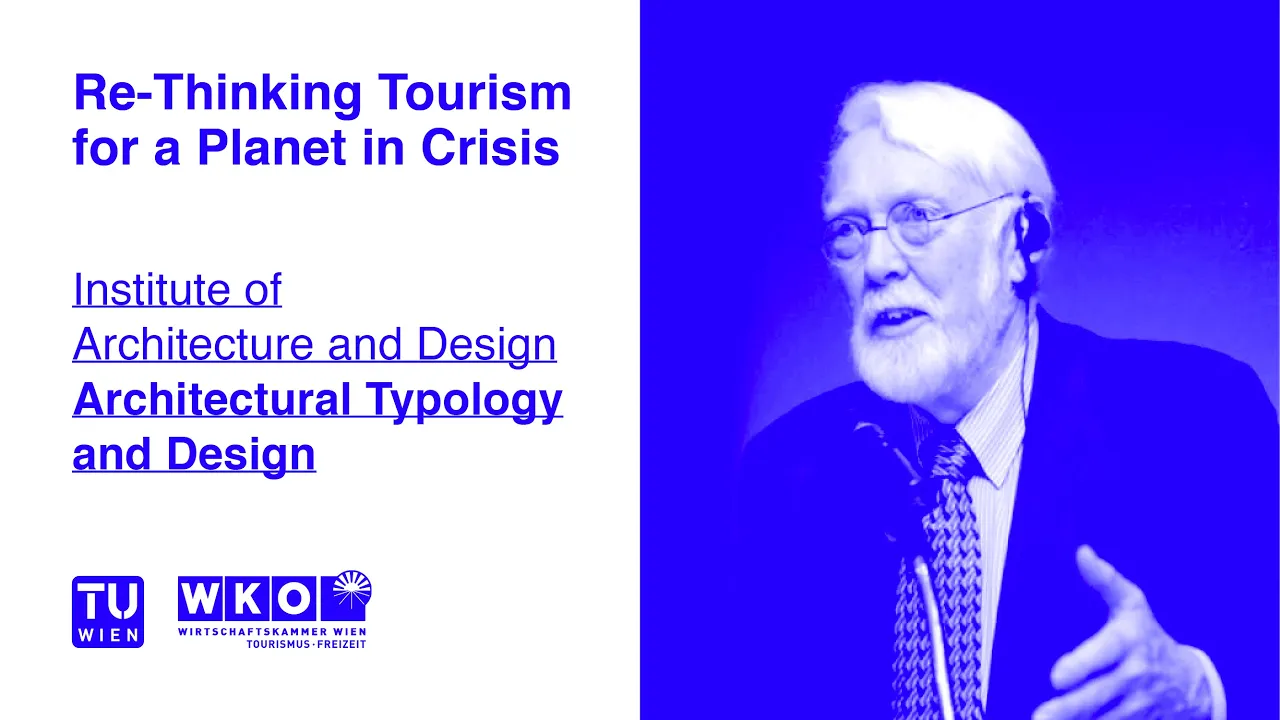
Why this video
Hearing directly from Dean MacCannell provides an unparalleled theoretical foundation. In this lecture, he discusses the ethical and structural implications of the tourist economy, examining how attraction spaces function outside typical market logic and how the search for authenticity shapes interactions.

Why this video
This reaction to travel footage in North Korea functions as a stark, dramatic illustration of MacCannell’s division of tourist space. You will see how guides and institutions construct a rigid "front stage" experience to prevent travelers from accessing the "back stage" of genuine everyday life.
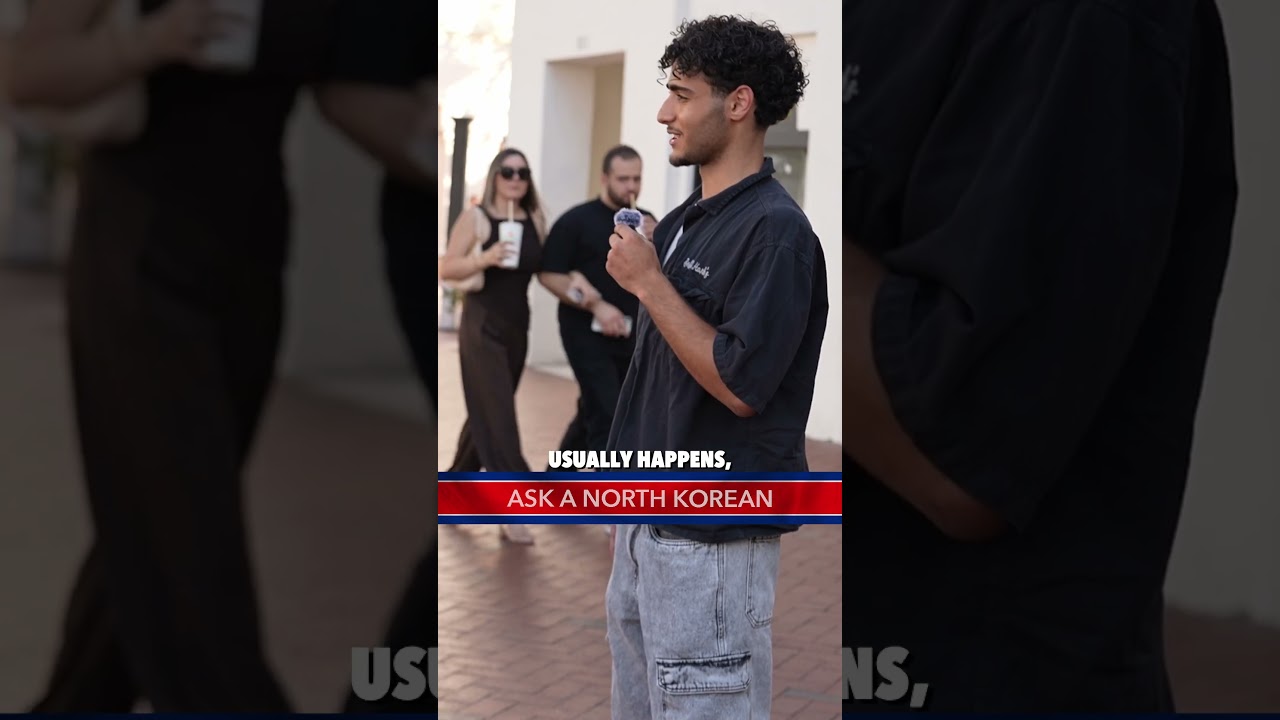
Why this video
This short video highlights how a highly managed regime curates its image, directly addressing the tension between experiencing a "staged tourist loop" versus witnessing the true cultural reality of a host country.
Knowledge Checkpoint
- Define Dean MacCannell's concept of "staged authenticity."
- Draw a distinction between the "front stage" and "back stage" in a tourist setting, using a concrete example.
- Explain why modern tourists feel a deep existential drive to seek "authentic" experiences in foreign cultures, according to MacCannell.
Module 4: Commodification of Culture and Heritage
In this module, you will analyze how intangible culture, sacred rituals, and physical heritage are packaged, priced, and sold as economic commodities. You will trace how this process can alter the original meanings of these cultural practices.

Why this video
This lecture unpacks the theoretical mechanics of commodification. By exploring the false dichotomy between nature and culture constructed since the industrial revolution, it demonstrates how capitalism turns places, environments, and local ways of life into consumable items designed for market exchange.

Why this video
This extensive recording of a heritage tourism conference in Uganda provides a raw, real-world case study. It documents the complex negotiations between government officials, conservationists, and local stakeholders trying to utilize cultural heritage as an economic driver while trying to preserve historical integrity.
Gap Advisory: Finding direct academic video essays specifically analyzing how sacred performances or indigenous dances are commodified is challenging in the current pool. To supplement this module, we highly recommend searching YouTube for terms like:
"cultural tourism and commodification case study"or"authenticity and cultural performance tourism".
Knowledge Checkpoint
- Explain the process of "cultural commodification" and how assigning a market value to a tradition can alter its internal social meaning.
- Identify the tensions between preserving cultural heritage sites and maximizing their economic utility for international tourism.
- Discuss how global tourism can lead to the standardization of cultural practices to fit tourist attention spans.
Module 5: Host-Guest Dynamics and Power Imbalances
This module investigates the interpersonal and systemic interactions between travelers and hosts. You will examine the stark economic, physical, and political power imbalances that characterize these relationships, particularly in post-colonial contexts.

Why this video
Sociologist Mimi Sheller is a pioneer in the field of "Mobility Justice." This presentation outlines how physical movement is deeply uneven. It highlights how the capacity to move freely, cross borders, and consume space is a form of power that leaves static local populations vulnerable, revealing the structural inequalities undergirding the host-guest dynamic.

Why this video
This video explains Raewyn Connell’s "Southern Theory." It challenges the hegemony of Western-centric sociological frameworks and introduces the concept of the imperial gaze. This framework is essential for analyzing how travelers from the Global North interact with and mentally construct hosts in the Global South.

Why this video
In this TEDx talk, John Urry analyzes the systemic nature of globalization and "offshoring." This serves as a vital structural backdrop for understanding tourist enclaves: resort spaces where capital, profits, and resource consumption are sequestered off-shore, leaving host communities to deal with environmental degradation and low-wage labor without retaining economic benefits.
Knowledge Checkpoint
- Define "Mobility Justice" and explain how asymmetric border regimes shape who can be a "guest" versus who is relegated to being a "host."
- Apply "Southern Theory" and the concept of the imperial gaze to analyze host-guest interactions in post-colonial resort enclaves.
- Explain how "offshoring" of wealth and resources creates localized economic disparities in tourist-dominated regions.
Module 6: Reimagining Tourism: Ethical Futures
In this final module, you will evaluate alternatives to destructive mass tourism. You will explore community-based tourism (CBT), indigenous ownership models, and strategies to build sustainable, decolonized travel systems.

Why this video
This panel discussion from SXSW 2024 establishes the core philosophies and practical realities of community-based tourism. It compares real-world case studies to demonstrate how communities can push back against unchecked mass tourism and transition toward models prioritizing local social, economic, and ecological wellbeing.
Why this video
This video provides a pragmatic business lens to ethical travel. It argues that community-based tourism cannot survive on moral intentions alone; it must be run as a legitimate business model with proper commercial strategies, marketing, and visitor management to genuinely benefit local residents.
Why this video
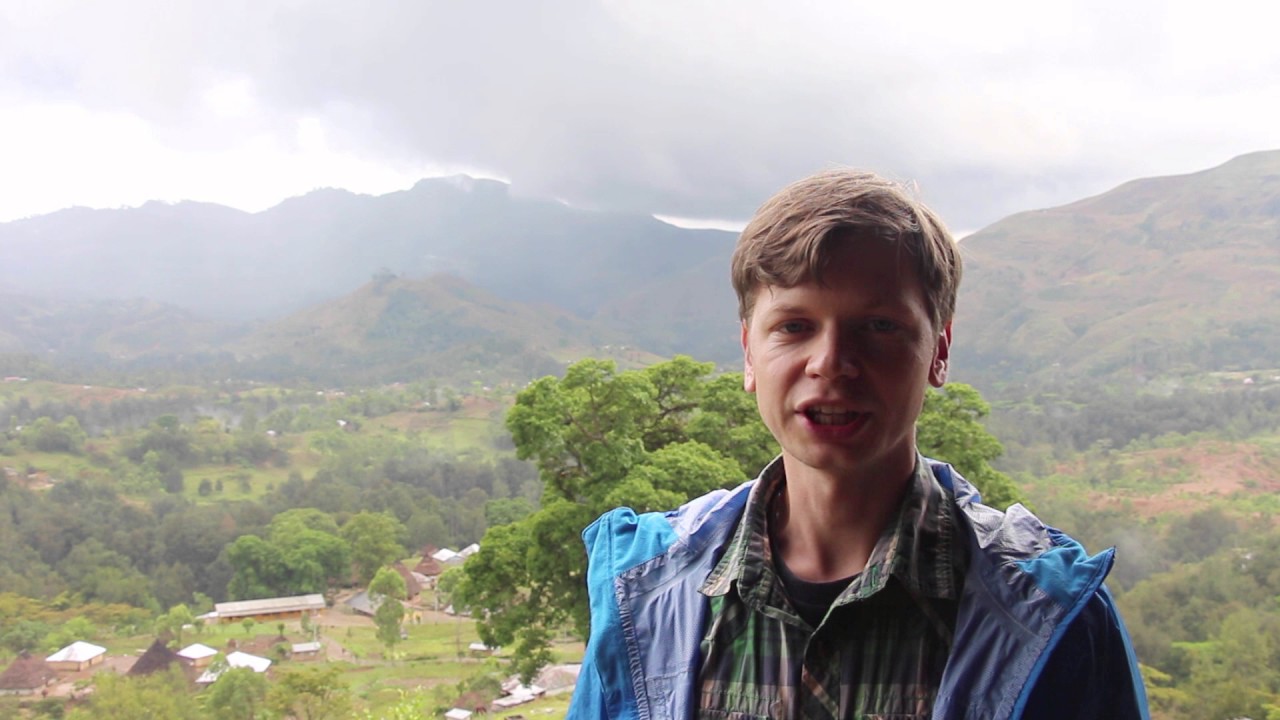
This short, focused case study details how Community-Based Tourism works on the ground in Timor-Leste. It shows how collective ownership, shared profits, and active local participation in tourism planning can empower rural populations and protect indigenous lifeways.
Knowledge Checkpoint
- Define Community-Based Tourism (CBT) and list its primary differences from traditional mass corporate tourism.
- Explain why many CBT initiatives fail and how treating CBT as a commercial business model can improve its long-term viability.
- Discuss how indigenous-led tourism can serve as a tool for decolonizing travel and restoring agency to host communities.
Course Map
Key People Index
- John Urry (1946–2016): British sociologist who introduced "The Tourist Gaze" (1990) and pioneered the "mobilities paradigm" in sociology, arguing that modern life must be analyzed through the flow of people, ideas, and capital.
- Dean MacCannell (1940–Present): American sociologist known for The Tourist: A New Theory of the Leisure Class (1976), which introduced "staged authenticity" and the idea that the tourist is a modern pilgrim searching for authenticity in other cultures.
- Mimi Sheller: Sociologist and key theorist of "Mobility Justice," whose work investigates how unequal access to physical mobility reinforces global racial, gendered, and economic hierarchies.
- Raewyn Connell (1944–Present): Australian sociologist who developed "Southern Theory," advocating for the inclusion of non-metropolitan, non-Western perspectives in social science.
Final Self-Assessment
Test your synthesis of the material by reflecting on or writing responses to the following core questions:
- Can you explain how the "Tourist Gaze" is not just an individual preference but a highly organized, media-mediated system of visual consumption?
- How does John Urry connect Michel Foucault's work on surveillance and clinical medicine to the way a traveler looks at an landmark?
- What are the spatial differences between a "front stage" tourist environment and a "back stage" residential space? Use a real or hypothetical travel scenario.
- Why does MacCannell argue that the pursuit of "untouched authenticity" inevitably leads to the staging and corruption of that very authenticity?
- What occurs to a sacred or historical ritual when it is compressed to fit the temporal demands of an itinerary or cruise-ship excursion?
- How does Mimi Sheller's "Mobility Justice" framework challenge the assumption that tourism is a harmless expression of individual freedom?
- In what ways do "enclave resorts" mirror historical colonial relationships between metropolitan core regions and peripheral host communities?
- What are the critical elements required to ensure that a "Community-Based Tourism" project remains economically self-sufficient and culturally respectful over a multi-year period?