





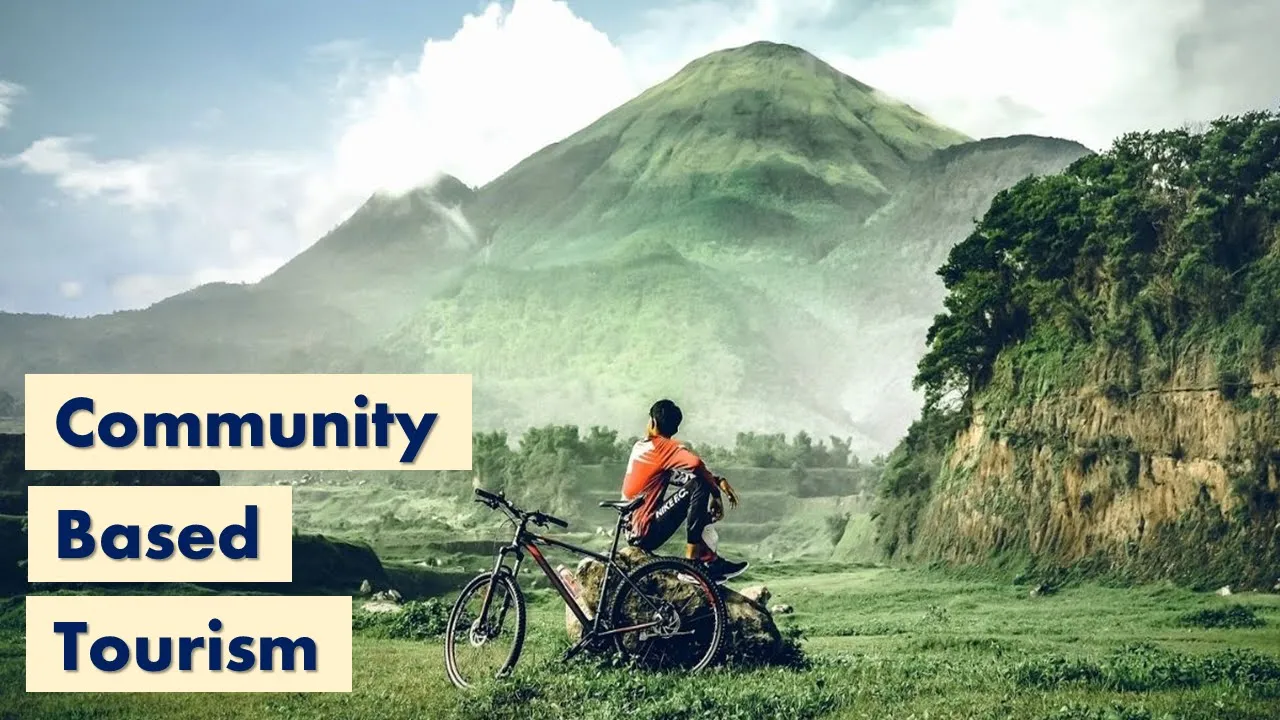













Community-based tourism succeeds when treated as a legitimate business model with proper planning, strategy, and commercial thinking, rather than charity; this includes developing experiences on local terms through genuine collaboration with communities, targeting appropriate traveler segments (not just backpackers), personalizing experiences based on traveler interests, using targeted communication across different channels, and maintaining storytelling that highlights authentic cultural exchanges while ensuring the experience appeals to both travelers and tour operators.
Community-Based Tourism Success: Business Strategies for Impact
Added:Fundamental concepts of sustainable tourism and the Triple Bottom Line (economic, social, and environmental sustainability).
The definition and core philosophy of Community-Based Tourism (CBT) versus traditional mass tourism.
Basic business model structures, including revenue generation, cost structures, and value propositions.
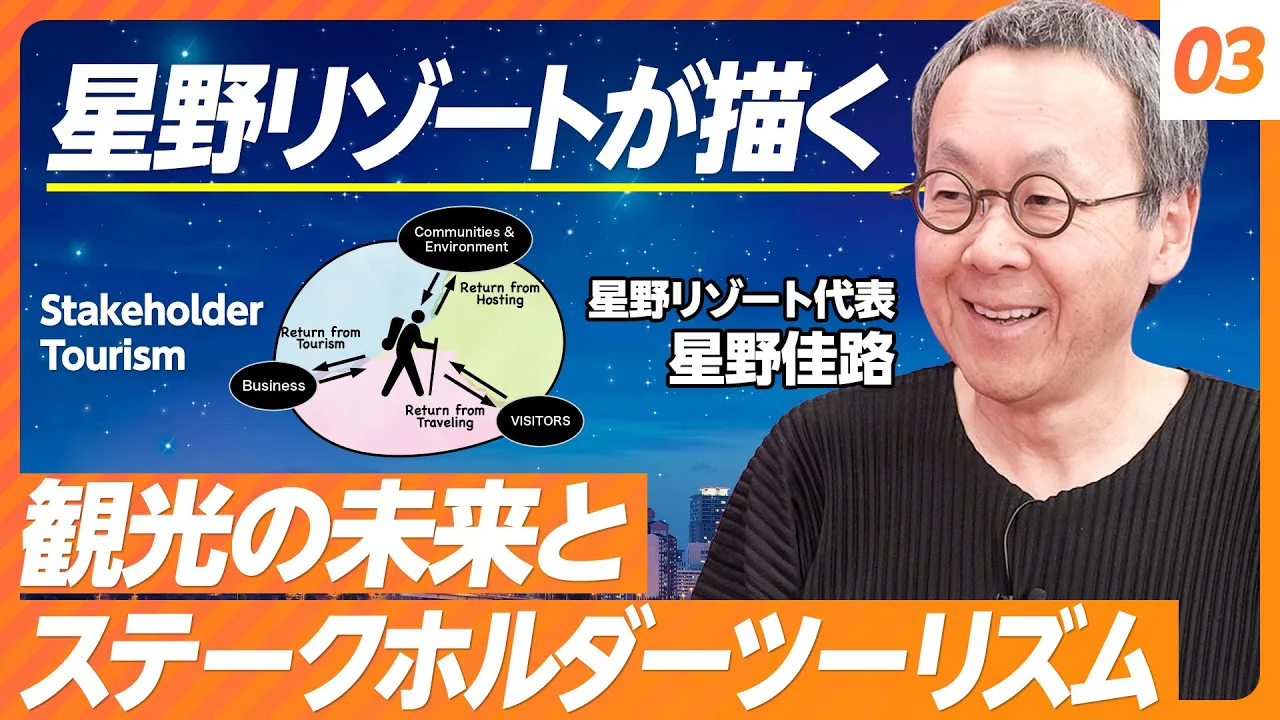
Stakeholder theory, specifically understanding the roles and dynamics between local communities, tourists, and tourism operators.
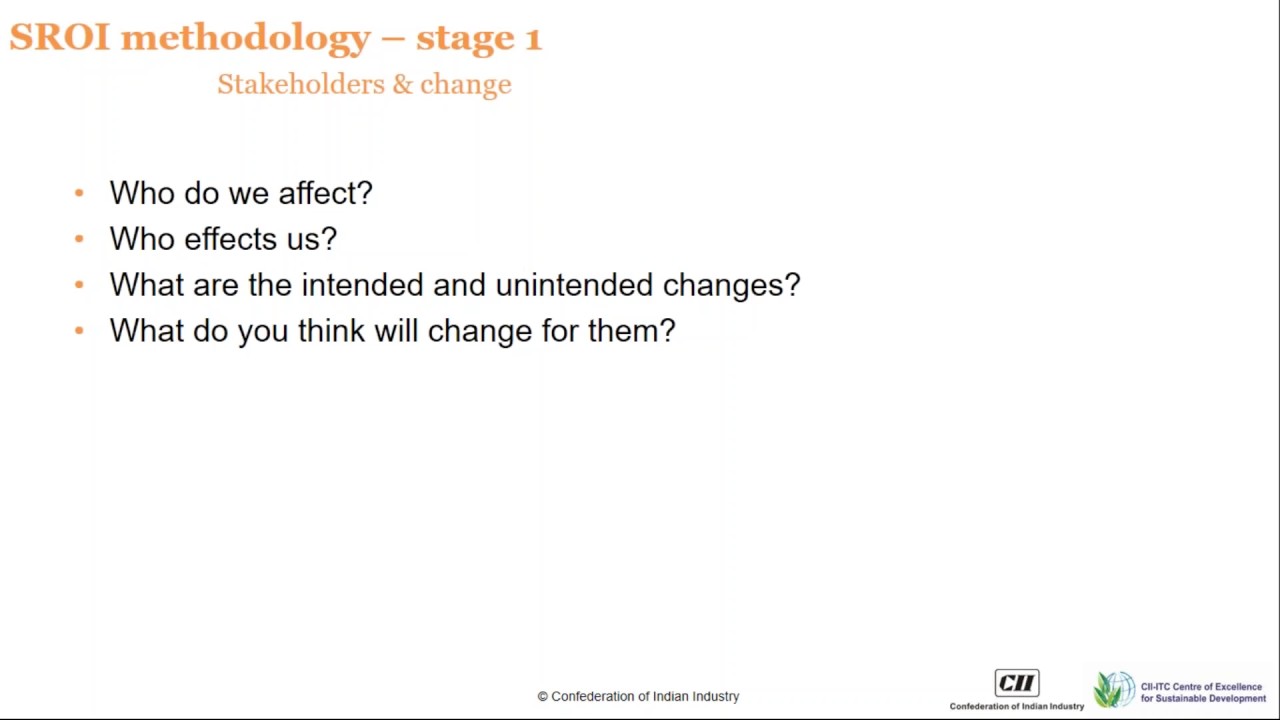
Techniques for measuring socio-economic impact, such as Social Return on Investment (SROI) and community welfare indicators.
Strategies for scaling community-based enterprises without compromising local cultural heritage or exceeding environmental carrying capacity.
Destination marketing strategies targeted at eco-conscious and socially responsible travelers.
Policy frameworks and public-private partnerships (PPPs) that support and regulate community-based tourism development.
316 views7likes28:51Original Release: 2025-06-30
To be honest, it's quite easy to tackle these problems if you have a business plan in place and if you have a strategy in place. It's not rocket science, but you do need a bit of structure and a bit of strategy and a bit of commercial thinking as well. Because if you don't think about it commercially, you can't make as much positive impact as you'd like to.
[Music] Welcome back to Sustainable Today, Successful Tomorrow, where we explore real world sustainable tourism stories that actually work. Community-based tourism often sounds better on paper than it does in practice. It's full of good intentions, but not always easy to get right. So, what does it take to develop travel experiences that truly benefit the local community while still appealing to today's traveler?
For more insights, we've interviewed Theo Vos from Karatunga, who's been developing community-based tourism for over 9 years in Uganda.
In this episode, we'll listen to a few short clips from that interview, and next week, we'll release the full conversation. So, let's get into it. Our core question of today is how do you turn community- based tourism into a success story? So what's your first take on this? Yes, good question. How to turn it into a success story is really the combination of collaborating with local communities and to really develop community based tourism on local terms.
So really doing it together, but really treating it as a business model that should have its own profit. Great. We'll come back to that in a bit and we'll dive a little deeper. But first, we've actually done quite a few community- based tourism experiences ourselves. And you've done a specific tour with Dio in 2019 where you were one of his first travelers for that specific tour. Yeah.
What was that like? Oh, very interesting. Yes. So in 2019 I was traveling to Uganda and also Kenya for work and I was chatting with Theo and he invited me up north to Karamoja the region where the operates with his business and it was really interesting to see like firsthand what they were doing how they were building that entire business because they just started at that time. I even attended a staff training. So to really Yeah, it was really great how they approached things.
But then one night the accommodation was fully booked and they had to move me out for one night and then uh Theo suggested for me to try out one of their new tours which is actually going into the bush on the back of a boda bodha with local guides and to really visit local communities and shepherds out there.
Every time I talk about community based tourism, this is the first thing that comes to mind. But it's really, it was so off thebeaten track. I've never done anything like that. We visit local villages, talked to local women in the villages. The guys were throwing spears as a contest to see who could throw the furthest. Sounds dangerous. Yeah. Well, there's the bush. There's no one there.
But still, yeah, they got quite far.
Like, I was very impressed. I couldn't do it. like I was not good at it. And then we also visited the local shepherds and joined the poor campfire. I didn't join them for dinner though because especially in this region they mix cow blood with their milk as dinner. They Yeah, they mix it. Apparently it's good for your iron. Didn't try that but I did see the entire process of how they were doing it. Very intriguing. I think that's the best word. That does sound like quite the amazing experience and definitely to be able to experience it this early on in the early stages of development. So you can also get a little behind the scenes, but I do have some questions about the blood with milk drinking. You said you didn't do it. Did you actually get dinner that night? Yes, I did. I must have. What did I eat?
I don't know, maybe bread. I think we roasted something on the fire. I don't remember. But I do remember that I didn't want to try the blood with with the milk. Also, the smell like I'm not really good with. I've actually read that if you would drink something like that and you're not used to the bacteria that are inside blood, it could be quite dangerous. So, I think it's good. I think it's good. You didn't get involved in that. Yeah. But I guess it would have been a great story if I did. But yeah, no, I didn't try that. this overall experience like going out there with these local guys to really be taken through what daily lives look for them and to wake up in its hand in the middle of nowhere. Yeah, it was very magical.
So, yeah, amazing experience. Yeah, like really being part of it instead of just Yeah. having a show performed. Yeah, they were just really showing me around and to really have me meet everyone and it was kind of walking into a house of your friends where you're introduced as Yeah. just a friend. Yeah. More of a guest tourist. Exactly. Yeah. Yeah. I think that's exactly it. Yeah. It's fun.
And what about you? Because I know that you're not really you're big a fan of community- based tourism. Why do you think that is? Well, mixed feelings actually because I'm not that comfortable with the awkward situations that community- based tourism sometimes brings, especially when it's not that much of a developed tour. So, I do like it more when it's Yeah. like it's a bit more organized and a bit more professional. So, the like going back to basics, not so much. But what you just described does seem like an adventure and does seem really cool. And I remember a few of the experiences we did ourselves. For example, in Sri Lanka, we stayed at a local family's home and we had elephants roaming next to our bedroom door and at night the local family dressed you up like a doll. Um Oh, yeah. I remember that. Yeah. you had to wear this traditional dress and I'm not sure how much you liked it, but it was funny for me. Well, I mean, I like the gesture and it was nice doing something with the family together, but she was trying to get me into one of her daughter's dresses and it was too small for me and I think she even called me chubby because it didn't fit. And that was just I think we went along with it. But also, yeah, that's that's one of the awkward situations that Yeah. I think looking back it's a good story. Was I really enjoying it at that time? Not sure. No, but we still talk about it. We talk about it. Yeah. And we had another experience in Kenya where we went into the mangrove with a amazing local guide.
We actually got into a traditional cutout canoe like the old fishermen still use which was amazing. So yeah, mixed feelings if it's organized well.
I'm all up for it, but it does need that organization for you. Yeah, for me. Yeah, I do understand it mixed feelings and I have to say I'm quite on the same page on that. But I do think like for me and maybe for you as well stands with having a good English guide. So, being able to properly communicate with the locals. you kind of avoid the awkward situations if you don't really understand what's happening, what's going on, and when you can't really exchange anything. So, I think if you have someone who speaks English who can show you around or translate or really involve you in what's happening, that makes all the difference. Yeah, I'm guessing communication is key in this case. and uh a guide can really bridge that gap between the tourist and the local community themselves if they don't speak English all that well. Yeah, absolutely.
But to bring things back to the main question, how do you turn community based tourism into a success story? We actually want to listen to a clip from to where he explains what it is that most businesses struggle with when developing community- based tourism.
Yeah, let's play it. The most important reason that many CBT companies are struggling is I think they don't see it as a business. That's also when we started Karatunga, we really emphasized let's look at it as a business and not just like a charity. That's also what I see in other initiatives. They started because it's a good idea. They have a nice community. They have a nice experience. But then they don't think about am I accessible? Is it going to be profitable? Do we think about the operational challenges also coming in?
Do we have a bit of capital also to invest in marketing? Are we able to reach out to tour operators? A few weeks ago, we had a meeting with some CBT actors and they said, "I don't know why nobody's coming." I'm like, "Did you think about the business model? Did you think about marketing yourself?" Yeah, I thought we just going to be at some events and people would come, but there also should be something in for the tourists, but as well should be something in for travel agents and tour operators. uh and especially actually in this early stage of kickstarting CBT experience where you need to really highly invest uh in uh in marketing yourself refining your products uh sensitizing the communities it sounds like fun and low cost but at the end of the day somebody needs to invest the time in it and that's sometimes I think underestimated that's such good advice and you really need to think about it with a business mindset don't you think yeah no absolutely and this is also exactly what Theo proved proves that to be successful, you need this business plan, a strategy, a structure, and the money actually to support it, to support your nice idea. And think also what Theo said about having a nice community, but being it too remote. I've heard that before and I've seen a lot more projects like that where often the community- based tourism experience is really great but then it's just too remote or not interesting enough for the tour operator to include it or adapt their entire itinerary to make that happen because in the end the travel agent or the tour operator needs to resell it to the traveler and they have to yeah promote it properly. So, as a community- based project, you really have to make sure that you know what's in it for the traveler and how can I sell this because the traveler is not only going to come just to support the community. You always have to think about what's in it for them. Otherwise, yeah, your project won't create positive impact that you're imagining it to be. Yeah, I completely agree. You do need that kind of business strategy to make it work. And to be honest, it's quite easy to tackle these problems if you have a business plan in place and if you have a strategy in place. It's not rocket science, but you do need a bit of structure and a bit of strategy and a bit of commercial thinking as well because if you don't think about it commercially, you can't make as much positive impact as you'd like to. Yeah. No, exactly. And I think this is what the said in the beginning is that you have to treat it as a business model and even nonprofits need money to make it happen. So the better you are in all this developing it, selling it, the more impact you can make. So let's say you have the business plan and strategy into place. That's just the first step, right? uh community- based tourism brings their own set of challenges and you do really need this structure to make it work. But when it does work, it's usually when there's something real behind it. What do you feel are the key areas to delivering authentic community-based experiences? Well, key is to really develop it on local terms and to really discuss with the locals about what they want to share because for example, Theo mentioned something about travelers looking for traditional authentic community- based experiences, but they're actually thinking about authentic life 50 years ago. More of a history lesson instead of Yeah, exactly.
And what's actually authentic is having locals show you around, inviting you as a guest in their home, involving you in their day-to-day activities and sharing their traditions and culture. So by doing it on local terms, you can really ensure it's actually authentic in a way that this represents true daily life.
And what do you also mentioned is that by doing it on local terms, it really increased the pride of the local communities and because the Karamaja region where Karatunga operates has a very rich history and a lot of traditions, culture that are very different from other regions in Uganda and actually also quite different from other regions in Africa. And for these communities to understand that there are international travelers traveling from all over the world to come and experience that really increases their pride and they're so excited about that.
And by being so excited about sharing all of that with travelers, it gives that extra experience for travelers as well because it's really genuine excitement, genuine experiences and very daily exchanges. So I think that's very important. Yeah, doing things right on the ground is absolutely essential. And I do feel that these things like creating genuine interactions, working with local guides, empowering the local community to do it on local terms, that's what makes it meaningful. Yeah.
And I do feel that uh Karatunga is also doing more than just generating local income.
They're really doing something for the community. It must be exciting for them as well because like you said, they have international travelers coming over sharing experiences with them at a campfire. That must be special for them as well, right? Yeah. No, absolutely.
And this is actually the entire goal of Karatunga. That's also why they started because the Karamoa region has had a long history also of conflicts and of war. And now that peace has returned to the region, the year really wants to focus on uplifting the communities and to really ensure that everyone in the world can experience how beautiful and amazing the region is. So their goal is not just to offer community based tourism, but it's really to develop the region in general. So they're really doing it for the destination. And the way that you're doing that brings us to another important aspect, which is who are you developing it for? So, what people are you targeting? What kind of travelers are you targeting? And that is something that Theo had quite some interesting things to say about. So, let's listen to a clip. Let's do that.
We had really backpackers, people who travel in a local taxis and wanted to have the most rural experience they could get. And slowly what we noticed that actually for us it bec it became less relevant because we are looking at having a bit more impact, involving more communities. So, we actually let go of that really rural audience, the backpackers, because we noticed that actually also the mid-range tourists who want a CBT experience just have different needs. They want a bit more comfort. They want a bit more organization. They want an invoice. The tour operators want also some professionalism and an email address to be answered. Uh so we actually jumped up a little bit to a different target audience to actually offer the CBT experience for people who are a bit less raw or backpacking style because we saw that the business model for the backpackers was not as interesting for our growth.
Yeah, that's really interesting. And you can tell again that he's looking at it from a business perspective like how can we grow our business and at the same time maximize positive impact.
Do you think that kind of shift in target audience is something that more community-based tourism businesses should explore? I think that's a sensitive question because I understand what Theo is doing because they looked for travelers that have a bit more to spend in able for them to create more positive impact in the region. And we also talked about this in our previous episode when we talked about Jakata travel is do you need more money to create more positive impact and it looks like that it's also the case for community- based tourism. So it's definitely interesting to explore but it doesn't mean that you can't organize or develop community- based tourism on a budget. You're just targeting a different traveler. Yeah. Because if you're looking for that traveler that's really ready to go back to basic, you don't need too much of a budget. But for Karatunga is that they want to work with two operators with agents and they really invested time and money in making their business more professional and also more comfortable. So to allow travelers that are not really used to the going back to basic experiences to still experience these cultural experiences in a way that they thought they might not be interested in. Yeah, exactly. It just needs to be clear who you are targeting as a business. I think that's the important thing here. You can either target backpackers or middle class or upper class. It doesn't really matter who you are targeting as long as you match your story to the people who you are selling to. Yeah. And I think what Karatunga has done is a great example of kind of repositioning in that sense. Still maintaining their authenticity and their connection to the community all the while maximizing their positive impact because that's what it's really about for them. Of course, they are a business, but they have this connection to the region that they're offering these tours to. So, they really want to maximize that positive impact.
And in that sense, it makes sense to target a little more of an upper class or middle class traveler. Yeah. No, absolutely. And by being able to ask more, they can also pay the local communities more. and they've really grown in size and in purpose really and yeah I think it's a different strategy but it definitely works for them and yeah like their experiences look amazing so they're definitely doing something right. Yeah, I just think that you need to keep in mind that individual travelers will have individual needs and community- based tourism experiences are not really a one-sizefits all. So how do you feel that Karatunga is personalizing their experiences in a way that they can match different needs for different type of travelers? Yes. So I think to start off it's really important that they determine who they want to attract. So even though they know who they want to have as a traveler, it's really important to dive a bit deeper, dig deeper of what their needs and demands are. and you can have more and different needs and demands in that group and for that it's important that you are flexible so flexible to um personalize the travel experiences for example so said that they offer like the standard tours that you could just book off the website that are occupied two operators but they also had he told me a story about a doctor who was interested in talking with local dealers he dealers he dealers and they made that happen so they tailored the experience based on the specific niche of that traveler. And it doesn't have to be that specific. It could also be like small changes. So, for example, if we would go and we're really interested in where they buy their food, we could go and go visit the local market. Like, it could be these small changes. If you're interested in food, if you're interested in creating houses, like how are they building houses? anything that you find interesting from a culture, they could make happen. So, I think it's really important to also allow your guests to to share what they're interested in and base the experience on that. So, basically having a standard package for people who don't really know what they want, but offering tailored tours to travelers who are in specific needs.
Yeah. Yeah. Exactly. And also what Theo said is that even though they have these standard packages, but there's a lot of communication with the local guides and the guests and if the guides find out that they have a specific interest in something, they can also try and make that happen during the day. So I think communication is really important here especially in managing expectations of travelers so that they know what they can expect that they go in with an open mind but also to encourage them to share what they would like to see. So to really make it yeah a tailored experience on the day itself. Yeah I completely agree the why and how of your communication are essential in this case. And one more thing that was really interesting with Katunga is that they also really think about where they communicate and that was something Theo shared a bit of an interesting story for. So uh let's have a listen. Okay. We are really focused on storytelling and the authenticity and the puress of our experiences and especially also in the benefit for the community that we are educating guides, we are training hospitality staff and that we are really spearheading tourism development in our region. So we use social media a lot.
Our Instagram, Tik Tok and Facebook is for us for the guides to actually have a voice. If you know follow us on Karatunga tours you'll see a lot of videos from the villages from the bike on the motorbikes hiking that's really for people to see what happens on daily basis on our LinkedIn we try to focus a bit more on impacts because we know the audience a bit more businessminded and Twitter is really like our daily news channel especially here within Uganda we know that many of the professionals are on Twitter so we try to at least keep people up to date what we're doing and then as last one our newsletter because we have a huge database and that's I think very important newsletters a bit more for longer stories. What he's doing really well is that he's personalizing his messaging based on each channel that he uses. He kind of uses different communication because you do have to realize that you're not speaking to exactly the same audience on different channels. Yeah, that's a really important thing to always keep in mind when you're communicating on for example social media or your newsletter is that the audience is a little different.
Yeah. Yeah. Exactly. And another thing that's also important and he did mention it but he didn't go into it too deeply is storytelling. How do you feel that businesses can incorporate storytelling better to improve their communication?
Yeah, I think what's very important here is that it's again on local terms. So to really have the locals share the stories. So really sit down with them and really brainstorm on what they want to share about the culture, about the activities, maybe have guides introduce themselves and share their favorite activity of their day. So to really forge that personal connection and also while you're doing that really focus on creating like a library of stories that you have so that every time you're trying to create new content that you can kind of pick a story from there. I think that's a really good basis. Yeah, the story library is definitely a powerful asset and we've used it ourselves many times and we keep on adding new stories to it as well. Yeah, exactly. Yeah. And I also think that what's interesting in what Vio said in this clip is that they are not really sharing the positive impact they're creating on their social media channels because they feel it's not really the right place or that the travelers are not interested. But I do think and storytelling is a really good tool for that that if they find the right tone of voice that they can actually raise awareness and incorporate this positive impact with the adventure stories that they're that they're sharing. You need to find a hook that makes it interesting for the traveler as well. If you talk about data and specific details, they might not be as interested, but I'm pretty sure they're interested in his background story because he actually has an amazing story. And yeah, stories like these can really make your business stand out. And travel is all about creating experiences and creating stories. So what better way to spark travelers imagination than by using storytelling. Yeah. It's such a powerful tool, especially in community based tourism. There's so many stories to tell on basically anything. Yeah. Yeah. So that's there is a lot of potential. You just have to put the time and effort into collecting these stories and then yeah, finding the hook on how to communicate. Yeah, definitely. Time and effort is key in this. It does take time and it does take a lot of effort, but it's definitely worth it. Unfortunately, it's already time to wrap up again.
Looking back, what stood out to you most in your interview with Theo? I think what stood out most was that it's very great to see like how far they have come like when I visited them seven years ago. Yeah, it was still a small business and they were doing amazing things, but um you can really see that they stepped up their game and to really treat it as a business and they're really backing it up with a proper strategy with the marketing plan and yeah, really amazing experiences and what Theo said like they focused on internal training, collaboration, better product design and so really they're in it for profit and I think this is kind of unique in the community based tourism.
industry, but they're in it for profit to be able to invest it back into the region. So, they're actually building two new lodges in a remote area so they can spread the impact, have travelers go out even further, stay longer. So, yeah, they're in it for the profit, but to reinvest all that in the community. And I think that's a really great business model, which kind of brings us back to our core question. How do you turn community based tourism into a success story? Any final tips for business trying to do the same? Yes, I think we covered most, but it's really the combination of doing it treating it as a business. So, using its business model, developing it on local terms, so in collaboration with the local communities, but then all that in a way that it's connected to traveler needs.
So making sure that the experience appeals to travelers and also appeals to to operators that have to sell it to these travelers. And you can also see that's also what Dio is doing. So they're really selling the adventure.
They're selling what the traveler is looking for. So not specifically the positive impact, but the positive impact is there. But by selling the adventure, they will have the income to create more positive impact. Yeah, exactly. It's all about finding the right balance and the balance should be between creating positive impact for the community and being marketable. Yeah. Yeah. And I think that what's important to remark here is that yes, the win for the local community should always be priority because that's what community based tourism is, but connecting it to the needs of travelers is equally important if you want to create a positive impact.
Perfect. Let's wrap it up with that. And that leads us to our question. What are you struggling with most when it comes to community-based tourism? Let us know.
The next episode will be my full interview with Theo. And in the meantime, subscribe to this channel and like and share this episode if you liked it. And we hope to see you soon.
[Music]
Up Next

7:49
App Store Optimization (ASO): 9 Strategies to Boost Your App's Ranking
@hurree8045
17K views•2018-05-09
66:41
Web3 Social Decentralization: Farcaster Co-Founder on Crypto Social Networks
@levychain
1.5K views•2022-10-18

15:23
Decoy Effect: How Pricing Psychology Influences Consumer Spending
@bobinvestsUS
90K views•2026-01-05

17:30
The Planned Obsolescence of Light Bulbs and Tech
@veritasium
25.3M views•2021-03-26
Related Study Plans & Knowledge Roadmaps
Structured learning paths in Business
business
CPG Retail Strategy: Pitching & Trade Spend
01Foundations of the CPG and Grocery Ecosystem
02Retail Math and Designing the Pitch
03Securing Shelf Space & Category Reviews
+ 2 more learning modules
12h5 modules
Explore Roadmap
business
Pop-Up Retail: Strategy, Design & Execution
01Introduction to Pop-Up Retail & Strategic Goal Setting
02Budgeting, Site Selection, and Legal Essentials
03Experiential Retail Design & Visual Merchandising
+ 2 more learning modules
15h5 modules
Explore Roadmap
business
Reg CF: Startup Funding, Marketing & Launch
01Introduction to Equity Crowdfunding & Reg CF
02Platform Selection & Legal Preparation
03Crafting High-Converting Campaign Assets
+ 2 more learning modules
14h5 modules
Explore Roadmap
business
Productized Services: Scaling Solo Freelance
01Foundations of Productized Services
02Packaging and Scope Definition
03Pricing and Subscription Models
+ 2 more learning modules
15h5 modules
Explore Roadmap