Community-Based Tourism (CBT) is an alternative tourism model that empowers rural communities through collective ownership, shared profits, and active participation in tourism planning, with Timor-Leste supporting two main forms since 2002: cooperatives where multiple families jointly own and manage tourism operations, and privately owned guesthouses, though both face challenges including lack of knowledge, poor infrastructure, limited investment capital, and marketing difficulties requiring ongoing stakeholder support.
Community-Based Tourism in Timor-Leste: Models & Impacts
Added:Deep Dive
Understanding the core principles of Sustainable Tourism and how it differs from mass commercial tourism.

Чем отличается экотуризм от массового туризма? - Общественные обсуждения
229
This segment presents the principles and implementation of sustainable tourism as an alternative to mass tourism. Sustainable tourism involves the interconnection of economy, ecology, and social spheres, with the goal of not destroying the foundations of human existence. Key principles include: (1) Recreation in natural settings without mass tourism; (2) Economic and social benefits for local communities; (3) Environmental protection; (4) Cultural preservation and restoration. The segment emphasizes that sustainable tourism can develop remote regions without destroying their natural or cultural heritage. Examples from Costa Rica, Burundi, and other countries demonstrate that sustainable tourism can generate significant income while maintaining environmental quality.
Click to watch →

🔥 ÔN THI TN THPT: CHỮA FULL ĐỀ THI THỬ TN THPT SỞ NGHỆ AN
220
Sustainable tourism differs fundamentally from mass tourism in its goals and approach. Sustainable tourism focuses on long-term wellbeing, environmental protection, and community benefits. Mass tourism prioritizes volume and profit, often leading to environmental degradation and cultural erosion. Key differences include: (1) Sustainable tourism supports local businesses, (2) Mass tourism maximizes tourist numbers, (3) Sustainable tourism preserves local traditions, (4) Mass tourism often ignores long-term consequences. Understanding these distinctions is essential for analyzing tourism practices.
Click to watch →

NetTalk The Royal Tour
143
Sustainable tourism and mass tourism are fundamentally different approaches. Sustainable tourism focuses on enabling environmentally responsible management, building institutions that support tourism, and maintaining ecosystem carrying capacity. Mass tourism involves large numbers of visitors exceeding destination carrying capacity, which can destroy ecosystems. Sustainable tourism prioritizes long-term environmental and social benefits over short-term visitor volume.
Click to watch →

SDS TEMATIK #26 - Konsep Suistainable Tourism dalam Pembangunan Sektor Pariwisata di Indonesia
983
Mass tourism maximizes visitor numbers, causing environmental degradation and cultural erosion through over-commercialization. Sustainable tourism emerged as a response, prioritizing quality over quantity, minimizing negative impacts, and emphasizing community involvement. Core principles include: community control over tourism development, stakeholder participation throughout planning, quality employment for locals, sustainable resource use, alignment with community values, and regular monitoring. Implementation requires balancing visitor needs with community interests, establishing clear regulations, and building partnerships between tourism operators and local communities to ensure long-term viability.
Click to watch →

Rushikesh Dudhat / Geography optional / Paper 2 / POPULATION LECT-1
328
Sustainable tourism differs fundamentally from mass tourism in its approach and goals. While mass tourism focuses on high-volume, high-density visitor experiences, sustainable tourism prioritizes environmental conservation, cultural preservation, and community benefit. Sustainable tourism operates under an umbrella that includes both normal tourism and specialized forms, but with a core commitment to long-term environmental and social responsibility.
Click to watch →
Deep Dive
A basic overview of Timor-Leste's post-independence history, geography, and socio-economic developmental challenges.

TIMOR-LESTE: Những điều ít biết
1.8M
Timor-Leste is a small Southeast Asian island nation located between Australia and Indonesia, with a total area of 15,007 km² (comparable to Vietnam's Gia Lai province). The country gained independence from Indonesia in 2002 after a period of occupation that caused significant human suffering. Its economy is heavily dependent on oil (98% of exports) and coffee, with GDP per capita ranking among the lowest in Southeast Asia. The nation has a young population (average age 20.8 years), predominantly Catholic (over 90%), and faces challenges including high poverty rates (21.8% living on less than $1.90/day) and vulnerability to natural disasters due to its location in the Pacific Ring of Fire.
Click to watch →

Dulu Ngotot Merdeka, Bagaimana Nasib Timor Leste Sekarang ?
2.2M
Timor Leste faces severe economic and social challenges despite independence. The nation is among the world's poorest, with 42% living below the poverty line. The economy remains heavily dependent on imports from Australia and Indonesia for food, clothing, and electronics. Chinese businesses dominate local markets, creating competition challenges for local entrepreneurs. Healthcare facilities are severely limited, with many citizens traveling to Indonesia for adequate medical care. The legacy of Indonesian integration included road construction, subsidized rice, and public services that have largely disappeared since independence.
Click to watch →
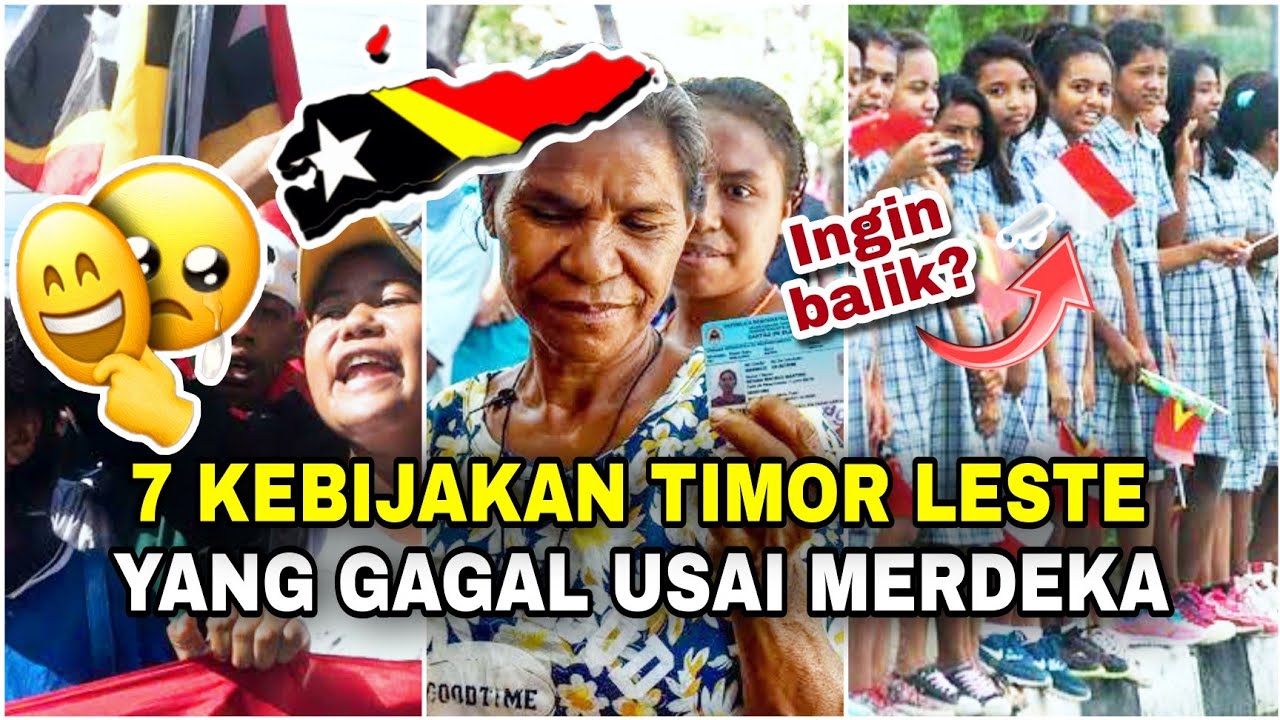
Ingin balik lagi ke Indonesia? 7 kebijakan Timor Leste yang GAGAL usai merdeka
228.6K
Despite independence in 2002, Timor Leste faces persistent economic and social challenges. The government failed to improve citizen welfare, with 37% of the population living below the poverty line—higher than Indonesia's poorest province. Education quality remains low, with 50% illiteracy rates. The country ranks 152nd of 162 nations economically. Political instability emerged from conflicts between former leaders, compounded by a weak constitution. These interconnected challenges demonstrate how newly independent nations struggle to achieve sustainable development despite formal sovereignty.
Click to watch →
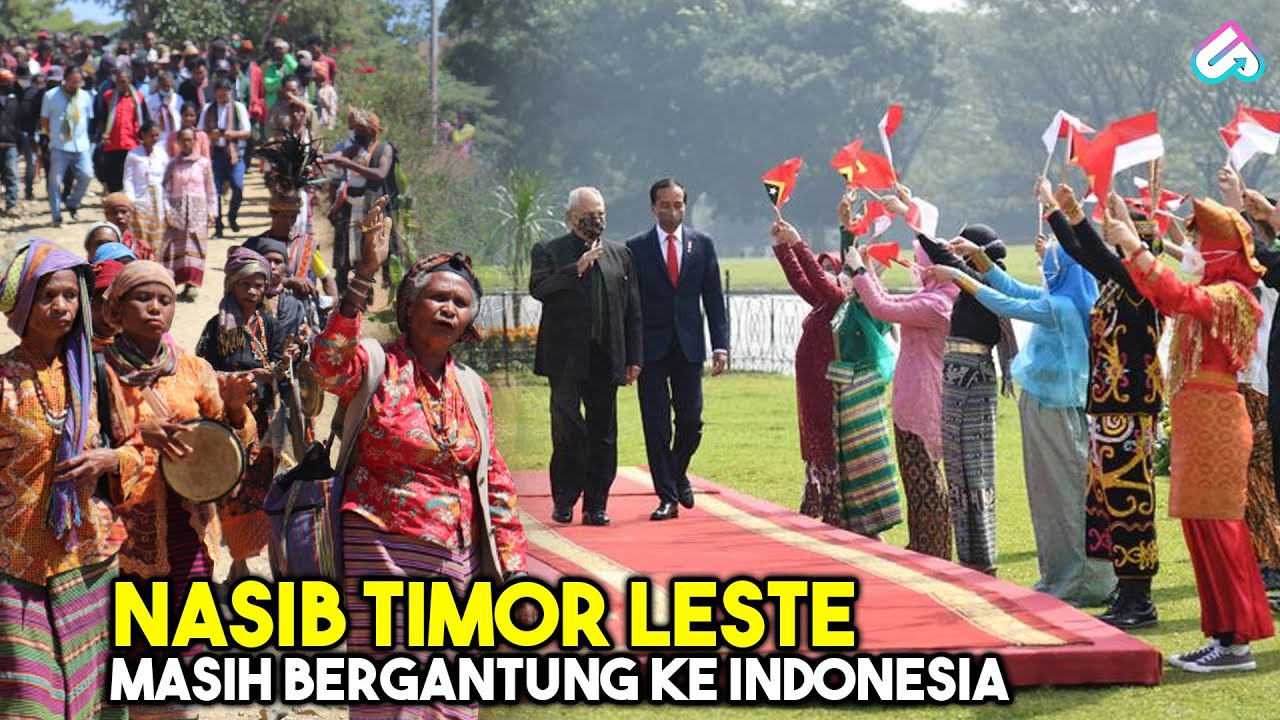
JADI NEGARA TERMISKIN USAI MERDEKA! Fakta Negara Timor Leste Setelah Berpisah dari Indonesia
91.9K
Timor Leste, which gained independence from Indonesia on May 20, 2002, faces significant post-independence challenges including being ranked among the world's poorest nations with 45.7% multidimensional poverty, high youth unemployment at 12.3%, and economic dependency on Indonesia for 70% of imports; the country uses the US Dollar as official currency since 2000 and Portuguese as an official language, while its primary revenue source from oil reserves has been depleting since 2012, with 2014 revenues 40% lower than 2013.
Click to watch →
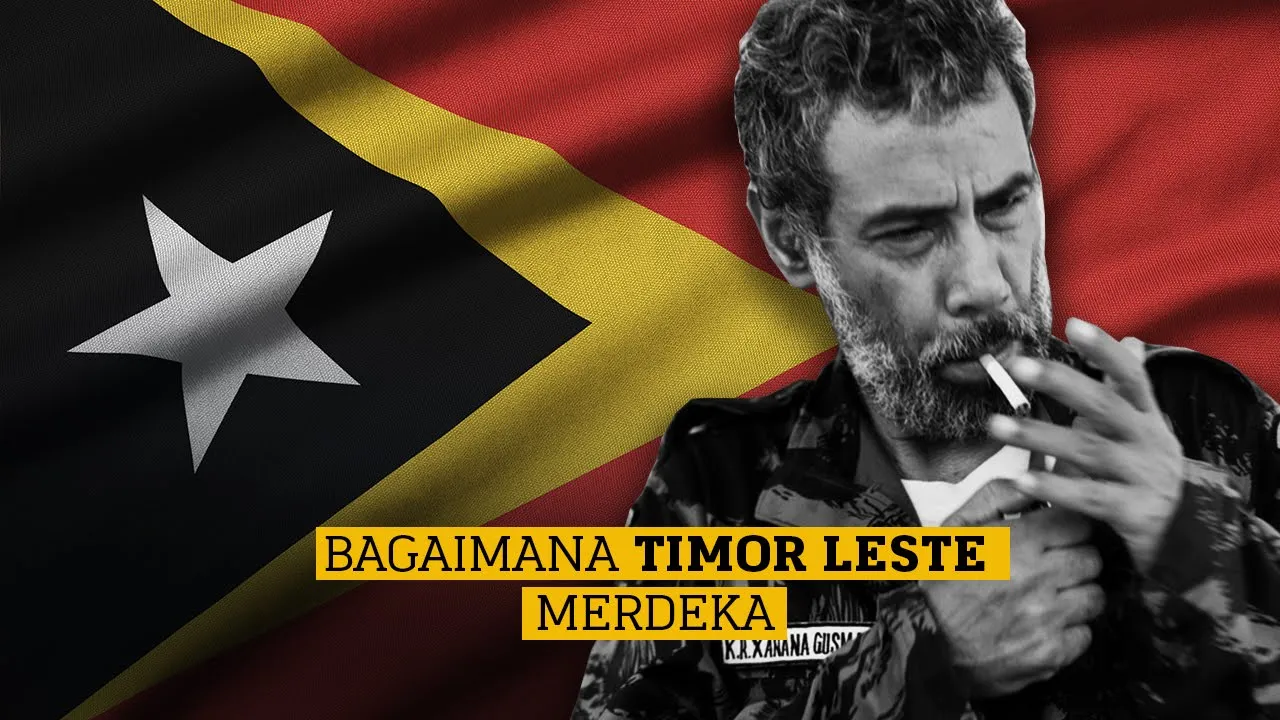
Bagaimana Timor Leste Mencapai Kebebasan Dan Kemerdekaan
290.1K
Despite gaining independence in 2002, Timor-Leste faces significant challenges. Much infrastructure was destroyed during the conflict. The country remains far behind its neighbor West Timor because Portuguese colonists made minimal investments in development. With a population of 1.1 million still dependent on agriculture, Timor-Leste is categorized as a low-income country by the World Bank, with 41.8% of the population living below the poverty line according to the Asian Development Bank in 2014.
Click to watch →
Deep Dive
Familiarity with the concept of Community-Based Tourism (CBT) and how local communities can act as primary stakeholders.
Pelatihan Daring | Wisata Bahari Berbasis Komunitas
158
Community-Based Tourism (CBT) is a tourism approach that places local communities as the primary stakeholders in planning, managing, and utilizing tourism activities. According to ASEAN Secretariat, CBT refers to tourism activities owned and operated by communities, managed or coordinated at the community level, contributing to community welfare through sustainable livelihood support and protection of social cultural traditions and natural and cultural heritage. Benefits include positive economic impacts, additional community benefits from tourist spending, new business opportunities, enhanced community identity, environmental conservation, cultural preservation, new market opportunities for local products, increased opportunities for women and youth, diversified livelihood options, and protection of community assets for sustainable income.
Click to watch →

Wisata Air Terjun Tanggedu: Dari Hukum Rimba ke Model Wisata Berbasis Masyarakat
100
Community-Based Tourism (CBT) is a model where local communities become primary managers and beneficiaries of tourism. Implementation requires resolving internal conflicts through emotional approaches, treating members as family, and reaching consensus through musyawarah. The process involves identifying all stakeholders' interests, finding solutions that benefit everyone, and creating sustainable management structures. This approach ensures communities control their tourism development and retain economic benefits, though it requires patience and collective decision-making.
Click to watch →

Pengelola Desa Wisata Pentingsari Ungkap Kunci Transformasi Petani Jadi Pelaku Pariwisata | ROSI
574
Community-Based Tourism (CBT) is a tourism model where the local community becomes the primary stakeholder and beneficiary. In successful CBT, the community itself becomes part of the tourism experience, with local residents providing authentic cultural interactions and hospitality. This approach ensures that tourism development benefits the community directly while preserving local culture and traditions.
Click to watch →
Cerita Inspiratif - Desa Banyuanyar Smart Village yang Hidup dari Kearifan Lokal
13.1K
Community-Based Tourism (CBT) is a tourism development approach where local communities are the primary stakeholders and beneficiaries. In this model, the entire tourism value chain—from raw materials to processing facilities to service providers—is owned and operated by the community rather than external entities. This ensures that tourism revenue remains within the community, empowering local residents and preserving cultural authenticity while creating sustainable economic opportunities.
Click to watch →

Τα μηνύματα από τον ελληνικό τουρισμό
2.6K
Local communities are the first and most important stakeholders who must be considered when developing tourism policies. They are the ones who will maintain the vitality of tourist destinations and provide the essential services and hospitality that make places attractive to visitors. The video emphasizes that local communities offer the unique character and charm that distinguishes destinations, making them crucial partners in sustainable tourism development rather than passive recipients of tourism benefits.
Click to watch →
Deep Dive
Knowledge of cooperative business models, collective ownership, and participatory decision-making processes.

От капитализма к общинам и кооперативам (Познавательное ТВ, Сергей Грошев)
38.2K
Successful cooperative businesses demonstrate that collective ownership can compete effectively with corporate structures. Major dairy cooperatives in the US, Japan, and Spain show that profits distributed among members rather than external shareholders create more equitable economic models. Cooperative governance requires balancing individual responsibility with collective benefit, with criteria including improving quality, decreasing costs, increasing member incomes, and decreasing labor participation. Regional networks of agricultural cooperatives can combine traditional knowledge with modern practices, focusing on organic farming, renewable energy, and new social relationships.
Click to watch →

Rhonda Phillips: Building Communities - Vertical City Podcast #13
258
There is a resurgence of interest in cooperative styles of governance and business models because people need to feel connected to decision-making processes. When people are part of change rather than having changes made to them, they become more invested in outcomes. Cooperative approaches allow community members to participate meaningfully in decisions affecting their lives, fostering ownership and commitment to community wellbeing.
Click to watch →
El valor de participar en la empresa: una oportunidad para Cantabria
120
Cooperatives and labor societies are business models where people participate in decisions, share responsibilities, and build collective projects with long-term vision. These models are not residual or alternative formulas reserved for specific sectors, but represent a viable form of enterprise where people participate in decisions, share responsibilities, and build collective projects with long-term vision. They generate stable and quality employment while maintaining democratic governance.
Click to watch →

GITEGA# CITRO TANGAWIZI,JUS IKORWA N' ISHIRAHAMWE CGLISJ
161
A cooperative is a business organization owned and operated by its members for their mutual benefit. Members pool resources and share profits, working together to achieve common economic, social, and cultural goals. This model emphasizes collective ownership, democratic control, and equitable distribution of benefits among participants.
Click to watch →

Careers & Coffee: Doug Field
153
A cooperative is a different business model where the organization is owned and controlled by its members rather than external shareholders. The decision to become a cooperative was made by the board and represents a collaborative approach to leadership where all good leaders seek to get buy-in from stakeholders. This model emphasizes collective ownership and democratic decision-making.
Click to watch →
Prerequisite Knowledge
- Concept 01Understanding the core principles of Sustainable Tourism and how it differs from mass commercial tourism.
- Concept 02A basic overview of Timor-Leste's post-independence history, geography, and socio-economic developmental challenges.
- Concept 03Familiarity with the concept of Community-Based Tourism (CBT) and how local communities can act as primary stakeholders.
- Concept 04Knowledge of cooperative business models, collective ownership, and participatory decision-making processes.
Subsequent Learning
- Step 01Analyzing national tourism policy formulation and strategic master planning in developing and post-conflict nations.
- Step 02Studying methods for social, economic, and environmental Impact Assessment of community-run tourism initiatives.
- Step 03Conducting a comparative analysis of CBT models in Timor-Leste versus more mature tourism markets in Southeast Asia.
- Step 04Exploring financing mechanisms for rural tourism, including microfinance, international development grants, and public-private partnerships.
CBT Models
CBT Hurdles
CBT Models
0:00Playing Section
- 1
Explores community-based tourism initiatives in Timor-Leste.
- 2
Highlights cooperative and guesthouse operational models.
- 3
Emphasizes local empowerment and profit redistribution.
NGO-Dependency and the 'Elite Capture' Critique of Community-Based Tourism
While Community-Based Tourism (CBT) is championed for empowering local communities, critics argue that in developing, post-conflict nations like Timor-Leste, it often suffers from 'NGO-dependency' and 'elite capture.' Skeptics point out that many CBT projects are artificially sustained by international development aid rather than market demand. Once donor funding and external managerial support withdraw, these initiatives frequently collapse due to poor infrastructure, limited global market reach, and a lack of local business training. Furthermore, sociologists highlight the risk of 'elite capture,' where pre-existing local power dynamics allow village elites to monopolize the financial benefits and decision-making of tourism cooperatives, widening wealth gaps rather than alleviating poverty. From this critical perspective, relying heavily on CBT can distract from necessary state-led infrastructure development and private-sector investment, which offer more scalable and resilient pathways to economic growth.
Deep Dive
Analyzing national tourism policy formulation and strategic master planning in developing and post-conflict nations.

VRA Workers Resist Merger:Workers decorate offices in red to resist the merger with Bui Pow.|Am News
229
Countries may develop comprehensive national tourism strategies and master plans to provide relevant frameworks for developing their tourism sectors. Botswana has reviewed its tourism policy and developed a national tourism strategy and master plan to provide frameworks for sector development. This demonstrates how governments can systematically approach tourism development through strategic planning and policy frameworks.
Click to watch →

HD 🇰🇼 برنامج الحكم بعد المداولة مع نبيلة العنجري وخلف المانع تقديم ساير العنزي
125
Strategic tourism development requires a comprehensive approach including: (1) Revitalizing dedicated tourism authorities within government ministries, (2) Creating specific tourism legislation and regulations, (3) Establishing dedicated bodies to handle tourist complaints and issues, (4) Developing unique selling propositions that differentiate the destination, and (5) Leveraging geographic advantages like coastal locations for maritime tourism. Countries that emerge from conflicts can develop tourism by focusing on their unique natural and cultural assets.
Click to watch →

Travel and Tourism as a Strategic Sector for Development and Security
1.2K
Multiple countries have elevated tourism to strategic priority status, recognizing its comprehensive benefits. Japan uses tourism to expand citizen international cultural experiences and promote rural development. Vietnam implemented deliberate policy changes including e-visa systems to open up the country for tourism investment. Northern Ireland leveraged tourism as a reconstruction tool following the Good Friday Agreement, with tourism businesses signing memoranda of understanding to rebuild infrastructure and foster cross-border cooperation. Rwanda demonstrates how tourism can facilitate post-conflict recovery, using gorilla tourism to generate revenues directed back to nearby communities for specific projects, thereby creating economic incentives for peace and preservation.
Click to watch →

NIPSS Policy TV Policy Focus -TOURISM
117
Tourism has shown quick recovery post-pandemic despite being among the worst-hit sectors. It is described as 'life, love, sharing, traveling, and sharing the warmth of a people.' Nigeria needs tourism after political transitions to facilitate exchange of visits and families sharing great moments. Stakeholders have called for a national tourism development master plan aligned with the National Development Plan 2021-2025 and Nigeria Agenda 2050. Nigeria must review tourism policies to realign with international trends, including frameworks for strategic action plans. The country needs deliberate efforts including training, stakeholding, and sharing intelligence to meet current trends.
Click to watch →

Oficina Virtual - Cartilha de Plano Diretor Orientado ao Turismo (Sudeste)
1.8K
The cartilha presents a seven-step methodology for developing tourism-oriented master plans: (1) Constitution of a technical team and territorial base, (2) Critical and participatory diagnosis of the territory, (3) Definition of principles, guidelines, and objectives, (4) Definition of strategies, instruments, and complementary tools, (5) Resource allocation and capture for execution, (6) Planning, monitoring, and evaluation system, and (7) Implementation and validation through the project of law. This structured approach ensures comprehensive and systematic planning. The research methodology involved analyzing approximately 60 documents from various categories including tourism policies, municipal master plans, and legislation, along with interviews with researchers, public managers, and tourism specialists to identify critical challenges in territorial tourism development.
Click to watch →
Deep Dive
Studying methods for social, economic, and environmental Impact Assessment of community-run tourism initiatives.

M-07. Destination Life Cycle
115
Tourism development impacts host communities across three main areas: social-cultural, economic, and environmental. Social-culturally, tourism can improve community services through cultural centers and encourage cultural exchanges, but may also increase crime, gambling, and overcrowding. Economically, tourism brings increased employment, income, tax revenues, and public funding, though rising costs of living from increased prices can negatively affect residents. Environmentally, tourism may cause air and water pollution, destruction of flora and fauna, and deforestation, though it can also enhance community appearance through parks and improved public infrastructure. Proper resource management is essential to maximize positive impacts while minimizing adverse effects.
Click to watch →

Curso Online - Turismo de Base Comunitária, Cultura Alimentar e Economia do Território - Aula 02
940
Community tourism represents a political and social movement that proposes alternative worlds characterized by justice and equity. It requires communities to maintain their identity and resist external pressures. Research on community tourism should be conducted with communities rather than about them, involving direct dialogue with community members. Understanding community tourism requires experiencing it firsthand and participating in the community's struggles. The movement intersects with broader social justice movements including feminism, artisanal fishing rights, and territory titling.
Click to watch →

ITB Academy Webinar: All Same - All Different - The Council of Europe Cultural Routes
536
Assessing tourism impacts on communities requires methodologies focusing on local perceptions rather than tourist behavior alone. The modified VST (Value Stretch Theory) model using nominal group technique identifies three key levels: tolerance level (what communities cannot accept as negative impacts), current situation level (perceived impacts today), and expectation level (desired positive outcomes). Analyzing gaps between these levels reveals tolerance gaps (unacceptable impacts) and reconciliation gaps (unmet expectations). This approach helps identify whether communities have misconceptions about tourism effects and guides negotiations for sustainable development.
Click to watch →

TUTORIAL BLOQUE 1 GUIA CENEVAL LAET
133
Tourism attraction evaluation uses five criteria: (1) Attractiveness - the incentive motivating visits including accessibility through roads or air routes, (2) Authenticity - the genuineness of the experience satisfying tourists during their limited visit, (3) Community impact - acceptance by the receiving community and environment, (4) Political, economic, sociocultural, and environmental impact - broader consequences of development, (5) Positive economic effect - contribution to local economic development and balance of payments improvement. Tourism development follows a structured process: preliminary study (economic and environmental assessment), definition of objectives, feasibility studies (environmental, technological, complexity, brand acceptance), analysis and synthesis of results, action plan development with budget for human, material, financial, and technological resources, marketing strategy (4Ps or 7Ps), organizational structure, and implementation according to regulatory recommendations from tourism authorities.
Click to watch →
Socialización y participación ciudadana para los resultados del estudio de impacto ambiental
113
Environmental Impact Assessment requires characterizing affected communities through territorial unit identification, population dynamics analysis, and data collection from community leaders and government sources (SISBEN, DNP). This includes evaluating impacts on public services (water, electricity), social infrastructure (schools, community centers), and cultural sites. Land use analysis identifies agricultural activities, residential development, and commercial operations. Property structure analysis reveals ownership patterns. Economic activity characterization includes commercial, industrial, agricultural, and recreational services. Understanding these patterns helps predict how the project will affect community dynamics and economic stability.
Click to watch →
Deep Dive
Conducting a comparative analysis of CBT models in Timor-Leste versus more mature tourism markets in Southeast Asia.

คนเปลี่ยนโลก TAPE 23 : คนแม่กำปอง (5 มิ.ย. 60) 1/3
25K
Community-based tourism (CBT) is a sustainable development approach where local communities manage tourism activities to benefit residents while preserving culture and environment. Mae Kampong, the first CBT model in Thailand, demonstrates how communities can transform from traditional agriculture to sustainable tourism. The model requires identifying local assets including natural resources, cultural heritage, and social capital. Successful CBT implementation depends on strong community leadership, collective decision-making, and fair benefit distribution among all residents.
Click to watch →
KAMI PERGI KE TIMOR-LESTE !
1.6M
Timor-Leste has very limited direct flight connectivity from Malaysia, with only three direct flights per week available. This scarcity of direct flights means that travelers from Malaysia must typically transit through multiple cities, such as Jakarta and Bali, before reaching Timor-Leste. Timor-Leste's airport has a very simple layout with minimal facilities, reflecting the country's status as a newly independent nation with limited resources. Timor-Leste's tourism industry has been developing rapidly since its ASEAN membership, with increased flight availability and growing international interest. The country has become more accessible to tourists, with flights becoming fuller and more frequent. Timor-Leste's minimum wage is approximately $115 per month, which is equivalent to about RM400 in Malaysian Ringgit. This relatively low wage reflects the country's status as a developing nation with limited economic resources.
Click to watch →

通訳案内の実務 文化別・国別の特徴 東南アジア
217
This segment analyzes three major Southeast Asian tourist markets. Thailand (900,000 visitors, 130,000 yen average spending) shows strong subculture interest with 2.9x higher anime merchandise purchases and 73% department store preference. Singapore (360,000 visitors, 160,000-170,000 yen) demonstrates exceptional loyalty with 70% repeat visitor rate and 30% visiting 6+ times. Malaysia (390,000 visitors, 130,000 yen) features 50% first-time visitors and strong preference for watches, bags, and shoes. All three markets show above-average interest in Japanese cultural experiences, with Singaporeans preferring fashion items and Malaysians relying on hotel websites for information.
Click to watch →

The Asian Country with Less Tourism than North Korea!!
1.3M
Timor-Leste, Southeast Asia's least visited country with only 26,000 tourists in 2024 (fewer than Bali receives in a single weekend), possesses a distinctive culinary identity shaped by Portuguese colonialism and Indonesian influence, featuring dishes like ekan saboko (grilled tamarind fish), batar da'an (corn soup with papaya flower), and traditional bamboo-cooked meals, while facing significant tourism challenges including limited flight connectivity and infrastructure constraints that hinder its potential as an emerging destination.
Click to watch →
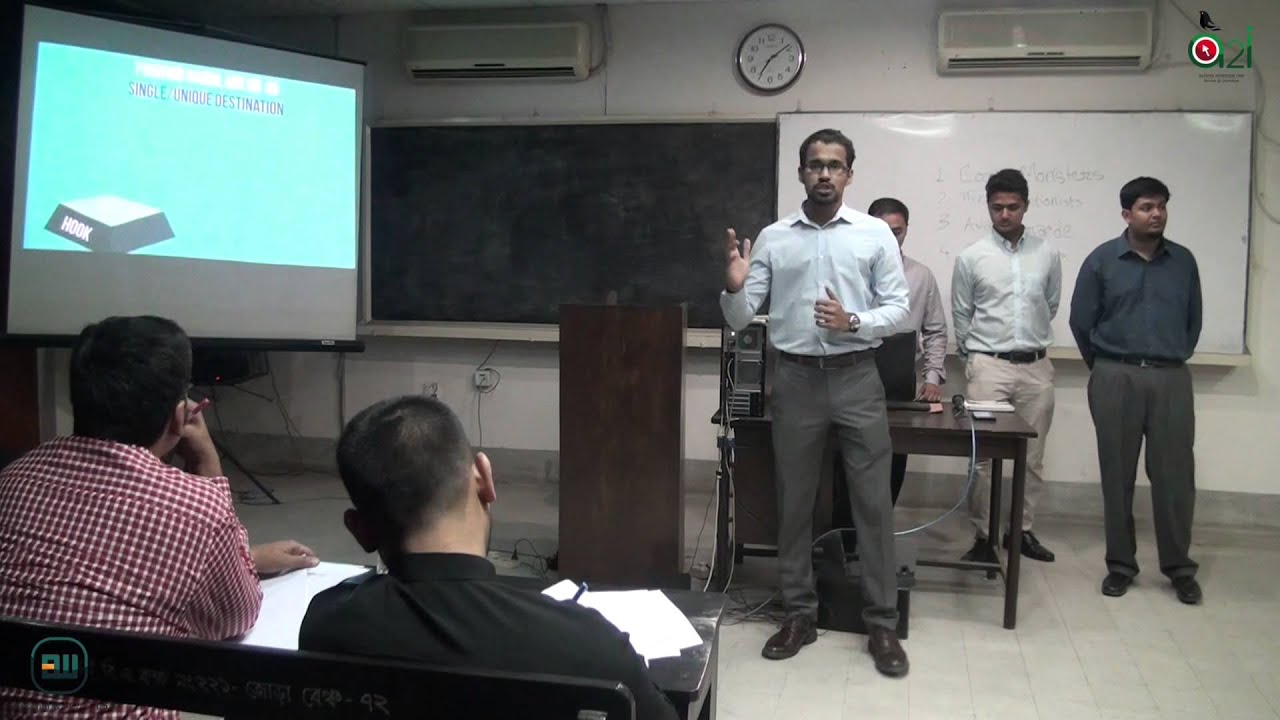
Avant Garde | TOURISM | Group E Round 2 | Brandwitz '15
938
Community-Based Tourism (CBT) was initiated in Bangladesh in 2005. The Saka Hak project demonstrates the model: tourists travel from Tajar, stay at boarding para (first CBT initiative), visit other villages, and reach the peak, experiencing different tribes and lifestyles. The 4-day trip costs 3,500-4,000 taka. Marketing targets youth through social media, website inclusion, and documentaries. Challenges include infrastructure gaps, manpower shortage (only 700 tourist police), and maintenance issues. The strategy involves staged diversification: culture first, then wildlife, then adventure.
Click to watch →
Deep Dive
Exploring financing mechanisms for rural tourism, including microfinance, international development grants, and public-private partnerships.
09.09 Открытая программа. Создание востребованного туристского продукта
1.3K
The MSB Corporation provides comprehensive support for rural tourism development through multiple mechanisms: (1) Guarantee institution providing guarantees up to 50-70% of loan amounts for small and medium enterprises lacking sufficient collateral; (2) Credit programs with reduced interest rates (currently 8.5%); (3) Regional leasing companies offering equipment financing at 6% for Russian equipment and 8% for foreign equipment; (4) MSB Bank for direct support. These mechanisms address the main obstacles for rural tourism entrepreneurs: insufficient credit collateral, high interest rates, and equipment financing costs. The corporation operates across regions and supports tourism projects through these financial instruments.
Click to watch →

Сельский глэмпинг или туризм на землях сх-назначения
3.7K
Rural tourism in Russia is experiencing significant growth, with tourist flow projected to reach 22 million by 2025. Financial support includes the federal agrotourism grant exclusively for agricultural producers, and regional programs offering subsidies from 100,000 to 15 million rubles. Rosselkhoznbank's School of Farmer programs provide free training in agrotourism. These programs require monitoring through regional tourism ministry websites and the 'Tourism Grant' Telegram channel.
Click to watch →

North India Regional Conference on Financial Inclusion
149
Microfinance in Punjab has grown off late because earlier microfinance started from Southern India, then went to other parts, and came to Punjab around 2019 onwards. In one decade, they have gained around 6,000 crore of coverage in Punjab, and 80% of villages are almost covered by microfinance. The speaker emphasizes that compared to other states, microfinance is now less benefited in Punjab market. Credit score is important because all MFIs are pushing data into some credit bureau, and people are progressively getting aware that this can really help or enter their future. From the regulation side, there are progressive regulations. There was a time when regulations were that you cannot have more than specific percentage point, but now instead of that, there is risk-based pricing. The speaker emphasizes that this will prevent any suspicious incidents. Public-private partnerships can leverage financial inclusion, particularly in rural areas, with support from governments and other stakeholders.
Click to watch →

Programa Leader
256
Rural tourism development can be successfully supported through community funding programs that provide financial assistance (up to 65% grant funding) for infrastructure, equipment, and technology, enabling entrepreneurs to create sustainable rural tourism businesses that attract international visitors and contribute to rural economic diversification.
Click to watch →

O PITCH QUE IMPACTOU O PRIMO RICO | Primo Startups #21
244.6K
Public-private partnerships require sustained engagement, with 35 meetings over a year needed to formalize cooperation between organizations. Partnerships include defined pricing structures, resource commitments, and shared objectives. Microfinance models can be adapted for social impact by providing financial support to individuals facing barriers to education. A scholarship program provides R$1,500 during training periods for women with family responsibilities, with credit analysis and curatorial selection. Recipients repay the amount upon entering the workforce to fund future participants, creating a sustainable cycle of opportunity.
Click to watch →
CBT Models
CBT Hurdles
CBT Models
0:00- 1
Explores community-based tourism initiatives in Timor-Leste.
- 2
Highlights cooperative and guesthouse operational models.
- 3
Emphasizes local empowerment and profit redistribution.
NGO-Dependency and the 'Elite Capture' Critique of Community-Based Tourism
While Community-Based Tourism (CBT) is championed for empowering local communities, critics argue that in developing, post-conflict nations like Timor-Leste, it often suffers from 'NGO-dependency' and 'elite capture.' Skeptics point out that many CBT projects are artificially sustained by international development aid rather than market demand. Once donor funding and external managerial support withdraw, these initiatives frequently collapse due to poor infrastructure, limited global market reach, and a lack of local business training. Furthermore, sociologists highlight the risk of 'elite capture,' where pre-existing local power dynamics allow village elites to monopolize the financial benefits and decision-making of tourism cooperatives, widening wealth gaps rather than alleviating poverty. From this critical perspective, relying heavily on CBT can distract from necessary state-led infrastructure development and private-sector investment, which offer more scalable and resilient pathways to economic growth.
Understanding the core principles of Sustainable Tourism and how it differs from mass commercial tourism.
A basic overview of Timor-Leste's post-independence history, geography, and socio-economic developmental challenges.
Familiarity with the concept of Community-Based Tourism (CBT) and how local communities can act as primary stakeholders.
Knowledge of cooperative business models, collective ownership, and participatory decision-making processes.
Analyzing national tourism policy formulation and strategic master planning in developing and post-conflict nations.
Studying methods for social, economic, and environmental Impact Assessment of community-run tourism initiatives.
Conducting a comparative analysis of CBT models in Timor-Leste versus more mature tourism markets in Southeast Asia.
Exploring financing mechanisms for rural tourism, including microfinance, international development grants, and public-private partnerships.
1.6K views39likes2:42@TravelProfessorsOriginal Release: 2016-11-17
We're just outside of the town of Maubisse in the center of Timor-Leste and we are in one of the community-based tourism initiatives called cooperative HAKMATEK.
There are several community-based tourism initiatives around Timor-Leste. Community-based tourism is an alternative form of tourism that aims to benefit communities, especially rural communities, and empower them and develop their livelihoods. CBT related attributes include benefits to local communities, promoting an active community participation in tourism planning and enhancing host-guest relations, community involvement in managing tourism in general and of profits in particular and preserving cultural and natural heritage.
CBT, or community-based tourism, aligns with a view that appropriate tourism development should be accompanied by community participation and stakeholder cooperation. Community-based tourism in timor-leste has been supported by the government since 2002 and there are two different forms of community-based tourism taking place in Timor-Leste.
A more aligned with the ideal community-based tourism concept is the concept of cooperatives and there are several cooperatives providing tourism products across Timor-Leste. In these cooperatives several families jointly own and manage community-based tourism and so the benefits are widely spread across several families.
They also set up a find to manage the profits and contribute to their community development programs. Another option that is supported by the government is subsidies or privately owned guesthouses that are also found across Timor-Leste and here in Maubisse.
These guesthouses are normally privately owned, but nevertheless they benefit the families who set them up.
Community-based tourism faces many challenges, due to lack of knowledge about tourism, poor infrastructure, lack of money to invest in developing tourism products, which is due to poverty, and also marketing and promotion. There is a need for ongoing support of many community-based tourism initiatives across the world from different stakeholders which include government, international and national tour operators, non-government organizations and education providers.
Up Next

60:22
Community-Based Tourism Benefits and Best Practices | SXSW 2024
@SXSW
656 views•2024-04-05

12:54
Triumph of Orthodoxy Icon: Byzantine Art & History Explained
@BenCallan
2.1K views•2024-08-06

9:49
FastAPI vs Flask vs Django: Choosing the Right Python Web Framework
@TechWithTim
302.5K views•2024-05-26

1:42
Game of Thrones Opening Credits: A Cinematic Analysis
@gameofthrones
46.3M views•2011-04-18
Related Study Plans & Knowledge Roadmaps
Structured learning paths in General & Interdisciplinary Studies
general-studies
Elevator Engineering: History, Physics & Cities
01From Hoists to Safety Brakes: The Dawn of Vertical Lift
02Hydraulic vs. Traction: The Engineering Physics of Elevators
03Modern Speed, Safety, and Algorithms
+ 2 more learning modules
12h5 modules
Explore Roadmap
general-studies
Rubber: Material Science, History & Geopolitics
01Origins of Natural Rubber & Mesoamerican History
02The Chemistry of Natural Rubber & Vulcanization
03The Geopolitics of the Rubber Boom & Colonization
+ 2 more learning modules
12h5 modules
Explore Roadmap
general-studies
Containerization: Evolution, Logistics & Trade
01Ancient Trade & Bulk Cargo: Amphorae to Barrels
02The Industrial Revolution & Cardboard Packaging
03The Containerization Revolution: Malcom McLean
+ 2 more learning modules
12h5 modules
Explore Roadmap
general-studies
Textile Tech: Evolution, Labor & Global Impact
01Pre-Industrial Textiles: Handloom & Cottage Industry
02Mechanization: The Spinning Jenny to the Power Loom
03The Factory System & Global Labor Transformation
+ 2 more learning modules
10h5 modules
Explore Roadmap