





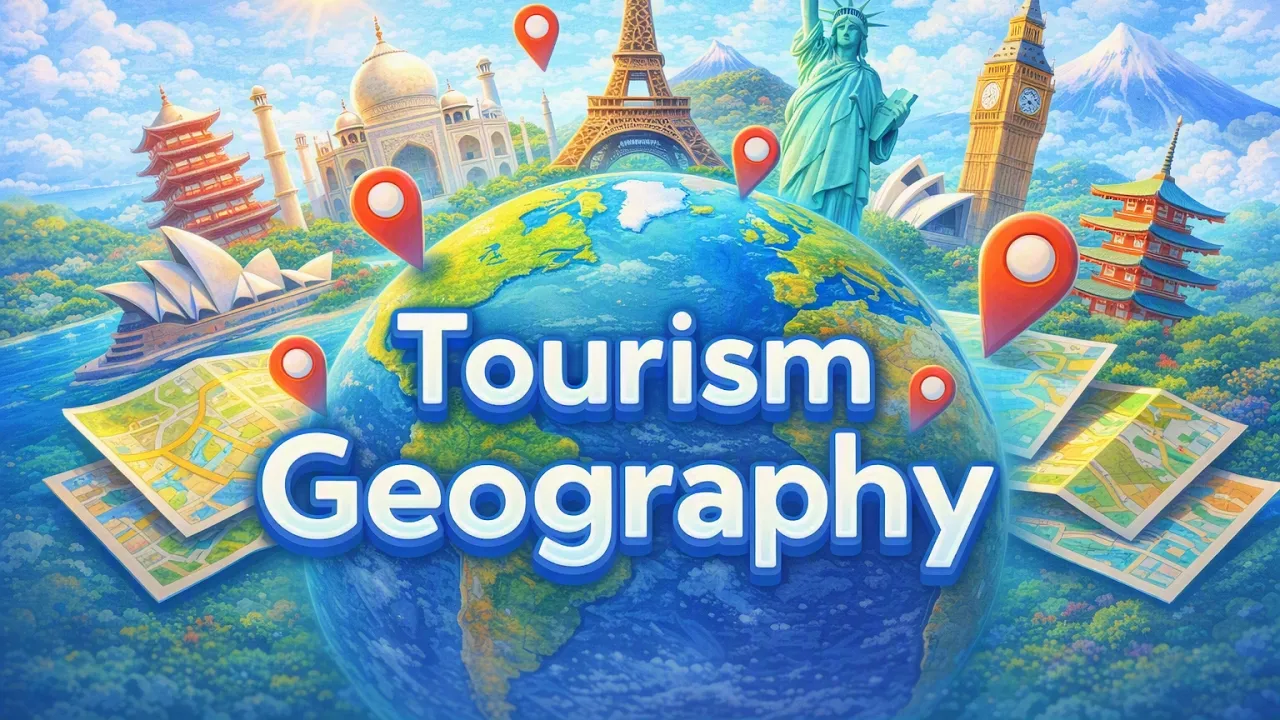



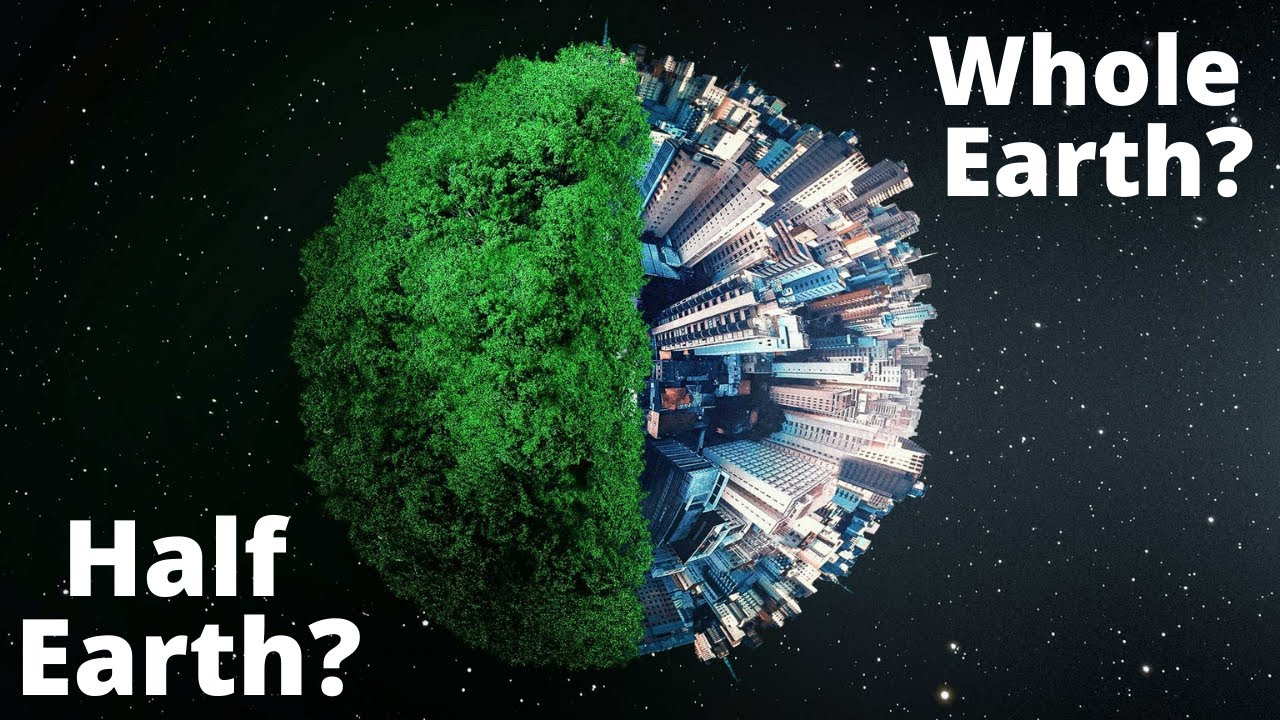







The video explains that the traditional divide between nature and culture is a false dichotomy; nature is deeply embedded in human society and has become increasingly commodified for consumption purposes, where natural landscapes are staged, branded, and experienced as commodities rather than authentic environments, exemplified by how urban areas incorporate nature for aesthetic and economic value while simultaneously excluding it from residential spaces.
Consuming Places: Commodifying Nature and Cultural Geography
Added:Basic concepts of Cultural Geography, particularly how human cultures perceive, shape, and interact with physical landscapes.
The economic concept of commodification, which refers to the transformation of goods, services, ideas, or nature into objects of trade and consumption.
The philosophical debate surrounding the 'nature-culture binary' and how Western thought historically separated human society from the natural world.
An introductory understanding of tourism geography and how places are socially constructed to attract visitors.
Dean MacCannell's sociological theory of 'staged authenticity' and its socio-cultural impacts on host communities.
The political ecology of 'green capitalism' and neoliberal environmentalism, including ecotourism and market-based conservation strategies.
More-than-human geographies and post-humanist frameworks that explore the active agency of non-human entities in spatial networks.
The phenomenon of green gentrification and the socio-spatial consequences of branding urban and rural places around idealized nature.
151 views3likes13:25Original Release: 2022-05-06
okay so the topic this week this time is consuming place or what does it mean to consume place and how our place is shaped for the purpose of consumption so as usual we're going to do this in three parts and we're going to start off by looking at consuming places through commodifying nature so one of the key things that is important to consider for this week for this topic sorry is the kind of false divide that we've created as humans over the past centuries maybe millennia about the divide between nature and culture there's a lot of work around this essentially that you know the capitalism has become developed as a way of kind of dominating nature or extracting nature to kind of produce our culture our technologies our consumption our comfort our all these kind of things but as you know the last decades have shown as kind of mass extinctions you know oil shocks climate change you know all these kind of things we're reaching the limits of kind of the idea of dominating nature it's not really what we do really that's a false dichotomy nature itself is not separate from culture you know it's a kind of dichotomous thinking that doesn't really kind of do us any good because it essentially means that we see the so-called thing that we call the environment as an externality from us where really it's you know very deeply part of what we are and who we are so it's been particularly a way of thinking about the world since the industrial revolution the notion that nature itself has social and cultural implications that may make it you know be separate we're starting to think that those things are problematic and i think like a silly way to think about the kind of complete non-separation between nature and culture is that can anyone think of a shark without thinking about the jaws music right it's kind of so embedded in our way that we're going to think about those things that it's the same thing but more broadly for what we're talking about today is like i suppose um the commodification of nature as part of this process in many ways um and thinking about how nature becomes a thing to be bought and sold and as a thing to experience not necessarily something that we're just kind of embedded yeah in so you know broad questions to think about here you know people go camping to get back to nature but think about all the commodified things that are part of that and then if you really get into it you need to get the good stuff right and like there's an endless amount of things you can buy to make you think better the beach is another kind of good example like this natural scape where all kinds of interesting cultural things go on um the cronulla riots being a good example like the fight over like what can be done at the beach but um even the way that i'm talking about them there by kind of talking about cultural things that happen at a specific place is kind of also maintaining that dichotomy yeah uh the interesting work about this wants to obliterate it yeah and i think that nature ends up adding value to commodities particularly how they're branded which is what we're going to talk about in this in this unit too and and also proximity and closeness to nature to the beach to the outdoors adds to certain commodities adds to the value of property all this kind of yeah if you've got a views of water you know your place is worth a million bucks rather than if you're two streets back so you're probably worth 700 or whatever so yeah that's that's a good example i think what we're talking about so well there's a lot of really interesting work on this the idea that nature is now increasingly something that is consumed something that's staged for us rather than something we go to um there's notions around the taurus gaze the fetishization of nature nature becomes something you could consume so obvious you know overtly commercial spaces like sea world you know mcdonald's and disney eyes kind of nature it's pretty straightforward look at that it's kind of so obvious even thinking about it like nature is a spectacle simulated virtualized so these are kind of you know pretty obvious things to point out i think um but like so there's like this theme nature parks always think about but there's this kind of tourism of the way of desiring nature yes and i think this is a bit more subtle way to think about this but i think many of us do this we you know we're going to go out in a national park and go for a walk but like national parks have built walking tracks you know often with railings and stuff like that and steps to make it all easier so you know the separation between nature and culture there we're not really doing it in that sense we're actually experiencing culture when you walk along a a thing that's built right someone tells you where to stop there's a good view here there's a lookout yeah yeah is a case of that way in 3ks that way it takes the risk out of things so um yeah that's the kind of good way of thinking about those kind of things that romantic ideal of being in nature is increasingly rare it's almost impossible to do unless you kind of i don't know how you do it you could drive out the middle of nowhere even then using a car right so it's like um these kind of ideas are kind of confront these tensions between this authenticity and kind of mediation and authenticity what's real in terms of nature and what's not well that that dichotomy again isn't that kind of useful in a kind of increasingly built environment when it comes to the nature so much of it it becomes a simulation um so authenticity in this sense is kind of problematic in a way of thinking about these things because you know what's authentic in that sense it's also interesting that in a lot of urban environments there's a huge investment in trees for example if you walk around the city you'll see that parts of the pavement are cut out to have trees on nature strips there'll be trees and there's only there we have to bring nature back in to our kind of culturally formed landscapes because of temperature increase noise greening and then it also changes consumption for example a shopping street with lots of trees can charge higher rent so it can have fancier shops a shopping area where there's no trees and it's a bit of an urban wasteland there's obviously more more down market so it is interesting the way in which there's strong attempts by authorities to bring nature back into our built environment and again regulations plays a part the council has been trying to encourage people to um you know have little gardens out the front on the public space and tend to those things and there becomes kind of struggles and debates over who owns what and how much you can do and what you can put in there and things like that yeah okay um so the tourist gaze has been a key conceptual development to think about this we become travelers and tourists seeking out experiences outside our normal life and this is a kind of departure away of our kind of everyday life and we experience want to experience these kind of new smells and tastes and sounds and sights and all this kind of thing but for the most part we really don't want to go too far out of our comfort zones um and tend to then have these kind of largely i suppose controlled um engagements with these things so for ari um i'll read the quote a gaze is after all visual it can literally take a split second and the other surfaces provided are in a sense peripheral to the fundamental process of consumption which is the capturing of the gaze so i think the example here of like people going to the grand canyon in that photo but look at that kind of structural engineering feat here that's made it easy made it safe essentially that whole thing has been produced so people can take really good photos not really getting back to nature there when you're kind of taking technology in them then you probably do have to line up to get on it you may even have to pay i'm not sure um you know so there's a kind of way that um you know capitalist consumeristic kind of tendencies have kind of come into these natural spaces to you know basically create profit um so also importantly the gaze tends to be for the benefit of kind of first world kind of developing world often you know white wealthy people comparatively so um and this has all kinds of detrimental effects on what we call cultures in a way that um therefore often sometimes start becoming performatives to make money from these kind of white people so in terms of desiring nature getting we want to get back to nature in some sense escape relax and like i'm something someone that wants to go camping all the time to try and do this but you know i take my ebook reader and sometimes i take my switch so i can you know play my game like while staring at a lake or something so like there's kind of a bit of a kind of dichotomy going on there between escape and like continuing to do your own um normal practices just in a nicer spot so there's a romantic view of that kind of thing there's certainly a kind of growing market to produce the most authentic experiences you know which is a kind of irony in itself um this is particularly you know i suppose not even ironic it's kind of you know symbolically and even violent violence physically violent in terms of how this kind of can um decimate destroy indigenous cultures and have real problematic results for those so these urban this is particularly also the cases the world becomes more urbanized more and more people live in cities and have this romantic view that they need to escape them um and they find therefore nature seductive in that sense okay so the main problem here as a kind of point now already is that what happens when authentic indigenous cultures change the presentation of their self to suit the western tourist gaze we feel like we're as kind of in tourism situation giving access to the back stages of what's going on here but really what we're witnessing are performances what mccannell calls staged authenticity and i suppose the example i wanted to kind of conclude on is like how much do you actually want to live in nature in so-called nature uh and there's a couple of stories there that you can have have links to that by val plummer a very prominent eco-feminist and an incredible um writer you know in a self who actually um experienced the kind of uh crocodile death role herself she was taken by a crocodile she was very nearly killed and then i think this quote kind of bears out the kind of authenticity here of what we're actually maybe desiring or not is that she talks about how she glimpsed a shockingly indifferent world in which i had no more significance than any other edible being the thought this can't be happening to me i'm a human being i'm more than just food was one component of her terminal incredulity so i think this i think is a good thing to come back to in terms of the nature culture divide is that we realize that our culture is a dominating nature very quickly once we start getting you know attacked or lost or these kind of things so um again i'm kind of almost um supporting the culture side of things there is if it's some kind of protection against nature but i i'm what i'm trying to point out there is that like cultures have developed for millennia to try and make us safe yes but the idea that we're kind of separate from nature in the end makes no sense and this becomes particularly the case now we're starting to think about on a global level when things like climate change food shortages extinction stuff and stuff like that are starting to maybe threaten the existence of humans um that separation there is very obviously bunk that's a great way to bring it in too i mean if we think about the sort of more than human approaches in in lots of the social sciences and humanities we begin to look at the way in which you know all of these millennia of attempts to separate nature and culture are in kind of tumbling down and australia is an interesting example because many of our cities and built environments the incursions of nature are actually still very common at very every day you get snakes in the backyard you get possums in the roof you get punishments you get rats you know these kind of things where where sort of non-human incursions are still quite common even in really built up suburban and they matter out of place in those they're kind of often scary or dirty or like get them out of my house yeah and then and you do as soon as you can get the best person to come get this to come get you know get get wires to come or i can't go to sleep if there's a mosquito in the bedroom i've gotta track it down and get rid of so this is really interesting right that then we also want to go consume nature in other ways we certainly don't want it in the backyard we certainly don't want it under the house we certainly don't want it running around in the roof and i know people challenge that and a lot of people are far more accepting and open to to to living with with with non-human um you know living things in different ways but yeah we certainly see i think that the crumbling of of of this divide in lots of different ways particularly as urbanization spreads and spreads and spreads and land and land gets dug and dug up for more minerals um the other creatures with whom we share the earth have have fewer and fewer places to go so i'm starting to see that that incursion more and more yeah with the kind of i think the ultimate example of this at the moment in terms of the global problems is the polar bear yes now you know moving out of the arctic and finding going into urban spaces actually and eating garbage to try and try to survive yeah yeah okay we'll leave this section here and then we'll come back and talk about selling and branding place
Up Next
57:50
Anthropology of Law: Legal Systems Beyond the State w/ Fernanda Pirie
@unsiloedpodcastwithgreglab2188
1.6K views•2023-05-15
38:41
Astrobiology Through an Anthropological Lens: Field Insights
@georgiatechastrobiology
128 views•2021-04-14
4:45
Proxemics Explained: The Study of Personal Space
@Vox
536K views•2016-07-05
10:38
Psychology of Internet Trolling and Pranks Explained
@AzzyLand
10.7M views•2017-12-20
Related Study Plans & Knowledge Roadmaps
Structured learning paths in Anthropology
anthropology
Space Anthropology: Analogs, Culture & Habitats
01Foundations of Space Anthropology & Cosmic Imaginaries
02Extreme Isolation & Micro-Societies in Orbit
03Space Analog Habitats & Earth-Based Simulations
+ 2 more learning modules
15h5 modules
Explore Roadmap
anthropology
Legal Anthropology: Customary Law & Pluralism
01Foundations of Legal Anthropology and Social Justice
02Legal Pluralism: Coexisting Legal Systems
03Customary Law and Indigenous Dispute Resolution
+ 2 more learning modules
15h5 modules
Explore Roadmap
anthropology
Global Tourism: Gaze, Authenticity & Heritage
01Introduction to the Sociology of Tourism
02The 'Tourist Gaze' (John Urry)
03Staged Authenticity in Tourism
+ 3 more learning modules
14h6 modules
Explore Roadmap
anthropology
Modern Kinship (ART, Adoption & Chosen Family)
01Foundations of Kinship and Family
02Assisted Reproductive Technologies (ART) & Relatedness
03Transnational Adoption and Global Kinship
+ 2 more learning modules
12h5 modules
Explore Roadmap