







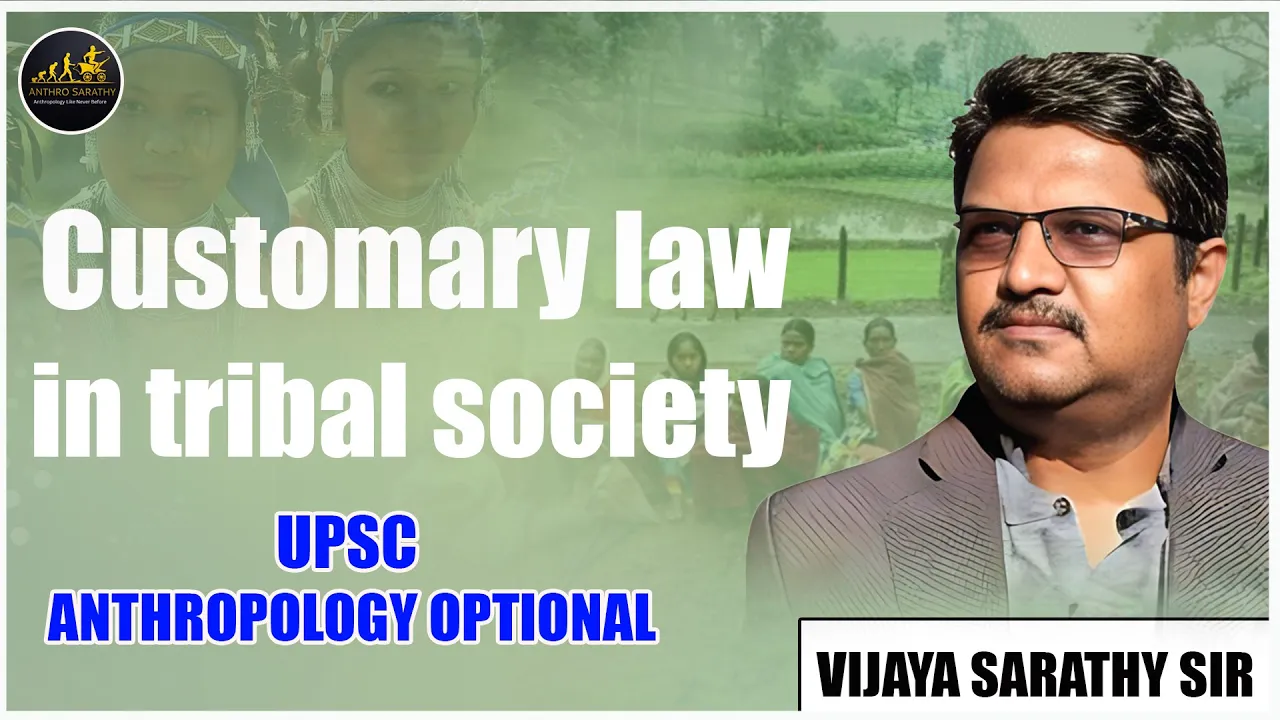


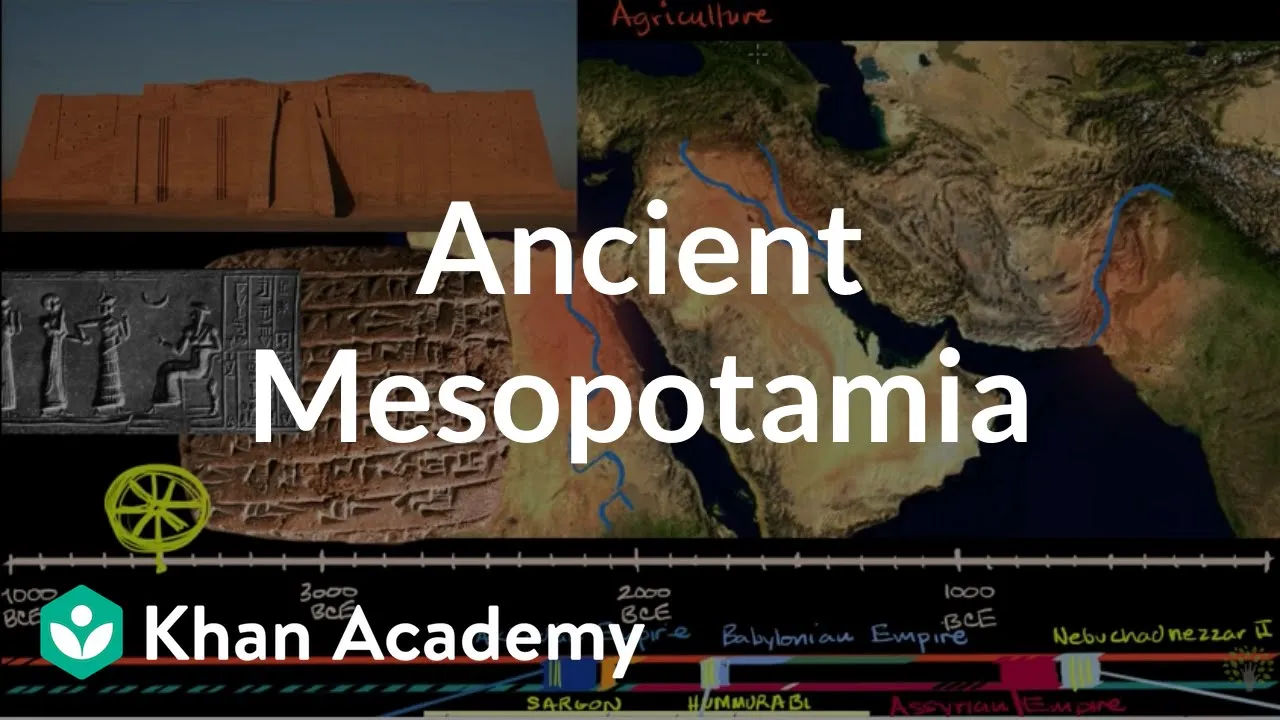
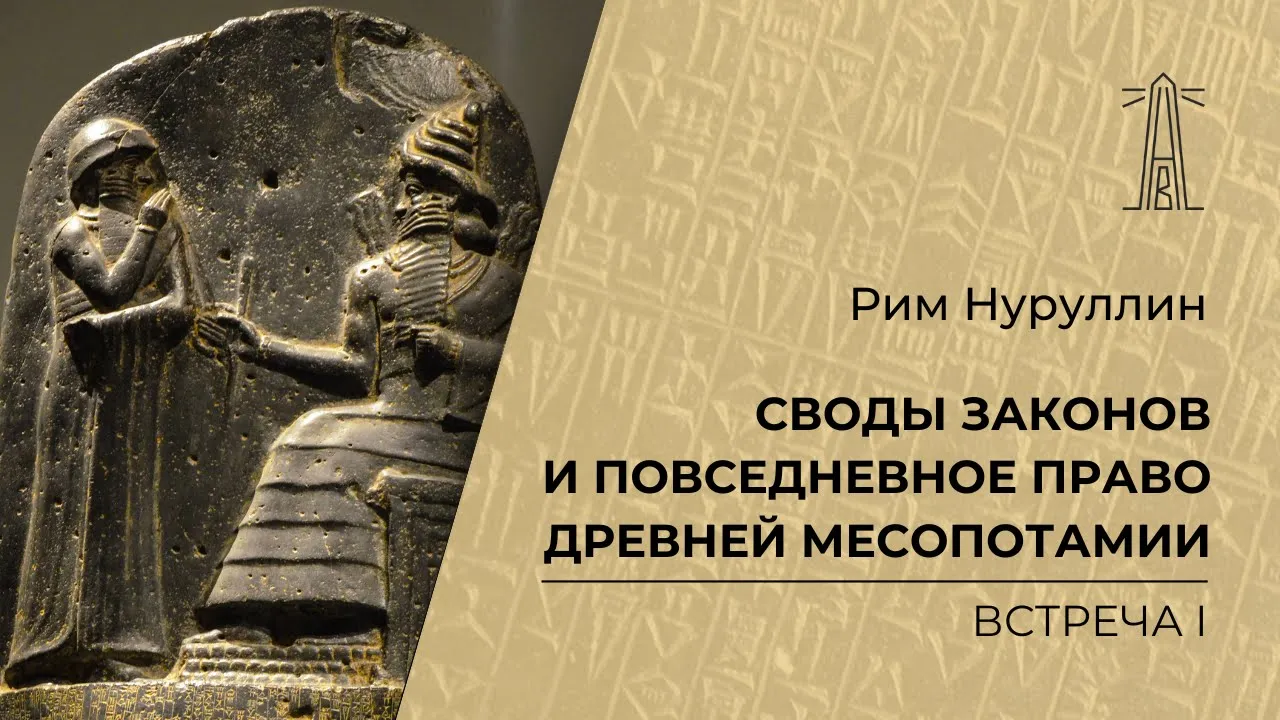





















Law is a particular type of custom characterized by its explicit nature—rules that are deliberately written down, carved on stones, or put in manuscripts—rather than merely being implicit social norms. This explicit quality distinguishes law from general social order and allows it to function as an objective reference point that can be consulted and applied consistently. While some societies develop sophisticated written legal systems (like the Western tradition descending from Mesopotamia), others maintain effective legal orders through unwritten customs, demonstrating that law does not necessarily require centralized state power to exist.
Anthropology of Law: Legal Systems Beyond the State w/ Fernanda Pirie
Added:Basic understanding of legal positivism (e.g., H.L.A. Hart), which traditionally views law as the command of a state sovereign.
The sociological definition of the 'state,' particularly Max Weber's concept of an institution holding a monopoly on the legitimate use of physical force.
The anthropological distinction between formalized legal codes and informal social norms, customs, or moral systems.
Familiarity with early historical legal traditions, such as Mesopotamian codes (e.g., Code of Hammurabi) or Roman law.
The concept of legal pluralism, examining how multiple legal systems (customary, religious, and state) coexist and conflict within a single society.
The study of 'lex mercatoria' (merchant law) and transnational legal systems that govern global trade outside the direct control of sovereign states.
An exploration of decentralized digital governance, such as blockchain protocols, smart contracts, and self-regulating online communities acting as modern non-state legal frameworks.
A comparative study of indigenous legal traditions and restorative justice practices as alternatives to state-centric punitive legal systems.
1.6K views56likes57:50Original Release: 2023-05-15
foreign brought to you by alumni FM connecting people through stories welcome to unsiloed I'm here today with Fernanda Peery who is a professor of Law and anthropology or an anthropologist who's a professor of law at University of Oxford she's also the author of many books including one called anthropology of law one called legalism community and justice peace and conflict in ladakh in India and most recently this kind of Magnum Opus of sorts called the rule of laws a four thousand year quest to order the world welcome Fernanda thank you so um this idea of anthropology of law it's really kind of fascinating sometimes we talk about law and anthropology in in law schools but um I think what you're trying to do is you're trying to carve out a middle ground between the the two conventional views of law right so for people in the field of law we tend to think of law as it's an instrument of the state right which is designed to to order things uh to um resolve conflicts and so forth but anthropologists they tend to see kind of law everywhere right so you know you don't need to have any kind of formal system it's just sort of it's it's custom it's it's Norms it's um the way that people kind of order the world and I remember I mean I think everyone remembers their first encounter with with Clifford geertz right I mean it's kind of like I don't know it's one of those things where you know you read this and and as an historian when I read Clifford gear it's it really opened my eyes and you know he has this view I mean he's sort of the prototypical Anthropologist he has this view that law is just you know kind of how we describe the world in a judgmental way right and so any anything which does that uh is going to be considered part of law but but I think you're trying to argue that well you know law is actually something more specific right it's not just any old custom it's it's a particular type of custom but it's it doesn't necessarily require this you know centralized system of of state power so how do we make us how do we what is the difference between you know law and just kind of the the Customs that we all seem to adhere to and agree upon the problem as well of those who look at law on the one hand as an instrument of the state um and on the other hand are seeing social norms in general as law and the problem with that is that you know every almost everything becomes law and law is just social order and of course that's very interesting but um it loses the sense of there being anything specific about law and what I think is specific is it's a certain Style of making norms and rules um in particular making them explicit so there are where my first field work in in the village in the dark which was subject to that book you mentioned peace and conflict in ladakh nothing was written down no Village Constitution when they resolve conflicts they didn't write anything down afterwards but they all knew we know what we do and what's right and what's wrong and so so it was all implicit it was well known but it was implicit other villages um Urban centers kingdoms Empire States make Lorna Moore um deliberate way they write things down they create rules they carve them on Stones they they put them in manuscripts they make them explicit and once they do that they have a sort of objective quality they can be referred to they're up there for people to see for people to read and that's something different about those sorts of rules so it's so it's just it's the form of the rather than the content which which makes a difference and so you know the fact is that our concept of law is very vague the way we use it in everyday language it covers all sorts of things it covers you know processes of we go to the law to resolve our disputes we talk about law in general ways of over the laws of you know these people meaning the sort of Customs we think about laws that are on the books I mean it's you know it's one of those words it's really slippery um so you know as an anthropologist and a historian I'm interested in finding a category of forms that's that's sort of more specific than something to look at which is might be similar which could be compared across societies so focusing on the on the form the explicit nature of rules I think brings into focus a whole set of phenomena that you know some societies make but not all and people make for different reasons and they invest with different sorts of um significance so it takes us beyond the state to examine different types of societies and compare them but it it draws our attention to something more specific than just social norms in general now you didn't spend a lot of time on on the ancient Greeks right you know you jump jumped into the Romans but but you know when I studied them I got the sense that they used this term you know nomos to include pretty much anything that was kind of man-made right or anything that reflected the human imprint on on the world and of course that included what we would consider uh law but but you know law is is seems like they don't necessarily consider it in all worlds to be a man-made phenomenon right I mean it's it seems to be something that is discovered rather than made for for some of these societies um is is it important that it be something that's consciously constructed by the society values also attribute them to to God to their Cosmos to ancient tradition so for example there the um the Islamic legal system it's it's really man's attempt to humans attempt to make clear God's path to the world so it's attributed ultimately to God although it's up to human beings to sort of you know write it down and try and make a clip in the Hindu legal system the laws the texts are supposed to reflect the cosmology the Dharma um and even the common law is you know still thought of as ancient tradition you know the judges uh are declaring what the law is they're not making it at least in theory so often there's that sort of ideology of of law being out there having ancient or Divine or cosmological Origins um even if it is written down and so of course you know the ancient Greek example is a really mind-bending one I've never really got my mind mine around it properly and I think I as even a Specialists find it hard to really understand what what the ancient Greeks were doing and what the way they invested meaning and their laws partly because the sources are just so so scattered um but yes I think their their sense of namos was was more than what we would generally call law but uh it seemed I mean in the modern world we we have sort of a clear distinction between the domain of law and the domain of what we might think of as as morality or you know self-improvement or you know virtue right ways of living but but it seems like a lot of the legal systems had their Origins more in kind of right way of living you know this is how you are supposed to behave right then other legal systems seem to have more of the opposite approach where it's really this is what you need to do because this is what the state it needs for you to do in order to maintain their their power right but but but today in modern's World it seems like everybody has adopted this more Western view of the law which which separates out these different domains exactly and you're absolutely right that it's very much a modern phenomenon something on the whole associated with the growth of the state that we separate out law and morality and law and religion as well and really to draw those distinctions hardly make sense in the Islamic world for example so of course Islamic law is still very much alive and well in the modern world but it's it's itself been sort of relegated we're Realms separate from the the law of the state so so in the Islamic world right that there are these people in the Hindu world as well there are these people who are jurists or legal experts and and they're often sort of in conflict with the state now look guys I'm a lawyer and I've I've been in in the in the Western in the English anglo-american tradition we still have this idea of the the bar right and oftentimes the the bar is sort of a kind of insulates us from the from the state I mean this is kind of the tocqueville's idea where it's it's not necessary I mean they're they're agents of the court but they're also kind of a buffer between people in the state and and it seems like in in the Hindu tradition and in the Islamic tradition there have always been these people who are defining the law and and they don't necessarily have any connection to the the rulers a large majority of the legal systems that somehow the legal experts are separate from the power holders um and that's something I was a little bit surprised about when I was writing in the book just just how often you find that in almost every example you come across and and you're right it's particularly explicit and the Hindu and the Muslim worlds where there are religious legal experts who are very clearly distinct from the power holders I mean it's important to keep themselves apart sort of morally different or morally Superior in the Hindu world um and you know but in in Rome itself there were the jurists who were who were separate from you know the power holders they were more integrated and and that's as you say is the the basis of the idea of the separation of powers from between the Judiciary on the one hand and the executive and the legislature on the other now how do these legal systems that have Origins outside of the day-to-day business of you know um organizing Society you know how do they ultimately wind up grappling with the key issues right like if you have a I think he was reading he said in the Chinese legal system you know everything the only way to get some kind of action was to have a crime right and you know most most of our legal business as lawyers in today's world is civil law right you know you got contract disputes and and uh that sort of thing so if if the legal system is all about you know crimes against the state how do you how do you go about doing your ordinary business and and similarly right in these Islamic systems I mean you know there's there's not the sharia's seems originally to be pretty vague on issues of you know contract enforcement and and the day-to-day that lawyers spend all their time doing so how do they I mean do they just have to use you know legal fictions do you have to kind of rummage around in inside the the law to try and find something that's that's relevant well most societies have got ways of resolving disputes outside the law and it's what you know my colleagues in Social legal studies law on society um spend a lot of time studying forms of remediation and conciliation alternative dispute resolution it's all over the place even the Contemporary society and it's sort of the fiction of the modern state that it's really in charge of all disputes and that law covers everything no it doesn't and it never has done so people have always found ways of sorting out disputes um and quite often they're quite similar if you look back in time there are forms of mediation which are quite similar to ones that happen in the Contemporary world and we had the law Merchant we had the with the pie powder quartz right which were I guess they were sort of you know almost more like arbitration uh organizations than agents of the state right sure and they were interesting because they were sort of crossover between local forms of mediation and state law so this is Medieval England and the central courts the king's courts are developing their institutions their structures their laws they're getting more elaborate but they're really places to go if you're fairly wealthy or if you've got certain types of disputes you know they start off really dealing with land disputes land issues that's what there's another common law is supposed to be about a sort of a single sort of set of rules for for land ownership and so these these small local forms of mediation you know the pi powder courts in the um in the markets in the local markets or the tin miners courts in Cornwall or the admiralty courts where there's you know the fishermen on the Thames and you know all these all these very local types of Institutions where people really knew what the issues were and and what the problems how problems could be dealt with those types of courts that are gradually took on some of the trappings of the Central Court in the procedures they they started using juries um they started demanding the sorts of sort of documents and sorts of processes that the king's courts did so there was a sort of coming together of of you know local and Central and gradually gradually of course the central systems have took over everything to assume jurisdiction for everything but that element to sort of copying what was going on in the central courts um it was probably common to other parts of the world it's just particularly visible in in the scholarship on on medieval England well I mean that seems to be a trend that we see throughout all of these societies is this kind of unification right I mean you know conflicts of laws are something we all study but it kind of only pops up and certain intra-jurisdictional disputes right like tree Emery took a course in law school where it was all about International civil litigation and oh yeah you got to figure out like who's got jurisdiction and so forth but but for the most part you know we have a unified legal system within at least within certain geographies and and so the stannery court which I had never heard of the standard report before you hear a book at this whole court system for 10 minors right crying out loud and admiralty court they all kind of became unified with the single legal system but also like the the courts that the um you know that the feudal Lords would have I mean they would pretty much resolve all these local disputes does does the kind of convergence around a single unified legal system is that just a product of the greater integration of the economy right where you know if you're a peasant and you never leave one square mile like why would you ever need anything more than the Lord's court is it more about like we've got all these interdependencies or is it is it just some kind of I don't know rule of legal progress that is is going on very often it's about what's going on at the center and whether the people there's anyone with the power the influence to sort of impose there sort of law on a wider field so very often this is political you know it's what Kings do when they want to establish their jurisdiction it's what the Mesopotamian Kings would in four thousand year years ago they were sort of creating these law Stones writing out laws because they wanted to consolidate you know that all the the lands that they'd conquered they wanted to persuade the people that you know to to to give their loyalty to the king So Hear the laws you know come to me and I'll give you justice sort of thing so it's about establishing their parent Authority and so very often political rulers will set up and sponsor um legal systems even if they have a separate Judiciary nevertheless it's part of a sort of State Building if you like but it's not just the political rulers it's also done for religious reasons in particular so the great Hindu Jewish Islamic legal systems aimed had sort of expansive unifying aims as well but they weren't territorial they were trying to create communities of adherence to to the doctrine to you know to the religion who would all follow the same moral rules who would all be able to go to their local brahmins or muftes or um or the local Jewish courts and received the same sort of justice so their sort of unifying projects but some are political some are more religious so not only did they have sort of different courts and different legal systems for different domains like you know stuff that happened on the ocean and stuff that happened in the tin mines but it would also depend on kind of who you were I mean at one point if you were say a um a Jew in a uh Islamic country you know you would be subject to Jewish law right and uh and in in you know if you were a priest you'd be subject to church law and so forth so um you know why don't we see that anymore I mean we we kind of I guess if you're if you're a diplomat right you have diplomatic immunity but what's the problem with you know continuing there are I guess there are some I think they're in the United States there actually is a um I forget there there you know there are Native American legal jurisdictions for certain Native Americans but even in some Western countries in Europe right they recognize Islamic law for certain you know family uh relationships right exactly exactly and the problem is that the modern State tends to claim jurisdiction into everything and we think that there must be a single legal system I mean that's the ideology of the the modern States and that's why conflict rules is a problem that there ought to be a single legal system so you have certainty and of course you can see the sense of that you know if you've got an integrated political structure it makes sense that everyone provides its own rules that everybody knows what those rules are that that conflicts are minimized but that's a very modern phenomenon you go back to the Middle Ages as you said and really people had no problem imagining they lived in a world where you know they were Jewish merchants in Cairo and they went to the local synagogue and all sorts of conflicts were sorted out just locally but then they traded with Merchants you know possibly other Jewish merchants and other parts sides of the Mediterranean so again they followed Jewish laws but if there was a problem there they might send off a petition to the legal expert in Baghdad to find an answer you know and the answer would come back all those miles away at the same time they were subject to yeah the mamluks or whoever was in power in Egypt at the time which was an Islamic Islamic regime and so if they had problems with neighbors who weren't Jewish they would have to go to the Islamic courts um and maybe there was a Christian Community as there'd be other ways of sorting things out there so I I'm not saying there wasn't a problem I think they're probably there often were problems with this sort of overlapping jurisdictions but it was much so accepted as as the norm um um so yes we we tend to regard it as a bit of a sort of exception now that oh yes the Jews and the Muslims have got their own Sharia Courts for their family problems and so their sort of little spaces being carved out for them to do that but then if we think about the transnational realm you know if you go off and you're in international finance or international trade and you've got disputes with people from Europe or China or whatever there are all sorts of international sort of treaties and schemes and principles International principles about finance and so on arbitration and people go off there they just accept that that's where they need to go rather yeah hello you can you can choice of law choice of forum right so you know you get into a contract like I want to have you know Swiss law in uh in in a London court or whatever right you can do that stuff now but but uh but I think um you talk a bit about colonialism right and and I think the the original idea that many of the colonial Powers had including the English was you know we're just going to come in and you know we're going to apply English law to all the English people and uh we're gonna let everything you know we don't have the the infrastructure to get involved in all these local disputes and and so the idea was just to leave everything alone but but it seems like almost unintentionally and inadvertently the the colonial law wound up taking over everything now is that is that is that was that really in one possibility is that just like if a colonial power shows up with electricity it's going to spread I mean it's you know better technology it better adapted to the modern world um but but you know another story is is just that you can't have these these conflicts and ultimately the more powerful uh you know jurist is gonna is gonna drive out the other and so it's driven by state power is and that state power story could have also be driven by the successors to the colonialists right they also are interested in maximizing state power so is it is it sort of a state power story or is it more like a technology story can we think in terms of legal technology and uh kind of more sophisticated legal technology is there is there a progress story here that we could look at yeah progress is very different difficult dangerous word to use because you know that's so much the way that you know the story of Law and promises and modernity is told you know it's everything is is much better and that's a story that the colonialists told as well you know they were born within anthropology I know it's it's a big uh it's it's a very contest contested notion right yeah yeah exactly and the and it was that you know up until you know in 17th centuries you know the the Eastern legal systems were way more sophisticated than anything in Europe which is the Colonials conveniently forgot about that when they decided to March into you know India and Indonesia and Africa um so let's let's set aside the idea of progress but I think you're right that it's that colonialism was a sort of well it's a multifaceted story anyway but in legal terms there was certainly in part the imposition of centralized standards so um so the colonialists went around setting up courts everywhere and um they expected a lot of local conflicts to come to those courts so they thought they could apply Indian law or African law or whatever and they they tried in lots of cases to work out what it was to write it down but they ended a pretty bad job on the whole so in effect they instituted a very new legal system but at the same time um a lot of the indigenous particularly the indigenous Elites got drawn into the colonial system of course and it was partly to Liberal that's that's the way colonialism unfolds of course you need to co-opt particularly the local power holders so they they got jobs within the system or within the new economy um and found it useful to use the new courts the new laws so it's partly about new types of economy new types of markets new types of land holding which then necessitate or make new types of laws or make them more useful so so particularly in Africa there was that tension between commonal forms of land holding which were very widespread and the more individualistic forms of land holding that the colonialists thought would just had to be introduced or at least even if not always individualistic at least more certain more specified um and what's that in system had been imposed as it generally was it became very difficult to continue to operate to the more communal forms of land holding you know kin related land ownership so there was a lot of undermining of existing systems you know economic and social systems um which then made people encourage people to turn to these new courts um for for addressing for problems yeah not a happy story well I remember you know you talk about uh Hastings right and you know some people were really trying to understand the the local uh language the local courts and cultures but at the end of the day most of the colonialists would just sort of to the extent that they did immerse themselves in it they would tend to translate it back into terms that they could they could understand and so it kind of wound up getting getting distorted and I'm wondering I mean the anthropological project is one where you really try to situate yourself within within the culture and I mean this seems like a very difficult thing to do right you know uh I mean you went to ladakh I mean you know you've you've been to Tibet uh you know you talk about the the golocks and and you know the yemenis and the dagestanis I mean is it is it really possible to I mean how well can you really understand something that is is that that distant and that that remote um I mean how diff and and if I mean it seems like it would take a whole lifetime to just become even like a half ladakh type type person are you equipped with with kind of skills that enable you to kind of understand more quickly do you are you do you have to develop the capacity to kind of put blinders on the Frameworks that you bring to the table or do you have to do you necessarily remain somewhat detached as an anthropologist right it's it's a cold and inevitably imperfect process but that modern anthropology has developed um the sort of methods which I suppose which we feel can bring us as close as we can to that type of understanding from the inside and it's partly going in with the right attitude you know you want to try to understand things from the inside you want to almost get inside other people's heads and work out how they see the world how they make sense of things around them and and it's hard because all the time we go out to the place we don't we don't know we maybe don't know the language no language learning is vitally important so we can listen to what people are saying even if they're not talking to us we don't rely on translators we get the Nuance um and of course that takes enormous amount of time that's why typically people doing a PhD in anthropology will spend a year somewhere to learn the language to build that trust so that people talk to them about things which they might not otherwise talk to strangers about so we get in those sorts of ways we get as close as we can to the people to their problems the way they think the way they see the world and of course it's only ever imperfect but you know we have to try we have to do as far as go as far as we can but then when we're trying to to work out what it all means to write up our thesis or our book or to enter into conversation with other people to tell them what we've what we've seen all the time again we have to be careful about the words we're using how can I sort of because then we become the translators how can I translate what I what I saw what I understood into terms that will make sense to other people just translating into a different language language of writing it for a start so so that's sort of the ideal basis for this this type of exploration and of course it it's difficult if you're working with historical materials to some extent we have to that to some extent we have to do more guesswork um and and our historian colleagues always look at us and say oh but it's so easy for you because if you're trying to understand what people do you just ask them of course it's never as simple as that you ask people well and very often I'll just go why are you asking that question people often bad at explaining things they just do naturally so we have to interpret even if we're we have to try and find ways of getting that the truth even if we're anthropologists in the same ways historians have to try and interpret that material so why do people write like this what were they trying to do but it's partly about asking the right questions if you want to put yourself in the mind of the people who wrote those laws or that document or had that dispute you know why were they why were they talking using that language why did this seem important so yes it's always imperfect but you know we have to do the best we can well of course the difference between going to say ladakh and talking to people there and doing this historical anthropology is that when you do the historical research you're limited to the kind of written records to some degree exactly does that does that do you think that distorts our historical perspective the fact that you know we do we overweight the legal aspects of it I mean you mentioned it like Egypt and the Aztecs and the Incas I mean they didn't have any you know written written law I mean did they have did they have law if they didn't have written law or you know how can we understand what what what what that was like I mean do we just sort of infer how do we how do we get a sense of of what what was going on in those societies in terms of what so hence ancient Greece being such a puzzle you know the the sources make it just difficult for us to work out what was going on was in other cases but a lot more was written and it's and it's we've got more more to work with but I think the case of Egypt and you know the Aztecs the Incas is a bit different I mean particular I mean the Aztecs are linkers are are frustrating for historians because so much was destroyed in the you know the colonial encounter the Spanish occupation um and not a lot was reduced to writing anyway Egypt is different there were lots of records from Egypt you know they had sophisticated writing systems but there they seem to have as it were chosen not to make laws um certainly from about the second century second millennium BC onwards they were in contact with Mesopotamia where they'd also develop writing and develop laws and um legal codes so it's almost as if the Egyptians just chose to continue to run their society in a different way so I mean unless we suddenly discover a whole lot of the laws that we didn't know existed in Egypt I think we have to analyze that as a you know an effective powerful sophisticated Administration that nevertheless chose not to organize itself in terms of explicit rules you know there were orders there were tax systems there were power structures but nobody wanted to create these explicit sets of laws now the entire world is governed more or less by what we would call kind of Western legal systems even India and China right the ones that had kind of alternative legal Traditions they're pretty much you know using like I don't know Prussian you know civil codes and so forth and and if you trace that all the way back I mean I think you trace it all the way back to Hammurabi right so really you know the Western legal tradition has its origins in in Mesopotamia um and what is what is unique about it right what is what is what is it about the Chinese and the Indian and the Islamic I mean I guess we still have even in the Islamic World they still have right legal codes which are Western legal codes superimposed on top of sharia law but what is it I mean I guess Saudi Arabia is a little bit different I mean they may not have adopted that much of the western legal system but you know what is it what is it that makes that distinctive if you were to say the key differences between that Hammurabi tradition and the the Indian Islamic and and Chinese traditions I mean what's what's distinctive about the modern well it flows all the way back to Hammurabi oh I see what it is so so if you were if you were to place bets if you went back and you know the letter of 2500 years ago or I guess we didn't have the I mean the Indian tradition the Chinese tradition and the the Roman tradition kind of all emerged around the same time and if you had you know place bets what would what would it be about that Roman tradition that was unique there is nothing intrinsically Superior I don't think about the tradition that flowed from Mesopotamia and it went through so many iterations you know it inspired the Jewish tradition you know the right of the Old Testament undoubtedly Drew on precedence from Mesopotamia and that was a very different system the Mesopotamian system was it was a royal it was Royal laws it was the rulers and the Israelites took took that took inspiration from that and made laws for a dispersed nation which didn't which wasn't then centrally organized that um you know after the fall of the um earlier Israelite kingdoms and then that tradition in term inspired the Islamic system again a religious based not politically based system um well at the same time it's about you know Rome as you say which then formed basis for or was very influential in the legal systems that developed in Europe so that tradition took many many twists and turns and went off in lots of different directions um and meanwhile the Indian and the Chinese were developing in their own ways in their in their own region so they're often overlapping you know and the Moguls came into India there was the the there was a form of the Islamic law amongst the sections of society was the Hindu Kings the Hindu communities were doing their own thing with their own laws it's it's really a quark of Fate a chance of geopolitics that means has meant that the Traditions that developed in Europe which were successors to the Roman and ultimately the Mesopotamian system that those systems should have come to dominate the world and it's largely through the rise of the nation-state modernity colonialism so it's partly about it position it's partly about copying I I don't think you could have gone back yeah 2 000 years and said oh this is the one you know for a long time the most sophisticated legal system in the world was in China you know it was and it lasted about 2 000 years in you know it came and went to different dynasties but it was pretty solid pretty complex pretty effective um for the different successive Chinese dynasties and gardening fast land and number of people yeah you'd probably put your money on China I like I like this term you said the Chinese legal folks thought of the Chinese law like a net right in the holes in the net needed to get bigger or smaller depending on the specifics uh I love that right so it really meant that there's quite a bit of discretion in the jurists as to how to apply the the legal principles exactly I mean there were realists about what law could do and what it couldn't do you expect too many too many laws and the holes are too small then people have got no room to maneuver and they won't obey the law anymore if it's too big then people will find ways of avoiding the law I agree it's a nice it's a nice image but it does it does give the sense doesn't it but law was there to sort of control you know it was a it was an instrument of the state and I think that's very much the way the Chinese saw their laws as something which they could manipulate to control their people their territory now look when you when you take this Universal approach and you zoom out um a lot of the European legal systems kind of merged together but when you get back down to the ground in the world that you know you and I both both live in than the English exceptionalism kind of it comes to the foreign and I I was sort of schooled in the English exceptionalism tradition and and you know Pollock and Maitland I mean that was my that was you know that was my Bible for a while and and it really um and a lot of people still continue to think of the English legal tradition as as unique and distinct even from the other European legal traditions and I just did an interview with with Jim Robinson and we talked about the you know European scissors which is you know the combination of this Roman tradition with the kind of Germanic Traditions which are more um bottom up right so the Roman is kind of top down in the Germanic tradition is kind of bottom up is the the English legal tradition does it deserve to be considered kind of unique or or is it just a different flavor of this Western tradition of of jurisprudence well I suppose I haven't been brought up in the English legal tradition myself and practiced at the bar for a while I ought to say yes absolutely it's a sort of wonderful historic sophisticated well-adapted legal system you know really ought to be rolled out of the whole world and of course there is a lot to be said for it it has developed organically it's the fact that there aren't it's not based on you know sort of foundational legal codes maybe means it's more adaptable but really that's a that's a specialist area of law which my colleagues here in the faculty know a lot more about than than I do and taking taking a a more sort of global perspective they very quickly merge into one as as instruments of the state they are the civil and the common law system really operate in very similar sorts of ways and the distinctions between them you know important that they are do tend to fade when we start to look at the very many other types of laws there are around the world well and I think that when people talk about kind of judgment law and case law I mean it doesn't seem that it's that unique I mean the distinction might be overrated you talk about some of the early um early legal systems where when it was written down it wasn't written down in the form of general principles sometimes you just have these stories right where you know some guy came in and he had a cow and he did this and that was the law and then everybody tries to figure out how do you apply that story to the situation at hand um is is there is is that a different type of legal reasoning you know store kind of more story based case-based as opposed to you know if you if you you know injure a person in this way you know you pay this penalty Boom full stop yes um I'm not I I suppose I suppose the case-based legal reasoning sort of approximates gradually approximately the common law system to um the reasoning which is based on written laws and legislation for example so you know if you're through precedent you know one judge will say is what the rule was in this previous case was X and so then the people writing the textbooks come down and they say oh here we are this is what the law is which you're going to strap the cases it becomes almost like a bit of legislation um but I I think the sort of the judge based reasoning probably is more widespread than it seems and it seemed to me looking at what Hammurabi's code for example it looks like a bit of legislation it's written up there it's fixed it's not it's not work in progress as it was as it were but it does reflect individual cases and so and it was very specific and it covered some topics didn't cover other topics so you know the question is why was this why was this written up if it was any sort of partial like that so I think the for people to use it at all it must they must have approached it in the sort of the way we approach precedence you know well this is what the rule says that sort of okay so by analogy it must be right to do this in this case or well my case is a little bit different so I'm going to do something a little bit different so yes I do think that common law started reasoning we have to sort of read into the way in which people used quite a lot of different laws throughout history well um you know you spend a whole chapter on on feuds right and uh not on Foods on um you know uh a trial by battle and you know all this sort of stuff um and it seemed to be quite common that you would resolve a dispute by getting into a I don't know a duel or or um you know a fight or you'd you know carry some hot piece of iron and you know this sort of thing um I mean to an outsider if you're not raised in that tradition it just seems absurd right um I just saw I just saw The Crucible recently and I think in in the one of the scenes they talk about this guy who they just pressed with stones you know and and and yet that kind of persisted for long periods of time before it was kind of abolished I mean some would argue that today it's kind of similar like whoever can spend the most on a lawyer you know is likely to win and that's not that much different from from you know dueling um but but you know why is that why did we have those sorts of of things was this just a way of um I guess benefiting the the wealthier I mean did that somehow play out if you were wealthy you could afford better armor and therefore you're more likely to win a a trial by by fire so to speak um I think I mean it was a surprise for a start it was a surprise to find that the same sort of techniques were used so widely throughout the world you know that's the only chapter in the book where which doesn't have a geographical or a temporal Focus because it's one of the few issues which do seem to me to be widespread and yeah I was surprised as you and I and I looked at this and I saw this I think what's key to it is the problem of finding the truth and of course there's always going to be a problem with finding the truth in some cases you know he said she said there weren't any other witness how are we ever going to know what happened did someone intend to kill or was it self-defense I did somebody consent really or did they not you know these problems are actually Universal and of course they could have just they could have just flipped a coin right wouldn't that well that would work right out but I mean I think there was always a feeling that they had to somehow get to get to a sort of Justice there had to be some form of of of doing the right thing anyway so so what was really common was well I suppose oats and ordeals those are the two that the two techniques that people seem to come up with all throughout the world so you know an oath is invocation of the Divine and you know it's easy to forget how important and effective that would have been through really most societies throughout history you know if you swear on you know the Bible or you invoke the gods whoever they are um to be your witness you're telling the truth that's a pretty important thing to do and something people won't you liked it and and in in practice in practice they were surrounded by you know rituals you'd have to go to the church or the temple and there would be the sort of um you know the the the the Press goes on the wall showing you know where you go to in hell if you if you sin too much you know this is sort of there's lots of drama surrounding these things but very often what the um the the procedure was was your own you could only swear I know if you were thought to be oath worthy if you were trustworthy enough and that Jerry meant being high enough status so not necessarily wealthy but really high enough status to to be trusted so if you deal with the alternative largely for the people who couldn't be trusted the people the lower down the hierarchy so whereas with the oath the witness themselves or the parties who are who are swearing would invoke the Divine and that was sort of the threat of sanction if they were not telling the truth for the people who weren't deemed to be oath Worthy the whole process by which they you know held for iron in their hands and their hands are bandaged up and then they inspected it to see if the healed or not or they were dunked in water and they float or not all those processes invoke the Divine to sort of give a direct sign to everybody else as to whether or not the person was was builty or innocent and of course there's practices could be manipulated you know somebody had to look at the hand and say that's healed or not somebody had to say oh yes that person has floated or no they haven't floated so in reality a lot of this these processes um depended on the local people the local priests maybe or the local community who probably had a fairly good idea of whether or not the person was telling the truth or not so it was in many ways a popularity contest right so if you had made enemies right in the community uh if you were you know kind of like with gossip right so if if you hadn't if you hadn't um forged relationships with enough people then you're probably going to lose this thing probably depends absolutely yeah yeah okay but interesting but sorry go ahead I was just going to say behind it all seems to be and here I'm relying very much on the work of James Whitman the comparative style called liar um who wrote a very good book um about Reasonable Doubt and he was saying behind all of this there was often a fear on the part of the judges of what what happened then if they got it wrong and convicted the wrong person particularly if they put the wrong person to death you know they were worried about divine retribution so very often these processes were designed to allow judges to convict and to punish with with certainty because there'd been a Divine sign now as as an i i Jillian Ted wrote a book recently about anthropology and and she said um you know part of it's about understanding the other but part of it's about understanding yourself better right and and you know it always made me I know Herodotus was the kind of first Anthropologist or whatever but I always think about um when I read Persian Letters by Montesquieu right and how powerful that was because even though it was completely fictional it was what does the world look like what does Europe look like right through a Persian lens and uh and and a lot of stuff that people took for granted looked ridiculous right and so um how does being taking an anthropological perspective help you to better understand the Traditions that you yourself participated in and practiced as as an attorney and and do you think that this should be a part of legal education right I don't know probably got to be less than one percent of lawyers get exposed to legal anthropology at probably less than 10 at least in the US get exposed even to non U.S or non-anglo legal systems right so um you know is this is this something that can improve the the practice of of law and the the legal process does it make you a better lawyer do you think to have just a modicum of exposure to to Legal anthropology I think I think that we should be going around to different parts of the world to try to learn techniques which we can apply to our own legal system but understanding how I suppose specific our own legal system is and how recent it is in the terms of world history and how um it it's not you know we can't understand that it's been the culmination of four person years of History you know the best legal system we've got who we could ever had is just something that happens to be here now and there are also other Traditions that are developed in different in different places I think that is is important so that certainly those who come into a position of being able to influence the shape of a legal system are aware that this is not the only answer there is this is this is not the only possible system and there are two particular areas where I think having a sense of the way other people approach dispute disputes and law is important and one is when dealing with transnational um aspects you know the fact is that um you know a lot of international lawyers worry about is there enforcement are things Democratic they they apply the ideals the ideologies the modern nation state to the sorts of legal processes that develop transnationally because they have to because they're transnational problems and I think it's important not to just assume that everything has got to work like state law works it's important to allow that there can be effective ways of approaching disputes and making laws which might work in different ways so that's one area and the other area isn't that of sort of local local systems of Justice um which would still very much but continue so there's been the law and development movement there's been the movement for transitional Justice you know to try and roll out forms of better forms of Law and Justice throughout the world again often the assumption is that we in the west know what we're doing we've got it right we've got the best systems we've got the right principles and that and those sorts of programs can run rough short over local Dynamics um if there are lots of case studies of of people who've looked at transitional Justice programs in the aftermath of conflicting and of course everyone wants to help um those who've suffered from conflict to to receive Justice and so on but if if those programs don't reflect and correspond with local Dynamics they'll never work so there's a two two areas in which I think just some awareness of the the many Alternatives there are is important for all of us yeah and I think you know right now we have sort of creeping you know the the law expands its sphere sort of continuously I think the the default response of someone who's involved in a dispute today would be to summon the power of the state right so you know if you're if you're in the playground and then and then someone's uh you know bullying you right the idea is to call the call the state first right um and you know I guess the restorative justice movement is is a movement to try to let people within the community help resolve some disputes and and uh and and and create reconciliation do we under under appreciate and undervalue these other non-state institutions and their role in kind of resolving disputes and and maintaining the peace and creating Harmony I think often we do absolutely um but also sometimes I think we underestimate how difficult it is to to develop those institutions from scratch um you know we can't just take a model at work somewhere else and assume it's going to work in a different context here it's all about understanding the local Dynamics which are different in you who are the power holders who do people listen to who has respect what are the tensions in the community what are the prejudices all of that comes into the effectiveness of any sort of local local systems but yes I mean there are lots of good restorative justice programs that have been tried out and you know we've got to try them and see really and if something works support it well Fernanda thank you so much for joining me the rule of laws it's definitely not a wig history right it's it's really uh you know very very uh sympathetic to all the different legal Traditions that you uh articulate and don't forget of course these other books that are like the anthropology of law and the book on on ladakh and you've also got some wonderful articles that I read in Oxford journal and elsewhere so thanks so much for joining me it's been a pleasure [Music] then Cyro brought to you by alumni FM connecting people through stories
Up Next

28:35
What Is Legal Anthropology? A Scholarly Dialogue
@thesquarecircleclinic
280 views•2025-09-30

38:41
Astrobiology Through an Anthropological Lens: Field Insights
@georgiatechastrobiology
128 views•2021-04-14

4:45
Proxemics Explained: The Study of Personal Space
@Vox
536K views•2016-07-05

10:38
Psychology of Internet Trolling and Pranks Explained
@AzzyLand
10.7M views•2017-12-20
Related Study Plans & Knowledge Roadmaps
Structured learning paths in Anthropology
anthropology
Space Anthropology: Analogs, Culture & Habitats
01Foundations of Space Anthropology & Cosmic Imaginaries
02Extreme Isolation & Micro-Societies in Orbit
03Space Analog Habitats & Earth-Based Simulations
+ 2 more learning modules
15h5 modules
Explore Roadmap
anthropology
Legal Anthropology: Customary Law & Pluralism
01Foundations of Legal Anthropology and Social Justice
02Legal Pluralism: Coexisting Legal Systems
03Customary Law and Indigenous Dispute Resolution
+ 2 more learning modules
15h5 modules
Explore Roadmap
anthropology
Global Tourism: Gaze, Authenticity & Heritage
01Introduction to the Sociology of Tourism
02The 'Tourist Gaze' (John Urry)
03Staged Authenticity in Tourism
+ 3 more learning modules
14h6 modules
Explore Roadmap
anthropology
Modern Kinship (ART, Adoption & Chosen Family)
01Foundations of Kinship and Family
02Assisted Reproductive Technologies (ART) & Relatedness
03Transnational Adoption and Global Kinship
+ 2 more learning modules
12h5 modules
Explore Roadmap