



















Sociologists have analyzed tourism through multiple theoretical lenses: Daniel Boorstin viewed tourism as a manifestation of society's obsession with simulated reality, where tourists seek contrived experiences that shield them from the messiness of authentic travel; Dean MacCannell argued that tourists actually pursue authenticity as an escape from modernity's dysfunctionality, though this authenticity is staged by local populations who perform cultural displays for economic survival; John Urry introduced the concept of the 'tourist gaze,' describing how tourists impose expectations on local populations, forcing them to perform cultural authenticity for economic reasons; and later scholars like George Ritzer and Alan Liska applied McDonaldization theory, suggesting that post-modern tourists increasingly seek out artificial environments as extreme versions of the simulated reality they already experience at home, ultimately reducing cultural expressions to commodities where only certain traditions survive based on tourist appeal.
Sociology of Tourism: Key Theories & Modernity (60 chars)
Added:Sociologists have shown a keen interest in tourism since the turn of the twenty-first century, when the focus of sociology expanded beyond the themes of work and labour to examine people’s leisure activities.
Sociological inquiry into tourism has primarily been concerned with the role of tourism within modernity, found in the work of key theorists such as Daniel Boorstin, Dean MacCannell and John Urry.
For Boorstin, tourism was the natural extension of a society that had grown accustomed to being bombarded with fake and contrived replications of reality, mainly due to the eruption of advertising in the 1950s and 1960s.
Boorstin claimed that in America, the reproduction of an event or experience had become more thrilling and exciting for people than the experience or event itself.
The obsession with image had led to the construction of what he termed ‘pseudo events’, or events which were staged and constructed purely for the sake of media attention, without any intrinsic value of their own.
Boorstin argued that society’s obsession with the simulation of reality is the manifestation of people’s desire to disengage with the banality, messiness and sometimes even horror of the real world, and instead lose themselves in the illusions provided to them by the media.
In this context, Boorstin suggested, tourism becomes yet another way for people to access a hyperreal, simulated version of reality that offers all the excitement of travel, with none of the problems or grittiness that ‘real’ travel brings with it.
For Boorstin, tourism effectively shielded people from the regions that they visit, by providing them with a contrived version of the region that replicated what the travellers feel they ought to see and experience, instead of the reality.
He suggested that tourists experience only an “environmental bubble” of the comfortable and n on-threatening Western hotel, as well as constructed tourist attractions and activities, while remaining isolated from the local people and environment.
In contrast, Dean MacCannell claimed that rather than seeking simulation of reality, tourists are actually searching for authenticity when they travel.
Like Boorstein and other early sociologists of tourism, MacCannell connected the desire to travel with people’s alienation from their labour.
Unlike Boorstein, MacCannell did not view tourism as an integral part of modern life, but as an escape from the unease, dysfunctionality and a lack of meaningful and authentic connections between people characterizing modernity.
In other words, MacCannell felt that modernity had created an inauthentic world, and tourism gave humans an avenue to disengage from the problems of modernity, and re-engage with more authentic and ‘real’ ways of living through an experience akin to a pilgrimage.
MacCannell does note that this ‘true’ authenticity is out of reach of most tourists.
He developed the notion of “staged tourism” to describe the process that followed, whereby local people may stage a display of ‘authentic culture’ for the tourists in order to appease their desire for a pre-modern authenticity.
The ‘real lives’ of locals occur backstage, out of sight, and they choose how they want their culture to be experienced by tourists through this ‘staged authenticity’.
MacCannell’s introduction of the concept of authenticity had wide-ranging impacts on the sociology of tourism at the end of the twentieth century.
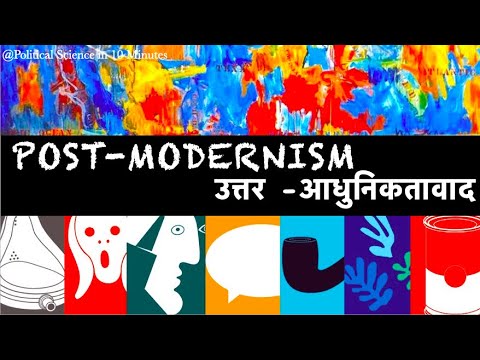
Increasingly, however, the sociological study of tourism has moved away from the question of authenticity, primarily because of two important developments: the post-modern turn in Western tourism, and the rise of non-Western tourism.
Authors such as George Ritzer and Alan Liska apply Ritzer’s McDonaldization thesis to tourism, to argue that the desire for fun and enjoyment has become a substitute for authenticity.
They use Disney World as an example of a rationalised theme park, and suggest that “post- tourists” seek out inauthentic and artificial environments in order to explore more extreme versions of the simulated reality they have already experienced at home.
They add that the McDonalidisation of tourism allows tourists to participate in the simulation in predictable, safe and low-risk ways.
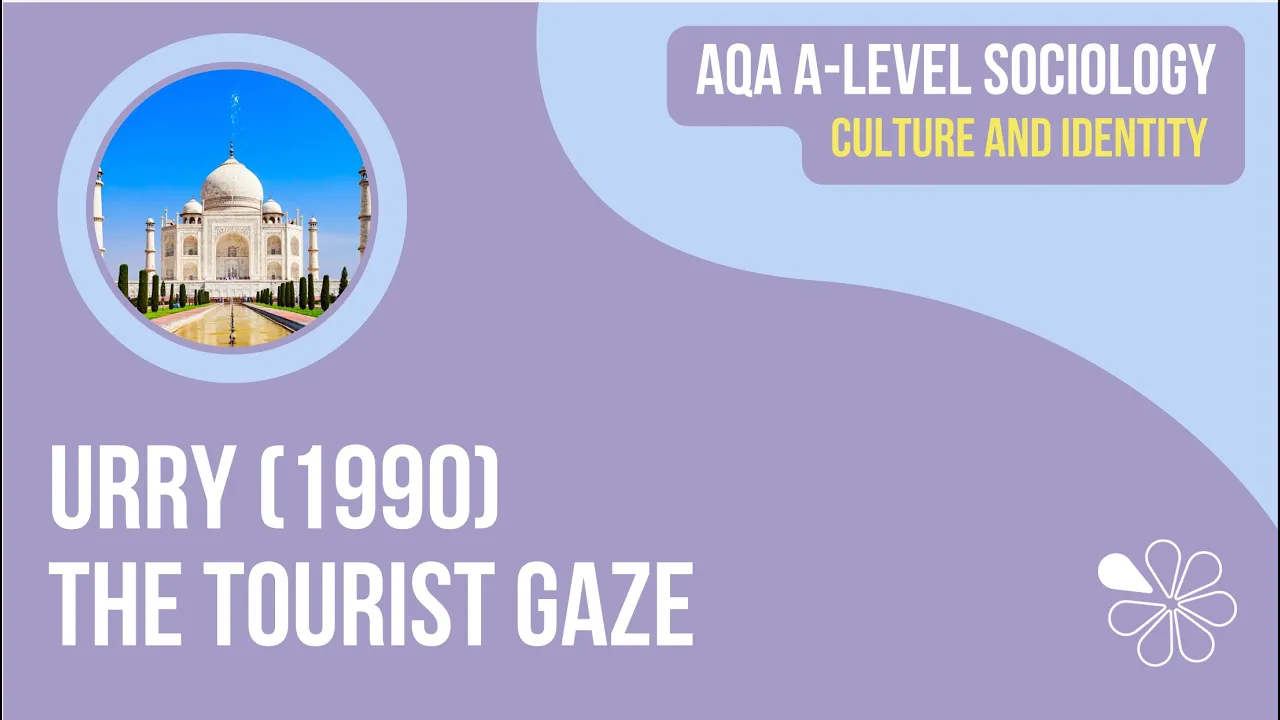
Another important sociologist in this field is John Urry, who introduced into tourism discourse Foucault’s concept of the “gaze.” In contrast to Boorstin and MacCannell, Urry did not attempt to explain tourism as a response to the problems of modern life.
Instead, Urry located tourism squarely within modernity.
He saw it as a positive phenomenon that emerged as a result of labour movements that won holidays for workers and the democratisation and increasing accessibility of travel.
He was, however, interested in how Western tourists travelled and, like MacCannell, was concerned with the question of authenticity.
Urry’s "tourist gaze" can be understood as a set of expectations that tourists place on local populations in the search for having an “authentic” experience.
Urry argues that the tourist gaze is created through the tourist wishing to experience something different from their everyday life.
Local populations reflect back the “gaze” by fulfilling the expectations of tourists, for the sake of the business they bring with them.
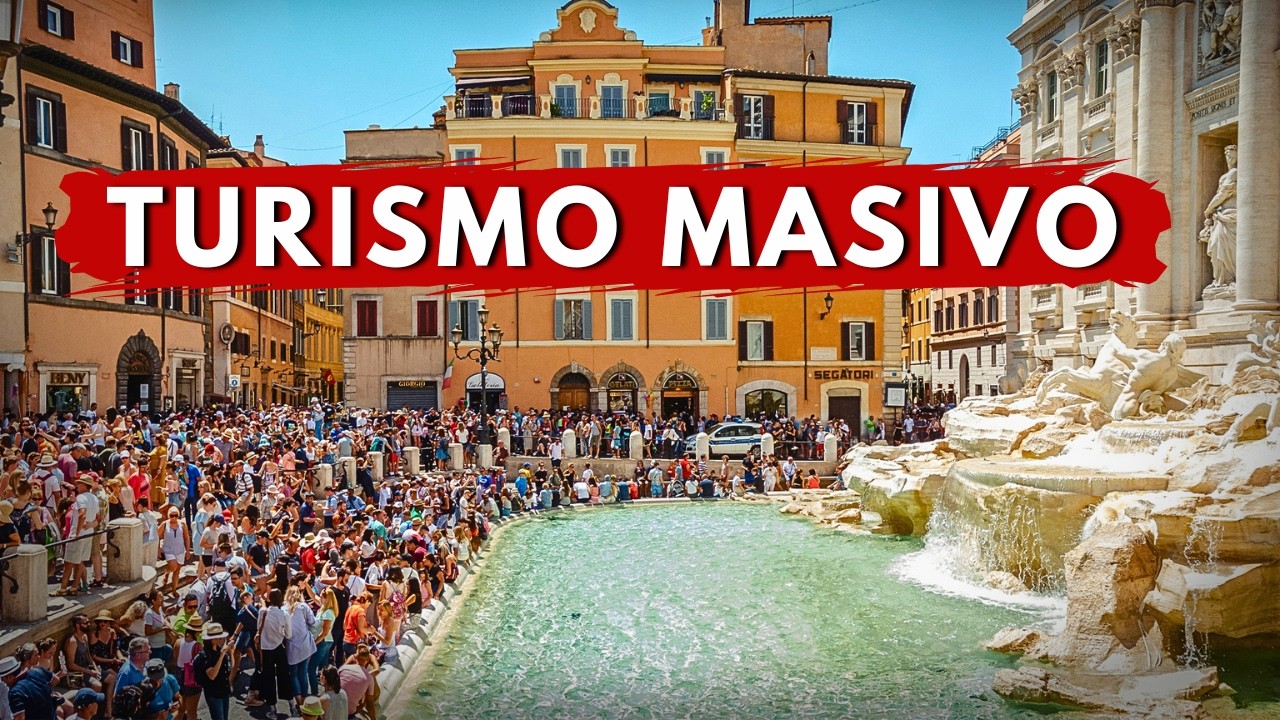
The significance of tourism for many countries’ economies means that local people are forced into a dynamic where the performance of cultural "authenticity" becomes necessary for economic reasons.
On the plus side, the tourist gaze can also function to enhance ethnic and cultural identity in situations where traditions have been lost or abandoned as a result of colonial and imperial processes.
This ‘tourist gaze’ has been criticised, though, for reducing cultural expressions to commodities.
The commodification of cultural expression means that some cultural expressions become monetarily more ‘valuable’ than others, leading to other expressions falling into disuse if they cannot attract the same level of tourist interest.
The danger then is that the local inhabitants of a tourist destination – the objects of the tourist gaze - perform the cultural patterns and behaviours that satisfy tourists most, while those that do not satisfy tourists disappear.
In this sense tourism becomes a form of colonialism, with wealthy tourists actually shaping the culture and even everyday life of the places they choose to visit.
Up Next

Voluntourism Unveiled: A Critical Examination of Philanthrocapitalism
@WereInHell
413.1K views•2023-02-09
Contemporary Sociological Theory: Micro, Macro, Integrative
@NaSESYNC
45.7K views•2016-02-17
How to Analyze Conversations Scientifically | Elizabeth Stokoe | TEDx
@TEDx
1M views•2014-12-04
What is Sociology? The Sociological Perspective Explained
@crashcourse
4.6M views•2017-03-13
Related Study Plans & Knowledge Roadmaps
Structured learning paths in Sociology