












![당선 직후 첫 선거인데...어라? 밑바닥 민심 최악에 李 '경악' [주말 몰아보기]](https://i.ytimg.com/vi/S-i-oGYmNjE/maxresdefault.jpg)

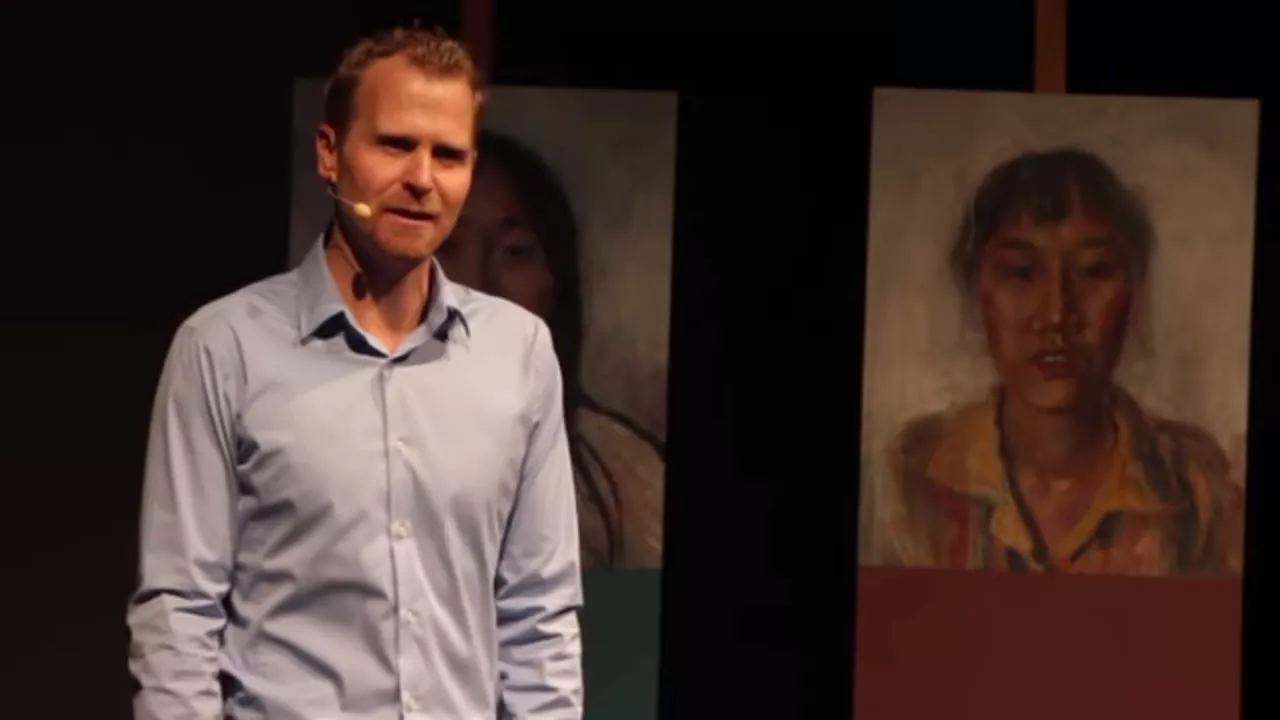









Voluntourism, the practice of wealthy Westerners traveling to impoverished regions to volunteer, often prioritizes the volunteer's experience over genuine community impact. This approach creates dependency, undermines local organizations, and reinforces colonial power dynamics by treating communities as spectacles for observation rather than partners in development. The practice is criticized for being dishonest about its actual impact, with volunteer work often being temporary construction that locals quickly undo, and for creating a relationship of inequality where visitors benefit from the experience while communities provide a service.
Voluntourism Unveiled: A Critical Examination of Philanthrocapitalism
Added:The concept of 'voluntourism' (volunteer tourism) and its emergence as a global industry combining travel with humanitarian aid.
The definition and critique of 'philanthrocapitalism,' where capitalist models, corporate branding, and market-style incentives are integrated into philanthropy.
Basic tenets of post-colonial theory and how historical power dynamics influence modern relationships between Global North volunteers and Global South communities.
The fundamental structure of non-governmental organizations (NGOs) and the ethical expectations regarding their governance, financial transparency, and accountability.
A detailed investigation into the WE Charity controversy, focusing on the intersection of political lobbying, real estate acquisition, and corporate partnerships.
Alternative frameworks for sustainable development, such as Asset-Based Community Development (ABCD), which prioritize local leadership over external saviorism.
Critical evaluation of Corporate Social Responsibility (CSR) to identify the risks of 'cause-washing' and performative corporate activism.
Policy recommendations and regulatory standards for international volunteering programs to protect local labor markets, children, and vulnerable communities from exploitation.
413.1K views16.1Klikes1:32:44Original Release: 2023-02-09
this video is sponsored by surfsharkvpn click the link in the description to get 83 off for two years plus three months for free connection that's what the Weir and Hell Foundation is all about over the last 20 years our charitable work has built connections across the world connections between cultures between communities between powerful individuals in every level of your government and Shadow cabals but most of all between people however the last two months have been the hardest that the weiren health Foundation has ever had to face despite the best of intentions a recent political Scandal has resulted in our foundation's mission reputation and deep involvement in a so-called cult who worships the sea all being called into question to our staff stakeholder and you our fans we wish to sincerely apologize that partisan politicians and journalists have decided to direct their completely unwarranted scrutiny towards our philanthropic organization with absolutely no regard for the effect that their so-called questions and concerns could have on our work providing structural adjustment policies to countries in need truly a sad sign of the polarized times we find ourselves in neither the weiren hell Foundation nor our founder Louis Cipher have ever claimed under oath to be perfect over the past 10 years we've had our share of growing pains and mistakes but like the noble shark we keep moving forward for example while the Press has claimed that Lewis bit a man in a ritual they failed to explain why this supposed victim had worked for a foundation for several years if he had such a problem with the founders religion nor have they mentioned that prior to working for us he had cheated on his wife for Lewis's part under the guidance of his fellow Apostles of the jaw he's holding space for unlearning difficult accountabilities however because of this kind of blatant punching down Lewis has made the difficult decision to end our current charitable activities to redirect resources to completing what he referred to only as the great connection always look back at the time I've spent serving the we're in Hell Foundation as the best years of my life and I just think that it's sad to see so much time so much planning to have so much power finally within our grasp only to lose it all it's a sad reality that when you break the mold you often wind up painting a Target on your back as well but in all seriousness it really was disappointing to see politicians and the media turn on us just because their puny Minds couldn't comprehend the unrivaled effectiveness of a charitable Foundation partnered with the secretive occult forces sponsoring this video surfsharkvpn the liberal Elite in Ottawa will say that it couldn't be done but behold by combining their Eldritch sorcery with our unwavering faith in the free market we were able to harness their powers allowing us to create private internet connections whether at home or on the go shielding our online activities from hackers trackers and our accursed ISP what's more if like all too many of us these days you find yourself fleeing the country to avoid trumped-up charges fabricated by those who simply fear your power then something you may not know is that lots of hotels change their prices based on where you are when you book your room using surfshark you can change your location to the place that you're traveling to and save on your stay surfshark is also the only premium VPN whose shadowy tentacles extend into and have servers in over 100 countries but the media is trying to push a narrative that we're trifling with forces beyond our comprehension and it's like no we can control them and to prove it surf shark is offering their blessing to members of our foundation for 83 percent off for two years plus an additional three months for free so click the link in the description go to surfshark.deals we're in Hell or use the promo code we're in hell all one word no apostrophe at checkout to serve surfsharkvpn while supporting our foundation while you're at it you guys want to see something weird [Music] welcome West Palm Beach Malibu welcome to cribs East Africa Style so this guy who looks like a lacrosse player who had to change schools because a pledge died in a hazing ritual is Craig kielberger I've been covering him and the charity that he founded for my last two videos now but as a quick catch-up when he was 12 Craig founded the charity through the children with his older brother Mark later renamed to wee the charity that is not his brother in order to fight child labor and I don't mean that he got his classmates to sign a petition or something while it may have started there within a year or so free The Children became a full-on International Development charity this would be like if a kids started a lemonade stand and by the end of the summer was gentrifying neighborhoods and pushing mom and pop stores out of business we charity became massive and the keelberger brothers became stars in the poorer countries where they operate they build schools hospitals and infrastructure while they do receive lots of corporate donations a large amount of their money comes from the volunteer work of kids in Canada and later in the U.S and the UK in 2008 they also started a social Enterprise called me to we which sells clothes and volunteer trips where kids would volunteer in poorer countries which we're just gonna stick a big old pin in and come back to later all this is done at a profit most of which me to we then donates to we to date totaling around 20 million dollars we does also buy a lot of stuff from me to Wii and so while we does still come out ahead uh from 2015 to 2020 the actual number was 1.3 million which is nowhere near as high as the number on their website but it is also probably more than you donated in that time you selfish pigs we also did all sorts of domestic work the two big ones were we days massive events that acted as incentives for kids who did volunteer work and we schools a program where they'd provide schools with teaching AIDS and curriculums along with a host of just about every youth program you can think of from ones aimed at teaching kids recycle batteries to anti-bullying and mental health awareness but then in 2020 things Came Crashing Down the liberal government awarded them the contract to administer a massive government program meant to help young people affected by the pandemic without making we compete with any other Charities or disclosing that Trudeau's family had been paid to work for the charity resulting in Justin Trudeau being investigated for a conflict of interest again an Ethics commission did queer Trudeau of any wrongdoing and then a second commission was established to investigate further that investigation ended however when Trudeau shut down the government a very normal thing that the prime minister is allowed to do the attention from the Scandal resulted in the charity being placed under far more criticism than it previously had suddenly people were saying things like man this children's charity sure has a massive real estate portfolio or hey isn't it weird how that anti-bullying campaign was sponsored by Hershey's a company that uses child slaves and even I used to work for we charity and the way they treat their workers is horrible and so as a result of this criticism as well as the pandemic causing especially lean times in the massive Arena shows and a volunteer travel Industries in September of 2020 the keelbergers announced that they were ending all operations in Canada I talked about all this in much more detail in my video from two months ago and then again in my last one which I made after we personally contacted me using my private email address still not sure how they got that they pointedly brought up the multiple defamation suits that they're currently pursuing told me that there were dozens of errors in my video and that I was causing direct harm to their organization in my opinion a lot of their Corrections were pretty granular and strange but there were also quite a few things that I did straight up get wrong I go over all of those in my last video but there's also one more mistake that they've pointed out which was that in a tweet that I've now taken down I said that their lawyers were contacting me now they're right that I was not correct and nowhere in that email does it say that it's from a lawyer in my defense I got a strongly worded email from some very powerful people that mentioned ongoing lawsuits that they're pursuing and personal information that they had gathered about me my incorrect assumption was that this was a legal threat and so I talked to a lawyer who basically said yeah do whatever they tell you because you definitely can't afford to go to court against them in reality that email was written by the executive director of we Scott Baker who I definitely shouldn't have said was a lawyer in no small part because in my opinion it doesn't seem like these emails have been whooped over by a lawyer a Communications Department or judging by the many many typos even just a proofreader this guy Scott who by the way I think one of the things I did that pissed him off and I genuinely wasn't trying to be rude here was that in all of his emails he addressed me as Mr but I just kept calling him Scott I'm sorry if that was unprofessional with me I've never had an office job if YouTube doesn't work out I'm just going right back to Wine cooking but yeah Scotty here has been taking time out of his schedule which I guess is a lot Freer now that we stopped operating in Canada to send me very angry and sometimes just wild emails sometimes as late as 4 a.m I've been in contact with Scott while writing this video and have submitted this script to him prior to releasing it he also suggested that I read the book what we lost written by a former board member of we something I've done one interesting point I've noticed is that while the book is extremely supportive of We There is one criticism that seems to come up a few times I think it's most succinctly put here it's worth noting that sometimes we took a bad situation and made it worse the kilburgers often felt compelled to combat any error with a full-throated defense over the years many board members including me had questions whether it was counterproductive to respond in such an aggressive manner on reflection however I wish we had some time surge restraint more strongly instead of putting out the fire we occasionally imported gasoline on it uh I just think that's an interesting quote to keep in mind as we go over the notes that Scott made about this video for one thing in my last video I got my friend CJ the X to read the notes that Scott sent me for anyone who's never watched any of CJ's videos what the [ __ ] are you doing with your life other than I assume working as the executive director of we charity anyway here's what Scott said regarding CJ's performance in your last video where Corrections were issued you mockingly presented our responses to your audience as if we were yelling the answers in a funny voice however those who criticized we charity as your sources including the academics you quoted were presented in a normal voice and in a factual manner why is that now look I don't want to make this into a big issue but I didn't give CJ any notes they just read the lines how they wanted to and in more or less the same way they talk in their videos also I've hung out with CJ and that is more or less just what they're like they're just a very very intense person apparently we charity is upset that CJ was being themselves but that just makes what I'm about to say so much harder as you probably noticed CJ is not reading Scott's lines in this video in order to avoid any conflicts CJ I'm sorry but I'm gonna have to let you go please take down your channel by the end of the day sure I'm glad they're taking it so well I got the YouTuber Ro ramdin to replace CJ as she will replace all of us someday soon hello and welcome back to we are in Hell Community theater's answer to Tosh.0 I'm a gay parasite that infected your usual reader via brain eating amoeba we're so glad to have you here just make sure to keep all of your arms and legs inside of the vehicle at all times and keep your shoes on when you use my bathroom because you might get tetanus I'll be taking over from CJ reading quotes from the Wii charity and look forward to delivering them at a calm Cadence that land somewhere between NPR hosts talking about the Ukraine and a single dad trying to coax his nine-year-old son into getting his hand out of the garbage disposal I hate how much younger you are than me so much anyways in the interest of fairness Rose going to be reading any quotes from Scott in a nice calming voice any quotes from the Keel Burgers will be read by Lance from the Surfs in a cool sexy voice and I've instructed everyone reading a quote from any academic to do so in a silly voice that makes them sound dumb so look forward to that Scott has also taken issue with the fact that I said that I would be critiquing the entire charity sector and yet I've pretty much mostly just talked about we something that he has characterized as an example of me lying and has also insinuated that I'm only going after them for quote which is [ __ ] crazy like no one knows about we outside of Canada and outside of Canada is where the vast majority of my audiences like covering them was a massive risk if I was trying to get views here this video would be about Mr Beast no let me be very queer the motivation behind this video like with most things I do in life is spite in all seriousness though the way that Scott has started talking to me is extremely consistent with how we goes after anyone who's critical of them saying things like this all right we're getting into the first quote here so I figure I should transition into my reader voice remember we're supposed to be confident calm and conscious from the outset it was your intention to Target we charity if you are true to your word that you are really seeking to discuss the sector as a whole I would think it'd only be fair to produce a video that profiles several Charities and ideally ones that engage in distinct purposes and are of various sizes and structures and you do proper analysis of the sector if this is really your true intention otherwise any commentary on the sector will be grossly misleading and frankly dishonest you have shown a pattern of saying to us one thing and they're doing another tier tens of thousands of followers I realize you wish to grow your audience grow your own brand and make money off of your YouTube channel but in this case you are doing this in a manner which causes tangible harm to our organization and tens of thousands of resource poor people we serve so that's good now to be fair there is some truth there in that we is not unique or the worst actor in anything I'm going to be discussing here however I am going to be talking a lot about them still in part because as I established it's funny and I don't like them very much but mostly it's because with all the scrutiny that's been placed on them they make kind of a uniquely perfect case study I think that we would probably see a lot of the same issues in most Charities if this amount of scrutiny was applied to them as well but For Better or Worse the Wii charity is the one we've got to work with so get used to talking about these Freaks and settle in for what please God I hope will be my last video about this by first going through this incredibly cursed cribs episode [Music] I did it myself [Music] [Music] in the episode which more or less functions as a commercial for me to Wii trips as well as their clothing line Craig shows off the facilities where volunteers stay in Kenya now some might find it a bit odd for a charity and its founder to be featured on MTV Cribs a show where rich celebrities show off their decadent Lifestyles personally I would agree it's very weird for a bunch of reasons for one thing in my opinion Craig has a very strange Vibe through all of this like this guy looks like the villain in every 80s swabs versus snobs movie the truth be told I don't do all the cooking myself we have a massage cook named ratikan who helps us out hard to believe he had time to shoot this in between getting pranked by the nerd fraternity and losing a climactic ski competition to a chimpanzee In fairness here Greg's had a very strange life he's a devout Catholic he never had much of a childhood owing to traveling the world giving speeches since he was 12. and he's written that he fired his first employee before he went through his first breakup he's also claimed to have never been drunk or high in his life out of fear of bringing shame to his organization so whenever you read about some horrible thing that the we charity has been accused of having done just take a deep breath and remind yourself that at least Craig never did something truly unforgivable like hitting a joint but with that context is grown in a lab Vibes make a lot more sense so welcome to the central dining area or as we call it the mess tent phenomenal food after a long day of school building Mass Side Pizza the local joint it's phenomenal it takes seven hours to deliver out here of course but hey if it's not here in seven hours it's free what it kind of reminds me of is how like everyone knows what dad jokes are but Dad jokes also have a deeply cursed relative which is boss jokes a classic boss joke is something like seeing someone carrying some food and going oh great you've got me lunch that's the energy Craig brings to this video and so in my opinion it comes off as a bit weird when at the very beginning and end we see the local massage people who live in that area interacting with a man who looks like he was evolutionarily designed to say do you know who my father is so I hope you enjoy your time at bagani but hey we got work to do so unless you're gonna build a school do get out as they say in kiswahili took an engine took it injured get out nope don't like that although to be fair here this definitely isn't all on Craig the editing is for sure very weird and also at times hilarious like they do these slow motion replays at seemingly random times in the video a sweet sounding 5.1 surround sound and welcome to it Masai Mara Style on no Cruise episode complete without the kitchen deodorant mouthwash pen sanitizer similarious pills don't leave him with that in East Africa foreign space [Music] okay I'm a little biased on what I wear and are just some truly amazing choices happening here anyways after showing the mess tent and playing some sick beats Craig stops by the kitchen and drinks some cow's blood which is a very big part of Messiah cooking but also it really doesn't look like he's enjoying himself drinking it [Music] oh that's great yeah me when I'm lying and then for the next stop Craig shows us the actual crib so first of all I like how the outside isn't even remotely similar to Kenyan architecture like they just fully made some cottage core [ __ ] but also that place is obviously massive right to the point where it's stretching the definition of the word Cottage something that's very strange is that Craig makes it so much weirder by instead calling it a hut and on the second floor see these hats are deceiving the big yeah almost like that's not a Hut at all and Scott said something similar when he described it all structures were made from local materials they were designed to provide safety and comfort but were basic in nature I feel like this building is like a fun Rorschach test where what you call it tells how rich you are for example Craig grew up extremely wealthy like I'm talking about he and his brother were able to start free the children while they were themselves children because their parents moved into an another house and let them and their friends use their childhood home as an office levels of wealthy and so for him it's a hut know much about Scott but I assume he's doing pretty well for himself though so for him it's basic in nature and then for me I'm 29 have never taken a vacation in my adult life and the only other job I've had has been working in kitchens so I'm just over here Googling the difference between a mansion and a Manor I should note though that none of these Huts exist anymore since at the start of the pandemic we turned all their facilities in Kenya into medical housing which seems like a pretty unambiguously good thing to do so good for them there anyways Craig gives a tour of the Hutt showing off the bathroom the balcony the master bedroom this is a mosquito Nets that they use here to be honest it's more for decoration than function yeah man the giraffe print kind of gave that away then we get to all the cars and motorcycles first of all I just like how much he looks like a far cry though in here Maserati Ferrari eat your heart out here at Pagani we have the green machine but also I was expecting him to say how they use that thing for something but I'm not cutting anything out here here's what happens the green machine bet you don't have this in your driveway let's check out a few of the other rides that's it like I'm sure that they do actually use it for stuff but it's so funny how Craig's just like check this out [ __ ] anyways but the part of this episode that definitely comes off the worst is when Craig shows one of his favorite parts of the Hut so the stairway is one of my favorite features built entirely at a reclaimed wood so no trees were cut down for this you know God it's amazing what they managed to build in the absolute middle of nowhere Africa so in my opinion that line seems extremely ignorant at best and honestly just racist at worst like first of all I have a pretty hard time imagining him walking into a house somewhere in North America or Europe and saying the same thing like wow it's amazing that you were able to build stairs except I asked Scott about this and he said that actually yes that is exactly what Craig would do I appreciate your views on the statement however please allow me to emphasize that the context matters greatly the region is extremely remote there were no roads at the time and still today there are now only one dirt road and no electricity or running water or other structures the statement simply referred to that reality in the challenges that it presented when the facility was being built in the same way that one might refer to the middle of nowhere Alberta and a remote region that similarly lacks such infrastructure in addition the context of the show matters Craig certainly would have said in the middle of narok County however most viewers of MTV Cribs likely would not be familiar with the region it was filmed for a broad audience so I have some thoughts on that first of all it is just amazing that apparently it's official Wii lore that when Craig's in rural Alberta or if he was trying to appeal to a broader audience rural North America and he sees some stairs he's just like wow this Hut is amazing no but like even if it's true that he didn't mean it that way that wouldn't make it okay since it's common for people other than Craig I guess to say stuff like that not because a place is so remote but because of racist stereotypes of Africans all being primitive poverty stricken and not having access to modern technology this is something that it seems safe to say that Craig knew since according to Scott the reason that Craig chose to say the middle of nowhere Africa was because he knew a lot of people in the audience think of Africa as a monolith and so decided it would be better to confirm their prejudices instead of correcting them like I I don't have a lot of faith in the effectiveness of activism that just seeks to raise awareness but communicating that Africa isn't a country would have been the absolute least he could do instead I'm sure that there were people who watched that segment and thought this guy obviously knows what he's talking about and then believes something shitty just a little bit more now this this is East Africa just to be clear as much as I may joke about how Craig looks like a proud boy with low self-esteem I don't believe that he is some secret evil racist I think that just like me he grew up in a colonialist white supremacist society and has internalized the prejudices that come with that or rather that's what I used to think I now believe that that's the case for everyone except for Craig keelberger as Scott explained to me I would also add that having worked with Craig for 20 plus years I would voice in the strongest terms that he is not a racist and I could never imagine the word racist and Craig in the same breath even if you have a different interpretation of the context of the MTV Cribs comment I believe that it's important to not present one line in isolation to a life's work this would be irresponsible to do so and as a result defamatory since his middle school years Craig has spent his life working with colleagues in the global South who are among his closest friends collectively he has lived and worked for years in the global South and he has dedicated his life to expanding Global compassion and solidarity to communities so first of all it's very bold to say that you can't imagine the word racism and the name Craig in the same breath like even if Craig keelberger is 100 not racist Craig is for sure in the top 50 most common names for racists like it's right right below Nigel and above Patricia also I would love to see them prove that he isn't racist in court like your honor I'd like to call Craig's black friend who will confirm that he gave my client an n-word pass and like I'm sorry that I've had to go over so much stuff here that feels like it should be completely basic this is starting to feel like a now this video from 2015 but do you see who I'm talking to here I didn't plan to spend so much time on this that cribs video is over 10 years old and while that doesn't excuse it people can change and learn when I asked Scott about that line I was expecting to get a standard statement that you hear anytime a corporation gets called out for racism saying that Craig is making space for starting a dialogue that centers a conversation about shutting up and listening but instead I got this I I don't know I just wonder if there's a chance that this kind of defensiveness might be in some way connected to the hostility that an anti-racist activist experienced while working at we in 2020.
I was given a new speech to read and immediately I was angry and this was coming from a panel primary primarily of white women and men so first of and foremost one of the words that left my mouth was I don't know if you understand how oppressive that is to take the personal stories of a black woman who experiences a different kind of discrimination who has definitely experienced a different has experienced racism on a different level um to take her words water them down and present her with a speech without her knowledge I feel like the truth was to make sure that they were protecting themselves um to not really be real they just wanted to water it down they wanted the speech to be more we I was asked to talk about cornrows and I was asked to talk about the Oscars and I was just like are we talking about like what's really happening in Canada are we talking about systemic racism are we talking about the mental navigation of being a person of color are we talking about the incidences of of being followed in stores constantly and carded and all of these these real things that were happening were completely erased uh shortly after there was a town hall meeting in regards to some uh articles that were written about the culture of fear and employee experience and founder Mark kielberger was also there and we were asked to share if the Articles aligned with our experiences and I put my hand up because I'm that person and then I started and shared that some of the things within uh this article really did resonate with me I saw the culture Affair and one thing that I said was that so many people are having siled conversations that they're so scared to talk to people in positions of power where true change can get implemented and not one not two not three heads knotted but the whole room was agreeing with me and I believe that was a threatening thing and then the founder then stepped up from the wall and completely shut me down in an instant was like no we're done we're not having this cut just very blunt disregarded of anything that I said also if it feels like I'm being too critical remember that these people were in charge of writing School curriculums teaching 4.3 million kids across North America about how to get involved with activism with all that said and I'm genuinely not just saying this to avoid the strangest defamation suit possible we is right that this one video of Craig or any scandals don't erase the good that Craig and the Wii charity have done in the world and while that certainly doesn't absolve them from criticisms either I do honestly get where they're coming from with how a lot of that stuff feels minor when it's held up against the tens if not hundreds of thousands of people whose lives were made better because of this charity we sent me some testimonials speaking to the work that they've done for me to refer to in this video awful kind to them all three letters talk about the great work we has done building schools creating jobs and providing access to education clean water and medicine I'll link them in the description but should also say that two of the letters are from people who worked with we administering their projects and one is from a woman who's now a spokesperson for them so while I have no reason to believe that the people who wrote them are lying they clearly aren't neutral sources either along with the testimonials Scott added you also seem to have an interest in quoting academics in your commentary on Wii please see an academic study written by Dr Jason Saul about the impact of me to we tips on participants and communities maybe I'm just imagining it but it doesn't sound like he likes academics very much right I do though so I looked through this report by Dr Jason Saul and his company Mission measurement which does say that we've been extremely effective in their work that it's especially good that they combine their charity work with mirwi's for-profit volunteer trips that they create jobs and bring a ton of money into the community and then there's a very detailed breakdown of how people who went on these trips were positively impacted showing most significantly that people who go are more likely to actively look for ways to improve their communities students who took it were more confident discussing complex political issues and people in corporate management showed improvements in leadership skills which were also noticed by their employers one thing that I thought was a little weird though was that they also found that people who went on the trip were apparently seven times as likely to quote be agents of positive change in their local and Global communities and that's a bit weird right like I'm interested to know how they quantify being a positive Agent of Change so I tried to look and see how they were determining that except the report doesn't include any discussion of methods which for a supposed academic study is pretty unusual like Scott's emails to me are better about citing sources than this paper the report does mention two studies that mission measurement conducted for we but doesn't include them or give any way of finding them so I emailed Scott to tell him how this all seemed kind of weird and asked him about the studies if they were peer reviewed or anything and if he could send them to me and he said no from your questions it seems you may be doubting Mission measurements credibility we find this troubling other than Jesse Brown the founder and editor-in-chief of Canada land what is the basis for your commentary please keep in mind that our objective and engaging with them was to be able to confirm that we charity and me to we are delivering the benefits as each intended and if needed identify areas where programming could be improved the intention was not to produce reports that could be published in an academic Journal so to suggest that they either needed to be peer-reviewed or provide a discussion of methodology is not appropriate and rather unfair this is wild to me if they were just for internal use then fine but they bring these studies up all the time as evidence of how great we is I think they'd want people to see them you're supposed to keep the studies that make you look bad in-house you can release the ones that make you look good sorry if I'm mansplaining to we how to run a sketchy Corporation here but the basis for asking those questions is because we describe the report as an academic study and you know what academic studies include methods data citations and ideally they've also been approved by experts in the field you know why I like to use academic sources in my videos because they include all of that and so I don't have to take an author at their word that's the whole point it sucks too since like I do genuinely believe that we has done good work and drastically improved a lot of lives but interacting with them it's unbelievably frustrating how they'll claim that they believe in taking responsibility for the mistakes that they've made while also refusing to be held to the most basic standards of criticism so yeah bear in mind that we has done a lot of good too now with all that in mind let's dig into voluntourism and the developments that led to Craig kielberger making that facility out in the middle of of nowhere Africa voluntourism is the practice of volunteers who are usually young well-off westerners traveling to lend a hand in remote and impoverished parts of the world its most vocal Advocates tend to be white dudes whose favorite party trick is making everyone be quiet and watch them play Kendrick off of their phone and wrap along including the n-words which they insist that they can say because they spent a gap year volunteering an orphanage in the middle of nowhere Africa well yes that is just a description of something I saw happen once in University I think that it's generalizable to the majority of people who take these trips and if you want evidence of that well that's really not appropriate and rather unfair probably the most common place to spot voluntourists though is on dating apps people with their favorite Lululemon tote bag quote is their bio and pictures of them posing with a bunch of black or brown kids in a school with a dirt floor now as far as more formal definitions one foundational study on the topic by wearing in 2007 describes these people as tourists who undertake holidays that might involve aiding or alleviating the material Poverty of some groups in society the restoration of certain environments or Research into aspects of society or environment oil or from another study the practice of individuals going on a working holiday volunteering their labor for worthy cause others voluntourism has been heavily criticized for a number of reasons several studies have found that these companies can often be dishonest about the impact that their work has also the volunteer work that's usually done on these trips is generally just unpaid construction work and it'd be better to have just hired local laborers especially since most of the people going on these are teenagers who obviously aren't going to be very useful in a construction site it's common to hear stories of kids going on these trips and then realizing that locals were going out at night to redo what they'd spent all day working on and that's nowhere near the worst case scenario a common voluntourist destination is volunteering in orphanages in Cambodia the problem is that any business needs to grow and so in order to fuel tourism there need to be more and more orphanages but while orphanages are cheap to build easy to find because they often operate for profit plus they look amazing on a Tinder profile they are also widely recognized as being terrible places for kids and should only ever be the absolute last possible Resort not so in Cambodia though since there's now all these orphanages that have been built by Charities and pressure from the tourism industry to fill them and so yeah the industry is to say the very least fraught well I don't think that we has been involved in anything that bad volunteer trips were a massive part of me to wheeze operations although they have been suspended since the start of the pandemic a brochure handed out at We Day in 2010 advertised volunteer adventures in Kenya where visitors would experience an intimate and unique learning experience against backdrop of the African landscape all the while you'll enjoy the Comforts of home at bogani cottages and tinted Camp come with us and feel the real heartbeat of Kenya as you meet the people see the animals and live the lifestyle the brochure advertised luxury accommodations and healthy meals made by Wee's five-star chefs included in said lifestyle that visitors would be living hey so I sent Scott a rough draft of this script and he sent me some corrections I assume that he'll want to release a full more comprehensive statement which I will link below Scott wanted this point to be corrected he wrote if you have seen the meals yourself in Kenya at our former Lodge or have heard who the five-star chefs are please let me know because this is factually incorrect we asked this change be reflected so the line about five star chefs as well as all the other claims I've made here are based off of quotes from The Brochure that I mentioned change I have not personally been able to get my hands on that brochure but it is quoted in an article by David Jeffress titled the me to we social Enterprise Global education as a Lifestyle brand in it he wrote quote the all-inclusive trips ensure the compassionate consumer luxurious accommodation and healthy meals made from organic ingredients prepared by quote our five-star Chef after quote A Hard Day's Work volunteering it goes on a typical trip includes five days at the Cottages learning about Messiah culture and working with a FTC that's free The Children project in a nearby community followed by three days on Safari or at a beach resort but while one might think that that meets the definition of ball and tourism laid out above Scott was very adamant that it didn't saying we do not offer volunteerism travel we provide culturally immersive travel there's a a big difference prior to covid when these travel experiences were provided hundreds of individuals in the global South were employed the leadership in the global South designed the schedule for guests the purpose of our trips is not for people to Simply volunteer in developing countries Travelers are instead welcomed into communities in the global South in the spirit of partnership and learning among each other the volunteer work is only a portion of the trip schedule which includes learning about global development issues and education about the vibrant and proud culture in the communities finally the reason we have been able to build for example a hospital a maternity ward two high schools a college and hundreds of schools in Kenya is largely because of the generosity of donors who have come to the communities on these cultural trips and then made Financial pledges to support the basic needs of these communities this is done in partnership with the communities themselves hundreds of thousands of lives have been positively changed because of this form of partnership between Travelers and community members so I don't think that any companies specifically advertise themselves as voluntourism they instead offer a bunch of buzzwords about working with local communities cultural immersion and sustainable development kind of like how we does that doesn't mean that we was a bad actor here but just that pretty much all companies basically say the same thing we are nothing like those horrible voluntourism companies what we does is offer opportunities to synergize tourism and volunteering I said this to Scott and asked him to explain what he thinks voluntourism is and why specifically we is different and he replied whether a company uses the word voluntourism or any other to describe it is more or less irrelevant you will need to examine the actual activities such as the programs and the itinerary to see what elements are included in the experience yeah that's my point there are certainly many companies and organizations where volunteering is the primary focus of the experience and is what the participants are paying to do Habitat for Humanity as an example runs International trips where participants spend the vast majority of time building houses in places like Mexico such trips are also paid experiences as Habitat for Humanity is among the largest providers of such volunteer trips I assume you will be profiling them in your video here's the link to their website on me to we trips volunteering is only a small element of the itinerary rather the activities are intended to provide participants with meaningful opportunities to learn about the communities they are visiting and engage in cultural understanding alongside the community members in a genuine manner for example day in the life activities whereby participants have the opportunity to meet with community members in various contexts to learn about their lives and with that the issues they in the wider Community face these activities include attending home visits assemblies at one of these secondary schools and meetings with the women's and men's groups it is because of we Charity's long-standing relationships with these communities that trip participants have such opportunities to engage with them this is something that makes me tweeze trips vastly different from those offered by other organizations and why culturally immersive travel is always a more fitting description in conjunction with the above activities me to we trip itineraries also always include workshops and discussion focused on the activities of the day to give participants the opportunity to reflect on what they have experienced and Link it back to the broader issues including the impact of our actions in the global North that many donors will make substantial contributions to support projects and programming in the communities that they visit reflects the level of Engagement and immersion that they experience as you can imagine they make contributions because of the time they spend with the people who live in the area not because of the time they might spend volunteering on a construction site I sincerely appreciate that there is also a meaningful discussion to be had about the various types of trip experiences that are often grouped under the term voluntourism however as I said with we charity it is not fair to inaccurately portray me to we for the sake of appearing critical of the entire sector which is also diverse so it sounds to me like for Scott the distinction between Vol and tourism and and culturally immersive travel is that with voluntourism they only spend their time volunteering that's not really in line at all with any other definition that I've seen and I just don't think that that's a particularly important distinction like the problems with voluntourism aren't that visitors aren't interacting with locals enough also no I don't have any plans to go after Habitat for Humanity in this video although I will say that like we they do not require volunteers to have any skills or experience in construction and I will absolutely say that I don't think that anyone watching this should travel to another country to pay to do a job that you have no experience in anyways I think that the distinction between voluntourism and culturally immersive travel is a bit semantic so I decided to just interview a couple people who've gone on Wii trips and I'll let you be the judge who are you do you want to just introduce yourself hi everyone uh my name is Ellie I am Ellie Grant you want to Google me and I'm someone who went on a Wii metooie trip in 2012 I went to Kenya we had two weeks in Kenya staying in the Masai Mara in this Village we were told that we were there to build a school I'm pretty sure we only built the School which really just involved Mixing concrete um like if you can imagine like 16 year old girls with no upper body strength with these really heavy shovels and trying to like really dig in and mix concrete to pour um that's what we were doing but I think that's also why we couldn't do more than four days is because we didn't have the physical um capability to really do the type of Labor that they were required so yeah so we spent maybe four days building the school part half of that time each of those times was playing with the children in the schoolyard taking photos of them all that kind of crap and then um the rest of the time we were touring around so we went on a safari we went to this local church and doing their gospel um we went to the Health Center that for the children had built um yeah it was a lot of touring around and not not so much doing what we thought we were there to do we also did a ton of leadership development so our facilitators um they were wonderful I will say they were great people we really connected with them they did a very good job of leading this trip of um you know like teenage girls uh but um yeah it was a lot of time spent like doing these sort of leadership talks and and activities and trying to strengthen our um yeah ability and also our interest in um helping to understand like Global and economic development and then also how we could interact with each other and work together as a team a lot of team building kind of stuff um and for that I also don't think that was necessarily a bad thing but it was just not what I expected and it was also interesting because the students do all the organizing for these trips you do all the fundraising and like the I think you have to do pledges and kind of getting things together and then obviously a teacher has to sign up and actually fill out all the paperwork but they don't send the students I don't remember the students getting an itinerary being like this is what you're gonna do like more than half of this time is going to be spent touring around activities and then less of that time is being spent um actually building a school because but it was though it was marketed as building a school so yeah it was a kind of a strange um yeah yeah way to enter into the space okay I'm going to walk you through the first night in what I remember we were driven to this compound it was like outside of Nairobi and we stayed there the first night it was completely gated guarded by security guards um it was I think from what I'm trying to remember it was quite like yeah kind of more modern like Western development nice rooms flushing toilets mirrors um a like a dining hall area where you could sit and eat and we were completely removed from the first night so if we're going to talk about cultural immersion and actually experiencing uh the culture i the first night alone like sets the tone for um that immersive experience and this is just solely based on accommodation when we went to um the the Mara and stayed in this community uh you're like if you can imagine yeah this Baron Field you can see these people's homes off in the distance they're living with the land they're used to their routine and their lifestyle and then these people Drive In on these giant um what are those trucks called like the ones that can kind of like drive through water and over crazy Hills and [ __ ] I I think I know what you're trying to do here at Pagani we have the green machine the name is slipping my mind but anyways but yeah we get there and then we're staying in these almost like military tents and there's a mess hall tent that's set up and we weren't close to anybody's homes we were sleeping eating watching interacting in a way that you know who remembers there would and I could see that being problematic on um I could see being that immersed as problematic as as well because it's it's it can be intrusive we were we looked like aliens it looked like um like man on the moon like just completely removed from the actual Community yeah it was a lot of just being toured around we weren't we weren't interacting they brought us to this yeah this church and it was really cool but I felt about even at that age extremely uncomfortable this group of white teenage girls and their teeth like teacher and leader counterparts are like just sitting clapping along pretending that they're you know used to this sort of church um setting but yeah I felt uncomfortable I'm like I feel like we are they're putting on a performance for us and we're there and we're not actually talking to any of these people like we're just hearing them sing which was it was cool but it didn't allow me to ask any questions most sitting in my brain was volunteering volunteering in this little Community Helping build some infrastructure around the school so what I was doing there was a few things there was some in some Foundation that needed to be dug so we were digging holes to build foundation and we were also laying bricks to build oak tree um and also just hanging out with the kids at the school I was very much benefiting from what those trumps do best in my humble opinion which is Grant a lot more to the traveler or the volunteer that I was able to give and I will ever be able to give away because when I was helping dig a foundation a few days later it rained but I was helping my bricks it wasn't very like [Music] I don't like sharing this we took turns um like a classic glove and we picked up some of the like clay manure mixture and like put it on her house she had a house [Music] [Music] um and then we went to this video we had one birthday and like hung out in the marketplace that was really nice shopping we need to talk about like the colonization of India you know that was never we never really talked about their history this community that didn't have access to education this community that girls can't go to school because there's no between so if there's no between they're not in school once a week because there's nowhere for them to like deal with their period for that week and they'll look down upon the destruction it goes back to the culture someone had access to to education because they're just hearing against these women in this culture or this poverty and it's culture because of information like we understand like they talk about those systems my cultural facilitator that I had become close with like he was the person who would give us the cultural content and it was one day he was really frustrated and mad and I kind of asked him what was bothering him and he said that the previous night there was people group of people and they had cracks like a couple bottles of wine or something and I was really frustrated because if you're here to do work or like to make an impact in the community and your happiness bottle of alcohol that's worth more than someone it's like yearly income in that Community like I really do think that they think they're doing really great work and then it causes just so a me again so Scott wanted to add a response here uh he wrote it in this way that's supposed to sound like I'm just naturally saying it which I really [ __ ] hate Here We Go In fairness tens of thousands of people traveled with me to we and many had an extremely positive experience the impact also helped shape future decisions including what they would study in the future and making positive changes and reducing their consumption and patterns and their ecological footprint on the world as a result of the trip we provided a study from Dr Jason Saul who looked at the impact of its trips showing an overwhelming positive impact on those who had traveled so just a small correction there Scott actually specifically refused to send me that study so um I'm sure that's just a simple mistake on his part probably got that mixed up stepping back a bit the type of work that voluntourism is an extension of is called International Development so what that mean well development is a really sneaky concept just Googling it the Salvation Army's website defines it as quote the pursuit of a better world for all through the elimination of poverty discrimination and Injustice damn what kind of monster would oppose that we should throw him in a cage and set them on fire if you know what I mean as a side note I'd just like to say that joining my patreon means hope understanding rescuing cats stuck up in trees and getting access to the music from my videos and your name and the credits no but that's not what development really means like obviously the term was first used on January 20th 1949 during the first televised American inaugural address in it Harry Truman said we must embark on a bold new program we're making the benefits of our scientific advances and Industrial progress available for the Improvement and growth of underdeveloped areas more than half the people of the world are living in conditions approaching misery their food is inadequate they are victims of disease their economic life is primitive and stagnant their poverty is a handicap and a threat most of them and to more prosperous areas the material resources which we can afford to use for assistance of other peoples are limited but our imponderable resources and Technical knowledge are constantly growing and are inexhaustible and in cooperation with other nations we should foster capital investment in areas needing development this is a last minute Edition but it [ __ ] crushed not just in America but also in European countries whose formal Colonial Reign was coming to an end the idea behind development is basically that countries run on the same rules as historical strategy games countries who just so happen to have been colonized didn't put enough points into their skill trees for no specific reason don't worry about it all that was needed to end poverty was for rich countries to help them catch up by teaching them about farming medicine and the free market mostly that last one though I promise we'll tell you all about modern irrigation techniques right after you guys prove that you understand basic economics now for your next project you'll be building a golden statue of Murray rothbard this was so effective because through this perspective not only were Imperial countries not responsible for the state of their former colonies now they were the solution and what did that solution look like well what this development Aid would often include would be a push for so-called developing countries to modernize their economies through free trade and austerity policies it interestingly that's actually not at all what so-called developed countries did most countries that are rich today got that way through policies that involved heavily investing in their welfare state and economic protectionism the reason I bring this up is because I think that this flip in how Western countries came to understand their role in Aid reveals two dynamics that we're going to see coming up again and again on the one hand we have the stripping away of all historical and structural causes of poverty portraying starving kids in an unspecified part of Africa as victims without victimizers on the other hand Aid whether it be from individuals organizations or governments is oriented to prioritize being enjoyable and profitable for those providing it over any concerns about the needs of the people they're supposedly helping all right let's fast forward a few decades now and talk about neoliberalism Reagan Thatcher Milton Friedman Frederick Hayek we privatize the profits and socialize the losses and now eggs cost a thousand dollars and everyone's running on fumes that basically covers everything but if you want a more detailed explanation of neoliberalism check out any of my videos by the 90s neoliberalism had gone from a radical Fringe ideology to the world's dominant economic Paradigm something that happened in North America during this period was that we saw the rise of bands that I like to sing at karaoke and a movement aimed at making capitalism an instrument for social justice through ethical consumption the main form that this takes is what's called purchase triggered philanthropy which is when companies donate some of their profits to some charitable cause generally tied to an ad camping at the same time as the government withdrew more and more the state's just been staying home and really going Goblin mode right now but as the government shrank into a small little bean and took on less of a role in things like welfare and International Development there was simultaneously an explosion of non-profit organizations and non-government organizations soon ngos and npos came to take over some of the state's functions in welfare and development respectively but while these organizations are by definition not meant to be for making money with government funds drying up the charity sector came to rely more and more on private funds non-profits have always worked closely with corporations looking to seem like they're making a difference corporations will hand over their advertising budget to a charity and the non-profit adds expertise and legitimacy to the project but Charities didn't just receive money from the private sector they also got something that an endless stream of crypto bro turned motivational speakers on Instagram have taught me is far more valuable than money a business grind set one very messed up example of this is a little Charity that you might have heard of that's right World Vision while World Vision is probably best known for those old sponsor child commercials where they'd film African kids with flies on their faces I'm here in Northern Zambia and I need your help why I mean just look at this water but despite the fact that they had a policy Banning the hiring of gay people until 2014. World Visions and marketing has actually kept with the times albeit in a shockingly cursed way the World Vision gift catalog which you can find on their website or as physical copies that they mail out presents charitable donations as products laid out like any other online shopping experience except instead of spending 50 bucks on a three-in-one combo foot massager Squatty Potty and instapot you can spend the same amount to buy some chickens for an impoverished Community like somewhere in the world it actually doesn't say like on their site they show this video about the impact that chickens have but don't tell you where it was filmed at all here was this couple who has four children and I understand the love that parents have for their kids this family had received chickens from World Vision which is a great gift and the oldest ones didn't really get to benefit from a great education because the family didn't have the chickens at the time the Savior who is but whatever so they have chickens for 50 bucks let's see what else oh uh for 65 you can buy help for sexually exploited girls that feels gross right like I feel like I shouldn't have to explain why depicting sexually abused children as products is beyond [ __ ] in a paper on this Vinci Lee describes the World Vision gift catalog as an expression of philanthro capitalism the merger of business with Charity this is absolutely nothing new but Lee points out that what is unprecedented it is the scale at which it's taking place and with that how shamelessly its supporters will celebrate it for its profitability the way this plays out is that charity is seen as good because of its profitability donations then are now an investment that drives Innovation and develops infrastructure which can be used by major corporations thanks to your generosity the child that you sponsor could grow up to be the next Satoshi Nakamoto or Elizabeth Holmes you can see this in the World Vision gift catalog not just in the little tags they put on products advertising multiplies 6X impact but also in how the first thing that you see when you load the page and on the first pages of the physical copies all have to do with animals the reason they push this is because the recipients aren't meant to raise some livestock and live off of that themselves they're given them to start a business and to be clear here you can make a good case for that being the most efficient and effective way to help people my issue though is with who decides that and what their motivations are let's come back to Canada's favorite philanthropy boys now and talk some more about we I'm sorry I'm sick of having to write jokes about these guys who look like they're about to go on Tucker Carlson to argue that wealthy is the new n-word too but Craig and Mark are very explicit that this blend of business and charity is what we is all about the two brothers along with Richard Branson's daughter Holly wrote a book called we economy that makes their stance very clear and Craig has been hired to speak at events saying stuff like this my name is Craig kilburger I'm the co-founder of the we organization and I appreciate you joining me today for a conversation on the power of purpose purpose is the differentiator 75 Millennials would take a pay cut to work at a company that gives greater purpose let me tell you the story of Tanya Carnegie she was a young accountant at the firm apmg one of the biggest accounting firms in the world after a volunteer trip overseas to Africa she came back and questioned whether her nine to five was equaling the social impact she wanted she almost quit her job but then she thought about it and realized that in her company that had reached around the world she could do more good issues like climate change issues like Global poverty or forced migration issues like gender empowerment the world's problems are Innovations waiting to happen that is what we're going to talk about today how business and charity are two opposites but in fact they're merging on this path together of social entrepreneurship you can achieve both purpose and profit in the process thanks so much for listening today if you want more tips and ways to get involved please check out the week economy book it is the blueprint for purpose and profit in the workplace I was gonna write a joke about how these look like presentations for a sketchy crypto scam but then looked it up and found this article that of course Craig wrote moving on in a paper by Jessica weirgu at all honestly shout out to at all unbelievably slept on writer they argue that one of the key assumptions of philanthropitalism is that the market is a capable and appropriate medium for providing Aid the problem with this though is that there are certain values that are fine to expect from a market when we're just consuming regular things that aren't as great for Distributing Aid the big one is Choice it's good that we can have a say and make choices when we're buying things normally but not so much when it comes to Charities with the World Vision gift catalog for instance products are sorted by most popular which makes sense in other kinds of online shopping but the people donating to World Vision aren't X experts they don't know what's most needed I don't care if 9 out of 10 Karen's agree that kids in Ethiopia need horses until I hear it from someone in a lab coat I'm not buying those kids a single [ __ ] horse in a paper called humanitarians of Tinder constructing whiteness and consuming the other Nisha Tumi analyzes the Facebook page humanitarians of Tinder where people submit pictures of white people just being gross I'm just a Pam looking for her gym I love staying active Harry Potter and being the savior of Africa Asian swipe left the paper is actually so much better than it has any right to be for how funny of a thing it's looking at in it to me writes the notion of the individual being able to do what she pleases so as long as she pays for it in their specific consent it's Central to the proliferation of volunteerism programs volunteerism programs that claim to work with fully consented individuals groups of communities actively shape geographies of who gets help and who does not according to which markets better work and which representatives can better recruit travelers to them local community members are viewed as passive subjects the opinions are not considered nor acts for and they become spectacles for the volunteers to observe in the worst cases the work of community organizations is seriously undermined by the presence of volunteers the view of that Community desires and activities are somewhat besides the point to the volunteers personal experiences cinematic of an overall view of community members as items of consumption so bearing that in mind a common critique of the practice of voluntourism is that it'd be a lot more effective if people just donated the money they'd spend on a trip directly to the people they're trying to help so why don't they I think a good question to ask here as we look at this is what's gained by not doing that in Lee's paper she argues that in addition to purchase triggered philanthropy there's also what she calls consumption oriented philanthropy things like the World Vision gift catalog where unlike a campaign where you buy something and profits are donated to a charity there's not really an obvious product but instead the person receiving the aid becomes the product when we donate in this way what we're in a sense buying is the performance of gratitude from the recipient in my opinion this fits pretty well with the way that we presents their trips and activism as a whole in terms of the good it does for those volunteering allowing them to find meaning explore not to mention impress colleagues and their bosses in their book me to we Craig and Mark lay out what they call the rich but poor phenomenon the idea that while countries in the global North may be materially rich they're spiritually poor unlike the people in the global self who can teach us true happiness would initially surprised us most in our travels to many more countries of the developing world was not the misery or the extents of poverty but the happiness and the hope that survived despite it we saw not only the scenes of hunger and suffering but also moments of community compassion trust and laughter these people have something valuable to teach us something that's like funny too is that they claim that they came up with this concept which is absolutely not true because this is actually a very common Trope appearing in a lot of writing where indigenous people are portrayed as Noble Savages by their colonists and so it's wild to want to claim that Mark and I came up with this cool New Concept that we're calling The White Man's Burden hey so Scott asked me to clarify a couple things here first of all he said that Mark and Craig never claimed to have invented that idea um I had based that claim off of a couple of lines in their book me to we finding meaning in a material world where they wrote uh quote when we get caught up in the race to get ahead taking time away from our spouses and our children we risk falling victim to an overwhelming emptiness we call the rich but poor phenomenon we coined this term a few years ago at the world economic forum and then later in the same chapter they write despite their immense wealth they meaning the super rich cannot afford to spend even a day enjoying one of the most magnificent Winter Resorts in the world this is how we discovered the rich but poor phenomenon the tendency to live to work rather than work to live so I guess that's my bad there I shouldn't have assumed that when they said that they discovered something that they meant that they had come up with it Scott also said that this is not an example of the noble savage Trope saying quote the idea of the noble savage is different the concept essentially refers to stereotypes of indigenous people and communities where they are idealized and portrayed as being frozen in the past and having moral superiority for being uncorrupted he goes on to say that Craig and Mark were simply commenting on the quote resilience of people faced with adversity so while admittedly Craig and Mark never used the phrases Frozen in the past or uncorrupted in my opinion what they wrote comes off as at the very least adjacent to the idea of the noble savage but the point here is that while voluntourism does for sure bring money into communities and helps the inhabitants by creating jobs and funding larger Aid projects the people in these communities are absolutely providing a service for the visitors and so the key thing to be aware of here is that this is absolutely not a relationship between equals but these trips do something more than just that in toomey's paper she argues that the people who go on these trips are exposed to the horrors of global inequality but in a context that prevents them from reflecting on their own involvement in the system that causes it the reason why they're able to go on this expensive trip is because of the same economic and geopolitical order that robs the people they meet and take pictures with of the ability to travel in the same way but I think that this really speaks to how the type of activism that we and lots of other organizations just like them advocate for is one that not only ignores ongoing historical and systemic issues but actively Works to prevent volunteers from engaging with those issues by presenting them through the lens of global capitalism and speaking of let's talk about some of Wee's corporate donors we has for instance partnered with Dao chemical with Craig sharing a stage with then CEO Andrew averis here some exciting programs for your school some exciting programs right here in Michigan so they are a big deal here but they're a big deal everywhere and how they help out so please join me and give it a round Applause to the Chief Executive Officer of Dao Andrew please come on up here a man who was also at that time head of Trump's American manufacturing Council where he was pressuring the Trump Administration to ignore studies warning about the harms of the pesticides Dow was producing Craig has been very outspokenly in favor of public-private Partnerships but I didn't think that this was what he meant there so regarding Dao Scott said quote I have included a high level description of the programming Dao made possible you continue to attack we charity on the engagement of corporate donors but fail to adequately share what kinds of programs they were doing with us and the value these programs create the high-level description reads the purpose of the partnership was to teach students in resource poor high schools in Michigan State the purpose of stem education damn that really was some high-level [ __ ] there anyway the point is next time you criticize we for working with the company responsible for the Bhopal disaster and the ongoing contamination in the area just remember that they also teach high school students that stem is important back to the question of why not just donate to these places instead of adding all the extra steps involved in volunteerism the answer is that doing it this way is far more beneficial for everyone other than the people who are supposed to be the ones receiving aid for the volunteers they get an unforgettable vacation a fire pick for Tinder and something that looks great on a resume or a college application in fact Craig is pretty queer about one of the target common Graphics of we economy being people at corporations looking for ways to stand out for corporations they benefit from good PR or as we has referred to it when reaching out to potential sponsors the halo effect they also get potential access to New Markets in the global self and finally they produce more people to hire with this kind of valuable experience that's a very common reason why corporations support Charities by the way like you know how tech companies love supporting programs that teach people how to code that's to drive down the wages of programmers as for the Charities like we when those people who've taken their trips go on to try to get their companies to make a difference through brand Partnerships with an NGO they're probably going to suggest the one they took a trip with all those years ago with all that said I do want to close out by being fair to we here I obviously have a lot of problems with how they operate but I think that it is worth engaging with what I think is the Steel Man of their approach to charity which is that from a strictly utilitarian consequentialist view of things they are helping people and even with all the criticisms of them they're still doing it on a scale that more Grassroots organizations can't really do when I asked Scott about this I don't think that the answer he gave me was totally unfair there is no easy set of choices for a charity for us it is a matter of seeking to do the most good we charity conducts a rigorous and thorough vetting process to determine suitability of any partnership in short the charity has long utilized a numerical ranking system based on several factors corporate Partnerships have helped us like other Charities ensure Financial efficiencies secure sustainable funding to be able to deliver long-term programming that are critical to empowering communities in situations of extreme poverty and in Canada ensure full accessibility of our programs to all stakeholders regardless of socioeconomic factors we charity has only sought Partnerships with companies whose behavior on balance demonstrates a willingness to exercise a high level of corporate social responsibility and that demonstrates a commitment to an affinity with our charitable mandate there are many companies that we have turned down without providing specific names there were for example various resource extraction companies oil and gas companies and certain apparel companies that we declined affiliating ourselves with now I do think that that is reasonable although I will say that I am pretty skeptical about what that line is for who they will or won't work with for example while I think it's great that they've refused to partner with clothing manufacturers they have also sold me to Wii merch in Walmart Scott went on to say I understand that you are looking to offer a critical commentary however if you are seeking to look at both sides of the matter the impact of the work we did with our partners financial support really cannot be ignored thanks to the support over 200 000 students received an education thirty thousand women have alternative sources of income to escape poverty and provide for their families and one million people have access to life-saving health care and clean water we believe that it is important to listen to local voices in the global South local leaders work with families who face the difference between life and death when a child gets access to health care and clean drinking water and a young girl can escape Early Childhood marriage and FGM through opportunities with education leaders in the global South often are the strongest Advocates to partner with companies because that corporate support funds these essential programs lastly it is easy to critique a charity for working with corporations however it is important to consider the other side of what this funding means for a Charities beneficiaries we hope you are planning to offer some degree of balance in your future commentary Carol Mora who has worked with the Wii charity for many years over seeing Community programming in Kenya and previously serving as the principal of our all-girls secondary school has commented on this in the past she has noted that Partnerships with corporations are literally what keeps our communities alive anyone seeking to impose a western mindset on these issues and not recognize them for what they are which is in essence a source of funding that would not otherwise be available must consider the place of privilege that they are coming from coming back to our question about why do voluntourism instead of just directly donating to the people we are trying to help we's response would probably be that that would be great but people aren't just going to donate without traveling to these areas meeting these people and seeing why it's important for them to do that and I think that's fair but also speaks to the problem of treating Charities as an individual action in this way like this isn't a matter of making the most of a bad situation this is a feature of the system that they champion in the book The Revolution will not be funded there's an essay talking about the charity Sister Sister which had their funding placed in Jeopardy after they tweeted their support for Palestinians and they make a case for why Charities should abandon foundations and take on a more Grassroots model and I think that they make a lot of good cases for how Grassroots organizing is not the dead end that people tend to think it is and can be very effective and in fact has a lot of advantages I think that those arguments are true and make good points but also realistically they could have helped a lot of people with the funding that they lost and I do think that there's an important question about how much was that tweet about Palestinians really were and yeah I don't really have an easy answer to that I think that it is very queer that it's impossible to make systemic change while being dependent on people and organizations whose wealth and power depends on the system for instance Bill Gates's charity has done great work fighting disease in poorer countries but also a big part of the reason why diseases are so prevalent in those countries is because they can't afford medication and aren't allowed to use generic versions because of the intellectual property laws responsible for Bill Gates's wealth with that said while I do think that Grassroots movements have a lot more potential than people like The Kill Burgers like to believe I'm not confident in them being able to cause systemic change either and in the meantime that corporate money does help a lot of people I guess one place where I will agree with them is that there aren't easy answers to this although I think that hopefully we can do better than these ghouls thanks for watching [Music] buries me changes [Music] foreign [Music] [Music] lost in the flames [Music] you'll have to break me even If lost [Music] foreign [Music] [Music] foreign [Music] foreign [Applause] [Music] the Lord [Music] was like tears [Music] this video is sponsored by surfsharkvpn click the link in the description to get 83 off for two years plus three months for free
Up Next
79:01
Ecofeminism Then and Now | Prof. Patricia Glazebrook
@edinburghuniversityphiloso7626
1.3K views•2021-01-22
54:57
Contemporary Sociological Theory: Micro, Macro, Integrative
@NaSESYNC
45.7K views•2016-02-17
19:23
How to Analyze Conversations Scientifically | Elizabeth Stokoe | TEDx
@TEDx
1M views•2014-12-04
9:41
What is Sociology? The Sociological Perspective Explained
@crashcourse
4.6M views•2017-03-13
Related Study Plans & Knowledge Roadmaps
Structured learning paths in Sociology
sociology
Celebrity Culture: From Hollywood to TikTok
01Foundations of Celebrity Sociology
02The Rise of Micro-Celebrity & Digital Platforms
03Parasocial Relationships & Algorithmic Intimacy
+ 2 more learning modules
12h5 modules
Explore Roadmap
sociology
Hostile Architecture: Space, Power & Control
01Introduction to the Sociology of Space
02Social Control and Surveillance in the City
03Hostile Architecture and Defensive Design
+ 2 more learning modules
12h5 modules
Explore Roadmap
sociology
Loneliness Epidemic: Third Places & Isolation
01Foundations of Social Capital and Community Cohesion
02The Death of Third Places and Urban Space Erosion
03The Privatization of Leisure and Atomization
+ 2 more learning modules
12h5 modules
Explore Roadmap
sociology
Sociology of Tourism: Gaze, Power & Heritage
01Foundations of the Sociology of Travel and Leisure
02John Urry and the 'Tourist Gaze'
03Staged Authenticity and Cultural Commodification
+ 2 more learning modules
14h5 modules
Explore Roadmap