




![[Laudato Si] Chapter 2: The Gospel of Creation](https://i.ytimg.com/vi_webp/JY43p2T-2IA/maxresdefault.webp)








![«Для тебя, бессмертный» - Как Платон изменил аниме [Философия аниме]](https://i.ytimg.com/vi_webp/Ggm3MQBP8A4/maxresdefault.webp)





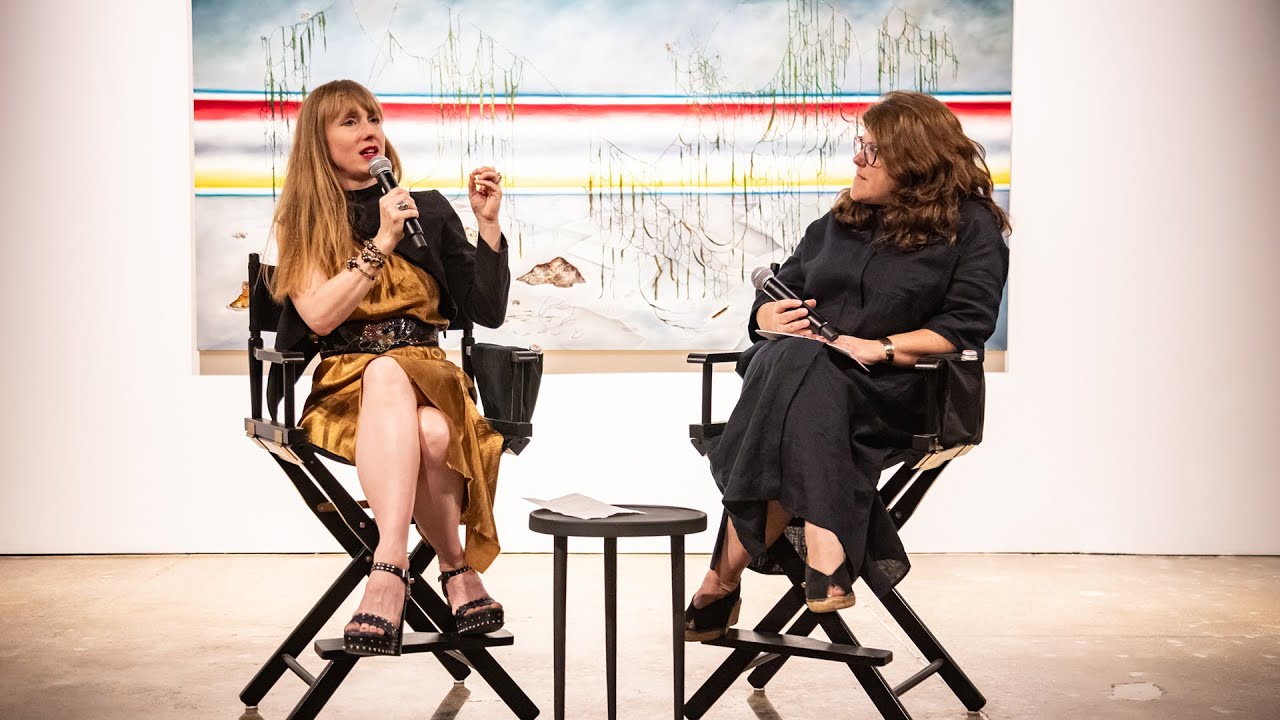

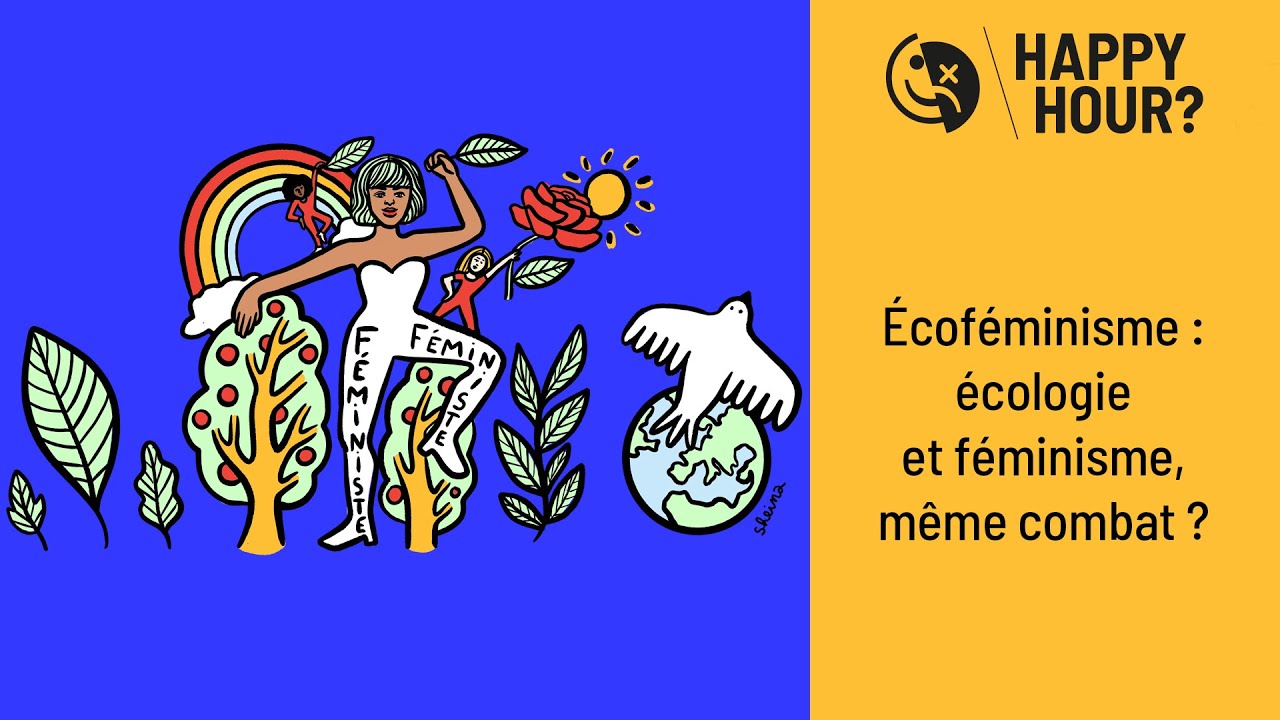


Ecofeminism, coined by Francoise d'Eaubonne in 1974, argues that the exploitation of women and nature are causally connected through patriarchal logic, and that environmental destruction cannot be overcome without addressing gender-based oppression; this perspective challenges the separation of science from ethics and recognizes that women's traditional agricultural practices often represent sustainable circular systems, while industrial agriculture represents linear exploitation for profit.
Ecofeminism Then and Now | Prof. Patricia Glazebrook
Added:Basic Feminist Theory: Understanding the waves of feminism, systemic patriarchy, and the social construction of gender.
Fundamental Environmental Ethics: Familiarity with anthropocentrism, biocentrism, and how human societies conceptualize their relationship with nature.
Intersectionality: The concept of how various social identities (gender, race, class, sexuality) overlap and create interdependent systems of discrimination or disadvantage.
Dualistic Philosophy: Awareness of Western philosophical dualisms (such as mind/body, culture/nature, and male/female) and how they historically justify domination.
Feminist Political Ecology (FPE): Exploring how gendered power relations influence resource allocation, environmental governance, and sustainable development.
Grassroots Ecofeminist Movements: Case studies of practical applications, such as the Chipko movement in India, the Green Belt Movement in Kenya, and indigenous women's land defense.
Queer Ecology: An advanced study disrupting heteronormative and binary understandings of nature, sex, and environmentalism.
Materialist vs. Cultural Ecofeminism: Examining the internal debates between those who analyze ecofeminism through economic/labor lenses versus those who focus on spirituality and nature-connection.
1.3K views35likes1:19:01Original Release: 2021-01-22
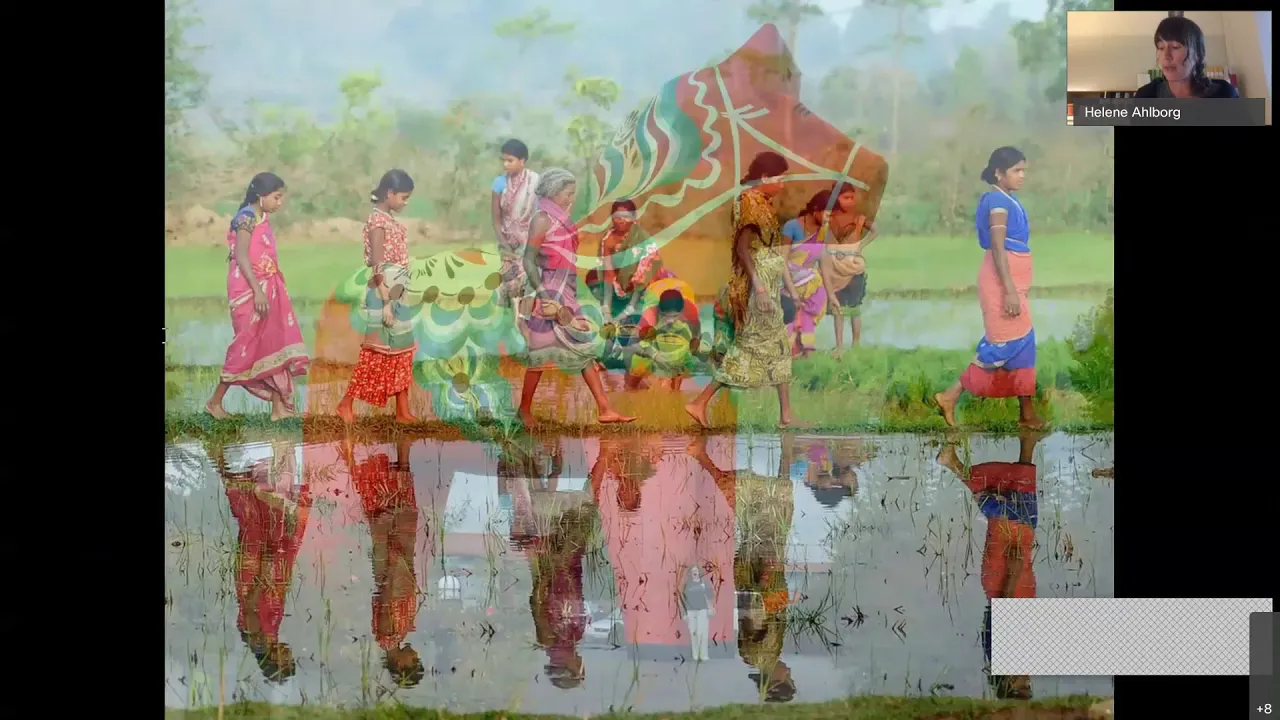
excellent and um i'll just start the slideshow great so i think if someone has a pressing question as we're going through i'm okay if people want to you know interrupt if somebody wants to put their hand or you know get contacted to nathan that you have something that you'd like to ask on the spot then i'm fine with that if anybody wants to do that i'm going to talk about um eco-feminism in a kind of historical way but there's obviously way too much of it for me to be able to give any kind of in-depth account right so what i'm going to do is i'm going to hit some highlights based on some particular figures and the things that they have written and the things that they have said and i'm going to use that as a way of ultimately getting to a place where i can just give a brief overview of the kind of um the kind of developments that i have added on in my own work to what we already know from uh from eco-feminism so let me just start with that background there in in 1952 simone de beauvoir aligned women with nature by arguing that both appear as other to man in the phallic logic of patriarchy in 1974 francoise de bonn invented the word lethal feminism to express the double exploitation of nature she talked about the the double exploitation of first nature in an excess of production and of women in an excess of reproduction she was an author and activist and this term lack of feminism and her book feminism feminism or death are credited with prompting the third wave of uh feminism her title sounds like a threat you know feminism or death but really it's a warning over production she says will end in dangerous resource depletion and sparsity and excessive reproduction at the same time will lead to overpopulation so she was saying that in 1974 and well here we are that is exactly the situation that we are in now um you know approximately 50 years later so these days we live in a context where there are many voices are arguing for for change to bring things uh you know about so that we'll live in a world that is more just and more capable of uh not messing up its space as it were so racism sexism human rights violations corruption mass poverty starvation climate change the rise of fascism the fundamental concept at the heart of contemporary eco-feminism that i think has been there for eco-feminism from the very beginning is that these harms are causally connected foundational for functional response to each of these many harms is their consolidation in the idea that we don't just need change we need just change we need to resolve ethical issues as well as practical issues of resource availability so if justice isn't addressed there will be no change in the other areas we will just continue on as we are so what i'm going to do today then is tell the story or tell a story of how eco-feminism got from 1974 to 2001 and then where it might be in in 2024 and i chose 2024 because that is half a century from when francois de buen first coined the phrase or the word eco-feminism and obviously much is going to be left out of the account i mean i've tried to provide a kind of order to the narrative because it can't get chaotic because there's just so much material and there's so many different kinds of people who do different kinds of things that have made contributions and continue to do so when it comes to eco-feminism it's just not it's not just an academic thing right so i've tried to provide a kind of order to the narrative and to flag some key insights that have been gained over the years so i'm going to start with the eco-feminist vision in the 1970s that actually created eco-feminism's most difficult challenges so you know with these uh samantha bova said what she said about connecting women in nature in 1952 sorry starting off in 1949 and then there's kind of a gap and then when we come into the 70s and there's uh uh you know the introduction of uh a lot of stuff was going on in 1974.
so uh we we come to that we find that at this point the way that eco-feminism emerged or re-emerged i guess emerged because it didn't nothing really started with respect to eco-feminism following simone de beauvoirs connection that she made between um women and uh nature and so ironically then the movement as it emerged in the 1970s actually at the same time created its most difficult challenge that challenge that if women's connection to nature is women's reproductive capacity how is it then that eco-feminism isn't just an essentialist reinscription of bio um biologism that totalizes women as mothers whose nature confines them to the domestic realm how is eco-feminism because of its appeal to the way that women and their bodies are connected up differently to nature than men are how is it that we're not reproducing the very sexism that we might want to overcome as feminists so there's this tension between feminism and eco-feminism and in fact even simone de beauvoir herself later criticized her merging of women in nature because um of appeal to quote traditional feminine values such as woman and her rapport with nature she said is a renewed attempt to pin women down to their traditional role so i'm going to respond to that problem by drawing on the uh in a few minutes by drawing on the idea of healing and also by looking to indigenous women's contributions to eco-feminism and traditional knowledge in order not to resolve this challenge but to put it aside as frankly what i see as a pointless academic distraction the idea that eco-feminism puts us into uh essentialist totalizing move in terms of thinking about women actually does a great disservice to eco-feminism because it has so many other things to do that are beyond that and also frankly you know i'm old i was in grad school in the 1980s and 90s and you could not say anything about simone de beauvoir with immediately getting slapped with oh you're a essentialist you're being an essentialist a gender essentialist it was almost impossible to talk about gender at all without being accused of being an essentialist so partly i'm reacting uh to that to say you know what i don't really care i actually think there's something much deeper to be said here and that it's not required that we understand eco-feminist eco-feminism to be uh to be that so i'm gonna respond in in that way and after i've done that then i'm gonna jump immediately to what for me is a pretty important issue and probably for many of us is feminist critiques of bias in science and at the same time eco-feminist critiques of gender exclusion and environmental philosophy countered by ariel salah on hegemony and karen warren on logics of domination after i've talked about that to some extent i'm going to discuss vandana shiva on women's agriculture agriculture is something that i work on in africa and given the way that the global south is now with respect to food security issues which i'll talk a little bit about later um i think it warrants uh taking the question of agriculture's focal and also you know we go to the store and we buy stuff when we bring it home and we eat it so we're not actually as fully aware of our reliance on agriculture as we are unable to in order to be able to meet our um you know food security needs so i think the reminder that in the end it all boils down to agriculture when it comes to how we eat and what we eat and when we eat and how we have access to food that that's something we need to be more aware of because as climate change in particular affects those food growing systems we're going to see more and more harm and already in africa in africa itself in just that one continent one in four people is uh suffering extreme hunger throughout the year in africa at this point and the truth is that um because of climate change we're gonna you know the human species is being eaten out from the bottom up economically speaking and if we don't have any other reason to uh you know protect the global south from massive harm to his agricultural resources then eventually we will be the bottom rung that will be the next one to be eaten out as climate change makes living for human beings harder and uh harder and harder so once i've discussed that then finally i'm gonna ask what has been learned through this more than half a century of eco-feminism and i don't mean you know what i'm saying or what's been learned here today or whatever i mean what eco feminist insights have built a connective and coherent understanding of the root causes of eco destruction and the possibility gender difference affords towards healing so if eco-feminism start with the idea of the healing of women from their uh sufferings their troubles uh because of uh patriarchy or the phallic orders the french like to call it that uh uh that in fact paying attention to women's practices women's work and the ways that women do their their work actually can provide a hearing and a big a healing in a bigger way that is a healing for the planet and a healing for ecosystems and species and of course for you know in that i include the human species so the first section then that i'm going to address now nature culture mothering so the nature culture distinction is often called nature nurture but i find that deceptive because culture can easily be not nurturing but in fact damaging or nurturing of some at the expense of the other and that's what we're seeing very much in the us now right that some are very much uh benefiting from the situation over the last four years and others are being significantly significantly harmed by it so by when i say contemporary culture is is not nurturing by contemporary culture i mean not specific cultural groups but the culture of the global north that is just constructed and structured by economics and by persistent social inequalities it's based on gender based on skin color based on belief based on able abilities based on age you know based on a ton of different factors that we could all um identify in terms of the isms of domination so uh you know the cult the so this culture then the culture of global northness may uh nurture the hegemon but not others and not other species and you know not other people not other species and not ecosystems in the planet itself so in 1974 sherry ortner who is uh looking at you now from the screen um so the same year that uh devon was creating the word eco-feminism sherry ortner asked the question is woman to nature as man is to culture so is this related you know this relationship between women and nature parallel to the relationship between men and culture like culture is the man's world and nature is somehow the woman's world she answers that though woman is not closer to nature than man she is actually culturally constructed to appear so that's genuine change concerning women's secondary societal status can only come about through simultaneous change she argues to social institutions and cultural assumptions ariel salah who is an australian in fact based on her concept of what she calls embodied materialism because she and i are we sure being neo-marxists and so she just talks about marxist materialism as an embodied materialism so in other words women's work is uh uh you know uh connected to women's bodies and understanding of of a body as being a woman's uh body so embodied materialism accepts neither that woman is closer to nature than man nor that gender is purely cultural phenomenon so it doesn't fall into if you want to say nature nurture or nature um uh culture that you can't separate those two things that clearly and i've always believed that to be the case i've always found that nature nurture debate the nature culture debate to be um awkward and maybe it's one of those situations where your uh you know um standpoint theory comes to bear because it's your standpoint that makes you understand whether or not nature and culture can be separated because of course if it wasn't for nature culture would be nothing right i mean you know people think that technology or culture is a way of overcoming nature but to face that you don't overcome nature if you did we wouldn't all be uncovered from my perspective i wouldn't be aging right i mean there's so many things you know i can't tell you how many philosophy you know environmental philosophy conferences i've gone to and uh people talk about getting back to nature you know and i'm kind of like i saw you eat breakfast right like you may be hungry you may want to go to the bathroom you may be sleepy you didn't leave nature behind just because you put these walls a built environment is not the end of nature a built environment is an accommodating ecosystem for example eagles to you know start to put their nests on high rises in cities right it's just another natural thing even though human beings have intervened you know into intervened in it then so if we if we give up the idea that there is this uh separability between um nature and and culture then we can get a different perspective on how to understand the relationship between women and nature but also between human species and our practices and nature and you know break down the idea that we can conquer and control uh nature so so that's the eco-feminist recognition of women's closer or at least different relationship to nature does entail that all you know it it does entail that all sorry doesn't i should be not in there does not entail that all women have or want to have cis sex menstruation pregnancy or babies and especially it doesn't mean that we want or are especially good at domestic labor it's funny how the fact that you have a baby means that you're really going to pack in the dishwasher right how did all these other tasks get connected with the fact that we're capable of you know producing life so the fact that eco-feminism is not necessarily gender essentialist however um sorry so to go back to that point this assumption that we may want to have you know these things that involve having babies and in fact are good at domestic labor so that's why we should do it these kinds of assumptions all they do is denigrate women's individuality women's preferences and our capacity for self-definition so the fact that eco-feminism isn't necessarily gender essentialist does not however mean that eco-feminists do not celebrate the female capacity to create life birthing in fact has historically been and in some countries still is primarily women's business when i'm in the village in ghana and you know you quite hit here regularly at night we'll hear some kind of yelling and you're like oh the baby's coming she's having her she's having her baby and something like nine percent of women in that area actually get any kind of medical support when they are um giving birth and by medical support i mean even midwife they do it in their um you know hurt at home and their sisters their cousins the people who you know the women who live around them who aren't trained you know in any kind of medicine or even as midwives or even as doulas they are there to help them through the through the process and hence there's a fairly high infant and maternal mortality rate but just in case you don't already know this in the global north the highest incidence of both maternal mortality and infant mortality during childbirth is in what country the united states that's just in the global north but still that's pretty horrifying piece of data so after world war ii though developments in medical technology driven a heidigerian eco-feminist i don't know where we would find one of those might argue driven by patriarchal need to control female bodies had largely appropriated the process and my father god loved him he was he was a doctor he was a cancer doctor so he didn't have much to do with delivering babies but one day he was talking about it and he said you know the job of the doctor is to when you know the relationship is between the doctor and the baby and the doctor's job is to get the woman out of the way right so that it's this threat relationship between the doctor and the baby you know in terms of babies born removed from the removing mother and of course i was like come on dad you can't really say that and uh you know we we used to debate a lot and so we debated that and never really came to a resolution because we both were pretty clear about what you know the doctor and the daughter we very had have very different perspectives right so um so early eco-feminism then celebrated taking this power back the power of birth the power of you know managing that situation and i want to don't want to say controlling there because a lot of have having a baby isn't controlling it's really about letting it happen in the way that it wants to happen and and you know making it happen um that way you can't you can't fight it you go with the flow as it were that certainly was my experience anyway so um early eco feminism then celebrated taking back this power this week productive capacity and that whole process and in 1978 in fact mary daly's radical feminist book gein slash ecology and we all know what gynecology is right so she's playing off that and susan griffin's book world a woman in nature they're roaring inside her both those books were published in 1978 and each argued that philosophy and religion have bolstered patriarchal power over both men and women so they sought to retrieve that it's not just the retrieval of birthing and mothering it's the retrieval of um retrieval of spirit retrieval of spirituality retrieval of things that had been appropriated by uh patriarchal systems by the phallic order and the journal heresies in fact in that year also published an article the great goddess that reclaimed religion from patriarchy through the quote goddess a symbol of life and death powers and waxing and waning energies in the universe and in themselves so subsequently judas plant rights of healing the wounds eco-feminists were developing a spiritual alternative of nourishing love and life in contrast to patriarchal religions while also critiquing modernity's materialist scientific worldview as eco-feminism moved forward amidst a larger battle of accusations of essentialism that i already ranted about in feminism the issue with female capacity to make life faded from discussion but the desire for healing stayed throughout in the 1990s karen warren assesses eco-feminism's healing power for women men and the planet rosemary radford ruther provides an eco-feminist theology of earth healing and recounts how environmental degradation exacerbates global poverty by increasing women's labor and suffering and certainly the feminization of agriculture as an increased work labor load is hand-in-hand with the feminization of poverty has just exploded as an issue in international development in the last 10 to 15 years so you know the uh women's the increased proportion of the poor who are women and the increased proportion of women who are agriculturalists growing food to feed their families those proportions have both expanded uh you know a lot recently so this has been talked about now since the 1990s but it in a really big way i mean before that it was talked about but it became really big when the millennium development goals were put in place that ended in 2015 and subsequently the sustainable development goals but you know sustainable development is in itself oxymoronic or perhaps just moronic the idea that you can have growth and uh controllable consequences together as one doesn't really make it doesn't really make any sense so the sustainable development goals as long as they remain uh predicated on approaches that understand that you can have development and sustainability at the same time when it's been appropriated by capital such the development there doesn't mean development for human beings but means development for economics for economic systems throughout the planet right so the promise of healing then remained in uh eco-feminism and it became as eco-feminism moved forward and these issues came up of poverty of women's labor and suffering the healing for women and men and the planet itself the theology of earth healing as these things came up the promise of healing became more of a promise of a better future than the dionysian celebrations and the ellucian uh mysteries of the nine you know of 1978 in the late 1970s to reclaim the power of creation and life so we kind of lost a lot of the party factor but you know we can retrieve that any time we want and in the meantime we have other business to do than that right we don't want to just go out and have a ritual and you know drink and dance and um speak to whatever gods we believe that we speak to we want to actually make you know one of the big changes for eco-feminism historically is the move to actually want to make change in the world right to change women's conditions so the at the same time though right so so this question of the linking of women in nature it doesn't have to mean that we are um you know simply returning to the old ways of women being child producers and the household help as it were right but in fact we're uh it doesn't have to it can be that way you can understand it that way but it doesn't have to be that way but the truth is the linking of women in nature does cause harm catherine you know for women catherine roach argued that the phrases mother nature and mother earth quote give the meaning and function traditionally assigned to mother and motherhood in patriarchal culture given that meaning these phrases will not achieve the desired aim of making our behavior more environmentally sound instead it simply helps to maintain the mutually supportive exploitative stances we take towards our mothers and our environment our mother is a resource who looks after us as to as another person puts it i forget who it was it was quoted an account in a paper in a book crime or war and edited i can't remember who originally said it she was like no don't compare the planet to a mother we need to treat the planet well and look at how we treat mothers right they are overlooked they're underpaid oh sorry not paid right and if you don't you know if you don't figure in the economic system you're largely invisible in our world right so you know motherhood isn't necessarily something that we should uh in patriarchy that we should jump on as advantageous for or even appreciated or valued in terms of uh you know in in terms of women right so you know so the association then of women and nature actually reciprocally reinforces the denigration of of each because we are superior in some understanding so you know we're the head you know people tend to uh think that we're the top of the food chain and we're not we're in the middle we're with the badgers we're dominivores right we're not with those you know lions and bears and things that are actually at the top of that uh that chain of uh uh you know uh change that change of um eating right so um uh so that uh that valuing of the human is an overplay of what our roles are but in that denigration of nature in which human being appears to be superior it's not really human being who comes out as superior in that it's really um you know uh it's really the man you know a man in the full sense of the word not men but man right it's man who comes out as superior which means it was hard for a woman to tag along on that so i want to just look briefly at some native american voices here and native american women have done so much to enrich what eco-feminism is and i wish i just i should just write the whole paper on that but what i want to do is is just really come to this this uh point here about what it means to work in knowledge systems that have not been separated as scientific knowledge and religious spirituality the insight that those two and i'm not a particular i'm kind of a you know born again pagan right so which is a kind of religion in itself and i mean even you know not believing in any kind of divinity is a religious commitment right it's a belief system so that separation of uh science from religion is problematic it's good to have the you know rendering to caesar render unto god distinction right we could use a little more of that in that this country or this in the us at this point in time but really what it means spiritually in your culture and you know what it means in your knowledge system to separate those things out is also deeply problematic and i'm going to suggest later that it's problematic because it precludes the possibility of ethical thinking being connected to your fundamental knowledge system and you need for your not your knowledge system knowledge is power and so it empowers you to do many things in the world to have knowledge so to have separated that from ethics is deeply problematic and to reconnect those things is to go back to this understanding that we have never lost that has never been lost in uh indigenous communities throughout the world and certainly standing rock is an example that taught us you know about that so going back to 1979 starhawk and in 1990 paula gunn allen 2005 and these are just winona leduc and i'm just referring to particular writings with these with these dates and just sort of the epoch of generation that these women are in throughout so these women one of the things that's interesting about them is they're not philosophers or this or that what they're doing is is engaged in all kinds of activities that aren't so easily separated out these women that i have named write fiction and non-fiction and it makes little sense to speak of how their work is at an intersection of gender indigenous rights and environment as if those three things can be clearly separated out and sometimes to borrow from aristotle you do have to separate them in thought in order to understand different factors of what it means to be indigenous what it means to be a woman and all you know different kinds of things but really those things aren't separable in reality and they belong you know fully together so these women have academic affiliations but they're also activists discourse in north america concerning indigenous knowledge systems has moved from the language of spirituality to traditional ecological knowledge and i learned i owe a lot of my insights on that to jonathan and i saw that jonathan hook is here with us today and i thank you for you know i'm i'm honored that you would uh that you would attend and thank you for being here so um you know in part this discussion certainly by people like me who you know were basically born in scotland and uh you know of welsh descent right um for for people like me it's advantageous because using the freight traditional ecological knowledge avoids having to land on the wrong side of the modernist distinction that identifies science with knowledge and religion with superstition and myth so this transition has made indigenous knowledge systems more compatible with academic practices of science so this uh trend transition to um indigenous knowledge systems being understood as traditional ecological knowledge rather than religious belief or uh you know because it's not so easily converts to superstition and all kinds of other denigrations right so this uh movement has made indigenous knowledge systems more compatible with academic practices of science and easier to integrate into equally male dominated science-driven environmental policy contexts but it also has cut out gender in many ways in doing that so the dooku has a strong voice in environmental policy critique and is kind of one of you know a personal hero from my perspective because of her capacity to speak out clearly and strongly and not have any you know she does that kamala um harris thing where she doesn't let people talk over her she said you know you can tell when she's speaking you know i'm speaking now is what is coming out in the strength of her in the in the strength of her voice she has a strong voice in our environmental policy critique but at the same time you know she's doing all this eco-feminism work she's worked on stuff that's equal feminist um she wrote the introduction to a bow gardener and richard's field guide for feminist activists but she doesn't identify as a single feminist when she's been asked she's like yeah so one thing we've learned here is you don't have to declare you're an equal feminist or say you're eco-feminist to be working toward eco-feminist goals and i'm going to come back to that at the end of what i have to say but anyone with gender consciousness and a commitment to environmental protection and defense can contribute to eco-feminist goals so i don't know about other eco-feminists but i don't really care what you say you are it's all about what you're doing and if you're doing is um you know what you're doing is consistent with that program or if it's separated from it so i'm going to move now to another question which is the question of science philosophy bias uh and i'm going to talk about ariel sal and karen warren on hegemony and domination so in 1980 i'm going to start with carolyn merchant carolyn recognized the connection between patriarchy and science she identified misogyny going back to bacon's writings in the early 17th century about experiment that he said extracts nature's secrets and you can see the quote that i put the quote up out of her and he i put the word her and could just say you know get the phrasing right for uh as i extracted the sentence so he he refers to nature as she and actually in his uh work on this in his writing on this in 1920 1620 he actually is taking from uh courtroom witch trial language so um experiment extracts nature secrets out of her very bowels when she is under constrained and vexed that is to say when by art in the hand of man she is forced out of her natural state and squeezed and molded so basically he makes nature a woman and then he says we torture it to get information out of it so i don't know to me that's misogyny merchant argues further that descartes mechanistic vision of reality reduces women to their body available for exploitation whether it's for labor sex reproduction like any natural resource strong critique followed carolyn merchant's perspective in the 1980s i'm thinking of sandra harding and nancy tuana here their research showed that devaluing of women's contribution and the rampant androcentrism of the sciences in particular the epistemological demand for objectivity that i've argued in tons of places precludes most recently in a paper on donna eide precludes the possibility of ethical thinking which is something that i attribute id as uh describing you know and that in his critiques of science this is one of the points that he's making and i just kind of pull it out of him a bit and make it a little more a little more explicit that objectivity requires not caring it acquires not being partial to right and that means that it precludes the possibility of ethical thinking because ethical thinking needs the recognition of the other the um care to want to listen to what the person has to say what to find out what the person's perspective is so you need to to be ethical you need to have emotional connection you need to have feelings and science the epistemology and also ontology of sciences we know it these days um precludes doing that because it demands that you have the distance of objectivity in the 1980s ariel salah argued similarly that against deep ecologists for the place of eco-feminism in environmental philosophy the eco-feminism deep ecology debate isn't actually such a big debate over philosophical theory more than it is as a debate over sexism over the fact that women don't get you know weren't getting on to the um so somebody's in the waiting room sorry just got an announcement there's somebody's in the waiting room that um uh um sorry i shouldn't have said that in the middle of a sentence because now i forget what the rest of the sentence was um uh and then and then sex so so women would submit you know eco-feminist because if you're a woman who works on environmental issues naturally you're an eco-feminist just i find just being a woman in the academy made me a feminist you know i'd go and take a job i never studied it i never trained in it i wasn't interested in it and eventually i just had to learn feminism so that i didn't completely do a mess of it because many places that i went to they were like oh yeah you have a vagina you can teach feminism i'm like okay great hey who do you want that's the skill that comes along with having a vagina right so you know so there you go so uh salad launched the view from an eco-feminist standpoint that deep ecology is a self-congratulatory reformist move that quote fails to face up to the uncomfortable psychosexual origins of our culture and its crisis in its nature for control and basically if those are the fundamental problems that are driving a lot of the things that need to be changed on the planet that the deep ecologists really wanted to change i said wanted because i'm not sure there's too many deep ecologists around these days maybe there are and i just don't know them right but the things that they wanted is their goals for changing human behavior and changing how we are and the damage that we're doing to the planet if they then don't recognize to the gender issue how are they going to be able to achieve those goals because the gender issue as we learn in how they respond to women submitting papers to you know conferences into journals not to have women put on the agenda put on the you know uh uh have their papers accepted either for the journal or for the or for the paper if they can't accommodate the question of gender they cannot achieve what they want because gender issues are the fundamental heart of it you know the appropriation of women bodies and women's labor etc in 1987 janet beall argued that deep ecologists implicate women in the male project of domination of nature so women are excluded from the environmental philosophy but at the same time attributed with the harms that deep ecology wants to uh so so the argument is that the destruction of the planet is because it's under patriarchal capital is actually a male project of domination over nature and that women's as we see with vandana shiva women's appropriate approach to managing nature to growing agriculture for example you don't conquer the field you have to be able to see what's going on and work with it you have to understand that you are part of a process and your role is there just to manage it you're actually part of our water process right it rains it goes up it you know it get cools the the moisture cools down and gets pushed out you know as from the comes up out of the ocean and gets pushed out over the land and when it uh gets too cool it drops in rain and then the rain ends up going into rivers which go out so you have this you have this circular system and vandana shiva says woman's role in that is to simply keep the circle moving around right it's not her role to so basically women's agriculture is the circular process of respecting nature cycles whereas industrial agriculture isn't this circular process it's a straight line from the field to the bank account because it's not about feeding people industrial agriculture is about making profits right so um so so salmon said that uh uh deep ecologists underestimate both the eco-feminist challenge to epistemology and how much work is necessary to bring about social change in the meantime interestingly so she was you know was publishing so uh thank you to gene hargrove for putting the eco-feminist deep ecology debate in his journal environmental ethics because by doing that he actually made the debate and he got their voices heard so salah published in there you know um uh three times and eventually these male voices chimed in so jim cheney published a paper accusing deep ecology of simply being androcentric and michael zimmerman actually also argued in environmental ethics for quote the global awakening of the quest for the feminine voice to counterbalance the one-sidedness of the masculine voice and that idea of balance that idea that eco-feminism isn't about you know uh get rid of the male perspective or get rid of men or anything like that it's about let's establish a kind of a balance right that women need to have voices and women need to be participating in policy and women need to be part of the game because there's so much involved in the labor of it but also they can do things that counter the uh extreme masculinism of uh global capital and um how it's uh how it's damaging the planet at this point so as uh salah puts it um the political attitudes are are meaningful only in deep ecology she said to white male middle class professionals whose thought is not grounded so sorry that's kind of like a lot of us right that's kind of our category except also adding the male part whose thought is not grounded in the labor of daily maintenance and survival because a lot of that maintenance and survival is actually being done you know by others and that's in some sense true for women too but then again it still remains the practice you know covet has been a real impediment to women's scholars because they are the ones that already are you know that still largely hold the task of completing the domestic chores that need to be done including preparing food cleaning up from food even but you know you earn the money now for and then you go out and buy it etc right so women are still in that role and therefore the demand from the children and from the family uh in the household falls heavier on on the woman so if you're you know doing stuff at home and you're in lockdown women's work has increased significantly so that their capacity to write papers and meet academic standards for promotion etc has been challenged by the impact of covet on them in this particularly uh you know gender way so at the same time that salah was arguing this and interestingly not change didn't happen on this until cheney and zimmerman came in you know and i can't tell you how many times that happened to me i'll be at a conference or at a dinner or something and i'll say hey what about this and and people be like yeah you know and 10 minutes later you know i mean everybody knows about this right it's a common thing a man in the room will say well hey here's this thing and it was like oh wow that's such a good idea funny someone had already thought of that and i'm just like you know and in the end you have to just not really care because it's not really about you it's about the fact that the id is a good idea you should get out there but it is pretty frustrating it is uh it is pretty pretty irritating i actually talked with a computer scientist one year because he was teaching an ethics class and he wasn't the students weren't liking it at all and so he wanted some help with it and i suggested that we you know do a certain kind of a thing that we have them do uh you know group presentations of particular ethical situations rather than just throw a bunch of theory of you know different systems of thinking about ethics at them right and he was like i don't know i don't know i don't know and one night he calls me up and i'm like oh hey you're calling me up and he says hey hey i'm at this party and i met this guy and i just was saying that thing that you were saying and he started talking about it and it's actually we should do that and i just was like okay then you know the guy at the party but you wouldn't listen to me who you got in to help you because i've been doing it for 20 years right when i said we should do it it wasn't enough but the guy at the party now we're gonna do it i mean you know it's weird that he was a character that guy but you know it's weird that um what does it take for a woman's voice to actually be recognized as saying something valuable and not as or uninformed or naive or whatever it is that you know um dismisses her input as uh not counting and if it does count it's a threat right there's i spend a lot of time tiptoeing around my male colleagues you have no idea what it's like to be a woman in the academy and if you think about philosophy i mean we only do it in universities basically formally for pay right and you know women's you know we just passed last year was 100 years since women first in the global north were admitted to universities right so it's only been 100 years so in many ways the academy is the last bastion of uh you know gender bias when it comes to the question of knowledge and for a hundred years now women have been trying to overcome that but we still see that it just it just reproduces itself every generation and every generation has to push back against it because otherwise we'll just end up moving backwards right so plymouth argues at the same time that dominant trends in environmental philosophy embed themselves with rationalist philosophical frameworks which are not only biased from a gender perspective but inimical to nature as well so it's not just that these things are harming women or you know uh marginalizing women it's that they have uh awkward consequences as well and so deep ecology in particular said plum wood um also an australian uh in particular remains sexist because it fails to acknowledge gender difference and it retains dualisms that support the logics of mastery that seem to be a large part of the problem and thank you heidegger for pointing this out right a large part of the problem of why the human species is so much destroying the planet because the assumption is that we can and therefore we have the right to or that we should right so the late 1980s and early 1900s then were crucial moments in the development of eco-feminism as it is today you know eco-feminism in fact is a word appeared in the us at a 1987 conference and in print in 1990 in the volume revealing re-weaving the world the emergence of eco-feminism that came out of that conference itself so the contributions were from activists artists poets novelists scholars scientists and spiritual teachers uh who you know can capture how eco-feminism um became as a social movement and philosophy a social movement and a philosophy and initiated a critique of science and technology and then sought healing in the face of contemporary destructive life-denying uh practices so the diversity of genres and perspectives shows that eco-feminism was in the 1980s much more than an academic practice an academic enterprise prize but then karen wong came along and in many ways if it wasn't for karen warren coming along and actually um reinforcing and continuing it as an academic project i'm not sure that we would have eco feminism now or certainly have it in the way that we have it uh in the academy in 1991 she edited a special issue of hypatia on ecological feminism at her instigation and she later expanded that in 1996 into a book in the previous year i.e in 1990 she published the power and promise of ecological feminism in which she argued that the power of ecological feminism is its promise to reconceive feminism at which you know they haven't always agreed feminism with eco-feminism uh but she thought eco-feminism could you know reconceive feminism so that they would be more um you know connected to connecting to each other and just uh i didn't say at the beginning there's a picture of karen warren before you and i just want to dedicate this talk to karen warren because she was lost to us in august of uh it was one of the many 2020 losses and i know she suffered a lot uh you know before that so you know thanks to her for all the work she did and how she hung um uh hung on for eco-feminism in times which certainly didn't help her career and her reputation in her department but uh in ways that uh make it possible for us to be eco-feminist today so in that she argued that the power of ecological feminism is to promise this reconception of feminism and also to develop an environmental ethic founded on the idea that the domination of women and the domination of nature in fact all the isms of domination so this is a move here where we go from just thinking about you know women in environment to actually thinking about all of the isms of domination that eco-feminism isn't about just the domination of women or the domination of nature it's this recognition that all the isms of domination have a common cause and that common cause is uh what she calls uh logic of domination and i would say that that logic of domination right now is in the form of capital patriarchy or patriarchal capital they're just like that it's basically about wanting your son to get your stuff and those things are completely embedded in ways that uh that can't be you can't have capital without patriarchy and you can't have patriarchy without capital and when i say capital there i don't mean it's changing money i mean the way capital is now to go back to the new marxist thing capital when it's the appropriation of labor the uh did mary mary have a question because i see you put your hand up did you want to ask me something mary i did can you hear me yeah great i want to just get clear on healing mothering and reproduction so do you see healing as part of keeping the circle moving keeping the circle going well i mean i think that that's part of being healthy right that's a healthy process like the circle of you mean the the circle of water for agriculture and food security or i mean there's lots of ways to think about yeah as opposed to the straight line to someone to someone's pocketbook sort of thing yeah yeah well i mean that's a you know that's a that's a good question i mean i would think that uh uh i think healing is the process of getting to understanding those systems and becoming comfortable as a function or in that system rather than someone that has to run the system or boss the system you understand your place and that you have a particular task to do in the system and you do that task but that doesn't make you better than the rabbits or you know someone who should uh pursue the uh you know uh processes of uh the industrialization of agriculture that doesn't let nature have its way you know and rather that rather than letting the fields um uh you know sit there uh for a year so that the soil has a chance to refresh itself and you know instead you put uh all kinds of things on the ground that are gonna make things grow better and eventually you exhaust your soil when you do that right so understanding that circular process i think is actually a healthy thing whereas the healing is what to get you to be able to be that does that make sense did i answer that yeah i'm just trying to understand this in the kind of marks of feminist critique of reproductive labor because it seems like another thing that women have to do women have to be the healers women have to to restore the balance of things i mean that's the burden yeah you know i mean it is right it it is uh and but you know i mean our job's always been cleaning things up right so i mean really that's what eco-feminism in a sense says you know i mean what do you want to do you want to just leave things as they are if not we have to step up and we have to try and bring about changes right and it is uh it is sort of unfair that now that the planet's been messed up that it would fall to women to clean it up but really one of the fundamental points of eco-feminism that i want to make today is that you don't have to be a woman to be an eco-feminist right so it's not just that women need to clean it up everybody needs to clean it up so the task is to get the i mean if you look at capitalism those who are the most rich i mean the number of women that are in the you know um richest that run the richest organizations is less than 10 right so i mean capital is a really successful project led for the most part in benefiting for the most part extremely rich men i mean you know it's the um uh the uh koch brothers i mean i'm sorry one of them passed away now but you know it was always the koch brothers it was never the wives of the koch brothers and i don't even know i mean i guess their last name's coke too right so you know i mean it has to be men and women there's not going to be i mean that's one of the fundamental changes right we don't just need change we need just change and just change means men have to be involved in the cleaning up process too in changing things and especially when men are in the positions of power that are actually at the root you know running oil companies for example you know i mean trudeau as soon as he took power he gave up on the you know he lasted about a month before the oil sands people convinced him look you cannot get you know the albertans are basically you will kill us if you get rid of you know before oil albertans were starving in big ways right it was tough living there terrible winter living conditions and they just didn't have enough money and and uh you know they were living in poverty and squalor and then oil came along and suddenly alberta is the richest you know province in the in the country right so oil is really important but that's such a short-term solution right so the the the payoffs that go into the american government to promote and continue the oil industry in the us that's men paying men right and so sorry i mean i don't want to be sexist and racist or whatever but basically it's a white man problem and that's just the reality of it and it's hard to say that in the academy and you know no wonder my colleagues male colleagues i have to tipton around them because then i'll you know i'll tiptoe around and then i'll say something like that but the thing is that they try to attend they tend to take it personally i mean it's always been a problem for feminism if you start to critique you know common patterns of male behavior and he's like oh you're talking about me you know i have to be really offended kind of thing just to understand the theoretical move that you're making is the thought that women disown capitalism don't you know don't reproduce the system as it is but aim to heal the earth and so that there can be a different kind of reproductive labor in place right so basically the women that i work with in ghana live on less than a dollar a month and there's no poverty category for that it's so poor it's the poverty category started living on less than two dollars a day and i'm talking about women who live on you know a dollar a month can you imagine living on less than fifteen dollars in a year right twelve dollars basically in a year if you wear it you sewed it right and how did you you know you have to get fabric pieces left off from the seamstress in her you know she gives it to you or you can take it out of the trash and then you have to get thread somehow and right if you're going to eat it you grew it right so uh you know so there's women throughout the planet and men as well but mostly women because women overwhelmingly i mean i remember being at one meeting and giving a paper on women's farming in africa and in the question period this guy put his hand up and he said why don't you you know all these ideas are good but why don't you talk focus on a topic that affects more people and i was like okay well if 70 percent of the you know agriculturalists on the planet are are women and you know i just did the math and said so basically i'm talking about two and a half billion people is that enough for you right i mean there's this invisibility that goes along with women's work but women live outside of those economies and they do all through the world there's a ton of examples i've written a bunch of stuff about this there's a you know examples in in uh india in particular from women's agriculture right so uh we don't all work in this economy that we're you know it's assumed that you know the internet is everywhere and global capital is everywhere and well it's not right it's absolutely is not and there's lots of other economic approaches and what are those women doing they are caring for their children they're feeding them and they're not you know caring in the sense of having i won't have to get the rest of the paper now because you actually hit on the key question and that's basically the point right is that um their work is it's their work it's not that you know we have the care gene as women and that we just happen to love things and so we feed them it's actually the work that we do to feed our children right i mean sure we love our children i would think you know for the most part anyway and we look after our children but most of women's work is actually care work for other people right it's not work so and i'm selfish i say to my son you gotta make your own you know mac and cheese because i'm writing a paper right now right but most of women's work is care work for others and we are the first healthcare people when it comes to health you know it's uh one of the problems of being a woman in the workforce is oh you know i don't know if we want to hire a woman because she's going to need all these days off to look after her sick kids you know this assumption maybe it's not as strong or maybe it's just not as articulated but certainly in my career a lifetime and admittedly that's a long time because i'm old but you know this assumption that it's the mother who will stay home with the child when the child is sick and if you look at aids in south africa for example when the president of south africa denied that aids was real in south africa because he thought that it would be in a mission that south africans were immoral so he denied that it existed so it just went rampant throughout the uh you know throughout the country so the women do the healthcare and throughout the global south you know if you can't get to a hospital it's the women who do the who do the care right but then of course at some point the guy recognized the president was persuaded to understand that in fact too many people are dying especially the combination of aids and um tb and so he needed to do something about it so he agreed to change his perspective and change his view and so then funding clinics became a thing so what happened male doctors got paid to work in those clinics so women's healthcare labor is largely globally speaking labor that is unpaid and therefore is un recognized because it doesn't figure figure in economic calculations right just like women's agriculture if you grow subsistence in other words grow for your family to eat rather than grow to take it to market you don't get in the gdp and so you're it's like you're not there you're invisible and then your land can be appropriated in a country that now so it happens all throughout africa that what happens is a company comes along and says we want to help your economy so we're going to build this you know we're going to have this uh plantation and we're going to grow bananas and we're going to sell them and then you're going to have all this money because you'll be able to ship them to you know you're in africa right be able to ship them all to europe or fish or whatever it is whatever that food resource is and so what they do is they take over land right and they say oh this land is empty so they take over the they buy the land and they start growing it but of course a woman used to use that land to feed her family but she was invisible because she doesn't have a thing saying that she owns it and she doesn't uh you know she's not in the cash system so she's not in the economic acknowledgement you know system so now the country starts to look richer because the gdp goes up but the actual lived experience of poverty has increased because now she has nowhere to grow the food she has to go and work now for the plantation so she's in terrible labor conditions now she's exploited as a sexual object while she's in that work which is very common for women in all kinds of work right and she still doesn't have you know she so she can't afford to buy the thing she's now growing and she can't necessarily afford to you know women starve and their children starve while she is working in those in those jobs so you know um uh there's there's so much in your so much in your question but women also are operating on these other kinds of um other kinds of economies you know exchange economies economies of well i'll give you some threat if you give me some rice and uh those kinds of things right and and their economies of care so in other words it's not to exploit the labor and it's not for so one of the things that for me is key to understand what capital is as opposed to just money is capital is when you do it for the sake of it right like you know jeff bezos how much money does he have apparently if he spend you know millions of dollars every second he still couldn't spend all the money he has in his entire in his entire life right like this this drive to collect masses and masses of money but of course this is the logic of capital right capital tells us that the purpose of human living is the individual accumulation of private wealth right that's how we value ourselves we're like oh hey i'm doing well i'm like middle glass upper middle class i can afford a new car every two years or or whatever right this conspicuous spending is an indicator that you're successful right well the purpose of human life isn't the individual accumulation of private wealth at all and a lot of women's work practices or practices acknowledging that you don't do what you do for the prophet you do what you do for the thriving whether it's the child the you know the um the cow that lives on your farm the ecosystem the soil system that you're working in because if you don't look after it you won't be able to go food there anymore and then you guys will be hungry and your family will starve right so there's this kind of circle that women work in that allows their system to be sustainable and to be continuing sustainability has to be understood as a circle so if it's understood in the economic terms of capital it's never going to be that circle it's always going to be a line because at some point some profit is gonna have to get you know gonna have to get um put somewhere so she's like uh can we maybe we can discuss this more in the question period and i mean it's basically an hour from when i started and there's still quite a bit how do you want me to should i just sort of zoom through pardon because we're gonna zoom for the expression if i hit some highlights till i skip right i mean why don't i just tell you what the basic points are of the sections because i think there's enough out there that we can it would be much better to have a discussion so maybe i can do that i mean like maybe i can just move to uh vandana shiva because i think it's important to hear more here about um agriculture and also to the situation in in in india because one of the big moves in india to address food security and you know there was this uh fear i mean india has a lot of people in it right and it's not very technologized because gandhi's model was the um the loom right the loom was his model for understanding development in his country that it's something you put your energy into and it produces things it's not it's mechanical but it's not plug-inable right you don't plug it into a wall right it's not driven by power that comes in your uh through your through your wall so it was a very different model against the industrialization model that was being played out in awkward ways in other places and in africa in particular right so uh so his model was quite uh his model was quite uh quite different and so um shiva is shiva will tell us about that but so but then there was this prediction that um people are gonna starve that there's gonna be mass starvation in india because of changing weather conditions or for whatever for whatever reason so the green revolution was introduced and the green level revolution was a science program that was largely based on technologies and knowledge transfer from the global north to the global south so from you know europe and north america uh and other countries in the global north to um uh countries in the to india so this transfer of knowledge and technology and uh it was very heavily chemicalized it involved a lot of you know a lot of the stuff that goes into that actually is uh originates in fossil fuel sources and um the idea was that it was gonna rapidly increase the productivity agricultural productivity in in india which would mean that there wouldn't be the starvation that could be staced and a lot of people say that it worked that it did right i'll have a little bit more to say about that later but vandana shiva has always been very strongly opposed to it because she says look women's practices actually are sustainable and um what you're doing is so for example one of the things that she talks about is the movement so some scientists got a grant and they went to india and they studied the plants there and they found out that eucalyptus produces a ton of leaf for a smaller amount of water so it turns out to be the most efficient if you can grow eucalyptus because for the for the lowest amount of water in comparison with other plants you'll get the most amount of um leaf production so be really efficient way to grow food what so they you know got rid of a lot of local farming and went to this monoculture of eucalyptus but of course they'd only been you know doing these experiments on you know growing these eucalyptus plants for a short period of time and that's what eucalyptus does when it's very uh in it when it's you know smaller when it's mature it takes more water than other systems of growth other plants and it gives you less leaf in the end you know in the proportion against the water so what happened was it sucked out the the water table in the areas where they planted it you know five years after it was planted it was sucking out the water table which meant that there was this massive drought and so many people died because of that and the fact was if they had retained the original practices you know women's traditional practices of agriculture actually have sustained populations for generations if they didn't the population would be there now right the cultural group wouldn't be there the village wouldn't be there if their women hadn't been able to have been able to grow their food so shiva's point is look we have these coping systems and you need to just let us do our stuff and not keep coming in and i actually had a colleague from um uh ghana who came over to visit me at one point and she um one day she was just stomping about in the kitchen and she was really angry and i was like whoa you're really angry why are you really angry and she was pretty big in policy she was uh in the canadian government for quite a while um she was like oh they've we've just been told that we need to do this thing the world bank has given us a this loan and in return for this loan we have to this is we have to you know do structural um changes and we have to do that with our agriculture and i'm like okay and you don't want to do that with it she's like no it's not that i don't want to do it it's that this was how we used to do it right we used to grow food like this using this system and they came along and said oh you're primitive people you have no clue you have no idea you have no understanding you must do this other thing you must come into the 20th century you must do this other thing and so we basically got forced because if we didn't do what they told us they wouldn't the country wouldn't get the grand and then you know if you don't get the world bank money then how are you going to do anything you have to build roads capital hospitals right it's all part of a deal so you agree to the structural changes in your assistance of doing things and now they're saying that that's not a good thing to do and we need to go back to exactly how we used to do it and i really you know i really understood her her frustration in in doing that so the green revolution had a lot of problems it produced all kinds of genetically modified things and it also you know now it's monsanto right when that program ended monsanto got in there and what monsanto does is it goes to the farmer and often it's uh the you know the aravasi the um uh people who own land but are the uh untouchables right they're poor they're poor but they own a piece of land and so they grow their food on that land and often it's the man and the woman who were doing it in that in that instance right so um monsanto shows up and says hey we can give you this uh you know great stuff that's not gonna be susceptible to pests and uh you know some roundup kind of thing and um uh you know roundup ready uh um grains that you can plant seeds so that you can grow your crop and then uh you can um you know pay us back at the end so after you've grown your crop and you can sell some because it'll grow a lot of you know stuff's good and you'll grow a lot of crop you'll have increased production and then you can pay us back then and of course what happens is the they there's a drought and they can't grow what they need and then they don't have the money to pay it back and that's so humiliating it's such a breach of honor not to be able to pay that money back that a common response was the suicide of the father and one year when i was in india um i was there and it was the second week of february and i was at an ashram at a meeting that was happening there and uh just in that uh area you know sort of like county the equivalent of a county just in in in that area by the second week of january there'd been you know 200 and some deaths of farmers committing suicide so it doesn't just destroy the ecosystem it destroys the human system you know as well and these horror stories are you know rampant throughout uh india and certainly rampant throughout africa as well because one of the things about capital is that it's mobile right you set something up and if it doesn't work and sometimes in africa what happens is when that land is taken over that i talked about before it's done by an ngo that comes in to do a project and ultimately the project's more money than it thought and it can't complete the project so now the land is sitting there an incomplete project unused and the woman who previously used to farm in its future family still doesn't have access to it because now it's owned by this ngo that hasn't been able to figure out how to grow stuff there which the woman knew to do because she learned from her mother who learned from her mother you know back for for generations so you know so one of the things that eco feminism i mean let me just go to the um i mean i'm happy to send a copy of the paper so that people can actually take it and you know read it um let me tell you there's a picture event under shiva let me just point out then uh so the green revolution was going to fix um uh the problem of hunger in in india she was writing about it in the 1980s right 2015 the food and agriculture organization in conjunction with some other organizations that also are un organizations or well-respected um you know long-standing policy organizations uh produce this report in 2015 on global hunger they said hunger remains an everyday challenge for almost 795 million people on the planet the part that disgusts me is that 80 sorry 98 this should be fixed we shouldn't this gap between the global north and south is just uh i've written a paper calling it negligent homicide negligent genocide we understand the impacts of climate and we understand you know impacts on food for example and starvation rates in africa yet we don't change our ways right over 98 of the hungry on the planet and this standard here is people who for more than one day more than one time throughout a year have nothing to eat and so for some people that means two or three times for other people it means you know every week they're going to have two or three days where they don't get enough food to eat 98 of the hungry in the global south almost a quarter of them are in india almost a quarter of those 795 million people who are basically starving according to the fao in 2015 are in india that's how successful that program was in feeding people in india and africa 27 one continent has 20 so if you put africa in india so you got one continent and one more country you get 52 of global hunger hunger is on that one continent and that one country put together and frankly to me that's a crime against humanity so what has we learned how have we learned well we've you know and in the paper if you want to uh you know i'll send it to um uh to uh you guys and then uh you can pass it around if anyone uh if anyone wants it um uh so because i've added some i've so what i've done is taken what i think we've learned from you know this basically what i have learned from eco-feminism and then i say what i have what i have built on top of it to you know i mean each generation makes this contribution so i add to it in that way i mean the bottom line of what i say is capital right that global capital is a patriarchal system and if you fix the patriarchal part and the capital part we could have a completely different world but you can't you know you can't just do one you need to do both of those things and do them at the same time so the first thing we know then from eco-feminism is that we women's relationships to nature is not the same as men's secondly we we know that in the end woman doesn't have to mean mother right we don't have to be essentialists at the same time though what's common here right it isn't the commonality isn't that all women have babies because that's just false the commonality is that every baby has a mother right every baby is born from a woman's body and maybe technology's going to change that i don't know i think it already did once or twice right there's a couple of cases where i think somebody was bred in a petri dish and that knew knows what right right but basically for overwhelmingly 99.999 etc percent of us who who were born as people we are born because someone mothered us someone gave birth to us and it didn't have to be the same person who then raised us and fed us and looked after us and you know what it didn't have to be the mother you could be bothered by not your mother you can be mothered by your father you can be mothered by someone who's not a blood relative at all right this is a process that doesn't just engage women right it it uh any you know needs to engage men as well it's just like those two men came into the eco-feminism deep ecology debate and suddenly things started changing for women well we need that kind of male intervention but also we need to understand that that's not quite how things should work right right men should be part of the process but we should be able to get the process going in the in in the meantime right we also learned that there's bias in science and that science is based on male conceptions of knowledge i.e cartesian uh visions of the you know universal subject that uh if you don't have knowledge in that way your i mean the examples that often show up in hume and in other philosophers it means that you're a negro um an eskimo an insane person or a woman the kind of examples that they point to is if you're not capable of this kind of rational understanding we also learned that the scientific method requires objectivity and that ethical thinking requires conversation care openness to the other you need to be able to hear the other person even when you don't understand them then you just need to talk more get them to explain it etc right you need to have engaged caring conversations not token conversations where you do a survey and then do whatever you want because if people will complain you can say well we did a survey right you need actual engaged discussion we learned that all the isms of domination are caused by patriarchal logic that that logic of domination is at the core of them and we've also learned that there's an alternative which we can call emotional intelligence and that's what's a work in those women's works within that is what is work that is what is at work when women are uh growing food to be able to feed their children we learned then that environmentalists also the environmentalists who exclude gender will not reach their goals and i have more arguments on that if you uh you know in a different paper i mean pretty much everything i'm saying here if you want to know something about it you send me an email and then i can send you the paper that that where i actually make these specific arguments that you can achieve environmentalism goals without including gender so we learned to that we need to listen to women from throughout the world and that's not just because we need to help them these women are not just victims these women are agents of change we need to learn from them we need to understand from them what it means to uh you know not be able to move somewhere to be dependent on your on your place your understanding of water and you know the global south exists in north america right i mean it's a economic it's an economic category how much do we learn from standing rock that's one example but it opened up the possibility of learning about other ways of understanding water that are much healthier for the people for the ecosystems and for the water itself and that understanding isn't that instrumental value either you don't have that understanding just because it's better for you you have that understanding because it's a respect for the completion of nature's processes and systems as being systems that work well as long as you don't start poking around with them too much right as long as you don't overwhelm them or try and uh take control over them so we need to lead to listen to women from throughout the world but we also need to listen for indigenous people men or women from throughout the world we also learned about the invisibility of uh you know eco-feminism learned about the invisibility of women's agriculture despite traditional long-term you know the displacement of agriculture that women have been practicing for generations after generations after generations by an industrialized system is crazy and has short-term harms whereas women were able to continue to protect their context and their growing area you know for generations after generations after generations we know we learned that eco-feminism the agenda connects women everywhere and that's not because we have some kind of biological connection or we all have the same gene that makes us agree on on these issues it's shared but what shared is oppression so women experience different kinds of oppression but that's the common theme about women in the ways that where they're connected in the eco-feminist agenda is because we share oppression even though those oppressions are different in different places for example you don't want to you know if you're uh talking to uh to women in countries that are plagued by postcolonialism it just doesn't make any sense in the global south to start talking about women getting equal rights because their husbands are also you know um damaged by the harms of postcolonial practices they also have exploited labor and are underpaid etc so to talk about the rights of women the men also needs need to have those rights recognized in value for them right so we need to listen to people from the global south to understand different perspectives and understand how we're connected in ways that allow us to do that for each other eco-feminism then learned that what women do is uh i mean obviously not always right but women's work in general is care work and to say that women care is an issue of labor it's not an issue that just puts women back and their men get reason women get emotion right that's not what i'm saying when i say women practice care i'm saying that their work the work that women do is largely care labor labor that looks after and meets the needs of others we know that capital exists is already discussed with mary in alternative economics it doesn't have to be the way that um capital exists now for example instead of understanding capital as an economic system and after all economics this subject was only invented in the 1850s right it's not that it's one of the newer disciplines um in fact if we think of capital as a sociocultural system so not as an economic system aimed at the individual accumulation of private wealth but as a socio-cultural system that structures our cultures structures our communities which is what capital does these days right it depends it tells you where you live in the town and what kind of house you have it structures our world right to promote thriving so instead of aiming at private wealth accumulation it's about promoting thriving it's about children having enough to eat trees not getting cut down squirrel having habitat etc as a holistic thing not just as a wanfer that this person should benefit or this etc sorry my cat is trying to jump up on the fridge and is knocking stuff off i'm just glad she didn't knock over the whiskey right and also then eco destruction has capitalist patriarchal logic at its base so that's the thing that needs to be changed and i think that eco-feminism can address both the masculinism and the eco-describe destruction for profit that comes with fascism and we live in a world right now of increasing fascism i don't think you can address that fascism and its harms on people and on ecosystems just as an environmentalist because you can't get the justice component and i don't think you can do it just as a feminist because you can't get then they're an eco-friendly sorry because then you can't get you know you can get into masculinism you can't get at the environmental what's needed environmentally the only way that those two things can be addressed together is if you do it from an eco-feminist perspective that works for justice at the same time as it works for um you know environmental issues because really they're absolutely entailed together right so i think that eco-feminist thinking and you don't have to be an eco-feminist you don't have to say you're an eco-feminist you just have to understand what the principles are and call them whatever you want in terms of whether eco-feminist or yours or whatever as long as it's about what you do it's not about what you say you are just so you'd think i didn't make it all up and there's my email so if you want to email me for some of those papers or for this paper which i'll um send anyway to nathan um feel free to do so and i did go terribly over time and sorry mary i was gonna blame it all on you but also i had a lot to say thank you so much for listening
Up Next
12:16
Social Ecology and Human Nature Explained by Murray Bookchin
@lesliefluette1784
49.1K views•2018-08-25
54:57
Contemporary Sociological Theory: Micro, Macro, Integrative
@NaSESYNC
45.7K views•2016-02-17
19:23
How to Analyze Conversations Scientifically | Elizabeth Stokoe | TEDx
@TEDx
1M views•2014-12-04
9:41
What is Sociology? The Sociological Perspective Explained
@crashcourse
4.6M views•2017-03-13
Related Study Plans & Knowledge Roadmaps
Structured learning paths in Sociology
sociology
Celebrity Culture: From Hollywood to TikTok
01Foundations of Celebrity Sociology
02The Rise of Micro-Celebrity & Digital Platforms
03Parasocial Relationships & Algorithmic Intimacy
+ 2 more learning modules
12h5 modules
Explore Roadmap
sociology
Hostile Architecture: Space, Power & Control
01Introduction to the Sociology of Space
02Social Control and Surveillance in the City
03Hostile Architecture and Defensive Design
+ 2 more learning modules
12h5 modules
Explore Roadmap
sociology
Loneliness Epidemic: Third Places & Isolation
01Foundations of Social Capital and Community Cohesion
02The Death of Third Places and Urban Space Erosion
03The Privatization of Leisure and Atomization
+ 2 more learning modules
12h5 modules
Explore Roadmap
sociology
Sociology of Tourism: Gaze, Power & Heritage
01Foundations of the Sociology of Travel and Leisure
02John Urry and the 'Tourist Gaze'
03Staged Authenticity and Cultural Commodification
+ 2 more learning modules
14h5 modules
Explore Roadmap