







![[1] re: David Benatar on how to think about feelings ...part 1 of 2](https://i.ytimg.com/vi/r7RwErKDGXM/sddefault.jpg?sqp=-oaymwEmCIAFEOAD8quKqQMa8AEB-AHUBoAC4AOKAgwIABABGGUgVChKMA8=&rs=AOn4CLB8g3DE90bhBb_6knHdpwEaG1cD7Q)




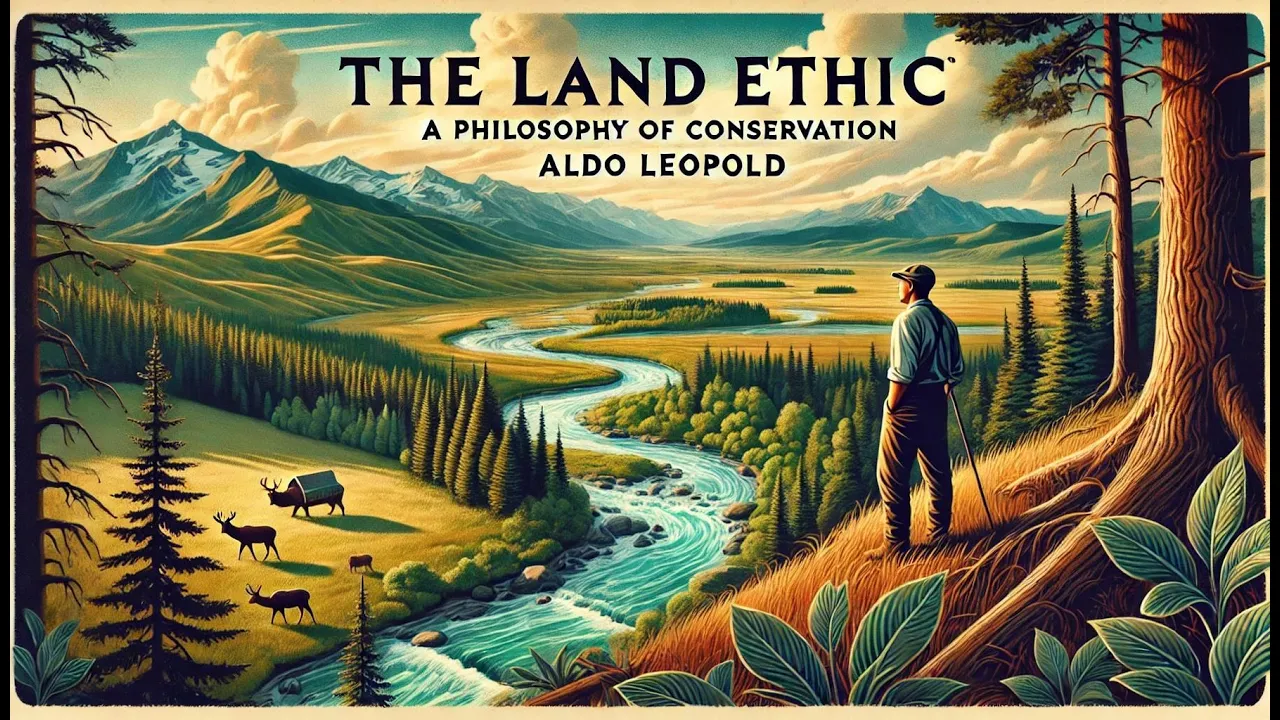
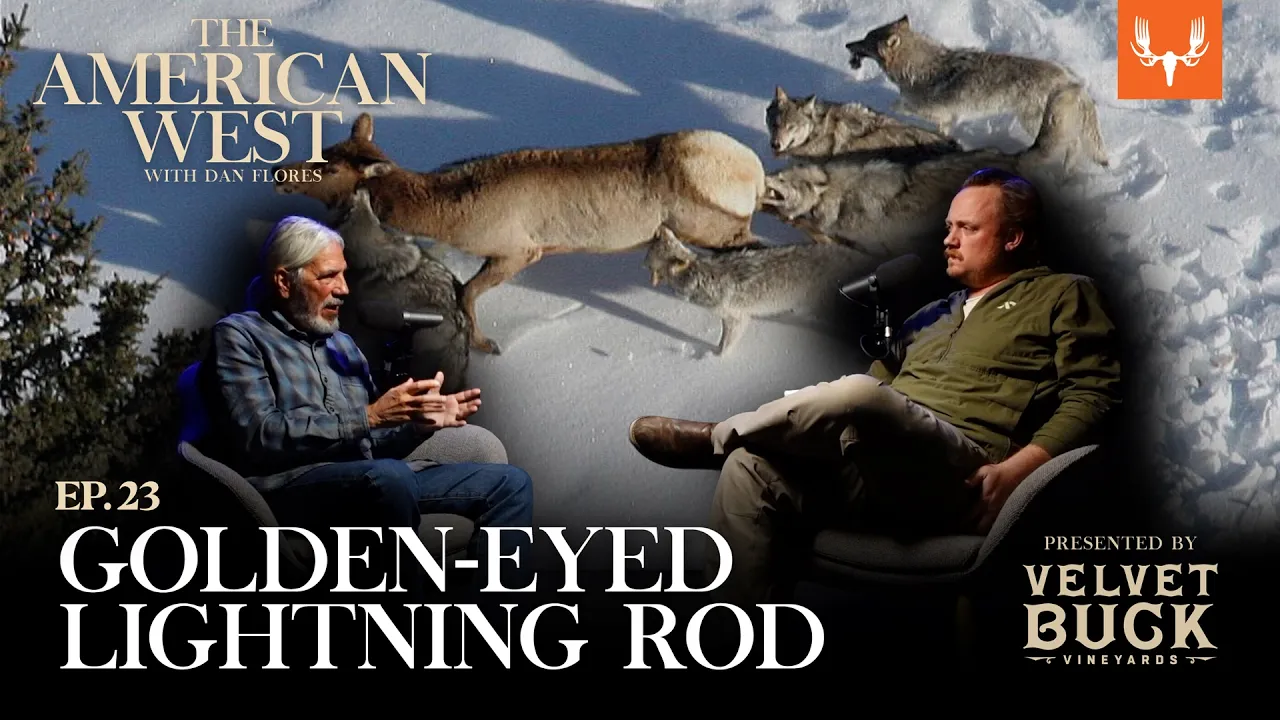









Environmental ethics is a philosophy examining humanity's moral relationship with the environment, emerging in the 1960s-70s due to growing awareness of industrial and population impacts. It explores two key value concepts: intrinsic value (worth in itself, such as species diversity) and instrumental value (worth as a means to an end). Three main ethical frameworks exist: anthropocentrism (human interests only), biocentrism (all living organisms equal), and ecocentrism (ecosystem integrity paramount). Deep ecology, founded by Arne Naess and George Sessions, emphasizes humans as integral to nature, advocating for reduced human population and systemic changes to protect ecological integrity. Aldo Leopold's transformative experience killing a wolf revealed the interconnectedness of ecosystems, challenging assumptions about humanity's role in nature.
Environmental Ethics: Intrinsic vs Instrumental & Deep Ecology
Added:hello my name is julia libers and i am a student at deanza college in cupertino and today my presentation is on environmental ethics environmental ethics can be defined as a philosophy that studies humans and their moral relationship between the biotic and abiotic aspects of the environment environmental ethics really started to develop in the 1960s and 70s this was because of an increasing awareness of industrial growth economic growth and population growth and the effect it's had on the environment when environmental ethics emerged as a new philosophy it challenged traditional views it questioned the assumed moral superiority of human beings to members of other species on earth it also investigated the possibility of assigning value to the natural environment and its non-human components standard policy approaches today consider two pressing global environmental problems climate change and biodiversity loss two factors that play into contrasting beliefs of environmental ethics are intrinsic value and instrumental value intrinsic value is the value that an entity has in itself for what it is or as an end when you think of intrinsic value think of the sentimental value it brings like friendship or love many people value species and ecosystems intrinsically for their complexity diversity spiritual significance wildness beauty or wondrousness instrumental value is the value that something has as a means to a desired or valued end instrumental value is always derivative on the value of something else and it is always conditional a good example of something that would have intrinsic value would be money money physically is just a piece of paper but when you add instrumental value to it it becomes a major social and economic tool the three main types of ethics we see today are anthropocentrism biocentrism and ecocentrism anthropocentrism is the view that only human entrance needs to be taken into account many traditional western ethical perspectives are anthropocentric and assign a significantly greater amount of intrinsic value to human beings than any non-human beings they justify the protection of human interests and well-being at the expense of non-human things biocentrism is the ethical perspective that all living organisms should be considered as equals critics highlight that strictly biocentric ethics will conflict with a more ecological influenced environment protecting individual lives may lead to harm rather than protecting the integrity of ecosystems the evidence given by critics is that there is a need to remove invasive species for ecosystem health it is of course always open for the biocentric approach to accept the conflict by simply denying the value of ecological holes and shifting the focus of biocentrism to have only incidentally overlapping concerns with environmental ethics the last environmental ethic is ecosys centrism ecocentrism is the understanding that ecological groups such as ecosystems habitats species and populations are all part of an environmental concern this approach determines that preserving the integrity of the ecosystems and survival of species and populations is environmentally more crucial than protecting the lives of individual elements of an ecosystem or members of a species ecocentric environmental ethics often would overlook destroying the lives of individuals as a legitimate means of preserving ecology as a whole so members of an overpopulated herd or killing an invasive non-native plant or animal species can be justified there has always been a large debate discussing what is legal and ethical in regard to politics and the environment the emergence of philosophies to underpin animal rights activism and the puzzles over whether an environmental ethic would be something new rather than a modification or extension of existing ethical theories were reflected in wider social and political movements the rise of environmental or green parties in europe in the 1980s was accompanied by almost immediate clash between groups known as the realists versus fundamentalists the real estate for reform environmentalism working with businesses and government to soften the impact of pollution and resource depletion especially on fragile ecosystems or endangered species the fundamentalists argued for radical change the setting of stringent new priorities and even the overthrow of capitalism and liberal individualism which were taken as the major ideological causes of anthropogenic environmental devastation deep ecology is a somewhat recent branch of ecological philosophy that considers humankind as an integral part of its environment the philosophy emphasizes the interdependent value of human and non-human life as well as the importance of the ecosystem and natural processes it provides it provides a foundation for the environmental and green movements and has led to a new system of environmental ethics in 1960s having read rachel carson's book silent spring rnas was moved to apply his formidable philosophical skills to understanding the ecological crisis and its resolution since becoming the youngest ever professor of philosophy at the university of oslo while still in his twenties naes has revealed his brilliance by studying and writing extensively in many fields including semantics philosophy of science and the works of spinoza and gandhi his approach to ecology bears the stamp of his life's experience as a philosopher and the truest sense and it shows in his role in the development of deep ecology and the coining of the phrase the deep ecology platform nas and george sessions both developed eight guidelines to practicing deep ecology and they are called the deep ecology platform the well-being and flourishing of human and non-human life on earth have value in themselves these values are independent of usefulness of the non-human world for human purposes riches and diversity of life forms contribute to the realization of these values and are also values in themselves humans have no right to reduce this richness and diversity except to satisfy vital needs present human interference with the non-human world is excessive and the situation is rapidly worsening the flourishing of human life and culture is compatible with the substantial decrease of the human population the flourishing of non-human life requires such a decrease policies must therefore be changed the changes in policies affect basic economic technologic and ideologic structures the resulting state of affairs will be deeply different from the president the ideological change is mainly that of appreciating life quality rather than adhering to an increasing higher standard of living there will be a profound awareness of the difference between big and great those who subscribe to the foregoing points have an obligation directly or indirectly to participate in the attempt to implement the necessary changes deep experience is often what gets a person started along a deep ecological path another founder of deep ecology is aldo leopold in his book a san county almanac he provides a striking example of how experience can bring forth important life-changing realizations for leopold the experience was of a sufficiently intensity to trigger a total reorientation in his life's work as a wildlife manager and ecologist in the 1920s he had been appointed by the us government to develop a rational scientific policy for eradicating the wolf from the entire united states the justification for this intervention was that wolves compete with sport hunters for deer so that fewer wolves would mean more deer for hunters as a wildlife manager of those times leopold still held to the unquestioning belief that humans were superior to the rest of nature and were thus morally justified in manipulating it as much as was required to maximize human welfare one morning leopold was out with some friends on a walk in the mountains being hunters they carried their rifles with them in case they got a chance to kill some wolves it got to around lunchtime and they sat down on a cliff overlooking a turbulent river soon they saw what appeared to be some deer forting at the torrent but they soon realized that it was a pack of wolves they took up their rifles and began to shoot excitedly into the pack but with little accuracy eventually an old wolf was down by the side of the river and leopold rushed down to glow at her death what met him was a fierce green fire dying in the wolf's eyes he writes in a chapter entitled thinking like a mountain that there was something new to me in those eyes something known only to her and to the mountain i thought because fewer wolves meant more deer that no wolves would meet hunter's paradise but after seeing the green fire die i sense that neither the wolf nor the mountain agreed with such a view this compelling story really paints a picture of how leopold was influenced by this experience and how it changed his mind about the environment and our ethical obligations as humans some food for thought do we as humans deserve to be at the top of the food chain do all living things and non-living things have a role as equals or should we all co-exist naturally to preserve the environment the choice is yours to make thank you for watching
Up Next

Environmental Ethics: Sylvan's Last Man Argument Explained
@KaneB
10.1K views•2013-11-10

John of Damascus on Holy Images: A Theological Defense
@BannedBooks
139 views•2026-04-25

Should We Destroy the Machines? Big Tech Surveillance Critique
@TheStoriesWeTell303
167.9K views•2025-11-30
The Myth of Sisyphus: A Greek Legend of Eternal Punishment
@TEDEd
8.6M views•2018-11-13
Related Study Plans & Knowledge Roadmaps
Structured learning paths in Philosophy